
Annual FeesAUD 38,400 - AUD 50,800
RMIT University
LocationAustralia
Entry RequirementIELTS 6.5 overall
Visa Success Rate40%
Campus Photos
RMIT University
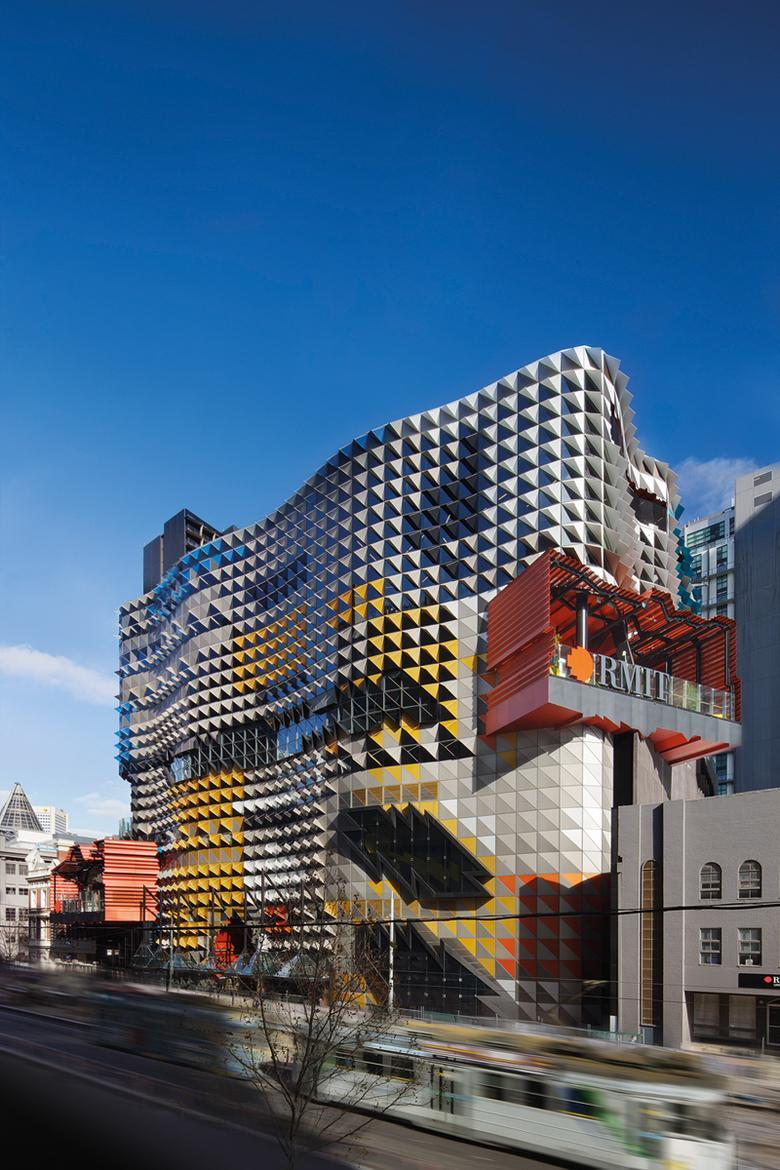
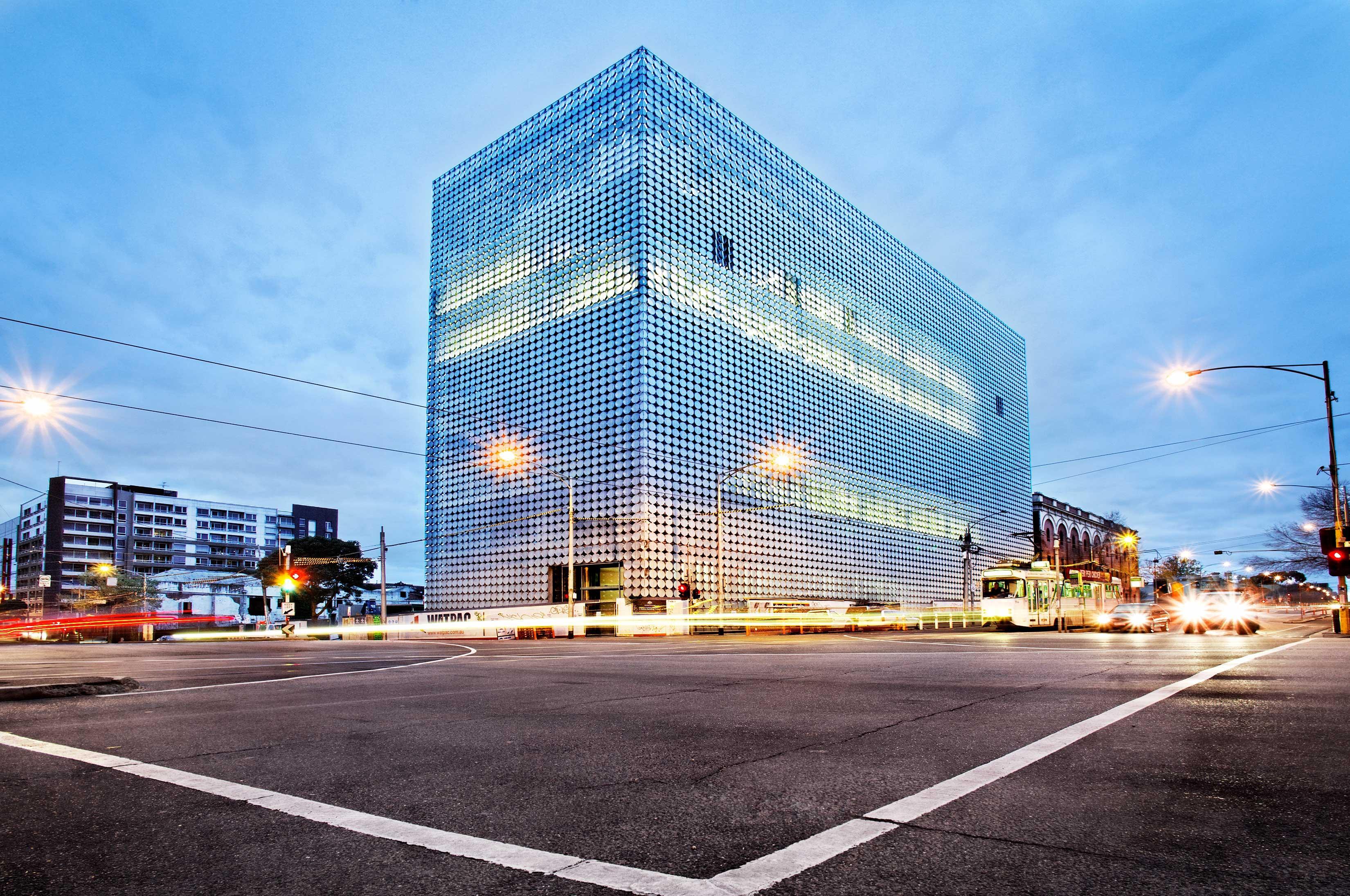
About RMIT University
RMIT University: Practical Learning, Industry Connections and Career-Focused Education
RMIT University is an Australian university with a strong focus on practical, industry-connected education. Established in 1887, RMIT's main Australian campuses are located in Melbourne, including its City, Brunswick and Bundoora campuses. RMIT also has campuses in Vietnam and international study and research opportunities in Europe.
RMIT offers undergraduate, postgraduate, vocational, foundation, English-language and research programs across areas including Business, Information Technology, Engineering, Architecture, Design, Communication, Education, Health, Law, Media, Science, Property, Fashion and Social & Community Studies.
What is RMIT University Known For?
RMIT is particularly known for:
- Information Technology
- Computer Science
- Cyber Security
- Data Science
- Engineering
- Architecture
- Design
- Business
- Communication and Media
- Fashion
- Education
- Health
- Law
- Science
- Property
- Aviation
RMIT's courses are designed with industry involvement, and the university emphasises hands-on learning, placements, industry projects and fieldwork.
Business & Commerce
Students can explore:
- Business
- Commerce
- Accounting
- Finance
- Marketing
- Management
- International business
- Business analytics
- Economics
RMIT offers programs such as the Bachelor of Commerce, Master of Business Administration, Master of Finance and Master of Marketing.
Business courses can incorporate industry projects, internships and workplace-focused learning.
Information Technology & Computer Science
Technology is one of RMIT's major study areas.
Students can explore:
- Information technology
- Computer science
- Cyber security
- Data science
- Artificial intelligence
- Software development
- Cloud computing
- Networking
- Digital technologies
RMIT's current international enrolment information specifically lists Bachelor of Computer Science, Bachelor of Information Technology, Bachelor of Data Science and Bachelor of Cyber Security among its programs.
Engineering
RMIT offers engineering programs across multiple disciplines, including areas such as:
- Electrical engineering
- Mechanical engineering
- Civil engineering
- Construction-related engineering
- Aerospace and aviation-related fields
- Advanced manufacturing
Engineering education at RMIT combines academic theory with practical and industry-connected experiences.
Architecture, Design & Built Environment
RMIT has a particularly broad portfolio in:
- Architecture
- Architectural design
- Landscape architecture
- Interior design
- Construction
- Property
- Urban design
- Building
Students can work with professional-standard facilities and develop practical design and project skills.
Health & Biomedical Sciences
Students can explore:
- Nursing
- Biomedical science
- Pharmacy
- Health sciences
- Psychology
- Public health
- Allied health
- Medical laboratory science
Some health programs include simulated clinical environments, practical learning and professional placements.
Education
Students can study:
- Early childhood education
- Primary education
- Secondary education
- Education studies
- Teaching
RMIT also provides practical classroom-related experiences through relevant programs.
Law
RMIT offers law-related programs preparing students for careers in areas such as:
- Legal services
- Business law
- Government
- Compliance
- Policy
- Justice
Communication, Media & Creative Industries
Students can explore:
- Communication
- Media
- Journalism
- Professional communication
- Digital media
- Creative industries
These programs can combine creative production with industry projects and practical experience.
Fashion & Art
RMIT provides specialist study in:
- Fashion design
- Fashion enterprise
- Fashion sustainability
- Fine art
- Photography
- Design
- Creative practice
Students can develop portfolios and practical skills relevant to creative industries.
Science & Environment
Study areas include:
- Biological sciences
- Chemistry
- Environmental science
- Applied science
- Laboratory science
- Sustainability
Academic Environment
RMIT's teaching model places significant emphasis on learning by doing.
Depending on the selected course, students may experience:
- Lectures
- Tutorials
- Laboratory work
- Studio classes
- Workshops
- Industry projects
- Internships
- Work placements
- Fieldwork
- Research projects
RMIT states that its courses are co-designed with industry and that practical experiences are integrated into many programs. In 2025, 51,758 RMIT students participated in work-integrated learning activities.
Work-Integrated Learning
Work-integrated learning is a major part of the RMIT experience.
Students can gain academic credit while developing professional skills through:
- Internships
- Industry placements
- Professional practice
- Workplace projects
- Industry-based assignments
RMIT's Work Integrated Learning program describes internships as opportunities to gain real work experience as part of academic study and develop transferable skills before graduation.
Pathway Options
RMIT provides several pathways for international students who need an alternative route into higher education.
Options include:
- Foundation Studies
- University Pathways Fast Track
- Vocational certificates
- Diplomas
- Advanced diplomas
- English-language programs
RMIT Foundation Studies provides a pathway into relevant RMIT degree programs, while vocational programs can provide technical skills and potential credit toward further university study.
International Student Experience
RMIT has a highly international student community, with students from more than 196 countries. The university provides specialised support before, during and after students' studies.
International students can access:
- Orientation
- Academic support
- Career services
- Accommodation assistance
- English-language support
- Student wellbeing services
- International student advice
Study Locations
RMIT's Australian campuses include:
- Melbourne City Campus
- Bundoora Campus
- Brunswick Campus
RMIT also has international campuses in Vietnam, while students can access international study, internships and research opportunities through its global network.
Quick Facts
- University: RMIT University
- Country: Australia
- Established: 1887
- Main Australian location: Melbourne
- Australian campuses: Melbourne City, Bundoora and Brunswick
- Study levels: Foundation, vocational, undergraduate, postgraduate and research
- International students: Yes
- Major areas: IT, Computer Science, Cyber Security, Data Science, Engineering, Business, Architecture, Design, Health and Media
- Study focus: Practical learning and industry engagement
- International presence: Vietnam and global study/research opportunities
Q. Is RMIT University a good university?
A. RMIT can be an excellent choice for students who want hands-on learning, industry experience and career-focused education, particularly in IT, cyber security, engineering, design, architecture, business and communication.
Q. Where is RMIT University located?
A. RMIT's main Australian campuses are in Melbourne, including the City, Bundoora and Brunswick campuses.
Q. Does RMIT offer practical industry experience?
A. Yes. Industry projects, placements, internships and other forms of work-integrated learning are an important part of RMIT's education model.
Student Life at RMIT University
RMIT offers a vibrant and highly international student experience, particularly through its central Melbourne City campus. Students can participate in clubs, societies, sporting activities, cultural events, volunteering and student leadership alongside their studies. RMIT has students from more than 190 countries, creating a diverse campus environment. (rmit.edu.au)
Campus & Facilities
Students can access:
- Libraries and study spaces
- Computer and technology facilities
- Specialist laboratories
- Design studios and workshops
- Health and wellbeing services
- Careers and employability services
- Sporting facilities
- Student clubs and societies
- Cafés and social spaces
RMIT's Melbourne City Campus is located in the heart of Melbourne, providing students with access to the city's cultural, business and professional environment. (rmit.edu.au)
Student Clubs & Activities
Students can participate in:
- Academic clubs
- Cultural societies
- Sporting clubs
- Creative groups
- Social events
- Volunteering
- Student leadership
- Special-interest communities
RMIT's student organisation provides opportunities for students to meet people, participate in activities and build connections outside their academic programs. (rmit.edu.au)
International Student Experience
RMIT has a large international student community and provides dedicated services to help students settle into Melbourne and university life.
Support includes:
- Orientation
- International student advice
- Academic support
- English-language support
- Health and wellbeing services
- Careers support
- Accommodation guidance
- Student activities
International students can also participate in events designed to help them make friends and understand life in Melbourne.
Q. What is student life like at RMIT?
A. RMIT offers a diverse and city-based student experience with clubs, social activities, cultural events, career opportunities and dedicated support for international students.
RMIT University Courses – IT, Engineering, Business, Design and More
RMIT offers undergraduate, postgraduate and research programs across Information Technology, Computer Science, Cyber Security, Engineering, Business, Architecture, Design, Communication, Education, Health, Law, Science, Fashion and Property. (rmit.edu.au)
Popular Subject Areas
Information Technology & Computer Science
Students can study:
- Information Technology
- Computer Science
- Cyber Security
- Data Science
- Artificial Intelligence
- Software development
- Cloud technologies
- Networking
RMIT offers dedicated programs such as the Bachelor of Computer Science, Bachelor of Information Technology, Bachelor of Data Science and Bachelor of Cyber Security.
Business & Commerce
Students can explore:
- Business
- Accounting
- Finance
- Marketing
- Management
- Economics
- Business analytics
- International business
These programs can incorporate practical projects and industry engagement.
Engineering
Students can explore:
- Civil engineering
- Mechanical engineering
- Electrical engineering
- Aerospace engineering
- Manufacturing
- Construction-related engineering
Engineering programs combine technical knowledge with practical learning and industry exposure.
Architecture & Design
RMIT is particularly recognised for its creative and built-environment programs.
Students can explore:
- Architecture
- Landscape architecture
- Interior design
- Urban design
- Construction
- Property
- Industrial design
Health & Biomedical Sciences
Students can study:
- Nursing
- Biomedical science
- Pharmacy
- Psychology
- Health sciences
- Medical laboratory science
- Public health
Professional programs can include practical and placement-based learning.
Communication & Media
Study areas include:
- Communication
- Journalism
- Media
- Digital media
- Professional communication
- Creative industries
Fashion & Art
Students can explore:
- Fashion design
- Fashion enterprise
- Fashion sustainability
- Fine art
- Photography
- Creative practice
Education
Students can study:
- Early childhood education
- Primary education
- Secondary education
- Education studies
- Teaching
Law
RMIT offers law-related programs covering areas relevant to:
- Legal services
- Business
- Government
- Compliance
- Policy
Science & Environment
Study areas include:
- Biological sciences
- Chemistry
- Environmental science
- Applied science
- Laboratory science
- Sustainability
Q. What are the best courses at RMIT University?
A. RMIT can be particularly attractive for students interested in IT, Computer Science, Cyber Security, Data Science, Engineering, Architecture, Design, Business, Communication and Health.
Practical Learning
Practical education is one of RMIT's defining features.
Students can gain experience through:
- Industry projects
- Internships
- Work placements
- Professional practice
- Studio-based projects
- Laboratory work
- Fieldwork
- Research
RMIT reports that more than 50,000 students participated in work-integrated learning activities in 2025, demonstrating the scale of its industry-focused learning model. (rmit.edu.au)
Industry Experience & Internships
RMIT's Work Integrated Learning (WIL) program allows students to apply classroom knowledge in professional environments.
Depending on the course, students may undertake:
- Internships
- Industry placements
- Industry projects
- Professional practice
- Workplace-based learning
Some experiences provide academic credit and allow students to develop professional skills before graduation. (rmit.edu.au)
Careers & Employability
RMIT provides career support to help students prepare for employment.
Students can access:
- Career advice
- Resume support
- Interview preparation
- Job opportunities
- Internship opportunities
- Employer events
- Career workshops
- Industry networking
Students can use RMIT's career services to develop employability skills and connect with potential employers.
Career Areas
Depending on their degree, graduates can pursue careers in:
Technology
- Software development
- IT
- Cyber Security
- Data Science
- Artificial Intelligence
Business
- Accounting
- Finance
- Marketing
- Management
- Business analytics
Engineering
- Civil engineering
- Mechanical engineering
- Electrical engineering
- Aerospace
- Manufacturing
Design & Architecture
- Architecture
- Interior design
- Industrial design
- Urban design
Health
- Nursing
- Pharmacy
- Biomedical science
- Health services
Media & Communication
- Journalism
- Digital media
- Communication
- Creative industries
Placement & Internship Opportunities
Depending on the course, students may gain professional experience through:
- Internships
- Industry placements
- Clinical placements
- Industry projects
- Professional practice
- Research
- Fieldwork
The exact placement requirements vary by program.
International Opportunities
RMIT's global network gives students opportunities to develop international experience through:
- Exchange programs
- Study tours
- International internships
- Global projects
- Overseas study
- International industry experiences
Students can also benefit from RMIT's campuses and partnerships across Australia, Vietnam and other international locations.
RMIT University Fees – Tuition Costs, Scholarships and Financial Support for International Students
RMIT University charges international students course-specific tuition fees. Fees are quoted in Australian dollars and apply to RMIT's Australian campuses. The university states that fees are held constant within each calendar year, but RMIT may adjust tuition fees at the beginning of each new calendar year.
Tuition Fees for International Students
RMIT's 2026 indicative guide places international tuition generally around AUD 36,000–56,000 per year, although the actual fee depends on the selected program.
Examples include:
|
Course |
Indicative 2026 Annual Fee |
|
Bachelor of Education |
AUD 36,480 |
|
Bachelor of Arts (Creative Writing) |
AUD 41,280 |
|
Bachelor of Laws |
AUD 45,120 |
|
Bachelor of Engineering (Electrical Engineering) (Honours) |
AUD 47,040 |
These are indicative examples; students should always check the exact fee listed on their individual program page. RMIT calculates higher-education tuition according to the credit points enrolled in and the applicable fee per credit point.
International students should budget separately for:
- Accommodation
- Food and living expenses
- Overseas Student Health Cover (OSHC)
- Books and study materials
- Transport
- Visa and travel expenses
- Course-specific costs
Undergraduate Tuition Cost
The total tuition cost depends on the chosen program and its duration.
For example, using an annual fee of AUD 45,120:
AUD 45,120 × 3 = AUD 135,360
This is an illustrative calculation only. Actual costs depend on the selected course, study load and future annual fee adjustments.
Accommodation Costs
Accommodation is separate from tuition fees.
Students can consider:
- RMIT student accommodation
- Private rentals
- Shared accommodation
- Purpose-built student accommodation
The cost depends on location, room type and lifestyle.
International Student Cost of Attendance
Students should consider:
Tuition + Accommodation + Living Expenses + OSHC + Transport + Study Materials
RMIT also recommends that international students plan for everyday living expenses in Melbourne in addition to tuition and other compulsory costs.
Scholarships & Financial Support
RMIT offers scholarships, bursaries and grants for commencing international students across foundation, undergraduate, postgraduate and research programs. RMIT states that it awards more than 2,000 scholarships each year.
Future Leaders Scholarship
The Future Leaders Scholarship is particularly relevant to students from India and the subcontinent.
It provides a 20% tuition-fee reduction for eligible Bachelor and Master by Coursework programs.
Eligible countries include:
- India
- Sri Lanka
- Bangladesh
- Bhutan
- Nepal
- Pakistan
The scholarship applies for the duration of the eligible program as specified in the student's offer letter.
Academic Merit Scholarship for South East Asia
Eligible students from selected Southeast Asian countries can receive a 20% tuition-fee reduction.
The current eligibility information includes an Australian-equivalent GPA of 2.5 or 70% average, or ATAR 75, subject to the scholarship's other conditions.
Other International Scholarships
RMIT also offers scholarships based on:
- Academic achievement
- Country of citizenship
- Selected program
- Personal circumstances
- Foundation or pathway study
- Research study
Some scholarships are automatically assessed when students apply, while others require a separate application.
Research Scholarships
International students undertaking research degrees can access dedicated tuition-fee scholarships.
RMIT's RTP International Fee Offset Scholarship (RIFOS) and RMIT Research International Tuition Fee Scholarship (RRITFS) provide tuition-fee coverage for up to:
- 4 years for PhD candidates
- 2 years for Masters by Research candidates
Eligible recipients may also receive a stipend scholarship providing living-cost support.
For the 2026 research scholarship round, RMIT's research stipend scholarships provide a stipend of AUD 36,245 per year pro rata, subject to annual indexation.
Scholarships for International Students
Students should check:
- Academic requirements
- Citizenship requirements
- Eligible courses
- Scholarship value
- Scholarship duration
- Intake
- Application deadline
- Whether a separate application is required
RMIT states that each scholarship has its own eligibility conditions and selection process.
Payment of Tuition Fees
International students are generally invoiced on a semester basis, according to their enrolled study load for that semester.
RMIT also states that international applicants may be required to pay a deposit to secure their place. The deposit is credited against the student's initial tuition charges once they commence their program.
Students should carefully check their offer for:
- Tuition amount
- Deposit
- Payment deadline
- Scholarship deduction
- OSHC
- Other applicable charges
Cost Example for an International Student
Suppose a student has annual tuition of AUD 45,120 and receives the 20% Future Leaders Scholarship.
Scholarship:
AUD 45,120 × 20% = AUD 9,024
Remaining tuition:
AUD 45,120 − AUD 9,024 = AUD 36,096 per year
This is an illustrative calculation. Actual fees and scholarship eligibility depend on the student's specific program and circumstances.
The Honest Verdict – Is RMIT University Worth the Cost?
RMIT can be an excellent choice for students seeking practical education, strong industry connections and a city-centre Melbourne experience.
RMIT Is an Excellent Choice If You...
- Want to study in Melbourne
- Are interested in IT
- Want to study Cyber Security
- Are interested in Data Science
- Want to study Engineering
- Are interested in Architecture or Design
- Want to study Business
- Are interested in Media and Communication
- Want practical industry experience
- Want access to internships and industry projects
- Are an Indian student looking for an international scholarship
It May Not Be the Right Fit If You...
- Need the lowest possible tuition fees
- Prefer a quiet regional campus
- Want a small university environment
- Prefer a university focused mainly on traditional academic teaching rather than practical learning
Frequently Asked Questions About RMIT University Fees
Q. How much does it cost to study at RMIT University?
A. RMIT's indicative 2026 international tuition range is approximately AUD 36,000–56,000 per year, but the actual amount depends on the chosen program.
Q. Does RMIT offer scholarships to international students?
A. Yes. RMIT offers scholarships across foundation, undergraduate, postgraduate and research programs, including country-specific and merit-based opportunities.
Q. Can Indian students receive a scholarship at RMIT?
A. Yes. The Future Leaders Scholarship provides eligible students from India and the subcontinent with a 20% tuition-fee reduction for eligible Bachelor and Master by Coursework programs.
Q. Is there a 20% scholarship at RMIT?
A. Yes. RMIT currently offers several scholarships providing a 20% tuition-fee reduction, including the Future Leaders Scholarship and Academic Merit Scholarship for eligible students from selected regions.
Q. Does RMIT offer full tuition scholarships?
A. RMIT offers full tuition-fee scholarships for some higher-degree research students, including through its international tuition-fee scholarship schemes. These are competitive and subject to specific research scholarship conditions.
Q. Is accommodation included in tuition?
A. No. Accommodation and living expenses are separate from tuition.
Q. Do RMIT tuition fees remain the same throughout the degree?
A. Not necessarily. Fees are held constant for each calendar year, but RMIT may adjust tuition fees at the beginning of a new calendar year.
A Final Word – Why RMIT University Deserves Your Consideration
RMIT combines practical education, industry-connected learning and a central Melbourne location. Its strong portfolio in IT, Cyber Security, Data Science, Engineering, Architecture, Design, Business and Communication makes it particularly appealing to students seeking career-focused study.
For international students, RMIT also provides a broad range of scholarships, including the 20% Future Leaders Scholarship for eligible students from India and the subcontinent.
Overall Verdict: RMIT University is a strong option for international students seeking practical, industry-focused education and career opportunities, particularly in technology, engineering, design, architecture, business and communication.
Entry Requirements
General Entry Requirement
IELTS 6.5 overall
Fees & Scholarships
Annual Tuition Fees
AUD 38,400 - AUD 50,800
Ready to Apply to RMIT University?
Our advisors guide you from eligibility check to offer letter — at no cost to you.
Join our WhatsApp Community
.jpeg)
Scan to join our student community for admission updates & guidance