
Annual FeesUSD 45,000 - USD 64,000
Rider University
LocationUS
Entry RequirementIELTS 6.5 overall
Visa Success Rate70%
Campus Photos
Rider University
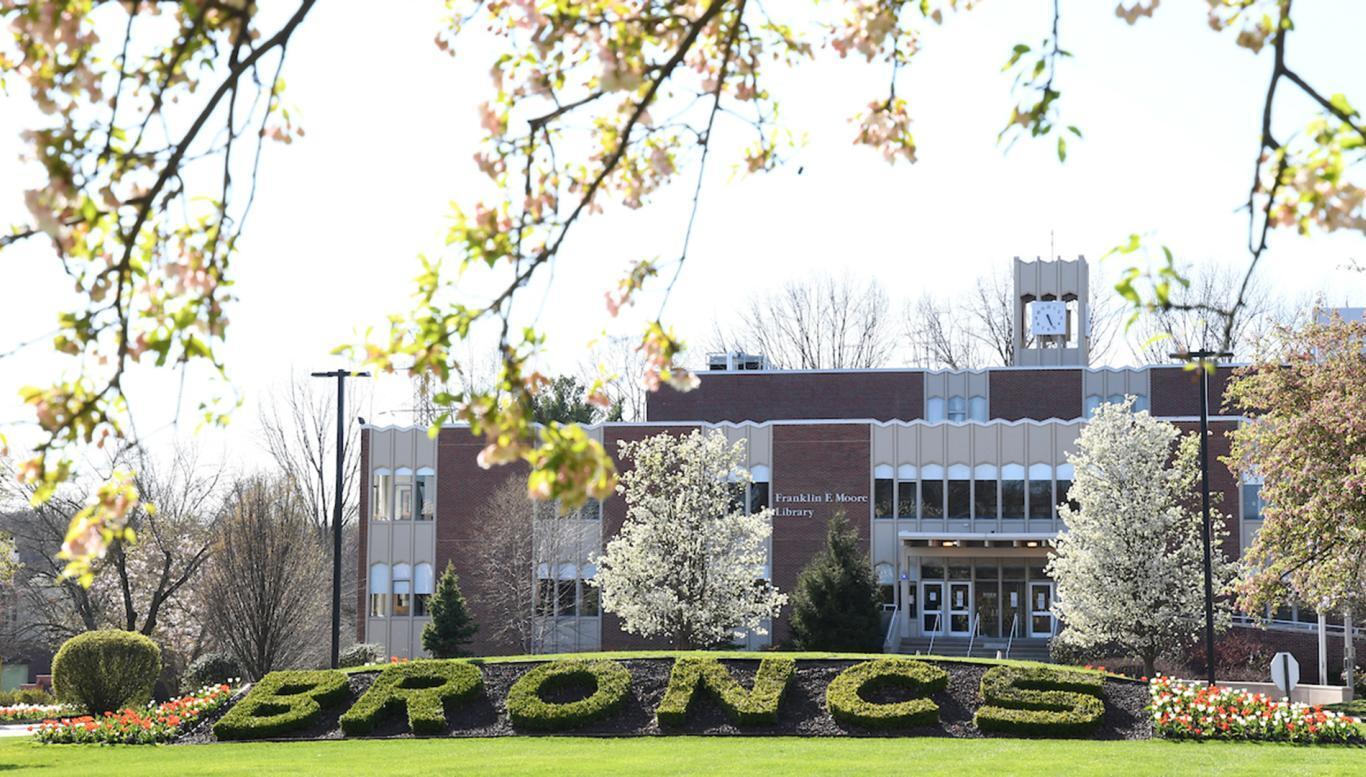

About Rider University
Rider University: Courses, Tuition Fees, Admissions and Student Life
Introduction
Rider University is a private university located in Lawrenceville, New Jersey, United States. Established in 1865, the university offers undergraduate and graduate programs across business, education, communication, science, liberal arts, healthcare-related fields and the performing arts. Its suburban campus provides students with an environment designed to combine academic learning, personal development and preparation for professional life.
Rider welcomes students from different educational and cultural backgrounds, including international students who want to earn a degree in the United States. The university emphasizes personal attention, faculty engagement, connected learning and opportunities to develop leadership and communication skills. Students can explore academic subjects while participating in campus organizations, creative activities, athletics and other university experiences.
For students considering higher education in the United States, Rider University may be worth exploring because of its range of academic programs, residential campus environment and scholarship opportunities. Applicants should compare their preferred degree, admission requirements, financial resources and long-term career plans before making a final decision.
About Rider University
Rider University is a comprehensive private institution serving undergraduate and graduate students. Its academic community brings together learners interested in professional disciplines, creative fields, scientific study and the humanities. The university's educational approach encourages students to develop subject knowledge while strengthening critical thinking, teamwork, communication and problem-solving abilities.
Rider's academic offerings are organized across schools and colleges that support different areas of study. These include business, humanities and sciences, education, communication, media, performing arts and music-related disciplines. The exact program structure and available degrees can change, so students should consult the current academic catalogue when comparing majors.
The university also offers resources intended to help students navigate academic expectations and campus life. Advising, student support, extracurricular activities and opportunities to interact with peers can contribute to a more complete university experience. International applicants should investigate the services available to them before arrival, particularly those related to admissions, immigration documentation, housing and financial planning.
Location and Campus Environment
Rider University is located in Lawrenceville, New Jersey, within Lawrence Township. Its suburban setting provides a campus environment with academic buildings, student residences, dining facilities, recreational spaces and services that support daily university life.
New Jersey's location in the northeastern United States places students within reach of larger regional destinations, including the Philadelphia and New York metropolitan areas. However, travel times and transport options depend on the destination, route and schedule. Students should not assume that every trip can be made easily without planning.
The campus environment may appeal to students who prefer living and studying in a university community rather than in the centre of a large city. Residential facilities can make it easier to participate in campus activities and access academic resources, although housing costs need to be included in the overall budget.
Before accepting an offer, students should review the campus map, housing arrangements, transport options, meal plans and student services. They should also check whether their intended course includes placements, specialist facilities or activities that require additional travel.
Courses and Academic Programs
Rider University offers programs across several academic fields. Undergraduate students can pursue different majors and minors, while graduate students can explore advanced study options subject to program availability and admission requirements.
Business, Finance and Accounting
Business programs can suit students interested in management, marketing, finance, accounting, entrepreneurship and organizational leadership. Coursework in these fields can help students understand how organizations operate, how financial decisions are made and how businesses communicate with customers and stakeholders.
Depending on the selected degree, students may study business strategy, accounting principles, economics, marketing research, financial analysis or management. Practical assignments and group projects can help them develop analytical reasoning, presentation skills and an understanding of workplace challenges.
Students planning a business career should compare each program's curriculum and elective options. They should also ask about internships, career advising and opportunities to engage with employers, as these experiences may help connect academic learning with professional goals.
Computer Science and Technology
Students interested in computing can explore programs related to computer science and technology. These fields may cover programming, computational problem-solving, software concepts, data, information systems and related technical subjects, depending on the degree.
A strong technology education requires more than learning individual programming languages. Students benefit from developing logical reasoning, debugging skills, teamwork and the ability to explain technical ideas clearly. Personal projects, internships and relevant extracurricular activities can help learners demonstrate their capabilities to future employers.
Applicants should check the current catalogue for the precise computing degrees available and examine the required modules, laboratory work and mathematics prerequisites before applying.
Communication, Media and Performing Arts
Rider offers academic pathways in communication, media and performing arts. These areas can appeal to students who want to develop creative, performance-based, production, writing or media-related skills.
Depending on the program, students may study communication practices, media production, performance, theatre or related creative disciplines. Some majors may require an audition, interview or portfolio as part of the application process. Applicants should check these requirements early because preparation and scheduling may take additional time.
Students interested in these fields should review the available facilities, practical components and opportunities to participate in productions or other creative projects. They should also consider how the degree supports their intended career path.
Education and Human Development
Education-related programs can support students interested in teaching, learning, educational practice and related professional areas. The exact requirements depend on the degree and whether it leads toward a particular professional credential.
Students should review the curriculum, fieldwork expectations and any state-specific licensing conditions relevant to their intended career. Those planning to teach outside the United States should also investigate how the qualification will be evaluated in their home country.
Sciences, Psychology and Liberal Arts
Rider's broader academic offerings include sciences, psychology, social sciences and liberal arts subjects. These areas help students build research, analytical, communication and critical-thinking skills while exploring questions about people, society and the natural world.
Students may choose a subject because of a particular career objective or because they want a broad educational foundation before pursuing advanced study. In either case, it is important to examine course content, research opportunities and any prerequisites for postgraduate programs.
Tuition Fees and Estimated Cost of Study
Tuition and living expenses are major considerations when selecting a private university in the United States. Rider University publishes its tuition, fees, housing and dining charges for each academic year.
For 2026–2027, the university provides different undergraduate cost estimates depending on a student's living arrangement. General published direct-cost estimates are approximately USD 45,450 for commuter students and USD 64,920 for residential students. These figures should be treated as planning estimates rather than a personalized international student bill. The final amount depends on the applicable tuition category, required fees, housing choice, meal plan and other individual circumstances.
Students should distinguish tuition and mandatory academic charges from the total cost of attendance. Additional expenses may include books, course materials, health insurance, transportation, personal purchases and travel between the United States and their home country. Particular majors may also involve specialist materials, auditions or other program-related costs.
Housing charges vary by room type. Traditional rooms, single rooms, suites and apartments can have different prices, and published rates may be subject to change. Meal plans and other residential charges should be reviewed separately so that the student understands the full financial commitment.
Graduate tuition may follow different pricing rules from undergraduate study, including rates calculated by credit or program. Applicants should therefore use the current fee schedule for their specific degree rather than relying on a general undergraduate estimate.
Before accepting an offer, international students should request a clear understanding of their expected costs, available scholarships, payment deadlines and the financial evidence required for immigration documentation.
Admission Requirements for International Students
Rider University considers applicants from a variety of educational systems. Requirements vary according to the level of study, previous qualifications, intended program and individual circumstances.
Undergraduate applicants generally need to provide academic records from secondary school and any post-secondary institution attended. Transcripts and examination results should follow the university's official submission instructions. Documents issued in another language may need to be translated into English.
International undergraduate applicants are also generally asked to submit an application essay and one letter of recommendation. The recommendation should come from someone who can speak meaningfully about the applicant's academic potential or personal qualities. First-year applicants should review the university's test-optional policy to determine whether standardized test scores are required or whether submitting them is appropriate for their application.
Transfer applicants may need to provide official records from every institution previously attended. Applicants whose previous education took place outside the United States may be required to obtain a course-by-course credential evaluation for transfer-credit review.
Graduate applicants should check the requirements for their specific program. These may include a relevant bachelor's degree, academic transcripts, recommendations, a statement of purpose, a résumé, test results or additional materials. Requirements should never be assumed to be identical across departments.
Meeting the minimum criteria does not guarantee admission. Applicants should submit complete, accurate documentation and monitor their application status for any additional requests.
English Language Requirements
International applicants whose first language is not English may need to demonstrate English proficiency. Rider lists accepted tests and minimum scores for undergraduate international applicants, with the applicable requirements subject to the university's current policy.
Published options include IELTS, TOEFL iBT, PTE Academic, Duolingo English Test and other accepted assessments. The minimum score varies by test, and applicants should confirm the latest accepted format, score requirement and any available exemption before registering for an examination.
Students should also check whether official results must be sent directly by the testing organization and whether scores remain valid through the intended entry term. If a student believes they qualify for an exemption, they should confirm eligibility with the university's international admissions team rather than assuming that previous English-language study automatically satisfies the requirement.
English proficiency supports success throughout the degree. Students need to understand lectures, participate in discussions, prepare written assignments, collaborate on projects and communicate with faculty and classmates. Developing these skills before arrival can make the transition to an American university easier.
How to Apply to Rider University
International applicants should follow the official application instructions for their intended level of study and entry term.
Step 1: Choose your program. Review the available majors, degree structure, campus facilities and career relevance of your preferred course. Check whether the program requires an audition, interview or additional application material.
Step 2: Review the admission criteria. Confirm academic prerequisites, English-language requirements, deadlines and any program-specific conditions.
Step 3: Prepare your documents. Collect academic transcripts, examination results, certificates, a passport copy where requested, and any necessary English translations or credential evaluations.
Step 4: Complete the application. Submit the application through the route specified by Rider and pay the required application fee. Include the requested essay and recommendation letter.
Step 5: Submit English-language evidence. Arrange the accepted test results or request clarification if you may qualify for an exemption.
Step 6: Provide financial documentation. Students planning to study on an F-1 visa must follow Rider's instructions for financial evidence and related international student forms. The documentation must satisfy the university's requirements for the expected period of study.
Step 7: Monitor your application. Check the applicant dashboard and email regularly. Respond to requests for missing documents and review the admission decision carefully.
Step 8: Prepare for enrolment. After admission, follow instructions for accepting the offer, paying required deposits, arranging housing and completing immigration-related steps. Students should use current official guidance and allow sufficient time for processing.
Rider uses rolling admissions for many applicants, but deadlines and availability can differ by term and program. Applying early can provide more time to complete documentation and be considered for relevant scholarships.
Scholarships and Financial Support
Rider University offers merit-based scholarship opportunities for international undergraduate, transfer and graduate students, subject to the terms of each award. Scholarships can make a substantial difference to the net cost of study, but students should never assume that an award will cover all tuition or living expenses.
Some undergraduate merit scholarships are considered during the admissions process. Eligibility and award amounts can depend on academic performance, the strength of the application and other relevant credentials. Certain programs may also consider audition or interview results.
International applicants should check whether they need to submit a separate scholarship application, the deadline for full consideration and any academic conditions required to renew an award. They should also determine whether a scholarship applies only to tuition or can be used toward other eligible costs.
Rider's international student information states that need-based financial assistance is not available to international students, so applicants should carefully distinguish merit scholarships from need-based aid. Some international undergraduate students living on campus may also qualify for a housing grant under the university's stated conditions. Students should confirm the amount, eligibility and current terms directly with Rider.
A reliable financial plan should account for the remaining balance after confirmed scholarships, housing and meals, insurance, transportation and personal expenses. Do not rely on an unconfirmed award or future employment to meet essential costs.
Accommodation and Living Expenses
Rider provides residential accommodation options on its Lawrenceville campus. Students can investigate traditional residence halls, suites and apartment-style housing, with costs varying according to the room type and academic year.
Rider's international student information states that on-campus housing is guaranteed for the first two years of undergraduate study when the applicable housing deposit deadline is met. Students should verify the current conditions, availability and eligibility before relying on this gua
Entry Requirements
General Entry Requirement
IELTS 6.5 overall
Fees & Scholarships
Annual Tuition Fees
USD 45,000 - USD 64,000
Ready to Apply to Rider University?
Our advisors guide you from eligibility check to offer letter — at no cost to you.
Join our WhatsApp Community

Scan to join our student community for admission updates & guidance