
Annual FeesCAD 30,000 – CAD 65,000
Queen's University at Kingston
LocationCanada
Entry RequirementIELTS 6.5 overall
Visa Success Rate42%
Campus Photos
Queen's University at Kingston
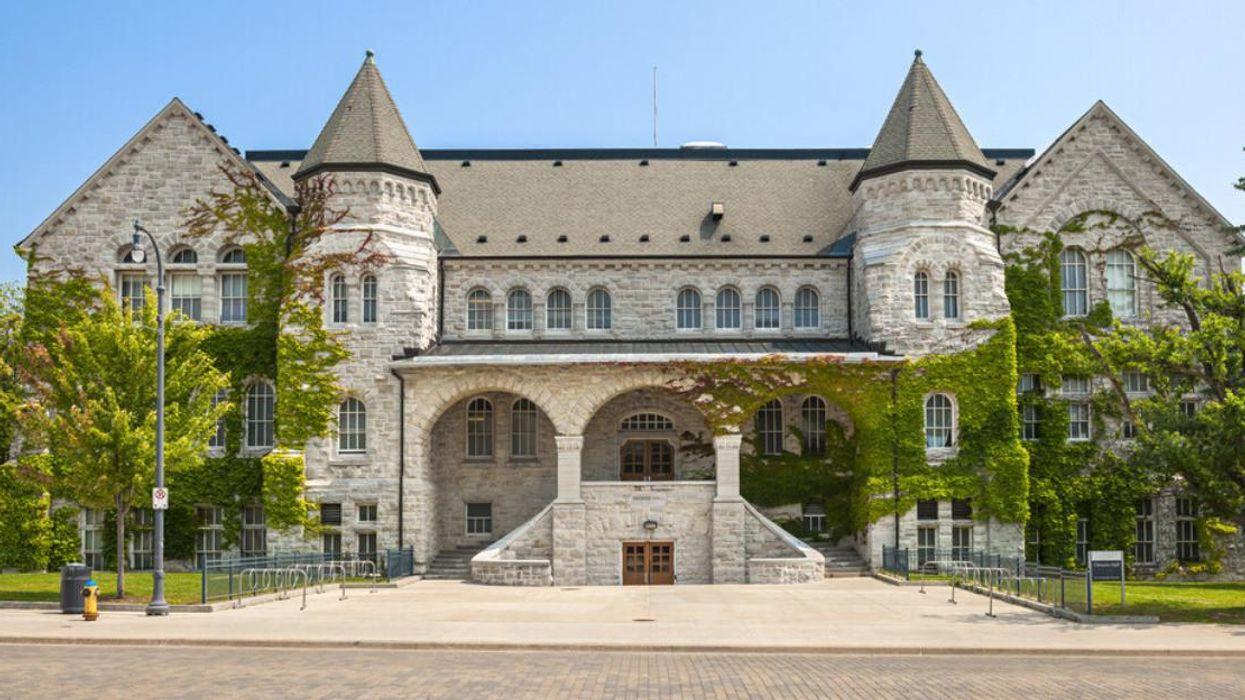
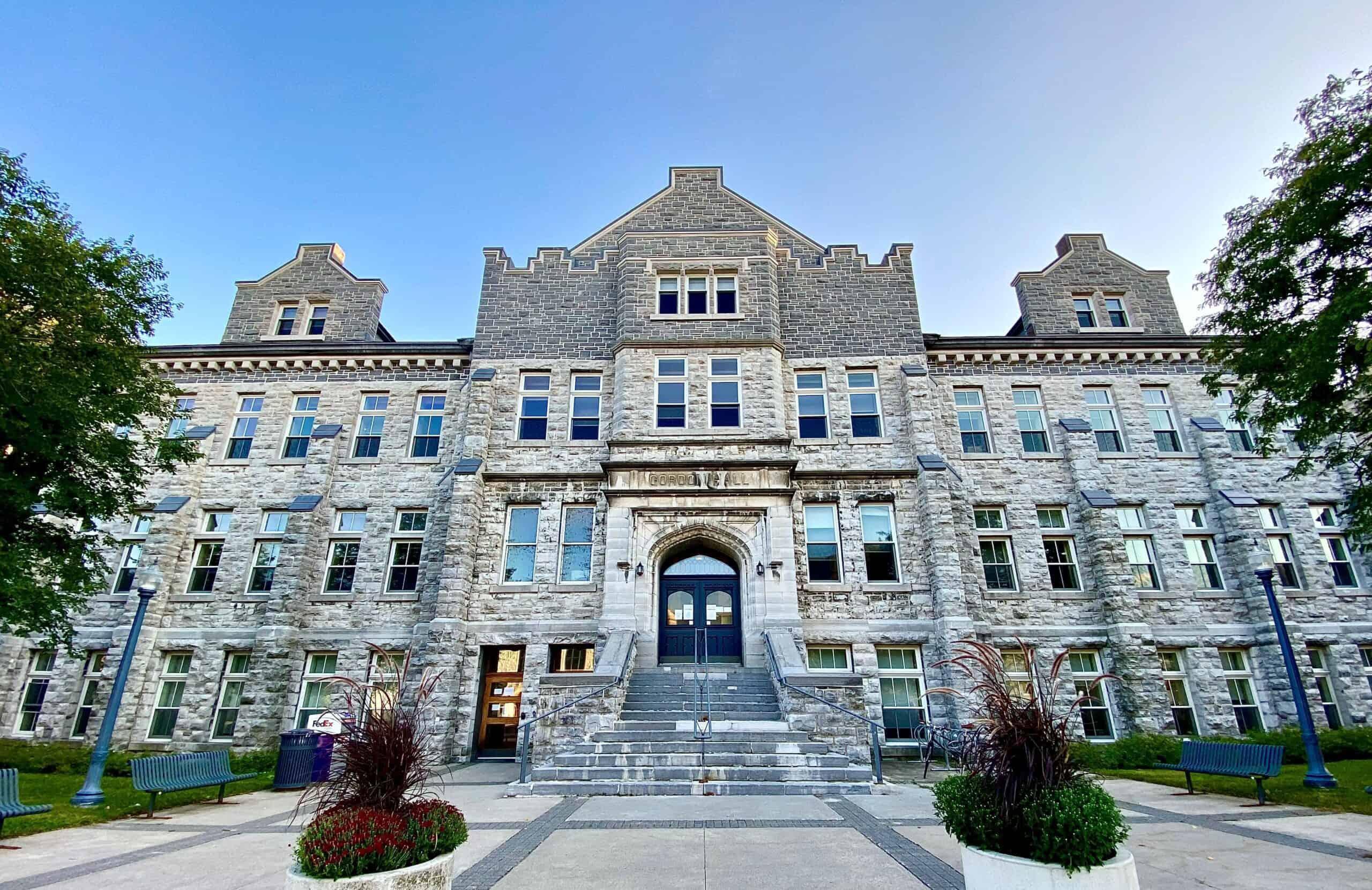
About Queen's University at Kingston
Queen’s University at Kingston: Courses, Admission, Tuition Fees, Scholarships and Study in Canada
Queen’s University at Kingston, commonly known as Queen’s University, is a public research university located in Kingston, Ontario, Canada. Founded in 1841, Queen’s offers undergraduate and graduate education across areas including arts and science, engineering, business, health sciences, nursing, education and law.
For international students, Queen’s combines a broad academic portfolio with research opportunities, experiential learning and a residential university environment in Kingston. Admission requirements, tuition and supplemental requirements vary by program, so applicants should review the requirements for their specific degree before applying.
Queen’s University at Kingston at a Glance
|
Information |
Details |
|
University |
Queen’s University |
|
Location |
Kingston, Ontario, Canada |
|
Institution Type |
Public Research University |
|
Founded |
1841 |
|
Language of Instruction |
English |
|
Main Academic Areas |
Arts & Science, Engineering, Business, Health Sciences, Nursing, Education and more |
|
International Undergraduate Students |
Yes |
|
Main Undergraduate Intake |
Fall |
|
Winter Intake |
Available for selected programs |
|
IELTS |
6.5 overall, no band below 6.0 |
|
Application |
OUAC / Queen’s application routes depending on program |
|
International Tuition |
Program-dependent |
|
Campus |
Kingston |
Queen’s 2026–27 international undergraduate tuition for the Faculty of Arts and Science is listed at CAD $1,493.66 per unit, or CAD $44,809.80 for 30 units for most degrees excluding Computing. International Computing students are listed at CAD $1,826.94 per unit, or CAD $54,808.20 for 30 units. Nursing has a higher rate of CAD $53,471.70 for 30 units.
About Queen’s University
Queen’s University is located in Kingston, a historic city in southeastern Ontario between Toronto, Ottawa and Montreal.
The university provides students with a traditional campus environment while offering programs across professional, scientific, technological, social science and humanities disciplines.
Queen’s academic structure includes faculties and schools such as:
- Faculty of Arts and Science
- Smith School of Business
- Smith Engineering
- Faculty of Health Sciences
- School of Nursing
- Faculty of Education
- Faculty of Law
- School of Graduate Studies
The university also supports research across a wide range of disciplines.
Programs at Queen’s University
Queen’s offers a diverse selection of undergraduate programs.
Arts and Science
The Faculty of Arts and Science provides programs across humanities, social sciences, natural sciences, mathematics, computing and interdisciplinary studies.
Students can explore subjects such as:
- Economics
- Psychology
- Political Studies
- Biology
- Chemistry
- Physics
- Mathematics
- Computing
- English
- History
- Life Sciences
- Biochemistry
Students can often combine subjects through majors, minors, specializations and other academic pathways.
Computing
Queen’s offers undergraduate computing programs through the Faculty of Arts and Science.
Students can study areas including computer science, software, algorithms, data, programming and computational methods.
International Computing students have a separate tuition rate from most Arts and Science programs. For 2026–27, Queen’s lists CAD $54,808.20 for 30 units in Computing.
Engineering
Queen’s engineering education covers multiple disciplines and combines technical study with design, mathematics, laboratory work and project-based learning.
Students can explore fields including:
- Chemical Engineering
- Civil Engineering
- Electrical Engineering
- Mechanical Engineering
- Mining Engineering
- Engineering Chemistry
- Computing-related engineering areas
Applicants should check the program-specific prerequisites and competitive admission requirements before applying.
Smith School of Business
Queen’s Smith School of Business offers undergraduate business education through the Bachelor of Commerce.
The program includes areas such as:
- Accounting
- Finance
- Marketing
- Strategy
- Business analytics
- Entrepreneurship
- Operations
Commerce applicants have additional application requirements, including a supplementary application. For the 2027 admission cycle, the application deadline for first-year Commerce is February 1, 2027, while the mandatory supplementary application deadline is February 15, 2027.
Health Sciences
Queen’s offers a Bachelor of Health Sciences program.
The program combines health-related sciences with interdisciplinary study. Applicants should review the specific prerequisite subjects and supplementary application requirements.
For the 2027 admission cycle, the first-year Health Sciences application deadline is February 1, 2027, with the supplementary application due February 15, 2027.
Nursing
Queen’s School of Nursing offers undergraduate nursing education.
International applicants to Nursing have specific academic prerequisites and supplementary application requirements. Queen’s international viewbook specifies requirements involving subjects such as English, Biology, Chemistry and Mathematics, depending on the applicant's curriculum.
For 2026–27, international Nursing tuition is listed at CAD $53,471.70 for 30 units, before the additional listed fees.
Admission Requirements for International Students
Queen’s admission requirements depend on the student's educational curriculum and chosen program.
International applicants generally need:
- A recognized secondary-school qualification
- Required prerequisite subjects
- Competitive academic grades
- English-language proficiency where applicable
- Supplemental information for programs that require it
- Official academic documentation
Queen’s emphasizes that competitive admission thresholds can be higher than minimum requirements, particularly for programs with limited spaces.
Requirements for Indian Students
Queen’s publishes specific requirements for applicants completing CBSE or ISC qualifications.
For CBSE applicants, Queen’s accepts the All India Senior School Certificate, while CISCE applicants can submit the Indian School Certificate.
Requirements differ by program. For example, Arts programs require English at the Standard XII level, while programs such as Life Science and Biochemistry have additional science and mathematics requirements.
Indian applicants should therefore check the exact Queen’s requirements for their chosen program rather than relying on one general percentage.
English-Language Requirements
International applicants whose previous education does not satisfy Queen’s English-language requirements may need to provide an approved English-language test.
For IELTS Academic, Queen’s currently requires:
- Overall: 6.5
- No band below 6.0
Queen’s also accepts other approved English-language tests, including CAEL and TOEFL, with specific minimum scores.
Students should verify whether they qualify for an English-language exemption before arranging a test.
Supplementary Applications
Some Queen’s programs require additional information beyond academic transcripts.
Applicants receive a personalized To-Do List through the Queen’s application system showing the documents and supplementary materials required for their application.
Commerce, Health Sciences and Nursing are examples of programs with supplementary application requirements.
Students should complete these materials carefully because missing supplementary documents can affect the processing of an application.
How to Apply to Queen’s University
Step 1: Choose a Program
Review Queen’s undergraduate programs and select the degree that matches your academic interests and career plans.
Step 2: Check Academic Requirements
Review the requirements for your country or curriculum and confirm that you have the required prerequisite subjects.
Step 3: Check English Requirements
Determine whether an English-language test is required and ensure that your results meet the applicable minimum.
Step 4: Submit the Application
Queen’s uses different application routes depending on the applicant and program. Ontario applicants commonly apply through OUAC, while international applicants should follow Queen’s current international application instructions.
Step 5: Complete Supplementary Requirements
If your program requires a supplementary application, complete it by the specified deadline.
Step 6: Submit Documents
Provide transcripts, test scores and other documents requested through your Queen’s application To-Do List.
Step 7: Monitor Your Application
Check the application portal regularly for document requests and admission updates.
Step 8: Accept Your Offer
If admitted, follow the instructions in your offer letter to accept your place.
Step 9: Prepare for Canada
International students should then arrange their study permit, accommodation, finances, health coverage and travel plans.
Application Deadlines
For the 2027 undergraduate admission cycle, Queen’s currently lists:
- October 1, 2026: Applications open
- November 20, 2026: Recommended date to apply for students interested in Major Admission Awards
- December 8, 2026: Major Admission Award application deadline
- February 1, 2027: Application deadline for Commerce, Health Sciences and Nursing
- February 15, 2027: Supplementary Application deadline for Commerce, Health Sciences and Nursing
- March 1, 2027: Application deadline for other first-year full-time programs
- March 31, 2027: Deadline for required documents, including transcripts and English test scores
Applicants should confirm the deadlines applicable to their specific program because some programs have different requirements.
Winter Entry at Queen’s
Queen’s also offers Winter entry for selected undergraduate programs.
For the January 2027 intake, Queen’s lists:
- June 1, 2026: Applications open
- September 30, 2026: Applications close
- October 15, 2026: Document deadline
- January 6, 2027: First day of classes
Not every undergraduate program is available for Winter entry, so students should verify program availability before applying.
Tuition Fees for International Students
Queen’s tuition varies substantially according to faculty and program.
For 2026–27, the university lists the following international undergraduate tuition figures:
|
Program Area |
Tuition for 30 Units |
|
Arts & Science — most degrees |
CAD $44,809.80 |
|
Computing |
CAD $54,808.20 |
|
Nursing |
CAD $53,471.70 |
|
Concurrent Education — applicable tracks |
Varies by year and track |
The published total cost is higher once ancillary fees and University Health Insurance Plan (UHIP) charges are included. For example, the 2026–27 listed total for most international Arts and Science degrees is CAD $47,324.31, including the specified ancillary fees and UHIP.
Queen’s notes that tuition and fees can change, so students should use the university's latest fee schedule when preparing their budget.
Scholarships for International Students
Queen’s offers financial support and scholarships for international undergraduate students.
International students entering first-year undergraduate programs can be considered for the Dean’s International Award Program.
Queen’s currently lists two renewable award values under this program:
- CAD $10,000 per year
- CAD $15,000 per year
The awards are renewable for up to three additional years when the stated conditions are met. Eligible students are automatically considered, meaning a separate application is not required for this particular award.
Queen’s also has additional automatic admission awards and scholarships for eligible students.
International students should check each award's eligibility, faculty restrictions and renewal conditions.
Campus Life
Queen’s main campus is located in Kingston, Ontario.
The campus combines historic architecture with modern academic, research, residential and recreational facilities.
Students can participate in:
- Student clubs
- Academic societies
- Athletics
- Recreation
- Cultural events
- Student government
- Research activities
- Community activities
Queen’s residential campus environment provides opportunities for students to interact with classmates outside the classroom.
Accommodation
Queen’s provides residence options for eligible students, while students can also explore off-campus housing in Kingston.
For international students moving to Canada for the first time, arranging accommodation before arrival can make the transition easier.
Housing costs vary depending on room type, residence arrangement and whether a meal plan is included.
Students should budget separately for:
- Accommodation
- Food
- Transportation
- Books and supplies
- Health insurance
- Personal expenses
Living in Kingston
Kingston is a historic city located in southeastern Ontario.
Its location places it approximately between Toronto, Ottawa and Montreal, while the city itself has a strong university and student population.
Students can access:
- Restaurants and cafés
- Cultural venues
- Waterfront areas
- Museums
- Parks
- Public transportation
- Shopping
- Recreational activities
Compared with Canada's largest metropolitan areas, Kingston offers a smaller-city university environment.
Experiential Learning
Queen’s provides opportunities for students to apply classroom learning through research, internships, projects and other forms of experiential education.
Depending on the program, students may participate in:
- Laboratory projects
- Research
- Case studies
- Design projects
- Internships
- Community projects
- Entrepreneurship
- Industry-related activities
The specific opportunities available depend on the student's faculty and degree.
Research Opportunities
Research is a significant part of Queen’s academic environment.
Students can explore research across areas including:
- Engineering
- Computing
- Health sciences
- Life sciences
- Business
- Social sciences
- Humanities
- Environmental sciences
Undergraduate students may become involved in research through faculty projects, summer research opportunities and program-specific initiatives.
Graduate students can pursue advanced research through master's and doctoral programs.
International Student Support
Queen’s provides services for international students throughout the application and study process.
Support can cover areas such as:
- Immigration information
- Academic support
- International student advising
- Health coverage
- Financial information
- Arrival preparation
- Student services
International students should make use of the university's official resources when preparing for their transition to Canada.
Career Development
Queen’s students can develop academic and professional skills through their degree programs, extracurricular activities, research and experiential learning.
Depending on the program, graduates may pursue careers in:
- Business
- Finance
- Engineering
- Technology
- Healthcare
- Research
- Education
- Government
- Consulting
- Communications
- Science
Career outcomes vary according to the program, professional qualifications, work experience and the student's individual career path.
Post-Graduation Opportunities
International students who plan to remain in Canada after graduation should review the immigration rules that apply at the time they graduate.
Canadian post-graduation work authorization is governed by federal immigration regulations, which can change over time.
Students should use official Government of Canada resources and Queen’s international student services for current information rather than relying on older eligibility information.
Who Should Consider Queen’s University?
Queen’s may be relevant to students interested in:
- Computer Science
- Computing
- Engineering
- Business
- Economics
- Health Sciences
- Nursing
- Life Sciences
- Mathematics
- Social Sciences
- Humanities
- Research
- Interdisciplinary study
Because Queen’s has program-specific prerequisites and supplementary requirements, students should compare the admission requirements of their intended degree before applying.
Frequently Asked Questions
Where is Queen’s University located?
Queen’s University is located in Kingston, Ontario, Canada.
Is Queen’s University public?
Yes. Queen’s is a public research university in Ontario.
Does Queen’s University accept international students?
Yes. Queen’s admits international students to a wide range of undergraduate and graduate programs and provides dedicated international admission and financial-aid information.
What IELTS score does Queen’s University require?
Queen’s currently lists IELTS Academic 6.5 overall with no band below 6.0 for its general undergraduate English-language requirement.
How much is Queen’s University tuition for international students?
For 2026–27, international tuition for most Faculty of Arts and Science degrees is CAD $44,809.80 for 30 units. Computing is CAD $54,808.20, while Nursing is CAD $53,471.70 for 30 units. Additional fees apply.
What are the application deadlines?
For 2027 entry, applications are due February 1, 2027 for Commerce, Health Sciences and Nursing, while most other first-year full-time programs have a March 1, 2027 deadline.
Does Queen’s offer scholarships to international students?
Yes. Eligible international undergraduate applicants can be automatically considered for awards including the Dean’s International Award Program, which currently offers renewable awards of $10,000 or $15,000 per year to selected students.
Does Queen’s accept CBSE students from India?
Yes. Queen’s publishes specific admission requirements for students completing CBSE and ISC qualifications in India. Requirements vary according to the selected program.
Does Queen’s require supplementary applications?
Some programs do. Commerce, Health Sciences and Nursing have supplementary application requirements, and applicants receive a personalized To-Do List showing what is required.
Does Queen’s have a January intake?
Yes, but only selected programs are available for Winter entry. For January 2027 entry, Queen’s lists September 30, 2026 as the application deadline.
Where can international students live?
Students can apply for Queen’s residence options or explore off-campus accommodation in Kingston.
Final Takeaway
Queen’s University at Kingston is a public research university in Kingston, Ontario, offering undergraduate education across areas including Arts and Science, Computing, Engineering, Business, Health Sciences and Nursing.
For international students, the university's 2026–27 tuition varies by program. Most international Arts and Science degrees are listed at CAD $44,809.80 for 30 units, while Computing is CAD $54,808.20 and Nursing is CAD $53,471.70 before the applicable additional fees.
Queen’s generally requires IELTS Academic 6.5 overall with no band below 6.0, although applicants should verify the English requirement applicable to their program.
Indian students can apply using their CBSE or ISC qualifications, with program-specific subject requirements.
The university also provides scholarships for eligible international students, including automatic consideration for the Dean’s International Award Program.
Students should verify the latest program prerequisites, tuition, application deadlines, supplementary requirements, scholarship conditions and Canadian immigration rules before submitting an application.
Entry Requirements
General Entry Requirement
IELTS 6.5 overall
Fees & Scholarships
Annual Tuition Fees
CAD 30,000 – CAD 65,000
Ready to Apply to Queen's University at Kingston?
Our advisors guide you from eligibility check to offer letter — at no cost to you.
Join our WhatsApp Community
.jpeg)
Scan to join our student community for admission updates & guidance