
Annual FeesCAD 20,000 – CAD 35,000
NSCAD University
LocationCanada
Entry RequirementIELTS 6.5 overall
Visa Success Rate47%
Campus Photos
NSCAD University
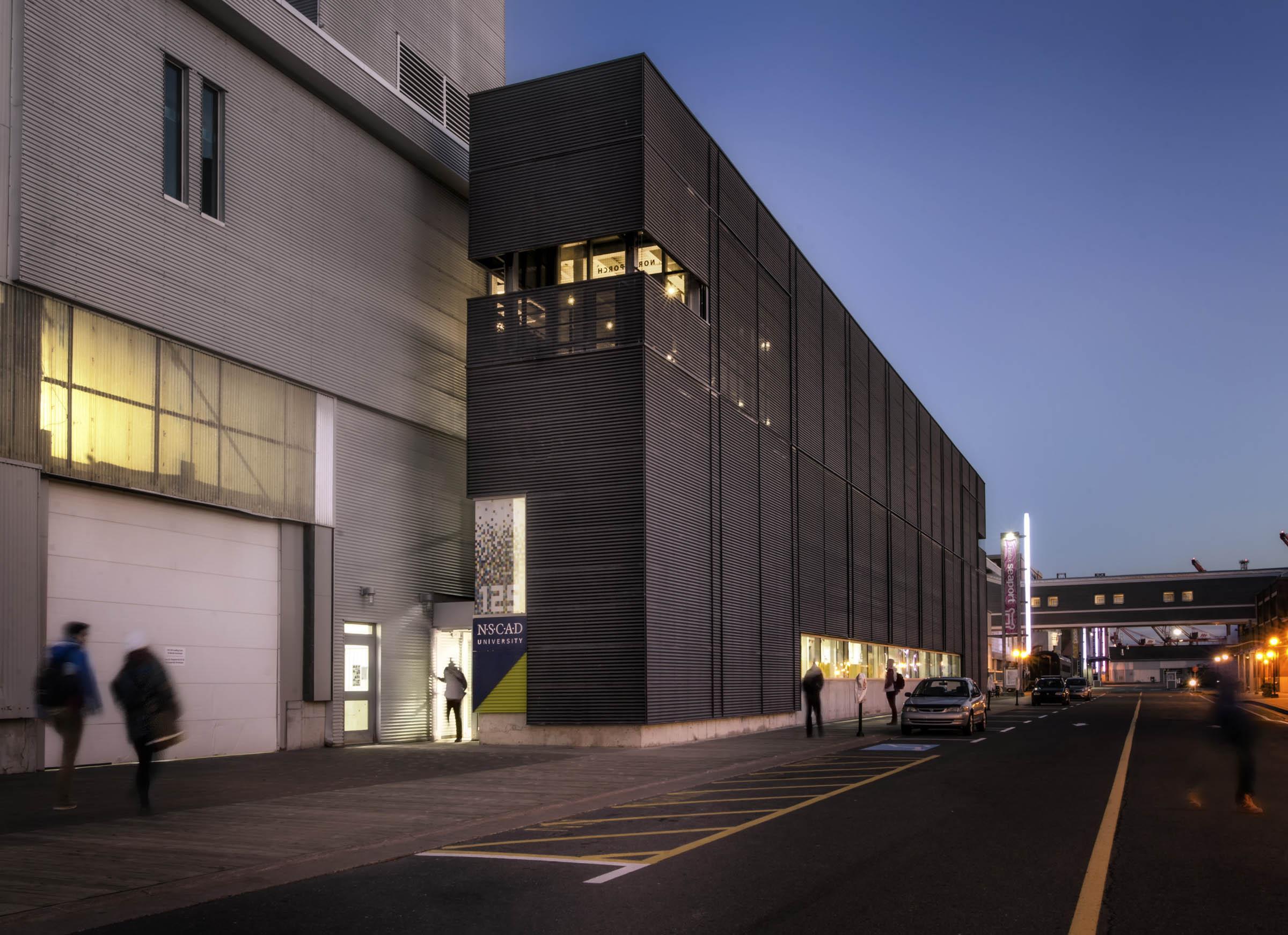

About NSCAD University
NSCAD University: Courses, Fees, Admission & International Student Guide
NSCAD University, formerly known as the Nova Scotia College of Art and Design, is a public post-secondary institution located in Halifax, Nova Scotia, Canada. It is known for its focus on art, design, craft, media and interdisciplinary creative education.
For students interested in creative disciplines, NSCAD provides an environment centred around studio practice, experimentation, research and artistic development. Its programs cover areas ranging from fine arts and design to media arts, film, craft and interdisciplinary studies.
What is NSCAD University Known For?
NSCAD University is particularly known for its specialized focus on art and design education.
Students can explore areas such as:
- Fine Arts
- Design
- Film
- Media Arts
- Photography
- Ceramics
- Jewellery Design
- Textiles
- Interdisciplinary Studies
- Art History
- Craft
- Visual Communication
The university combines studio-based learning with academic study, allowing students to develop both creative and critical-thinking skills.
Quick Facts About NSCAD University
|
Category |
Details |
|
University |
NSCAD University |
|
Former Name |
Nova Scotia College of Art and Design |
|
Type |
Public university |
|
Country |
Canada |
|
Province |
Nova Scotia |
|
Location |
Halifax |
|
Language of Instruction |
English |
|
Undergraduate Programs |
Yes |
|
Graduate Programs |
Yes |
|
International Students |
Yes |
|
Major Areas |
Art, Design, Media, Film, Craft and Interdisciplinary Studies |
|
General English Requirement |
Program-specific |
Why Study at NSCAD University?
NSCAD provides a specialized academic environment for students interested in creative and visual disciplines.
Unlike comprehensive universities that cover many unrelated fields, NSCAD focuses heavily on art, design and creative practice. This allows students to spend significant time developing their portfolios, technical abilities and creative ideas.
Students can combine academic learning with:
- Studio practice
- Creative projects
- Research
- Exhibitions
- Critiques
- Collaborative work
- Portfolio development
The university's Halifax location also provides access to the broader cultural and creative community of Nova Scotia.
Campus and Location
NSCAD University is located in Halifax, Nova Scotia.
The university has a distinctive presence within the city's creative and cultural environment.
Its facilities support different forms of creative practice and can include:
- Studios
- Workshops
- Galleries
- Classrooms
- Digital media facilities
- Libraries
- Exhibition spaces
- Specialized equipment
Facilities differ depending on the student's discipline and program.
Courses at NSCAD University
NSCAD offers undergraduate and graduate education across several creative disciplines.
Fine Arts
Fine Arts provides students with opportunities to develop individual artistic practices.
Students can explore areas such as:
- Painting
- Drawing
- Sculpture
- Printmaking
- Installation
- Contemporary art
- Mixed media
Studio-based education encourages students to experiment with different materials and approaches while developing their own artistic direction.
Design
Design programs allow students to investigate creative problem-solving and visual communication.
Students may explore:
- Graphic design
- Communication design
- Product-related design
- Visual systems
- Design research
- Digital design
Design education can prepare students for creative industries, studios, agencies and independent professional practice.
Film
Students interested in filmmaking can explore different aspects of film production and storytelling.
Areas may include:
- Film production
- Cinematography
- Editing
- Storytelling
- Sound
- Visual development
Film study can help students build both technical and creative skills.
Media Arts
Media Arts provides opportunities to work with contemporary digital and technological forms.
Students can explore:
- Digital media
- Interactive work
- Video
- Sound
- Installation
- New media
- Experimental practices
The field is relevant to students interested in combining technology with creative expression.
Photography
Photography students can develop technical and conceptual approaches to image-making.
Study can include:
- Digital photography
- Studio photography
- Image production
- Visual storytelling
- Contemporary photographic practices
Students can develop portfolios reflecting their individual creative interests.
Ceramics
Ceramics provides students with opportunities to work with clay and other related materials.
Students can explore:
- Wheel throwing
- Hand building
- Glazing
- Kiln processes
- Ceramic sculpture
- Contemporary ceramics
Studio practice allows students to develop technical skills while experimenting with artistic concepts.
Jewellery Design and Metalsmithing
Students interested in jewellery and metal-based creative practices can explore:
- Jewellery making
- Metalworking
- Fabrication
- Casting
- Material experimentation
- Object design
This area combines craftsmanship, design and artistic expression.
Textiles
Textile-related study can involve materials, patterns and surface design.
Students can explore:
- Fabric
- Weaving
- Fibre
- Surface design
- Material experimentation
- Contemporary textile practices
Textile education can connect traditional craft techniques with contemporary design.
Art History
Art History provides an academic approach to understanding art, artists, movements and visual culture.
Students can study:
- Art movements
- Art criticism
- Visual culture
- Historical contexts
- Contemporary art
- Research methods
This field can complement studio-based education and provide preparation for further academic study.
Popular Areas of Study
Students considering NSCAD can explore:
- Fine Arts
- Design
- Film
- Media Arts
- Photography
- Ceramics
- Jewellery
- Textiles
- Art History
- Interdisciplinary Studies
The appropriate program depends on the student's creative interests, previous education and professional objectives.
Studio-Based Learning
One of the important aspects of studying at NSCAD is the emphasis on studio practice.
Students can spend substantial time developing projects, experimenting with materials and receiving feedback.
Studio education can involve:
- Individual projects
- Group critiques
- Faculty feedback
- Technical workshops
- Research
- Exhibitions
- Portfolio development
This approach can help students understand both the creative process and the practical aspects of producing finished work.
Student Life at NSCAD University
Student life at NSCAD extends beyond studio classes.
Students can participate in:
- Student organizations
- Exhibitions
- Workshops
- Cultural activities
- Creative events
- Community projects
- Collaborative projects
Students also have access to the broader cultural environment of Halifax.
Campus Facilities
NSCAD provides specialized facilities supporting creative education.
Depending on the program, students can access:
- Art studios
- Design studios
- Photography facilities
- Film and media facilities
- Workshops
- Galleries
- Exhibition spaces
- Libraries
- Digital production facilities
Access to particular facilities depends on the student's discipline and course requirements.
Tuition Fees at NSCAD University
Tuition varies according to the program, course load and student status.
International students should consider the complete cost of study, including:
- Tuition
- Student fees
- Accommodation
- Food
- Books and supplies
- Transportation
- Health insurance
- Personal expenses
- Art and studio materials
For planning purposes, an indicative international tuition range of approximately CAD 20,000–35,000 can be considered, although actual costs depend on the program and academic year.
Creative programs may also involve additional expenses for materials, equipment and project production.
Students should therefore prepare a budget that includes both university expenses and discipline-specific costs.
Scholarships and Financial Support
International students can investigate scholarships, awards and other financial-support opportunities available through NSCAD.
Eligibility can depend on:
- Academic performance
- Artistic achievement
- Program
- Admission status
- Award criteria
- Application deadlines
Creative programs may also involve portfolio-based evaluation for certain admissions or awards.
Students should check the specific criteria for each funding opportunity.
Admission Requirements
Admission requirements vary depending on the program.
International applicants may be required to provide:
- Academic transcripts
- Graduation certificates
- Proof of English proficiency
- Identification documents
- Portfolio or creative work where required
- Additional program-specific documents
Applicants to art and design programs should pay particular attention to portfolio requirements.
Portfolio Requirements
A portfolio can be an important component of admission to creative programs.
A portfolio may demonstrate:
- Creative thinking
- Technical ability
- Experimentation
- Visual communication
- Personal artistic development
- Understanding of materials
- Individual creative interests
Students should follow the university's current portfolio guidelines carefully because requirements can vary between programs.
A portfolio should represent the student's own work and demonstrate both ability and creative development.
English Language Requirements
English is the primary language of instruction at NSCAD University.
International students may need to demonstrate English-language proficiency through an accepted test.
The exact minimum score can vary depending on the program and applicant circumstances.
Students should verify the current English-language requirement for their intended program before applying.
International Student Application Process
Step 1: Choose a Program
Select an art, design or creative program that matches your interests and career plans.
Step 2: Review Requirements
Check academic, English-language and portfolio requirements.
Step 3: Prepare Your Portfolio
If your chosen program requires a portfolio, select and organize your strongest relevant work according to the university's guidelines.
Step 4: Prepare Academic Documents
Gather:
- Academic transcripts
- Certificates
- Passport
- English-language test results
- Portfolio
- Additional required documents
Step 5: Submit the Application
Complete the application and submit the required materials.
Step 6: Monitor Your Application
Check for additional document requests or application updates.
Step 7: Receive the Decision
The university assesses the application and provides an admission decision.
Step 8: Prepare for Canada
After accepting an offer, students can prepare for immigration, accommodation, travel and arrival.
Intakes at NSCAD University
The availability of intakes depends on the specific program.
The Fall intake is an important entry period for many university programs, while some programs may offer additional admission opportunities.
Students should check the current intake and deadline for their chosen course.
Applicants should also allow sufficient time for portfolio preparation, application processing and immigration arrangements.
Accommodation
Students can explore accommodation options in Halifax through university-related housing information and private rental options.
Accommodation choices can include:
- Shared apartments
- Private apartments
- Student housing
- Rooms in shared homes
Costs depend on:
- Location
- Room type
- Utilities
- Number of roommates
- Lease duration
Students should consider the distance between their accommodation and campus when preparing their budget.
Cost of Living in Halifax
International students need to budget for living expenses in addition to tuition.
Common expenses include:
- Accommodation
- Food
- Transportation
- Utilities
- Internet
- Mobile phone
- Books
- Art materials
- Personal expenses
For NSCAD students, creative materials can be an additional expense depending on the chosen discipline and projects.
Students should create a realistic monthly budget before travelling to Canada.
International Student Support
International students may access university services designed to help them adjust to academic and campus life.
Support can include:
- Orientation
- Academic assistance
- Student services
- Career guidance
- Health and wellness resources
- International student support
- Campus activities
Students can also build connections through clubs, exhibitions, workshops and creative events.
Research and Creative Opportunities
NSCAD provides opportunities for creative research and experimentation.
Students can investigate topics through:
- Studio projects
- Material research
- Visual experiments
- Design projects
- Film projects
- Digital media
- Interdisciplinary work
Graduate-level students can undertake more advanced research and develop individual creative practices.
Why Study in Halifax?
Halifax is one of Atlantic Canada's major urban centres and has an active cultural and educational community.
Students can experience:
- Art galleries
- Museums
- Cultural events
- Music
- Restaurants
- Waterfront areas
- Creative organizations
- Local businesses
- Outdoor activities
For art and design students, the city's cultural environment can provide opportunities to engage with exhibitions, creative communities and public events.
Careers and Employability
Career opportunities after studying at NSCAD depend on the student's discipline, portfolio, experience and professional goals.
Graduates can explore areas such as:
- Graphic design
- Fine arts
- Illustration
- Photography
- Film
- Digital media
- Art education
- Product and object design
- Jewellery
- Exhibition work
- Creative industries
Creative professionals often build careers through a combination of formal employment, freelance work, independent practice and portfolio development.
Building a Creative Portfolio
A strong portfolio can remain important even after graduation.
Students can develop portfolios through:
- Academic projects
- Personal projects
- Exhibitions
- Collaborations
- Internships
- Freelance assignments
- Independent creative work
Maintaining an updated portfolio can help graduates demonstrate their skills to employers, clients, galleries and other organizations.
Post-Graduation Work Opportunities
International students who plan to work in Canada after graduation should review the current Canadian post-graduation work-permit rules before selecting a program.
Eligibility can depend on:
- Program
- Program duration
- Study format
- Institution
- Current immigration regulations
Students should verify the rules applicable to their specific program because Canadian immigration policies can change.
The Honest Verdict – Is NSCAD University Right for You?
NSCAD University is a specialized institution focused heavily on art, design, craft and creative education.
Its programs can be relevant to students interested in fine arts, design, film, photography, media arts, ceramics, jewellery, textiles and related disciplines.
Students should consider NSCAD in relation to their own creative interests and career plans rather than comparing it only with broad-based universities.
Important factors to evaluate include:
- Program specialization
- Portfolio requirements
- Tuition
- Studio and material costs
- Admission requirements
- Accommodation
- Living expenses
- Career objectives
- Available facilities
NSCAD May Suit Students Who...
- Want to study art or design
- Are interested in studio-based education
- Want to develop a creative portfolio
- Are interested in fine arts
- Want to study graphic or communication design
- Are interested in film or media arts
- Want to explore photography
- Are interested in ceramics or jewellery
- Want to combine creative practice with academic study
- Prefer studying in a creative university environment
Students Should Carefully Consider...
- Portfolio requirements
- Program-specific tuition
- Art and studio-material costs
- Accommodation in Halifax
- English-language requirements
- Available intakes
- Career plans
- Current Canadian immigration regulations
Frequently Asked Questions About NSCAD University
What is NSCAD University?
NSCAD University is a public university in Halifax, Nova Scotia, specializing in art, design, craft and creative education.
What does NSCAD stand for?
NSCAD originally referred to the Nova Scotia College of Art and Design.
Where is NSCAD University located?
NSCAD University is located in Halifax, Nova Scotia, Canada.
Does NSCAD accept international students?
Yes. NSCAD offers programs for international students.
What can I study at NSCAD?
Students can study areas including fine arts, design, film, media arts, photography, ceramics, jewellery, textiles and art history.
Does NSCAD require a portfolio?
Portfolio requirements depend on the program. Students applying to creative programs should carefully check the current portfolio guidelines.
Is NSCAD good for design students?
NSCAD is specifically focused on art and design education, making its programs relevant to students whose academic and professional interests centre on creative disciplines.
Does NSCAD offer Fine Arts?
Yes. Fine Arts is one of the university's major study areas.
Does NSCAD offer Film?
Yes. Students can explore film and related creative media studies.
Does NSCAD offer Photography?
Yes. Photography is among the creative areas students can explore.
Does NSCAD offer scholarships?
Students can explore scholarships, awards and other financial-support opportunities according to eligibility.
What are the tuition fees at NSCAD?
Tuition varies by program and course load. International students should check the current fee information for their specific program.
Is Halifax expensive for international students?
Students need to budget separately for accommodation, food, transportation, utilities and personal expenses. Creative students should also account for art and studio materials.
Is NSCAD suitable for international students?
NSCAD provides international students with specialized art and design education in Halifax. Students should assess the program, portfolio requirements, costs and career goals before applying.
A Final Word – Studying at NSCAD University
NSCAD University provides a specialized Canadian education for students interested in art, design, craft, film and creative media.
Its studio-focused approach allows students to develop technical abilities, creative thinking and individual artistic practices.
International students should carefully consider tuition, accommodation, living expenses and additional costs such as art materials. Portfolio preparation is also an important part of the application process for programs where it is required.
Before applying, prospective students should review the latest program requirements, portfolio guidelines, English-language requirements, tuition, scholarships and application deadlines.
For students seeking a specialized creative education in Halifax, NSCAD University offers an environment centred on artistic practice, design exploration and creative development.
Entry Requirements
General Entry Requirement
IELTS 6.5 overall
Fees & Scholarships
Annual Tuition Fees
CAD 20,000 – CAD 35,000
Ready to Apply to NSCAD University?
Our advisors guide you from eligibility check to offer letter — at no cost to you.
Join our WhatsApp Community
.jpeg)
Scan to join our student community for admission updates & guidance