
Annual Fees£9,790 to £44,000+
Newcastle University
LocationUK
Entry RequirementIELTS 6.5 overall
Visa Success Rate95%
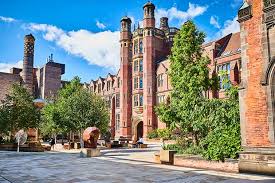
Campus Photos
Newcastle University
-Jun-27-2026-10-06-54-5736-AM.jpg)
About Newcastle University
Newcastle University: A World-Class Russell Group University with Strong Research, Graduate Employability and Global Recognition
Newcastle University is a world-class Russell Group university located in the heart of Newcastle upon Tyne, in North East England. It is a research-intensive university with a strong international reputation, offering more than 185 undergraduate and 270 postgraduate degrees across a wide range of academic disciplines. (ncl.ac.uk )
The university is home to around 28,000 students from more than 130 countries, creating a diverse and international academic community. Its city-centre campus places students close to shops, restaurants, cultural attractions, transport links and the wider professional opportunities of Newcastle. (ncl.ac.uk
Newcastle University is particularly recognised for its strengths in Medicine, Dentistry, Geography, Architecture, Archaeology, Environmental Sciences, Engineering, Data, Business, Computing, Psychology and English. In the 2026 QS World University Rankings by Subject, Newcastle placed 10 subjects in the global top 100, including Geography at 22nd, Dentistry at 44th, English Language and Literature at 65th, Medicine at 88th and Environmental Sciences at 97th. (ncl.ac.uk )
For Indian students, Newcastle University offers the combination of Russell Group education, strong global rankings, research opportunities, international student support and a relatively affordable UK student city. The university currently has more than 600 students from India and provides dedicated country-specific information for Indian applicants. (ncl.ac.uk )
What is Newcastle University Known For?
Newcastle University is best known for its research excellence, academic reputation, Russell Group status, international community and strong subject performance.
The university has developed particular strengths in:
- Medicine & Healthcare
- Dentistry
- Biomedical Sciences
- Geography
- Environmental Sciences
- Architecture
- Archaeology
- Engineering
- Computer Science
- Data Science
- Business & Management
- Psychology
- English
- Social Sciences
- Arts & Humanities
Newcastle is a founding member of the Russell Group, representing a group of research-intensive UK universities. The university is also ranked 149th in the QS World University Rankings 2027 and 144th in the Times Higher Education World University Rankings 2026. (ncl.ac.uk )
One of Newcastle's biggest strengths is its research environment. Its research priorities include ageing and health, data, cities, energy and sustainability, and culture and creative arts. The university was ranked 15th in the UK for Global Research Power in the 2021 Research Excellence Framework. (ncl.ac.uk )
The university also places strong emphasis on employability and entrepreneurship. Newcastle reports being 4th in the UK for graduate entrepreneurship based on Start-up turnover in the HE-BCI Survey 2022–23 and has received 5 QS Stars for student employability. (ncl.ac.uk )
Newcastle University Rankings – Global Reputation and Research Excellence
Newcastle University performs strongly across major international rankings.
According to its latest published ranking information:
- 149th globally – QS World University Rankings 2027
- 144th globally – Times Higher Education World University Rankings 2026
- Top 150 globally – QS World University Rankings
- Top 20 in the UK – Times Higher Education World University Rankings 2026
- 22nd in the UK and joint 64th globally for sustainability – QS Sustainability Rankings 2026
- 15th in the UK for Global Research Power – REF 2021
- 5+ QS Stars for Overall Excellence
- 5 QS Stars for Student Employability (ncl.ac.uk )
Newcastle's subject rankings are particularly impressive. Its 2026 QS subject results placed 10 subject areas in the global top 100, while a further 13 subjects were placed within the global top 200. (ncl.ac.uk )
Why These Rankings Matter
For students looking for a university with a strong international reputation, Newcastle offers the combination of Russell Group membership, global research strength, strong subject rankings and an established international community.
Its research-intensive environment can be particularly valuable for students considering careers in medicine, science, engineering, technology, academia, research or professional services.
At the same time, Newcastle's city-centre location provides students with access to a lively student environment and a relatively affordable UK city compared with places such as London.
Quick Facts
- Russell Group university
- Founded in 1834 as part of the University of Durham before becoming an independent university in 1963
- Main campus: Newcastle upon Tyne
- Around 28,000 students
- Students from 130+ countries
- 149th globally – QS World University Rankings 2027
- 144th globally – THE World University Rankings 2026
- Top 150 global university
- Top 20 UK university in THE World University Rankings 2026
- 10 subjects in the QS global top 100 in 2026
- 185+ undergraduate degrees
- 270+ postgraduate degrees
- Strong research reputation
- More than 600 students from India
- 5 QS Stars for student employability (ncl.ac.uk )
Q. Is Newcastle University a good university in the UK?
A. Yes. Newcastle University is a highly regarded Russell Group university with a strong global reputation for teaching, research and graduate employability. Its position in the global top 150, strong subject rankings and research performance make it an excellent choice for students seeking a prestigious UK university with an international outlook. (ncl.ac.uk )
Newcastle University Campus – A Beautiful City-Centre Campus in a Top UK Student City
Newcastle University's main campus is located in the heart of Newcastle upon Tyne, giving students a traditional university campus while remaining within walking distance of the city centre. (ncl.ac.uk )
The campus provides access to:
- Modern lecture theatres
- Research laboratories
- Specialist teaching facilities
- Libraries
- Computing facilities
- Medical and healthcare facilities
- Engineering facilities
- Student accommodation
- Sports facilities
- Study spaces
- Student support services
The university's city-centre location means students are close to shops, restaurants, cafés, cultural landmarks, transport links and entertainment venues. (ncl.ac.uk )
Student City Experience
Newcastle is recognised as one of the UK's leading student cities. The university's international information describes Newcastle as a UK Top 5 Student City in the QS Best Student Cities 2026 rankings. (ncl.ac.uk )
Students can enjoy:
- Restaurants and cafés
- Shopping
- Music and nightlife
- Museums and galleries
- Parks and green spaces
- Sports
- Cultural events
- Historic landmarks
- Excellent transport connections
The city is also known for being relatively affordable compared with several larger UK cities, which can make it attractive to international students managing a study budget.
Student Life
Newcastle describes its student experience as welcoming, supportive, inclusive and active. Students can join a wide range of clubs and societies, develop existing interests or discover new activities. (ncl.ac.uk )
The Students' Union provides opportunities for:
- Sports clubs
- Societies
- Volunteering
- Cultural activities
- Student events
- Leadership opportunities
- Social activities
- Academic communities
International students can also connect with students from more than 130 countries, creating a genuinely multicultural university environment.
Q. Is Newcastle University a good place for international students?
A. Yes. Newcastle combines a world-class Russell Group university with a welcoming city-centre campus, diverse international community and relatively affordable student city. The university also provides dedicated support for international students, including visa guidance and accommodation assistance. (ncl.ac.uk )
Newcastle University Courses – Research-Led Degrees with Strong Professional and Industry Connections
Newcastle University offers more than 185 undergraduate and 270 postgraduate programmes across a broad range of academic disciplines. Its courses combine research-led teaching, practical learning, professional development and industry engagement, with many programmes offering placements, internships or opportunities to work on real-world projects. (ncl.ac.uk)
The university is particularly strong in Medicine, Dentistry, Engineering, Computer Science, Data Science, Business, Architecture, Geography, Environmental Sciences, Psychology and Arts and Humanities. Its research-intensive environment allows students to learn from academics working on major global challenges while developing skills relevant to professional careers. (ncl.ac.uk)
Popular Subject Areas at Newcastle University
Medicine & Healthcare
Medicine | Biomedical Sciences | Dentistry | Nursing | Medical Sciences | Public Health
Healthcare is one of Newcastle University's strongest areas.
Students benefit from:
- Clinical teaching
- Research-led education
- Modern laboratories
- Healthcare facilities
- Professional placements
- Research opportunities
The university's Medicine programme is closely connected with Newcastle Hospitals, providing students with opportunities to experience clinical environments during their training. (ncl.ac.uk)
Engineering
Civil Engineering | Mechanical Engineering | Electrical & Electronic Engineering | Chemical Engineering | Marine Technology
Newcastle has a strong engineering tradition, with programmes combining technical theory, laboratory work, design projects and research.
Students can develop skills in:
- Engineering design
- Manufacturing
- Energy
- Sustainability
- Electronics
- Robotics
- Marine technology
- Advanced materials
The university's engineering research also contributes to areas such as energy, transport, sustainability and advanced manufacturing.
Computer Science & Digital Technologies
Computer Science | Artificial Intelligence | Data Science | Cyber Security | Software Engineering
Students can develop expertise in:
- Programming
- Artificial intelligence
- Machine learning
- Data analytics
- Software engineering
- Cyber security
- Computer systems
Newcastle's research environment provides opportunities to explore emerging technologies and apply computing skills to real-world challenges.
Business & Management
Business Management | Accounting & Finance | Marketing | International Business | Economics | Entrepreneurship
Business programmes develop:
- Strategic thinking
- Financial management
- Marketing
- Leadership
- Entrepreneurship
- Business analytics
- Professional communication
Students can benefit from Newcastle's connections with businesses and organisations in the North East and beyond.
Architecture & Planning
Architecture | Planning | Urban Design | Landscape Architecture
Architecture is another recognised area at Newcastle.
Students combine design theory with practical studio work, digital technologies, research and professional development.
The university's School of Architecture, Planning and Landscape provides specialist facilities and opportunities to work on real-world design and urban challenges.
Geography & Environmental Sciences
Geography | Environmental Sciences | Environmental Engineering | Sustainability
Newcastle performs particularly strongly in Geography and related environmental disciplines.
Students can explore:
- Climate change
- Sustainability
- Environmental management
- Human geography
- Physical geography
- Urban development
- Environmental policy
In the 2026 QS World University Rankings by Subject, Geography ranked 22nd globally, making it one of Newcastle's strongest internationally ranked subjects. (ncl.ac.uk)
Psychology & Social Sciences
Psychology | Sociology | Politics | Education | Social Sciences
Students develop:
- Research skills
- Critical thinking
- Data analysis
- Communication
- Understanding of human behaviour
- Social research skills
Psychology programmes can provide pathways into healthcare, research, education, business and other professional areas.
Law
Law | International Law | Commercial Law | Criminology
Students develop legal research, analytical thinking, communication and problem-solving skills.
Newcastle's Law School provides opportunities to explore legal issues through research, case studies and practical activities.
Arts & Humanities
English | History | Archaeology | Modern Languages | Philosophy | Media | Cultural Studies
Newcastle has a strong arts and humanities offering.
Its English Language and Literature subject ranked 65th globally in the 2026 QS World University Rankings by Subject, while Archaeology is also among the university's recognised subject strengths. (ncl.ac.uk)
Q. What Are the Best Courses at Newcastle University?
A. Newcastle University is particularly worth considering for Medicine, Dentistry, Engineering, Computer Science, Data Science, Business, Architecture, Geography, Environmental Sciences, Psychology, English and Archaeology. The university's strongest areas combine research-led teaching with professional development and strong international recognition. (ncl.ac.uk)
Student Life at Newcastle University – A Vibrant and International Student Experience
Student life at Newcastle combines a traditional university environment with the energy of a major student city.
Students from more than 130 countries create a diverse international community, while the Students' Union provides opportunities to participate in:
- Clubs and societies
- Sports
- Volunteering
- Cultural activities
- Student events
- Academic societies
- Leadership opportunities
- Student-led projects
- Music and performing arts
The university also provides dedicated support covering wellbeing, disability support, academic development, careers and international student advice. (ncl.ac.uk)
Facilities & Campus Life
Students have access to:
- Modern libraries
- Research laboratories
- Computing facilities
- Engineering laboratories
- Medical and healthcare facilities
- Specialist teaching spaces
- Creative facilities
- Sports facilities
- Student accommodation
- Careers services
- Study spaces
- Student support services
The university's city-centre campus means many facilities, shops, restaurants and cultural attractions are within walking distance.
Life in Newcastle
Newcastle is widely recognised as a student-friendly city.
Students can enjoy:
- Restaurants and cafés
- Shopping
- Music venues
- Sports
- Museums and galleries
- Parks
- Cultural events
- Historic attractions
- Nightlife
The city also provides access to the wider North East region, including the coast and countryside.
Q. What is student life like at Newcastle University?
A. Student life at Newcastle University is diverse, active and highly social. Students benefit from a large international community, hundreds of student activities, a city-centre campus and the cultural and entertainment opportunities of Newcastle upon Tyne.
Careers & Employability – Preparing Students for Professional Success
Graduate employability is an important part of Newcastle University's student experience.
The university's Careers Service supports students from their first year through graduation and beyond, helping them develop professional skills and connect with employers. (ncl.ac.uk)
Depending on the programme, students can gain experience through:
- Internships
- Work placements
- Employer projects
- Industry visits
- Research projects
- Volunteering
- Professional practice
- Entrepreneurship
- Study abroad opportunities
The university also works with employers across sectors including:
- Technology
- Engineering
- Healthcare
- Finance
- Business
- Consulting
- Government
- Education
- Media
- Environmental industries
Career Support Includes
- One-to-one careers guidance
- CV and application support
- Interview preparation
- Employer networking
- Careers fairs
- Internship opportunities
- Placement support
- Entrepreneurship programmes
- Graduate recruitment
- Skills development
- International career guidance
- Alumni support
Newcastle has also received 5 QS Stars for Student Employability, reflecting its focus on preparing students for professional careers. (ncl.ac.uk)
Students can also benefit from the university's strong research environment. For students interested in research careers, Newcastle's research-intensive structure provides opportunities to work with academics and contribute to research projects.
Eligible international graduates may also benefit from the UK's Graduate Route visa, allowing them to gain professional work experience after completing their studies, subject to current UK Government immigration regulations.
Q. Does Newcastle University have good graduate employability?
A. Yes. Newcastle University combines professional placements, employer connections, careers support, internships, research opportunities and entrepreneurship programmes to help students prepare for employment. Its 5 QS Stars for Student Employability also reflects its strong focus on graduate career development. (ncl.ac.uk)
Newcastle University Fees – Tuition Costs, Scholarships and Financial Support for International Students
Newcastle University offers a wide range of undergraduate and postgraduate programmes for international students. Tuition fees vary according to the course, level of study and subject area, with laboratory-based, clinical and specialist programmes often carrying different fees from classroom-based programmes.
Estimated Tuition Fees for International Students
|
Programme |
Approximate Annual Tuition Fee* |
Fee Range |
|
Undergraduate programmes |
£24,000 |
£23,000–£27,000 |
|
Business & Management |
£24,000 |
£23,000–£26,000 |
|
Engineering |
£28,200 |
£27,000–£30,000 |
|
Computer Science & Data Science |
£27,600 |
£26,000–£29,000 |
|
Architecture |
£27,000 |
£26,000–£29,000 |
|
Medicine |
£43,000+ |
£40,000–£45,000+ |
|
Dentistry |
£45,000+ |
£40,000–£50,000+ |
|
Postgraduate taught programmes |
£27,000 |
£24,000–£32,000 |
|
MBA |
£31,000+ |
£30,000–£35,000+ |
*Fees vary significantly by programme and academic year. Students should check the official Newcastle University course page for the exact fee applicable to their chosen programme before applying. (ncl.ac.uk)
For international students, Newcastle University also publishes programme-specific tuition fees, meaning there is no single international fee applicable to every course. Clinical and professional programmes such as Medicine and Dentistry can be substantially more expensive than standard undergraduate programmes. (ncl.ac.uk)
Scholarships for International Students
Newcastle University offers a range of scholarships and funding opportunities for international students.
Available opportunities include:
- Vice-Chancellor's Global Scholarships
- Regional scholarships
- Country-specific scholarships
- Subject-specific awards
- International postgraduate scholarships
- Sports scholarships
- External funding opportunities
- Research scholarships and studentships
The Vice-Chancellor's Global Scholarships provide tuition-fee support to eligible international students and are awarded competitively based on academic achievement and other eligibility criteria. (ncl.ac.uk)
Newcastle also provides country-specific scholarships and funding opportunities for Indian students, making it worthwhile for applicants from India to check the scholarships available for their particular intake and programme. (ncl.ac.uk)
Q. Is Newcastle University affordable for international students?
A. Newcastle University can offer good value compared with some UK study destinations, particularly because Newcastle upon Tyne generally has lower living costs than London and several other major UK cities. However, tuition fees can be substantial for international students, especially on Medicine, Dentistry and other specialist programmes. Scholarships can help reduce the overall cost for eligible students.
Newcastle University for International Students – Global Community, Support and Career Opportunities
Newcastle University has a large international community, with students from more than 130 countries. The university provides dedicated international support before and during students' studies, helping applicants understand admissions, visas, accommodation and university life. (ncl.ac.uk)
International Student Support Includes
- International admissions guidance
- Visa and immigration advice
- Pre-arrival information
- Orientation and welcome programmes
- Accommodation guidance
- Academic support
- Careers and employability support
- Student wellbeing services
- Financial guidance
- International student advice
- Scholarship information
- Student societies and cultural activities
Newcastle also has a dedicated India country page providing information for prospective Indian students, including admissions guidance and information about studying at the university. (ncl.ac.uk)
International students can also benefit from Newcastle's city-centre location, strong employer connections, research opportunities and diverse student population.
Eligible international graduates may also be able to use the UK's Graduate Route visa to gain professional work experience after completing their studies, subject to the immigration rules applicable at the time.
Q. Is Newcastle University good for international students?
A. Yes. Newcastle University is particularly attractive for international students looking for a Russell Group education, strong global reputation, research opportunities, professional career support and a vibrant student city. Its international community and dedicated support services further strengthen the experience for students coming from overseas. (ncl.ac.uk)
The Honest Verdict – Is Newcastle University the Right Choice for You?
Newcastle University is best suited to students who want a globally recognised Russell Group education with strong research, academic reputation and career opportunities.
Newcastle University Is an Excellent Choice If You...
- Want to study at a Russell Group university.
- Prioritise global academic reputation.
- Want strong research opportunities.
- Are interested in Medicine or Dentistry.
- Want to study Engineering or Computer Science.
- Are interested in Data Science or Artificial Intelligence.
- Want to study Business or Finance.
- Are interested in Architecture or Environmental Sciences.
- Want access to strong graduate employment opportunities.
- Prefer a lively student city.
- Want a large international student community.
- Want to study in a city with relatively manageable living costs compared with London.
It May Not Be the Right Fit If You...
- Have a very limited tuition budget.
- Want to study at a smaller specialist university.
- Prefer a quieter campus or rural environment.
- Want to avoid a research-intensive university.
- Are looking for very low-cost UK tuition.
- Prefer studying in London or another southern UK city.
For students seeking a prestigious, research-intensive and internationally recognised UK university, Newcastle University is a particularly strong option.
Frequently Asked Questions About Newcastle University
Q. Is Newcastle University good for Indian students?
A. Yes. Newcastle University is a strong choice for Indian students interested in Medicine, Engineering, Computer Science, Data Science, Business, Architecture, Environmental Sciences, Psychology and other research-led subjects. The university also has dedicated information and support for students from India. (ncl.ac.uk)
Q. What is Newcastle University famous for?
A. Newcastle is particularly known for its Russell Group status, research excellence, Medicine, Dentistry, Geography, Engineering, Architecture, Environmental Sciences, Computer Science and strong international reputation.
Q. How much are Newcastle University fees for international students?
A. Fees vary considerably according to the course. Standard undergraduate and postgraduate programmes can generally fall within the £23,000–£32,000 range, while specialist programmes such as Medicine and Dentistry can cost considerably more. Students should check the exact course-specific fee before applying. (ncl.ac.uk)
Q. Does Newcastle University offer scholarships?
A. Yes. Newcastle provides Vice-Chancellor's Global Scholarships, regional and country-specific scholarships, subject awards and other funding opportunities for eligible international students. Indian students should check the university's India-specific scholarship information for the relevant intake. (ncl.ac.uk)
Q. Can international students work while studying?
A. Eligible international students can generally work within the conditions attached to their UK Student visa. Students should check the current UK Government rules applicable to their individual visa.
Q. Is Newcastle University affordable for students?
A. Newcastle can be more manageable than some major UK destinations because the cost of living in Newcastle upon Tyne is generally lower than London. However, international tuition fees can still be significant, particularly for clinical and specialist courses.
Q. Does Newcastle University provide placement opportunities?
A. Yes. Depending on the programme, students can access placements, internships, employer projects, research opportunities and professional experience. The university also provides dedicated Careers Service support to help students prepare for employment. (ncl.ac.uk)
A Final Word – Why Newcastle University Deserves Your Consideration
Newcastle University offers a powerful combination of Russell Group status, global academic recognition, research excellence, professional opportunities and an international student community.
Its strengths in Medicine, Dentistry, Engineering, Computer Science, Data Science, Geography, Environmental Sciences, Architecture, Business and Psychology make it an attractive option for students seeking a respected UK qualification.
For Indian students, the university's dedicated international support, strong global reputation, vibrant student city and access to research and career opportunities are significant advantages.
The main consideration is cost. Newcastle's living expenses can be more manageable than London, but international tuition fees remain a major investment, particularly for Medicine, Dentistry and other specialist programmes.
If you are looking for a prestigious Russell Group university with strong research, international recognition and excellent career opportunities, Newcastle University deserves serious consideration. Before applying, compare the exact course fee, scholarship eligibility, entry requirements and career outcomes for your chosen programme.
Overall Verdict: A highly respected Russell Group university offering strong academic reputation, research opportunities, international exposure and career-focused education in one of the UK's leading student cities.
Entry Requirements
General Entry Requirement
IELTS 6.5 overall
Fees & Scholarships
Annual Tuition Fees
£9,790 to £44,000+
Ready to Apply to Newcastle University?
Our advisors guide you from eligibility check to offer letter — at no cost to you.
Join our WhatsApp Community
.jpeg)
Scan to join our student community for admission updates & guidance