
Annual FeesUSD 25,000 - USD 40,000
Moody Bible Institute
LocationUS
Entry RequirementIELTS 6.5 overall
Visa Success Rate75%
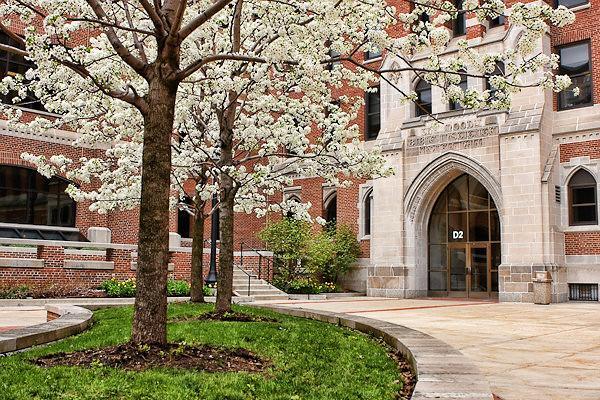
Campus Photos
Moody Bible Institute

About Moody Bible Institute
Moody Bible Institute: Courses, Fees, Admissions and Student Life
Introduction
Moody Bible Institute is a Christian higher-education institution located in Chicago, Illinois, United States. Founded in 1886 by evangelist Dwight L. Moody, the institution has a long history of providing Bible-centred education and preparing students for ministry, Christian leadership and related professional careers.
Moody Bible Institute combines academic study with biblical teaching, spiritual development and practical training. Its educational approach is designed for students who want to deepen their understanding of the Bible while developing skills that can be applied in churches, community organisations, education, communication and other professional settings.
The institution offers undergraduate programmes at its Chicago campus, along with online learning opportunities and graduate theological education through its affiliated schools. Academic areas include biblical studies, theology, communications, children's and family ministry, intercultural studies, human services, crisis and trauma care, and other ministry-related disciplines.
Located in downtown Chicago, the undergraduate campus offers students opportunities to study within a Christian community while experiencing life in a major American city. Students can participate in academic activities, ministry experiences, music groups, student organisations and community service.
For international students considering Christian higher education in the United States, Moody Bible Institute may be a suitable option if its educational mission aligns with their personal beliefs and career goals. Applicants should carefully review the institution's doctrinal expectations, programme availability, international admission requirements, living costs and funding arrangements before applying.
About Moody Bible Institute
Moody Bible Institute was established to provide biblical instruction and prepare individuals for Christian service. Its educational philosophy continues to emphasise the relationship between biblical knowledge, spiritual growth and practical application.
The institution serves students pursuing different educational pathways. Its Chicago undergraduate campus offers bachelor's degree programmes, while Moody Online provides selected courses and degrees that can be completed remotely. Graduate theological education is offered through Moody Theological Seminary, which has study options in Chicago, Michigan and online formats.
Moody's academic environment differs from that of a general university because biblical teaching and Christian formation are central to its educational mission. Students explore their chosen disciplines while engaging with biblical principles and questions of faith, leadership and service.
The institution also emphasises practical experience. Depending on their programme, students may participate in ministry placements, community service, communication projects, music activities or other experiences that connect classroom learning with real-world responsibilities.
Academic advising, student services, library resources and international student support help students navigate their education. These resources can be particularly valuable for international students adjusting to a new country, academic system and community.
Because Moody has several schools and study locations, applicants must identify the correct campus and programme before applying. Admission eligibility, tuition arrangements, housing availability and visa eligibility differ between on-campus undergraduate, graduate, aviation and online study options.
Location and Campus Environment
Moody Bible Institute's undergraduate campus is located in downtown Chicago, Illinois. Chicago is one of the largest cities in the United States and offers access to cultural institutions, public transportation, businesses, churches, community organisations and professional networks.
The campus provides an environment where students can focus on academic work while remaining connected to the wider city. Students can explore museums, libraries, cultural events and community activities during their time outside the classroom.
Campus facilities include academic buildings, student spaces, a library, dining facilities and residence halls. These resources support lectures, independent study, student meetings and community activities.
Living in downtown Chicago can offer opportunities to experience a diverse urban environment. However, students should also consider the cost of living, local transport, weather and personal budgeting when planning their studies.
Chicago experiences cold winters, warm summers and changing weather throughout the year. International students arriving from warmer climates should prepare appropriate winter clothing and plan their travel around seasonal conditions.
Students should confirm their arrival arrangements, housing assignments and orientation schedules before travelling. They should also learn how to use local public transportation and familiarise themselves with campus safety guidance.
The institution's other study locations offer different environments. Moody Theological Seminary has graduate study options in Chicago and Michigan, while Moody Aviation operates in Spokane, Washington. Applicants should not assume that the facilities, programmes or housing arrangements available in Chicago also apply to those other locations.
Courses and Academic Programmes
Moody Bible Institute offers programmes focused on biblical knowledge, Christian ministry, leadership, communication and service. Available degrees vary by school, campus and study format.
Biblical Studies
Biblical studies is central to Moody's educational mission. Students explore the Bible's books, historical context, literary forms, major themes and theological significance.
Coursework may involve biblical interpretation, the study of the Old and New Testaments, hermeneutics and the relationship between biblical teaching and contemporary life.
Students develop skills in reading, analysing and communicating biblical texts. These skills can be relevant to church ministry, teaching, discipleship, Christian education and further theological study.
Applicants should review individual programme requirements to understand the expected balance between biblical language study, theological subjects, general education and practical ministry preparation.
Theology
Theology programmes examine Christian beliefs, doctrines, church history and the development of theological ideas. Students explore questions about God, Scripture, Christian ethics, the church and the relationship between faith and society.
Depending on the degree, study may include systematic theology, historical theology, apologetics and related subjects. Students are encouraged to develop an informed understanding of Christian thought and communicate theological concepts clearly.
These programmes may be appropriate for students interested in teaching, ministry leadership, theological research or further graduate study. Professional and academic opportunities depend on the qualification completed and the requirements of the intended role.
Children and Family Ministry
Children and family ministry programmes prepare students to work with children, parents and families in church and community settings.
Students may study child development, family relationships, ministry planning, teaching methods and strategies for supporting children and caregivers. Practical training can help students understand how to organise programmes and communicate effectively with different age groups.
Potential career directions include children's ministry, family ministry, church programme coordination and work with Christian organisations.
Students interested in this area should examine the curriculum to understand how it addresses safeguarding, child development and practical ministry experience.
Communications
Moody offers communications-related education that combines media skills with biblical and theological training.
Depending on the programme, students may explore writing, digital communication, media production, storytelling and the communication of ideas to different audiences.
These skills can be useful in church communications, nonprofit organisations, media production, public relations and other roles where clear messaging is important.
Students should investigate the specific courses and practical projects available in their chosen programme. Building a portfolio of written, audio, video or digital work can help demonstrate professional readiness.
Intercultural Studies
Intercultural studies focuses on understanding cultures, communication across cultural boundaries and the challenges involved in working with diverse communities.
Students may explore cultural awareness, language and communication, global Christianity, community engagement and cross-cultural ministry.
The programme can be relevant to students interested in international ministry, mission organisations, community service and cross-cultural leadership.
Students should consider how the curriculum connects cultural understanding with practical experience and the professional requirements of their intended career.
Human Services
Human services programmes prepare students to support individuals, families and communities through service-oriented work. At Moody, these programmes incorporate a biblical perspective alongside relevant knowledge and practical skills.
Depending on the degree, students may explore human development, communication, community support, ethical responsibilities and ways to help people navigate challenging circumstances.
Possible career directions include support roles in community organisations, church-based services, nonprofit organisations and related fields.
Students who want to become licensed counsellors or clinical professionals should check the additional graduate education, supervised practice and licensing requirements associated with those careers. An undergraduate degree in human services does not automatically qualify a graduate for independent clinical practice.
Crisis and Trauma Care
Crisis and trauma care programmes focus on supporting people experiencing difficult life circumstances. Students may study approaches to compassionate care, crisis response, communication, trauma awareness and support within community or ministry settings.
The curriculum is intended to help students understand how to respond thoughtfully when individuals or families face distressing experiences.
Students should recognise the boundaries of their training and understand when professional medical, psychological or emergency services are necessary. Career opportunities depend on the qualification earned, further training and the requirements of the organisation or role.
Music and Worship
Moody provides music-related study and opportunities for students to participate in musical ensembles. Depending on the programme, students may develop skills in performance, music theory, ensemble work, composition and worship leadership.
Campus music activities include vocal and instrumental groups that allow students to collaborate and perform. These experiences can help develop musical ability, teamwork and confidence.
Students interested in music-related study should review the available degree pathways and any audition, performance or placement requirements.
Graduate Theological Education
Moody Theological Seminary offers graduate-level programmes for students seeking advanced biblical and theological education.
Graduate study may include master's degrees in theological disciplines and ministry-related fields. Programme requirements vary and may include an appropriate undergraduate degree, official transcripts, recommendations, personal statements and evidence of English proficiency for international applicants.
Students should examine each programme's academic expectations, delivery format, tuition and practical training requirements before applying.
Online Programmes
Moody Online provides selected undergraduate and graduate programmes for students who need flexibility in their learning arrangements.
Online study may be useful for learners who are working, serving in ministry or managing other responsibilities. However, students should verify whether the intended qualification is offered fully online and whether any in-person requirements apply.
International students who study entirely online generally do not follow the same F-1 visa process as students enrolling in eligible on-campus programmes. Applicants should confirm the applicable requirements for their chosen study format.
Tuition Fees and Estimated Cost of Attendance
The cost of attending Moody Bible Institute depends on the programme, campus, housing arrangement and academic year. Its Chicago undergraduate campus has a tuition-sponsored model for eligible full-time residential undergraduate students.
Under this model, tuition is charged, but the Chicago undergraduate tuition scholarship is designed to cover tuition for eligible full-time residential students. This is not the same as an institution that does not charge tuition. Room, meals, required fees, health insurance, books, supplies and personal expenses may still be payable.
For the 2026–2027 academic year, Moody's published Chicago undergraduate fee schedule lists the following estimated costs:
- Double residence hall room: US$4,095 per semester.
- Single room in selected residence halls: US$4,275 per semester.
- Twenty-meal-per-week plan: US$3,400 per semester.
- Fifteen-meal-per-week plan: US$3,080 per semester.
- Campus technology fee: US$310 per semester.
- Facilities fee: US$293 per semester.
- Student services fee: US$562 per semester.
- Insurance handling fee: US$25 per semester.
- Ventra U-Pass fee: US$170 per semester, subject to applicable policy.
Other charges may apply depending on the student's courses and circumstances. The published estimates do not include all books, supplies, health insurance or personal expenses.
For international undergraduate applicants to the Chicago campus, Moody's 2026–2027 financial documentation identifies US$25,349 as the required funding amount for the first-year financial verification process. This is a financial documentation figure, not the tuition price alone or a universal total for every campus and programme.
Applicants should confirm the current amount with the international admissions office before preparing financial documents. They should also budget for travel, visa expenses, winter clothing, personal spending and unexpected costs.
Admission Requirements
Moody Bible Institute has admission requirements that reflect both academic preparation and its Christian educational mission. International students must meet the academic, documentation and English-language requirements for their chosen school and programme.
Undergraduate Admission
International first-year applicants generally need to have completed secondary school and provide official academic transcripts.
Students may need to submit transcripts for evaluation and provide certified English translations when their records are issued in another language. The admissions office may request additional information to determine whether previous education meets the institution's entry requirements.
Applicants must also complete the online application and provide the required essays and references. Because Moody is a Christian institution, applicants should review its statement of faith, doctrinal expectations and other personal or spiritual requirements before applying.
References and Personal Statements
Moody's international undergraduate application process includes autobiographical essays and references. Applicants should follow the current instructions carefully, including any requirements for a pastoral reference and a reference addressing Christian character.
Applicants should select referees who can provide accurate and relevant information about their background, character, academic readiness or involvement in a church community.
Essays should be thoughtful, clear and honest. Students should explain their educational interests, reasons for applying and understanding of the institution's Christian mission.
English Language Proficiency
International applicants whose first language is not English generally need to provide evidence of English proficiency.
Moody's published international requirements include the following undergraduate minimums:
- Duolingo English Test: 105.
- IELTS: overall band score of 6.5.
- TOEFL iBT: 79 for tests taken before January 21, 2026.
- TOEFL: minimum score of 4 under Moody's updated scale for tests taken on or after January 21, 2026.
Requirements can differ for graduate programmes and certain professional degrees. Applicants should verify the accepted tests, score requirements and any exemptions before registering for an examination.
Graduate Admission
Graduate applicants generally need a recognised undergraduate degree and must meet the admission standards of the selected programme.
Depending on the programme, applicants may need official transcripts, recommendations, a personal statement, a résumé or other supporting documents. Certain programmes may have higher English-language requirements or additional academic prerequisites.
Students should contact the relevant seminary admissions team to confirm the current requirements, deadlines and funding options.
Application Process for International Students
International applicants should prepare their application early to allow sufficient time for academic evaluation, English testing and financial documentation.
Step 1: Choose the correct school and programme. Identify whether you are applying to the Chicago undergraduate campus, Moody Theological Seminary, Moody Aviation or an online programme. Confirm that the programme is open to international applicants in your intended study format.
Step 2: Review the admission requirements. Check academic prerequisites, Christian and doctrinal expectations, English proficiency standards, essays and reference requirements.
Step 3: Complete the online application. Provide accurate personal and educational details and follow the instructions for the relevant school.
Step 4: Submit transcripts. Arrange official academic records and any required credential evaluation or English translation.
Step 5: Submit essays and references. Ensure that all requested personal statements and reference forms are completed according to the admissions instructions.
Step 6: Provide English-language evidence. Submit an accepted English test score or other evidence allowed by the institution's current policy.
Step 7: Complete financial documentation. International applicants for on-campus study must submit the required financial verification forms and supporting evidence, such as bank statements or sponsor income documentation.
Step 8: Review the admission decision. Respond promptly to requests for missing information and confirm any conditions attached to your offer.
Step 9: Complete the immigration process. After admission and completion of the required documentation, eligible on-campus students can proceed with the Form I-20 and F-1 visa process.
Step 10: Arrange accommodation and travel. Confirm residence arrangements, health insurance, arrival instructions and orientation requirements before travelling.
Moody's published international undergraduate deadlines for the Chicago campus are June 1 for fall and October 1 for spring. Applicants should confirm the current deadlines for their programme and intake before applying.
Scholarships and Financial Assistance
Moody Bible Institute offers financial support options for eligible students, including scholarships for international applicants. The type and amount of support depend on the programme, student classification, academic record and award conditions.
The Chicago undergraduate tuition-sponsored model is a distinctive part of Moody's financial arrangements. Eligible full-time residential undergraduate students may receive a scholarship covering tuition, while other expenses remain payable.
International students may also explore institutional scholarships and external funding opportunities. However, they are generally not eligible for US federal student aid through programmes such as FAFSA.
Applicants should confirm their scholarship eligibility after receiving an admission decision. They should also ask whether an award is renewable, whether a minimum academic performance is required and which expenses it covers.
A realistic funding plan should include accommodation, meals, required fees, insurance, books, travel and personal expenses. Students should not assume that a tuition scholarship covers every cost associated with studying in the United States.
Accommodation and Campus Housing
Moody's Chicago undergraduate campus provides residence halls for students who qualify for on-campus housing. Living on campus can help students participate in academic activities, connect with classmates and engage with the institution's community.
Moody generally requires new undergraduate students to live on campus, except for married students and those with approved special circumstances. Students should contact the housing office to determine whether they qualify for an exception.
Residence hall rooms are furnished with basic furniture, but students may need to supply bedding, pillows, blankets and personal items. Housing costs vary according to room type and the applicable academic year's fee schedule.
Meal plans are also available, with different options depending on student eligibility and approval requirements. Applicants should confirm the current room rates, meal charges, contract conditions and payment deadlines before accepting a housing assignment.
Graduate students studying in Chicago generally need to arrange their own accommodation because graduate housing is not provided through the same undergraduate residence system. Students attending other Moody locations should review the housing arrangements for their specific campus.
International students should secure accommodation before travelling and prepare a budget for deposits, food, transport and initial living expenses.
Student Life and Campus Activities
Student life at Moody Bible Institute combines academic learning, Christian community, spiritual development and practical service.
Students can participate in chapel gatherings, Bible study, student organisations, ministry activities and community service opportunities. These experiences provide opportunities to develop relationships, discuss faith and connect classroom learning with practical responsibilities.
The institution also offers music activities and student groups that encourage collaboration and creative expression. Students may participate in vocal ensembles, instrumental groups and other campus events according to their interests and eligibility.
Chicago provides additional opportunities to explore museums, cultural events, community organisations and churches. Students can experience the city's diversity while remaining connected to the campus community.
International students may benefit from orientation programmes and support from the International Student Office. These services can help students understand immigration responsibilities, adjust to academic expectations and navigate everyday life in the United States.
Because Moody has a clearly defined Christian mission, prospective students should review its beliefs and community expectations before applying. Understanding the institution's educational environment can help applicants decide whether it is the right fit for them.
Career Development and Employment Opportunities
Moody Bible Institute aims to equip students with biblical knowledge, practical training and professional skills relevant to their chosen fields.
Career pathways vary according to the programme completed. Graduates may pursue roles in church ministry, Christian education, communications, community service, nonprofit organisations, intercultural work and related areas. Some students continue into graduate theological education or other professional training.
Students can develop transferable skills through coursework, practical projects, ministry experience, communication activities and collaboration with peers. These experiences may support career preparation and help graduates understand the responsibilities associated with their intended roles.
Students interested in counselling, education or other regulated professions should investigate the additional qualifications, licensing or supervised experience required for their intended career. Completing a ministry-related degree does not automatically qualify someone for every professional role.
International students must follow the employment restrictions associated with their immigration status. They should consult the International Student Office before accepting employment or undertaking an internship that may require authorisation.
Why Choose Moody Bible Institute?
Moody Bible Institute may appeal to students who want an education that places biblical studies and Christian formation at the centre of academic life.
Its programme options include biblical studies, theology, communications, children's and family ministry, human services, intercultural studies and other ministry-related fields. This range allows students to connect their academic interests with Christian service and professional development.
The Chicago campus provides a residential learning environment within a major US city. Students can access campus resources, participate in spiritual and community activities and explore opportunities for practical learning.
The institution's tuition-sponsored model for eligible full-time residential undergraduate students can also make the tuition component more manageable. However, students must still budget for housing, meals, fees, insurance and personal expenses.
Before applying, students should consider whether Moody's Christian mission, doctrinal expectations, academic programmes and financial arrangements align with their goals. Comparing programme content, total costs and career requirements can help applicants make an informed decision.
Frequently Asked Questions
Where is Moody Bible Institute located?
Moody Bible Institute's main undergraduate campus is located in downtown Chicago, Illinois, United States. The wider institution also offers online programmes, aviation education in Spokane, Washington, and graduate theological study at other locations.
Is Moody Bible Institute a public or private institution?
Moody Bible Institute is a private Christian higher-education institution founded in 1886.
What courses are available at Moody Bible Institute?
Academic areas include biblical studies, theology, communications, children and family ministry, intercultural studies, human services, crisis and trauma care, music and other ministry-related disciplines. Availability depends on the school and study format.
Does Moody Bible Institute offer scholarships?
Yes. Eligible students can explore institutional scholarships and other funding options. Full-time residential undergraduates at the Chicago campus may qualify for the tuition-sponsored model, but room, meals, fees and other expenses remain payable.
What English proficiency score is required?
Published undergraduate minimums include Duolingo English Test 105, IELTS 6.5 or TOEFL iBT 79 for tests taken before January 21, 2026. For later TOEFL tests, Moody lists a minimum score of 4 under its updated scale. Applicants should confirm current requirements.
How much money must international students show for admission?
For 2026–2027, Moody lists US$25,349 as the financial verification amount for undergraduate students applying to the Chicago campus. The amount varies by school and programme and may change in future years.
Does Moody provide accommodation?
Yes. Residence halls are available for eligible undergraduate students at the Chicago campus. Graduate students and students at other locations should confirm their accommodation arrangements separately.
Can international students work while studying?
Employment is subject to US immigration rules and any applicable authorisation requirements. Students should consult the International Student Office before beginning work.
What documents are required for an international application?
Common requirements include academic transcripts, English proficiency evidence, autobiographical essays, references, financial verification documents and passport information. Additional requirements depend on the programme and campus.
What should students consider before applying?
Applicants should confirm that their intended programme is eligible for international on-campus study, understand the institution's Christian mission, meet academic and English requirements, prepare financial documentation and budget for all living expenses.
Conclusion
Moody Bible Institute offers a Christian educational environment focused on biblical knowledge, spiritual development and practical preparation for ministry and related careers. Its undergraduate, graduate and online programmes provide several pathways for students interested in theology, biblical studies, communications, community service and Christian leadership.
For international applicants, careful planning is essential. Students should select the correct school and programme, verify current admission requirements, prepare academic and financial documents and understand the costs that remain payable even when tuition assistance is available.
By evaluating Moody's academic offerings, campus environment, Christian mission and financial arrangements, prospective students can decide whether the institution aligns with their educational goals and future plans.
Entry Requirements
General Entry Requirement
IELTS 6.5 overall
Fees & Scholarships
Annual Tuition Fees
USD 25,000 - USD 40,000
Ready to Apply to Moody Bible Institute?
Our advisors guide you from eligibility check to offer letter — at no cost to you.
Join our WhatsApp Community

Scan to join our student community for admission updates & guidance