
Annual FeesUSD 40,000 - USD 65,000
Montserrat College of Art
LocationUS
Entry RequirementIELTS 6.5 overall
Visa Success Rate72%
Campus Photos
Montserrat College of Art
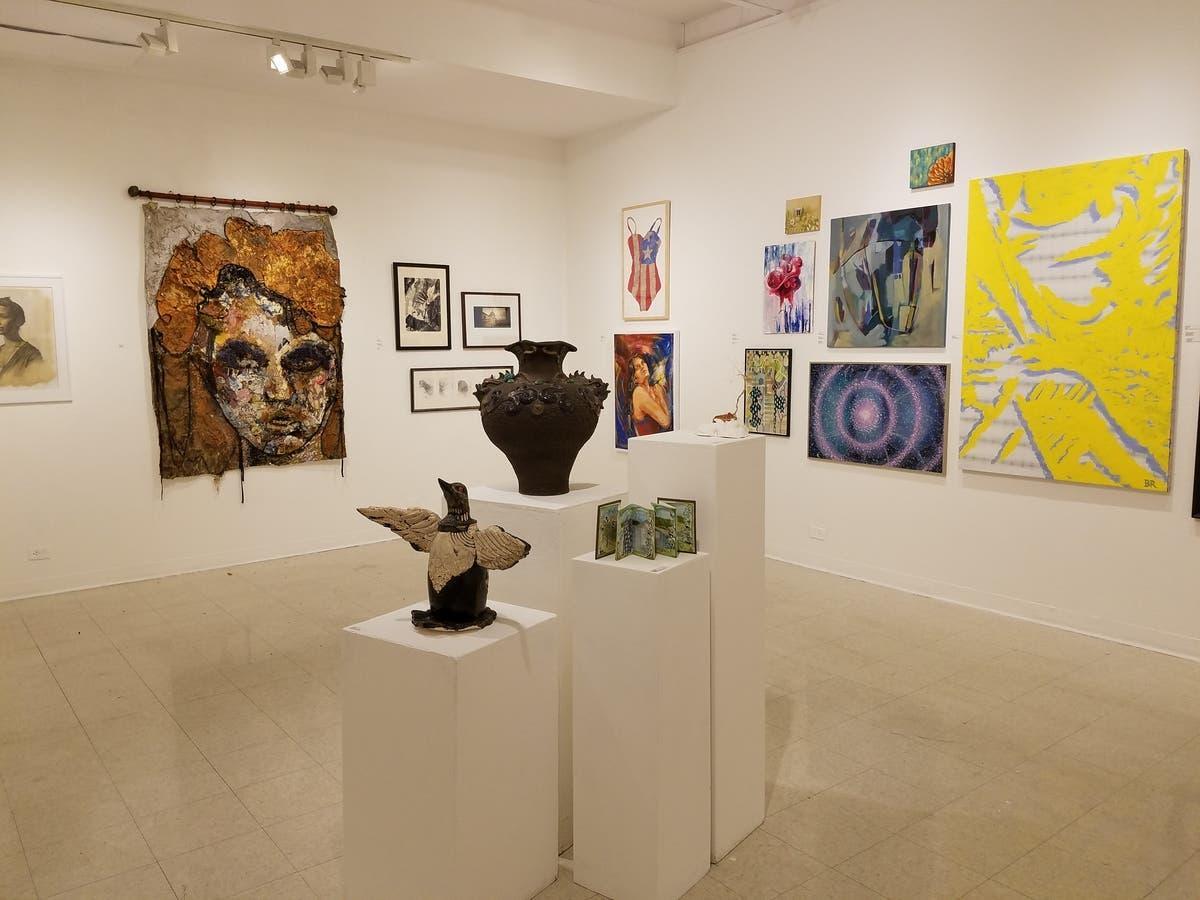
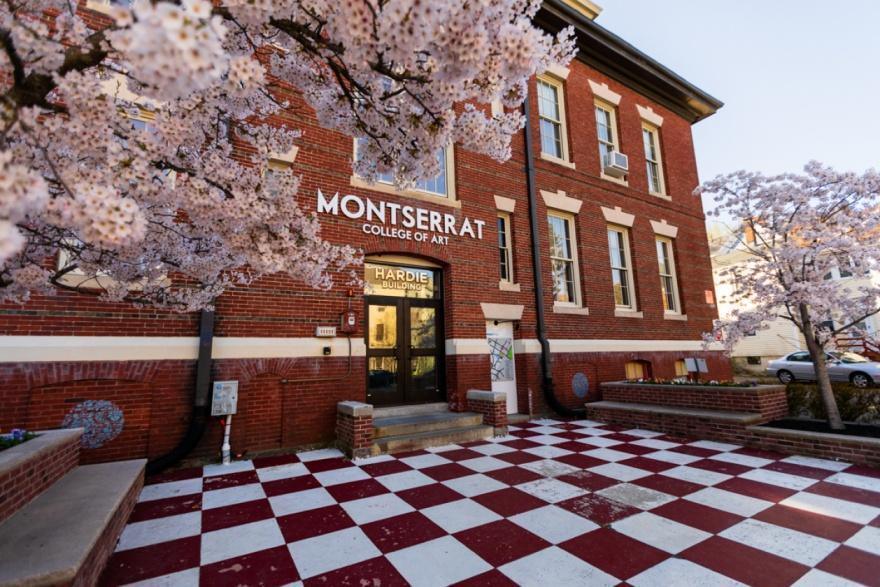
About Montserrat College of Art
Montserrat College of Art: Courses, Fees, Admissions and Student Life
Introduction
Montserrat College of Art is a private college specialising in visual arts, design and creative education. Located in Beverly, Massachusetts, United States, the college provides an environment where students can explore artistic ideas, develop technical skills and prepare for careers in the creative industries.
Founded by working artists, Montserrat College of Art has developed an educational approach that combines studio practice, experimentation, research and critical thinking. Its Bachelor of Fine Arts (BFA) programmes encourage students to explore different artistic disciplines while developing expertise in their chosen areas of concentration.
The college offers programmes in animation, graphic design, illustration, painting, photography, film, video, printmaking, sculpture and other creative disciplines. Students can also explore subjects such as art history, creative writing, curatorial studies and entrepreneurship in the arts.
Montserrat is located in historic downtown Beverly, a coastal community north of Boston. Its small-campus environment offers opportunities for students to interact with faculty, collaborate with other artists and participate in exhibitions, creative projects and professional development activities.
For international students interested in pursuing an art-focused degree in the United States, Montserrat College of Art may be worth considering. Applicants should carefully evaluate the portfolio requirements, tuition fees, available scholarships, accommodation options and professional opportunities before applying.
About Montserrat College of Art
Montserrat College of Art was established by artists who wanted to create an educational institution focused on individual creativity and professional preparation in the visual arts. The college developed from an early art school into an accredited institution authorised to award the Bachelor of Fine Arts degree.
Its academic philosophy emphasises the relationship between technical ability, creative thinking and the development of an individual artistic voice. Rather than limiting students to a single approach, the college encourages experimentation across different media and disciplines.
The college's interdisciplinary curriculum allows students to explore creative practices while developing expertise in their selected concentration. Students may work with traditional materials, digital tools, photography, video, illustration, design software and other artistic methods depending on their programme.
Montserrat also emphasises professional preparation. Students can develop presentation skills, learn to communicate ideas, participate in critiques and build a portfolio that demonstrates their creative development. These experiences are important for artists and designers who need to explain their ideas and present their work to clients, employers, galleries or potential collaborators.
The college provides academic advising and career-related support to help students plan their education and prepare for opportunities after graduation. Its creative community also provides opportunities to exchange ideas with fellow students and learn from faculty members who have experience in artistic and professional fields.
Location and Campus Environment
Montserrat College of Art is located in Beverly, Massachusetts, approximately 30 minutes from downtown Boston under suitable travel conditions. Beverly is part of the North Shore region and offers a coastal setting with a mixture of historic neighbourhoods, local businesses, cultural activities and access to the wider Boston metropolitan area.
The college's campus is integrated into historic downtown Beverly rather than being isolated in a large suburban campus. This setting allows students to experience the surrounding community while pursuing their academic work.
The college has studio spaces, academic facilities, residence halls, galleries and areas for student activities. These resources support practical learning, creative experimentation, independent work and collaboration.
Art and design students benefit from spaces where they can develop projects, display their work and exchange feedback. Exhibitions and public-facing creative activities can also help students become more comfortable presenting their work to different audiences.
Beverly's location provides access to the cultural resources of the greater Boston area. Students may be able to explore museums, galleries, creative organisations and professional events that complement their studies.
International students should consider local transport, housing costs and seasonal weather when planning their stay. Massachusetts experiences cold winters and warm summers, so appropriate clothing is important. Students should also confirm their accommodation and travel arrangements before arriving in the United States.
Courses and Academic Programmes
Montserrat College of Art focuses primarily on undergraduate education in art, design and related creative disciplines. Its Bachelor of Fine Arts curriculum encourages students to develop technical proficiency while exploring the ideas and concepts behind their work.
Animation
Animation is suitable for students interested in bringing characters, objects and visual stories to life through movement. Depending on the curriculum, students may explore drawing, storyboarding, visual development, timing, digital production and animation techniques.
Animation students need a combination of artistic observation, storytelling, technical ability and attention to detail. They may develop projects that demonstrate their understanding of movement, composition and visual communication.
Potential career directions include animation production, motion graphics, visual development and related creative roles. Career opportunities depend on a student's portfolio, technical skills, experience and the requirements of individual employers.
Graphic Design
Graphic design focuses on communicating ideas visually through typography, images, layouts, colour and other design elements. Students can develop an understanding of how visual communication works across print and digital media.
Coursework may involve branding, editorial design, visual identity, digital graphics and the presentation of information. Students may also learn how to interpret a creative brief and develop design solutions for a particular audience.
Graphic design can support career paths in branding, advertising, publication design, digital content and visual communication. A strong portfolio is particularly important because employers and clients often evaluate designers through examples of completed work.
Illustration
Illustration combines drawing, visual storytelling and concept development to communicate ideas or narratives. Students interested in this field may explore traditional and digital techniques, character development, composition, colour and the creation of images for different audiences.
Illustration can be applied to publishing, editorial content, advertising, entertainment, educational materials and independent creative projects.
Students should use their studies to build a diverse portfolio that demonstrates both technical ability and originality. Developing a recognisable visual style while remaining adaptable can be valuable for professional practice.
Painting and Interdisciplinary Arts
Painting allows students to explore colour, composition, materials, visual expression and the development of ideas through two-dimensional artwork. Students may experiment with different media and approaches while strengthening their understanding of artistic techniques.
Interdisciplinary arts provides opportunities to work across more than one creative medium. Depending on the project, students may combine drawing, sculpture, installation, digital media or other approaches to communicate a concept.
These pathways can suit students who want to develop a personal artistic practice, participate in exhibitions or explore creative work that does not fit neatly into a single discipline.
Photography, Film and Video
Students interested in photography, film and video can explore visual storytelling through still and moving images. Relevant skills may include composition, lighting, camera techniques, editing, sequencing and the communication of ideas through images.
These disciplines can connect artistic practice with commercial and editorial photography, film production, video content, digital media and related creative industries.
Students should consider the technical requirements of their intended concentration and investigate the equipment, software and production resources available through the college.
Printmaking and Sculpture
Printmaking introduces students to processes for creating images and artworks through different printing methods. Students can explore repetition, texture, materials and the relationship between an original design and its printed outcome.
Sculpture focuses on three-dimensional form, space, materials and physical construction. Depending on the work undertaken, students may experiment with different materials and techniques to create objects or installations.
Both disciplines can help students develop practical problem-solving skills, material awareness and a deeper understanding of how artwork interacts with its surroundings.
Games, Toys and Play
Students interested in interactive experiences and playful design can explore creative work connected with games, toys and play. This area can combine storytelling, visual design, experimentation and the development of experiences for different audiences.
Possible interests include concept development, character design, visual systems and interactive creative projects. Applicants should examine the current curriculum to understand the specific balance between art, design and technical production.
Art Education and Art History
Art education connects creative practice with teaching and learning. Students interested in this area may explore methods for explaining artistic concepts, supporting creative development and engaging different audiences.
Art history focuses on the study of artworks, artistic movements, cultural contexts and the ways art reflects historical and social change. These subjects can provide a foundation for further study or work related to museums, galleries, education and cultural organisations.
Students interested in teaching should verify any additional teacher-certification requirements associated with their intended career.
Creative Writing and Entrepreneurship in the Arts
Creative writing provides opportunities to develop storytelling, written expression and the communication of ideas. It can complement visual arts study by helping students build narratives and explain the concepts behind their work.
Entrepreneurship in the arts focuses on the professional side of creative practice. Students can explore how artists and designers develop projects, present their work, understand audiences and approach the business responsibilities associated with a creative career.
These subjects may be particularly useful for students who plan to freelance, establish a creative business or manage their own artistic practice.
Tuition Fees and Estimated Cost of Attendance
Studying at an art college involves expenses beyond tuition. Students may also need to budget for specialist supplies, digital equipment, accommodation, food, health insurance and transportation.
Montserrat College of Art's published 2025–2026 full-time cost schedule lists annual tuition of US$40,745 and a general fee of US$1,775. The published health insurance charge for international students is US$2,480 annually unless the college's current policy provides an applicable alternative.
The college also lists different residence hall prices depending on room type. For 2025–2026, the annual double-room rate was US$13,535, while single and triple rooms had different charges.
Additional expenses can include:
- Art supplies and studio materials.
- Books, software and course equipment.
- Accommodation and meals.
- Health insurance and medical expenses.
- Local transportation and personal spending.
- International travel and visa-related expenses.
- Deposits and other one-time charges.
The college's published cost schedule also lists an art supply starter kit charge for new students. The amount and applicability of such fees should be confirmed before enrolment.
These figures relate to the 2025–2026 academic year and should not be treated as guaranteed prices for a future intake. International applicants should request the latest official estimate and calculate the complete annual budget, including living costs and creative materials.
Admission Requirements
Montserrat College of Art evaluates applicants on their academic preparation and creative potential. International applicants must submit academic documents in English and demonstrate English-language proficiency when required.
Academic Transcripts
First-year applicants generally need to complete secondary school before enrolling and provide an official high-school transcript showing their graduation information.
International academic documents must be accompanied by official English translations. The original documents, or certified copies accepted by the college, must be submitted according to its instructions.
Transfer applicants must also provide college transcripts from previously attended institutions. The college will determine whether previous coursework qualifies for transfer credit.
Portfolio Requirements
The portfolio is one of the most important parts of an application to Montserrat College of Art. Applicants must submit 12–15 finished pieces of original artwork created within the previous two years.
At least two pieces must demonstrate direct observation. These should show the applicant drawing or painting a subject observed in person rather than relying solely on a photograph or imagination.
A portfolio may include work in media such as drawing, painting, sculpture, photography, illustration, animation, graphic design, printmaking and other relevant visual forms.
Applicants should document their work carefully. Images should be clear, evenly lit and high resolution, with distracting backgrounds removed where appropriate. Each work should include information such as its title, medium, size, year of completion and the concept behind it.
The college encourages applicants to seek a preliminary portfolio review. This can help students understand the requirements and identify areas for improvement before submitting their final application.
Letters of Recommendation and College Essay
The published international application requirements include two letters of recommendation and a college essay.
Applicants should choose recommenders who can discuss their academic preparation, creative interests, work ethic or potential for further study. They should allow enough time for recommenders to prepare and submit their letters.
The essay provides an opportunity to explain their background, motivations and reasons for pursuing art or design education. Applicants should write clearly and honestly, showing how their interests connect with their intended programme.
English Language Proficiency
International applicants whose native language is not English generally need to provide evidence of English proficiency.
Montserrat College of Art's published requirements include the following minimum scores:
- TOEFL internet-based test: 79.
- IELTS: overall band score of 6.0.
- Duolingo English Test: 100.
Alternative arrangements or exemptions may apply in specific circumstances. Applicants should verify the latest accepted tests, score requirements and exemption rules before submitting their application.
Application Process for International Students
International students should prepare their application early because portfolio preparation, document translation and visa processing can take time.
Step 1: Choose your concentration. Explore the available BFA programmes and identify the area that best matches your creative interests and long-term goals.
Step 2: Prepare your portfolio. Select 12–15 strong original artworks from the previous two years. Include at least two pieces created from direct observation and provide the requested information for each work.
Step 3: Complete the application. Apply through the college's application process or the Common Application. The published international application instructions list a US$50 non-refundable application fee, although an eligible fee waiver may be available.
Step 4: Submit academic records. Arrange official secondary-school transcripts and certified English translations. Transfer students should also submit the required college records.
Step 5: Submit recommendations and the essay. Follow the application instructions for the required letters of recommendation and written statement.
Step 6: Provide English proficiency evidence. Submit an accepted test score if required under the college's current policy.
Step 7: Review the admission decision. Respond promptly if the admissions team requests additional documents or clarification.
Step 8: Submit financial documentation. After acceptance, international students must provide evidence that they can fund the required period of study. The college's published instructions require proof of funding for a nine-month period before the relevant I-20 documentation can be issued.
Step 9: Prepare for the student visa. Follow the official process for obtaining the necessary immigration documents and applying for an F-1 student visa.
Step 10: Arrange housing and enrolment. Confirm residence hall arrangements, health insurance, orientation dates and registration requirements before travelling.
The college has published May 1 as the financial-document deadline for fall entry and November 1 for spring entry. Applicants should verify current application deadlines and document submission dates for their intended academic year.
Scholarships and Financial Assistance
Montserrat College of Art considers international applicants for merit-based scholarships as part of the admission process. These awards can help eligible students reduce their educational expenses.
Scholarship decisions and amounts depend on the college's policies and the applicant's qualifications. Students should ask whether an award is renewable and what academic or enrolment conditions apply.
The college states that need-based financial assistance is not available to international students. Applicants should therefore prepare a realistic funding plan that does not rely on financial aid for which they are ineligible.
External scholarships, personal savings and family or sponsor support may be other funding sources. Students should verify the conditions of any external award and confirm that the funds can be used for tuition or living expenses.
Because art and design education can involve substantial material costs, students should also budget for supplies and equipment rather than focusing exclusively on tuition.
Accommodation and Campus Housing
Montserrat College of Art provides residence hall options for students seeking an on-campus living experience. Living close to studios and academic facilities can make it easier to participate in classes, exhibitions and collaborative projects.
Housing costs depend on room type and the college's current rates. Students should review the available options, deposits, meal arrangements and housing contracts before accepting an offer.
The college's location in downtown Beverly also means that students may investigate off-campus accommodation, subject to availability and applicable policies. Private housing requires careful budgeting for rent, utilities, food, transportation and lease conditions.
International students should arrange accommodation well in advance of arrival. They should also confirm how to travel from the airport to Beverly and whether they need to bring or purchase bedding, kitchen supplies and winter clothing.
Student Life and Campus Activities
Student life at Montserrat College of Art revolves around creative practice, collaboration and engagement with the surrounding community.
Students can participate in exhibitions, studio critiques, creative projects, visiting artist events and other activities that encourage them to share ideas and receive feedback. These experiences help students develop confidence in presenting their work and discussing artistic decisions.
The college's small creative community can make interaction with faculty and fellow students an important part of the educational experience. Students can learn from different approaches to art and design while developing their own creative identity.
Montserrat's galleries and public-facing events also provide opportunities to engage with contemporary art and the wider creative community. Its location near Boston expands the range of cultural activities students can explore.
International students can benefit from joining campus activities early, connecting with classmates and using available support services. These steps can help them adjust to a new educational environment and develop a sense of belonging.
Career Development and Employment Opportunities
Professional preparation is an important part of Montserrat College of Art's educational approach. The college offers career guidance through its Center for Career Design and Creative Enterprise, helping students explore professional directions and develop relevant skills.
Career preparation may include résumé development, portfolio presentation, networking, internship exploration and guidance on entering creative industries.
For students interested in art and design, professional readiness involves more than technical ability. Communication, project management, collaboration, client relationships and an understanding of how creative work is presented and marketed can all be valuable.
The college's Creative Employment Initiative, beginning with the incoming class of 2026, is designed to provide paid, career-focused work while students pursue their education. Applicants should confirm the programme's current terms, eligibility and the specific opportunities available to their concentration.
Potential career directions include graphic design, animation, illustration, photography, film and video production, fine arts, creative entrepreneurship and other design-related fields. Actual opportunities depend on portfolio quality, professional experience, market conditions and employer requirements.
International students must also follow the employment restrictions associated with their immigration status. They should seek appropriate guidance before accepting employment or undertaking an internship.
Why Choose Montserrat College of Art?
Montserrat College of Art may be a suitable option for students who want a specialised education in visual arts and design rather than a broad university programme dominated by unrelated academic disciplines.
Its interdisciplinary BFA curriculum encourages experimentation while allowing students to develop expertise in a chosen concentration. The portfolio-based application process also gives applicants an opportunity to demonstrate their artistic interests and creative potential.
The college's small creative community, studio environment, exhibitions and professional development resources can help students develop both their artistic practice and their understanding of creative careers.
Its location in Beverly provides access to a coastal community and the wider Boston cultural region. Students can explore exhibitions, creative events and professional networks that complement their classroom learning.
However, applicants should carefully consider tuition, accommodation, art supply costs and scholarship eligibility. They should also ensure that the college offers the concentration and learning environment they want before committing to a programme.
Frequently Asked Questions
Where is Montserrat College of Art located?
Montserrat College of Art is located in downtown Beverly, Massachusetts, United States, in the North Shore region near Boston.
What degree does Montserrat College of Art offer?
The college's principal degree is the Bachelor of Fine Arts. It offers concentrations across a range of art and design disciplines, along with continuing education and other learning opportunities.
What courses are available?
Areas of study include animation, graphic design, illustration, painting, photography, film, video, printmaking, sculpture, art education, creative writing and entrepreneurship in the arts. Availability depends on the current academic catalogue.
Is a portfolio required for admission?
Yes. Applicants must submit 12–15 recent finished artworks, including at least two pieces created from direct observation. The portfolio should demonstrate originality, artistic development and technical ability.
What English proficiency scores are required?
Published minimums include TOEFL iBT 79, IELTS 6.0 or Duolingo English Test 100. Applicants should confirm the current requirements and accepted alternatives.
How much does tuition cost?
For 2025–2026, published full-time tuition was US$40,745 annually, plus a US$1,775 general fee and the applicable international student health insurance charge. Future-year rates may differ, and accommodation and art supplies add to the total cost.
Are scholarships available to international students?
Yes. International applicants are considered for merit-based scholarships. The college states that need-based financial assistance is not available to international students.
Does the college provide accommodation?
Yes. Montserrat offers residence hall options. Applicants should confirm current room rates, availability and housing requirements.
Can international students work while studying?
Employment is subject to US immigration regulations. Students should consult the college's international student guidance before accepting a job or internship.
What should applicants prepare before applying?
Applicants should prepare their academic transcripts, portfolio, recommendation letters, college essay, English proficiency evidence where required and financial documentation. They should also allow time for visa preparation and accommodation arrangements.
Conclusion
Montserrat College of Art provides a specialised educational environment for students who want to develop their artistic abilities and prepare for careers in creative industries. Its interdisciplinary approach combines studio practice, experimentation, critical thinking and professional development across a variety of art and design concentrations.
For international students, the most important preparation steps are to build a strong portfolio, meet academic and English-language requirements, understand the full cost of attendance and arrange the necessary financial and immigration documentation.
By comparing the college's programmes, creative environment, scholarship opportunities and career resources with their personal goals, prospective students can decide whether Montserrat College of Art is the right choice for their higher education in the United States.
Entry Requirements
General Entry Requirement
IELTS 6.5 overall
Fees & Scholarships
Annual Tuition Fees
USD 40,000 - USD 65,000
Ready to Apply to Montserrat College of Art?
Our advisors guide you from eligibility check to offer letter — at no cost to you.
Join our WhatsApp Community
Scan to join our student community for admission updates & guidance