
Annual FeesUSD 26,000 - USD 46,000
Montana Tech
LocationUS
Entry RequirementIELTS 6.0 overall
Visa Success Rate75%
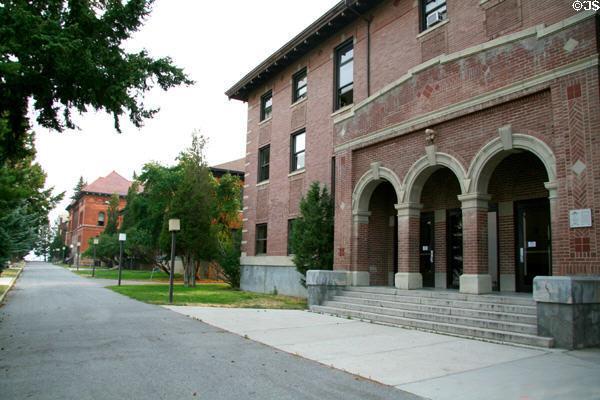
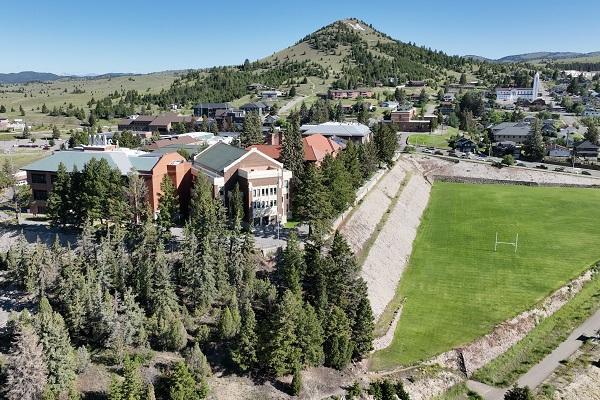
Campus Photos
Montana Tech
About Montana Tech
Montana Tech: Courses, Fees, Admissions and Student Life
Introduction
Montana Technological University, commonly known as Montana Tech, is a public university located in Butte, Montana, United States. The university is recognised for its emphasis on science, technology, engineering and mathematics (STEM), offering academic programmes designed to combine theoretical knowledge with practical experience. It attracts students interested in engineering, computing, applied sciences, energy, environmental studies and other technical disciplines.
Montana Tech provides undergraduate and graduate programmes, along with opportunities for research, laboratory work and industry-oriented learning. Its educational approach focuses on preparing students to solve practical problems, understand modern technologies and develop skills relevant to professional careers.
The university is located in a historic mining community in southwestern Montana. Its location reflects the region's connections with engineering, natural resources and industrial development, while also providing access to outdoor recreation and a close-knit campus environment.
For international students considering higher education in the United States, Montana Tech offers a specialised alternative to larger universities with broad academic offerings. Prospective applicants should review the programme catalogue, international admission requirements, tuition and living expenses before deciding whether the institution aligns with their academic goals.
About Montana Tech
Montana Tech is part of the Montana University System and has a long-standing connection with technical and professional education. The institution developed from a focus on mining education into a university offering a broader selection of engineering, science, computing, health-related and professional programmes.
Its academic identity remains strongly connected to applied learning. Students in technical disciplines may work with laboratory equipment, specialised facilities, research projects and practical assignments that complement their classroom studies.
The university offers educational pathways for students at different stages of their academic careers. Undergraduate students can pursue bachelor's degrees in selected fields, while graduate students can explore advanced study and research opportunities. The exact qualifications available depend on the academic department and current course catalogue.
Montana Tech also provides academic advising, library resources, tutoring, career support and international student services. These resources can help students navigate university requirements, develop effective study habits and prepare for professional opportunities.
Students should remember that admission requirements vary by programme. Some engineering and professional courses may require stronger academic preparation, prerequisite subjects or additional placement assessments. Checking the requirements of the intended degree is therefore an important first step.
Location and Campus Environment
Montana Tech is located in Butte, Montana, a city with a history closely associated with mining and mineral development. The university's setting provides a distinctive educational environment for students interested in engineering, geology, environmental science and resource-related industries.
Butte offers everyday services, shops, restaurants and community facilities. Students can experience a smaller city environment rather than the pace of a major metropolitan area. This may appeal to those who prefer a more focused campus experience, although students should consider transport, employment options and access to services when comparing universities.
The campus includes academic buildings, laboratories, student facilities and residence halls. Students can use these spaces for lectures, independent study, group projects and extracurricular activities. The university's specialised facilities are particularly relevant to disciplines that require laboratory work, equipment-based learning or technical experimentation.
Montana has distinct seasons, including cold winters and warmer summers. Students arriving from warmer climates should plan for winter clothing, suitable footwear and seasonal travel conditions.
Before arriving, international students should research airport connections, local transport and travel from their arrival airport to Butte. They should also confirm their accommodation arrangements and the university's orientation schedule.
Courses and Academic Programmes
Montana Tech offers programmes across engineering, computing, science, health-related fields and professional disciplines. The range of courses makes it particularly relevant to students who want to develop technical expertise or prepare for careers in industries that rely on scientific and engineering knowledge.
Engineering
Engineering is one of Montana Tech's central academic areas. Depending on the current programme catalogue, students can explore disciplines such as mechanical, electrical, environmental, petroleum and mining engineering, alongside other specialised engineering pathways.
Engineering students study mathematical principles, scientific concepts, technical design and methods for solving real-world problems. Coursework may include laboratories, project work, computer-based modelling and collaborative assignments.
These programmes can prepare students for careers in engineering design, operations, manufacturing, energy, consulting and technical project management. Applicants should check each department's curriculum to understand prerequisite subjects, laboratory requirements and possible programme-specific fees.
Computer Science and Software-Related Studies
Students interested in technology can explore computing and software-related academic options. Depending on the specific programme, subjects may include programming, algorithms, data management, computer systems and problem-solving methods.
Computing education can help students develop analytical thinking and practical technical skills. Project-based learning may also provide opportunities to build a portfolio of work that demonstrates programming ability and familiarity with modern technologies.
Students should verify the exact computing degrees and specialisations available for their intended intake rather than assuming that every technology subject is offered at every degree level.
Geological and Earth Sciences
Montana Tech's regional setting and technical heritage make earth science and resource-related study important areas to explore. Students interested in geology and related fields may study the Earth's structure, mineral resources, environmental processes and methods used to investigate geological conditions.
Depending on the programme, learning may combine classroom instruction, laboratory analysis, fieldwork and research. These experiences can be relevant to careers in geological consulting, natural resource management, environmental assessment and related industries.
Applicants should review the curriculum to understand how much fieldwork is involved and whether additional equipment, travel or course expenses apply.
Environmental Science and Engineering
Environmental programmes focus on understanding environmental systems, assessing impacts and developing solutions to technical or resource-management challenges.
Students may study subjects related to environmental monitoring, pollution control, water systems, sustainability and environmental regulations, depending on their selected degree.
These fields can be relevant to environmental consulting, industrial compliance, resource management and sustainability-related work. Students should compare course content and practical training opportunities to ensure that a programme supports their intended career direction.
Petroleum, Mining and Energy-Related Studies
Montana Tech has historical connections with mining and resource industries. Students interested in these sectors may explore relevant engineering and technical programmes, depending on current availability.
Such programmes can involve the study of resource extraction, geological conditions, industrial systems, safety, operational planning and energy technologies. Students may develop an understanding of how technical decisions affect productivity, environmental performance and workplace safety.
Employment prospects in resource industries can depend on economic conditions, regional demand, technological changes and professional qualifications. Applicants should investigate current industry trends rather than relying only on the historical reputation of a particular discipline.
Health and Professional Programmes
Montana Tech also provides selected academic pathways in health-related and other professional areas. Programme availability and entry requirements differ, so students interested in these fields should consult the current academic catalogue and relevant department.
Some professional programmes may require prerequisite coursework, placement assessments or additional clinical and practical requirements. International students should also confirm whether a qualification leads to the professional licensing or certification they need in their intended place of employment.
Graduate Education and Research
Students who have completed an undergraduate qualification may explore graduate programmes in selected technical and professional fields.
Graduate study can involve advanced coursework, independent research, specialist projects or thesis requirements, depending on the programme. Applicants should examine departmental admission criteria, academic prerequisites, English-language requirements and funding opportunities.
Students interested in research should investigate faculty expertise and available projects before applying. Contacting the relevant department can help clarify whether a particular research interest aligns with the university's academic strengths.
Tuition Fees and Cost of Attendance
The cost of studying at Montana Tech depends on the academic year, programme, credit load, residency classification and individual living arrangements. International students should prepare a full annual budget rather than considering tuition alone.
For preliminary planning, estimated annual out-of-state undergraduate tuition and mandatory fees have been listed at approximately US$26,990, while a broader estimated annual cost of attendance can reach around US$46,396 when housing, meals, books, transport and personal expenses are included. These figures are estimates from the university cost information referenced for this profile and should not be treated as a confirmed quotation for every international student or future academic year.
The main expense categories include:
- Tuition and mandatory university fees.
- Accommodation and meal plans.
- Books, supplies and course materials.
- Health insurance and medical expenses.
- Local transportation and personal spending.
- Travel to and from the United States.
- Visa-related expenses and initial settlement costs.
Students should check whether their programme involves additional laboratory fees, specialist equipment, fieldwork expenses or other charges. Housing choices and meal plans can also affect the overall budget.
International applicants should request the latest official cost estimate for their intended intake and confirm the amount required for financial documentation. Exchange-rate changes and unexpected expenses should also be considered when preparing a funding plan.
Admission Requirements
Montana Tech has separate requirements for first-year undergraduate applicants, transfer students and graduate applicants. Students should identify their applicant category and review the relevant programme requirements before submitting an application.
Undergraduate Admission
International first-year applicants generally need to have completed secondary education and provide official or certified academic records. The university's published international admissions guidance lists a minimum cumulative GPA of 2.50 on a 4.0 scale for first-year applicants.
Students may also need to complete mathematics and writing placement assessments. The university recommends submitting ACT or SAT results where available, although students without these scores may be required to complete placement testing through the university's orientation process.
Meeting the minimum academic requirement does not guarantee admission to every programme. Some disciplines may have additional prerequisites, higher academic standards or restricted entry.
Transfer Admission
Applicants who have completed college-level coursework after secondary school may be considered transfer students. Montana Tech's published international guidance lists a minimum cumulative GPA of 2.0 on a 4.0 scale for eligible transfer applicants.
Students should arrange for official transcripts from all previously attended institutions. Documents must meet the university's requirements for verification and English translation.
International transfer applicants may also be asked to provide links to detailed course descriptions. If the university cannot verify a previous institution's credentials or course content, it may request a formal course-by-course credential evaluation.
Transfer credit is assessed individually. A course may be accepted as transferable credit without necessarily satisfying a specific requirement within the student's chosen degree.
Graduate Admission
Graduate applicants generally need an appropriate recognised undergraduate qualification and must meet the admission standards of their intended programme.
Depending on the department, applications may require official transcripts, a résumé, a statement of purpose, recommendations or other supporting documents. Research-oriented programmes may have additional expectations related to academic preparation or research interests.
Applicants should contact the relevant department to confirm current entry standards, deadlines and any funding opportunities.
English Language Requirements
International applicants whose first language or previous education does not meet the university's exemption rules may need to demonstrate English-language proficiency.
Montana Tech's published international undergraduate guidance lists the following options:
- TOEFL iBT: minimum score of 71.
- IELTS: minimum score of 6.0.
- Successful completion of the specified ELS Language Center Level 112 pathway.
- Other accepted methods recognised under the university's current policy.
Accepted tests, score requirements and exemptions can change. Applicants should confirm the latest requirements before booking an examination.
Application Process for International Students
International students can make the application process more manageable by preparing their documents and checking deadlines in advance.
Step 1: Select a programme. Explore the current academic catalogue and choose a degree that matches your academic background and career plans. Check whether the programme is available for your intended intake.
Step 2: Review the admission requirements. Confirm academic prerequisites, GPA expectations, English proficiency requirements and any additional departmental conditions.
Step 3: Complete the application. Submit the university's application form using the same spelling of your name as shown on your passport.
Step 4: Submit academic records. Arrange official or certified transcripts from secondary school and any postsecondary institutions attended. Documents must meet the university's verification and English-language requirements.
Step 5: Provide English proficiency evidence. Submit an accepted test score or other evidence permitted by the university's current policy.
Step 6: Submit financial documentation. Complete the required statement of financial support and provide evidence that funding is available for the expected expenses during the first year.
Step 7: Submit immunisation records. Follow the university's requirements for health and immunisation documentation, ensuring that records are provided in the required format and language.
Step 8: Complete the immigration process. After admission and submission of all required documents, eligible students can receive Form I-20 and proceed with the applicable SEVIS and student visa steps.
Step 9: Arrange housing and insurance. Apply for residence hall accommodation early, review meal-plan options and arrange the required medical insurance.
Step 10: Prepare for enrolment. Complete any placement assessments, register for classes and attend the required orientation activities.
Montana Tech's published international admissions page has listed August 1 for fall, December 1 for spring and May 1 for summer applications. These dates should be verified before applying, as deadlines and programme availability may change.
Scholarships and Financial Assistance
Scholarships and financial assistance can help eligible students manage the cost of university education. Availability depends on the award, academic programme, student classification, eligibility rules and funding arrangements.
Montana Tech students should review university scholarship opportunities and ask the financial aid office about awards for which they may qualify. Applicants should also investigate external scholarships, employer sponsorships and other legitimate funding options.
International students must check eligibility carefully. Some financial aid programmes may be restricted to US citizens, permanent residents or students meeting specific residency requirements. An award advertised by the university should not automatically be assumed to be available to every international applicant.
Students should also examine scholarship renewal conditions, minimum academic performance requirements and whether an award covers tuition only or other expenses.
A realistic funding plan should identify the total annual cost, confirmed funding sources and the remaining amount that must be covered by the student or sponsor.
Accommodation and Campus Housing
Montana Tech offers on-campus residence halls with different facilities and living arrangements. Living on campus can help students become familiar with university life, meet classmates and access academic facilities more conveniently.
Housing availability is limited, and the university recommends applying early. Residence hall assignments are generally made according to the university's housing procedures and availability.
The university has published a first-year residence requirement for students with fewer than 30 credits. Students should confirm how this requirement applies to their circumstances and review any applicable exceptions.
Before accepting accommodation, applicants should compare room costs, meal plans, deposits, contract conditions and the facilities included. They should also ask whether bedding, kitchen equipment and other essentials are provided.
Students considering private accommodation in Butte should calculate rent, utilities, food, transport and other living costs. They should also confirm how they will travel to campus during winter.
International students should finalise their housing arrangements before travelling to the United States and keep the university informed if their arrival plans change.
Student Life and Campus Activities
Student life at Montana Tech includes academic activities, student organisations, recreation and opportunities to connect with the wider community. The campus environment can help students develop friendships, practise communication skills and become involved in activities outside their academic programmes.
Students can explore clubs, campus events and recreational opportunities based on their interests. Joining an organisation or attending university activities can also help new students build a support network.
The university's international student services office assists international students with their transition to life in the United States, including guidance related to immigration responsibilities, orientation and campus resources.
Students should make use of academic advising, tutoring, library services and career guidance when needed. These resources can be particularly helpful during the first semester, when students are adjusting to different teaching methods and assessment expectations.
Butte and the surrounding Montana region also offer opportunities to explore local history and outdoor recreation. Students should plan activities according to seasonal weather and available transport.
Career Development and Employment Opportunities
Montana Tech's technical and professional programmes are designed to help students develop knowledge and skills relevant to their chosen industries. Depending on their degree, graduates may pursue opportunities in engineering, computing, energy, mining, environmental services, research and other technical sectors.
The university's career resources can support students with résumé preparation, interview skills, job searches and professional planning. Students should begin preparing for employment before graduation rather than waiting until their final semester.
Internships, research projects and practical experience can help students connect academic learning with professional responsibilities. Applicants should investigate opportunities within their intended department and ask about industry partnerships, project work and career events.
Employment outcomes depend on the student's programme, skills, work experience, employer requirements and labour-market conditions. Students should review career information for their specific field rather than assuming that every degree leads to the same opportunities.
International students must also follow the employment restrictions associated with their immigration status. Before beginning an internship or accepting a job, they should consult the university's international student advisers to confirm whether authorisation is required.
Why Choose Montana Tech?
Montana Tech may be a strong option for students who want a specialised university environment with an emphasis on science, engineering, computing and applied technical education.
Its academic strengths make it worth exploring for students interested in engineering disciplines, earth sciences, environmental fields and resource-related industries. Laboratory-based learning and technical projects may help students connect classroom knowledge with practical applications.
The university also provides international student support, residence halls, academic resources and career services. Its location in Butte offers a smaller-city environment that may appeal to students who prefer a campus-centred experience.
However, Montana Tech is not necessarily the right choice for every student. Applicants should compare programme availability, total cost, accommodation, academic requirements and career opportunities with those at other institutions.
Students should also verify whether the exact degree they want is offered and whether its curriculum matches their professional goals. Reviewing official information and speaking with the relevant department can help them make an informed decision.
Frequently Asked Questions
Where is Montana Tech located?
Montana Tech is located in Butte, Montana, United States.
Is Montana Tech a public university?
Yes. Montana Tech is a public university within the Montana University System.
What courses is Montana Tech known for?
The university is particularly associated with STEM education, including engineering, computing, geological and earth sciences, environmental fields and other technical disciplines. Exact offerings depend on the current academic catalogue.
What is the minimum GPA for international undergraduate admission?
The published international admissions guidance lists a minimum GPA of 2.50 on a 4.0 scale for first-year applicants and 2.0 on a 4.0 scale for eligible transfer applicants. Individual programmes may have additional requirements.
What English-language test scores are accepted?
Published undergraduate guidance lists TOEFL iBT 71 and IELTS 6.0, along with certain alternative pathways. Students should confirm current requirements and accepted options before applying.
How much does it cost to study at Montana Tech?
Tuition and living expenses depend on the academic year, programme and accommodation choices. Applicants should request the latest official estimate and budget for tuition, housing, meals, books, insurance, transport and personal expenses.
Does Montana Tech offer on-campus housing?
Yes. The university has residence halls, but spaces are limited. Students are encouraged to apply early and confirm current room and meal-plan costs.
Are scholarships available to international students?
Scholarship opportunities may be available, but eligibility varies. International applicants should confirm which awards accept students with their citizenship and immigration status.
Can international students work while studying?
Some work opportunities may be available under applicable immigration rules. Students should consult the international student services office before accepting employment or starting an internship.
What documents are required for an international application?
Common requirements include an application form, passport photo page, official academic records, English proficiency evidence, financial support documentation and immunisation records. Additional requirements may apply to individual programmes.
Conclusion
Montana Tech offers a specialised university experience for students interested in engineering, science, computing and applied technical education. Its academic programmes, campus facilities and student support services provide opportunities for students to develop knowledge and prepare for professional careers.
International applicants should carefully review their chosen programme, current admission requirements, English proficiency standards and total cost of attendance. They should also arrange financial documentation, accommodation, health insurance and immigration paperwork well before their intended start date.
By comparing the university's academic strengths, campus environment and career resources with their own goals, prospective students can decide whether Montana Tech is an appropriate choice for their higher education in the United States.
Entry Requirements
General Entry Requirement
IELTS 6.0 overall
Fees & Scholarships
Annual Tuition Fees
USD 26,000 - USD 46,000
Ready to Apply to Montana Tech?
Our advisors guide you from eligibility check to offer letter — at no cost to you.
Join our WhatsApp Community

Scan to join our student community for admission updates & guidance