
Annual FeesUSD 22,300 - USD 35,000
Montana State University–Northern
LocationUS
Entry RequirementIELTS 6.0 overall
Visa Success Rate70%
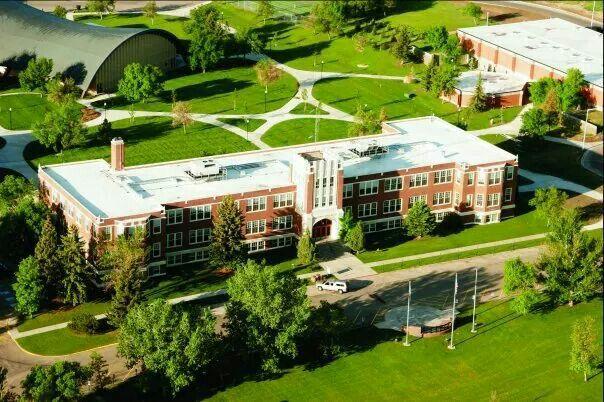
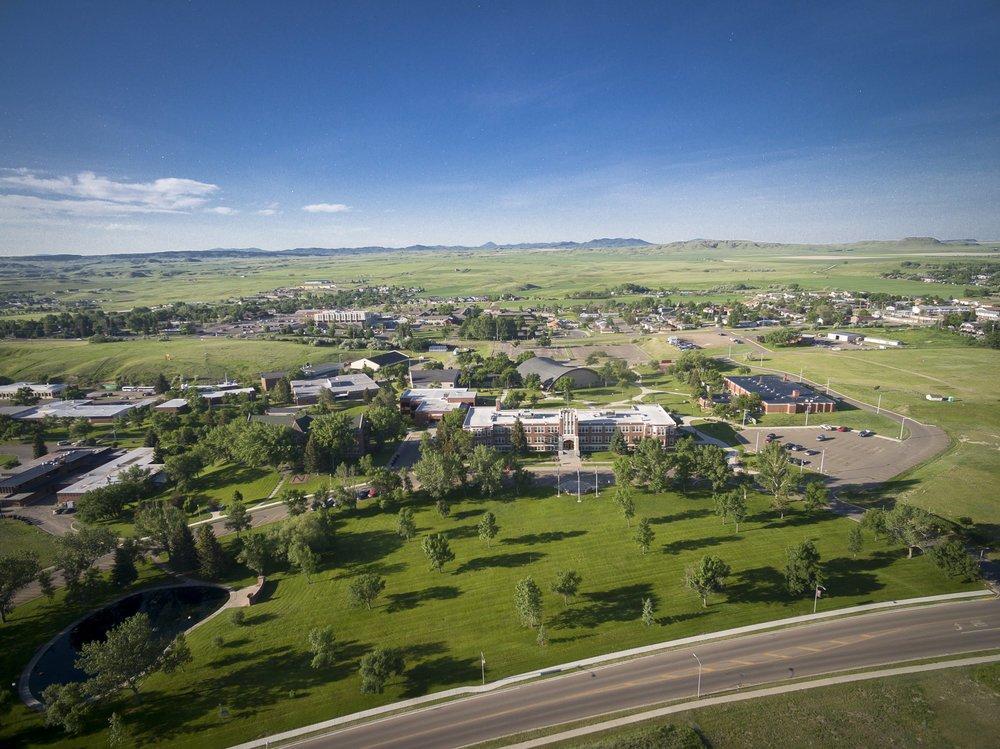
Campus Photos
Montana State University–Northern
About Montana State University–Northern
Montana State University–Northern: Courses, Fees, Admissions and Student Life
Introduction
Montana State University–Northern (MSU-Northern) is a public university located in Havre, Montana, United States. Established in 1929, the university provides undergraduate, graduate, associate degree and certificate programmes across several academic and professional disciplines. Its educational approach combines classroom learning with practical training, helping students develop knowledge and skills relevant to their chosen careers.
The university offers programmes in business, nursing, education, engineering technology, agriculture, arts and sciences, and technical fields. It is particularly known for its career-oriented educational opportunities, including areas such as diesel technology, nursing, teacher education and engineering technology.
MSU-Northern may appeal to students looking for a university experience in a smaller Montana community, with access to academic support, campus activities and professional development services. Prospective international students should review the requirements for their intended programme, confirm current tuition and living expenses, and prepare their application documents before applying.
About Montana State University–Northern
Montana State University–Northern is part of the Montana University System and serves students from Montana, other parts of the United States and international locations. The institution provides a range of academic pathways, including associate degrees, bachelor's degrees, master's degrees and certificate programmes.
The university emphasises education that connects academic concepts with practical applications. Its programmes cover both technical and liberal arts education, giving students opportunities to develop subject knowledge, analytical abilities, communication skills and professional competencies.
MSU-Northern has several academic areas, including Arts and Sciences, Business Technology, Education, Health Sciences and Technical Sciences. Students can explore programmes suited to their interests, whether they want to work in a technical profession, enter the healthcare sector, teach, pursue business-related careers or continue into graduate-level study.
The institution also offers student services intended to support academic progress and personal development. These include academic advising, tutoring, financial aid guidance, library facilities, career services and student activities. Such services can be valuable for students adjusting to university-level study or preparing to enter the workforce.
Location and Campus Environment
MSU-Northern is located in Havre, a city in north-central Montana. The university's location offers a different experience from studying in a large metropolitan centre. Students can experience a smaller community environment while accessing university facilities and campus-based activities.
Havre serves as a regional centre for surrounding communities and provides everyday amenities such as shops, restaurants, services and local transport options. Students should research travel arrangements, particularly airport connections and ground transportation, before planning their arrival in Montana.
The campus includes academic facilities, student services, a library, dining facilities and residence halls. Students can access resources that support classroom learning, independent study and extracurricular involvement. The university also provides spaces and services for students to connect with peers and participate in campus life.
Montana experiences distinct seasons, including cold winters and warmer summers. Students arriving from countries with different climates should prepare suitable clothing and consider seasonal travel conditions when planning their studies.
The overall campus experience may suit students who prefer a smaller university setting. However, anyone comparing institutions should consider the availability of their chosen programme, access to internships, accommodation costs and the distance between campus and potential employment opportunities.
Courses and Academic Programmes
Montana State University–Northern offers programmes across a variety of academic and professional areas. Availability, degree levels and admission requirements differ by programme, so applicants should check the current academic catalogue before choosing a course.
Business and Business Technology
Business-related programmes can help students develop an understanding of organisations, management, business operations and professional communication. Depending on the programme, students may study topics connected with accounting, management, business decision-making and workplace practices.
These subjects can provide preparation for roles in business administration, operations, customer service, management support and related fields. Students should examine individual programme requirements to understand the subjects covered and the qualifications awarded.
Nursing and Health Sciences
Health-related education is another important area at MSU-Northern. Nursing programmes prepare students for professional responsibilities that require clinical knowledge, communication, ethical judgement and patient-care skills.
Applicants interested in nursing should review programme-specific prerequisites, clinical requirements, progression rules and professional licensing expectations. Admission to a university programme does not automatically guarantee eligibility for professional licensure, which may depend on additional requirements.
International students should also investigate whether their previous academic qualifications meet the programme's entry standards and whether any additional documentation is needed.
Engineering Technology
Engineering technology programmes focus on applying technical knowledge to practical problems. Students may develop skills related to technical systems, design principles, equipment, measurement, analysis and industry practices, depending on their chosen area.
These programmes can be relevant to students interested in technical operations, manufacturing, construction-related industries and engineering support roles. Prospective applicants should review the curriculum carefully to identify laboratory work, mathematics prerequisites and any programme-specific costs.
Diesel and Automotive Technology
MSU-Northern is associated with career-oriented technical education, including diesel technology and automotive-related study. Such programmes may appeal to students who want to understand vehicle systems, maintenance procedures, diagnostics and the operation of mechanical equipment.
Practical training is an important consideration for students exploring technical programmes. Applicants should check the balance between classroom instruction, laboratory sessions and applied learning, along with any additional charges for tools, materials or specialist equipment.
Education and Teacher Preparation
The university offers education programmes for students interested in teaching and related professional fields. Depending on the programme, coursework may cover educational theory, teaching methods, learner development and supervised practical experiences.
Students considering teaching careers should confirm the qualification needed for their intended role and location. Certification and licensure requirements vary by state and may involve examinations, supervised practice or additional approvals.
Arts, Sciences and Humanities
The university also offers study opportunities in the humanities, natural sciences, social and physical sciences, and other areas within arts and sciences. These disciplines can help students build research skills, critical thinking, communication and a broader understanding of society and the natural world.
The range of subjects available makes it important to compare individual programmes rather than assume every specialisation is offered at every degree level.
Graduate Programmes
Students who have already completed an undergraduate degree may explore selected graduate opportunities. The university's graduate offerings include areas related to counselor education, instruction and learning, and teaching in a content area.
Graduate applicants should review the relevant department's requirements, including academic prerequisites, English proficiency, supporting documents and application deadlines. Requirements can differ substantially between programmes.
Tuition Fees and Estimated Cost of Attendance
Tuition is an important part of planning for study in the United States. At MSU-Northern, the amount students pay depends on their residency classification, degree level, credit load, programme and applicable fees.
For planning purposes, the university's published 2025–2026 tuition and mandatory fee schedule lists approximately US$11,198.54 per semester for a full-time nonresident undergraduate student. This represents roughly US$22,397.08 for two semesters before housing, meals, books, insurance and other personal expenses.
These figures are a historical reference for the 2025–2026 academic year, not a guaranteed quotation for a future intake. Applicants should confirm the current rates directly with the university before making financial commitments.
The total cost of attendance may include:
- Tuition and mandatory university fees.
- Accommodation and meals.
- Textbooks, course materials and specialist equipment.
- Health insurance and medical expenses.
- Local transportation and personal expenses.
- Travel to and from the United States.
- Visa-related expenses and other initial settlement costs.
Some technical or professional programmes may have additional course fees. Students should also check whether their selected accommodation requires a dining plan or a separate deposit.
When preparing an international student budget, applicants should calculate the full annual cost rather than considering tuition alone. They should also maintain a financial reserve for unexpected expenses and exchange-rate changes.
Admission Requirements
Admission requirements depend on whether an applicant is entering as a first-year student, transferring from another institution or applying to a graduate programme. International students must satisfy the relevant academic, documentation and English-language requirements.
Undergraduate Admission
First-year applicants generally need to provide official secondary-school transcripts showing completed studies. Documents issued in a language other than English may need certified English translations.
The university's published international undergraduate guidance identifies a minimum cumulative GPA of 2.5 on a 4.0 scale for qualifying first-year applicants. Transfer applicants are assessed using their postsecondary academic records, with a published minimum transferable GPA of 2.0 on a 4.0 scale for the applicable undergraduate pathway.
These minimums should not be treated as a guarantee of admission. Programme requirements, transcript evaluation and the completeness of the application can affect the final decision.
Transfer Admission
Students who have already completed college or university coursework may be considered transfer applicants. They should arrange for official transcripts from every relevant postsecondary institution to be sent as required.
Applicants whose education was completed outside the United States may need an evaluation of their foreign academic credentials. They should confirm the university's current evaluation procedure before paying for an external credential assessment.
Transfer credit decisions depend on the courses completed, their academic level and the university's policies. Students should not assume that every previously completed course will transfer.
Graduate Admission
Graduate applicants generally need a recognised undergraduate qualification and must meet the academic requirements of their chosen programme. Departments may request official transcripts, a statement of purpose, recommendations, a résumé or other supporting materials.
Some programmes may have additional prerequisites or specific application deadlines. Applicants should contact the relevant academic department if they are uncertain whether their previous degree is suitable.
English Language Proficiency
International applicants may need to demonstrate their ability to study in English. MSU-Northern's published guidance lists the following TOEFL minimums:
- Undergraduate admission: TOEFL iBT 63 or paper-based TOEFL 475.
- Graduate admission: TOEFL iBT 66 or paper-based TOEFL 500.
The university's admissions guidance also describes alternative pathways, including successful completion of an English as a Second Language programme and certain other forms of evidence considered under its policies.
Accepted tests, exemptions and minimum scores can change. Students should verify the current rules for their intended programme before registering for an examination.
Application Process for International Students
International students should approach the application process systematically to avoid delays.
Step 1: Choose a programme. Review the available courses and identify a programme that matches your academic background and career plans. Confirm the qualification level and whether the programme is accepting applications for your intended term.
Step 2: Review eligibility. Check academic prerequisites, English-language requirements and any programme-specific conditions. Contact the admissions office if your previous qualification does not clearly match the published entry requirements.
Step 3: Complete the application. Submit the university's application form and pay the required application fee. The published international freshman and transfer guidance lists a US$30 non-refundable application fee; confirm the current amount before submitting.
Step 4: Submit supporting documents. Provide official transcripts, certified translations where needed, English-language test results and the required supplemental application materials.
Step 5: Provide financial documentation. International applicants must demonstrate that sufficient funds are available to cover the expected costs of study. The university may require a financial statement or other sponsor documentation based on its current instructions.
Step 6: Review your admission decision. Monitor communications from the university and respond promptly if additional information is requested. Once admitted, follow the university's instructions for the next steps.
Step 7: Prepare for your student visa. Eligible students will need the appropriate university-issued documentation to proceed with the F-1 student visa process. Admission does not itself guarantee visa approval.
Step 8: Arrange arrival and enrolment. Finalise housing, insurance, travel plans and required health documentation. Attend the university's orientation activities and complete registration requirements before classes begin.
Published international admission guidance has listed July 1 for fall, November 1 for spring and April 1 for summer applications. These dates should be reconfirmed with admissions, as deadlines and programme availability may change.
Scholarships and Financial Aid
MSU-Northern offers scholarship opportunities and financial aid information for eligible students. Awards may depend on academic performance, programme, financial circumstances, student classification and other criteria.
The university's scholarship information includes awards associated with areas such as agriculture, business, technical sciences, diesel technology, education and nursing. Some opportunities require a general scholarship application, while others may have additional forms or conditions.
Students should read each scholarship's eligibility rules carefully. Some tuition arrangements and regional exchange programmes are restricted to residents of specific US states or territories and require US citizenship or permanent-resident status. International applicants should not assume that every scholarship advertised by the university is available to them.
A sensible funding plan should identify the total estimated cost, available family or sponsor funds, scholarships for which the student is eligible and the amount that must be paid before enrolment. Applicants should also confirm whether an award is renewable and what academic performance is required to retain it.
Accommodation and Student Housing
MSU-Northern provides on-campus residence halls for students who want to live near their classes and university facilities. Living on campus can make it easier to participate in activities, meet classmates and access academic support.
Residence options, room availability, prices and contract conditions may vary. Students should contact the housing office to confirm the current arrangements, application deadlines, deposits and meal-plan requirements.
The university's housing contract has specified that certain first-year students under 21 who are not living with their parents must reside on campus for at least one academic year. Applicants should verify whether this rule applies to their circumstances and whether any exceptions are available.
Students considering off-campus housing should compare rent, utilities, food, transport and lease terms. Since Havre is a smaller city, prospective students should check the location of any private accommodation and how they would travel to campus throughout the year.
International students should arrange housing well before arriving in Montana, especially if they plan to begin their studies at the start of a semester. They should also budget for initial expenses such as deposits, bedding, kitchen supplies and winter clothing.
Student Life and Campus Activities
University life at MSU-Northern extends beyond lectures and examinations. Students can participate in campus activities, student organisations, athletics and events that encourage social interaction and personal development.
Campus services include student affairs support, tutoring, advising, library resources, student health services and opportunities to connect with other students. These resources can help new students adjust to university expectations and develop effective study habits.
The university also supports athletic participation, including basketball, cross country, football, golf and volleyball, along with wrestling and other club or intramural opportunities. Participation depends on the relevant team, eligibility rules and availability.
Students can benefit from getting involved in campus activities early. Joining an organisation, attending events or participating in recreational activities can help build friendships and strengthen communication and teamwork skills.
International students may find it useful to ask about orientation, student support services and ways to connect with classmates. Becoming familiar with local customs, weather conditions, transport arrangements and university policies can make the transition to life in Montana more manageable.
Career Development and Employment Opportunities
Career preparation is an important consideration when selecting a university. MSU-Northern provides career services intended to help students prepare for employment and explore professional opportunities.
The university's Career Center offers support with résumés, cover letters, interview preparation, co-operative education and job searches. The university also uses Handshake to connect students with employers and list internships, co-operative opportunities, on-campus positions and other professional openings.
Students can use these resources to identify relevant experience while studying. Building a strong résumé, developing communication skills and seeking practical experience can help graduates prepare for their chosen fields.
Career opportunities depend on the programme completed, individual experience, employer requirements and conditions in the relevant labour market. Students should investigate career outcomes in their intended field instead of relying on general employment claims.
International students must also understand the rules governing employment under their immigration status. On-campus employment, internships and other work opportunities may be subject to specific authorisation requirements. Students should consult the university's international student advisers before accepting work.
Why Choose Montana State University–Northern?
MSU-Northern may be worth considering for students who value career-oriented education, a smaller university environment and access to academic support services.
Its range of academic pathways allows students to explore areas including business, nursing, education, technical sciences and engineering technology. Practical and professionally focused programmes may be particularly attractive to applicants who want to develop skills linked to specific industries.
The university's campus services, career guidance, student activities and housing options provide additional support throughout the student experience. Its location in Havre also offers a different setting from universities in major US metropolitan areas.
However, the right choice depends on each student's priorities. Before applying, prospective students should compare the university's programme content, total cost, available scholarships, housing, location and career opportunities with those of other institutions.
Students should also confirm the latest admission requirements and international student policies. Careful preparation can help applicants make an informed decision and avoid unexpected costs or documentation problems.
Frequently Asked Questions
Where is Montana State University–Northern located?
Montana State University–Northern is located in Havre, Montana, in the north-central United States.
Is MSU-Northern a public university?
Yes. It is a public, co-educational university and part of the Montana University System.
What courses are available at MSU-Northern?
The university offers programmes across areas such as business, nursing, education, agriculture, engineering technology, diesel technology, arts and sciences, and selected graduate disciplines. Exact offerings depend on the current academic catalogue.
How much is the tuition fee for international students?
For 2025–2026, the published full-time nonresident undergraduate tuition and mandatory fees totalled approximately US$22,397 for two semesters. Future-year rates may differ, and housing, meals, insurance, books and other expenses are additional.
What English-language score is required?
Published guidance lists TOEFL iBT 63 for undergraduate applicants and 66 for graduate applicants. Alternative evidence or pathways may be considered under university policy. Applicants should confirm the latest requirements before applying.
Does MSU-Northern provide accommodation?
Yes. The university has on-campus residence halls. Availability, prices, meal-plan arrangements and housing rules should be confirmed with the housing office.
Are scholarships available?
The university offers various scholarship opportunities. Eligibility depends on the specific award, and some awards are restricted by residency or other conditions. International students should confirm which options are open to them.
Can international students work while studying?
Some employment opportunities may be available, subject to applicable immigration rules and university policies. International students should obtain guidance before beginning employment or an internship.
What should applicants prepare before applying?
Applicants should generally prepare academic transcripts, English-language proficiency evidence where required, application materials, financial documentation and a valid passport for the subsequent immigration process. Additional documents may be required for particular programmes.
How can students improve their chances of a successful application?
Applicants should choose a suitable programme, meet its academic and English-language requirements, submit complete and accurate documents, respect application deadlines and respond promptly to requests from the admissions office.
Conclusion
Montana State University–Northern offers a range of academic pathways in a public university setting in Havre, Montana. Its programmes span business, health sciences, education, technical fields and the arts and sciences, with student services and career resources designed to support academic and professional development.
For international students, the most important steps are to select an appropriate programme, verify current admission requirements, calculate the complete cost of attendance and prepare financial and immigration documentation in advance. Reviewing housing options and career support can also help students decide whether the university matches their academic goals and personal preferences.
By checking current official information and comparing alternatives carefully, prospective students can determine whether MSU-Northern is the right fit for their intended studies in the United States.
Entry Requirements
General Entry Requirement
IELTS 6.0 overall
Fees & Scholarships
Annual Tuition Fees
USD 22,300 - USD 35,000
Ready to Apply to Montana State University–Northern?
Our advisors guide you from eligibility check to offer letter — at no cost to you.
Join our WhatsApp Community

Scan to join our student community for admission updates & guidance