
Annual FeesUSD 25,000 - USD 40,000
Missouri Southern State University
LocationUS
Entry RequirementIELTS 6.5 overall
Visa Success Rate72%
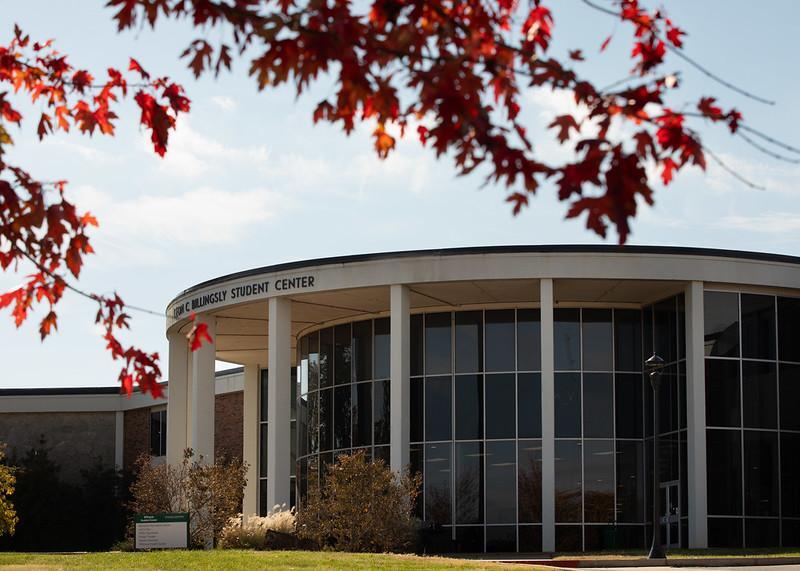
Campus Photos
Missouri Southern State University

About Missouri Southern State University
Missouri Southern State University: Courses, Admissions, Tuition Fees, and Student Life in Missouri
Overview of Missouri Southern State University
Missouri Southern State University (MSSU) is a public university located in Joplin, Missouri, United States. The institution provides undergraduate and graduate education across a range of academic disciplines, combining classroom learning with practical experiences and opportunities for professional development.
MSSU serves students interested in business, health sciences, education, technology, criminal justice, communication, the liberal arts, and other fields. Its academic programs are designed to help learners develop subject knowledge, critical-thinking abilities, communication skills, and practical experience relevant to their chosen careers.
The university is situated in southwestern Missouri, near the borders of Kansas and Oklahoma. Its location provides a college-town atmosphere with access to local businesses, healthcare facilities, restaurants, recreational areas, and community services. Joplin offers a smaller-city environment than major metropolitan centers, which may appeal to students seeking a campus-focused educational experience.
MSSU welcomes students from different educational backgrounds, including first-year applicants, transfer students, graduate students, and international learners. The university's international student community contributes to campus diversity and provides opportunities for cultural exchange.
For international students, MSSU may be worth considering because of its range of academic programs, student support services, and relatively accessible regional setting. However, applicants should compare tuition, accommodation, English-language requirements, scholarship eligibility, and career opportunities before deciding whether the university meets their educational and financial goals.
Location and Campus Environment
Missouri Southern State University is located at 3950 East Newman Road in Joplin, Missouri. The city serves as a regional center for healthcare, commerce, education, manufacturing, and other industries.
Joplin provides many of the services students need during their studies, including grocery stores, restaurants, shopping facilities, healthcare providers, parks, and recreational venues. Its location near neighboring states also offers opportunities to explore other communities during weekends and academic breaks.
The university's campus includes academic buildings, laboratories, student facilities, recreational spaces, and accommodation options. Students can use these resources to support their coursework, develop professional skills, and participate in campus activities.
MSSU promotes an environment in which students can interact with faculty members, connect with classmates, and participate in university organizations. These experiences can help students develop communication, teamwork, and leadership skills alongside their academic knowledge.
Joplin's smaller-city setting may be attractive to students who prefer a quieter environment than a large metropolitan area. Nevertheless, students should consider transportation carefully, particularly if they expect to travel regularly for shopping, internships, employment, or other off-campus activities.
The local climate includes warm summers and colder winter periods. International students arriving from warmer regions should prepare for seasonal changes and budget for suitable clothing and other practical necessities.
Academic Programs and Areas of Study
Missouri Southern State University offers undergraduate and selected graduate programs across several academic areas. Students can choose from professional, technical, scientific, and liberal arts disciplines according to their interests and previous academic preparation.
Program availability, admission criteria, and course requirements vary by department. Applicants should consult the current academic catalog to confirm the exact degree and specialization they intend to pursue.
Business Administration and Management
Business-related programs are suitable for students interested in accounting, finance, management, marketing, entrepreneurship, and organizational operations.
Students may study business communication, financial reporting, marketing principles, organizational behavior, economics, and management practices. These subjects help learners understand how organizations operate, allocate resources, serve customers, and respond to market changes.
Accounting and finance studies can prepare students for roles involving financial analysis, reporting, budgeting, and business decision-making. Marketing programs develop an understanding of consumer behavior, market research, promotion, and brand communication.
Graduates may explore opportunities in accounting, banking, administration, business analysis, sales, marketing, and management. Students should check whether additional professional qualifications are required for their intended occupation.
Computer Science and Information Technology
Students interested in technology can explore available programs in computer science and related technical disciplines.
Depending on the degree, coursework may cover programming, software development, computer systems, database concepts, networking, cybersecurity, or other computing topics. Students should review the current curriculum to determine which technical areas are included in their intended program.
Computing education can help students develop logical reasoning, analytical thinking, and problem-solving abilities. These skills are relevant to careers in software development, information technology, systems support, technical consulting, and related fields.
Applicants interested in specialized areas such as artificial intelligence, data science, or cloud computing should check the availability of relevant courses and electives before applying.
Practical experience is valuable in technical careers. Students can strengthen their preparation through projects, independent learning, internships where available, and the development of a portfolio demonstrating their skills.
Health Sciences and Nursing
Health sciences are an important academic area for students interested in healthcare, patient services, and related professions.
Depending on the program, students may study biological sciences, human health, clinical concepts, patient communication, healthcare systems, and professional practice. Some health-related degrees include laboratory work, practical training, or supervised clinical experiences.
Applicants interested in nursing or another regulated healthcare profession should carefully examine the admission prerequisites, clinical requirements, program accreditation, and licensing conditions.
International students should also investigate whether the degree meets the professional requirements of the country where they intend to work after graduation. Completing a university qualification does not automatically guarantee a license to practice in every jurisdiction.
Students should confirm the availability of their intended healthcare program and any additional requirements before submitting an application.
Education and Teaching
Education programs can prepare students for teaching, educational support, curriculum development, and related professional roles.
Students may explore instructional strategies, educational psychology, assessment methods, learning theories, and curriculum planning. Graduate-level study may provide further opportunities for qualified applicants who want to deepen their knowledge of education.
Applicants who intend to become licensed teachers should review the applicable certification requirements. These may differ according to the teaching subject, grade level, state regulations, and previous qualifications.
International students should also determine whether their intended qualification will be recognized by the education authorities in the country where they hope to work.
Criminal Justice and Public Service
Students interested in public safety, legal systems, and community services can explore criminal justice and related academic opportunities.
Study in this area may examine the criminal justice system, law enforcement, corrections, courts, public policy, and the social factors associated with crime and public safety.
These subjects can provide a foundation for careers in certain public service, administrative, research, and justice-related roles. However, some occupations have additional requirements involving citizenship, background checks, professional training, or government eligibility.
International applicants should research these restrictions when planning a career that involves law enforcement or other regulated public service positions.
Communication and Liberal Arts
MSSU also offers opportunities in communication, humanities, social sciences, and liberal arts.
Communication-related study can help students develop writing, presentation, media analysis, and professional communication skills. Humanities and social science programs encourage students to examine history, culture, society, human behavior, and public institutions.
These disciplines can be useful for students considering careers in communications, education, administration, public service, research support, and other fields that value critical thinking and clear expression.
Students planning postgraduate education should confirm whether their undergraduate degree includes the prerequisites required for admission to their preferred graduate program.
Tuition Fees and Cost of Attendance
Understanding the total cost of studying at MSSU is essential for effective financial planning. Expenses depend on the chosen program, enrollment status, tuition classification, accommodation, meals, health insurance, books, and personal spending.
The university publishes separate tuition schedules for undergraduate and master's degrees, with different rates for on-campus and online study. Students should not assume that one general tuition figure applies to every degree or student category.
For international applicants, the university requires evidence that they can fund one academic year of study. This financial documentation must account for the applicable tuition, fees, insurance, and living expenses.
Estimated Annual Expenses
The following figures are a preliminary budgeting guide rather than an official international student cost quotation.
|
Expense Category |
Estimated Annual Cost |
|
Tuition and university fees |
US$15,000–US$23,000 |
|
Housing |
US$6,000–US$10,000 |
|
Food and groceries |
US$3,000–US$5,000 |
|
Books and supplies |
US$800–US$1,500 |
|
Health insurance |
Varies by applicable policy |
|
Transportation and personal expenses |
US$2,000–US$4,000 |
|
Estimated overall budget |
Approximately US$27,000–US$43,500, plus any additional charges |
These estimates are intended for preliminary planning. The actual cost may be outside this range depending on the student's program, insurance, housing choice, and current university fee schedule.
International students should request the current cost-of-attendance estimate before submitting financial documents. They should also account for airfare, visa-related expenses, initial housing arrangements, and other costs that may occur before the first semester begins.
Scholarships and Financial Assistance
MSSU provides information about scholarships and financial assistance for eligible students. The types and amounts of awards vary according to academic performance, student category, program, and the conditions of each scholarship.
International applicants should specifically confirm which awards are open to them. They should ask about application deadlines, academic requirements, scholarship renewal conditions, and whether an award can be combined with other funding.
Students should avoid assuming that every scholarship is available to international students or that an award will cover the full cost of attendance.
A responsible financial plan should include tuition, living expenses, insurance, transportation, and other necessary costs. Applicants should base their budgets on confirmed awards rather than uncertain future employment income.
Admission Requirements
Admission requirements at MSSU depend on the applicant's educational background and intended degree. First-year undergraduate students, transfer applicants, and graduate students may need to follow different application procedures.
Undergraduate Admission
First-year applicants generally need to provide:
- A completed university application.
- Official secondary-school transcripts.
- Evidence of graduation or completion of the required prior education.
- Academic records meeting the university's admission standards.
- Additional documents requested by the university or chosen program.
MSSU's published international admissions guidance specifies a minimum cumulative GPA of 2.25 or graduation within the top 50 percent of the applicant's class for freshman admission.
Applicants should confirm how the university evaluates qualifications from their home education system. Students whose academic documents are not in English should arrange the translations required by the university.
Admission requirements and procedures can change, so applicants should use the current guidance for their intended semester.
International Student Admission
International applicants must satisfy the academic requirements for their chosen program and provide additional documentation needed for enrollment in the United States.
The application process generally includes:
- A completed international student application.
- Payment of the applicable application fee.
- Official academic transcripts and certificates.
- English-language proficiency results.
- A copy of the passport information page.
- Financial documentation showing the ability to pay for one academic year.
- Any additional documents requested by the university.
MSSU's published international application instructions list a US$60 application fee. The university may require credential evaluations for certain transfer applicants whose previous education was completed outside the United States.
Applicants should ensure that all academic records are complete, accurate, and translated where necessary. Credential evaluations can take several weeks, so transfer students should begin preparing their documents early.
The university also requires a health screening before enrollment. International applicants should follow the latest instructions regarding medical documentation and any additional health requirements.
Transfer Admission
Students who have previously attended another college or university may apply as transfer students.
Transfer applicants generally need official transcripts from all previously attended institutions. For academic work completed outside the United States, the university may require a course-by-course evaluation through an approved credential evaluation service.
MSSU's published international guidance specifies a minimum GPA of 2.0 and good academic standing at previous institutions for transfer applicants.
The university determines which completed courses can be transferred toward the intended degree. Students should obtain confirmation of accepted credits before assuming that previous study will reduce their time to graduation.
Graduate Admission
Graduate applicants must satisfy the entry requirements of their chosen master's program. These generally include an appropriate undergraduate degree and official academic transcripts.
Some programs may require additional documents such as recommendation letters, a résumé, a statement of purpose, or evidence of relevant academic or professional experience.
Applicants should check the specific admission criteria, minimum academic performance, application deadlines, and course delivery format for their intended degree.
English Language Requirements
International applicants from non-English-speaking countries must provide evidence of English proficiency unless they qualify for an approved exemption.
MSSU's published international admissions guidance lists the following minimum scores for regular academic study:
|
English Test |
Undergraduate Minimum |
Graduate Minimum |
|
TOEFL |
68 |
75 |
|
IELTS |
6.0 |
6.5 |
|
Duolingo English Test |
95 |
110 |
|
PTE Academic |
Check current program requirements |
50 |
Applicants should confirm the accepted test formats, score validity, and submission procedures before registering for an examination. Graduate departments may also have additional requirements.
Students who do not meet the university's English proficiency thresholds may be able to explore its Intensive English Program, which is intended to help learners prepare for university-level English study.
Strong English skills are important for lectures, academic writing, examinations, presentations, group projects, and everyday communication. Students can improve their readiness by practicing academic reading, writing, listening comprehension, and speaking before beginning their studies.
How to Apply to Missouri Southern State University
A clear application plan can help students complete the process accurately and avoid unnecessary delays.
Step 1: Choose a program. Explore the available undergraduate or graduate degrees and select a program that matches your academic background and career goals.
Step 2: Check the admission requirements. Review academic prerequisites, English-language requirements, application deadlines, and any program-specific conditions.
Step 3: Prepare academic documents. Collect transcripts, graduation certificates, examination results, and official translations where necessary.
Step 4: Submit the international application. Complete the application process and pay the required application fee.
Step 5: Arrange credential evaluation if needed. Transfer applicants with previous study outside the United States should confirm whether an approved course-by-course evaluation is required.
Step 6: Submit English test results. Arrange for official proficiency results to reach the university according to its instructions.
Step 7: Complete financial verification. Provide the financial documents required to demonstrate that you can cover one academic year of tuition, fees, insurance, and living expenses.
Step 8: Complete immigration and enrollment arrangements. After admission, follow the university's instructions for immigration documentation, housing, health screening, and orientation.
International applicants should check the current deadlines for their intended semester. Preparing documents early is particularly important when credential evaluations or official test results are required.
Campus Life and Student Experience
Campus life at MSSU provides opportunities for academic learning, social interaction, cultural exchange, and personal development.
Students can participate in campus organizations, recreational activities, sporting events, and student programs. These activities can help learners build friendships, develop leadership skills, and become more involved in the university community.
MSSU promotes a welcoming environment for students from different backgrounds. International students can connect with classmates, learn about American college life, and share their own cultures through student activities and campus events.
The university's smaller-city setting may make it easier for some students to develop a sense of community. However, students should actively explore campus organizations and support services to make the most of their university experience.
Students can also develop professional skills through academic projects, departmental activities, and eligible experiential learning opportunities. Participation in these activities can complement classroom study and help learners identify their interests.
Maintaining a balance between coursework and extracurricular involvement is important. Students should plan their schedules carefully so that campus activities support rather than interfere with their academic progress.
Accommodation and Student Support
MSSU offers campus housing options, subject to availability and university policies. Students should compare room types, residence hall facilities, meal-plan arrangements, and costs before choosing accommodation.
Living on campus can make it easier to attend classes, use university facilities, and participate in student activities. It may also help new students develop friendships and become familiar with the university environment.
Students considering off-campus accommodation should compare rent, utilities, food, transportation, and other living expenses. They should review rental agreements carefully and ensure that their arrangements meet any relevant university and immigration requirements.
International students should pay particular attention to housing deadlines and arrival arrangements. They may need to coordinate accommodation with travel plans, orientation, health screening, and immigration documentation.
The university's international admissions team provides guidance on the application process and financial documentation. Students should contact the relevant offices if they have questions about academic records, housing, insurance, or enrollment.
Planning early can help international students avoid last-minute difficulties and settle into their new environment more comfortably.
Career Preparation and Employment Opportunities
MSSU's academic programs can help students develop knowledge and skills relevant to a variety of professional fields.
Business graduates may pursue roles in accounting, finance, marketing, administration, and management. Computing graduates can explore software development, information technology, systems support, and related technical positions. Students in health sciences and nursing must satisfy any applicable professional licensing and certification requirements.
Education graduates may pursue teaching and education-related roles according to their qualifications and certification status. Criminal justice and public service graduates may explore relevant administrative, research, and community-oriented positions, although certain occupations have additional eligibility requirements.
Students can strengthen their career readiness by developing a professional résumé, building communication skills, participating in relevant projects, and seeking internships or practical experience where available.
International students must understand that admission to a US university does not automatically provide unrestricted permission to work. Employment and practical training opportunities depend on immigration status and applicable authorization requirements.
Students should consult the university's international student advisers before accepting employment or internship arrangements. They should not rely on uncertain employment income to pay essential tuition and living expenses.
Why Consider Missouri Southern State University?
Missouri Southern State University may be suitable for students seeking a public university education in a smaller-city environment. Its range of academic programs allows students to explore business, health sciences, education, computing, criminal justice, and other fields.
The university's location in Joplin offers access to local services and a regional economy while maintaining a campus-based educational experience. Its international student services can also help eligible applicants navigate the additional requirements associated with studying in the United States.
However, prospective students should evaluate the institution according to their own priorities. Important factors include the curriculum, tuition, accommodation, available scholarships, program accreditation, student support, and career opportunities.
International students should be especially careful when calculating the total cost of attendance. Tuition is only one part of the budget, and insurance, housing, meals, transportation, and other expenses can significantly affect affordability.
Comparing MSSU with other institutions offering similar degrees can help applicants determine which university best supports their academic and professional goals.
Frequently Asked Questions
1. Where is Missouri Southern State University located?
MSSU is located in Joplin, Missouri, United States, near the borders of Kansas and Oklahoma.
2. Is MSSU a public or private university?
Missouri Southern State University is a public university offering undergraduate and selected graduate programs.
3. What courses are available at MSSU?
Academic areas include business, computer science, health sciences, nursing, education, criminal justice, communication, and liberal arts. Students should consult the current academic catalog for specific programs.
4. How much does it cost to study at MSSU?
The total cost depends on the program, enrollment status, tuition schedule, accommodation, meals, insurance, and personal expenses. International applicants should request the current annual cost estimate from the university.
5. Does MSSU accept international students?
Yes. International applicants can apply if they meet the academic, English-language, financial documentation, and other applicable requirements.
6. What English-language scores are required?
Published international undergraduate requirements include TOEFL 68, IELTS 6.0, and Duolingo English Test 95. Graduate requirements are generally higher for TOEFL and Duolingo, and applicants should confirm the current criteria.
7. Is credential evaluation required?
Some international transfer applicants must provide a course-by-course credential evaluation for previous university study outside the United States. Applicants should follow the university's instructions for their specific situation.
8. Are scholarships available?
Eligible students may have access to scholarships and other financial assistance. International applicants should confirm their eligibility, award conditions, and renewal requirements.
9. Is student accommodation available?
Yes. MSSU offers housing options subject to availability and university policies. Students should confirm current costs, meal-plan requirements, and application deadlines.
10. What should international applicants prepare before applying?
Applicants should prepare academic transcripts, English-language results, passport information, financial documentation, and any required credential evaluations or translations.
Conclusion
Missouri Southern State University provides a public university education in Joplin, Missouri, with academic opportunities across business, technology, health sciences, education, criminal justice, and other fields.
Its campus environment and international student services may appeal to learners seeking a university experience in a smaller US city. Students can explore different academic pathways while developing practical skills, professional knowledge, and connections within the university community.
Before applying, prospective students should verify the current requirements for their chosen degree, calculate the full cost of attendance, and investigate scholarships for which they may qualify. International applicants should also prepare their academic records, English proficiency results, financial evidence, and immigration documents well in advance.
With careful planning and a clear understanding of its programs and expenses, students can determine whether Missouri Southern State University aligns with their educational interests, financial circumstances, and long-term career ambitions.
Entry Requirements
General Entry Requirement
IELTS 6.5 overall
Fees & Scholarships
Annual Tuition Fees
USD 25,000 - USD 40,000
Ready to Apply to Missouri Southern State University?
Our advisors guide you from eligibility check to offer letter — at no cost to you.
Join our WhatsApp Community

Scan to join our student community for admission updates & guidance