
Annual FeesUSD 30,000 - USD 55,000
Mississippi State University
LocationUS
Entry RequirementIELTS 6.5 overall
Visa Success Rate70%
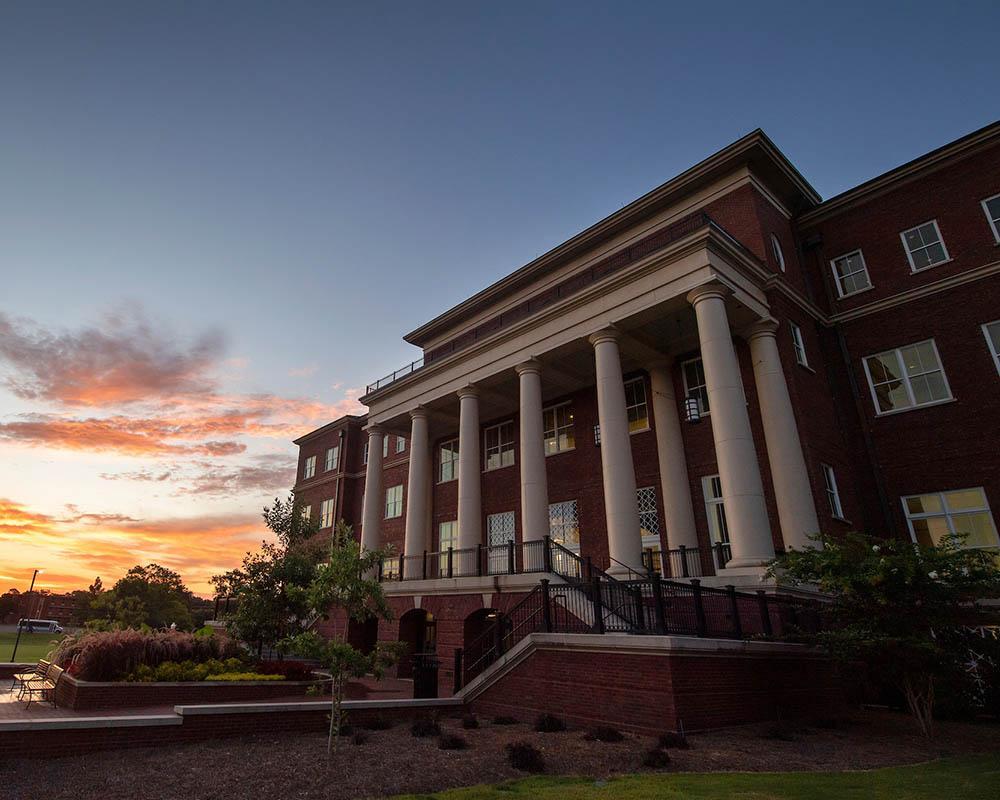
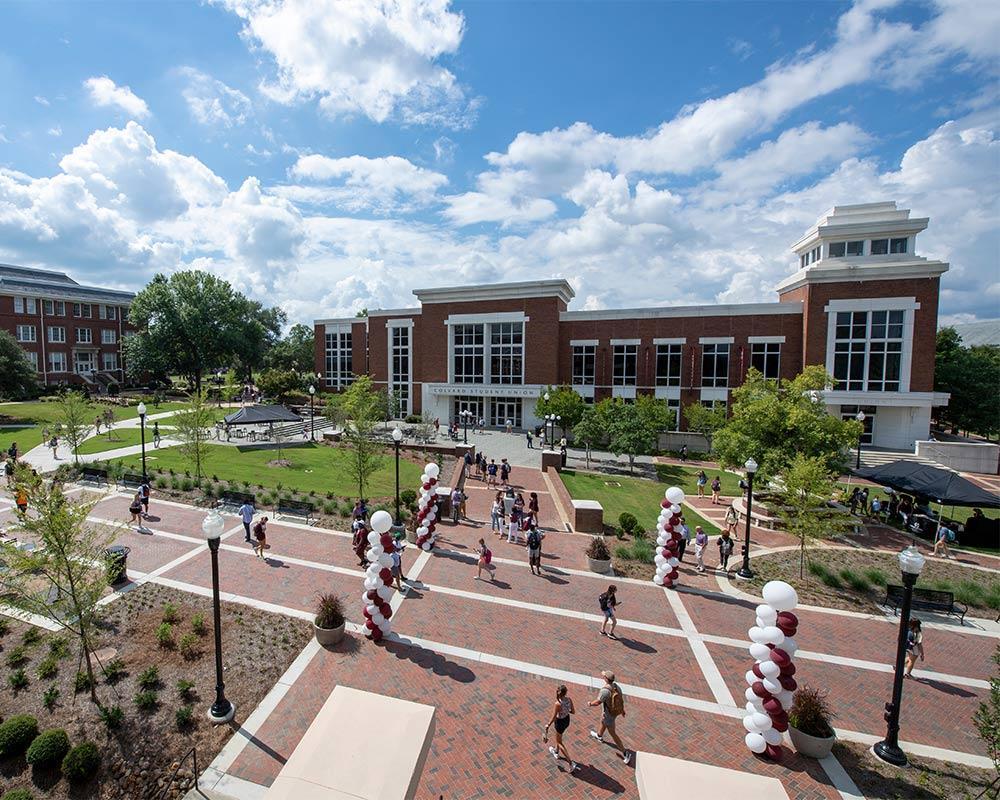
Campus Photos
Mississippi State University
About Mississippi State University
Mississippi State University: Courses, Admissions, Tuition Fees, and Student Life in Mississippi
Overview of Mississippi State University
Mississippi State University (MSU) is a public research university located in Starkville, Mississippi, United States. Established in 1878, the university has developed into a major institution for higher education, research, innovation, and professional development. It offers undergraduate, graduate, and doctoral programs across a broad range of academic disciplines.
The university is particularly recognized for engineering, agriculture, business, veterinary medicine, computer science, architecture, education, and scientific research. Its academic environment combines classroom instruction with laboratory work, research opportunities, practical projects, and professional development activities.
Mississippi State University attracts students from across the United States and other countries. Its campus community brings together learners with different academic interests, cultural backgrounds, and professional ambitions. Students can choose from numerous majors and specialized fields according to their educational background and long-term goals.
Located in Starkville, the university provides a college-town experience with access to campus facilities, student organizations, recreational activities, and community events. The surrounding region offers a quieter lifestyle than major metropolitan areas while providing access to local businesses, healthcare facilities, and other essential services.
For international students, MSU may be an attractive choice because of its broad academic portfolio, research opportunities, and scholarship options for eligible applicants. However, students should carefully evaluate tuition fees, accommodation, admission requirements, funding opportunities, and the specific qualifications required for their chosen program before applying.
Location and Campus Environment
Mississippi State University is located in Starkville, Mississippi, a university-oriented city in the northeastern part of the state. The campus is the center of much of the city's academic, cultural, and sporting activity.
Starkville offers restaurants, grocery stores, shopping facilities, parks, and community services. The university contributes significantly to the local economy and provides opportunities for students to interact with faculty members, researchers, businesses, and community organizations.
The campus includes academic buildings, laboratories, libraries, student housing, recreational facilities, and spaces for social activities. Students can use these facilities to support their studies and participate in university life.
MSU's research environment is an important feature of its academic identity. Depending on their department and qualifications, students may have opportunities to participate in research projects, technical activities, faculty-led initiatives, and collaborative work.
The university is also known for its athletics and school spirit. Sporting events, student organizations, cultural programs, and campus traditions contribute to the student experience. These activities can help students develop friendships and become more involved in the university community.
Starkville's location may appeal to students who prefer a campus-focused environment rather than living in a large city. However, students should consider transportation options, access to off-campus services, and the distance to major airports when planning their move.
Mississippi has hot, humid summers and generally mild winters, although seasonal weather can vary. International students should prepare for the local climate and consider practical expenses such as clothing, transportation, and accommodation when developing their budget.
Academic Programs and Areas of Study
Mississippi State University offers a wide selection of undergraduate and graduate programs across engineering, business, agriculture, science, technology, education, architecture, and other fields. Its academic structure allows students to pursue specialized knowledge while developing analytical, communication, and professional skills.
Program availability, course requirements, and admission criteria vary by department. Students should review the current academic catalog to identify the exact degree, concentration, and prerequisites for their intended field.
Engineering
Engineering is one of MSU's major academic areas. Students can explore disciplines such as aerospace engineering, biological engineering, chemical engineering, civil engineering, computer engineering, electrical engineering, industrial engineering, and mechanical engineering.
Engineering education combines mathematics, scientific principles, design, experimentation, and problem-solving. Depending on the program, students may complete laboratory assignments, technical projects, computer simulations, and collaborative design work.
Aerospace engineering focuses on aircraft, spacecraft, aerodynamics, propulsion, and related systems. Mechanical engineering examines machines, materials, energy systems, and product design. Electrical and computer engineering involve electronic systems, circuits, computing hardware, and related technologies.
Civil engineering prepares students to understand infrastructure, structural systems, transportation, and construction-related challenges. Chemical engineering applies scientific and mathematical concepts to industrial processes, materials, and production systems.
Students interested in engineering should compare curricula, accreditation, laboratory facilities, research opportunities, and internship options. The appropriate degree depends on the student's academic strengths and the type of engineering work they hope to pursue.
Computer Science and Information Technology
MSU offers computing-related education for students interested in software, algorithms, information systems, data, and technology development.
Computer science programs typically cover programming, data structures, algorithms, computer systems, software development, and computational problem-solving. Depending on the curriculum, students may explore areas such as artificial intelligence, cybersecurity, data science, and related technologies.
These subjects can prepare graduates for roles in software development, systems analysis, application engineering, technology consulting, and other computing-related fields.
Students interested in a technical career should review the precise curriculum rather than relying only on a degree title. Programming languages, elective modules, project requirements, and opportunities for practical experience can differ between programs.
Developing a portfolio, participating in technical projects, and gaining relevant internship experience can also strengthen a student's preparation for employment.
Business and Management
The university's business programs provide opportunities to study accounting, finance, management, marketing, economics, information systems, and related subjects.
Students develop an understanding of how organizations operate, how financial decisions are made, and how businesses respond to customers and changing market conditions. Coursework may include business communication, data analysis, financial reporting, organizational behavior, and strategic management.
Accounting students can build knowledge of financial statements, auditing, taxation, and business reporting. Finance programs examine investment, financial planning, markets, and risk. Marketing study focuses on customer behavior, communication, market research, and brand strategy.
Graduates may pursue careers in accounting, banking, finance, business analysis, marketing, operations, and management. Students should investigate any professional certification requirements relevant to their intended career.
Agriculture and Life Sciences
Agriculture and life sciences are important parts of Mississippi State University's academic and research environment.
Students may explore agricultural economics, agronomy, animal and dairy sciences, biological sciences, plant sciences, food science, environmental disciplines, and other related fields.
These programs combine scientific study with applications in agriculture, food production, natural resources, animal health, and environmental management. Depending on the degree, students may participate in laboratory work, field activities, research projects, or other practical learning experiences.
Potential career paths include agricultural research, food production, environmental management, agribusiness, laboratory work, and related technical roles.
Students interested in these areas should review the available specializations and identify whether the curriculum includes the practical training or research opportunities relevant to their goals.
Veterinary Medicine
Mississippi State University is also known for its College of Veterinary Medicine. Veterinary education focuses on animal health, diagnosis, treatment, disease prevention, and related scientific disciplines.
Professional veterinary programs have specific admission requirements and may require substantial prerequisite coursework, practical experience, and competitive academic preparation.
Students interested in becoming veterinarians should distinguish between undergraduate study in animal or biological sciences and professional veterinary training. Completing an undergraduate degree does not automatically qualify a student to practice veterinary medicine.
Applicants should review the program's accreditation, entry requirements, clinical training structure, and licensing implications before planning their education.
Architecture and Design
MSU offers education in architecture and related built-environment disciplines. These programs can be relevant to students interested in building design, planning, construction systems, and the relationship between structures and their surroundings.
Depending on the degree, students may develop skills through design studios, technical drawings, digital modeling, research, and collaborative projects.
Architecture programs often have specific course sequences and professional accreditation requirements. Students should check the length of the degree and the qualifications needed for professional registration in the country where they intend to work.
Education and Other Disciplines
MSU also offers programs in education, communication, humanities, social sciences, mathematics, and other academic areas.
Education students may explore instructional methods, curriculum development, educational leadership, and learning assessment. Humanities and social science students can develop research, communication, analytical reasoning, and critical-thinking skills.
The university's wider academic offerings allow students to select degrees that support careers in education, research, public service, communications, administration, and other professional areas.
Tuition Fees and Cost of Attendance
Understanding the total cost of studying at Mississippi State University is an essential part of application planning. Expenses depend on residency classification, degree level, credit hours, housing, meal plans, health insurance, and personal spending.
For the 2026–2027 academic year, the university publishes annual undergraduate tuition and fees of approximately US$30,086 for out-of-state students. The listed estimate for on-campus housing is US$9,990, while the standard weekly 21-meal plan is estimated at US$5,210.
Together, these three categories produce an estimated annual direct cost of US$45,286 for a full-time out-of-state undergraduate student attending the Starkville campus for the fall and spring semesters.
International students should not assume that this figure represents their entire budget. Additional costs may include required medical insurance, international student fees, medical screening, books, supplies, transportation, and personal expenses.
Estimated Annual Expenses for International Students
The following table provides a planning reference based on the university's published international student estimates for 2027. Actual expenses depend on the student's circumstances and the applicable university schedule.
|
Expense Category |
Estimated Annual Cost |
|
Tuition and university fees |
US$30,086 |
|
Required medical insurance |
US$2,790 |
|
Tuberculosis screening and chest X-ray |
US$185 |
|
International student fees |
US$320 |
|
Housing |
US$9,536 |
|
Food |
US$5,210 |
|
Personal expenses |
US$5,004 |
|
Estimated total |
US$53,131 |
These figures are estimates used for international student financial planning. They may differ from the final amount billed to an individual student, and tuition and fee schedules can change.
Students should confirm the financial documentation amount required for their intended intake before submitting visa-related paperwork. They should also budget for airfare, visa application costs, initial accommodation expenses, books, and other costs that may arise before classes begin.
Scholarships and Financial Assistance
Mississippi State University offers scholarships and other forms of financial assistance to eligible students. Scholarship opportunities may depend on academic performance, standardized test scores, degree level, residency classification, and other eligibility conditions.
The university offers automatic academic scholarships for certain incoming freshmen, with eligibility and award amounts determined by its published criteria. Additional competitive scholarships may require a separate application.
Out-of-state students may qualify for nonresident tuition scholarships that reduce the overall cost of attendance. However, applicants should verify whether a particular award is available to international students and whether they satisfy its academic requirements.
International applicants should also check scholarship renewal rules, minimum GPA requirements, full-time enrollment conditions, and whether awards can be combined.
Students should prepare their financial plans using confirmed awards rather than assuming that they will receive a particular scholarship. They should also consider how tuition and living expenses may change during a multi-year degree.
Admission Requirements
Admission requirements at Mississippi State University vary according to the applicant's educational background, intended program, and student category. First-year applicants, transfer students, and graduate applicants may need to submit different documents.
Undergraduate Admission
First-year applicants generally need to submit a completed application, official secondary-school transcripts, and evidence of graduation or completion of the required prior education.
International applicants must provide academic documents that can be evaluated by the university. MSU recommends a course-by-course credential evaluation through an accepted evaluation service for applicants submitting school credentials from outside the United States.
The university's international undergraduate guidance indicates that ACT or SAT scores may be required in certain circumstances, including when the evaluated GPA is below the specified threshold or when an applicant is seeking scholarships. Students should confirm the precise requirements for their application category and intended entry term.
Applicants should ensure that their academic records are complete, accurately translated where necessary, and submitted through the approved process.
International Student Admission
International applicants must satisfy the university's academic requirements and provide additional documentation relevant to studying in the United States.
Typical requirements include:
- A completed international application.
- Official academic transcripts and certificates.
- Certified English translations where necessary.
- Credential evaluation when required.
- English-language proficiency results.
- A valid passport.
- Additional documents requested by the university.
The university charges an application fee, which applicants should confirm before submitting their application. After admission, students must follow the International Institute's instructions for completing financial documentation and receiving the immigration documents required for their visa process.
Applicants should begin early because credential evaluation, official transcript delivery, financial verification, and immigration processing can take time.
Transfer Admission
Transfer applicants should submit official transcripts from all previously attended colleges and universities. The university evaluates previous academic work to determine eligibility and the credits that may be applied toward the intended degree.
International transfer students may need a credential evaluation and English proficiency results. Admission pathways can depend on previous university study, academic performance, and the number and type of transferable credits.
Students should obtain confirmation of how their previous coursework will count toward graduation before assuming that all credits will transfer.
Graduate Admission
Graduate admission requirements depend on the selected program. Applicants generally need an appropriate undergraduate qualification and official transcripts, while some programs may require additional materials.
These may include recommendation letters, a statement of purpose, a résumé, standardized test scores, or evidence of relevant academic or professional experience.
Applicants should consult their intended department to verify minimum academic standards, prerequisite courses, deadlines, and program-specific application requirements.
English Language Requirements
International undergraduate students must demonstrate English proficiency unless they qualify for an approved exemption.
MSU's published undergraduate international admissions guidance lists the following minimum scores for general admission:
|
English Test |
Published Minimum |
|
TOEFL iBT |
71 |
|
IELTS Academic |
6.0 |
|
Duolingo English Test |
105 |
|
ACT English |
19 |
|
SAT Evidence-Based Reading and Writing |
510 |
Some academic departments may require higher scores. Graduate programs can have their own English-language requirements, so applicants should confirm the appropriate standard for their intended degree.
Students should check the university's accepted tests, score validity periods, and submission instructions before registering for an examination.
Strong English skills are important for classroom discussions, academic writing, examinations, research, presentations, and collaborative projects. Applicants who need additional preparation may benefit from improving their academic reading, technical vocabulary, listening comprehension, and written communication before beginning their studies.
How to Apply to Mississippi State University
A structured application plan can help students complete the process accurately and avoid unnecessary delays.
Step 1: Choose a program. Explore the available undergraduate or graduate degrees and select a program that matches your academic background and career objectives.
Step 2: Review the admission criteria. Check the academic prerequisites, English-language requirements, standardized testing conditions, and program-specific requirements.
Step 3: Prepare your academic records. Collect transcripts, certificates, examination results, and official translations. Arrange credential evaluation when required.
Step 4: Submit the application. Complete the university's international application process and pay the applicable fee.
Step 5: Submit supporting documents. Arrange for official transcripts, test scores, and credential evaluations to reach the university according to its instructions.
Step 6: Review financial options. Investigate scholarships and calculate tuition, accommodation, food, insurance, and other expenses.
Step 7: Complete immigration documentation. After admission, follow the International Institute's instructions for financial verification and the I-20 process.
Step 8: Prepare for arrival. Arrange accommodation, travel, medical documentation, insurance, and university orientation before travelling.
Students should keep copies of submitted documents and monitor their application status through the university's designated portal. If a requirement is unclear, they should contact the admissions office or relevant department.
Campus Life and Student Experience
Campus life at Mississippi State University offers opportunities for academic development, social interaction, athletics, and extracurricular involvement.
Students can participate in clubs, professional organizations, cultural activities, recreational programs, and university events. These activities help students build friendships, develop leadership abilities, and learn how to work with people from different backgrounds.
The university has a strong athletics culture, with sporting events contributing to campus traditions and community spirit. Students who enjoy sports can explore university teams, recreational activities, and other opportunities available during the academic year.
Research and academic organizations can also provide opportunities for students to explore professional interests outside the classroom. Depending on their department and eligibility, students may participate in technical projects, research initiatives, competitions, or other activities that complement their coursework.
International students may find campus involvement especially helpful when adjusting to American university life. Student organizations and campus events provide opportunities to meet classmates, practice English, and develop a support network.
Students should balance extracurricular activities with their academic responsibilities. Planning study time carefully can help them make the most of campus life while maintaining satisfactory academic progress.
Accommodation and Student Support
Mississippi State University offers on-campus housing options, including residence halls with different room arrangements and costs. Students should review the available housing types, meal-plan requirements, application deadlines, and payment conditions before making their arrangements.
On-campus housing can make it easier to attend classes, access university facilities, and participate in student activities. It may also help new students become familiar with the campus and develop friendships.
Students who consider off-campus housing should compare rent, utilities, food, transportation, and other living expenses. They should review rental agreements carefully and consider access to classes and essential services.
International students should pay particular attention to the university's medical insurance requirements and any required health documentation. The university publishes estimated costs for medical insurance and tuberculosis screening as part of its international student financial planning guidance.
Students should contact the appropriate university office for information about arrival arrangements, housing, academic advising, health services, and international student support.
Planning accommodation early is particularly important for students travelling from abroad, as they may need to coordinate housing, travel, orientation, and immigration requirements before the semester begins.
Career Preparation and Employment Opportunities
Mississippi State University's academic programs can help students prepare for careers in engineering, technology, agriculture, business, healthcare-related research, education, and many other fields.
Engineering graduates may explore roles in manufacturing, aerospace, civil infrastructure, product development, electrical systems, and technical consulting. Computing graduates may pursue software development, systems analysis, data-related work, and technology services.
Business graduates can investigate careers in accounting, finance, marketing, management, and operations. Agriculture and life sciences graduates may pursue opportunities in agribusiness, food production, research, environmental management, and related industries.
Career preparation depends on the student's chosen major, practical experience, professional skills, and the qualifications required by the intended employer.
Students can strengthen their employability by building a résumé, completing relevant projects, developing communication skills, participating in eligible internships, and connecting with professionals in their field.
International students must understand that admission to a US university does not automatically grant unrestricted permission to work. On-campus employment and practical training are subject to immigration regulations and applicable authorization requirements.
Students should consult the university's international student advisers before accepting employment or internship opportunities. They should also avoid relying on uncertain employment income to cover essential tuition and living expenses.
Why Consider Mississippi State University?
Mississippi State University may be a suitable choice for students seeking a public research university with a broad range of academic programs and opportunities for practical learning.
Its strengths include engineering, agriculture, business, computing, veterinary medicine, and scientific research. Students can explore specialized programs while participating in campus activities, student organizations, and research opportunities appropriate to their degree and eligibility.
The university's location in Starkville offers a campus-focused experience in a smaller city. Scholarship opportunities may also help eligible students manage costs, although international applicants should verify the conditions of every award.
Prospective students should compare MSU with other institutions based on curriculum, tuition, scholarship eligibility, research facilities, academic support, accommodation, and career objectives.
A careful evaluation of the full cost of attendance is particularly important. Tuition alone does not represent the entire cost of studying in the United States, and international students must plan for insurance, living expenses, travel, and other required costs.
Frequently Asked Questions
1. Where is Mississippi State University located?
Mississippi State University is located in Starkville, Mississippi, United States.
2. Is Mississippi State University public or private?
MSU is a public research university established in 1878.
3. What programs are offered at MSU?
The university offers programs in engineering, computer science, business, agriculture, veterinary medicine, architecture, education, sciences, and other academic fields.
4. How much does it cost to attend MSU?
For 2026–2027, published annual tuition and fees for out-of-state undergraduates are approximately US$30,086. Including on-campus housing and a meal plan, the estimated direct cost is US$45,286. International students should also budget for applicable insurance, international fees, and indirect expenses.
5. Does Mississippi State University accept international students?
Yes. International applicants can apply if they meet the university's academic, English-language, and documentation requirements.
6. What English-language scores are accepted?
Published undergraduate requirements include TOEFL iBT 71, IELTS 6.0, and Duolingo English Test 105. Some programs may require higher scores.
7. Are scholarships available?
Yes. MSU offers academic and competitive scholarships to eligible students. International applicants should confirm their eligibility and the conditions attached to each award.
8. Does the university provide student housing?
Yes. On-campus housing options are available, subject to university policies and availability. Students should confirm current room rates and meal-plan requirements.
9. Can international students work while studying?
International students may have certain employment or practical training options if they meet the applicable immigration requirements. They must obtain the required authorization before undertaking work that requires it.
10. What should applicants prepare before applying?
Applicants should choose a program, review admission requirements, prepare academic records and translations, confirm English proficiency, arrange credential evaluation where required, and plan for tuition and living expenses.
Conclusion
Mississippi State University offers a broad academic environment supported by research, technical education, and opportunities for professional development. Its programs in engineering, business, computing, agriculture, veterinary medicine, and other disciplines make it a university worth considering for students with varied academic interests.
The university's campus community in Starkville provides opportunities for academic learning, student involvement, research, and personal growth. Eligible students may also benefit from scholarships and other financial assistance.
Before applying, prospective students should verify their intended program's requirements, calculate the complete cost of attendance, and investigate scholarship eligibility. International applicants should pay particular attention to credential evaluation, English proficiency, financial documentation, health insurance, and immigration procedures.
With careful preparation and a clear understanding of its academic offerings and expenses, students can decide whether Mississippi State University aligns with their educational ambitions and long-term career goals.
Entry Requirements
General Entry Requirement
IELTS 6.5 overall
Fees & Scholarships
Annual Tuition Fees
USD 30,000 - USD 55,000
Ready to Apply to Mississippi State University?
Our advisors guide you from eligibility check to offer letter — at no cost to you.
Join our WhatsApp Community

Scan to join our student community for admission updates & guidance