
Annual FeesUSD 55,000 - USD 70,000
Milwaukee School of Engineering
LocationUS
Entry RequirementIELTS 6.5 overall
Visa Success Rate70%
Campus Photos
Milwaukee School of Engineering
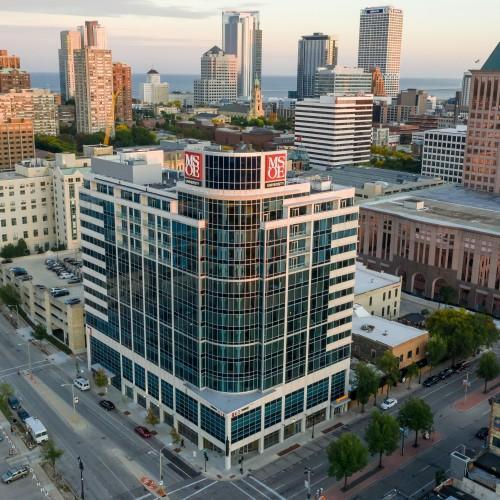

About Milwaukee School of Engineering
Milwaukee School of Engineering: Courses, Admissions, Tuition Fees, and Student Life in Wisconsin
Overview of Milwaukee School of Engineering
Milwaukee School of Engineering (MSOE) is a private university located in Milwaukee, Wisconsin, United States. Established in 1903, the institution focuses on engineering, computing, business, nursing, and applied sciences. Its educational approach emphasizes practical experience, technical problem-solving, and preparation for professional careers.
MSOE is known for combining academic instruction with hands-on learning. Students can develop their knowledge through laboratory work, engineering projects, computing activities, business case studies, and other applied experiences. The university's programs are designed to help learners connect theoretical concepts with real-world challenges.
The university is located in downtown Milwaukee, placing students near businesses, cultural attractions, restaurants, public transportation, and Lake Michigan. This urban setting can provide opportunities to explore professional networks, attend community events, and experience life in a major Midwestern city.
MSOE serves undergraduate and graduate students pursuing different academic and professional goals. Its programs include several engineering disciplines, computer science, software engineering, business, nursing, and related fields. Students can select a degree based on their previous education, technical interests, and intended career path.
For international students, MSOE may be an attractive option for specialized education in engineering and technology. However, applicants should evaluate tuition, living expenses, program requirements, available scholarships, and employment regulations before making a decision. Understanding these factors early can help students plan their education and finances more effectively.
Location and Campus Environment
MSOE is located at 1025 North Broadway in Milwaukee, Wisconsin. The university's downtown location places it within reach of businesses, professional organizations, entertainment venues, restaurants, and public services.
Milwaukee is one of Wisconsin's major cities and has industries connected with manufacturing, engineering, healthcare, finance, technology, and business services. Its economic and industrial environment may appeal to students interested in technical careers and professional development.
The campus combines academic facilities with laboratories, classrooms, student spaces, and resources supporting practical learning. Students studying engineering or computing may benefit from opportunities to work with technical equipment and participate in projects that reflect professional challenges.
Milwaukee also offers cultural and recreational attractions, including museums, performing arts venues, public parks, sports events, and waterfront activities. Lake Michigan provides opportunities for outdoor recreation during suitable weather, while the city's neighborhoods offer different dining and entertainment experiences.
Students should consider the local climate before moving to Wisconsin. Winters can be cold, with snow and icy conditions, so appropriate clothing and preparation are important. Transportation planning is also worthwhile because students may need to travel between campus, accommodation, internships, and other destinations.
The university's location can be an advantage for learners who prefer an urban environment with access to professional and cultural activities. At the same time, prospective students should compare the cost of living and the lifestyle with those of other university cities.
Academic Programs and Areas of Study
MSOE offers specialized academic programs across engineering, computing, business, nursing, and applied sciences. Its educational model emphasizes developing practical skills alongside academic knowledge.
Program availability, degree requirements, and admission criteria differ by department. Applicants should review the current academic catalog and confirm the details of their preferred course before applying.
Engineering
Engineering is a central area of study at MSOE. Students can explore disciplines such as mechanical engineering, electrical engineering, civil engineering, architectural engineering, biomedical engineering, industrial engineering, and chemical and biomolecular engineering.
Engineering programs generally combine mathematics, scientific principles, technical design, and problem-solving. Depending on the discipline, students may participate in laboratory exercises, design projects, simulations, team assignments, and other practical learning activities.
Mechanical engineering can prepare students to understand and develop mechanical systems, products, and industrial equipment. Electrical engineering focuses on electrical systems, electronics, circuits, and related technologies. Civil engineering involves infrastructure, structural systems, and the built environment.
Biomedical engineering combines engineering principles with applications related to medicine and healthcare. Architectural engineering focuses on the engineering systems supporting buildings, while industrial engineering addresses efficiency, operations, and complex systems.
Students should compare each discipline's curriculum, laboratory opportunities, accreditation, and professional requirements. The most suitable program will depend on their interests, academic strengths, and long-term goals.
Computer Science and Software Engineering
MSOE offers computing-related programs for students interested in programming, software development, computational systems, and technology.
Computer science focuses on the theoretical and practical foundations of computing. Students may study algorithms, data structures, software development, computer systems, and problem-solving methods.
Software engineering emphasizes the systematic development, testing, maintenance, and improvement of software applications. Students can build skills relevant to designing reliable software systems and working collaboratively on technical projects.
Graduates may pursue roles such as software developer, software engineer, systems analyst, application developer, or other technology-related positions, depending on their skills and experience.
Students interested in artificial intelligence, cybersecurity, cloud computing, or data science should examine the current curriculum carefully. Specialized subjects and elective availability may differ between degrees and academic years.
Business and Management
MSOE's Rader School of Business offers business education that combines management principles with an understanding of technology and industry.
Students can explore areas such as accounting, finance, marketing, management, operations and systems management, and technical sales. These subjects can help learners understand organizational operations, financial decision-making, customer relationships, and business strategy.
The university's technical environment can be useful for students interested in the relationship between business and technology. Organizations increasingly rely on professionals who can communicate with technical teams while understanding budgets, markets, operations, and customer requirements.
Potential career directions include financial analysis, accounting, marketing, operations, business development, technical sales, and management. Career outcomes depend on the student's chosen specialization, practical experience, and professional development.
Nursing and Health Sciences
MSOE also offers nursing education for students interested in healthcare and patient care. Nursing programs combine academic instruction with professional preparation appropriate to the relevant degree.
Students may study areas such as human health, clinical concepts, patient safety, communication, and evidence-based practice. Practical clinical experiences may form part of the curriculum, depending on the program.
Applicants should confirm the admission prerequisites, clinical requirements, program accreditation, and applicable licensing conditions before enrolling. Nursing is a regulated profession, and completing an academic degree does not automatically guarantee authorization to practice in every jurisdiction.
International students should also investigate the professional requirements of the country where they intend to work after graduation.
Applied Sciences and Specialized Programs
MSOE offers additional academic opportunities in selected applied and quantitative fields. These may include actuarial science, user experience, operations and systems management, and other programs that combine analytical thinking with practical applications.
Actuarial science focuses on mathematics, statistics, risk assessment, and financial uncertainty. It can prepare students for work related to insurance, finance, consulting, and risk management, although professional actuarial credentials may require further examinations.
User experience-related study can be relevant to understanding how people interact with digital products and systems. Depending on the curriculum, students may explore usability, interface design, research methods, and product development.
Students should review current course descriptions and program requirements to determine which options align with their career ambitions.
Tuition Fees and Cost of Attendance
Tuition is an important consideration for students planning to attend MSOE. The overall cost depends on the academic program, enrollment status, university fees, accommodation, meals, health insurance, books, and personal expenses.
MSOE is a private institution, so its tuition structure differs from that of public universities that offer discounted rates to qualifying state residents.
For the 2026–2027 academic year, MSOE's published full-time undergraduate tuition is approximately US$25,901 per semester. The published technology package fee and student support services fee add approximately US$881 and US$311 per semester, respectively.
For two semesters, these amounts total approximately US$54,186 before accommodation, food, books, insurance, transportation, and other expenses. Students should verify the applicable tuition and fee schedule for their chosen program and intake.
Estimated Annual Expenses
The following table provides a preliminary budgeting framework for an international undergraduate student. Actual expenses depend on the university's current financial documentation requirements and the student's circumstances.
|
Expense Category |
Estimated Annual Cost |
|
Tuition and listed university fees |
Approximately US$54,186 |
|
Housing and meals |
Varies by accommodation and meal plan |
|
Health insurance |
Depends on the applicable policy |
|
Books and supplies |
Varies by program |
|
Transportation |
Depends on travel arrangements |
|
Personal expenses |
Varies |
|
Total annual budget |
Higher than tuition and fees alone |
International students should request the current official cost-of-attendance estimate before preparing their financial documents. The amount required for immigration documentation may include tuition, living expenses, and health insurance.
Students should also consider initial expenses such as airfare, visa-related costs, deposits, winter clothing, and setting up accommodation.
Scholarships and Financial Assistance
MSOE offers merit-based scholarships for eligible international undergraduate students. Scholarship decisions may take high school academic performance and examination results into account. Awards for the strongest applicants can cover a substantial portion of tuition, potentially approaching half of the tuition amount.
However, students should not assume that they will receive the maximum award. Scholarship amounts depend on eligibility, academic records, university policies, and the conditions attached to each award.
Graduate students should note that MSOE's published international graduate admissions guidance states that graduate-level scholarships are not offered through the same international scholarship arrangement available to undergraduates. Some graduate programs may have limited employment opportunities, but these should not be treated as guaranteed funding.
Applicants should ask the university about scholarship eligibility, renewal conditions, academic performance requirements, and whether additional funding sources are available for their intended program.
A responsible financial plan should account for the full cost of the degree, not only the first semester. Students should also avoid relying on uncertain employment income to meet essential expenses.
Admission Requirements
Admission requirements at MSOE depend on the applicant's academic background, intended degree, and student category. First-year students, transfer applicants, and graduate students should follow the appropriate application process.
Undergraduate Admission
First-year applicants should generally prepare the following materials:
- A completed university application.
- Official high school transcripts.
- Evidence of completed or expected secondary-school graduation.
- Additional academic documents requested by the admissions office.
- English-language proficiency evidence when required for international admission.
MSOE takes a holistic approach to undergraduate admission. It recommends a strong foundation in mathematics, including precalculus or higher, as well as physics and chemistry for applicants pursuing technical programs. The university recommends a cumulative GPA of approximately 3.2 for first-year applicants.
These recommendations should not be interpreted as a universal guarantee of admission or a strict cutoff for every applicant. The university evaluates applications according to its current admission policies and individual circumstances.
MSOE is test-optional for undergraduate admission and does not generally require ACT or SAT scores as an initial admission document. The university may request available scores in some cases to help assess academic preparation.
International Student Admission
International applicants must meet the university's academic requirements and provide documents suitable for evaluation.
Applicants should prepare official academic transcripts, graduation certificates, English translations when necessary, and any additional records requested by the university. Some applicants may need to submit standardized examination results or other evidence of academic preparation.
The international admissions process may also require a copy of the passport information page and financial documents demonstrating the ability to cover tuition, fees, living expenses, and insurance.
Students should verify which financial forms are required and whether documents must be original, officially certified, or submitted through a particular service. The university generally needs satisfactory evidence of funding before issuing the immigration document required for an F-1 student visa.
Applicants should ensure that their names and dates of birth match across their documents. Incomplete applications can delay admission decisions and subsequent enrollment arrangements.
Transfer Admission
MSOE welcomes eligible transfer students who have previously studied at another college or university. Transfer applicants should provide official academic transcripts and any other materials requested for evaluation.
The university determines which completed courses can be accepted toward the intended degree. Credit transfer depends on course content, academic performance, institutional policies, and program requirements.
International transfer students should confirm whether previous coursework requires an official credential evaluation or English translation. They should also ask how previous credits affect the time and cost required to complete the degree.
Graduate Admission
Graduate applicants must meet the requirements of their intended program. These typically include a recognized undergraduate degree and official transcripts, while additional materials vary by discipline.
Some programs may require a résumé, personal statement, recommendation letter, or evidence of relevant academic or professional experience.
Students should check whether the program is delivered in person or online, how many credits are required, and whether international students can complete the program in the format they prefer.
English Language Requirements
International applicants whose previous education does not qualify them for an English-language exemption may need to provide an approved English proficiency result.
MSOE publishes English-language requirements for international applicants. Accepted examinations and minimum scores can vary according to the applicant category and program.
Students should confirm the current requirements directly with the international admissions office before registering for an examination. They should also verify the validity period of test results and whether official scores must be sent directly by the testing organization.
Strong English skills can help students participate in lectures, write reports, complete examinations, work on team projects, and communicate effectively during practical assignments.
Students who need additional preparation should focus on academic reading, technical vocabulary, written communication, listening comprehension, and speaking confidence before starting their studies.
How to Apply to Milwaukee School of Engineering
A structured application process can help students manage their documents and deadlines.
Step 1: Select a program. Explore the university's undergraduate or graduate degrees and choose a course that matches your academic background and career goals.
Step 2: Review the entry requirements. Confirm academic prerequisites, recommended subjects, English proficiency, and program-specific application requirements.
Step 3: Prepare academic documents. Collect transcripts, graduation certificates, examination results, and certified translations where needed.
Step 4: Submit your application. Apply through the university's accepted application route and provide accurate personal and academic information.
Step 5: Arrange supporting documents. Ensure that official transcripts, test scores, and other required records reach the university in the requested format.
Step 6: Explore scholarship opportunities. International undergraduate applicants should review merit-based scholarship criteria and confirm the conditions attached to any award.
Step 7: Prepare financial documentation. Calculate tuition, living expenses, insurance, and other costs. Submit the financial documents requested by the international admissions office.
Step 8: Complete enrollment and immigration procedures. After admission, follow the university's instructions for deposits, enrollment, the Form I-20 process, visa preparation, and arrival arrangements.
Applicants should check the relevant deadlines for their intended semester. They should also keep copies of all submitted documents and contact the admissions team if a requirement is unclear.
Campus Life and Student Experience
Campus life at MSOE combines academic work with opportunities for social interaction, personal development, and extracurricular involvement.
Students can participate in student organizations, technical clubs, professional associations, recreational activities, and university events. Engineering and computing students may be particularly interested in organizations that support technical projects, competitions, innovation, and collaboration.
Working with other students can help learners improve communication, teamwork, leadership, and problem-solving abilities. These skills are valuable in professional settings where employees must coordinate projects and explain technical information to people with different backgrounds.
The university's downtown location also provides access to Milwaukee's cultural and recreational attractions. Students can explore museums, public parks, restaurants, music events, and sports activities outside their academic schedules.
International students may find campus involvement especially helpful when adjusting to a new country. Student organizations and university support services can provide opportunities to meet classmates, develop friendships, and become familiar with local customs.
Students should balance extracurricular activities with the demanding workload associated with technical degrees. Careful time management can help them maintain academic progress while enjoying campus life.
Accommodation and Student Support
MSOE provides residential options for students, subject to university policies and availability. Students should check housing costs, room arrangements, meal-plan requirements, application deadlines, and move-in dates before committing to accommodation.
Living in university housing can make it easier to reach classes, laboratories, and campus activities. It can also provide opportunities to meet other students and participate in the university community.
Students considering off-campus housing should compare rent, utilities, transportation, food, and other living expenses. They should review rental agreements carefully and understand any deposits or additional charges before signing.
Milwaukee's climate is another practical consideration. Students arriving from warmer countries should budget for suitable winter clothing and prepare for cold temperatures and snow.
International students should contact the appropriate university office if they need assistance with arrival planning, enrollment requirements, academic support, or cultural adjustment.
Planning accommodation early is particularly important for students travelling internationally, as they may need to coordinate housing, transportation, insurance, and university orientation before the semester begins.
Career Preparation and Employment Opportunities
MSOE's emphasis on applied education can help students develop skills relevant to technical and professional careers. Depending on the program, students may gain experience through laboratory assignments, design projects, business case studies, team activities, and other practical learning opportunities.
Engineering graduates may pursue roles in product development, manufacturing, infrastructure, electrical systems, mechanical design, biomedical technology, or industrial operations. Computing graduates may explore software engineering, application development, systems analysis, and related technical positions.
Business graduates may seek opportunities in accounting, finance, marketing, management, operations, or technical sales. Nursing graduates must meet the licensing and professional requirements applicable to their intended practice location.
Students can strengthen their employment prospects by building a strong résumé, developing communication skills, gaining relevant experience where eligible, and establishing professional connections.
MSOE identifies some on-campus employment opportunities for international students, but these positions are limited and not guaranteed in advance. International students must follow the employment conditions associated with their immigration status.
Students should not depend on uncertain work opportunities to fund essential tuition or living expenses. Before accepting employment or practical training, they should consult the university's international student advisers and verify the applicable immigration rules.
Why Consider Milwaukee School of Engineering?
MSOE may be a strong option for students who want a specialized education in engineering, computing, business, nursing, or applied sciences.
Its main strengths include a practical approach to education, technical and professional program options, a downtown Milwaukee location, and merit-based scholarship opportunities for eligible international undergraduate students.
Students who enjoy hands-on learning and want to develop technical problem-solving skills may find the university's academic focus appealing. Its location can also provide access to a city with manufacturing, engineering, healthcare, and business activity.
However, the university's costs require careful consideration. Tuition is substantial, and students must budget for housing, food, insurance, books, transportation, and personal expenses.
Applicants should compare MSOE with other institutions offering similar programs. Factors to consider include accreditation, curriculum, scholarship eligibility, laboratory facilities, academic support, total cost, and career goals.
A careful comparison can help students decide whether MSOE provides the right balance of academic specialization, professional preparation, and affordability.
Frequently Asked Questions
1. Where is Milwaukee School of Engineering located?
MSOE is located in downtown Milwaukee, Wisconsin, United States.
2. Is MSOE a public or private university?
MSOE is a private university founded in 1903.
3. Which programs are available at MSOE?
The university offers programs in engineering, computer science, software engineering, business, nursing, and other applied or quantitative fields. Applicants should consult the current academic catalog for the complete list.
4. How much is undergraduate tuition?
For 2026–2027, full-time undergraduate tuition is approximately US$25,901 per semester, before additional living expenses and other costs. Applicants should confirm the current rates for their program.
5. Does MSOE accept international students?
Yes. MSOE accepts international applicants who meet the academic, English-language, financial documentation, and other applicable admission requirements.
6. Are scholarships available to international students?
Eligible international undergraduate students can apply for merit-based scholarships. Graduate funding arrangements differ, so graduate applicants should confirm available options for their specific program.
7. Are SAT or ACT scores required?
MSOE is test-optional for undergraduate admission and does not generally require these scores as an initial admission document. Additional requirements may apply in individual circumstances.
8. Does MSOE offer graduate programs?
Yes. The university offers selected graduate programs in engineering, business, and other professional areas. Entry requirements vary by degree.
9. Can international students work while studying?
Eligible international students may have limited on-campus employment opportunities, subject to immigration regulations and university policies. Jobs are not guaranteed, and students should confirm their authorization before accepting work.
10. What should students consider before applying?
Applicants should review the degree curriculum, admission requirements, tuition, living expenses, scholarship conditions, housing arrangements, and career objectives. International students should also prepare the necessary financial and immigration documentation.
Conclusion
Milwaukee School of Engineering provides specialized education in engineering, computing, business, nursing, and applied sciences. Its focus on practical learning and professional preparation makes it an institution worth considering for students interested in technical and career-oriented degrees.
The university's location in downtown Milwaukee offers access to cultural attractions and a range of regional industries. Its academic programs can help students build technical knowledge, practical experience, and professional skills relevant to their chosen fields.
Prospective students should carefully evaluate tuition, housing, insurance, scholarships, and program requirements before applying. International applicants should pay particular attention to English-language requirements, proof of funding, immigration documentation, and the conditions governing employment while studying.
With thorough planning and a clear understanding of its costs and academic opportunities, students can determine whether MSOE aligns with their educational ambitions and long-term career plans.
Entry Requirements
General Entry Requirement
IELTS 6.5 overall
Fees & Scholarships
Annual Tuition Fees
USD 55,000 - USD 70,000
Ready to Apply to Milwaukee School of Engineering?
Our advisors guide you from eligibility check to offer letter — at no cost to you.
Join our WhatsApp Community

Scan to join our student community for admission updates & guidance