
Annual FeesUSD 25,000 - USD 42000
Midwestern State University
LocationUS
Entry RequirementIELTS 6.5 overall
Visa Success Rate70%
Campus Photos
Midwestern State University

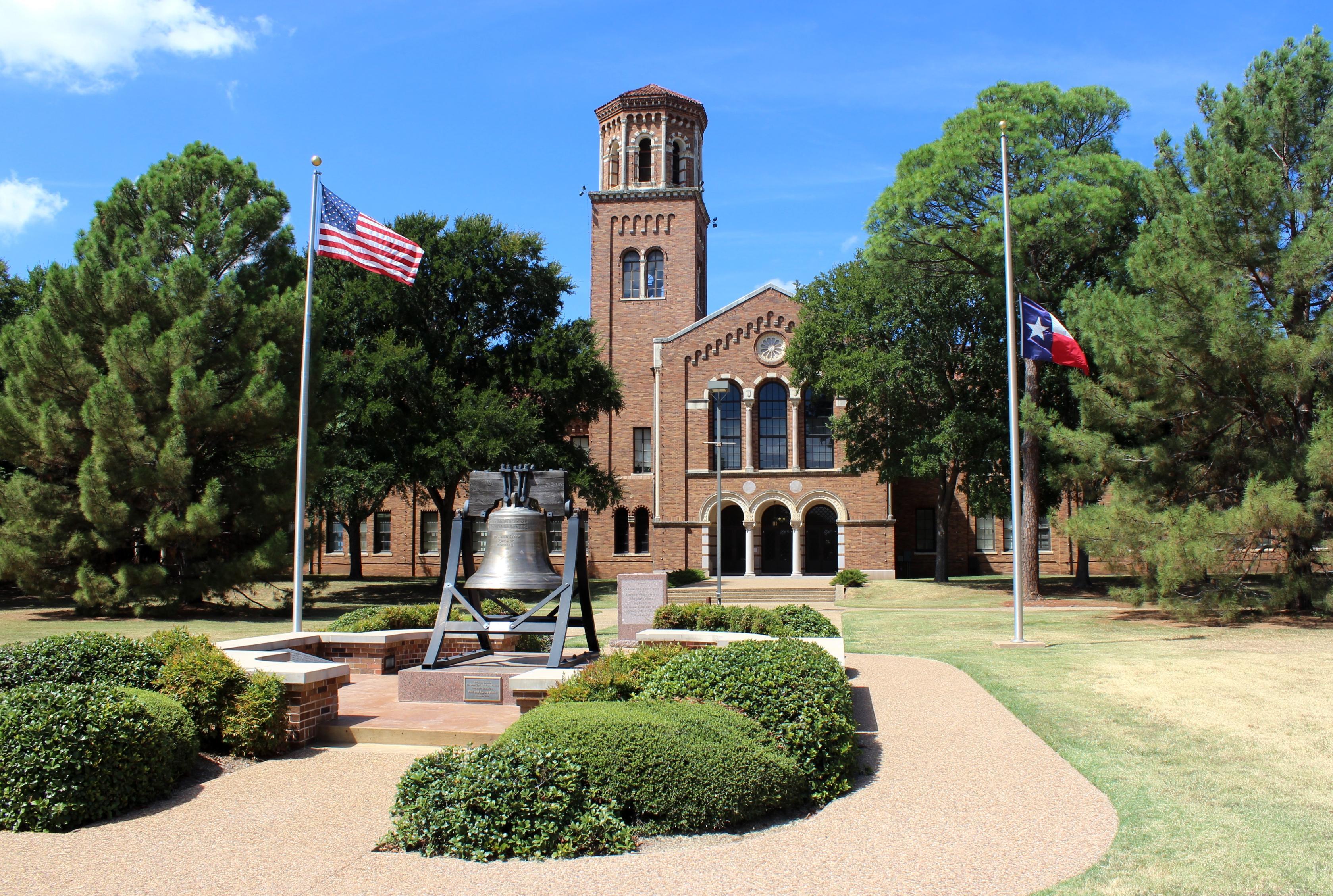
About Midwestern State University
Midwestern State University: Courses, Admissions, Tuition Fees, and Student Life in Texas
Overview of Midwestern State University
Midwestern State University, commonly known as MSU Texas, is a public university located in Wichita Falls, Texas, United States. The university offers undergraduate and graduate education across a variety of academic disciplines, combining classroom instruction, practical learning, and opportunities for personal and professional development.
MSU Texas serves students with diverse interests, including business, science, education, health sciences, humanities, social sciences, and technology-related fields. Its academic environment is designed to help students build subject knowledge, strengthen critical-thinking abilities, and prepare for professional opportunities or further study.
Located in north-central Texas, the university provides a campus-based college experience in a smaller city rather than a major metropolitan area. Wichita Falls offers local shopping, restaurants, recreational facilities, and community activities while providing a different pace of life from larger Texas cities such as Dallas, Austin, and Houston.
The university welcomes applicants from different educational backgrounds and provides pathways for first-year students, transfer students, and international applicants. Prospective students can explore a range of degree options and select programs according to their academic preparation, career interests, and long-term goals.
For international students, MSU Texas may be worth considering because it combines public university education with a campus community and access to the broader Texas economy. However, applicants should carefully compare tuition, living expenses, admission requirements, program availability, and financial assistance before making an enrollment decision.
Location and Campus Environment
Midwestern State University is situated at 3410 Taft Boulevard in Wichita Falls, Texas. Wichita Falls is located near the Texas–Oklahoma border and has a regional economy supported by education, healthcare, business, public services, and other industries.
The campus provides an environment where students can attend classes, use academic facilities, participate in extracurricular activities, and connect with other members of the university community. Students may find opportunities to develop friendships through student organizations, athletics, cultural activities, and campus events.
Wichita Falls offers a generally smaller-city lifestyle compared with Texas's largest metropolitan areas. This can appeal to students who prefer a campus community away from the pace and expense of a major urban center. At the same time, students should consider the local transport network, distance to shopping and services, and the availability of off-campus employment when planning their stay.
Students who want to visit larger cities during weekends or academic breaks should account for travel time and transportation costs. Public transport and personal transportation options may differ from those available in larger metropolitan areas.
Before choosing MSU Texas, prospective students should consider whether the location, campus facilities, climate, and lifestyle match their preferences. Visiting the campus virtually or in person can help applicants understand the university's atmosphere and make a more informed decision.
Academic Programs and Areas of Study
MSU Texas offers undergraduate and graduate programs across several fields. The university's academic options enable students to pursue professional qualifications, develop subject-specific knowledge, or prepare for postgraduate education.
Course availability, admission requirements, and degree structures vary by department. Applicants should review the current academic catalog before selecting a program.
Business and Management
Business-related programs may appeal to students interested in accounting, finance, management, marketing, entrepreneurship, and organizational operations.
Students in these fields develop an understanding of how businesses function, how organizations allocate resources, and how managers make decisions. Coursework may include business communication, financial analysis, marketing principles, organizational behavior, and strategic planning.
These subjects can support careers in corporate administration, banking, accounting, business analysis, sales, and management. Students interested in entrepreneurship can also build a foundation for understanding business models, market opportunities, and operational challenges.
Prospective students should compare the curriculum of their intended degree with the qualifications required for their preferred career.
Computer Science and Science
Students interested in computing and scientific disciplines can explore the university's available programs in relevant fields. Depending on the selected degree, study may involve programming, mathematical reasoning, scientific investigation, data analysis, or problem-solving.
Students considering technology careers should review the specific curriculum carefully to identify the programming languages, technical subjects, laboratory facilities, and practical learning opportunities included in the program.
Scientific degrees may provide preparation for employment in technical industries, research-related work, laboratory settings, or further academic study. Career outcomes depend on the degree completed, relevant experience, and additional qualifications that may be required.
Health Sciences and Nursing
Health-related programs are an important consideration for students interested in healthcare professions. Depending on the program, students may study human health, patient care, clinical concepts, professional communication, and evidence-based practice.
Applicants considering nursing or another regulated healthcare profession should pay particular attention to program accreditation, clinical placements, licensing examinations, and eligibility requirements.
International students should confirm whether the degree meets the professional standards required in the state or country where they intend to work. Completing a university program does not automatically guarantee a professional license or authorization to practice.
Students should also check whether their intended program requires prerequisite coursework, health documentation, background checks, or other materials before enrollment.
Education
Education programs are relevant to students interested in teaching, curriculum development, instructional support, and educational leadership.
Students may explore learning theories, teaching strategies, classroom assessment, educational technology, and the needs of different learners. Depending on the degree, coursework may combine academic study with practical experiences.
Applicants intending to become licensed teachers should confirm the applicable certification requirements. Licensing conditions may differ according to the subject taught, grade level, state regulations, and the applicant's previous qualifications.
Humanities and Social Sciences
Students can also explore humanities and social science disciplines, depending on current program availability. These areas can include communication, history, political science, psychology, sociology, and related fields.
Such programs encourage students to analyze information, understand social institutions, communicate clearly, and evaluate complex issues. These skills can be useful in education, public service, communications, research, administration, and a variety of private-sector roles.
Students planning postgraduate study should check whether their undergraduate curriculum includes the prerequisite courses required for admission to their intended graduate program.
Graduate Study
Graduate programs allow students to deepen their knowledge after completing an appropriate undergraduate qualification. MSU Texas offers selected postgraduate options across professional and academic disciplines.
Graduate admission requirements vary by program and may include a recognized bachelor's degree, official transcripts, minimum academic performance, recommendation letters, a statement of purpose, or additional department-specific materials.
Applicants should confirm the length of the degree, credit requirements, delivery format, tuition structure, and application deadlines before committing to a program.
Tuition Fees and Cost of Attendance
Tuition and living expenses are important factors when evaluating MSU Texas. The total cost depends on the number of credit hours taken, the student's residency classification, the degree program, housing arrangements, insurance requirements, and personal spending.
International students generally need to plan for nonresident tuition and other applicable charges. Their final costs may differ from those of Texas residents.
Understanding Tuition and Fees
MSU Texas publishes tuition and fee information through its official business office. Charges are calculated according to the relevant tuition schedule and may vary by academic year, credit load, course type, and additional program requirements.
A student taking a full course load will generally pay more in tuition than a student enrolled in fewer credit hours. Certain programs may also have laboratory, clinical, course, or professional fees.
Applicants should use the university's official tuition calculator or published cost schedule to estimate their individual expenses. They should not rely exclusively on broad annual estimates when preparing a financial plan.
Estimated Annual Budget
The following figures are preliminary planning estimates for an international student. They are not an official quotation from the university.
|
Expense Category |
Estimated Annual Budget |
|
Tuition and mandatory fees |
US$18,000–US$25,000 |
|
Housing |
US$7,000–US$12,000 |
|
Food and groceries |
US$3,000–US$5,000 |
|
Books and supplies |
US$800–US$1,500 |
|
Health insurance and medical expenses |
US$1,500–US$3,000 |
|
Transportation and personal expenses |
US$2,000–US$4,000 |
|
Approximate total |
US$32,300–US$50,500 |
Actual costs can fall outside these ranges, depending on tuition rates, accommodation, health coverage, and lifestyle. Some estimates may also include expenses that are not billed directly by the university.
International applicants should ask the university for the current financial documentation amount required for their immigration paperwork. They should prepare evidence of funding according to the university's instructions and allow for changes in tuition or living expenses.
Scholarships and Financial Assistance
Students should investigate scholarships, grants, departmental awards, and other financial assistance for which they may qualify. Eligibility depends on factors such as academic performance, program, enrollment status, and the terms of each award.
International students should specifically confirm whether a scholarship is open to applicants who are not US citizens or permanent residents. Not all forms of financial aid are available to every student category.
When comparing awards, applicants should check the total amount, duration, renewal requirements, minimum GPA, full-time enrollment conditions, and whether the award can be combined with other funding.
A realistic financial plan should include confirmed scholarship amounts rather than assuming that an award will be available. Students should also budget for deposits, initial travel, housing setup, and other costs that may arise before classes begin.
Admission Requirements
Admission requirements at MSU Texas vary according to the student's educational history and intended program. First-year applicants, transfer applicants, and graduate applicants should follow the requirements that apply to their category.
First-Year Undergraduate Admission
Students applying after completing secondary school should prepare their academic records and application materials.
Common requirements include:
- A completed university application.
- Official high school transcripts.
- Proof of secondary-school completion when required.
- Payment of the applicable application fee.
- Additional documents requested by the university or academic department.
MSU Texas is test-optional for many applicants, meaning ACT or SAT scores may not be required for a general admission decision. However, standardized test scores may still be useful for placement or certain scholarship opportunities. Applicants should confirm the rules that apply to their intended entry term.
Transfer Admission
Students who have previously attended another college or university may apply as transfer students.
Transfer applicants should provide official college transcripts and any additional secondary-school records required by the university. Applicants with limited previous college credit may need to submit high school transcripts as well.
International transfer students should verify whether their previous academic records need official English translations or a credential evaluation. Credit transfer is not automatic, and the university determines which previous courses can count toward the intended degree.
International Student Admission
International applicants must satisfy the academic requirements for their chosen program and complete the additional documentation required for international admission.
This process may include:
- An application submitted through the accepted application route.
- Official academic transcripts and certificates.
- Official English translations of documents that are not in English.
- Proof of English-language proficiency, if required.
- A copy of the passport information page.
- Financial documentation showing the ability to fund study and living expenses.
- Additional materials requested by the university.
Applicants should ensure that names, dates, and other personal information match across their documents. Incomplete applications or missing translations may delay the review process.
Students should also verify the admission deadline for their intended semester. Deadlines and processing times can differ for international applications because additional document checks may be necessary.
Graduate Admission
Graduate applicants must meet the academic and departmental requirements for their intended degree. A recognized bachelor's degree is generally required, but individual programs may have additional prerequisites.
Applicants may need to provide official transcripts, recommendation letters, a résumé, a statement of purpose, test scores, or evidence of relevant professional experience.
Students should contact the appropriate academic department if they are unsure whether their previous degree satisfies the entry requirements.
English Language Requirements
International applicants whose previous education does not qualify them for an English-language exemption may need to submit an approved English proficiency result.
The university's accepted examinations and minimum scores can vary according to applicant category and program. Students should check the current international admissions requirements rather than assuming that one score applies to every degree.
Applicants should also confirm whether results must be sent directly by the testing organization and whether their scores will remain valid through the intended admission period.
English proficiency supports success in lectures, academic writing, examinations, presentations, group projects, and everyday communication. Students who need additional preparation should consider improving their academic reading, writing, listening, and speaking skills before beginning university study.
How to Apply to MSU Texas
A structured application plan can help students complete the process more efficiently.
Step 1: Choose your degree. Review the available undergraduate or graduate programs and select one that fits your interests and career goals.
Step 2: Check the admission category. Determine whether you should apply as a first-year, transfer, or graduate applicant.
Step 3: Review academic requirements. Check prerequisite subjects, minimum academic standards, English proficiency, and any additional program-specific conditions.
Step 4: Prepare your documents. Gather transcripts, certificates, passport information, translations, and any required credential evaluations.
Step 5: Submit the application. Complete the accepted application form and pay the required application fee.
Step 6: Provide supporting materials. Arrange for official transcripts and test results to reach the university according to its instructions.
Step 7: Plan your finances. Review tuition, housing, insurance, scholarships, and the required financial documentation for international students.
Step 8: Complete enrollment and immigration requirements. After admission, follow the university's instructions for enrollment, immigration documentation, orientation, and housing.
Students should keep copies of their application materials and track important deadlines. If a document is delayed or a requirement is unclear, they should contact the admissions office rather than making assumptions.
Campus Life and Student Experience
Campus life at MSU Texas offers opportunities to build friendships, develop leadership skills, and participate in activities beyond academic study.
Students can explore student organizations, cultural events, recreational activities, and athletics. These experiences can help them connect with classmates, discover new interests, and develop skills in teamwork and communication.
Participating in student groups may be especially useful for international students who are adapting to a new educational system and culture. Campus events can provide opportunities to practice English, learn about American traditions, and develop a support network.
Students should explore the university's current clubs, services, and event calendar after enrolling. The activities available may vary by semester and student interest.
Balancing academics with extracurricular involvement is important. Students should choose activities that complement their academic commitments and personal goals.
Accommodation and Student Support
Students should review the university's housing options and compare on-campus residence arrangements with any permitted off-campus alternatives.
Housing costs depend on room type, occupancy, meal-plan selection, and the academic year. Applicants should confirm availability, application deadlines, deposits, cancellation policies, and move-in dates before making plans.
Living on campus can make it easier to reach classes and participate in university activities. Off-campus accommodation may provide different options, but students need to consider rent, utilities, food, transportation, and the terms of their rental agreement.
International students should arrange accommodation well before travelling. They should also confirm airport or arrival transportation, orientation arrangements, and any documents required before moving into university housing.
Students who need assistance with academic planning, personal adjustment, or international enrollment should contact the appropriate university support office. Asking questions early can help students address problems before they affect their studies.
Career Preparation and Employment Opportunities
MSU Texas provides academic pathways that can help students prepare for a variety of careers. The professional opportunities available to each graduate depend on their degree, academic performance, experience, and the requirements of the relevant industry.
Business graduates may pursue positions in accounting, finance, administration, marketing, management, and related fields. Science and computing graduates may explore technical, analytical, laboratory, or technology-related work aligned with their qualifications.
Graduates of health and education programs may need to complete professional examinations, certifications, supervised practice, or state licensing requirements before entering certain occupations.
Students can strengthen their career readiness by developing a résumé, practicing interviews, building communication skills, seeking relevant internships where eligible, and connecting with professionals in their chosen field.
International students must also understand the restrictions governing employment and practical training in the United States. Work authorization depends on immigration status and applicable regulations; admission to a university alone does not provide unrestricted permission to work.
Students should consult the university's international student advisers and official immigration guidance before accepting employment or internship arrangements.
Why Consider Midwestern State University?
MSU Texas may be a suitable option for students seeking a public university experience in a smaller Texas city. Its broad academic offerings allow students to explore different professional and academic pathways, while its campus environment provides opportunities to participate in university life.
Potential advantages include a range of degree programs, a campus-based student experience, access to the regional community, and opportunities to investigate financial assistance.
Nevertheless, students should make their decision based on their own priorities. Tuition and living costs, academic program quality, available facilities, accreditation, transportation, and career outcomes all deserve careful consideration.
Comparing MSU Texas with other universities can help applicants determine which institution offers the best combination of affordability, curriculum, student support, and professional opportunities.
Frequently Asked Questions
1. Where is Midwestern State University located?
Midwestern State University is located in Wichita Falls, Texas, United States.
2. Is MSU Texas a public or private university?
MSU Texas is a public university offering undergraduate and graduate programs.
3. What courses are available?
The university offers programs across fields such as business, science, education, health sciences, humanities, and social sciences. Students should consult the current academic catalog for specific degrees and concentrations.
4. How much does it cost to study at MSU Texas?
The total cost depends on tuition classification, credit hours, program, housing, insurance, and personal expenses. International students should use the university's current tuition and cost information to prepare an accurate budget.
5. Can international students apply?
Yes. International applicants can apply if they meet the academic, English-language, and documentation requirements for their chosen program.
6. Are SAT or ACT scores compulsory?
MSU Texas is test-optional for many applicants. Students should confirm whether scores are needed for their application category, placement, or scholarship consideration.
7. Are scholarships available?
Eligible students may be able to access scholarships or other financial assistance. International applicants should verify eligibility and renewal requirements for each award.
8. Does the university offer graduate programs?
Yes. MSU Texas offers graduate study in selected academic and professional fields. Admission requirements differ by program.
9. Is housing available for students?
Students can explore the university's housing options and applicable policies. Availability and costs should be confirmed before making travel plans.
10. What should international applicants do first?
They should select a program, check the requirements for their applicant category, prepare academic documents and English test results if required, review costs, and submit their application before the relevant deadline.
Conclusion
Midwestern State University offers a public university education in Wichita Falls, Texas, with undergraduate and graduate opportunities across a range of academic fields. Its campus environment and program options may appeal to students seeking a combination of academic learning, personal development, and career preparation.
Prospective students should evaluate their intended degree carefully, verify admission requirements, and prepare a realistic budget covering tuition, accommodation, insurance, and personal expenses. International applicants should pay particular attention to document requirements, English proficiency, financial evidence, and immigration procedures.
With thorough research and advance planning, students can determine whether MSU Texas aligns with their academic ambitions, financial circumstances, and long-term professional goals.
Entry Requirements
General Entry Requirement
IELTS 6.5 overall
Fees & Scholarships
Annual Tuition Fees
USD 25,000 - USD 42000
Ready to Apply to Midwestern State University?
Our advisors guide you from eligibility check to offer letter — at no cost to you.
Join our WhatsApp Community

Scan to join our student community for admission updates & guidance