
Annual FeesUSD 32,000 - USD 44,000
Middle Tennessee State University
LocationUS
Entry RequirementIELTS 6.0 overall
Visa Success Rate72%
Campus Photos
Middle Tennessee State University
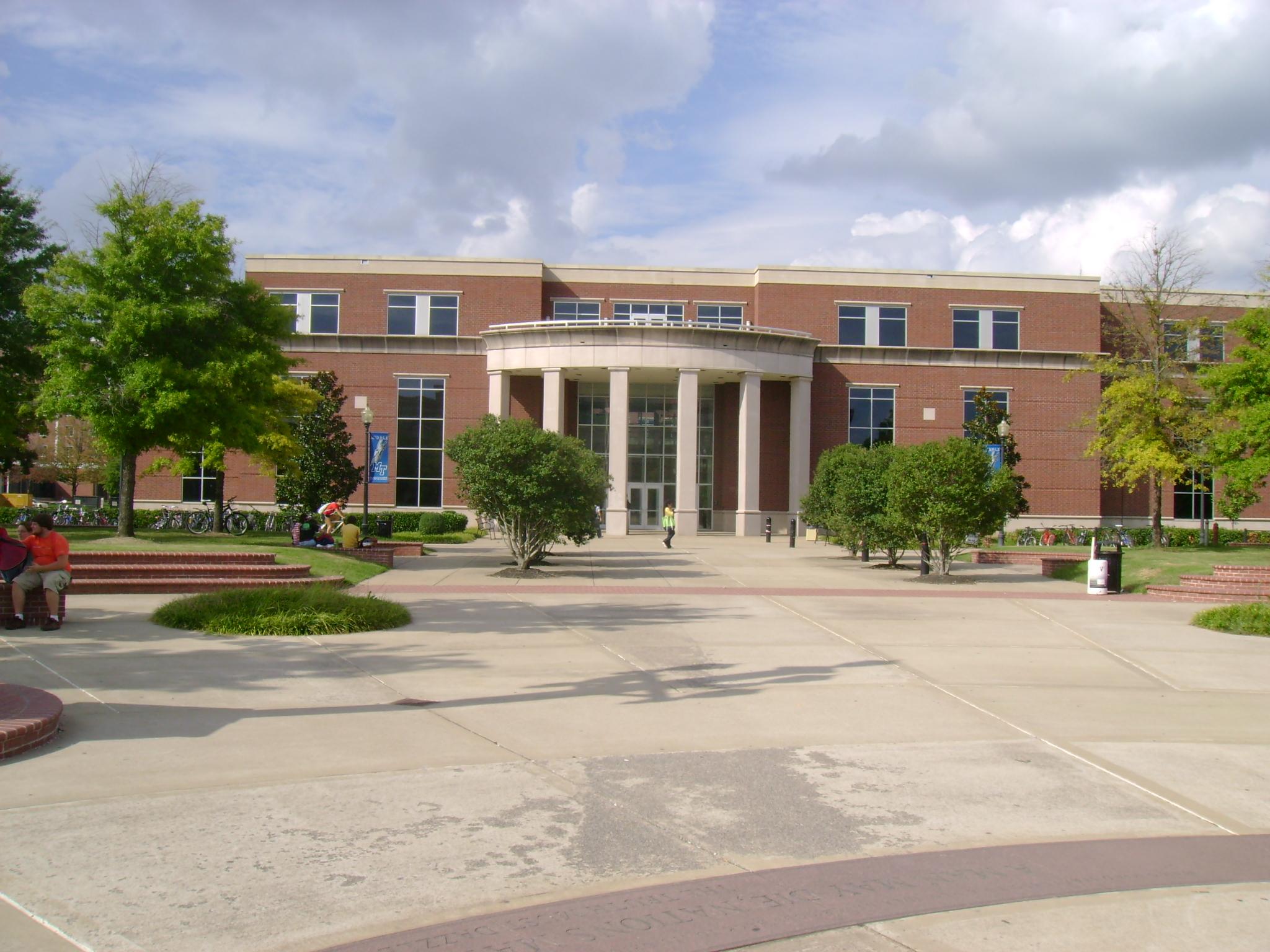

About Middle Tennessee State University
Middle Tennessee State University: Courses, Fees, Admissions, and Student Life in Tennessee
Overview of Middle Tennessee State University
Middle Tennessee State University (MTSU) is a public university located in Murfreesboro, Tennessee, United States. Founded in 1911, the university has developed into a comprehensive institution offering undergraduate, graduate, and professional education across a wide range of disciplines. It is known for its academic programs in aerospace, business, media and entertainment, computing, education, sciences, and the liberal arts.
MTSU serves students with diverse academic interests and professional ambitions. Its academic structure includes colleges and schools focused on basic and applied sciences, behavioral and health sciences, business, education, liberal arts, media and entertainment, and interdisciplinary studies.
The university combines classroom instruction with opportunities for practical learning, research, creative work, and professional development. Students can explore internships, student organizations, campus activities, and academic projects that help them develop skills relevant to their chosen careers.
For international students considering higher education in the United States, MTSU offers a broad selection of majors within a public university environment. Prospective applicants should compare the available programs, admission requirements, tuition, scholarships, housing costs, and career opportunities before selecting a degree.
Where Is Middle Tennessee State University Located?
MTSU is located at 1301 East Main Street, Murfreesboro, Tennessee, USA. Murfreesboro is approximately 35 miles southeast of Nashville, making the university accessible to the wider Middle Tennessee region.
Murfreesboro combines a university-town atmosphere with shopping areas, restaurants, parks, cultural attractions, and local businesses. Students can enjoy campus activities while exploring the surrounding community. Nashville provides access to a larger metropolitan environment, including music and entertainment, healthcare, business, technology, and professional services.
The university's location may appeal to students who want to study outside a major city while remaining within reach of a larger regional employment market. However, transportation arrangements should be considered carefully because travel between Murfreesboro and Nashville can involve additional time and expenses.
Students should confirm the location of their chosen program and any practical training or laboratory facilities before applying. Accommodation, food, transport, health insurance, and personal expenses should also be included in the overall study budget.
Courses and Academic Programs at MTSU
MTSU offers hundreds of undergraduate and graduate programs across academic and professional fields. Program availability, delivery format, admission requirements, and duration vary by degree.
Business and Management
The Jennings A. Jones College of Business provides programs for students interested in accounting, finance, marketing, economics, management, entrepreneurship, human resource management, and business administration.
Business education can help students develop analytical thinking, communication, financial decision-making, teamwork, and leadership skills. Depending on the degree, students may study organizational strategy, marketing principles, financial management, business analytics, and management practices.
Students interested in careers in accounting, finance, marketing, consulting, or business operations should compare the curriculum and any available concentrations. Internship opportunities and professional networking can also help students understand how classroom concepts apply to business environments.
Applicants considering graduate business education should review the prerequisites, work experience expectations, application materials, and tuition associated with their chosen program.
Computer Science, Information Technology, and Cybersecurity
MTSU offers technology-related programs for students interested in computing, software, information systems, cybersecurity, and digital innovation.
Computer science study can involve programming, algorithms, software development, data structures, and computational problem-solving. Information technology and information systems programs may focus on the systems organizations use to manage information, support operations, and deliver digital services.
Cybersecurity-related programs can help students explore digital risk, information protection, security management, and the challenges associated with safeguarding computer systems. The exact curriculum depends on the degree and concentration.
Students should review program prerequisites and consider building practical experience through projects, research, and relevant internships. Technical careers often require a combination of academic knowledge, hands-on ability, and continuing professional development.
Aerospace and Aviation
Aerospace is one of MTSU's distinctive academic areas. Students can explore programs related to aviation, aerospace technology, flight operations, and other aviation-focused subjects.
The appropriate pathway depends on whether a student wants to pursue flight training, aviation management, aerospace-related technical study, or another professional direction. Certain programs may involve specialized equipment, practical training, additional fees, medical eligibility requirements, or separate admissions procedures.
International students should investigate these requirements carefully before applying. Flight training can involve costs beyond standard university tuition, and completing an academic program does not automatically provide every licence or certification needed for a particular aviation career.
Students should also verify that the chosen program is available to international applicants and that their intended professional pathway is compatible with applicable training and licensing rules.
Media, Journalism, and Entertainment
The College of Media and Entertainment offers programs for students interested in journalism, advertising, public relations, audio production, filmmaking, animation, interactive media, and related creative industries.
These programs can combine academic study with practical work involving communication, storytelling, production, digital content, and media technology. Students may develop portfolios or other evidence of their skills as part of their learning.
MTSU's location in Tennessee can be relevant to students interested in music, entertainment, media production, and communications. However, employment opportunities depend on the student's experience, professional network, portfolio, and the requirements of individual employers.
Applicants should review any specialized facilities, project requirements, portfolio expectations, or additional course costs associated with their intended program.
Biological Sciences, Chemistry, and Other Sciences
MTSU provides academic pathways in biology, biochemistry, chemistry, physics, environmental science, data science, mathematics, and other scientific fields.
Science programs may include laboratory instruction, research, quantitative analysis, and opportunities to investigate practical scientific questions. These experiences can help prepare students for further study, research-related work, education, or employment in relevant industries.
Students considering graduate research or professional healthcare programs should identify the prerequisite subjects required for their intended next step. An undergraduate science degree does not automatically qualify a graduate to enter a regulated healthcare profession.
Applicants should compare course structures and research opportunities to find a program that fits their interests and previous academic preparation.
Nursing and Health Sciences
MTSU offers programs in nursing and other health-related disciplines. These pathways may appeal to students interested in patient care, healthcare administration, exercise science, human development, and related areas.
Nursing programs may involve academic coursework, practical preparation, and supervised clinical experiences. Applicants should check the current admission criteria, prerequisite courses, clinical requirements, and any additional documentation required by the relevant department.
Some healthcare programs require higher English proficiency scores than general international admission. Applicants should verify the current rules for their specific course.
Students planning to practise nursing or another regulated healthcare profession should also investigate licensing and registration requirements. A university degree alone does not guarantee permission to practise in the United States or another country.
Education and Teacher Preparation
MTSU offers education programs for students interested in teaching, early childhood education, elementary education, educational leadership, and related areas.
Depending on the degree, students may study instructional methods, curriculum planning, assessment, child development, classroom practices, and approaches to supporting different learning needs.
Some programs include supervised teaching or other professional experiences. Students should confirm whether the course leads to a particular teaching licence and whether additional examinations or requirements apply in the state or country where they intend to work.
Graduate applicants should also review the previous qualifications and professional experience required for their chosen program.
Data Science and Artificial Intelligence
Students interested in working with data and emerging technologies can explore MTSU's programs in data science, artificial intelligence, and related computing disciplines.
Data science can involve statistics, programming, data management, visualization, and analytical techniques used to understand complex information. Artificial intelligence study may introduce computational methods and applications that support automated analysis and intelligent systems.
The exact technical content depends on the program. Applicants should review the curriculum to determine whether their background in mathematics, statistics, or programming is suitable.
Students can strengthen their preparation by developing practical projects and learning how to communicate analytical results clearly. Career opportunities depend on the degree, experience, and requirements of individual employers.
Liberal Arts, Social Sciences, and Interdisciplinary Studies
MTSU also offers programs in history, political science, international relations, communication, psychology, sociology, anthropology, languages, and other humanities and social science disciplines.
These subjects can help students develop research, writing, critical thinking, cultural awareness, and communication skills. Depending on the course, students may explore social behavior, public institutions, history, language, international affairs, or community development.
Interdisciplinary programs can suit students whose interests span more than one subject area. Applicants should review available concentrations and elective choices to determine whether a program aligns with their educational and professional goals.
Tuition Fees and Cost of Studying at MTSU
The cost of studying at Middle Tennessee State University depends on residency classification, degree level, course load, program fees, housing, meals, and personal spending.
MTSU publishes separate tuition and fee schedules for undergraduate and graduate students, as well as different rates for eligible online-only study. Tuition and fees are reviewed annually, so students should use the schedule for their intended academic year.
International students generally need to budget for non-resident tuition, university fees, housing, meals, health insurance, books, supplies, transportation, and other living expenses. Some programs, particularly flight training and specialized professional courses, can involve substantial additional charges.
The university's published cost-of-attendance estimates should be used to prepare financial documentation and assess the overall cost of a degree. Students should not assume that the tuition amount alone represents the complete cost of studying in the United States.
Common expenses include:
- Tuition and mandatory university fees
- Accommodation and meal costs
- Health insurance and medical expenses
- Books, course materials, and equipment
- Transportation and local travel
- Mobile service and personal spending
- Visa-related expenses and international airfare
- Additional program or practical training fees
The actual cost will depend on the student's program and personal circumstances. Applicants should confirm the current cost of attendance for their intended semester before submitting financial documents.
Scholarships and Financial Assistance
MTSU offers merit-based scholarship opportunities for eligible international undergraduate students. The university describes International Merit Scholarships at several award levels, including USD 6,000, USD 12,000, and USD 16,000 per academic year.
Eligible first-year and transfer students attending on an F-1 visa are automatically considered once they achieve full admission, subject to the university's current scholarship rules. A separate scholarship application is generally not required for this award.
Scholarships are limited and awarded while available funding remains. Awards may be renewable annually when students meet the required academic and enrollment conditions, including the published minimum cumulative GPA.
Applicants should confirm the current award amounts, priority deadlines, eligibility conditions, and renewal requirements before making financial commitments. Scholarship funding should not be assumed until the university confirms the award.
Students should also plan for expenses that are not covered by a tuition scholarship, including accommodation, meals, insurance, travel, and personal spending.
Admission Requirements for International Students
MTSU has admission procedures for international first-year, transfer, and graduate applicants. The requirements depend on the applicant's previous education and chosen program.
Undergraduate Admission
International first-year applicants generally need to submit an online application, official secondary-school transcripts, evidence of English proficiency where required, and accepted identification such as a valid passport.
Applicants must provide official academic records from their previous institutions. Records from schools outside the United States must be submitted according to the university's verification procedures. Students should confirm whether English translations or additional country-specific documents are required.
International applicants must also provide financial information as part of the process for obtaining the immigration documentation needed to study in the United States.
Some programs have additional requirements, so applicants should review their intended major before submitting an application.
Transfer Admission
Students who have attended another college or university may apply as transfer applicants.
Applicants who have completed fewer than 24 US semester credit hours generally need to provide secondary-school transcripts in addition to college transcripts. Students with post-secondary coursework completed outside the United States must submit a full course-by-course credential evaluation from an accepted evaluation service.
Official transcripts and the required evaluation must be submitted directly through the approved process. Applicants should also provide official course descriptions where required for international transfer credit.
Transfer credit is not automatic. MTSU evaluates previous academic work to determine whether courses can be accepted toward the intended degree.
Graduate Admission
Graduate applicants must meet the academic requirements of their intended master's or doctoral program. Common application materials include a completed graduate application and official transcripts from previous institutions.
Depending on the course, applicants may also need to provide a résumé, statement of purpose, recommendation letters, standardized test results, prerequisite coursework, or evidence of professional experience.
Graduate applicants should consult the relevant department for current deadlines and requirements. International applicants should also verify English proficiency rules and any additional documentation required for immigration processing.
English Language Requirements
MTSU requires international applicants attending on an F-1 student visa to demonstrate English proficiency unless they qualify for an approved exemption.
The university lists the following general minimum scores:
- IELTS Academic: 5.5
- Duolingo English Test: 85
- PTE Academic: 59
- iTEP: 3.5
MTSU also accepts TOEFL and other specified forms of English proficiency evidence. Applicants should check the university's current TOEFL scoring guidance because testing formats and score scales can change.
Certain professional programs, including nursing and professional pilot programs, require higher scores. Published minimums for those programs include IELTS 6.0, Duolingo 95, and PTE Academic 70.
Accepted test scores generally need to have been taken within the previous two years. Official scores must be sent directly by the testing organization rather than submitted solely as a student-provided copy.
Some applicants may qualify for an exemption based on previous education or other conditions recognized by the university. Applicants should confirm their eligibility before assuming that a test is unnecessary.
How to Apply to Middle Tennessee State University
International applicants can organize the application process through the following steps.
Step 1: Select a program. Explore the university's majors, degree levels, and available study formats. Confirm that your preferred program is offered for your intended entry term.
Step 2: Check eligibility. Review the academic qualifications, English proficiency requirements, application deadlines, and any additional requirements for your chosen major.
Step 3: Prepare academic records. Collect official secondary-school or university transcripts and graduation certificates. Arrange translations or other required documentation where applicable.
Step 4: Arrange credential evaluation if necessary. Transfer applicants with international post-secondary coursework should obtain the required course-by-course evaluation from an accepted provider.
Step 5: Submit the application. Complete the appropriate undergraduate or graduate application and pay the applicable application fee.
Step 6: Submit English proficiency evidence. Arrange for official test scores to be sent directly by the testing organization, unless you qualify for an approved exemption.
Step 7: Complete financial documentation. Prepare the required financial certification and supporting evidence for international student processing.
Step 8: Monitor your application. Check for requests for additional documentation and respond promptly. MTSU states that processing can take up to 30 days once all required materials have been received.
Step 9: Complete immigration and arrival arrangements. Follow the university's instructions for Form I-20 processing, the US student visa application, accommodation, insurance, and orientation.
Applicants should check the current admission deadlines for their intended semester and apply early enough to allow time for document verification and visa procedures.
Student Life at MTSU
MTSU offers a campus environment with student organizations, academic activities, recreation, cultural events, and opportunities for community involvement.
Students can participate in clubs, leadership programs, sports, creative activities, and academic organizations. These experiences can help them develop friendships, improve communication skills, and build relationships with classmates and faculty.
The university's academic strengths also create opportunities for students to connect with peers who share interests in business, aerospace, technology, music, media, healthcare, and other disciplines.
International students may need time to adapt to a different academic system and everyday life in the United States. Connecting with international student services, academic advisers, campus organizations, and classmates can help make the transition more comfortable.
Before enrolling, students should investigate campus housing, dining arrangements, health services, transportation, and the support available to international students.
Accommodation and Living in Murfreesboro
Students can explore university residence halls, meal plans, and other suitable accommodation options depending on availability and eligibility. Housing prices and room arrangements may change each academic year.
Living on campus can make it easier to reach classes, libraries, student activities, and university services. Students considering off-campus accommodation should compare rent, utilities, transport costs, and commuting time.
Murfreesboro provides access to local shops, restaurants, parks, and everyday services. Students who want to visit Nashville should also consider the additional travel time and transport costs.
A realistic budget should include housing, food, insurance, books, phone service, personal expenses, and initial arrival costs. International students should reserve money for deposits, household supplies, and travel from their arrival airport.
Students should confirm housing deadlines and contractual conditions before travelling to the United States.
Career Development and Professional Opportunities
MTSU offers academic programs designed to help students develop subject knowledge and professional skills. Depending on their degree, students may explore career pathways in business, technology, aerospace, media, healthcare, education, science, and the public sector.
The university's location within the wider Middle Tennessee region provides access to a diverse economy that includes healthcare, manufacturing, business services, entertainment, and technology-related organizations.
Career preparation can include building a résumé, participating in projects, developing a portfolio, seeking suitable internships, and connecting with professionals in a chosen field. Opportunities depend on the program, individual skills, employer requirements, and eligibility.
International students must follow the employment rules associated with their immigration status. They should consult the university's international student advisers before accepting employment or beginning an internship in the United States.
Students pursuing regulated careers, such as nursing or aviation, should research licensing and certification requirements early. Completing an academic degree does not automatically guarantee professional authorization to work in every role.
Why Consider Middle Tennessee State University?
MTSU may appeal to students seeking a public university with a broad academic offering and distinctive strengths in areas such as aerospace, business, computing, media and entertainment, and the sciences.
Its range of undergraduate and graduate programs allows students to explore different academic and professional pathways. Eligible international undergraduate students may also be considered for merit scholarships that can reduce the cost of non-resident tuition.
Murfreesboro offers a university-town environment within reach of Nashville, giving students access to both campus activities and a larger regional economy.
However, prospective students should compare tuition, living costs, program requirements, scholarships, professional accreditation where relevant, and career opportunities. Students should also check whether their intended major involves additional expenses or specialized admission procedures.
The best choice depends on the student's academic goals, financial circumstances, and intended career path.
Frequently Asked Questions
Where is Middle Tennessee State University located?
MTSU is located in Murfreesboro, Tennessee, approximately 35 miles southeast of Nashville.
Is MTSU a public university?
Yes. Middle Tennessee State University is a public university offering undergraduate and graduate education.
What courses are available at MTSU?
MTSU offers programs in business, computer science, information technology, cybersecurity, aerospace, media and entertainment, nursing, sciences, education, data science, and the liberal arts.
Are scholarships available for international students?
Yes. Eligible international undergraduate students may be considered for merit scholarships at several award levels. Awards are subject to eligibility conditions and available funding.
What English test scores are required?
General minimums include IELTS 5.5, Duolingo English Test 85, and PTE Academic 59. Certain professional programs require higher scores. Applicants should verify current requirements before applying.
Do international transfer students need credential evaluation?
Applicants with post-secondary coursework completed outside the United States must submit a course-by-course credential evaluation through an accepted provider.
How long does international admission processing take?
MTSU states that processing may take up to 30 days after all required application materials have been received.
Can international students work while studying?
Employment depends on the student's immigration status and the type of work. Students should consult the university's international student advisers before accepting a job or internship.
Conclusion
Middle Tennessee State University offers a broad selection of undergraduate and graduate programs in Murfreesboro, Tennessee. Its academic strengths include business, aerospace, computing, media and entertainment, healthcare, education, data science, and the sciences.
For international students, successful planning requires careful attention to academic eligibility, English proficiency, tuition, scholarships, living expenses, and immigration documentation. Students should also investigate any specialized admission, training, or licensing requirements associated with their intended career.
By comparing these factors with their academic interests and financial circumstances, prospective applicants can determine whether MTSU is a suitable choice for their higher education journey.
Entry Requirements
General Entry Requirement
IELTS 6.0 overall
Fees & Scholarships
Annual Tuition Fees
USD 32,000 - USD 44,000
Ready to Apply to Middle Tennessee State University?
Our advisors guide you from eligibility check to offer letter — at no cost to you.
Join our WhatsApp Community

Scan to join our student community for admission updates & guidance