
Annual FeesUSD 50,000 - USD 79,000
Marist University
LocationUS
Entry RequirementIELTS 6.5 overall
Visa Success Rate65%
Campus Photos
Marist University
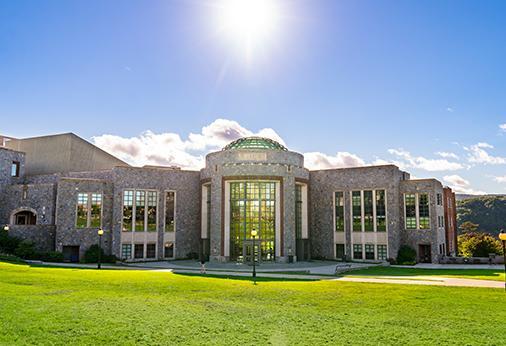
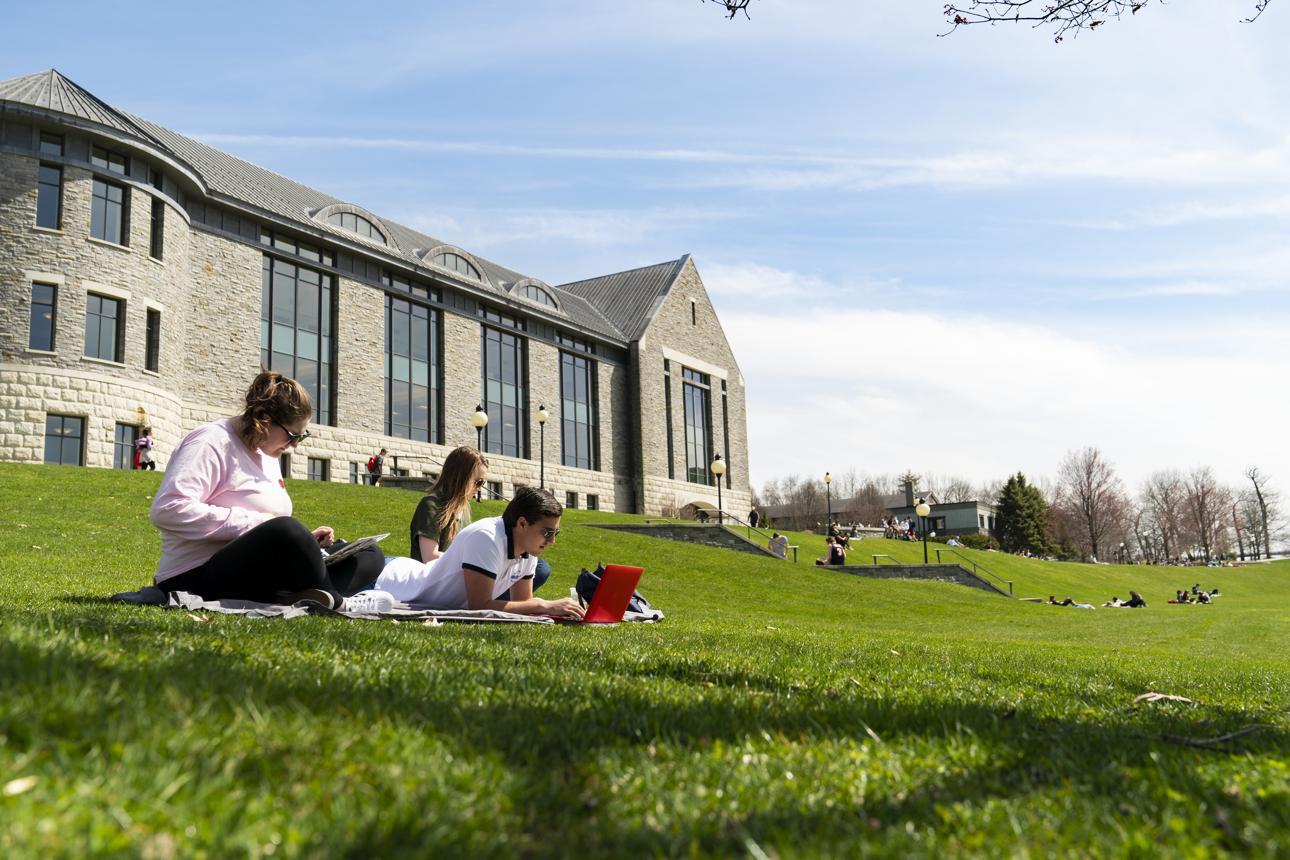
About Marist University
Marist University: Courses, Admissions, Fees, and Student Life in New York
University Overview
Marist University is a private institution located in Poughkeepsie, New York, United States. Situated along the Hudson River, the university offers undergraduate and graduate education across a range of academic disciplines, including business, computer science, communication, social sciences, arts, and other professional fields.
Marist has developed an academic environment that combines classroom instruction with practical learning, research, internships, and opportunities for international study. Its residential campus provides students with access to academic resources, student organisations, accommodation, and a range of extracurricular activities.
The university's location in the Hudson Valley offers a campus-based experience while providing access to the wider New York region. Students can explore local cultural attractions and investigate professional opportunities in nearby business centres, depending on their interests and eligibility.
For international students, Marist University may be worth considering for its range of academic programs, residential community, and global learning opportunities. However, choosing a university requires careful consideration of tuition, living expenses, admission requirements, financial assistance, and the suitability of the intended degree.
Why Choose Marist University?
Diverse academic opportunities
Marist offers programs across several academic areas, allowing students to explore subjects connected to business, technology, communication, the humanities, and the sciences.
Students should compare the curriculum, course requirements, and available specialisations within their intended program. A suitable degree should provide the knowledge and skills needed for their preferred career or further education.
Small-class learning environment
Marist promotes a learning environment in which students can interact with faculty and participate in classroom discussions. Depending on the course, students may complete group assignments, presentations, research projects, and other activities that support academic development.
Students who value direct interaction with instructors should investigate class formats and the academic support available within their chosen department.
International learning opportunities
The university offers study-abroad opportunities and international academic experiences. Students may be able to explore learning options in different countries, depending on their degree and program requirements.
International exposure can help students develop cultural awareness, communication skills, and a broader understanding of global issues. Applicants should verify eligibility, additional expenses, and the availability of opportunities within their selected program.
Residential campus community
Marist's residential campus offers housing options, student organisations, athletics, and social activities. These experiences can help students build relationships, develop independence, and become involved in campus life.
International students may find orientation programs and student-support services particularly helpful when adjusting to a new country.
Academic Programs and Areas of Study
Marist University offers undergraduate and graduate programs across several academic disciplines. The precise range of degrees and specialisations should be confirmed through the current university catalogue.
Business and Management
Students interested in business can investigate programs related to management, accounting, finance, marketing, and other business disciplines.
Business education can help students understand organisational structures, financial decisions, customer behaviour, and strategic planning. Depending on the degree, coursework may involve case studies, presentations, business projects, and analytical assignments.
Applicants should compare program structures and available concentrations to identify a course that matches their career interests.
Students considering graduate business education should also review admission requirements, tuition, program duration, and any professional experience expectations.
Computer Science and Information Technology
Students interested in computing can explore computer science and related technology programs available at Marist.
Depending on the curriculum, students may study programming, software development, data structures, algorithms, information systems, and other computing topics.
Students planning to enter the technology sector should examine the technical depth of the curriculum and opportunities for project work, internships, and practical learning.
The precise course offerings may change, so applicants should confirm the current degree requirements before applying.
Communication and Media
Communication-related programs may appeal to students interested in media, public relations, journalism, digital communication, and related fields.
Students can develop skills in writing, research, presentation, storytelling, and communication strategy. Depending on the course, they may complete practical assignments that involve media production, campaign planning, or analysis of communication practices.
Applicants should investigate available concentrations and practical learning opportunities to determine whether the program supports their professional goals.
Arts and Humanities
Students interested in culture, history, literature, languages, and other humanities disciplines can explore the university's available programs in these areas.
These subjects can strengthen critical thinking, research, interpretation, writing, and communication skills. Such abilities can be valuable in education, media, public service, research, and a range of other professions.
Students should review the available majors and electives to identify the most suitable academic pathway.
Social Sciences
Social science programs examine human behaviour, communities, institutions, and the factors that influence society.
Depending on the program, students may study psychology, political science, sociology, economics, or related disciplines.
Coursework may involve research methods, data interpretation, written analysis, and discussions of contemporary social issues.
Applicants should check the current curriculum and any prerequisites associated with their intended degree.
Science and Other Professional Disciplines
Marist also offers academic options in sciences and other professional fields. Students should consult the university's current program list to identify the degrees available for their intended intake.
Those pursuing specialised careers should check whether their chosen degree includes the necessary coursework, laboratory experience, professional accreditation, or additional licensing requirements.
Admission Requirements for International Students
International applicants must meet Marist University's admission requirements for their intended degree level. Requirements vary according to the application category and program.
Undergraduate admission
First-year international applicants generally need to submit a completed application, secondary-school academic records, a personal essay, and recommendation materials.
Marist's published application guidance requests a counsellor recommendation and transcript request form, along with an additional letter of recommendation for full-time international first-year applicants.
Students should provide official academic records and certified English translations where necessary. Applicants may also submit SAT or ACT scores if they wish the admission committee to consider them; the university describes undergraduate admission as test-optional.
Transfer applicants follow a different process and may need to provide records from previous colleges or universities, course information, and additional documentation for credit evaluation.
Graduate admission
Graduate applicants generally need a recognised bachelor's degree and academic records that meet the requirements of their intended program.
Depending on the degree, applicants may be asked to submit a résumé, statement of purpose, recommendation letters, writing samples, or other supporting materials.
Requirements can differ between departments, so prospective students should follow the instructions for the exact program rather than relying on a general checklist.
English language proficiency
International applicants whose previous education does not qualify them for an exemption may need to submit an accepted English proficiency examination.
Marist's published international first-year guidance lists TOEFL, IELTS, and the Duolingo English Test among its accepted options. The guidance specifies minimum scores of IELTS 6.5, Duolingo English Test 115, or TOEFL scores equivalent to the university's listed requirements.
Applicants should verify the current minimum scores, accepted examination formats, validity periods, and waiver conditions before taking a test. Requirements for graduate programs may differ.
Application documents
Depending on the study level and program, applicants may need to prepare:
- Completed online application.
- Official academic transcripts and certificates.
- Certified English translations where necessary.
- Personal essay or statement of purpose.
- Recommendation letters.
- English proficiency results, where required.
- Résumé or other program-specific materials, if requested.
- Application fee payment.
- Passport and financial documents for subsequent enrolment and immigration procedures.
Applicants should allow sufficient time to obtain official records and ensure that all documents are submitted by the relevant deadline.
How to Apply to Marist University
The application process begins with choosing an appropriate program and reviewing its entry requirements.
First, determine whether the intended degree is available for the desired intake. Review the curriculum, duration, tuition, admission criteria, and application deadline.
Second, prepare the required academic documents. International applicants should arrange official transcripts and translations where necessary, along with any required English proficiency results.
Third, complete the correct application. Marist provides application routes for first-year, transfer, and other eligible applicants. Students should follow the instructions applicable to their situation.
Next, submit the supporting documents, recommendation materials, and application fee. Review the application carefully to ensure that all required sections have been completed.
After submitting the application, monitor the application portal and email account for updates. The university may request additional documents or clarification during the review process.
Students who receive an offer should carefully review the admission conditions, enrolment deposit, and payment deadlines.
International students who need an F-1 student visa must also complete the required immigration process. Marist's published instructions explain that accepted students receive the relevant I-20 documentation after completing the required enrolment steps. Students should follow the university's current instructions and prepare appropriate financial evidence.
Tuition Fees and Cost of Attendance
The cost of studying at Marist University depends on the academic program, study level, accommodation arrangements, meal plan, and personal spending habits.
Published undergraduate tuition for the 2026–2027 academic year is approximately USD $50,760 per year. The total cost of attendance can be considerably higher after housing, meals, university fees, books, insurance, and personal expenses are included.
Graduate tuition varies according to the degree and number of credits. Students should consult the latest tuition schedule for their intended program rather than assuming that the undergraduate rate applies to graduate study.
Additional expenses
International students should prepare a budget that covers the full cost of living and studying in the United States.
Important expenses may include:
- Tuition and compulsory university fees.
- Accommodation and meal plans.
- Books, supplies, and academic equipment.
- Health insurance and medical expenses.
- Local transportation and personal travel.
- Mobile connectivity and everyday purchases.
- Visa-related and initial relocation expenses.
- Emergency savings.
Students should determine whether published estimates cover the academic year or a longer period. Living in the United States during summer breaks can increase housing and personal expenses.
The most useful budget is one based on the student's actual program, accommodation choice, and confirmed financial assistance.
Scholarships and Financial Assistance
Financial assistance can help students manage the cost of university education. Marist provides information about scholarships and other financial aid, but availability and eligibility depend on the student's circumstances and the specific award.
International applicants should confirm which scholarships are open to them and whether they need to submit a separate application.
Students should check the value of each award, renewal conditions, academic requirements, and the expenses it covers. Some awards may reduce tuition without covering accommodation, meals, insurance, or personal expenses.
Applicants should not assume that funding will be granted automatically or that a scholarship will cover the entire cost of attendance.
When comparing university offers, students should calculate the remaining cost after confirmed financial assistance has been applied.
Campus Life and Student Experience
Marist's campus community offers opportunities for students to participate in activities outside the classroom. These can include student organisations, cultural events, athletics, volunteering, and other campus programs.
Participation can help students develop friendships, explore interests, and strengthen communication, teamwork, and leadership skills.
International students may find orientation sessions especially useful. Marist's international orientation introduces students to campus facilities, academic resources, relevant offices, and other students who can help them adjust to university life.
Accommodation and residential life
Marist provides several residential options, including residence halls and other housing arrangements for eligible students. The most suitable choice depends on availability, cost, year of study, and personal preferences.
Students should investigate room arrangements, meal plans, housing contracts, deposits, and any additional charges before accepting accommodation.
Living on campus may provide convenient access to classes, student activities, and university services. Students considering off-campus housing should evaluate transportation, safety, utilities, and the full rental cost.
Living in Poughkeepsie, New York
Poughkeepsie is located in the Hudson Valley, north of New York City. The area offers local shopping, restaurants, cultural activities, and access to regional transport connections.
Students should research transport options before arriving and determine how they will travel between accommodation, campus facilities, and local services.
The region experiences seasonal weather, including cold winters and warmer summers. Students should prepare suitable clothing and account for seasonal conditions when planning their move.
Understanding local transport, housing, and living costs can make the transition to the United States easier.
International Study and Global Experiences
Marist offers opportunities for international learning through its study-abroad programs and global academic experiences.
Depending on their degree and eligibility, students may have opportunities to study in another country, participate in travel courses, or engage with international academic environments.
These experiences can help students develop cultural awareness, adaptability, communication skills, and a broader understanding of international issues.
However, not every opportunity is available to every student. Applicants should confirm program eligibility, academic requirements, additional expenses, and how international study fits into their degree plan.
International students studying at Marist in the United States should also distinguish between study-abroad opportunities and immigration permissions. Participation in a university program does not automatically grant permission to undertake employment or travel under every circumstance.
Career Development and Employment Opportunities
Marist's academic programs and practical learning opportunities can help students develop knowledge relevant to a range of professional fields.
Career preparation may include academic projects, internships, research, career guidance, résumé development, and interview preparation. Students should investigate the services and opportunities available within their intended program.
Employment outcomes depend on several factors, including the degree completed, practical skills, academic performance, professional communication, previous experience, and the job market.
International students must follow applicable US immigration rules when considering internships or employment. Some opportunities may require specific authorisation, and students should consult the university's international student services office before beginning work.
Those hoping to work in the United States after graduation should research the immigration options relevant to their degree and personal circumstances. Employment and post-study work permission are not guaranteed.
Is Marist University a Good Choice for International Students?
Marist University may suit international students looking for a residential campus, a range of academic programs, and opportunities for practical and international learning.
Its location in New York's Hudson Valley offers a campus-based experience while providing access to the wider region. The university's student activities and international support services may also help students adjust to life in the United States.
However, suitability depends on the student's academic interests, budget, career plans, and preferred learning environment.
Applicants should compare the exact curriculum, admission requirements, tuition, financial assistance, housing options, and career-development opportunities before making a final decision.
A well-informed choice should be based on current program information and a realistic assessment of the full cost of attendance.
Frequently Asked Questions
Where is Marist University located?
Marist University is located in Poughkeepsie, New York, United States, in the Hudson Valley.
Is Marist University public or private?
Marist University is a private institution.
What programs can international students study?
Students can explore undergraduate and graduate programs across business, computing, communication, arts, sciences, and other disciplines. Program availability and entry requirements vary.
How much is undergraduate tuition?
Published undergraduate tuition for the 2026–2027 academic year is approximately USD $50,760 per year. The full cost of attendance is higher when housing, meals, fees, insurance, and personal expenses are included.
Does Marist accept English proficiency tests?
Yes. Its published international undergraduate guidance lists TOEFL, IELTS, and the Duolingo English Test. Applicants should confirm current score requirements and waiver conditions.
Are scholarships available?
Marist provides information about scholarships and financial assistance. Students should check international eligibility, application requirements, and award conditions.
Can international students work while studying?
Certain employment opportunities may be available under applicable US immigration rules. Students must confirm their eligibility and obtain any required authorisation before starting work.
When should students apply?
Application deadlines vary by applicant type and intake. Students should consult the current admissions calendar and allow enough time to submit academic records and supporting documents.
Conclusion
Marist University offers international students an opportunity to pursue higher education in Poughkeepsie, New York, across a range of academic disciplines. Its residential campus, student activities, and international learning opportunities may appeal to students seeking a broad university experience.
Before applying, prospective students should identify a suitable degree, verify admission requirements, calculate tuition and living expenses, and investigate financial assistance. They should also consider accommodation, campus life, career preparation, and the requirements associated with studying in the United States.
With careful research and realistic financial planning, students can determine whether Marist University aligns with their academic interests, budget, and future goals.
Entry Requirements
General Entry Requirement
IELTS 6.5 overall
Fees & Scholarships
Annual Tuition Fees
USD 50,000 - USD 79,000
Ready to Apply to Marist University?
Our advisors guide you from eligibility check to offer letter — at no cost to you.
Join our WhatsApp Community

Scan to join our student community for admission updates & guidance