
Annual FeesUSD 23,000 - USD 34,000
Iowa State University
LocationUS
Entry RequirementIELTS 6.5 overall
Visa Success Rate72%
Campus Photos
Iowa State University
About Iowa State University
Iowa State University: Courses, Fees, Admissions and Campus Life
Overview of Iowa State University
Iowa State University, officially known as Iowa State University of Science and Technology, is a public research university located in Ames, Iowa, United States. Established in 1858, the university has developed a strong reputation for education, scientific discovery, engineering, agriculture, technology, and interdisciplinary research.
The university combines academic instruction with practical learning, research activities, and opportunities to explore professional interests. Its academic programs span engineering, computer science, business, agriculture, design, biological sciences, mathematics, education, and other fields.
Iowa State is known for its land-grant university heritage, which emphasises education, research, and sharing knowledge to address practical challenges. Students can learn through classroom teaching, laboratory work, collaborative projects, and research opportunities.
For international students considering higher education in the United States, Iowa State University offers a broad selection of degree programs and a campus environment in a university-oriented city. Prospective applicants should evaluate the academic program, tuition, scholarships, admission criteria, and living expenses before deciding whether the institution fits their goals.
History and Academic Background
Iowa State University was established in 1858 and opened its doors to students in 1869. Its history is closely connected with the development of land-grant education in the United States, which promoted accessible higher education in agriculture, science, engineering, and practical disciplines.
Over time, the institution expanded beyond its original agricultural and technical focus to become a comprehensive research university. It now supports undergraduate education, postgraduate study, doctoral research, and professional development across numerous academic departments.
The university's academic environment encourages students to combine theoretical understanding with practical application. Laboratory exercises, research projects, design assignments, and collaborative learning can help students apply concepts to real-world problems.
Research is an important part of the university's identity. Faculty members and students contribute to work in areas such as advanced manufacturing, renewable energy, materials science, agriculture, biotechnology, artificial intelligence, and environmental sustainability.
Courses and Academic Programs
Iowa State University offers undergraduate, graduate, doctoral, and selected professional programs. Available courses, prerequisites, and admission requirements depend on the department and degree level.
Engineering
Engineering is a major area of study at Iowa State. Students can explore disciplines including mechanical engineering, electrical engineering, civil engineering, aerospace engineering, chemical engineering, industrial engineering, and computer engineering.
Engineering programs generally combine mathematics and scientific principles with laboratory work, design projects, technical analysis, and problem-solving activities. Depending on the specialisation, students may investigate areas such as infrastructure, automation, manufacturing, energy systems, electronics, or aerospace technology.
Students should compare the curriculum and prerequisites of individual programs before applying. Certain majors may have additional tuition charges or specific academic progression requirements.
Computer Science and Information Technology
Iowa State provides opportunities for students interested in computer science, software development, computing systems, and related technology disciplines.
Depending on the program, students may study programming, algorithms, data structures, databases, operating systems, computer networks, and software engineering. These subjects provide foundations for developing applications, designing computing systems, and solving complex technical problems.
Students interested in emerging technologies can also explore research and coursework related to artificial intelligence, machine learning, data analysis, and cybersecurity where available.
Practical projects, internships, and independent technical work can complement formal study and help students demonstrate their abilities to future employers.
Business and Management
The Ivy College of Business offers programs in areas such as accounting, finance, marketing, management, business analytics, and related business disciplines.
Students develop an understanding of organisational operations, financial decision-making, customer behaviour, business strategy, and management principles. Coursework may include case studies, presentations, group assignments, quantitative analysis, and applied business projects.
Graduate students can explore advanced business education according to their academic background and professional interests.
Applicants should review the curriculum, prerequisites, available specialisations, and program costs to determine whether a business degree supports their long-term objectives.
Agriculture and Life Sciences
Agriculture and life sciences remain important parts of Iowa State's academic heritage. The university offers opportunities in agricultural science, animal science, plant science, food science, biotechnology, environmental systems, and related disciplines.
Students may investigate food production, agricultural technology, biological processes, environmental management, and scientific approaches to improving agricultural productivity.
These subjects can be relevant to careers in research, food systems, environmental science, agriculture, and biotechnology. Depending on the course, students may participate in laboratories, fieldwork, research projects, or other practical activities.
Architecture, Design and Planning
Iowa State also provides programs in design-related fields, including architecture, landscape architecture, graphic design, industrial design, and related disciplines.
Students can develop creative thinking, visual communication, technical design skills, and an understanding of how built and natural environments are planned.
Some design programs may require portfolios, specific prerequisites, or additional application materials. Applicants should confirm the requirements for their intended major and understand that particular programs may have different tuition rates.
Sciences, Mathematics and Other Disciplines
Students can explore subjects such as biology, chemistry, physics, mathematics, statistics, psychology, education, and the humanities.
These disciplines provide foundations for research, further study, professional development, and careers requiring scientific or analytical skills.
Interdisciplinary opportunities may allow students to connect computing with science, engineering with sustainability, or business with data analysis. The suitability of these combinations depends on the degree requirements and available electives.
Tuition Fees and Cost of Studying
Tuition at Iowa State University depends on the student's academic level, major, number of credits, and applicable tuition classification.
For the 2026–2027 academic year, the university's published estimated expenses for international undergraduate students list tuition and fees at approximately USD 33,547 for a nine-month academic year for most majors. Certain programs may cost more.
The university publishes separate cost information for graduate students, whose tuition and fees depend on their program and enrollment arrangements. Graduate applicants should therefore obtain an estimate specific to their intended degree.
Students should distinguish tuition and mandatory fees from the total cost of attendance. Housing, meals, books, insurance, personal expenses, and transportation may increase the overall budget.
Applicants should use the current university cost estimates rather than assuming that all majors have identical tuition rates.
Scholarships and Financial Assistance
Iowa State University offers scholarships and other financial assistance opportunities for eligible students. International undergraduate applicants may be considered for awards based on academic performance and the requirements of individual scholarship programs.
Some awards provide a specified annual amount, while others require a separate application or additional documentation. Eligibility and renewal conditions can vary.
Students should investigate scholarship deadlines, minimum academic standards, award duration, and whether funding can be combined with other awards.
Graduate students should also explore departmental funding and assistantship opportunities where available. Such funding is competitive and may depend on academic qualifications, research interests, departmental budgets, and employment responsibilities.
A scholarship should not be assumed to cover all tuition and living expenses. Applicants should calculate the remaining cost before accepting an offer.
Admission Requirements for International Students
Admission requirements vary by academic level and degree program. International applicants should review the criteria for their chosen course and country of education.
Undergraduate Admission
International first-year applicants generally need secondary school qualifications and official academic records. Iowa State publishes a minimum high school GPA requirement equivalent to 3.0 on a 4.0 scale, alongside core coursework expectations.
Applicants should review the university's country-specific academic guidance to understand how their qualifications will be evaluated.
The university generally does not require SAT or ACT scores for applicants educated abroad, although submitting qualifying scores may be useful in certain admission or scholarship contexts.
Applicants should prepare transcripts, English-language proficiency results where required, a passport copy, and financial documentation. Additional requirements may apply to transfer students or specialised programs.
Graduate Admission
Graduate applicants generally need a recognised bachelor's degree or an equivalent qualification accepted by the intended department.
Requirements vary by program and may include a minimum GPA, prerequisite coursework, a statement of purpose, recommendation letters, a résumé, or other supporting documents.
Research-focused programs may require applicants to identify research interests or demonstrate relevant academic preparation.
Students should consult the specific graduate department rather than relying only on general university admission information.
English Language Proficiency
International students may need to demonstrate English proficiency through an examination accepted by the university unless an applicable exemption applies.
Accepted tests and minimum scores depend on Iowa State's current policy and the requirements of the intended program. Applicants should verify the relevant thresholds before booking a test.
Students should also check whether their course has additional language requirements or whether conditional admission options are available.
Meeting the minimum English-language requirement does not automatically guarantee admission, because academic qualifications and other applicable criteria must also be satisfied.
Application Process
Students should begin by selecting a degree program and reviewing its academic requirements, deadlines, tuition, and scholarship opportunities.
The application process generally involves completing the appropriate online application, providing academic records, submitting required English-language test results, and supplying financial documentation when requested.
Applicants should enter their legal name exactly as it appears on their passport to avoid discrepancies in immigration documentation.
Iowa State follows a rolling admission process for international undergraduate applicants, and the university recommends applying well in advance to allow time for application review, immigration documentation, and travel preparation.
After submitting an application, students should monitor their application account and respond promptly to requests for additional information. Once admitted, they should review the offer conditions, acceptance deadlines, financial arrangements, and instructions for preparing to enrol.
Campus and Student Life
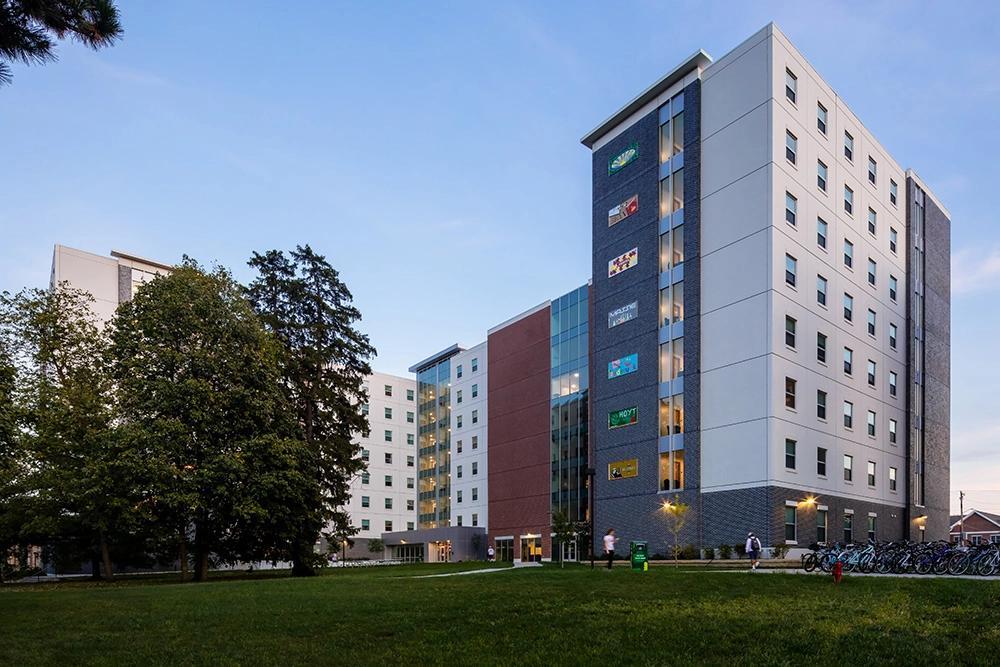
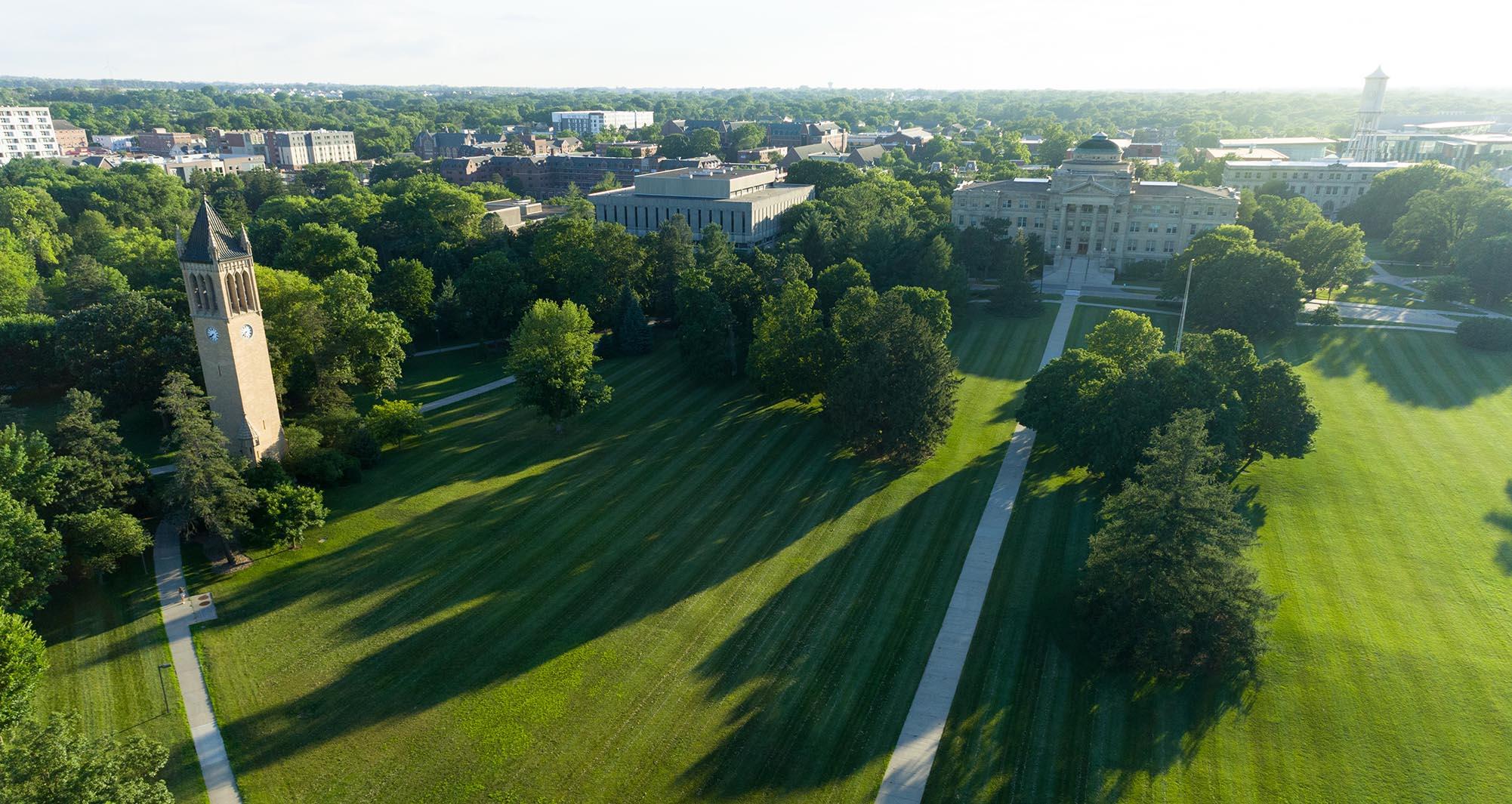
Iowa State's main campus is located in Ames, Iowa, and combines academic buildings, research facilities, libraries, residence halls, green spaces, and recreational amenities.
The university's campus is known for its distinctive architecture, landscaped grounds, and the Campanile, which serves as a recognisable university landmark.
Students can participate in academic societies, student organisations, cultural activities, sports, volunteering, and professional development events. These opportunities can help students develop friendships, explore interests, and build communication and teamwork skills.
International students can benefit from orientation programs and support services that help them understand university expectations and adapt to living in the United States.
Housing availability, campus facilities, and student services can vary according to student category and individual needs. Applicants should investigate residence options and meal plans before arriving.
Practical Learning, Research and Career Development
Iowa State University emphasises learning through discovery, practical experience, and research. Depending on their programs, students may participate in laboratories, design projects, research activities, internships, and collaborative assignments.
Engineering students may gain experience through technical projects and laboratory work. Computing students can develop software applications and explore research problems. Business students may undertake case studies, presentations, and analytical assignments.
Research opportunities can help students develop subject knowledge, critical thinking, and experience working with academic teams. Availability depends on the department, faculty interests, eligibility, and the nature of the project.
Career preparation may include résumé development, interview preparation, networking, and access to career guidance. Students should investigate internship opportunities early and understand any eligibility requirements.
Employment outcomes are not guaranteed. They depend on individual preparation, academic performance, practical experience, employer requirements, and prevailing labour market conditions.
International students must also follow applicable immigration rules when participating in internships or employment in the United States.
Studying in Ames, Iowa
Ames is a university-oriented city in central Iowa. Its connection with Iowa State gives it a strong student community and an environment shaped by education, research, agriculture, technology, and local businesses.
Students can explore parks, cultural activities, local restaurants, community events, and recreational facilities. The city offers a different pace of life from the largest American metropolitan areas, which may appeal to students who prefer a smaller university setting.
Transportation, housing, and employment options should be evaluated according to individual circumstances. Students should research local transit and commuting arrangements before selecting accommodation.
Iowa experiences seasonal weather, including cold winters and warm summers. International students should prepare for changing temperatures, snow, and other local weather conditions.
Accommodation and Living Expenses
Students can investigate university residence halls, university-associated apartments, and private accommodation in Ames.
On-campus housing may offer convenient access to classes, libraries, and student facilities. Private accommodation can provide different levels of independence but may involve additional expenses such as utilities, transport, deposits, and furnishings.
Housing costs depend on the room type, lease duration, meal arrangements, and availability. Students should review housing contracts and cancellation terms before making a commitment.
A realistic financial plan should include tuition, university fees, accommodation, food, insurance, books, transportation, and personal expenses.
The university's estimated cost of attendance provides a useful starting point, but actual spending will vary according to lifestyle, housing choices, and academic requirements.
Student Visa and Immigration Preparation
International students planning to study full-time in the United States generally need to follow the applicable student immigration process.
After admission to an eligible program, students must complete the university's required documentation and demonstrate that they meet the relevant financial and immigration criteria.
Applicants should prepare accurate academic, identity, and financial documents and follow official visa instructions. They should allow enough time for any required appointments and travel arrangements.
Admission to Iowa State University does not guarantee visa approval. Students must independently satisfy the applicable immigration requirements.
International students should also understand the rules governing employment, internships, and practical training during and after their studies. The university's international student advisers and official immigration resources can provide guidance for individual circumstances.
Who Should Consider Iowa State University?
Iowa State University may be suitable for students interested in engineering, computing, business, agriculture, science, design, and research-oriented education.
Its broad academic offerings and emphasis on practical learning can appeal to students who want to develop technical knowledge alongside problem-solving, teamwork, and analytical skills.
The Ames campus may suit applicants who prefer a university-centred environment rather than a large metropolitan setting.
Prospective students should compare program requirements, tuition, scholarships, research opportunities, housing costs, and career goals before making a decision.
Applicants interested in specialised fields should verify the exact curriculum, any additional program charges, and relevant professional accreditation.
Conclusion
Iowa State University combines a longstanding tradition of public higher education with a broad selection of modern academic and research programs. Its opportunities across engineering, computing, business, agriculture, design, and science make it an option for students with varied academic interests.
International applicants should carefully assess their chosen degree, current tuition, scholarship eligibility, admission requirements, accommodation, and immigration obligations before committing to study.
By comparing these factors with their academic background, budget, and professional ambitions, students can make an informed decision about whether Iowa State University is the right choice for their future.
Entry Requirements
General Entry Requirement
IELTS 6.5 overall
Fees & Scholarships
Annual Tuition Fees
USD 23,000 - USD 34,000
Ready to Apply to Iowa State University?
Our advisors guide you from eligibility check to offer letter — at no cost to you.
Join our WhatsApp Community

Scan to join our student community for admission updates & guidance