
Annual FeesUSD 18,400 - USD 30,000
INTO University of South Florida
LocationUS
Entry RequirementIELTS 6.0 overall
Visa Success Rate68%
Campus Photos
INTO University of South Florida
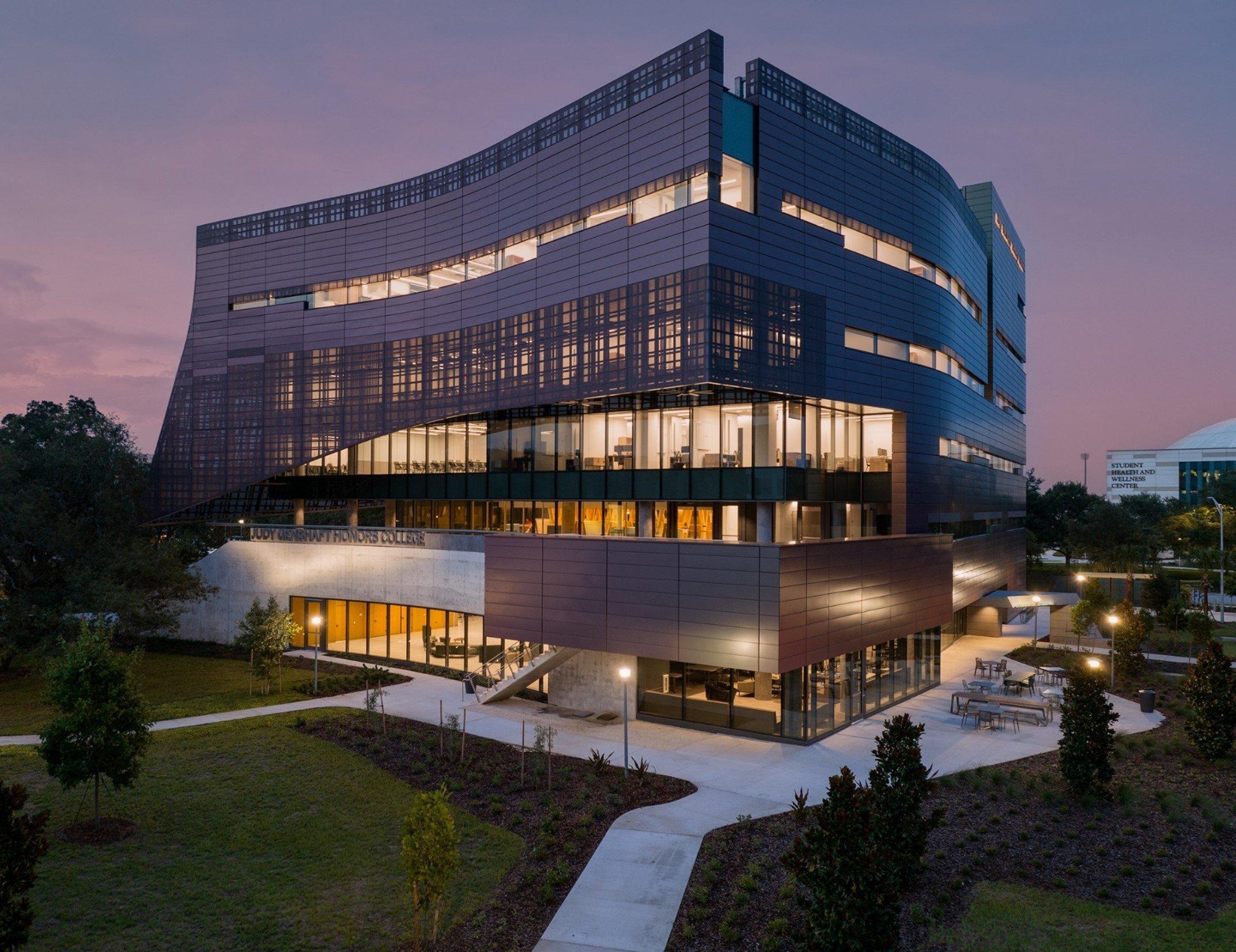
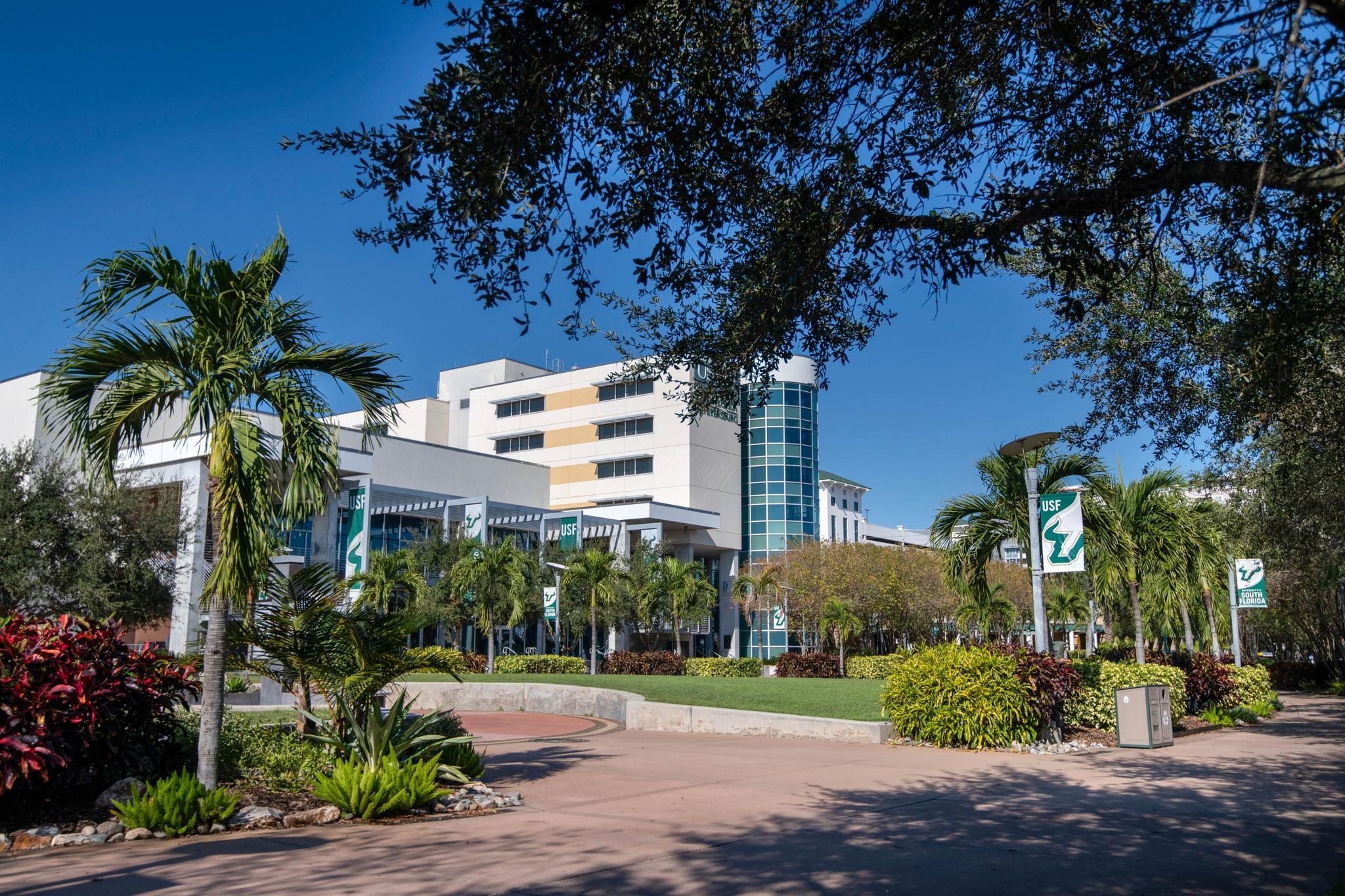
About INTO University of South Florida
INTO University of South Florida: Courses, Fees, Admissions and Student Life
Overview of INTO University of South Florida
The University of South Florida (USF) is a public research university based in Tampa, Florida, United States. It offers a wide range of undergraduate and graduate programs across business, engineering, computing, health, science, education, and other academic disciplines. Its research-oriented environment, diverse student community, and location in the Tampa Bay region make it an option for students seeking higher education in the United States.
The name INTO University of South Florida refers to the international pathway context associated with USF. International pathway programs are designed to help eligible students prepare for university-level study, depending on the program and their academic background. Students should confirm the current availability and structure of any INTO-branded pathway before applying, as pathway arrangements and admission routes can change.
For international students, understanding the distinction between direct university admission and a pathway program is important. Direct admission generally involves applying to a degree program and satisfying its academic and language requirements. A pathway program may provide additional academic preparation or English-language support before progression to a degree, subject to the applicable conditions.
About the University of South Florida
Founded in 1956, the University of South Florida has developed into a major public research institution. Its main campus is located in Tampa, and the university also operates campuses in St. Petersburg and Sarasota-Manatee.
USF offers a broad academic environment that combines classroom teaching, research, practical learning, and professional development. Its programs cover traditional academic disciplines alongside fields connected with emerging technologies, public health, business innovation, and scientific discovery.
The university serves students from many countries and provides international admissions guidance to help applicants understand academic requirements, documentation, funding, and immigration procedures.
Its Tampa location gives students access to a metropolitan region with business, healthcare, technology, tourism, finance, and research activity. These features can complement academic study, although individual internship and employment opportunities depend on eligibility and market conditions.
Academic Programs and Study Options
USF offers undergraduate, graduate, doctoral, and professional programs. The subjects available to a student depend on the selected college, department, degree level, and admission requirements.
Business and Management
Students interested in business can explore areas such as accounting, finance, marketing, management, entrepreneurship, and business analytics.
Business education typically combines foundational concepts with analytical assignments, case studies, teamwork, and decision-making. Students may learn to interpret financial information, understand customer behaviour, evaluate business strategies, and manage organisational challenges.
Graduate students can investigate specialised business degrees according to their professional goals and previous academic preparation. Program requirements, delivery formats, and tuition vary, so applicants should compare individual options carefully.
Computer Science and Information Technology
USF offers computing-related study opportunities for students interested in programming, software development, information systems, and digital technologies.
Depending on the program, coursework may cover algorithms, software engineering, databases, computer systems, networking, and other technical subjects. These areas can provide foundations for careers in software development, systems analysis, information technology, and related fields.
Students should review prerequisites and course structures before applying, particularly if they have not previously studied mathematics, programming, or computer science.
Practical projects and independent learning can complement academic coursework and help students develop a portfolio of technical work.
Engineering
Engineering programs at USF cover several disciplines and combine scientific foundations with technical applications.
Depending on the chosen specialisation, students may explore electrical engineering, mechanical engineering, civil engineering, industrial engineering, computer engineering, or related fields.
Engineering education can involve laboratory work, design assignments, group projects, research, and technical analysis. Students should confirm the requirements and available specialisations for their intended degree.
Those interested in professional engineering careers should also examine applicable accreditation and licensing requirements.
Health and Biomedical Sciences
USF provides academic opportunities in health-related and biomedical fields, including public health, biomedical sciences, nursing, pharmacy, and other specialised areas.
These programs differ considerably in admission requirements, practical training, and professional outcomes. Some health-related degrees may require additional prerequisites, clinical placements, examinations, or professional licensing.
International applicants should check whether their intended qualification prepares them for their preferred career and whether additional requirements apply in the United States or their home country.
Science, Mathematics and Research
Students interested in scientific study can explore areas such as biology, chemistry, physics, mathematics, environmental science, and related research disciplines.
These subjects can support further research, postgraduate study, technical careers, and work requiring analytical or scientific skills.
Research opportunities may allow eligible students to work with faculty members, develop research methods, and investigate specific questions. Availability depends on the department, academic performance, and the nature of the research project.
Education, Social Sciences and Humanities
USF also offers programs in education, psychology, communication, social sciences, and humanities.
These disciplines help students develop critical thinking, research, communication, and an understanding of human behaviour and society. Depending on the course, students may study educational systems, social institutions, language, media, or organisational behaviour.
Applicants should examine the curriculum and career requirements associated with their chosen subject before making a decision.
International Pathway Programs
International pathway programs can provide an alternative entry route for students who need additional academic or English-language preparation before beginning a degree.
The exact structure depends on the program available, the student's qualifications, and the institution's current arrangements. Pathway options may combine subject-specific classes, English-language instruction, academic skills development, and guidance on adapting to university study.
A pathway is not necessarily required for every international applicant. Students who meet the university's direct admission requirements may be able to apply directly to their intended degree.
Before choosing a pathway, applicants should confirm the following:
- Whether the pathway is currently available for their intended intake.
- Which degree programs accept progression from the pathway.
- The minimum academic and English-language requirements.
- The total tuition and additional fees.
- The conditions that must be satisfied to progress to the degree.
- Whether credits earned during the pathway count toward the intended qualification.
Students should obtain written confirmation of these details before committing to a program. They should also understand that completing a pathway does not automatically guarantee progression unless the published conditions are met.
Tuition Fees and Cost of Studying
The cost of studying at USF depends on the academic level, degree, number of credits, tuition classification, housing arrangements, insurance, and other expenses.
International students generally need to budget for non-Florida-resident tuition unless a different classification applies. Graduate tuition can vary by program, and some courses have additional costs.
For students considering an international pathway, the pathway tuition may differ from the standard tuition charged for a university degree. A general university tuition estimate should therefore not be treated as a confirmed pathway price.
Applicants should request a current cost breakdown for their exact program and intake. This should distinguish tuition from mandatory fees, health insurance, accommodation, meals, books, transportation, and personal expenses.
Scholarships and Financial Support
USF provides scholarship opportunities for eligible students, including admissions-based scholarships for qualifying first-year applicants and funding opportunities for some graduate students.
Eligibility depends on the award's criteria, academic record, application timing, degree level, and other conditions. Some awards require separate applications.
Students considering a pathway should confirm whether they qualify for any scholarships and whether those awards apply to pathway tuition, degree tuition, or both.
A scholarship may reduce educational expenses but may not cover every cost. Students should plan for any remaining tuition balance and their living expenses before accepting an offer.
Admission Requirements for International Students
Admission requirements vary according to the degree, pathway, academic level, and applicant's country of education.
Academic Qualifications
Undergraduate applicants generally need secondary school qualifications and official academic records. The university evaluates whether the applicant's educational background meets the requirements for the selected degree.
Graduate applicants normally need a recognised bachelor's degree or an equivalent qualification accepted by the relevant department. Some programs may require a minimum grade point average, prerequisite coursework, recommendation letters, a statement of purpose, or professional experience.
Applicants should prepare transcripts and certificates in the format required by the university. If documents are not in English, certified translations may be necessary.
Pathway programs may have different entry requirements from direct degree admission. Students should confirm the applicable criteria for the specific program rather than assuming that general university requirements apply unchanged.
English Language Proficiency
International applicants may need to demonstrate English-language proficiency through an accepted examination unless they qualify for an applicable exemption.
For direct graduate admission, USF publishes minimum English-language benchmarks, including IELTS Academic 6.5 and Duolingo English Test 110. Other accepted examinations and scoring requirements depend on the university's current policy.
Applicants should verify the requirements for their intended degree and intake. A pathway may have different English-language requirements or offer an alternative route for students who need further preparation.
Meeting an English-language benchmark does not guarantee admission, because academic qualifications and any additional departmental requirements must also be satisfied.
Application Documents
Applicants may need to provide academic transcripts, proof of completed qualifications, English-language test results, a passport, financial documentation, and additional program-specific materials.
Graduate applications may require recommendation letters, a résumé, a statement of purpose, or standardised test results where applicable.
Students should follow the instructions for their applicant category and monitor their application status to identify missing documents or additional steps.
Application Process
Students should begin by deciding whether they qualify for direct admission or would benefit from an international pathway.
The next step is to identify an appropriate program, review its admission criteria, and prepare the required documents. Applicants should submit the relevant application and provide any additional information requested by the university or pathway provider.
After receiving a decision, students should review the admission conditions, deadlines, tuition information, and financial requirements.
International students who need immigration documentation must complete the applicable university procedures and prepare for the appropriate visa process.
Starting early can provide additional time to resolve document issues, arrange funding, investigate accommodation, and prepare for travel.
Campus and Student Life
USF offers a broad university environment with academic facilities, libraries, student organisations, recreational opportunities, and support services.
Students can participate in campus events, cultural activities, student clubs, academic societies, and professional development programs. These experiences can help them develop communication skills, build friendships, and engage with people from different backgrounds.
International students may benefit from orientation activities and services that explain university expectations, campus resources, academic support, and practical arrangements.
Housing availability and campus experiences differ by location and student category. Applicants should confirm which campus they will attend and review the facilities and services available there.
Career Development and Practical Learning
USF's academic programs may include research, practical projects, laboratory activities, internships, or other experiences that connect classroom learning with professional applications.
Students can strengthen their preparation by developing technical skills, participating in relevant projects, improving communication, and seeking appropriate career guidance.
Business students may benefit from analytical projects and professional networking. Computing and engineering students can develop portfolios and practical experience. Students in health and research fields may have opportunities to explore specialised laboratories or supervised learning activities, subject to program requirements.
Internships and employment are not guaranteed. Availability depends on academic eligibility, employer selection, experience, and applicable immigration regulations.
International students must understand the rules governing employment and practical training before accepting any position.
Studying in Tampa, Florida
Tampa is a major city in Florida with a warm climate, a diverse population, and economic activity across healthcare, finance, technology, tourism, education, and other industries.
Students can explore parks, cultural attractions, local events, waterfront areas, and recreational activities while studying. The Tampa Bay region also provides access to a range of professional and community environments.
Living expenses vary according to housing, transportation, lifestyle, and personal needs. Students should research current rental costs and transport arrangements rather than relying on general city averages.
Florida's warm weather can be attractive to some students, although summer heat, humidity, and seasonal storms are important considerations. International students should prepare for local weather conditions and follow official safety guidance when necessary.
Accommodation and Living Expenses
Students may explore university residence halls, off-campus apartments, shared accommodation, and other housing arrangements.
On-campus housing can provide convenient access to classes and university facilities, while private accommodation may offer different levels of flexibility and independence.
The total cost depends on location, room type, lease length, utilities, meal plans, and transportation. Students should review the terms of any housing agreement before paying a deposit.
A realistic budget should include tuition, mandatory fees, housing, food, insurance, books, transport, and personal expenses.
International students should also retain funds for unexpected costs and confirm the financial documentation required for immigration purposes.
Student Visa and Immigration Preparation
International students who intend to study full-time in the United States generally need to follow the appropriate immigration process for their program and circumstances.
After admission to an eligible program, students must complete the required documentation and demonstrate that they meet the applicable financial and immigration criteria.
Students should follow official instructions for their visa category, prepare accurate documents, and allow enough time for any required appointments.
Admission to USF or participation in a pathway program does not guarantee visa approval. Students must satisfy the relevant immigration requirements independently.
International students should also understand restrictions on employment, internships, and practical training during and after their studies. They should seek guidance from the university's international student services and consult official immigration information when necessary.
Who Should Consider INTO University of South Florida?
Students interested in studying at USF may consider an international pathway if they need additional academic or English-language preparation before entering a degree program.
The university's broad selection of academic disciplines can appeal to students interested in business, computing, engineering, health sciences, research, and other fields.
Its Tampa location may suit applicants who prefer a large university environment in a major Florida city.
Before applying, students should compare direct admission with pathway options, verify current program availability, confirm tuition, and understand progression requirements. They should also assess living expenses, scholarship eligibility, academic expectations, and long-term career goals.
The most suitable option will depend on the student's qualifications, financial circumstances, intended degree, and readiness for university-level study.
Conclusion
The University of South Florida offers a wide range of academic and research opportunities in a large public university environment. For international students, direct admission and pathway-based study may represent different routes toward a degree, depending on academic qualifications and English-language preparation.
Students considering an INTO-associated pathway should confirm its current availability, progression conditions, tuition, and eligibility requirements before making a decision.
Careful planning around admission, finances, accommodation, and immigration requirements can help prospective students determine whether studying at USF aligns with their academic interests and professional objectives.
Entry Requirements
General Entry Requirement
IELTS 6.0 overall
Fees & Scholarships
Annual Tuition Fees
USD 18,400 - USD 30,000
Ready to Apply to INTO University of South Florida?
Our advisors guide you from eligibility check to offer letter — at no cost to you.
Join our WhatsApp Community

Scan to join our student community for admission updates & guidance