
Annual FeesUSD 48,000 - USD 54,000
The University of Oklahoma
LocationUS
Entry RequirementIELTS 6.5 overall
Visa Success Rate70%
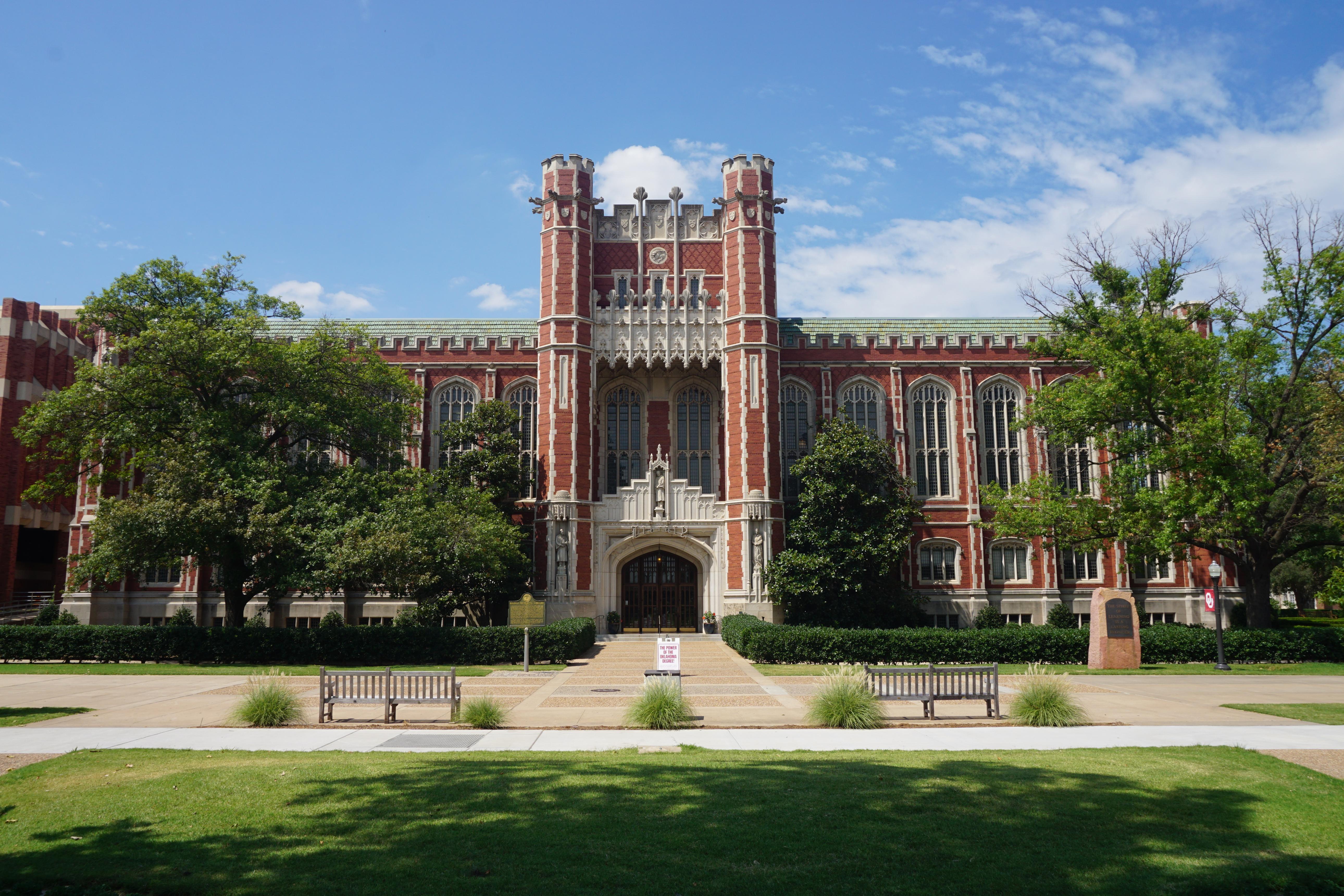
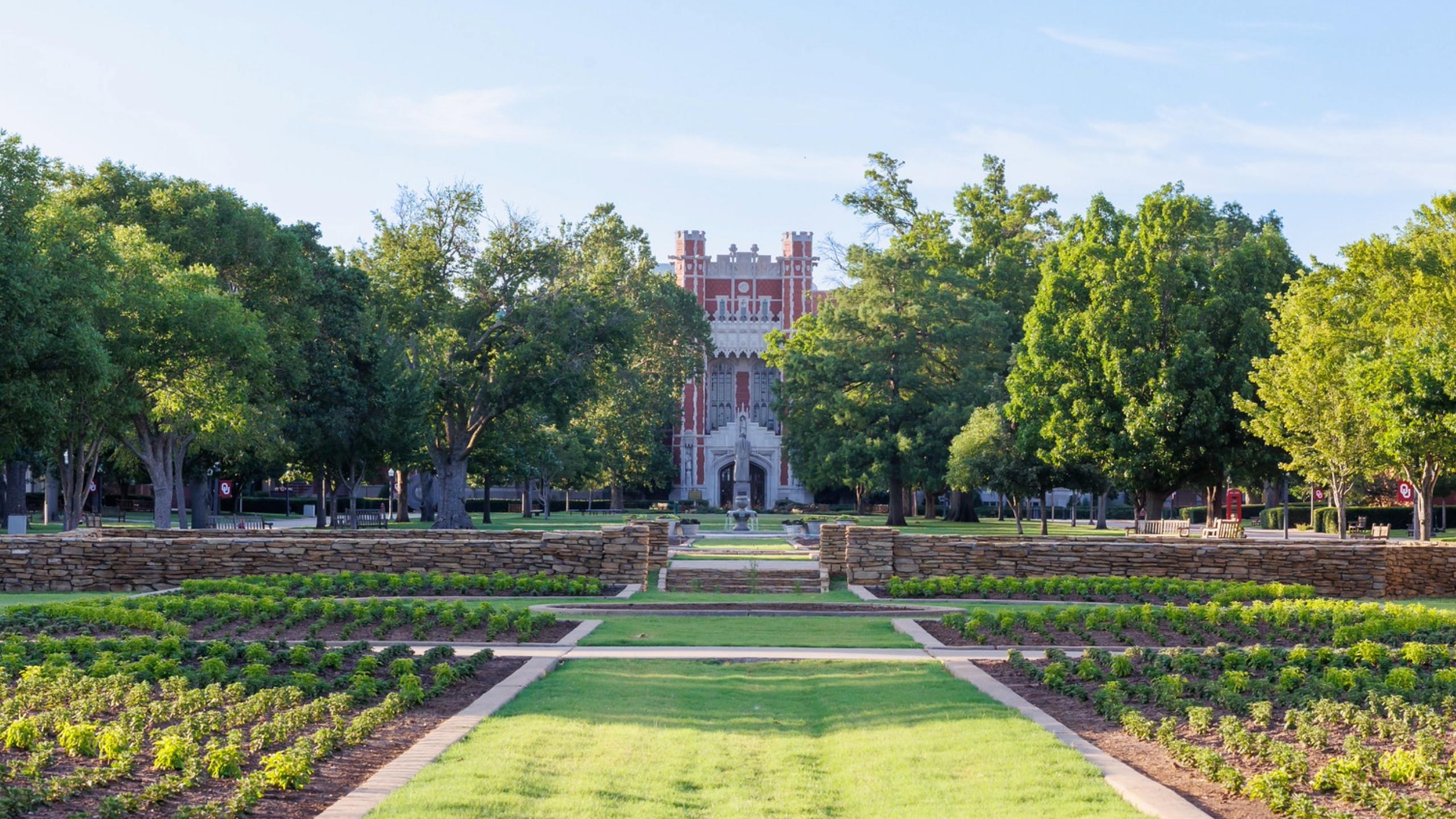
Campus Photos
The University of Oklahoma
About The University of Oklahoma
The University of Oklahoma: Programs, Admissions, Tuition and Student Life
Overview of The University of Oklahoma
The University of Oklahoma (OU) is a public research university located in Norman, Oklahoma, United States. Known for its academic programs, research activity, campus traditions, and student community, the university offers opportunities for students interested in a wide range of undergraduate and graduate fields.
Established in 1890, before Oklahoma became a state, the university has developed into a major educational institution with a broad academic portfolio. Its main campus in Norman combines traditional collegiate architecture with modern classrooms, research facilities, libraries, student accommodation, and spaces for recreation and community activities.
The University of Oklahoma attracts students from across the United States and around the world. International students can explore academic pathways in areas such as business, engineering, computer science, natural sciences, communication, education, social sciences, and the humanities. The university's research environment also gives students opportunities to engage with projects that connect academic knowledge to practical challenges.
Students researching American universities may encounter OU through its direct admissions process or through international education pathway options associated with INTO. The available route depends on the student's academic background, English-language preparation, intended degree, and admission eligibility. Applicants should confirm which pathway is currently available for their chosen program before applying.
Location and Campus Environment
The University of Oklahoma's main campus is located in Norman, a city in central Oklahoma approximately 20 miles south of Oklahoma City. Norman offers a college-town environment with restaurants, shopping areas, parks, cultural attractions, and services that support university students.
The campus is an important part of student life. Its academic buildings, libraries, green spaces, residence facilities, and student gathering areas provide places to study, participate in university activities, and connect with other students. Campus events and student organizations help create opportunities for students to develop friendships beyond their academic departments.
Norman's location also gives students access to the wider Oklahoma City metropolitan area. Students can explore additional entertainment, cultural attractions, professional events, and employment opportunities while benefiting from the university-focused atmosphere of Norman.
For international students, choosing a university involves more than comparing academic rankings or tuition fees. The surrounding community, transportation options, housing arrangements, climate, and access to everyday services can all affect the student experience. Prospective students should research the campus location and understand how they will travel between their accommodation, classes, shopping areas, and other essential destinations.
Oklahoma experiences seasonal weather, including hot summers and cooler winters. Students arriving from other countries may need to prepare for weather conditions that differ considerably from those at home.
Academic Programs and Study Opportunities
The University of Oklahoma offers a broad selection of undergraduate and graduate programs through its academic colleges and schools. Students can explore fields according to their interests, previous education, and longer-term career goals.
Business and Management
Business-related studies are relevant to students interested in finance, accounting, management, marketing, entrepreneurship, and organizational leadership. These subjects introduce students to how companies operate, how financial decisions are made, and how organizations respond to changing markets.
Depending on the degree and course selection, students may study business strategy, economics, data-informed decision-making, financial management, and professional communication. Students interested in management careers should compare the curriculum, internship opportunities, and any specialization options offered by their intended program.
Engineering and Technology
Engineering education combines scientific principles, mathematical reasoning, design, and practical problem-solving. Students interested in engineering should review the available disciplines, prerequisite subjects, laboratory requirements, and any additional admission criteria.
Technology-oriented study can be suitable for students who enjoy analytical work and developing solutions to complex problems. Depending on the program, students may encounter programming, computational methods, systems analysis, technical design, and research-based projects.
Applicants should check individual departmental requirements rather than assuming that all engineering or technology degrees follow the same admissions process.
Computer Science and Computing-Related Fields
Students interested in computing can investigate programs connected to software, algorithms, information systems, computational problem-solving, and related technical areas where offered. Computer science education typically requires logical reasoning, mathematical preparation, and a willingness to develop practical skills through sustained practice.
Students planning careers in software development, technology consulting, data-related roles, or research should compare course content and opportunities to work on projects. Building a portfolio, completing relevant internships, and developing communication skills can complement academic study.
The exact program title, course availability, and eligibility criteria should be confirmed through the university's current academic catalogue.
Natural Sciences and Mathematics
The university provides opportunities for students interested in scientific investigation, quantitative reasoning, and research. Depending on the selected department, students may study subjects such as biology, chemistry, physics, mathematics, or other scientific disciplines.
Scientific programs can involve lectures, laboratory sessions, independent assignments, and research activities. Students considering these fields should review the required school subjects, laboratory preparation, and any progression requirements that apply to their intended major.
Communication, Humanities and Social Sciences
Students interested in society, culture, language, media, politics, history, and human behaviour can explore programs across relevant academic departments. These disciplines help students develop research, critical-thinking, writing, presentation, and analytical skills.
Such skills may be useful in communications, public service, education, research, policy-related work, and a variety of private-sector roles. Career outcomes depend on the student's specialization, practical experience, further qualifications, and the requirements of the chosen profession.
Graduate Study and Research
Graduate education is designed for students who want to develop advanced subject knowledge, conduct research, or prepare for specialized professional work. The university's graduate offerings span multiple academic fields, although requirements differ substantially between departments and degree levels.
Some programs may require a relevant undergraduate degree, prerequisite coursework, academic references, a statement of purpose, standardized test results where applicable, or other supporting materials. Research-oriented degrees may also involve identifying a suitable research area or meeting departmental expectations before admission.
Students should review each graduate program separately because the university-wide international admissions requirements do not necessarily cover every department-specific requirement.
International Admissions Requirements
International applicants must prepare their academic and personal documentation carefully. The exact requirements depend on whether the student is applying for an undergraduate degree, a graduate program, or an available international pathway.
For direct international undergraduate admission, the university generally requires official academic transcripts from each institution attended, proof of English proficiency when applicable, and the biographical information page of the applicant's passport. Financial documentation is also important for international students who need immigration documents to study in the United States.
Applicants should prepare the following materials where applicable:
- Academic transcripts and educational records.
- A valid passport biographical information page.
- Accepted English-language proficiency evidence, unless an approved exemption applies.
- Financial documents demonstrating sufficient funding for estimated academic and living expenses.
- Additional documents requested by the selected academic department or pathway.
- Application information and supporting records submitted through the designated application process.
Documents should be complete, accurate, and consistent. Applicants should check whether official records must be sent directly by their previous institutions, whether translations are required, and whether additional documents are needed for their chosen degree.
English-Language Proficiency
Applicants whose first language is not English may need to demonstrate proficiency through an accepted test or another approved method.
The university's published undergraduate requirements include IELTS Academic, the Duolingo English Test, Pearson Test of English Academic, and TOEFL iBT. Published minimums include IELTS 6.5, Duolingo 100, PTE Academic 53, and TOEFL iBT 79 under the scoring system used before January 21, 2026. TOEFL tests taken on or after that date use a revised scoring scale, so applicants must consult the university's current requirements for the appropriate minimum and subsection expectations.
These figures should not automatically be applied to every graduate program or international pathway. Graduate departments can have different requirements, and a pathway may have its own entry conditions. Applicants should verify the requirements for their specific route and intended start term before booking an English test.
Students who do not yet meet the university's English-language requirement may wish to investigate whether an appropriate English-language preparation route is available. Completing a language program does not automatically guarantee admission to a degree; students must satisfy the applicable academic and progression requirements.
Understanding the INTO Pathway Option
International students researching The University of Oklahoma may also find information about INTO-related study options. International pathway programs are designed to help eligible students prepare for university-level study and navigate the transition into a new educational environment.
Depending on the current offering, a pathway may combine academic preparation, English-language support, study skills, and subject-related coursework. These programs can be useful for students whose qualifications or language preparation do not align directly with standard degree-entry requirements.
However, applicants should not assume that every major, degree level, or intake is available through a pathway. They should confirm the current program list, entry requirements, progression conditions, duration, and total cost with the relevant provider.
Students should also distinguish between conditional progression and guaranteed admission. Any progression to a degree will depend on the terms of the pathway and whether the student meets the required academic, language, and other conditions.
Before accepting an offer, students should ask for a written explanation of the program structure, the degree to which the pathway leads, the applicable tuition charges, and any additional fees.
Tuition Fees and Estimated Cost of Attendance
The total cost of studying at The University of Oklahoma depends on the degree, academic level, course load, accommodation, meal arrangements, insurance, and personal spending. International students should budget for more than tuition alone.
For the 2026–27 academic year, INTO's published undergraduate estimate lists annual tuition and fees of approximately USD 34,414. Estimated housing costs range from USD 10,668 to USD 11,268, while meal costs range from USD 6,330 to USD 6,930. The listed annual insurance estimate is USD 2,714.
Based on these figures, the estimated total annual cost is approximately USD 54,126 to USD 55,326 for the undergraduate estimate. These figures are planning estimates and may change. They should be checked against the student's actual offer, degree, and accommodation arrangements.
Graduate costs differ by program. INTO's published estimate lists graduate tuition and fees ranging from approximately USD 18,684 to USD 36,971 per year, with an estimated overall annual cost of USD 38,396 to USD 57,883 after the listed housing, meals, and insurance estimates are included.
These graduate figures are not a universal price for every graduate degree. Programs with different tuition structures, laboratory expenses, professional fees, or other charges may cost more or less.
Additional Expenses to Consider
Students should prepare a broader budget that accounts for expenses not necessarily included in a headline annual estimate. These may include:
- Books, course materials, and required equipment.
- Personal spending and mobile phone service.
- Local transportation and occasional travel.
- Initial accommodation deposits and move-in expenses.
- Clothing and seasonal necessities.
- Health-related costs not covered by insurance.
- Visa-related expenses and travel to the United States.
Students should also understand how tuition is billed, which fees are mandatory, and whether insurance is included in their specific program estimate. Exchange-rate changes can affect the amount paid in the student's home currency.
A realistic budget should cover the full period of study rather than only the first semester. Students who plan to live off campus should compare rent, utilities, food, transportation, and other expenses before making a housing decision.
Scholarships and Financial Planning
Scholarships can reduce the overall cost of university education, but eligibility varies by academic level, program, student background, and application timing.
INTO's published scholarship information lists undergraduate academic scholarship opportunities with maximum values in the approximate range of USD 9,000 to USD 17,000 per year. It also lists transfer academic scholarships of approximately USD 5,000 to USD 9,000 per year and a one-time transfer leadership award of USD 2,000.
These figures describe listed opportunities, not an award that every student will receive. Scholarship amounts, eligibility rules, renewal conditions, and availability should be verified for the intended entry term. Graduate students should investigate funding options relevant to their individual departments and programs.
Applicants should review scholarship deadlines early and determine whether a separate application is required. Some awards may depend on academic performance or other criteria, and continued eligibility may require students to maintain specified standards.
Financial planning should not rely on a scholarship until the student has received confirmation of the award and understands its conditions. Students who need to provide financial evidence for immigration purposes should confirm which funds and documents the university accepts.
Student Life and Campus Experience
University life extends beyond lectures and examinations. Students can take part in campus activities, student organizations, cultural events, recreational opportunities, and academic communities.
For international students, joining clubs and participating in campus events can help develop friendships and create a stronger sense of belonging. It can also provide opportunities to practise communication skills, explore interests, and learn about different cultures.
Academic support services, libraries, advising resources, and other campus facilities can help students adjust to the expectations of university-level study. Students should learn how to access these resources soon after arriving.
Campus traditions and sporting events also form part of the university experience. Students who enjoy athletics, music, arts, or community activities may find ways to engage with campus life outside their academic programs.
International students should remember that adapting to a new country takes time. Building a routine, maintaining communication with family, understanding campus services, and asking for help when needed can make the transition easier.
Accommodation and Daily Living
Students should arrange housing early enough to understand their options before travelling. Depending on availability and eligibility, students may investigate university residence halls, other university-affiliated accommodation, or private housing in Norman.
Each option has different costs and responsibilities. Students should compare the rental amount, meal arrangements, utilities, internet access, transportation, contract length, and any deposits or additional charges.
On-campus housing can provide proximity to academic buildings and opportunities to meet other students. Off-campus housing may offer different levels of privacy, independence, and flexibility, but students must evaluate commuting arrangements and additional expenses.
Before signing a housing agreement, students should read the terms carefully, confirm what is included in the quoted price, and understand cancellation policies. Students arriving from overseas should be cautious about sending money before verifying the legitimacy of a housing provider.
Career Development and Future Opportunities
The University of Oklahoma's academic environment can help students build the knowledge and skills needed for future professional opportunities. The relevance of a particular degree depends on the student's field, practical experience, performance, and career plans.
Students can strengthen their preparation by developing technical or subject-specific skills, improving professional communication, building a portfolio where relevant, and seeking internships or research opportunities when eligible.
Career planning should begin before the final semester. Students can investigate the roles associated with their degree, learn what employers expect, and use available university resources to prepare résumés, practise interviews, and build professional networks.
International students should also understand the rules governing employment during study and after graduation. Work authorization in the United States depends on immigration status and the applicable regulations. Students should obtain guidance from the university's international student services team before accepting employment or making plans based on a particular work option.
A university qualification can provide a foundation for career development, but employment is not guaranteed. Students should evaluate the program's curriculum, experiential learning opportunities, and relevance to their intended career rather than relying on general promises about outcomes.
Student Visa and Pre-Departure Preparation
International students who intend to study in the United States must complete the appropriate immigration process. For students entering in F-1 status, the university's international student services team provides information about the required documentation and the process for obtaining the Form I-20 after admission and submission of acceptable financial evidence.
Students should follow the official instructions applicable to their individual situation. Admission to a university and issuance of an immigration document do not by themselves guarantee visa approval.
Before travelling, students should confirm their passport validity, required immigration documents, arrival arrangements, accommodation, health insurance, and any university check-in procedures. They should also keep copies of important records and understand the instructions provided by the university.
Applicants should allow sufficient time for document review, visa processing, travel planning, and any required arrangements in their home country. Deadlines and processing times can vary, so early preparation is important.
How to Apply to The University of Oklahoma
A structured application process can help prospective students avoid unnecessary delays.
Step 1: Choose a degree or pathway. Identify the academic field, level of study, and intended entry term. Confirm whether direct admission or an available pathway is appropriate.
Step 2: Review the admission criteria. Check academic prerequisites, English-language requirements, deadlines, and any department-specific conditions.
Step 3: Prepare supporting documents. Gather academic records, passport information, English test results where required, and any additional materials requested.
Step 4: Submit the application. Use the official application route for the selected degree or pathway and provide accurate information.
Step 5: Review the financial requirements. Calculate tuition, housing, meals, insurance, and personal expenses. Prepare acceptable financial documents according to the university's instructions.
Step 6: Review the admission decision. Read the offer carefully, including any conditions, deadlines, deposits, and instructions for confirming enrolment.
Step 7: Complete immigration and arrival arrangements. Follow the applicable instructions for the Form I-20 and visa process, arrange accommodation, and prepare for orientation and arrival.
Applicants should retain copies of submitted documents and check their application status regularly. If a requirement is unclear, they should contact the relevant admissions team rather than relying on assumptions.
Conclusion
The University of Oklahoma offers a broad academic environment in Norman, Oklahoma, with undergraduate and graduate study opportunities across a variety of fields. Its campus setting, research activities, student organizations, and access to the wider Oklahoma City area may appeal to students seeking an American university experience.
For international applicants, the most important considerations include selecting the right academic program, meeting admission and English-language requirements, understanding the available pathway options, and planning for tuition and living expenses. The published 2026–27 INTO estimates provide a useful starting point, but individual costs and eligibility should be confirmed before a final decision.
Students who compare programs carefully, prepare documents early, and create a realistic financial and academic plan will be better positioned to assess whether The University of Oklahoma fits their educational goals.
Entry Requirements
General Entry Requirement
IELTS 6.5 overall
Fees & Scholarships
Annual Tuition Fees
USD 48,000 - USD 54,000
Ready to Apply to The University of Oklahoma?
Our advisors guide you from eligibility check to offer letter — at no cost to you.
Join our WhatsApp Community
.jpeg)
Scan to join our student community for admission updates & guidance