
Annual FeesUSD 13,000 - USD 25,000
INTO Marshall University
LocationUS
Entry RequirementIELTS 6.5 overall
Visa Success Rate70%
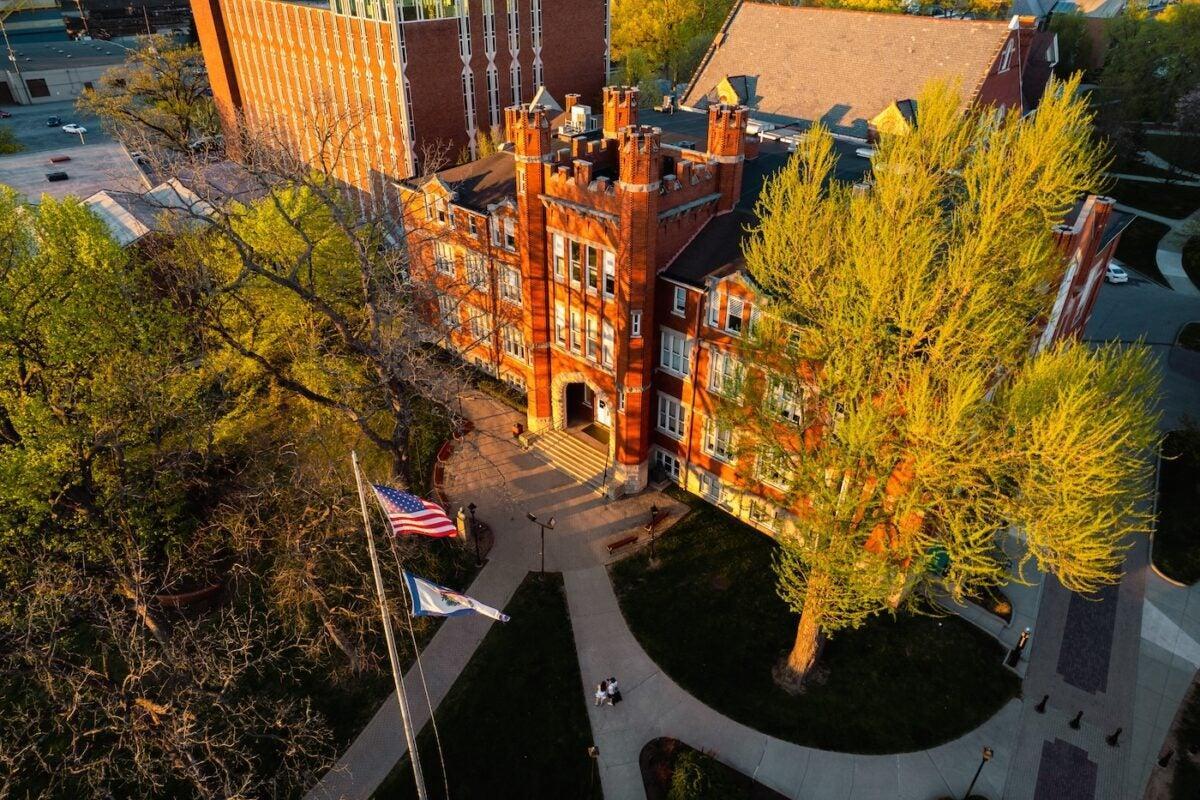
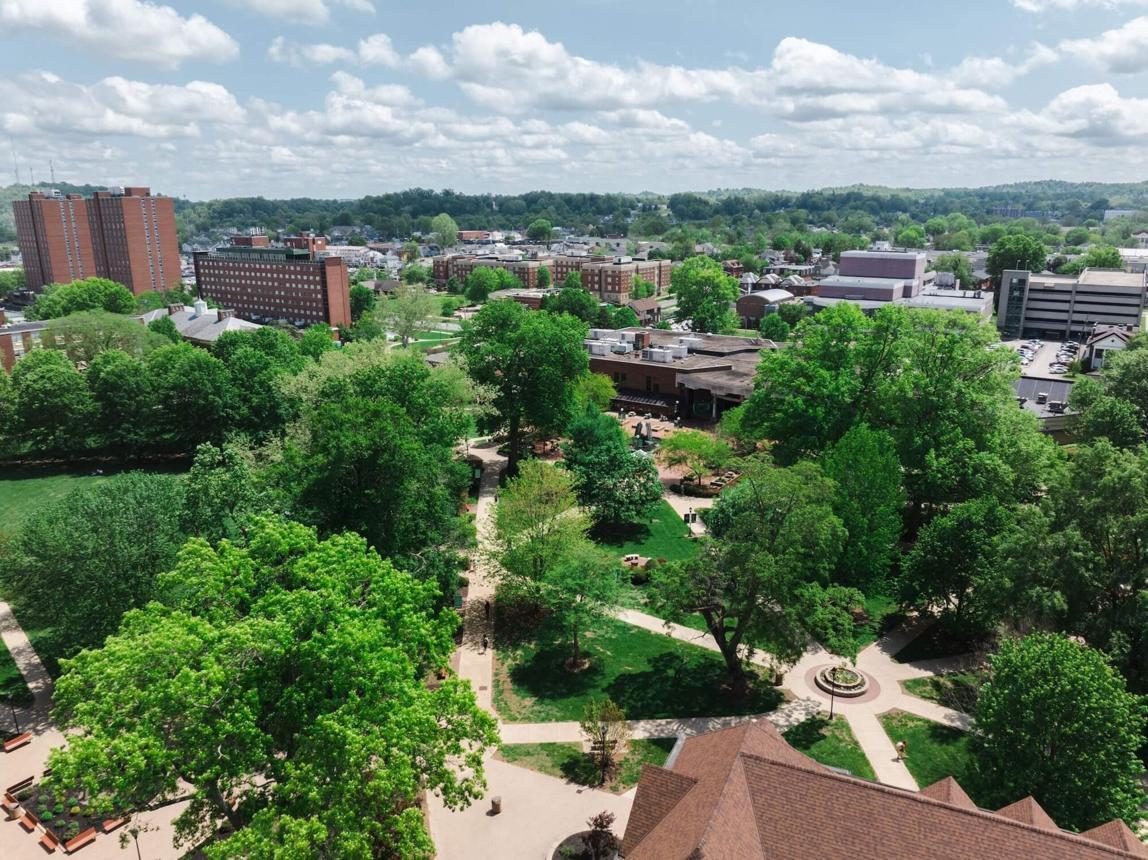
Campus Photos
INTO Marshall University
About INTO Marshall University
INTO Marshall University: Programs, Fees, Admissions and Campus Life
University Overview
Marshall University is a public university located in Huntington, West Virginia, United States. Known for its academic programs, student-focused environment, research opportunities, and strong community connections, the university attracts students interested in undergraduate and graduate education in a range of disciplines.
For international students, studying at an American university involves more than selecting a degree. Applicants must understand academic entry requirements, English-language proficiency, tuition fees, immigration documentation, accommodation, and the transition to a new educational and cultural environment. Students exploring an INTO-related pathway should confirm which pathway options are currently available for their intended course and intake before applying.
Marshall University offers an academic setting where students can develop subject knowledge, build practical skills, participate in campus activities, and prepare for future employment or further study. Its location in Huntington also provides an opportunity to experience life in a smaller American city while pursuing a university qualification.
Marshall University at a Glance
| Particular | Details |
|---|---|
| University Name | Marshall University |
| Institution Type | Public university |
| Location | Huntington, West Virginia, USA |
| Study Levels | Undergraduate and graduate |
| Academic Areas | Business, engineering, science, health, education, arts, humanities and other disciplines |
| Learning Environment | Campus-based learning, research and practical academic experiences |
| International Applicants | Undergraduate and graduate international applications are available |
| Main Language of Instruction | English |
| Currency | US Dollar (USD) |
| Academic Costs | Depend on program, study level, residency classification and additional fees |
| Student Support | International admissions and international student services |
| Pathway Availability | Confirm current INTO-branded options directly before applying |
About Marshall University
Marshall University has an established presence in West Virginia and serves students pursuing a variety of academic and professional goals. Its educational approach combines classroom instruction with opportunities for research, practical learning, student involvement, and professional development.
Students can explore academic disciplines ranging from business and technology to health professions, education, science, communication, and the liberal arts. The university's colleges and academic departments provide subject-specific learning environments, with course structures and practical requirements varying according to the chosen program.
For international students, the university experience can provide an opportunity to develop independence, improve communication skills, and learn alongside people from different backgrounds. Studying in the United States can also introduce students to different teaching methods, assessment approaches, and expectations for academic participation.
Applicants should review the curriculum and admission criteria for their intended degree rather than relying only on general university information. Some programs may have additional prerequisites, competitive selection procedures, or professional requirements.
Academic Programs and Study Options
Marshall University offers undergraduate and graduate education across multiple academic areas. The availability of a particular degree, its admission requirements, and its course structure should be checked for the intended intake.
Business and Management
Students interested in business can explore areas such as accounting, finance, management, marketing, economics, and related subjects, depending on the current program catalogue.
Business education can help students understand organisational operations, financial decision-making, customer behaviour, leadership, and strategic planning. Coursework may include case studies, presentations, group projects, written assignments, and quantitative analysis.
These experiences can support career interests in corporate management, financial services, marketing, consulting, entrepreneurship, and other business-related fields. Students should examine individual course requirements and available concentrations before deciding which degree best fits their goals.
Engineering and Computer Science
Engineering and computing are relevant options for students interested in technical problem-solving, innovation, and technology-driven industries. Depending on the degree, academic study may involve programming, mathematics, engineering principles, laboratory work, technical projects, and analytical methods.
Students considering these fields should check prerequisite subjects carefully. Certain programs may expect specific mathematics or science preparation, and individual departments may have additional academic or admission requirements.
Prospective applicants should also review opportunities for research, project-based learning, and practical experience associated with their intended program.
Science and Mathematics
Science-related study can suit students interested in scientific investigation, data analysis, experimentation, and research. Depending on the department, options may include disciplines within biological sciences, chemistry, physics, mathematics, and related areas.
Students may encounter laboratory sessions, research assignments, statistical analysis, and collaborative academic projects. These experiences can support further study or career development in research, education, laboratory work, and other science-related fields.
Program selection should be based on the student's academic background, preferred subject, and long-term plans.
Health Professions
Health-related education is an important option for students interested in healthcare, clinical practice, health services, and related professional areas.
Admission to health programs can involve additional requirements beyond general university admission. These may include prerequisite coursework, clinical eligibility criteria, specific documentation, or competitive selection.
Students should distinguish between academic degrees that provide general health-sector knowledge and programs that prepare graduates for regulated professional practice. Licensing and employment requirements can differ between the United States and other countries.
Arts, Humanities and Communication
Students interested in communication, creative work, culture, society, and human behaviour may explore programs in arts, humanities, media, and related subjects.
These disciplines can help develop research, writing, critical thinking, presentation, and communication skills. Depending on the course, students may complete essays, creative assignments, presentations, collaborative projects, and independent research.
Graduates may pursue opportunities in communication, media, education, public service, creative industries, or further academic study.
Education and Professional Development
Education-related programs can appeal to students interested in teaching, learning, educational leadership, and professional development. Program structures differ according to the qualification and intended career.
Applicants seeking a teaching or other regulated professional role should check the relevant certification and licensing rules. Completing a degree does not automatically guarantee eligibility for professional certification in the United States or another country.
Undergraduate and Graduate Study
Undergraduate Programs
Undergraduate degrees are designed for students beginning university-level study or transferring from another recognised institution. Admission generally considers previous academic performance and completion of the required secondary education.
Students should review the prerequisites for their intended major, the required school subjects, English-language requirements, and any additional documentation requested by the university.
The length of a degree depends on the qualification, course structure, credit recognition, and individual academic progress. Transfer students should confirm whether previously completed credits can be evaluated and accepted.
Graduate Programs
Graduate study is intended for students who have completed an appropriate undergraduate qualification and want to specialise, develop advanced knowledge, or pursue research.
Admission requirements vary by department and degree. Applicants may need official university transcripts, evidence of degree completion, proof of English proficiency, and additional materials specified by their chosen program.
Some graduate courses may request a résumé, statement of purpose, recommendation letters, research proposal, or other supporting documents. These should only be prepared when required by the relevant department.
Students considering graduate education should compare curriculum details, total tuition, research opportunities, and career relevance before selecting a program.
International Admissions Requirements
International applicants should identify the correct application category before beginning the admissions process. Marshall University accepts international undergraduate and graduate applicants, and the requirements differ according to student type and academic level.
Academic Qualifications
Undergraduate applicants generally need to provide official records of their secondary education, including transcripts and evidence of completion where applicable.
Graduate applicants normally need to demonstrate completion of an appropriate bachelor's degree from an accepted institution. Additional academic prerequisites may apply to particular courses.
Applicants whose previous education took place outside the United States may be required to arrange an official evaluation of their postsecondary academic credentials through an accepted credential evaluation organisation. Students should follow the university's document-submission instructions carefully.
English-Language Proficiency
International applicants may need to demonstrate English proficiency through an accepted examination or another method recognised by the university.
The required test, minimum score, and any exemptions depend on the university's current policy and the intended program. Students should verify the applicable criteria before booking an examination.
Meeting a general English-language requirement does not necessarily satisfy every department's expectations. Certain courses may have additional communication, writing, or professional requirements.
Supporting Documents
Depending on the application category, applicants may need to submit:
- Completed university application
- Official academic transcripts and certificates
- Proof of English-language proficiency
- Passport identification details
- Credential evaluation, when required
- Additional program-specific documents
- Financial and immigration documentation at the appropriate stage
Documents should be submitted in the format and through the process specified by the university. Applicants should retain copies of their records and allow enough time for official documents to arrive.
INTO Pathway Options and Preparation
Students researching an INTO-branded route should first confirm whether a current pathway agreement exists for Marshall University and whether it covers their intended course and intake.
An international pathway program, where available, can provide a structured route toward degree-level study. Depending on the specific program, it may combine subject preparation, academic English, study skills, and introductory coursework. However, pathway structures and progression conditions differ between institutions and programs.
Before enrolling in any pathway, students should obtain written confirmation of the following:
- The exact name and duration of the pathway
- The institution delivering the program
- The tuition and additional fees
- The English-language and academic entry requirements
- The conditions for progression to the intended degree
- Whether successful completion guarantees progression or requires a further assessment
- The applicable refund and withdrawal policies
Students should not assume that a pathway is available simply because a university is mentioned in an international education listing. They should confirm the relationship and current program details with the university and the relevant pathway provider.
Tuition Fees and Cost of Studying
The cost of studying at Marshall University depends on the student's degree level, program, credit load, and applicable fees. International students should calculate the full cost of attendance rather than considering tuition alone.
For the 2026–2027 academic year, Marshall University's published undergraduate tuition and fees list a standard non-resident full-time semester amount of approximately USD 10,219 before certain program-specific additional fees. This is a general university rate, not a confirmed INTO pathway price, and graduate costs can differ.
Students should verify the applicable rate for their particular program and intake before making financial commitments.
Additional Living Expenses
In addition to tuition, international students should budget for:
- Accommodation and utilities
- Food and groceries
- Books, course materials and supplies
- Health insurance and medical expenses
- Local transport
- Personal expenses
- Travel to and from the United States
- Visa-related and other applicable charges
Actual expenses depend on accommodation choices, lifestyle, course requirements, and individual circumstances. Students should use the university's current cost-of-attendance information to prepare a realistic annual budget.
Scholarships and Financial Assistance
Scholarship availability depends on eligibility, academic achievement, program requirements, funding conditions, and the student's admission category.
International applicants should investigate university scholarships and any awards for which they may qualify. Some awards may require a separate application, while others may be considered as part of the admissions process.
Students should confirm whether an award applies to their intended degree, whether it can be renewed, and what academic performance is required to retain it.
A financial plan should not depend on an unconfirmed scholarship. Applicants should prepare a budget based on funding they can reasonably demonstrate and verify all award conditions before accepting an offer.
How to Apply to Marshall University
A well-organised application process can help students avoid missing documents and deadlines.
Step 1: Select a Program
Identify the intended degree and academic department. Review the course curriculum, entry requirements, duration, and career relevance.
Step 2: Confirm the Application Route
Determine whether the application is for undergraduate study, transfer admission, graduate study, or a separately verified pathway program. Each route may have different requirements.
Step 3: Review Entry Criteria
Check academic prerequisites, English-language requirements, document evaluation rules, and any additional department-specific conditions.
Step 4: Prepare the Documents
Collect academic transcripts, certificates, identification details, English-language test results, and other requested materials. Arrange official document delivery when necessary.
Step 5: Submit the Application
Complete the relevant application form and follow the university's instructions for supporting documents and any applicable charges.
Step 6: Monitor the Application
Check the application portal and email regularly. Respond promptly to requests for missing documents or additional information.
Step 7: Review the Admission Decision
Read the offer carefully and check any conditions that must be met before enrolment. Confirm the program, intake, costs, deadlines, and required next steps.
Step 8: Prepare for Arrival
After admission, follow the university's instructions for financial documentation, immigration paperwork, housing, orientation, and enrolment. International students should allow sufficient time for visa procedures.
Campus Facilities and Learning Environment
Marshall University's campus in Huntington provides an environment for academic study, student interaction, and university activities.
Students can make use of learning spaces, academic support resources, libraries, student facilities, and departmental resources available to their enrolled program. Access and services can vary by facility, course, and university policy.
Campus life can also include student organisations, events, recreational activities, and opportunities to connect with other students. Taking part in these activities can help international students become familiar with the campus and develop friendships beyond the classroom.
Students who prefer to explore before arrival can investigate available campus tours and virtual resources. These can help them understand the layout of the university and identify the facilities most relevant to their course.
Student Life in Huntington, West Virginia
Huntington offers an opportunity to experience university life in a city in West Virginia. Students can explore local restaurants, community events, public spaces, and recreational activities while adjusting to life in the United States.
Living in a smaller city may provide a different experience from studying in a major metropolitan area. Students should consider transport options, access to essential services, accommodation location, and their preferred lifestyle when evaluating the location.
Weather is another practical consideration. Students should prepare for seasonal changes and check local conditions when planning clothing, travel, and outdoor activities.
International students can benefit from learning about local transport, budgeting for daily expenses, and understanding the services available near their accommodation.
Accommodation and Housing
Students should investigate available university residence options and private housing alternatives before travelling.
University accommodation may offer convenient access to campus and opportunities to meet other students. Private accommodation may provide different levels of independence, privacy, and cost. Availability and prices can change by semester and property.
Before signing a housing agreement, students should confirm the total cost, deposit, payment schedule, lease duration, included utilities, transport arrangements, and cancellation conditions.
Students arriving from overseas should also plan their initial accommodation carefully. They should confirm check-in dates, arrival instructions, and the arrangements required for reaching their residence from the airport.
International Student Support
International students may need guidance with admissions, documentation, immigration procedures, cultural adjustment, and university expectations.
Marshall University's international student services provide information and support for international students and scholars, including immigration-related guidance and assistance with maintaining the appropriate student status.
Students should use the university's official guidance for their individual circumstances. They should understand the requirements for maintaining lawful status, updating personal information, completing check-in procedures, and obtaining authorisation before undertaking activities that require it.
New students can also benefit from orientation sessions, academic advising, student organisations, and opportunities to interact with classmates. Asking questions early can make the transition to university life easier.
Career Development and Future Opportunities
University study can help students build academic knowledge, communication skills, analytical thinking, teamwork, and subject-specific abilities. These skills can be valuable when applying for employment or pursuing further education.
Career outcomes depend on the student's degree, academic performance, practical experience, professional network, and labour-market conditions. Students should investigate internships, research opportunities, career guidance, and relevant extracurricular activities where available.
International students must also understand the immigration rules governing employment during and after study. Work authorisation is not automatic, and eligibility depends on individual circumstances and current regulations.
Students planning to work in the United States should obtain guidance from the university's international student services and review the rules that apply to their immigration status and intended employment.
Frequently Asked Questions
Is Marshall University open to international students?
Yes. Marshall University accepts international undergraduate and graduate applicants. Students must meet the requirements for their chosen academic program and application category.
Is INTO Marshall University a confirmed pathway option?
The current availability of a specific INTO-branded pathway could not be independently confirmed here. Students should verify the partnership, program name, intake, fees, and progression conditions before applying.
What academic qualifications are required?
Requirements depend on the intended degree. Undergraduate applicants generally need secondary-school records, while graduate applicants normally need an appropriate bachelor's degree. Individual programs may have additional prerequisites.
Do international students need English-language test results?
International applicants may need to demonstrate English-language proficiency through a test or another method accepted by the university. The current requirements and any exemptions should be checked before applying.
How much does tuition cost?
Tuition depends on the academic level, program, credit load, and applicable fees. The university's published 2026–2027 undergraduate standard non-resident full-time semester tuition and fees are approximately USD 10,219 before certain program-specific charges. This figure should not be treated as an INTO pathway fee or a complete annual budget.
Are scholarships available?
Scholarship eligibility and award amounts vary. Applicants should check current university funding opportunities and confirm the conditions of any award before including it in their financial plan.
Where is Marshall University located?
Marshall University is located in Huntington, West Virginia, United States.
What should students do after receiving an offer?
Students should review the offer conditions, confirm the financial requirements, submit any outstanding documents, and follow the university's instructions for immigration paperwork, housing, orientation, and enrolment.
Final Thoughts
Marshall University offers international students the opportunity to explore undergraduate and graduate education in a public university setting in Huntington, West Virginia. Its range of academic disciplines, campus environment, and international student support can be relevant to students planning to pursue higher education in the United States.
Choosing the right university requires careful comparison of academic programs, entry requirements, tuition, living expenses, and career goals. Applicants should verify the latest information for their chosen course and intake, particularly where a pathway provider is involved.
For students considering an INTO-related route, the most important first step is to confirm that the exact pathway is currently available and understand its admission and progression conditions. With accurate information and careful preparation, students can make a more informed decision about whether Marshall University is the right fit for their academic plans.
Entry Requirements
General Entry Requirement
IELTS 6.5 overall
Fees & Scholarships
Annual Tuition Fees
USD 13,000 - USD 25,000
Ready to Apply to INTO Marshall University?
Our advisors guide you from eligibility check to offer letter — at no cost to you.
Join our WhatsApp Community

Scan to join our student community for admission updates & guidance