
Annual FeesCAD 3,500 - CAD 31,000
Institut national de la recherche scientifique
LocationCanada
Entry RequirementIELTS 6.5 overall
Visa Success Rate15%
Campus Photos
Institut national de la recherche scientifique
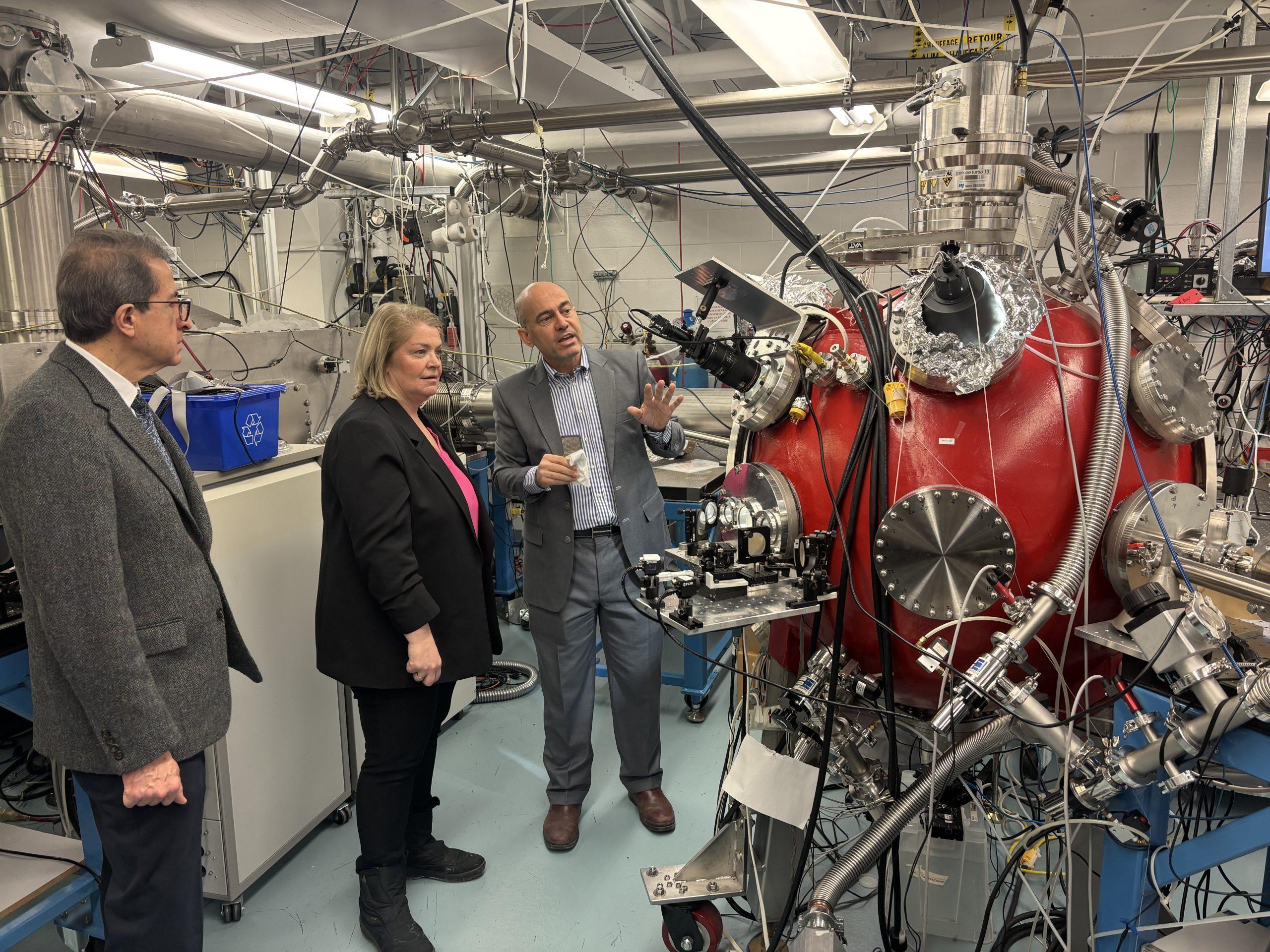
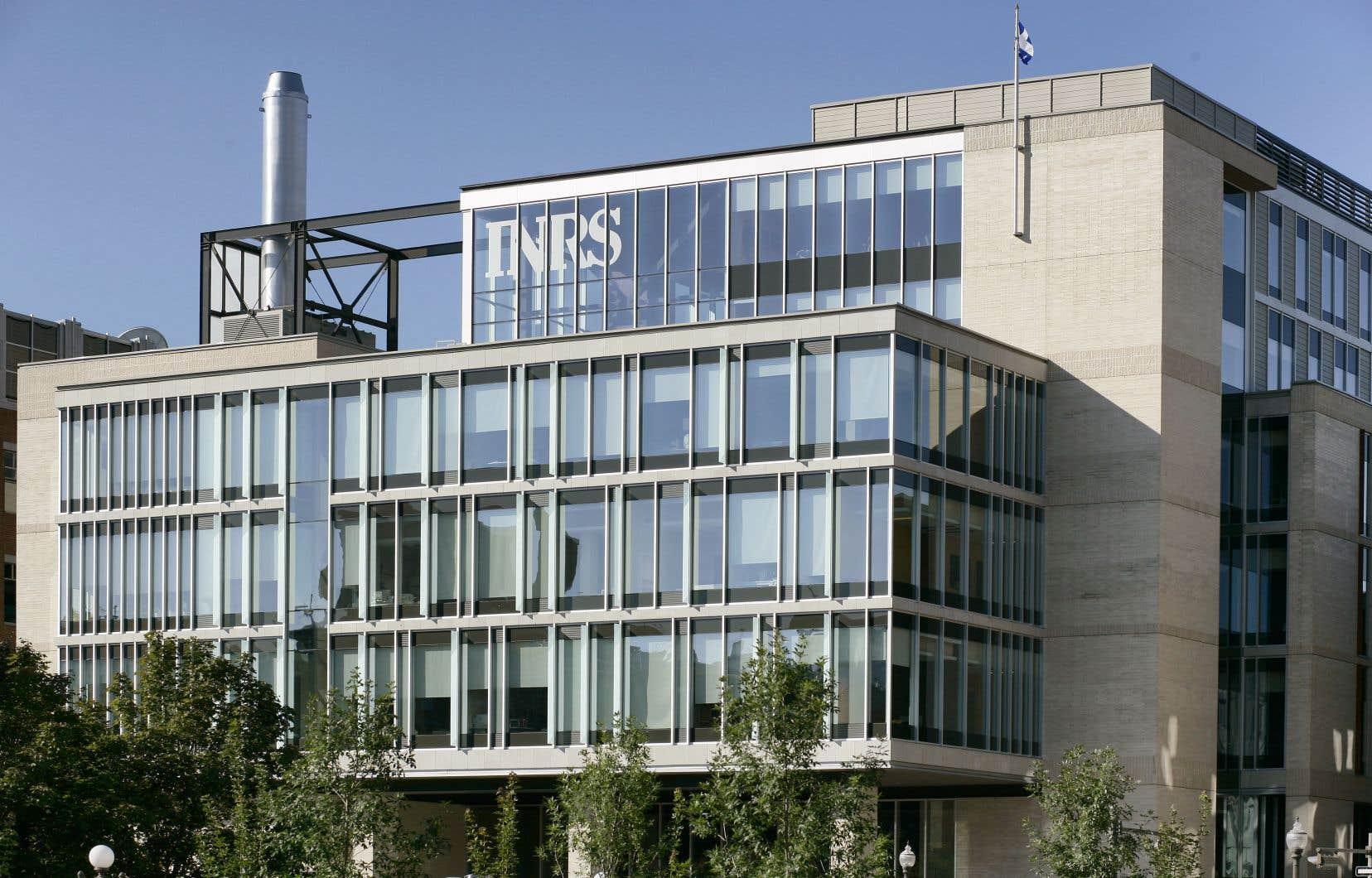
About Institut national de la recherche scientifique
Institut national de la recherche scientifique (INRS): Programs, Admission, Tuition Fees, Scholarships and Study in Canada
Institut national de la recherche scientifique (INRS) is a graduate-level research university in Quebec, Canada. Unlike a traditional comprehensive university with large undergraduate offerings, INRS focuses on research-based master's, professional master's and doctoral education. Its students work within research teams and specialized centres across Quebec.
INRS has four research and training centres located in Quebec City, Montreal, Laval and Varennes. Its research and graduate education cover areas such as water and geosciences, energy and materials, urban and population studies, virology and immunology, and applied microbiology.
INRS at a Glance
|
Information |
Details |
|
Institution |
Institut national de la recherche scientifique |
|
Short Name |
INRS |
|
Location |
Quebec, Canada |
|
Institution Type |
Public Research University |
|
Study Levels |
Master's and PhD |
|
Main Focus |
Graduate Research and Advanced Training |
|
Language |
French |
|
International Students |
Yes |
|
Research Centres |
Quebec City, Montreal, Laval and Varennes |
|
Major Areas |
Water Sciences, Earth Sciences, Energy, Materials, Urban Studies, Health Sciences, Microbiology and Telecommunications |
About INRS
INRS is a specialized graduate research institution. Its academic model is strongly connected to research, with students integrated into research teams and supervised by professors and research directors.
The university describes its programs as thematic rather than traditionally discipline-based. Students can pursue research-based master's degrees, professional master's degrees, doctoral programs and other specialized graduate pathways.
INRS also maintains international partnerships and offers opportunities such as dual-degree programs, research internships and doctoral cotutelle arrangements.
Research and Study Areas
Water Sciences and Geosciences
INRS conducts research in areas connected to water resources, environmental systems and geosciences.
Students can explore topics involving:
- Water resources
- Hydrology
- Environmental processes
- Geosciences
- Climate-related research
- Environmental monitoring
Research in these areas can connect scientific study with environmental and societal challenges.
Energy and Materials Sciences
Research and graduate education also cover energy and materials.
Areas can include:
- Energy systems
- Materials science
- Nanotechnology
- Advanced materials
- Sustainable technologies
- Energy-related research
Students work in specialized research environments and laboratories.
Urban and Population Studies
INRS conducts interdisciplinary research into cities, communities and population-related issues.
Research can involve:
- Urban development
- Housing
- Demography
- Migration
- Social policy
- Population studies
- Urban planning
These programs connect social research with contemporary urban challenges.
Health Sciences
INRS has research activity in health and biomedical sciences.
Research areas include:
- Virology
- Immunology
- Cancer-related research
- Biomedical sciences
- Health technologies
- Cellular and molecular research
Students can undertake advanced research under faculty supervision.
Applied Microbiology
Applied microbiology is another area of research at INRS.
Students and researchers can investigate microorganisms and their applications in areas such as:
- Biotechnology
- Environmental science
- Health
- Industrial applications
- Molecular biology
Telecommunications and Advanced Technologies
INRS also conducts research related to telecommunications and advanced technologies.
Research can include:
- Telecommunications
- Photonics
- Nanofabrication
- Information technologies
- Advanced communication systems
Graduate Programs
INRS offers several types of graduate programs.
Research-Based Master's
Research master's programs involve advanced academic study and research conducted under the supervision of a research director.
Students typically develop:
- Research methodology
- Technical expertise
- Academic writing
- Data analysis
- Research communication
Professional Master's
Professional master's programs are designed for advanced professional training without the same thesis structure as research master's programs.
The specific curriculum depends on the selected program.
PhD Programs
INRS offers doctoral education focused on advanced research.
PhD students develop specialized expertise and conduct original research under faculty supervision.
INRS also provides doctoral cotutelle opportunities with partner institutions.
Specialized Graduate Programs
The institution also offers specialized graduate diplomas, short programs, customized programs and other advanced learning pathways.
Admission Requirements
INRS admission requirements vary according to the selected program.
Applicants may need:
- A recognized previous university degree
- Academic transcripts
- Curriculum vitae
- Cover letter
- Proof of language proficiency where applicable
- Research-related information
- References
- Research project or supervisor information, depending on the program
Some programs require applicants to identify or secure a research supervisor before applying.
International academic qualifications must also meet the applicable Quebec recognition requirements.
Requirements for International Students
International applicants can apply to eligible master's and doctoral programs.
INRS requires supporting documents as part of the application. Documents that are not written in French or English must be accompanied by a translation from a certified translator.
Applicants may also need to provide the contact details of three people familiar with their academic background and research abilities, such as professors or research supervisors.
Requirements for Indian Students
Indian students interested in INRS should generally hold a recognized university degree appropriate for the intended graduate program.
Typical documents may include:
- Bachelor's degree certificate for master's admission
- Master's degree documentation where required for doctoral admission
- Academic transcripts
- Curriculum vitae
- Statement or cover letter
- Research proposal or project information where required
- References
- Proof of language proficiency where applicable
Because INRS programs are research-focused, academic preparation and compatibility with a research supervisor or research project can be important parts of the application.
Applicants should check the requirements for their specific program before applying.
Language Requirements
INRS is a French-language university and encourages students to develop their French-language abilities for academic success and integration into the university community.
Language requirements vary according to the program and applicant's circumstances.
International applicants should check the language requirements for their selected program before submitting an application.
How to Apply
Step 1: Choose a Program
Explore the available master's and doctoral programs and identify the research area that matches your academic interests.
Step 2: Find a Research Project or Supervisor
Depending on the program, applicants may need to identify a research supervisor or project before applying.
Step 3: Check Admission Requirements
Review the academic, language and program-specific requirements.
Step 4: Prepare Documents
Prepare:
- Academic transcripts
- Degree certificates
- CV
- Cover letter
- References
- Language documentation
- Research documents where applicable
Step 5: Submit the Application
Submit the online application and pay the applicable admission fee.
INRS currently lists an admission fee of CAD 62.73.
Step 6: Meet the Deadline
INRS currently lists the following general application dates:
- Fall: March 30
- Winter: November 1
- Summer: March 1
Some applications received after these dates may still be analyzed, according to INRS.
Step 7: Receive the Decision
Once an application is complete, it is reviewed by the relevant selection committee and the official decision is sent to the applicant.
Tuition Fees
INRS tuition depends on the program and the student's legal status in Canada.
For the 2026–27 academic year, the published international student costs include:
- Professional Master's: approximately CAD 12,588.80 per term, or CAD 37,766.40 for three terms, including listed additional fees and enhanced tuition.
- Research Master's: approximately CAD 11,147.90 per term during the first three terms, or CAD 33,443.70 for three terms, including listed fees.
- Doctoral: approximately CAD 10,055 per term during the first six terms, or CAD 30,165 for three terms, including listed fees.
From later terms, the fee structure changes for research master's and doctoral students.
These figures are subject to change and should be checked against the latest INRS fee schedule.
Tuition Fee Exemptions and Scholarships
INRS provides a supplemental tuition-fee exemption program for eligible international students and Canadian students from outside Quebec.
For international and non-Quebec Canadian students, applications for these scholarships require the admission process for a master's or doctoral program to be completed. Applications are evaluated by a committee each term.
This support can substantially change the amount an eligible student actually pays.
Scholarships and Financial Support
INRS provides several forms of financial support.
These can include:
- Research scholarships
- Admission scholarships
- International mobility scholarships
- Tuition-fee exemptions
- Support from research supervisors
- External scholarship opportunities
INRS states that regular full-time students in science and health-related areas and social sciences can receive scholarship support according to the applicable scholarship programs.
Students joining research teams may also have opportunities for financial support through their research supervisor.
Research Centres
INRS operates four research and training centres:
Quebec City
The Quebec City centre supports research and graduate education in relevant scientific and technological fields.
Montreal
The Montreal centre provides research and training opportunities in areas connected to urban studies and other research activities.
Laval
The Laval centre supports research in areas including health and biotechnology.
Varennes
The Varennes centre is associated with research in energy, materials and advanced technologies.
The exact programs and research projects available at each location depend on the academic year and research group.
International Opportunities
INRS has an international research and education environment.
Students can participate in:
- Research internships
- Doctoral cotutelle programs
- Dual-degree programs
- International research collaborations
- Exchange and mobility opportunities
INRS has dual-degree arrangements with partner institutions in countries including France, Morocco and Iceland.
Student Life
Although INRS is primarily a graduate research institution, students participate in academic and community activities across its research centres.
Activities can include:
- Research seminars
- Academic conferences
- Student associations
- Scientific events
- Professional development
- International activities
- Research networking
The university describes its environment as international and human-scale, with students from more than 50 countries.
Living in Quebec
INRS students may live in different Quebec communities depending on their research centre.
Possible locations include:
- Quebec City
- Montreal
- Laval
- Varennes
Living costs differ between these areas, particularly for accommodation and transportation.
International students should prepare a budget covering:
- Housing
- Food
- Transportation
- Health insurance
- Study materials
- Personal expenses
Career and Research Opportunities
INRS's research-focused structure can prepare graduates for careers in:
- Research and development
- Universities
- Government research
- Environmental organizations
- Biotechnology
- Healthcare research
- Engineering
- Energy
- Materials science
- Telecommunications
- Urban research
- Data and scientific analysis
Career paths depend on the student's specialization, research experience and professional goals.
International Student Support
International students can access information and services related to:
- Admission
- Immigration
- Tuition
- Scholarships
- Language learning
- Academic integration
- International mobility
INRS maintains dedicated information for future international students covering admission, scholarships, tuition and other aspects of studying in Quebec.
Post-Graduation Opportunities
International students considering employment in Canada after graduation should review the current federal and Quebec immigration requirements applicable to their program.
Eligibility for post-graduation work authorization depends on the current regulations and individual circumstances.
Students should verify the latest requirements through official Canadian and Quebec government sources before making post-study plans.
Frequently Asked Questions
What is INRS?
INRS stands for Institut national de la recherche scientifique, a graduate-level research university in Quebec, Canada.
Is INRS a university?
Yes. INRS is a public graduate research university focused on master's and doctoral education.
Does INRS offer undergraduate programs?
INRS primarily focuses on graduate education, including master's and doctoral programs, rather than traditional undergraduate degrees.
Does INRS accept international students?
Yes. INRS has an international student community and welcomes applicants from countries around the world.
Can Indian students apply to INRS?
Yes. Indian students with recognized university qualifications can apply to suitable graduate programs, subject to program-specific admission requirements.
Does INRS offer master's programs?
Yes. INRS offers both research-based and professional master's programs.
Does INRS offer PhD programs?
Yes. INRS offers doctoral programs, including opportunities for doctoral cotutelle arrangements.
How much does INRS cost for international students?
For 2026–27, published costs vary by program. A research master's is listed at approximately CAD 33,443.70 for the first three terms, while a professional master's is approximately CAD 37,766.40 for three terms, including listed fees.
Does INRS offer scholarships?
Yes. INRS provides scholarships, tuition-fee exemptions and other financial support opportunities for eligible students.
Is INRS taught in English?
INRS is a French-language university. International applicants should check the language requirements of their specific program.
Do I need a research supervisor?
Some INRS programs require or strongly involve finding a research supervisor before applying. Applicants should check the requirements of their chosen program.
Where are INRS campuses located?
INRS has research and training centres in Quebec City, Montreal, Laval and Varennes.
Final Takeaway
Institut national de la recherche scientifique (INRS) is a specialized public research university in Quebec focused primarily on master's and doctoral education.
Its programs cover areas including water and geosciences, energy and materials, urban and population studies, health sciences, microbiology and advanced technologies. Students are integrated into research teams and work closely with research supervisors.
For 2026–27, international tuition varies considerably by program. Published figures include approximately CAD 33,443.70 for the first three terms of a research master's and CAD 30,165 for three terms during the initial fee period of a PhD, including the listed fees. Eligible students may receive scholarships or tuition-fee exemptions.
Students should verify the specific graduate program requirements, research-supervisor requirements, language requirements, current tuition, scholarships, application deadlines and Canadian/Quebec immigration requirements before applying.
Entry Requirements
General Entry Requirement
IELTS 6.5 overall
Fees & Scholarships
Annual Tuition Fees
CAD 3,500 - CAD 31,000
Ready to Apply to Institut national de la recherche scientifique?
Our advisors guide you from eligibility check to offer letter — at no cost to you.
Join our WhatsApp Community
.jpeg)
Scan to join our student community for admission updates & guidance