
Annual Fees£18,350 to £80,500
Imperial College London
LocationUK
Entry RequirementIELTS 6.0 overall
Visa Success Rate95%
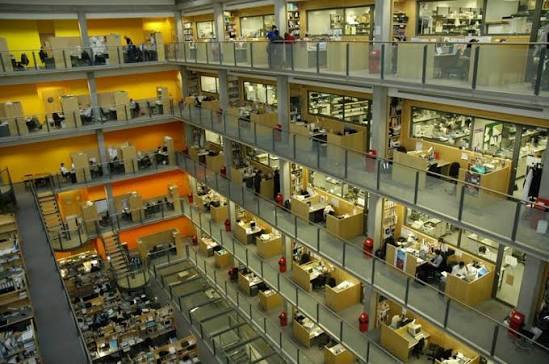
Campus Photos
Imperial College London
-Jun-30-2026-07-41-50-3725-AM.jpg)
About Imperial College London
Imperial College London: A World-Leading University for Science, Engineering, Medicine, Computing and Business
Imperial College London is one of the UK's most prestigious universities and is internationally recognised for Science, Technology, Engineering, Medicine and Business. Located in London, Imperial has a strongly research-focused academic environment and is particularly known for innovation, entrepreneurship and its close connections with industry.
Imperial is ranked No. 2 in the world in the QS World University Rankings 2027 and No. 1 in the UK and Europe in the same ranking. It is also ranked the No. 3 student city in the world through QS Best Student Cities 2026 for London.
Unlike many comprehensive UK universities, Imperial focuses primarily on STEM, Medicine and Business, making it especially attractive to students who already have a clear interest in these fields.
What is Imperial College London Known For?
Imperial is particularly known for:
- Computer Science
- Artificial Intelligence
- Engineering
- Medicine
- Mathematics
- Physics
- Chemistry
- Life Sciences
- Biotechnology
- Data Science
- Business
- Innovation and entrepreneurship
- Scientific research
- Industry collaboration
Computer Science & Artificial Intelligence
Computing | Artificial Intelligence | Software Engineering | Data Science
Imperial's computing programmes provide students with a rigorous foundation in areas such as:
- Programming
- Algorithms
- Artificial intelligence
- Machine learning
- Data science
- Software engineering
- Computer systems
- Cyber security
- Computational mathematics
- Robotics
The subject is particularly suitable for students aiming for careers in software engineering, AI, technology, quantitative analysis and research.
Engineering
Engineering is one of Imperial's biggest academic strengths.
Students can study areas including:
- Aeronautical Engineering
- Bioengineering
- Chemical Engineering
- Civil and Environmental Engineering
- Electrical and Electronic Engineering
- Materials
- Mechanical Engineering
- Design Engineering
- Earth Science and Engineering
Imperial's 2026 undergraduate Engineering faculty covers all of these departments, including Computing and the Dyson School of Design Engineering.
Medicine
Imperial has a globally recognised medical school.
Students can study:
- Medicine
- Medical Biosciences
- Biomedical sciences
- Clinical medicine
- Medical research
- Healthcare innovation
The university's medical programmes combine scientific education with clinical training and research.
Mathematics
Imperial's Mathematics programmes cover areas such as:
- Pure mathematics
- Applied mathematics
- Statistics
- Mathematical modelling
- Financial mathematics
- Computational mathematics
These programmes can prepare students for careers in finance, technology, data science, research, consulting and academia.
Physics
Physics students can explore:
- Theoretical physics
- Experimental physics
- Astrophysics
- Quantum physics
- Particle physics
- Mathematical physics
- Applied physics
Imperial's research environment makes it particularly attractive to students interested in advanced scientific research.
Chemistry
Students can develop knowledge in:
- Organic chemistry
- Inorganic chemistry
- Physical chemistry
- Chemical biology
- Materials
- Drug discovery
- Research methods
The subject can lead to careers in pharmaceuticals, biotechnology, chemical industries and scientific research.
Life Sciences & Biotechnology
Imperial offers programmes connected with:
- Biology
- Biochemistry
- Biotechnology
- Molecular biology
- Genetics
- Neuroscience
- Biomedical science
Students can explore the intersection between biology, medicine and technology.
Business
Imperial Business School provides programmes in areas including:
- Economics
- Finance
- Management
- Business
- Innovation
- Entrepreneurship
The university's location in London also gives students access to one of the world's major financial and business centres.
Imperial's Academic Reputation
Imperial's strongest differentiator is its concentration on science, technology, engineering, medicine and business.
The university describes itself as a global top-10 university, with its current QS ranking placing it 2nd in the world and 1st in the UK and Europe for 2027.
Imperial is also strongly connected with industry and innovation, making it particularly relevant to students interested in:
Research + Technology + Entrepreneurship + Industry + Global Careers
Quick Facts
- Location: London, England
- Type: Public research university
- Specialisation: Science, Engineering, Medicine and Business
- QS World University Rankings 2027: 2nd globally
- QS UK & Europe ranking: 1st
- QS Best Student Cities 2026: London ranked 3rd globally
- International community spanning 150+ nationalities
- Strong focus on research, innovation and entrepreneurship
Q. Is Imperial College London a good university in the UK?
A. Yes. Imperial is one of the strongest universities in the UK and the world, particularly for STEM, Medicine and Business. It is especially suitable for academically ambitious students who want a highly research-intensive environment and are prepared for demanding coursework.
Imperial College London Campus – World-Class Education in the Heart of London
Imperial's main academic presence is centred around South Kensington, placing students in one of London's most prominent academic and cultural areas.
Students have access to:
- Modern laboratories
- Research facilities
- Computing facilities
- Libraries
- Engineering workshops
- Medical facilities
- Study spaces
- Innovation facilities
- Careers services
- Student support
Imperial's location also places students close to major institutions, companies, museums and cultural attractions.
Life in London
Studying at Imperial means living in one of the world's major international cities.
Students can access:
- Museums
- Galleries
- Restaurants
- Theatre
- Music
- Sports
- Cultural events
- Technology companies
- Financial institutions
- Start-ups
- International organisations
London also provides access to major employment sectors including technology, finance, consulting, healthcare, engineering and professional services.
International Student Experience
Imperial has an exceptionally international community, with students and staff representing 150+ nationalities.
International students can access support with:
- Applications
- Student visas
- Immigration
- Accommodation
- Academic transition
- Student wellbeing
- Careers
- Scholarships
- Financial support
Imperial also provides dedicated information for international applicants regarding fee status, visas and funding.
Q. Is Imperial College London good for international students?
A. Yes. Imperial has a highly international community, world-leading academic reputation and extensive support for international students. Its London location also provides access to major global employers and industries.
Careers & Employability – Global Employers, Research and Innovation
Employability is one of Imperial's major strengths.
The university provides students with access to:
- Careers advice
- Employer events
- Internships
- Industry placements
- Career fairs
- Entrepreneurship support
- Networking
- Research opportunities
- Graduate recruitment
Imperial's London location provides particularly strong access to employers in:
- Technology
- Finance
- Consulting
- Engineering
- Pharmaceuticals
- Healthcare
- Biotechnology
- Data science
- Artificial intelligence
- Research
The university currently identifies itself as University of the Year for graduate employment in The Times and Sunday Times Good University Guide 2026.
Research & Innovation
Students interested in research can benefit from Imperial's extensive research ecosystem.
Major areas include:
- Artificial intelligence
- Climate change
- Biotechnology
- Healthcare
- Engineering
- Robotics
- Materials science
- Data science
- Energy
- Medicine
Imperial also has a strong entrepreneurial culture, making it attractive to students who want to build start-ups, develop new technologies or work in innovation-driven industries.
Q. Does Imperial College London provide placement opportunities?
A. Yes. Opportunities vary by course and can include internships, industry placements, research projects, employer programmes and entrepreneurship opportunities. Students should check the specific course structure to determine whether a formal placement is included.
For Indian Students
Imperial can be particularly relevant for Indian students interested in:
Computer Science | Artificial Intelligence | Data Science | Engineering | Mathematics | Physics | Medicine | Biotechnology | Business
However, admission is highly competitive. Students should carefully check:
- Academic requirements
- Subject prerequisites
- English-language requirements
- Course-specific admissions tests
- Tuition fees
- Scholarships
- Student visa requirements
- London living costs
Imperial's international tuition fees vary substantially by course, so students should not assume one standard fee across all programmes. The university publishes the exact Overseas fee on individual course pages.
Q. Who should consider Imperial College London?
A. Imperial is particularly suitable for students who have strong academic performance, a genuine interest in STEM, Medicine or Business, and ambitions for highly competitive global careers. Students should be prepared for a demanding academic environment and comparatively high London living costs.
Imperial College London Courses – Computing, Artificial Intelligence, Engineering, Medicine, Mathematics, Science and Business
Imperial College London offers a highly specialised portfolio centred on Science, Technology, Engineering, Medicine and Business. Its undergraduate courses are designed for students who want rigorous academic training combined with research, practical projects and professional development. (imperial.ac.uk)
Popular Subject Areas
Computing & Artificial Intelligence
Computing | Artificial Intelligence | Software Engineering | Data Science
Students can develop skills in:
- Programming
- Algorithms
- Artificial intelligence
- Machine learning
- Data science
- Software engineering
- Computer systems
- Cyber security
- Robotics
- Computational methods
Imperial offers several computing degrees, including Computing BEng, Computing MEng and Computing (Artificial Intelligence and Machine Learning) MEng. Students can also combine computing with areas such as management. (imperial.ac.uk)
Engineering
Imperial offers a particularly extensive engineering portfolio.
Students can study:
- Aeronautical Engineering
- Bioengineering
- Chemical Engineering
- Civil Engineering
- Electrical and Electronic Engineering
- Materials Science and Engineering
- Mechanical Engineering
- Design Engineering
- Earth Science and Engineering
Students work with advanced engineering concepts, design projects and research-led teaching. (imperial.ac.uk)
Mathematics
Mathematics | Statistics | Applied Mathematics | Mathematical Finance
Students can explore:
- Pure mathematics
- Applied mathematics
- Statistics
- Mathematical modelling
- Computational mathematics
- Financial mathematics
These programmes can prepare students for careers in finance, technology, data science, consulting, research and academia.
Physics
Imperial offers programmes in:
- Physics
- Physics with Theoretical Physics
- Physics with Quantum Dynamics
- Physics with Medical Physics
- Mathematics and Physics
Students can explore:
- Quantum physics
- Particle physics
- Astrophysics
- Theoretical physics
- Experimental physics
- Mathematical physics
Chemistry
Chemistry students can study:
- Organic chemistry
- Inorganic chemistry
- Physical chemistry
- Chemical biology
- Materials
- Drug discovery
- Research methods
Imperial's research environment gives students opportunities to connect chemistry with medicine, materials, energy and biotechnology.
Medicine
Medicine | Medical Biosciences
Medicine is one of Imperial's most prominent academic areas.
Students can develop knowledge in:
- Human biology
- Anatomy
- Physiology
- Clinical medicine
- Medical research
- Healthcare
- Biomedical sciences
Imperial's medical education combines scientific knowledge with clinical experience and research.
Life Sciences
Students can explore:
- Biological sciences
- Biochemistry
- Biotechnology
- Molecular biology
- Genetics
- Neuroscience
- Biomedical science
These programmes are particularly relevant to careers in biotechnology, pharmaceuticals, healthcare and research.
Business & Economics
Imperial's Business School provides opportunities in:
- Economics
- Finance
- Management
- Business
- Innovation
- Entrepreneurship
Students interested in combining technology and business can also explore interdisciplinary programmes connecting computing, engineering or science with management.
Design Engineering
Imperial's Design Engineering programmes combine engineering, design and innovation.
Students develop skills in:
- Product design
- Engineering
- Digital technologies
- Prototyping
- Innovation
- Problem-solving
This can be particularly useful for students interested in technology products, entrepreneurship and innovation.
Q. What Are the Best Courses at Imperial College London?
A. Imperial is particularly strong for Computer Science, Artificial Intelligence, Engineering, Mathematics, Physics, Medicine, Biotechnology and Business. Its combination of research, technical education and industry connections makes it especially attractive for students targeting technology, science, healthcare, finance or engineering careers.
Student Life at Imperial College London – International Education in Central London
Imperial offers students a highly international university experience in South Kensington and other London locations.
Students can participate in:
- Student societies
- Sports clubs
- Academic societies
- Cultural activities
- Volunteering
- Entrepreneurship
- Student Union activities
- Research activities
- Careers events
Campus Experience
Students have access to:
- Advanced laboratories
- Research facilities
- Libraries
- Computing facilities
- Engineering workshops
- Medical facilities
- Study spaces
- Innovation facilities
- Careers services
- Student support
Imperial's campus is surrounded by major cultural and scientific institutions, including the Natural History Museum, Science Museum and Victoria and Albert Museum.
Life in London
Students can take advantage of London's:
- Technology sector
- Financial services
- Healthcare industry
- Engineering companies
- Consulting firms
- Start-up ecosystem
- Museums
- Theatres
- Restaurants
- Cultural events
This creates opportunities beyond university through internships, networking and graduate employment.
International Student Experience
Imperial has students from 150+ nationalities, creating a highly international community.
International students can receive support with:
- Visa and immigration
- Accommodation
- Academic transition
- Student wellbeing
- Careers
- Scholarships
- Financial advice
- International student orientation
Q. What is student life like at Imperial College London?
A. Student life is academically demanding, international and career-focused, with the added advantage of being in central London. It is particularly suitable for students who want a highly ambitious STEM-focused environment and access to a major global city.
Careers & Employability – Industry, Research and Entrepreneurship
Imperial has a strong focus on graduate employability and professional development.
Students can access:
- Careers advice
- Employer events
- Careers fairs
- Internships
- Industry placements
- Research opportunities
- Entrepreneurship programmes
- Networking
- Graduate recruitment
Career Areas
Imperial graduates can pursue careers in:
- Software engineering
- Artificial intelligence
- Data science
- Cyber security
- Engineering
- Finance
- Consulting
- Medicine
- Biotechnology
- Pharmaceuticals
- Research
- Technology
- Entrepreneurship
Industry Experience
Depending on the course, students may have opportunities for:
- Internships
- Industrial placements
- Research projects
- Summer programmes
- Employer projects
The university's London location gives students access to a large concentration of international employers.
Entrepreneurship
Imperial has a strong entrepreneurial ecosystem.
Students interested in starting businesses can access support related to:
- Start-ups
- Innovation
- Product development
- Commercialisation
- Entrepreneurship
- Venture creation
This is particularly relevant for students working at the intersection of technology, science and business.
Q. Does Imperial College London provide placement opportunities?
A. Yes. Placement and internship opportunities are available on selected programmes, while students can also access research placements, employer programmes and entrepreneurship opportunities. The exact structure depends on the chosen course.
For Indian Students
Imperial can be particularly relevant for Indian students interested in:
Computer Science | Artificial Intelligence | Data Science | Engineering | Mathematics | Physics | Medicine | Biotechnology | Business
Because admission is highly competitive, applicants should carefully review:
- Academic requirements
- Required subjects
- English-language requirements
- Admissions tests where applicable
- Personal statement/application requirements
- Tuition fees
- Scholarships
- Student visa requirements
- London living costs
For international students entering in 2026, tuition fees vary by programme. Imperial's official fee schedule lists £46,000 per year for many undergraduate programmes, while Medicine and some specialist programmes can have different fees. (imperial.ac.uk)
Q. Who should consider Imperial College London?
A. Imperial is particularly suitable for students with excellent academic performance, strong mathematical/scientific foundations and clear ambitions in STEM, Medicine, Business or technology-driven careers.
Imperial College London Fees – Tuition Costs, Scholarships and Financial Support for International Students
Imperial College London has some of the highest international tuition fees among UK universities. The exact amount depends on the programme and Faculty. For 2026/27, many undergraduate programmes are charged at £46,000 per year, while Medicine is significantly higher at £58,600 per year. Imperial confirms that fees depend on the course, department and year of entry.
Tuition Fees for International Students
|
Programme / Study Area |
2026/27 International Tuition Fee |
|
Computing |
£46,000 per year |
|
Engineering |
£46,000 per year |
|
Mathematics |
£46,000 per year |
|
Physics |
£46,000 per year |
|
Chemistry |
£46,000 per year |
|
Life Sciences |
£46,000 per year |
|
Business-related undergraduate programmes |
£46,000 per year |
|
Medicine MBBS/BSc |
£58,600 per year |
The exact fee should always be confirmed on the individual course page because Imperial charges different rates according to programme and Faculty.
Example: Computing
For a standard three-year undergraduate Computing programme at £46,000 per year:
£46,000 × 3 = £138,000
This is the indicative tuition cost before any scholarship or other funding and excludes living expenses.
Example: Engineering
For a four-year MEng programme at £46,000 per year:
£46,000 × 4 = £184,000
Some Imperial Engineering programmes have different durations, so students should calculate the total using the exact course structure.
Medicine Fees
Medicine is considerably more expensive.
For 2026/27, Imperial lists the international fee for the MBBS/BSc Medicine programme at £58,600 per year. The programme lasts six years.
A simple calculation at the 2026/27 rate would be:
£58,600 × 6 = £351,600
However, students should not assume that the same fee will remain unchanged for every year because Imperial states that tuition fees can be subject to annual changes and the applicable rate depends on the student's year of entry.
Additional Costs
Tuition does not cover:
- Accommodation
- Food and groceries
- London transport
- Books and study materials
- Personal expenses
- Visa and immigration costs
- Travel
- Course-specific equipment
- Field trips or protective clothing where required
Imperial specifically notes that some programmes can have additional course-related costs beyond tuition.
Because Imperial is located in London, students should also prepare for relatively high living expenses.
Scholarships for International Students
Imperial offers several scholarships and funding opportunities for international students.
International Baccalaureate Excellence Scholarships
For 2026 entry, Imperial offered 23 International Baccalaureate Excellence Scholarships for exceptional international students applying to eligible undergraduate courses in:
- Engineering
- Natural Sciences
- Imperial Business School
Each scholarship is worth £5,000 per year for every year of the course. There is no separate application; eligible high-achieving IB applicants are nominated by their departments.
For example, a student receiving the scholarship for a three-year programme could potentially receive:
£5,000 × 3 = £15,000
Imperial Inspires Scholarships
Imperial is introducing the Imperial Inspires scholarship programme for 2027 entry.
The university plans to offer at least 300 scholarships worth £15,000 per year to international students across:
- Engineering
- Natural Sciences
- Medicine
- Imperial Business School
The award is available for each year of the eligible course.
This is particularly significant because it can provide substantial support towards both tuition and living costs.
India Future Leaders Scholarship
For Indian students, Imperial also offers the India Future Leaders Scholarship, but this is for postgraduate study rather than undergraduate programmes.
For 2026/27, it provides:
£10,000 towards tuition fees
There are 10 awards, and eligible applicants must be Indian nationals applying for an eligible full-time MSc or MRes.
GREAT Scholarship
Imperial's 2026 GREAT Scholarship provides £15,000 towards tuition fees, but the 2026 Imperial awards are restricted to applicants from France, Egypt, Ghana and Nigeria. Therefore, Indian undergraduate applicants should not assume that this particular award is available to them.
Q. How much does Imperial College London cost for international students?
A. For 2026/27, many international undergraduate programmes cost approximately £46,000 per year, while the international Medicine fee is £58,600 per year. The exact amount depends on the programme.
Q. Is Imperial College London expensive for international students?
A. Yes. Imperial is among the UK's more expensive universities for international students, particularly when tuition is combined with London's living costs. However, its global reputation, research environment and strong graduate opportunities make it attractive to students who can afford the investment.
Imperial College London for International Students – Global Education in London
Imperial has a highly international student community and provides support for students coming from overseas.
Support can include:
- International admissions
- Student visa guidance
- CAS support
- Accommodation guidance
- Academic support
- Careers services
- Scholarship information
- Student wellbeing
- International orientation
Why Imperial Can Be Attractive for Indian Students
For Indian students, Imperial is particularly relevant if you are targeting:
Computer Science | Artificial Intelligence | Data Science | Engineering | Mathematics | Physics | Medicine | Biotechnology | Business
The university's London location also provides access to major employers across:
- Technology
- Finance
- Consulting
- Engineering
- Pharmaceuticals
- Healthcare
- Biotechnology
- Research
Q. Is Imperial College London good for Indian students?
A. Yes, particularly for academically strong students targeting STEM, Medicine or Business. Imperial's global reputation and London location provide excellent academic and career opportunities, but the admission process is highly competitive and the overall cost can be substantial.
The Honest Verdict – Is Imperial College London Worth the Cost?
Imperial is best suited to students who want a world-leading STEM-focused education and are prepared for a highly demanding academic environment.
Imperial College London Is an Excellent Choice If You...
- Have very strong academic results.
- Want to study Computer Science or AI.
- Are interested in Engineering.
- Want to study Mathematics or Physics.
- Are interested in Medicine.
- Want a career in technology or research.
- Are interested in biotechnology.
- Want access to London's technology and finance sectors.
- Want to study at a globally elite university.
- Are interested in entrepreneurship and innovation.
It May Not Be the Right Fit If You...
- Have a limited tuition budget.
- Want a low-cost UK university.
- Prefer a relaxed academic environment.
- Want a broad range of humanities and arts programmes.
- Prefer a small university or quieter city.
- Are uncomfortable with highly competitive admissions.
For students who can meet the academic requirements and manage the financial commitment, Imperial offers one of the strongest combinations of STEM education, research, industry access and global recognition available in the UK.
Frequently Asked Questions About Imperial College London Fees
Q. What is the international tuition fee for Computing at Imperial?
A. Many undergraduate Computing programmes for 2026/27 are charged at approximately £46,000 per year. Students should confirm the exact fee on their chosen course page.
Q. What is the international tuition fee for Engineering?
A. Many Engineering undergraduate programmes are charged at approximately £46,000 per year for international students entering in 2026/27.
Q. What is the international tuition fee for Medicine?
A. The 2026/27 international fee for the MBBS/BSc Medicine programme is £58,600 per year.
Q. Does Imperial offer scholarships for international undergraduate students?
A. Yes. For 2026 entry, Imperial offered International Baccalaureate Excellence Scholarships worth £5,000 per year, with 23 awards across eligible Faculties.
Q. Are there scholarships specifically for Indian students?
A. Imperial's India Future Leaders Scholarship provides £10,000 towards tuition fees, but it is for eligible postgraduate MSc/MRes applicants, not undergraduate students.
Q. Can international students work while studying?
A. Eligible international students can generally work within the conditions attached to their UK Student visa. Students should check the current UK immigration rules applicable to their individual visa and course.
Q. What other costs should international students consider?
A. Students should budget for London accommodation, food, transport, books, visa costs, travel and personal expenses in addition to tuition.
A Final Word – Why Imperial College London Deserves Your Consideration
Imperial College London offers an exceptional combination of:
World-Class STEM Education | Research | Technology | Medicine | Engineering | Business | Innovation | Global Careers
For 2026/27, many international undergraduate programmes cost approximately £46,000 per year, while Medicine is £58,600 per year.
International students should carefully consider both tuition and London's living costs, while investigating scholarships before accepting an offer.
For eligible high-achieving IB students, the £5,000-per-year International Baccalaureate Excellence Scholarship can provide meaningful support.
If you want a globally elite university specialising in Science, Technology, Engineering, Medicine and Business, and you are prepared for the academic competition and financial commitment, Imperial is one of the strongest choices in the UK.
Overall Verdict: A world-leading STEM-focused university with exceptional research, industry connections, innovation and global career opportunities, but with highly competitive admissions, demanding academics and some of the UK's highest international tuition and living costs.
Entry Requirements
General Entry Requirement
IELTS 6.0 overall
Fees & Scholarships
Annual Tuition Fees
£18,350 to £80,500
Ready to Apply to Imperial College London?
Our advisors guide you from eligibility check to offer letter — at no cost to you.
Join our WhatsApp Community
.jpeg)
Scan to join our student community for admission updates & guidance