
Annual FeesUSD 33,300 - USD 51,600
Illinois Institute of Technology
LocationUS
Entry RequirementIELTS 6.5 overall
Visa Success Rate70%
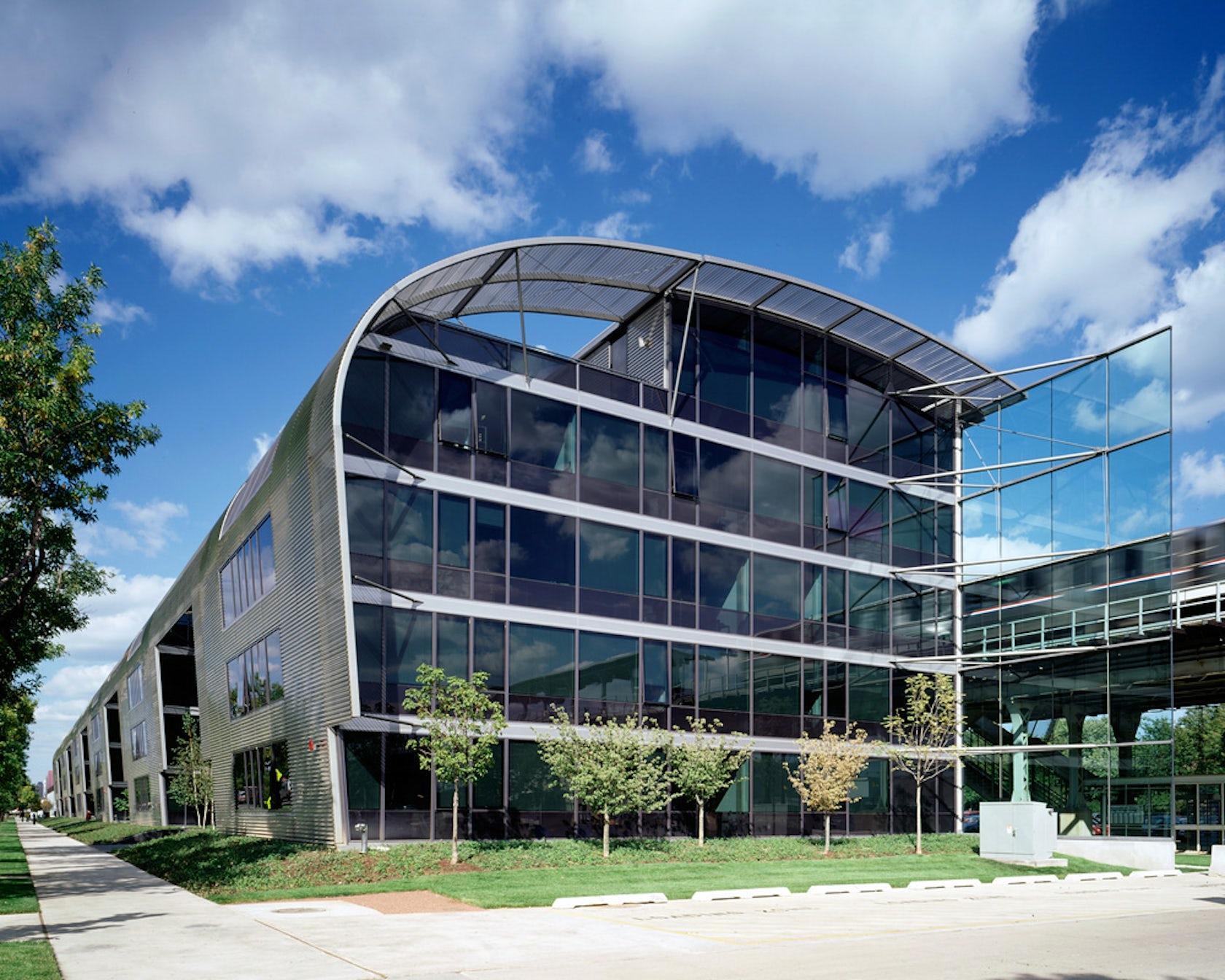
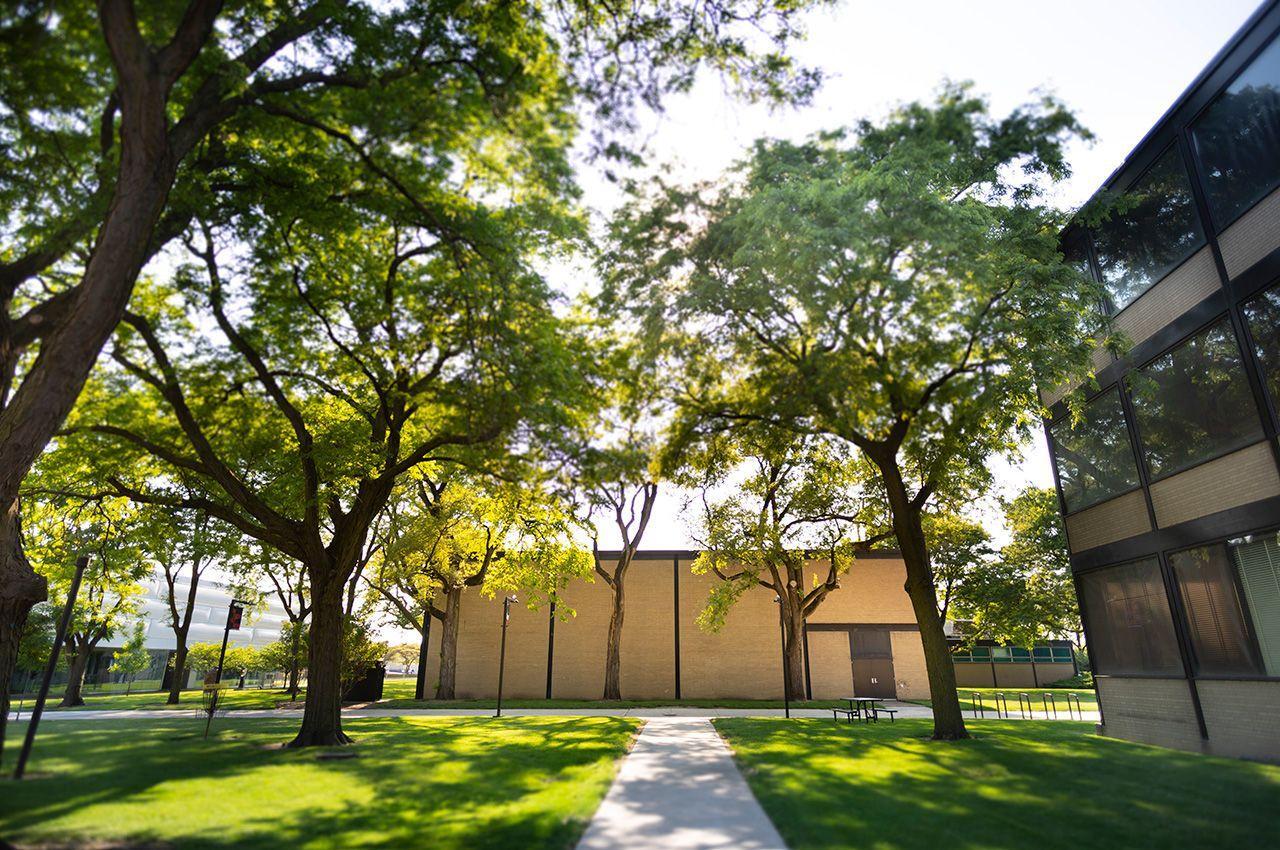
Campus Photos
Illinois Institute of Technology
About Illinois Institute of Technology
Illinois Institute of Technology: Courses, Fees, Admissions and Campus Life
Overview of Illinois Institute of Technology
Illinois Institute of Technology, commonly known as Illinois Tech, is a private research university located in Chicago, Illinois, United States. Established in 1890, the university has developed a strong academic identity centred on technology, engineering, scientific research, innovation, and professional education. It welcomes students from different countries and backgrounds who want to develop the knowledge and practical skills needed for modern careers.
Illinois Tech combines technical education with interdisciplinary learning, encouraging students to understand not only how technologies work but also how they can solve real-world problems. Its academic environment brings together computing, engineering, architecture, business, design, science, and other professional disciplines.
Located in one of America's major metropolitan centres, the university offers students access to a dynamic urban environment. Chicago's business community, technology sector, cultural institutions, and transportation network contribute to the broader student experience. For international students considering higher education in the United States, Illinois Tech is an option worth exploring, particularly for those interested in technology-focused education and research.
History and Academic Background
Illinois Tech was founded in 1890 with a mission to make high-quality technical education accessible to students from diverse backgrounds. Its development reflects the growing importance of engineering, scientific discovery, industrial innovation, and professional education in American society.
Over the years, the university expanded its academic offerings beyond traditional engineering disciplines. Today, students can explore subjects ranging from computer science and artificial intelligence to architecture, business, applied mathematics, psychology, and design.
The institution's academic philosophy emphasises the connection between theoretical knowledge and practical application. Students are encouraged to develop analytical thinking, communication, collaboration, and problem-solving skills alongside their subject-specific expertise.
Research is another important part of the university's identity. Faculty members and students contribute to work involving emerging technologies, cybersecurity, robotics, energy, sustainability, and other areas relevant to industry and society.
Courses and Academic Programs
Illinois Tech offers undergraduate, graduate, doctoral, certificate, and selected non-degree programs. The availability of specific courses, entry requirements, and study options depends on the academic department and qualification level.
Engineering
Engineering is a central part of the university's academic offering. Students can explore disciplines such as electrical and computer engineering, mechanical engineering, civil and architectural engineering, and other specialised fields.
These programs generally combine scientific principles with laboratory work, design activities, technical analysis, and project-based learning. Depending on the chosen course, students may develop expertise in areas such as automation, infrastructure, electronic systems, manufacturing, energy, or advanced materials.
Prospective students should compare individual engineering programs carefully because prerequisites, curriculum structures, and professional accreditation arrangements can differ.
Computer Science and Information Technology
Illinois Tech offers opportunities for students interested in computer science, software development, information technology, and related technical fields.
Depending on the program, coursework may cover programming, algorithms, computer systems, databases, software engineering, networking, and information security. Students interested in emerging technologies can also investigate specialised options involving artificial intelligence, data science, cybersecurity, and applied computing.
These subjects can support career pathways in software development, systems engineering, technology consulting, information security, and research. However, employment opportunities depend on individual skills, work experience, market conditions, and applicable employment authorisation.
Artificial Intelligence, Data Science and Cybersecurity
Artificial intelligence, data science, and cybersecurity have become important areas of modern technology education. Illinois Tech provides academic opportunities in these and related computing disciplines.
Data-focused programs can help students develop skills in statistical analysis, data management, computational methods, and interpreting complex information. Artificial intelligence-related study may involve machine learning, intelligent systems, and computational problem-solving. Cybersecurity education focuses on protecting digital infrastructure, identifying vulnerabilities, and understanding information security practices.
Students should review the curriculum and technical prerequisites of each program before applying, particularly if they are transitioning from a different academic background.
Architecture and Design
Illinois Tech has a longstanding tradition in architecture and design education. Its architectural environment is closely associated with modernist design and the work of Ludwig Mies van der Rohe, whose influence can be seen in the university's historic campus architecture.
Architecture students can explore design studios, architectural theory, digital design methods, sustainability, and the relationship between buildings and their surrounding environments. Programs may require portfolios, additional application materials, or specific prerequisites, so applicants should review their chosen course's requirements.
Design-related study can appeal to students interested in creative problem-solving, spatial planning, visual communication, and the practical application of design principles.
Business and Management
Students interested in business can explore programs in areas such as management, finance, analytical decision-making, technology management, and entrepreneurship, depending on the available degree options.
The university's technology-oriented environment can be particularly relevant for students who want to understand how business strategy connects with digital transformation, innovation, and technical industries.
Business programs may involve case studies, group projects, quantitative analysis, and practical problem-solving. Applicants should compare program structures to determine whether a course is suited to their professional objectives.
Science and Interdisciplinary Studies
Illinois Tech also offers programs in scientific and interdisciplinary fields. Depending on the department, students may study biology, chemistry, physics, psychology, mathematics, or related subjects.
These disciplines provide foundations for research, laboratory work, advanced study, and careers requiring analytical or scientific expertise. Interdisciplinary study can also help students connect scientific knowledge with technology, healthcare, industry, and public needs.
Tuition Fees and Cost of Studying
Tuition is an important consideration when planning to study at Illinois Tech. The total cost depends on the selected program, academic level, credit requirements, living arrangements, insurance, and other expenses.
For the 2025–2026 academic year, the university's published international student estimates listed undergraduate tuition at approximately USD 51,648 per year and graduate tuition at approximately USD 33,318 per year. These are reference figures for that academic year, not guaranteed rates for future intakes.
Students should distinguish tuition from the overall cost of attendance. University fees, accommodation, meals, books, transportation, health insurance, and personal expenses can increase the amount required for a year of study.
Graduate tuition can also vary according to the program's credit structure and applicable billing arrangements. Applicants should therefore obtain the current cost estimate for their intended course rather than relying solely on a general university-wide range.
Scholarships and Financial Assistance
International students should investigate scholarships and financial assistance before confirming their study plans. Illinois Tech offers scholarship opportunities, with eligibility and award amounts depending on factors such as academic qualifications, degree level, and the specific funding opportunity.
Some awards may be considered during the admission process, while others can have separate application requirements. Students should check whether an award is renewable, whether minimum academic performance is required, and which expenses it covers.
A scholarship may reduce tuition but may not cover accommodation, insurance, travel, or other living expenses. Preparing a complete financial plan is therefore essential.
Admission Requirements for International Students
Admission requirements vary according to the course, degree level, academic department, and applicant's educational background. Students should check the requirements for their specific program before submitting an application.
Academic Qualifications
Undergraduate applicants generally need to provide their secondary school qualifications and academic transcripts. Graduate applicants normally need a recognised bachelor's degree or another qualification accepted for the intended program.
Some courses may require specific previous subjects, minimum academic performance, prerequisite coursework, portfolios, or additional documentation. Research-based degrees may also involve contacting faculty members or identifying a suitable research area.
Applicants educated outside the United States should prepare accurate academic records and any required translations or credential documentation.
English Language Proficiency
International applicants whose previous education does not satisfy the university's applicable English-language exemption criteria may need to demonstrate proficiency through an accepted test.
Published graduate admission requirements include the following benchmarks:
- IELTS Academic: overall 6.5, with at least 6.0 in each subsection.
- TOEFL iBT: a score of 80 under the applicable scoring requirements.
- Duolingo English Test: overall 115, with at least 110 in each subsection.
Test policies and scoring requirements can change, so students should confirm the current requirements for their intended intake and program. Some applicants who do not meet the standard criteria may be considered for conditional admission or an approved English-language pathway.
Application Documents
Depending on the degree, applicants may need to submit academic transcripts, proof of degree completion, English-language test results, a statement of purpose, recommendation letters, a résumé, or a portfolio.
Graduate programs may have additional requirements, particularly in research-intensive or specialised disciplines. Applicants should also check application deadlines, document submission instructions, and whether any supplementary assessments are required.
Submitting a complete application early can provide additional time to resolve missing documents and prepare for subsequent admission steps.
Application Process
Students planning to apply to Illinois Tech should begin by selecting a suitable program and reviewing its official admission requirements.
The process generally involves identifying the appropriate application route, preparing academic records, completing the application form, providing any required test scores, and submitting supporting documents. Applicants should follow the instructions for their chosen degree rather than assuming every department follows an identical process.
After submission, students should monitor their application status and respond promptly to requests for additional information. Once an admission decision is received, they should review the conditions of the offer, funding details, deadlines, and any outstanding requirements.
International applicants should allow sufficient time for financial documentation, immigration paperwork, travel planning, and accommodation arrangements.
Campus and Student Life
Illinois Tech's main Mies Campus is located in Chicago, offering a combination of historic architecture, academic facilities, student services, and urban surroundings.
Campus life extends beyond lectures and examinations. Students can participate in student organisations, academic activities, professional development opportunities, recreational programs, and collaborative projects.
The university's learning environment brings together students from different countries and educational backgrounds. This diversity can encourage cross-cultural communication and expose students to different perspectives on technology, research, and professional practice.
Students should explore available housing, dining, health and wellness services, libraries, academic support, and campus transportation options before arriving. Understanding these practical arrangements can make the transition to university life easier.
Practical Learning, Research and Career Development
A notable part of Illinois Tech's educational approach is its emphasis on experiential learning. The university's Elevate initiative connects students with opportunities such as internships, research, competitions, study-away experiences, and career-focused learning activities.
The exact opportunities available to an individual student depend on their program, eligibility, interests, and participation. Students can benefit by seeking relevant experiences early rather than waiting until their final semester.
Research activities may allow students to work with faculty members, explore specialised topics, and develop technical or analytical skills. Project-based experiences can also help students build portfolios that demonstrate their abilities to potential employers or graduate schools.
Career preparation can include résumé development, professional networking, interview preparation, and exploring internships or employment opportunities. International students should separately understand the immigration rules that govern internships and employment in the United States.
No university can guarantee a job or a particular salary after graduation. Outcomes depend on the student's preparation, academic performance, experience, industry demand, and other individual circumstances.
Studying in Chicago
Chicago is a major American city with a diverse economy, established educational institutions, cultural attractions, and extensive public transportation. It offers an urban setting for students who want to study in a large metropolitan area.
Students can explore museums, parks, architecture, neighbourhoods, cultural events, and professional communities alongside their academic commitments. The city also has business activity across finance, technology, healthcare, manufacturing, consulting, and other industries.
Living in a major city requires careful budgeting. Rent, transport, groceries, utilities, and personal spending can vary considerably depending on housing choices and lifestyle. Students should estimate their likely expenses before accepting an offer of admission.
Chicago experiences cold winters and changing seasonal conditions, so international students should also plan for appropriate clothing and travel arrangements.
Accommodation and Living Expenses
Students can investigate on-campus residence halls, university-supported housing information, and private accommodation options. Availability, prices, contract terms, and eligibility differ by property and academic period.
Living on campus may provide convenient access to classes and university facilities. Private accommodation can offer different levels of independence, but students should consider transport costs, utilities, deposits, furnishings, and lease conditions.
Before committing to a rental, applicants should understand the payment schedule, cancellation rules, and any additional charges. They should also confirm whether the accommodation is practical for their course timetable and commuting needs.
A realistic budget should include tuition, mandatory university fees, housing, food, health insurance, books, local transport, and emergency funds.
Student Visa and Immigration Preparation
Most international students entering the United States for full-time degree study will need to follow the applicable student immigration process. Requirements depend on nationality, program, study arrangements, and individual circumstances.
Students admitted to an eligible program generally need to complete the university's documentation requirements before receiving the appropriate immigration document. They must then follow the relevant visa application process and provide the required financial and identity documentation.
Applicants should review official immigration instructions, attend any required appointment, and keep their admission and financial records organised. Admission to a university does not itself guarantee visa approval.
Students should also understand the restrictions and authorisation requirements that apply to employment, internships, and practical training while studying.
Who Should Consider Illinois Institute of Technology?
Illinois Tech may be worth considering for students who want a technology-oriented academic environment, particularly those interested in engineering, computing, scientific research, architecture, design, or business connected with innovation.
Its Chicago location may appeal to students who prefer an urban university setting and want to explore professional and cultural opportunities outside the classroom.
The university may be less suitable for applicants whose primary priorities are very low tuition costs or a small, rural campus environment. Prospective students should compare program quality, total expenses, scholarship opportunities, academic prerequisites, and career goals before making a final decision.
Students should also consider whether their preferred course offers the curriculum, research opportunities, practical experiences, and learning support they need.
Conclusion
Illinois Institute of Technology combines a long history of technical education with modern programs in computing, engineering, architecture, business, science, and other disciplines. Its emphasis on practical learning, research, and professional development can make it an appealing option for students seeking an education connected with technology and innovation.
For international applicants, the decision should be based on more than the university's reputation or location. Reviewing the specific course, confirming current tuition, understanding admission requirements, assessing scholarship eligibility, and planning living expenses are all important steps.
With careful preparation, prospective students can determine whether Illinois Tech aligns with their academic interests, financial circumstances, and long-term professional goals.
Entry Requirements
General Entry Requirement
IELTS 6.5 overall
Fees & Scholarships
Annual Tuition Fees
USD 33,300 - USD 51,600
Ready to Apply to Illinois Institute of Technology?
Our advisors guide you from eligibility check to offer letter — at no cost to you.
Join our WhatsApp Community

Scan to join our student community for admission updates & guidance