
Annual FeesUSD 60,863 - USD 86267
Hofstra University
LocationUS
Entry RequirementIELTS 6.5 overall
Visa Success Rate72%
Campus Photos
Hofstra University

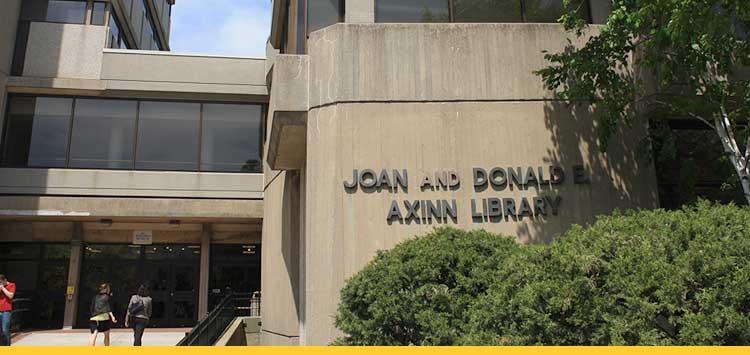
About Hofstra University
Hofstra University: Programs, Tuition Fees, Admissions, and International Student Guide
Overview of Hofstra University
Hofstra University is a private university located in Hempstead, Long Island, New York, United States. Its location provides students with a suburban campus environment while keeping them within reach of New York City, one of the world's major centres for business, finance, media, technology, culture, and professional development.
The university offers undergraduate and graduate study opportunities across a wide range of academic disciplines. Students can explore different fields, develop subject-specific knowledge, and prepare for further education or professional careers. Hofstra also provides international admissions guidance to help applicants understand the academic documents, English-language requirements, and financial information needed during the application process.
For international students considering studying in the United States, Hofstra University offers an opportunity to experience American university life while studying in the New York metropolitan region. Prospective applicants should review the current course catalogue, admission criteria, tuition rates, and program availability before applying, because requirements and costs differ by degree and department.
Why Choose Hofstra University?
Location and Learning Environment
Hofstra University is based in Hempstead on Long Island. The location offers a university campus environment while providing access to the broader New York metropolitan area. Students can explore cultural institutions, professional events, business communities, and other educational resources available throughout the region.
The university's location may be particularly relevant to students interested in business, communications, media, technology, and other fields connected to the wider regional economy. However, internships and employment opportunities depend on individual qualifications, availability, employer requirements, and applicable immigration regulations.
Wide Range of Academic Opportunities
Hofstra offers undergraduate and graduate programs across different academic fields. Students should compare the curriculum, degree requirements, course structure, and available specialisations before selecting a program. The university also lists dual-degree opportunities, which may provide eligible students with structured options for combining academic pathways.
Program availability and admission requirements can vary. Applicants should therefore confirm the details of their intended degree rather than relying solely on general university information.
International Student Support
International applicants must follow the university's admission procedures and submit the required academic and supporting documents. Students who need an F-1 student visa must also complete the relevant financial documentation and Form I-20 process after meeting the university's applicable requirements.
Understanding these steps early can help students prepare their applications, arrange finances, and plan their transition to studying in the United States.
Scholarships and Financial Planning
Hofstra provides information about merit-based scholarships for eligible international students. Award availability and amounts depend on the applicable criteria, academic qualifications, program, and scholarship terms. Students should review the conditions stated in their admission offer and should not assume that every applicant will receive financial assistance.
Academic Programs at Hofstra University
Hofstra University offers multiple routes for students at different stages of their education. The appropriate route depends on previous qualifications, academic interests, English-language proficiency, and career goals.
Undergraduate Programs
Undergraduate programs are designed for students pursuing their first university degree. Depending on the chosen major, students complete subject-specific coursework alongside the academic requirements of their degree.
Students should investigate the subjects offered within their preferred program, the expected course load, and any prerequisites. Applicants should also confirm that their secondary-school qualifications meet the university's admission standards.
International first-year applicants generally need to provide secondary-school academic records, a completed application, evidence of English-language proficiency where required, and a counselor recommendation letter. Additional documentation may be requested depending on the applicant's educational background and intended program.
Graduate and Postgraduate Programs
Graduate programs are intended for students who have completed an appropriate undergraduate qualification and want to develop advanced academic or professional knowledge. Admission requirements vary according to the degree and department.
Applicants generally need a recognised bachelor's degree and official academic transcripts. Depending on the program, they may also need to provide English-language proficiency evidence, a statement of purpose, recommendations, a résumé, or other supporting documents.
Students interested in business-related graduate education should review the offerings of the Frank G. Zarb School of Business. Tuition rates and program requirements can differ from those of other graduate departments, so applicants should verify the exact requirements for their intended degree.
Before applying, prospective students should examine the curriculum, program duration, academic expectations, and potential career relevance. Professional licensing requirements should also be checked separately where applicable.
Dual-Degree Opportunities
Hofstra lists dual-degree opportunities that allow eligible students to explore structured combinations of academic study. The exact arrangement depends on the degrees involved and the university's academic rules.
Students considering a dual-degree option should confirm the qualifications awarded, the required sequence of courses, the expected time to completion, and the total tuition cost. They should also check whether progression conditions or separate admission decisions apply.
Undergraduate and Graduate Pathway Programs
Pathway programs may be suitable for international students who need an alternative route toward further university study. Depending on the available offering, a pathway may provide academic preparation, English-language support, or a structured transition toward a degree program.
Hofstra has international study options associated with INTO Hofstra University. Applicants should carefully distinguish between direct entry to a degree and admission to a pathway program. These routes may have different entry requirements, tuition fees, program durations, and progression conditions.
Before accepting a pathway offer, students should confirm the exact program name, the number of terms required, the conditions for progressing to the intended degree, and the full estimated cost. Completing a pathway should not be assumed to guarantee progression unless the stated academic and other conditions are met.
Integrated Master's Program
The Integrated Master's Program listed for this recruitment route should be assessed using the current program-specific information. Students should confirm its academic structure, eligibility criteria, progression requirements, and relationship to the intended postgraduate qualification.
Integrated programs can differ in duration, course sequence, and billing arrangements. Applicants should obtain a detailed explanation of the academic pathway and cost structure before making a final decision.
Hofstra University Tuition Fees for 2026–2027
Tuition at Hofstra University depends on the study level, program, number of credits, and applicable fee arrangements. The university publishes different rates for undergraduate and graduate study, and some specialist programs have their own pricing.
For the 2026–2027 academic year, the published full-time undergraduate tuition rate for a standard course load of 12–17 credits is US$30,468 per term. Students should confirm the applicable rate and billing conditions for their admission category.
For most graduate programs, the published tuition rate for courses at the 200 level and above is US$1,826 per credit hour. Graduate programs in the Frank G. Zarb School of Business are listed at US$1,868 per credit hour. Certain programs may use different rates.
These tuition figures should not be confused with the full annual cost of attendance. Tuition is only one component of a student's budget, and the final amount depends on the number of credits, the chosen program, and other applicable expenses.
Estimated Annual Costs for International Students
The university's published Fall 2026 estimates provide an indication of the total funds international students may need to budget for one academic year.
|
Student category |
Estimated annual total cost |
|
Undergraduate programs |
US$86,267 |
|
Graduate programs in the Zarb School of Business |
US$61,619 |
|
Other graduate programs |
US$60,863 |
These figures represent estimated total annual costs rather than tuition alone. They can include tuition, fees, living expenses, and other budget items used for financial planning. Actual spending may vary according to accommodation, meals, health insurance, personal expenses, and course selection.
Students should consult the latest official cost estimates for their intended intake before preparing financial documents or making a final decision. Applicants considering pathway programs should request the separate cost breakdown for the specific pathway, as pathway tuition may differ from direct-entry degree costs.
Additional Living Expenses
Students should plan for accommodation, meals, books, supplies, transportation, health insurance, and personal expenses. Housing and dining arrangements can significantly affect the total budget. Students living off campus should also consider rent, utilities, commuting costs, and other household expenses.
International students may need to budget for flights, visa-related expenses, initial accommodation, and settling-in costs. These expenses can be additional to the university's standard estimates.
Preparing a realistic budget for the full program duration can help students understand the financial commitment involved. Students should also consider exchange-rate changes when converting funds from their home currency into US dollars.
Scholarships and Financial Aid
Hofstra University offers merit-based scholarship opportunities for eligible international students. Undergraduate scholarship consideration may be incorporated into the admissions process described by the university, with award details provided through the admission offer where applicable.
Graduate funding and scholarship opportunities can be more limited and may depend on the degree, department, academic performance, and available funding. Students should review the specific eligibility criteria, renewal conditions, and any academic requirements attached to an award.
Scholarships should be treated as potential financial assistance rather than guaranteed funding. Applicants should calculate whether they can meet the full expected cost of attendance and confirm the amount of any award before accepting an offer.
Admission Requirements for International Students
International admission requirements depend on the applicant's study level, academic history, and chosen program.
Undergraduate Admission
Undergraduate applicants generally need to submit a completed application, secondary-school transcripts, evidence of English-language proficiency where required, and a counselor recommendation letter. Academic records should accurately reflect the applicant's previous education.
Applicants whose documents are not in English may need to provide official translations. Students should follow the university's instructions for submitting academic records and should check whether any additional documents are required for their country or curriculum.
Transfer Admission
Students applying to transfer from another college or university should provide official college transcripts. High-school transcripts may also be required depending on the number of college credits completed. Applicants should confirm how previous coursework will be evaluated and which credits may be accepted toward their intended degree.
Transfer credit decisions can affect the time and cost needed to complete a program. Students should therefore request clarification before relying on an assumed graduation timeline.
Graduate Admission
Graduate applicants generally need a recognised bachelor's degree and official academic transcripts. Additional requirements depend on the specific program and may include recommendations, a résumé, a personal statement, writing samples, test scores, or other supporting documents.
Applicants should read the instructions for their chosen degree carefully and confirm the accepted forms of English-language evidence. Meeting the general requirements does not necessarily guarantee admission, because selection criteria can differ by program.
English-Language Proficiency
International applicants may need to demonstrate English-language proficiency through a test or another method accepted by the university. Accepted qualifications, minimum scores, exemptions, and validity periods can vary. Applicants should confirm the current policy before booking a test or submitting an application.
Financial Documentation and Form I-20
International students who require an F-1 student visa must complete the relevant university and immigration procedures. Eligible students generally need to provide financial documentation demonstrating the resources available to support their education and living expenses, along with the other documents required for Form I-20 issuance.
The university's document requirements should be followed carefully. Receiving an admission offer, obtaining a Form I-20, and receiving a visa are separate stages, and none should be treated as an automatic guarantee of the next stage.
Application Process
Students can begin by identifying the appropriate program and checking its academic and English-language requirements. They should then prepare their academic records, application materials, and any program-specific supporting documents.
After submitting an application, applicants should monitor communications from the university and respond to requests for additional information. Students who receive an offer should review the admission conditions, tuition information, scholarship details, deadlines, and any required deposits.
International applicants should also prepare the necessary financial documents and follow the instructions for Form I-20 processing where applicable. Visa applicants must separately follow the official US student visa process and meet the relevant requirements.
Applicants considering a pathway route should confirm whether they have been admitted to the pathway itself or directly to a degree. They should understand the academic conditions that apply before progressing to the intended program.
Campus Life and Student Experience
University life includes more than attending lectures. Students may participate in campus organisations, academic events, cultural activities, and other university experiences that support personal development and community involvement.
Hofstra's location on Long Island provides opportunities to explore the surrounding area and, with appropriate planning, visit New York City. Students should consider transportation costs, commuting time, and their academic schedules when planning activities outside the campus.
International students may also need time to adapt to a new academic system, living environment, and culture. Preparing for accommodation, budgeting, academic expectations, and required immigration procedures can make the transition more manageable.
The availability of particular clubs, services, housing options, and activities may change. Students should consult the university's current information to understand the resources available to them.
Career Development and Future Opportunities
Hofstra University's location near New York City may be relevant to students exploring professional interests in business, finance, media, communications, technology, and other sectors. Students can research potential career paths, develop professional skills, and investigate opportunities related to their academic field.
Career outcomes depend on the student's qualifications, experience, networking, communication skills, market conditions, and employer requirements. Studying at a university does not guarantee a job, internship, salary level, or work authorisation.
International students should pay particular attention to the immigration rules governing internships and employment. Any practical training or work opportunity must comply with the applicable authorisation requirements. Students should consult the university's designated international student advisers for guidance on their individual circumstances.
Accommodation and Student Budgeting
Students should explore available campus housing, meal arrangements, and other accommodation options before arriving. Costs can vary depending on the room type, meal plan, contract period, and personal preferences.
Students considering off-campus accommodation should calculate rent, utilities, transportation, deposits, and other expenses. They should also check travel times and whether the proposed arrangement is practical for attending classes and accessing university facilities.
A monthly budget can help students monitor spending throughout the academic year. Planning for unexpected expenses is particularly important for international students who may have limited access to additional funds after arrival.
Important Considerations Before Applying
Before applying to Hofstra University, prospective students should confirm the following:
- The intended program is available for the desired intake.
- Their previous qualifications satisfy the program's entry requirements.
- They understand the applicable English-language requirements.
- They have reviewed current tuition, mandatory fees, and estimated living expenses.
- They have checked scholarship eligibility and any conditions attached to an award.
- They understand whether their admission route is direct entry, a pathway program, or an integrated study option.
- They can provide the necessary financial documents and complete the applicable immigration procedures.
- They have reviewed accommodation options and prepared a realistic budget.
These checks can help applicants compare their options and avoid making decisions based on outdated fees or assumptions about admission and visa outcomes.
Conclusion
Hofstra University offers undergraduate and graduate study opportunities in Hempstead, New York, with access to the wider New York metropolitan region. Its academic options, international admissions guidance, scholarship opportunities for eligible students, and different study pathways may appeal to students seeking a university experience in the United States.
However, selecting the right program requires careful research. Tuition varies by study level and program, while the full annual cost includes living expenses and other charges. International applicants should confirm their academic eligibility, English-language requirements, financial documentation, and any conditions associated with pathway or integrated programs.
By reviewing current university information and preparing a realistic academic and financial plan, prospective students can make a more informed decision about whether Hofstra University fits their educational goals and circumstances.
Entry Requirements
General Entry Requirement
IELTS 6.5 overall
Fees & Scholarships
Annual Tuition Fees
USD 60,863 - USD 86267
Ready to Apply to Hofstra University?
Our advisors guide you from eligibility check to offer letter — at no cost to you.
Join our WhatsApp Community
.jpeg)
Scan to join our student community for admission updates & guidance