
Annual Fees£13,566 to £17,388
Health Sciences University
LocationUK
Entry RequirementIELTS 6.0 overall
Visa Success Rate89%
Campus Photos
Health Sciences University
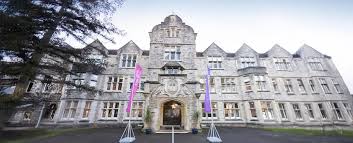
-Jun-27-2026-09-32-46-0510-AM.jpg)
About Health Sciences University
Health Sciences University: A Specialist UK University Focused on Healthcare, Rehabilitation, Sport and Clinical Education
The Health Sciences University (HSU) is a specialist university focused on health sciences, clinical education, research and healthcare practice. It has campuses in Bournemouth and Central London and offers programmes designed around healthcare professions, rehabilitation, sport, exercise and related social science disciplines.
The institution has a distinctive history. It began 60 years ago as the first chiropractic training provider in Europe and was previously known as AECC University College. In August 2024, it officially changed its name to Health Sciences University as its academic portfolio expanded beyond chiropractic into a wider range of health sciences and allied health disciplines.
Today, HSU describes itself as a specialist centre of excellence in applied health, sport, exercise and social science disciplines. Its programmes combine academic learning with practical and clinical experience, including opportunities to train in on-site clinics and placement settings.
For international students, HSU offers a more specialised alternative to large comprehensive UK universities. Instead of offering hundreds of unrelated subjects, the university concentrates on areas connected to healthcare, rehabilitation, medical imaging, sport, psychology, chiropractic, osteopathy and healthcare management.
What is Health Sciences University Known For?
Health Sciences University is particularly known for its specialist healthcare education, clinical training and applied approach to health sciences.
Its academic areas include:
- Chiropractic
- Osteopathy
- Physiotherapy
- Occupational Therapy
- Speech & Language Therapy
- Radiography
- Medical Imaging
- Podiatry
- Dietetics
- Sport Rehabilitation
- Sport & Exercise Science
- Psychology
- Healthcare Management
- Medical Ultrasound
- Rehabilitation
- Health Sciences Education
The university currently offers around 30 accredited health sciences courses and apprenticeships across 10 distinct professions, alongside postgraduate programmes, professional development and clinical education.
Specialist Healthcare Education
Healthcare is at the centre of HSU's identity.
The university provides education across multiple allied health professions, with students able to develop practical skills alongside academic knowledge.
Its approach is particularly relevant for students who want a degree that leads toward a specific healthcare or clinical profession.
Chiropractic and Osteopathy
Chiropractic remains an important part of the university's heritage.
The institution began as a chiropractic training provider and continues to offer Master of Chiropractic programmes in Bournemouth.
Following the integration of the former University College of Osteopathy into HSU in 2024, osteopathy became another major area of specialist provision, with programmes based at the London campus.
Radiography and Medical Imaging
HSU also offers specialist programmes in:
- Diagnostic Radiography
- Radiotherapy and Oncology
- Medical Ultrasound
- Breast Imaging
- Clinical Imaging
- Related imaging sciences
These programmes combine theoretical knowledge with practical and clinical learning.
Sport, Exercise and Rehabilitation
Sport and rehabilitation are another important part of HSU's portfolio.
Students can study areas such as:
- Sport Rehabilitation
- Sport and Exercise Science
- Sport and Exercise Psychology
- Sport Rehabilitation and Therapy
- Sport and Exercise Rehabilitation
- Performance Psychology
The university's Bournemouth location also provides opportunities connected with the region's wider health, sport and rehabilitation sector.
Psychology and Social Sciences
HSU's portfolio also includes psychology and related social science disciplines.
These areas complement its broader healthcare focus and allow students to explore human behaviour, psychological performance, health and wellbeing.
Healthcare Management
The university has also expanded into healthcare management through its MSc Global Healthcare Management, giving students an option that combines healthcare knowledge with management and leadership.
Health Sciences University Reputation – Specialist Rather Than Traditional
HSU is different from universities such as Glasgow, Exeter or Birmingham because its identity is specialist rather than comprehensive.
It is focused primarily on health sciences and related professional disciplines rather than offering a broad portfolio covering subjects such as engineering, computing, history, economics and languages.
This specialist model can be an advantage for students who already know that they want a career in healthcare, rehabilitation, sport or a related profession.
HSU also has a growing research and knowledge-exchange environment. Its latest Knowledge Exchange Framework results, reported under its former name AECC University College, highlighted strengths in local growth and regeneration, continuing professional development, working with the public and third sectors, and intellectual property and commercialisation.
Quick Facts
- University: Health Sciences University
- Former name: AECC University College
- Name changed: August 2024
- Main locations: Bournemouth and Central London
- Specialist focus: Health Sciences
- Key areas: Chiropractic, Osteopathy, Rehabilitation, Radiography, Medical Imaging, Sport, Exercise, Psychology and Healthcare Management
- History: Around 60 years of health sciences education
- Courses: Around 30 accredited health sciences courses and apprenticeships
- International locations: Bournemouth and London
- Teaching approach: Applied and clinically focused
- Clinical training: On-site clinics and external placement settings
Q. Is Health Sciences University a good university in the UK?
A. Health Sciences University can be a strong choice for students specifically interested in health sciences, allied healthcare, rehabilitation, sport, exercise or clinical professions. Its specialist focus, practical training and on-site clinical facilities are its main strengths. It is less suitable for students looking for a broad university with programmes across many unrelated academic disciplines.
Health Sciences University Campuses – Bournemouth and Central London
Health Sciences University has two principal campuses: Bournemouth and London. Each offers a different student environment and academic focus.
Bournemouth Campus
The Bournemouth campus is located at Parkwood Campus and is the university's main centre for a number of health, rehabilitation, sport and imaging programmes.
Students can access:
- Teaching facilities
- Clinical training facilities
- Chiropractic facilities
- Ultrasound facilities
- Health and rehabilitation facilities
- Library and study spaces
- Student services
- Wellbeing support
The campus is approximately a 10-minute walk from Bournemouth Beach, giving students access to the town's coastal environment alongside their studies.
Bournemouth itself offers:
- Beaches
- Restaurants and cafés
- Shopping
- Entertainment
- Sports activities
- Outdoor activities
- Coastal lifestyle
The university describes Bournemouth as a growing hub for health and sport, with transport links to the wider Dorset region.
London Campus
The London campus is located at 275 Borough High Street in Southwark, close to Borough Underground Station, London Bridge and the River Thames.
The campus includes:
- Avon House
- Library
- Lecture theatres
- Flexible teaching spaces
- Practical training facilities
- Student Services
- Student social spaces
- London Clinic
The HSU London Clinic is a purpose-built clinical facility with 35 treatment rooms, and students can complete clinical and professional training there where relevant to their programmes.
The London campus also provides access to:
- Borough Market
- London Bridge
- Tower Bridge
- River Thames
- Tate Modern
- Central London
- Major transport connections
This makes the London campus particularly attractive to students who want to combine specialist healthcare education with the opportunities and lifestyle of the capital.
Life at Health Sciences University
HSU offers a more close-knit and specialist environment than a large multi-faculty university.
Students can access:
- Student support
- Wellbeing services
- Disability and inclusion support
- Student activities
- Clinical facilities
- Academic support
- Careers support
- Professional development
The university describes its community as supportive and focused on helping students become work-ready health professionals.
Q. Which Health Sciences University campus is better?
A. It depends on the course and lifestyle you prefer. Bournemouth is particularly suitable for students interested in health, rehabilitation, sport, radiography and related subjects who prefer a coastal university environment. London is particularly suited to students studying osteopathy and healthcare management who want to live and train in Central London.
Health Sciences University Courses – Specialist Healthcare, Rehabilitation, Sport and Clinical Programmes
Health Sciences University offers a focused portfolio of undergraduate and postgraduate programmes across Chiropractic, Rehabilitation, Sport, Psychology, Radiography, Medical Imaging, Osteopathy and allied health professions. Its courses are designed around practical learning, clinical experience and preparation for professional healthcare careers.
Popular Subject Areas
Chiropractic
Chiropractic | Master of Chiropractic
Chiropractic is one of the university's longest-established areas of expertise, reflecting its origins as a specialist chiropractic training provider.
Students develop knowledge and practical skills related to:
- Human anatomy
- Musculoskeletal health
- Clinical assessment
- Patient care
- Chiropractic techniques
- Evidence-based practice
The university's onsite clinical environment allows students to develop practical skills alongside their academic studies.
Rehabilitation, Sport & Psychology
Sport Rehabilitation | Sport & Exercise Science | Psychology | Rehabilitation
Students can explore areas related to:
- Exercise
- Human performance
- Rehabilitation
- Injury prevention
- Health and wellbeing
- Psychology
- Sports performance
These programmes can be suitable for students interested in careers across sport, rehabilitation, exercise, health and wellbeing.
Radiography & Medical Imaging
Diagnostic Radiography | Radiography | Medical Imaging | Medical Ultrasound
Students develop knowledge of medical imaging and its application in healthcare.
Depending on the programme, students can gain experience with:
- Diagnostic imaging
- Medical ultrasound
- Clinical practice
- Patient care
- Imaging technology
- Professional healthcare procedures
The university provides specialist facilities designed to support practical learning in these areas.
Osteopathy
Osteopathy | MSc Osteopathy
Osteopathy is another specialist area within HSU, particularly associated with its London provision.
Students develop knowledge and practical skills related to:
- Anatomy
- Musculoskeletal conditions
- Clinical assessment
- Patient management
- Osteopathic practice
- Evidence-based healthcare
The London campus provides clinical facilities where relevant students can develop practical experience.
Allied Health Professions
HSU also provides programmes and apprenticeship routes connected with allied health professions, including:
- Occupational Therapy
- Speech and Language Therapy
- Podiatry
- Diagnostic Radiography
The university's undergraduate course portfolio includes integrated degree apprenticeships in several of these areas.
Sport, Exercise & Health Science
Students interested in sport and health can explore subjects related to:
- Sport rehabilitation
- Exercise
- Human performance
- Health
- Rehabilitation
- Sports psychology
The focus is on applying scientific and practical knowledge to real-world health and performance settings.
Healthcare & Professional Development
The university also provides postgraduate and professional-development opportunities for healthcare professionals who want to extend their existing qualifications or move into specialist areas.
Its postgraduate portfolio includes pre-registration and post-registration Master's programmes, postgraduate certificates and postgraduate diplomas.
Q. What Are the Best Courses at Health Sciences University?
The best course depends heavily on your intended healthcare career. HSU is particularly worth exploring for:
Chiropractic | Osteopathy | Physiotherapy-related rehabilitation | Radiography | Medical Imaging | Sport Rehabilitation | Sport & Exercise | Psychology | Occupational Therapy | Speech & Language Therapy | Podiatry
For students who specifically want a clinical or allied-health career, HSU's specialist focus can be a major advantage.
For students looking for subjects such as Computer Science, Business, Engineering or general Arts and Humanities, HSU would not be the appropriate choice because its academic portfolio is concentrated around health sciences and related disciplines.
Student Life at Health Sciences University
HSU provides a more specialist and close-knit student experience than a large multi-faculty university.
Students can participate in:
- Student activities
- Professional and academic communities
- Sport and fitness
- Student support activities
- Wellbeing services
- Volunteering
- Healthcare-related events
- Careers activities
Bournemouth Campus
The Bournemouth campus is particularly suited to students studying health, rehabilitation, sport and related subjects.
Its location is approximately 10 minutes from Bournemouth Beach, giving students access to a coastal environment alongside their studies.
London Campus
The London campus provides a very different experience, placing students close to:
- London Bridge
- Borough Market
- River Thames
- Central London
- Major healthcare and professional organisations
The London Clinic provides a dedicated clinical environment with treatment rooms and practical facilities.
Careers & Employability at Health Sciences University
Clinical experience and work-readiness are central to HSU's approach.
The university states that its undergraduate students can benefit from onsite clinical training and placements, helping them graduate with practical experience alongside their academic qualification.
Depending on the programme, students can gain experience through:
- Clinical placements
- Onsite clinics
- Practical training
- Professional practice
- Healthcare placements
- Research
- Industry experience
- Professional accreditation
Students can receive careers support with:
- Career planning
- Professional development
- CV preparation
- Job applications
- Interview preparation
- Placement support
- Graduate opportunities
Potential career areas include:
- Chiropractic
- Osteopathy
- Physiotherapy and rehabilitation
- Radiography
- Medical imaging
- Occupational therapy
- Speech and language therapy
- Podiatry
- Sport rehabilitation
- Exercise science
- Psychology
- Healthcare management
Q. Does Health Sciences University provide placement opportunities?
A. Yes. Practical and clinical experience is a central part of HSU's approach. The university highlights onsite clinical training and placements as important features of its undergraduate programmes, although the exact placement structure depends on the chosen course.
For Indian Students
Health Sciences University is particularly worth exploring for Indian students interested in:
Chiropractic | Osteopathy | Rehabilitation | Radiography | Medical Imaging | Sport Rehabilitation | Sport & Exercise | Psychology | Occupational Therapy | Speech & Language Therapy | Podiatry
Its biggest advantage is its specialist healthcare focus and practical clinical environment.
Indian students should carefully check the professional recognition, registration requirements, clinical placement arrangements and eligibility for practice in the UK or India for any regulated healthcare profession before applying.
Health Sciences University Fees – Scholarships, International Support and Final Verdict
Tuition Fees for International Students
Health Sciences University publishes course-specific international tuition fees for 2026/27. Because HSU is a specialist institution, fees vary according to the healthcare or health-science programme.
|
Programme |
2026/27 International Fee |
|
Master of Chiropractic – MChiro (Hons) |
£17,684/year |
|
BSc Radiography (Diagnostic Imaging) |
£17,684/year |
|
BSc Radiography (Radiotherapy & Oncology) |
£17,684/year |
|
BSc Sport Rehabilitation |
£17,684/year |
|
BSc Sport & Exercise Science |
£17,684/year |
|
Master of Osteopathy |
£14,027/year |
|
MSc Sport Rehabilitation & Therapy |
£17,520/year |
|
MSc Sport & Exercise Rehabilitation |
£17,520/year |
|
MSc Chiropractic |
£17,684/year |
|
MSc Global Healthcare Management |
£15,000* |
|
MSc Physiotherapy – Pre-registration |
£17,684/year |
|
MSc Occupational Therapy – Pre-registration |
£17,684/year |
|
MSc Speech & Language Therapy – Pre-registration |
£17,684/year |
|
MSc Dietetics – Pre-registration |
£17,684/year |
|
MSc Podiatry – Pre-registration |
£17,684/year |
HSU states that these are its published 2026/27 fees and that fees may increase in later years.
For the MSc Global Healthcare Management, a £2,500 Vice-Chancellor's Bursary is automatically applied to eligible international students, reducing the payable fee from £15,000 to £12,500.
HSU also offers a £350 discount for eligible international students paying their full-time course fee in full within two weeks of registration.
Q. Is Health Sciences University affordable for international students?
A. HSU can be relatively competitive compared with many UK universities offering specialist healthcare programmes. For 2026/27, several of its international undergraduate and pre-registration programmes are priced at £17,684 per year, while the Master of Osteopathy is £14,027. The Global Healthcare Management Master's can fall to £12,500 after the applicable bursary.
Scholarships for International Students
HSU provides several scholarship and bursary opportunities, although the university notes that its 2025/26 and 2026/27 scholarship and bursary arrangements are under review, so eligibility and awards should be checked before applying.
Global Partnership Scholarship
The Global Partnership Scholarship is available to eligible international students enrolling on undergraduate courses.
It provides:
- £3,000 tuition-fee reduction
- Applied in the first year only
- Eligibility criteria apply
The scholarship is designed to support HSU's growing international community.
Sports Scholarship
Eligible international student-athletes can receive a £3,000 fee reduction in the first year through HSU's Sports Scholarship Scheme.
The scheme is aimed at students with strong sporting achievements at regional, national or international level.
Vice-Chancellor's Bursary
Eligible international students studying the MSc Global Healthcare Management can receive a £2,500 Vice-Chancellor's Bursary, automatically reducing the tuition fee from £15,000 to £12,500.
Q. Does Health Sciences University offer scholarships for Indian students?
A. HSU's Global Partnership Scholarship is available to eligible international undergraduate students rather than being restricted to a particular nationality. Indian applicants can therefore be considered if they meet the relevant criteria. The university also provides country-specific application information for international applicants.
Health Sciences University for International Students – Specialist Support and Clinical Experience
HSU has a specialist international community and provides support for students coming to the UK from overseas.
International students can receive assistance with:
- Application guidance
- Visa and immigration information
- Student services
- Academic support
- Personal support
- Wellbeing
- Accommodation guidance
- Financial information
- Careers and professional development
The university's Student Services team is available to students across its schools and years of study, providing academic and personal support.
Clinical and Professional Environment
One of HSU's biggest advantages for international students is its specialist healthcare environment.
Students studying relevant programmes can gain experience through:
- Clinical training
- On-site clinics
- Practical sessions
- Professional placements
- Healthcare settings
- Research
- Industry-related learning
This can be particularly valuable for students who want to graduate with practical experience rather than studying a healthcare subject primarily through classroom-based theory.
However, international students planning to work as regulated healthcare professionals should carefully check the professional registration and recognition requirements for their chosen profession and destination country.
Why Health Sciences University Can Be Attractive to International Students
- Specialist healthcare focus
- Practical and clinical education
- Bournemouth and London locations
- International scholarships
- Relatively competitive specialist-course fees
- Clinical facilities
- Professional placement opportunities
- Healthcare-focused careers support
- Smaller specialist university environment
Q. Is Health Sciences University good for international students?
A. Yes, particularly for students who already know they want to pursue healthcare, rehabilitation, medical imaging, sport rehabilitation, chiropractic, osteopathy or another related professional field. Its specialist focus can provide a more concentrated learning environment than a large general university.
The Honest Verdict – Is Health Sciences University Right for You?
Health Sciences University is a very different option from the large UK universities in this list.
Its biggest strength is also its biggest limitation: it specialises in health sciences rather than offering a broad range of academic subjects.
Health Sciences University Is an Excellent Choice If You...
- Want a career in healthcare.
- Are interested in Chiropractic.
- Want to study Osteopathy.
- Are interested in Radiography or Medical Imaging.
- Want to study Physiotherapy.
- Are interested in Occupational Therapy.
- Want to study Speech & Language Therapy.
- Are interested in Dietetics or Podiatry.
- Want to study Sport Rehabilitation.
- Prefer practical and clinical education.
- Want a specialist healthcare university.
- Prefer Bournemouth or London as a study location.
It May Not Be the Right Fit If You...
- Want Computer Science or Engineering.
- Want Business or Finance as your main subject.
- Prefer a comprehensive university with many unrelated disciplines.
- Prioritise traditional university rankings and broad research reputation.
- Want a large campus with a very wide range of student communities.
For students who already have a clear healthcare career goal, HSU can be a particularly focused option.
Frequently Asked Questions About Health Sciences University
Q. Is Health Sciences University good for Indian students?
A. Yes, particularly for Indian students interested in Chiropractic, Osteopathy, Physiotherapy, Radiography, Medical Imaging, Rehabilitation, Sport and other allied health professions. Indian applicants should check the professional registration requirements associated with their chosen programme before applying.
Q. What is Health Sciences University famous for?
A. HSU is particularly known for its specialist healthcare education, Chiropractic, Osteopathy, rehabilitation, radiography, medical imaging, sport and exercise programmes.
Q. How much are Health Sciences University fees for international students?
A. For 2026/27, several undergraduate and pre-registration healthcare programmes cost £17,684 per year for international students. The Master of Osteopathy costs £14,027, while the MSc Global Healthcare Management is £15,000 before the applicable £2,500 Vice-Chancellor's Bursary.
Q. Does Health Sciences University offer scholarships?
A. Yes. Eligible international undergraduate students can receive a £3,000 Global Partnership Scholarship, while eligible student-athletes can receive a £3,000 Sports Scholarship. The MSc Global Healthcare Management also has a £2,500 Vice-Chancellor's Bursary for eligible international students.
Q. Can international students work while studying?
A. Eligible international students can generally work within the conditions attached to their UK Student visa. Students should check the current UK Government rules applicable to their individual visa.
Q. Is Health Sciences University affordable?
A. HSU can be relatively competitive for specialist healthcare education. Many of its 2026/27 international programmes are priced at £17,684 per year, with scholarships and bursaries potentially reducing the cost for eligible students.
Q. Does Health Sciences University provide placement opportunities?
A. Yes. Clinical and practical experience is an important part of many HSU programmes, with students able to undertake clinical training, placements and practical learning depending on their chosen course.
A Final Word – Why Health Sciences University Deserves Your Consideration
Health Sciences University is a specialist institution designed for students who already have a clear interest in healthcare, rehabilitation, clinical practice, sport or related professional fields.
Its strongest areas include:
Chiropractic | Osteopathy | Physiotherapy | Radiography | Medical Imaging | Occupational Therapy | Speech & Language Therapy | Dietetics | Podiatry | Sport Rehabilitation | Sport & Exercise Science | Healthcare Management
For international students, its main advantages are specialist teaching, practical clinical experience, Bournemouth and London locations, and relatively competitive tuition fees for healthcare programmes.
The main limitation is its narrow subject portfolio. Students interested in Computing, Engineering, Business, Finance or general academic subjects should consider a broader university instead.
For students who want a specialist healthcare education with practical and clinical training, however, Health Sciences University can be a worthwhile option.
Overall Verdict: A focused choice for international students seeking specialist healthcare and allied-health education in the UK.
Entry Requirements
General Entry Requirement
IELTS 6.0 overall
Fees & Scholarships
Annual Tuition Fees
£13,566 to £17,388
Ready to Apply to Health Sciences University?
Our advisors guide you from eligibility check to offer letter — at no cost to you.
Join our WhatsApp Community
.jpeg)
Scan to join our student community for admission updates & guidance