
Annual FeesUSD 17,000 - USD 44,000
Gannon University
LocationUS
Entry RequirementIELTS 6.5 overall
Visa Success Rate65%
Campus Photos
Gannon University
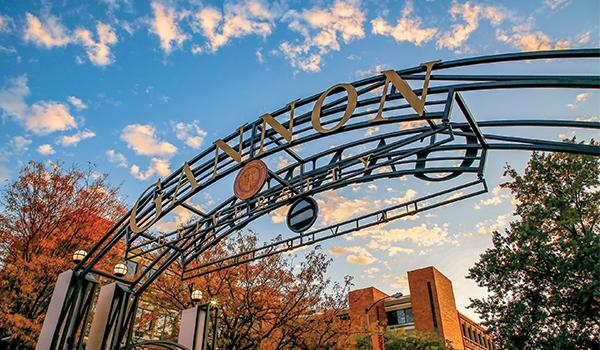

About Gannon University
Gannon University: Programs, Admissions, Tuition, and Student Life
Overview of Gannon University
Gannon University is a private Catholic university located in Erie, Pennsylvania, United States. Established in 1925, the university has developed a reputation for career-focused education, interdisciplinary learning, and an emphasis on preparing students for professional and community life. It offers undergraduate and graduate programs across a range of academic disciplines, including business, engineering, health sciences, education, humanities, and technology.
Gannon University serves students with different academic interests and professional ambitions. Its educational approach combines academic instruction with opportunities for practical learning, research, collaboration, and community engagement. Students can explore traditional academic subjects alongside specialized programs designed to meet the needs of professional industries.
The university's main campus is in downtown Erie, while its second campus in Ruskin, Florida, supports graduate education with a particular connection to the healthcare sector. This provides students with different regional settings and academic opportunities, depending on their chosen program.
For international students, Gannon University offers an admissions process specifically designed for applicants from outside the United States. Its global admissions and student support teams assist with application documentation, English-language requirements, immigration-related guidance, orientation, and the transition to studying in a new country.
Students considering Gannon should evaluate their preferred degree, academic eligibility, tuition, scholarship opportunities, location, and long-term career objectives before applying.
Location and Campus Environment
Gannon University's principal campus is located at 109 University Square in Erie, Pennsylvania. Erie is a city on the southern shore of Lake Erie and offers a combination of urban amenities, cultural attractions, recreational spaces, and access to outdoor activities.
The university's downtown location places students within walking distance of various local services, restaurants, cultural venues, and businesses. The surrounding community also provides opportunities to explore professional environments connected to healthcare, business, education, manufacturing, and other sectors.
The campus includes academic buildings, student facilities, residence options, and spaces that support learning and student activities. Facilities and resources available to students depend on their programs and individual requirements. Applicants should consult the university's official campus information to understand the resources relevant to their chosen course.
Erie's location offers access to outdoor recreation throughout the year. Lake Erie, nearby parks, and regional attractions provide opportunities for activities such as walking, swimming, boating, and seasonal sports. Students who enjoy a quieter city environment may appreciate the balance between campus life and local recreational options.
Weather is another consideration for international students. Erie experiences four seasons, including cold winters and snowfall. Students arriving from warmer climates should prepare appropriate clothing and consider winter travel conditions when arranging accommodation and transportation.
Gannon's second campus in Ruskin, Florida, provides another learning environment, particularly for selected graduate programs. Because campus facilities and course availability differ, applicants should verify where their specific degree is delivered before submitting an application.
Academic Programs at Gannon University
Gannon University offers more than 100 academic programs across associate, bachelor's, master's, and doctoral levels. The exact selection available to an applicant depends on the academic year, campus, and program requirements.
Business and Management
Business programs are suitable for students interested in understanding organizations, financial decisions, marketing, management, and commercial operations. Depending on the degree, students may study accounting, business administration, finance, marketing, management, or related subjects.
Business education can help learners develop analytical thinking, communication, teamwork, and problem-solving abilities. Students may examine business cases, prepare presentations, work on projects, and study how organizations respond to changing markets.
These programs can support career paths in business operations, marketing, accounting, finance, sales, management support, and entrepreneurship. Specific roles depend on the degree, practical experience, professional qualifications, and employer requirements.
Applicants should compare the curriculum of each program to determine whether it matches their interests. Students who enjoy numerical analysis may prefer accounting or finance, while those interested in customer behavior and communication may explore marketing-oriented studies.
Engineering and Computer Science
Gannon University offers academic pathways in engineering and computing-related disciplines. These areas appeal to students interested in designing systems, solving technical problems, developing software, and applying scientific principles to real-world challenges.
Depending on the selected course, students may encounter programming, mathematics, engineering design, laboratory work, technical analysis, and collaborative projects. Some programs emphasize hardware and physical systems, while others concentrate on software, computation, or specialized engineering applications.
Students interested in computer science should review the subjects covered in the degree, including programming languages, algorithms, databases, software development, and other relevant topics where applicable. Engineering applicants should examine laboratory requirements, accreditation information, and the technical preparation expected before enrollment.
Graduates may pursue opportunities in software development, engineering, technical support, systems analysis, research, or related fields. Professional success often depends on the ability to apply academic knowledge, communicate effectively, work collaboratively, and continue learning as technologies evolve.
Health Sciences and Nursing
Health sciences are an important area of study at Gannon University. Programs in this broad field may prepare students for careers involving patient care, healthcare delivery, clinical practice, rehabilitation, and other health-related professions.
Students may study scientific foundations, professional communication, healthcare systems, ethical responsibilities, and the practical skills associated with their chosen discipline. Clinical and laboratory experiences vary by program and are subject to specific academic and professional requirements.
Applicants interested in nursing or other regulated healthcare occupations should investigate licensing requirements carefully. Completing a university degree does not automatically provide authorization to practise in every country or professional jurisdiction.
International students should also verify whether their intended program has additional admission standards, prerequisite subjects, clinical placement conditions, health documentation, background checks, or English-language requirements.
Healthcare programs can offer a pathway toward meaningful professional work, but they may require intensive study, practical training, and compliance with strict professional standards.
Education and Humanities
Gannon University also offers programs in education, humanities, social sciences, and related areas. These disciplines help students develop communication skills, critical thinking, research ability, cultural understanding, and an appreciation of different perspectives.
Education-focused studies may be relevant to learners interested in teaching, educational services, curriculum development, or related professional fields. The requirements for teacher certification vary by location and may involve additional examinations, supervised experience, or professional approval.
Humanities and social science programs provide opportunities to examine human behavior, society, history, communication, culture, and ethical questions. Depending on the degree, students may develop skills in writing, analysis, research, interpretation, and public communication.
Graduates may consider careers in education, nonprofit organizations, communications, public service, research support, and other areas where analytical and interpersonal abilities are valued.
Graduate and Professional Programs
Gannon University provides graduate-level education for students seeking advanced academic knowledge or professional development. Graduate programs may be available in business, engineering, health sciences, education, and other fields.
Entry requirements differ considerably between courses. Applicants may need an appropriate bachelor's degree, official university transcripts, letters of recommendation, a statement of purpose, a résumé or curriculum vitae, and evidence of English-language proficiency.
Certain programs may also require standardized test results, relevant professional experience, prerequisite coursework, interviews, or additional documentation. Students should consult the specific program requirements instead of assuming that the general university admission policy applies to every graduate course.
Prospective students should also compare the program duration, course delivery format, expected workload, and total cost before deciding whether postgraduate study aligns with their career plans.
Learning Approach and Academic Experience
Gannon University's educational approach emphasizes academic development alongside practical and professional preparation. Depending on the discipline, students may participate in laboratory sessions, research activities, group assignments, presentations, internships, clinical experiences, or other forms of applied learning.
These experiences can help students connect theoretical concepts with professional situations. For example, an engineering student may apply scientific principles to a design problem, while a business student may examine an organizational challenge or prepare a market analysis.
Collaborative learning also helps students practise communication, planning, and teamwork. These skills can be important in professional settings where employees need to explain ideas, manage deadlines, solve problems, and work with people from different backgrounds.
Students should understand that the structure of practical learning varies by degree. Some programs include extensive laboratory or clinical components, while others focus more heavily on research, writing, or classroom-based learning.
Before applying, students should examine course descriptions, assessment methods, placement opportunities, and graduation requirements. This helps them determine whether a program's teaching style matches their learning preferences and professional goals.
International Admissions at Gannon University
Gannon University welcomes international applicants through its Office of Global Admissions and Outreach. Students applying from outside the United States should follow the university's international application process and confirm the requirements for their intended degree.
Undergraduate Admission Requirements
Undergraduate applicants generally need to submit an international application and official academic records from the secondary schools they have attended. Records must meet the university's documentation requirements, and official English translations are required when the original documents are in another language.
A personal statement is recommended for undergraduate applicants, allowing students to explain their educational background, academic interests, and reasons for choosing Gannon University.
One recommendation letter is recommended for undergraduate applicants, although the university's published policy describes it as optional for most programs. Applicants should confirm whether their intended degree has additional requirements.
Students transferring from another institution should provide the relevant academic records and ask the university how previous coursework may be evaluated for transfer credit.
Graduate Admission Requirements
Graduate applicants typically need to submit official academic transcripts from every college or university attended. Documents must demonstrate the previous qualifications relevant to the intended graduate program.
The university generally requires three recommendation letters for graduate degree applicants unless the program director waives this requirement. Applicants should also prepare a statement of purpose and a current résumé or curriculum vitae.
Some graduate programs may require standardized examination results, such as GRE, GMAT, or another assessment. These requirements depend on the specific course and should be verified directly with the relevant department.
Applicants should ensure that their academic background meets the program's prerequisites before paying application-related fees or making arrangements to relocate.
English Language Proficiency
International applicants may need to demonstrate English-language proficiency to show that they can participate effectively in university-level study.
Gannon University's published general requirements include the following test scores:
- TOEFL iBT: 79
- IELTS: 6.0, with 6.5 required for some programs
- Duolingo English Test: 110
- Pearson Test of English: 53
Other forms of evidence may be accepted under the university's policies. Certain health sciences and graduate programs can have higher or additional standards.
Students should check whether their intended program requires a particular score and whether any exemptions apply. Test results should be submitted according to the university's current instructions.
Applicants who do not meet the required English proficiency level may be assessed for English-language preparation. Gannon offers English-language learning support through its relevant language program, subject to eligibility and placement requirements.
Student Visa and Financial Documentation
International students planning to study in the United States must complete the appropriate immigration process. Admission to Gannon University and approval of a student visa are separate decisions.
The university requires international applicants seeking the relevant immigration documentation to provide financial evidence. This generally includes an Affidavit of Support and a bank statement showing sufficient funds in U.S. dollars.
The documentation helps establish that the student has access to resources for educational and related expenses. Applicants should confirm the required amount, acceptable evidence, document format, and submission deadlines with the Office of Global Admissions and Outreach.
Students should also maintain consistent personal information across academic documents, passport records, financial statements, and application forms. Any discrepancies should be addressed before documents are submitted.
After receiving admission, applicants should follow the university's instructions for enrollment deposits, immigration documentation, and subsequent visa application steps. They must also comply with the requirements communicated by the relevant U.S. embassy or consulate.
No university can guarantee visa approval. Students should provide truthful information and review official immigration guidance throughout the process.
Tuition Fees and Cost of Attendance
Tuition is an important consideration when choosing Gannon University. The university publishes different rates for academic disciplines, and the total amount depends on the program, enrollment status, and academic year.
For the 2026–2027 academic year, published annual undergraduate tuition rates include approximately USD 42,020 for business, education, humanities, and social sciences programs, and USD 44,570 for computer science, engineering, and health sciences programs. The university lists mandatory fees of approximately USD 1,406 annually.
These figures represent tuition and mandatory fees, not the complete cost of studying in the United States. Students must also budget for accommodation, meals, books, supplies, transportation, personal expenses, and other applicable costs.
For example, Gannon's published cost-of-attendance information estimates housing and meals at approximately USD 17,100 annually for the relevant student categories. Actual accommodation arrangements and expenses can differ.
International students should also account for mandatory health insurance. Gannon requires international students to maintain qualifying coverage and publishes insurance charges for applicable periods. The current premium and waiver rules should be checked before preparing a final budget.
Tuition and other charges may change for future academic years. Applicants should therefore use the university's official cost information for their intended intake and request a personalized estimate where necessary.
Scholarships and Financial Support
Gannon University provides information about financial assistance and international student awards. Eligible students may receive institutional support, subject to the university's award conditions and the requirements of their selected programs.
International applicants should confirm which awards are available to them, whether they must submit a separate scholarship application, and whether the award is renewable.
Students should carefully distinguish between the published tuition amount and the net amount payable after scholarships or other eligible assistance. An award may cover only part of tuition and may not cover living expenses, travel, health insurance, or other personal costs.
Applicants should also ask whether scholarship renewal depends on maintaining full-time enrollment, a minimum academic performance level, or other conditions.
Planning finances before enrollment can help students avoid unexpected expenses. A realistic budget should include tuition, mandatory fees, accommodation, meals, insurance, books, transportation, personal costs, and a reserve for emergencies.
Campus Life and International Student Support
Gannon University offers a campus environment in which students can participate in academic, cultural, and community activities. Clubs and student organizations provide opportunities to develop friendships, explore interests, and work with peers outside the classroom.
For international students, adjusting to a new country can involve unfamiliar academic expectations, cultural differences, transportation arrangements, and immigration responsibilities. Gannon's Office of Global Support and Student Engagement provides services intended to help international students navigate these challenges.
Support includes orientation, immigration advising, resource referrals, cultural programming, and information about university and community services. New international students should attend required orientation activities and learn the procedures for maintaining their immigration status.
Participating in student organizations can also help international students build communication skills and become more familiar with American campus culture. Cultural events and shared activities can create opportunities to connect with classmates from different backgrounds.
Students should review housing options early, understand the university's residence requirements where applicable, and plan for food, transportation, healthcare, and seasonal weather. Careful preparation can make the transition to university life more manageable.
Career Development and Professional Opportunities
Gannon University's academic programs are designed to help students build knowledge and skills relevant to professional life. Depending on the degree, students may gain experience through research, projects, laboratory work, clinical placements, internships, or other practical activities.
Career planning should begin before graduation. Students can benefit from identifying target occupations, reviewing job descriptions, improving their résumés, developing interview skills, and building professional relationships.
Those pursuing engineering, computing, business, or healthcare careers should investigate the qualifications and experience employers expect in their chosen fields. Some occupations require additional certifications, licences, or graduate study.
International students must also understand that work authorization in the United States is governed by immigration regulations. Permission to work is not automatically granted simply because a student has enrolled or graduated. Students should consult Gannon's international student support office and official immigration resources for guidance relevant to their circumstances.
Career outcomes vary according to the student's academic performance, practical experience, professional skills, location, and employment market. A university degree can provide a foundation, but it does not guarantee a particular job or salary.
How to Apply to Gannon University
Prospective students should begin by identifying a program that matches their academic qualifications and professional interests. They should then review its admission requirements, course structure, tuition, start dates, and delivery location.
The general international application process involves the following steps:
- Submit the university's international application.
- Prepare official academic transcripts and required English translations.
- Arrange recommendation letters and other program-specific documents.
- Submit evidence of English proficiency or confirm whether an exemption applies.
- Provide the required Affidavit of Support and financial documentation.
- Respond to requests for additional information from the admissions team.
- After admission, follow the university's instructions for enrollment, immigration documentation, and visa preparation.
Applicants should apply early enough to allow time for document evaluation, admission decisions, and visa processing. The university publishes recommended application timelines for international students, so applicants should verify the relevant dates for their intended semester.
Before accepting an offer, students should review all financial obligations, scholarship conditions, housing arrangements, and program requirements. Keeping copies of submitted documents and official communications can also make the process easier to manage.
Is Gannon University the Right Choice?
Gannon University may be a suitable option for students seeking a private university education in Pennsylvania with academic pathways across business, engineering, health sciences, education, and other fields.
Its international admissions services, global student support, and location in Erie may appeal to students who value a campus-based educational experience and access to a supportive university community.
However, choosing a university requires more than comparing program names. Applicants should evaluate the curriculum, academic prerequisites, accreditation or professional recognition where relevant, total cost, scholarship availability, living expenses, and employment requirements associated with their intended career.
Students should also compare Gannon with other institutions offering similar qualifications. Speaking with admissions representatives and examining official program information can help clarify whether the university fits their needs.
Conclusion
Gannon University offers a broad range of academic programs and a learning environment that combines classroom education with opportunities for practical and professional development. Its main campus in Erie, Pennsylvania, and its additional campus in Ruskin, Florida, serve different academic needs and provide distinct regional settings.
For international students, successful preparation involves meeting academic and English-language requirements, submitting accurate financial documentation, understanding tuition and living expenses, and following the appropriate student visa process.
By researching program details, evaluating the complete cost of attendance, and planning for academic and personal responsibilities, prospective students can make an informed decision about whether Gannon University supports their educational and career goals.
Entry Requirements
General Entry Requirement
IELTS 6.5 overall
Fees & Scholarships
Annual Tuition Fees
USD 17,000 - USD 44,000
Ready to Apply to Gannon University?
Our advisors guide you from eligibility check to offer letter — at no cost to you.
Join our WhatsApp Community
.jpeg)
Scan to join our student community for admission updates & guidance