
Annual FeesUSD 72,500 - USD 90,000
Full Sail University
LocationUS
Entry RequirementIELTS 6.5 overall
Visa Success Rate70%
Campus Photos
Full Sail University
About Full Sail University
Full Sail University: Programs, Admissions, Tuition, and Student Life
Overview of Full Sail University
Full Sail University is a private university located in Winter Park, Florida, near Orlando in the United States. The institution is known for its career-focused education in entertainment, media, creative arts, business, and emerging technologies. Its academic approach emphasizes practical learning, technical skills, creative collaboration, and the application of classroom knowledge to professional projects.
Unlike universities that concentrate primarily on traditional academic disciplines, Full Sail University has developed a distinctive educational model around industries such as film, music, game development, digital design, animation, sports media, and information technology. Students can explore programs that combine creative expression with technical expertise, preparing them for roles in areas where digital tools and media production play an important part.
The university offers associate, bachelor's, master's, and certificate programs through campus-based and online learning formats, depending on the course. Its curriculum is designed to help students understand professional workflows while developing the skills needed for their chosen fields. Students may work with specialized software, production equipment, collaborative projects, and program-specific technology resources throughout their studies.
Full Sail University attracts students who want to build careers in creative and technology-driven sectors. Prospective applicants should carefully compare program structures, tuition, delivery formats, admission requirements, and career objectives before choosing a course.
Location and Campus Environment
Full Sail University is situated at 3300 University Boulevard in Winter Park, Florida, a community in the greater Orlando metropolitan area. Its location provides access to a region with entertainment businesses, technology companies, creative organizations, tourism-related industries, and professional networking opportunities.
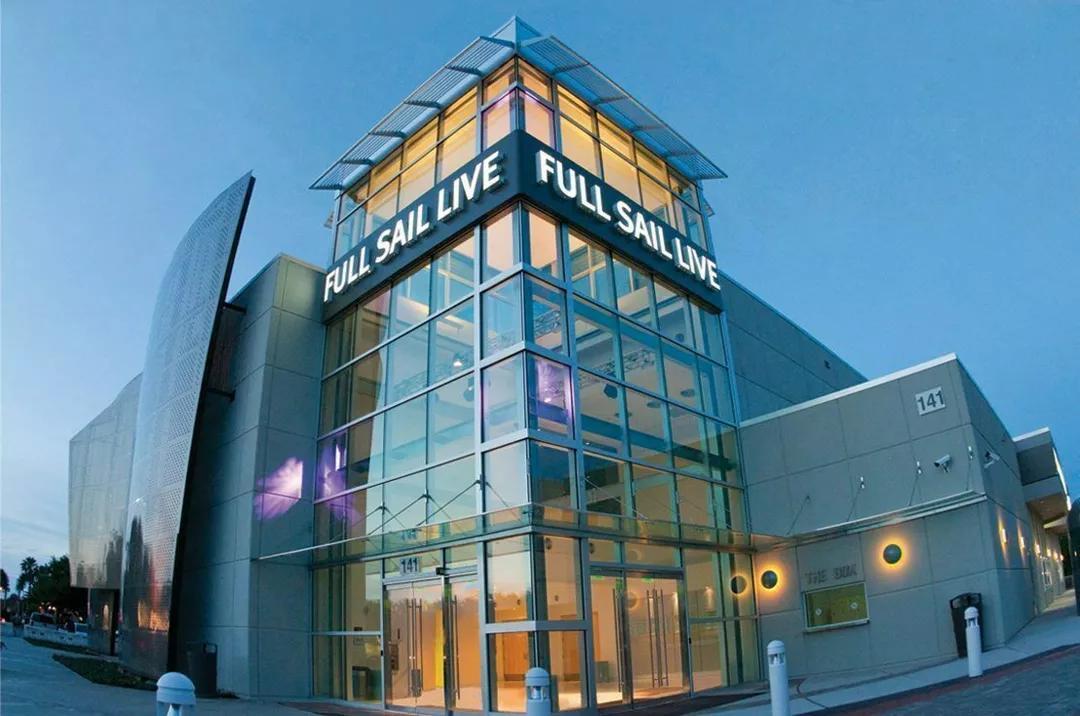
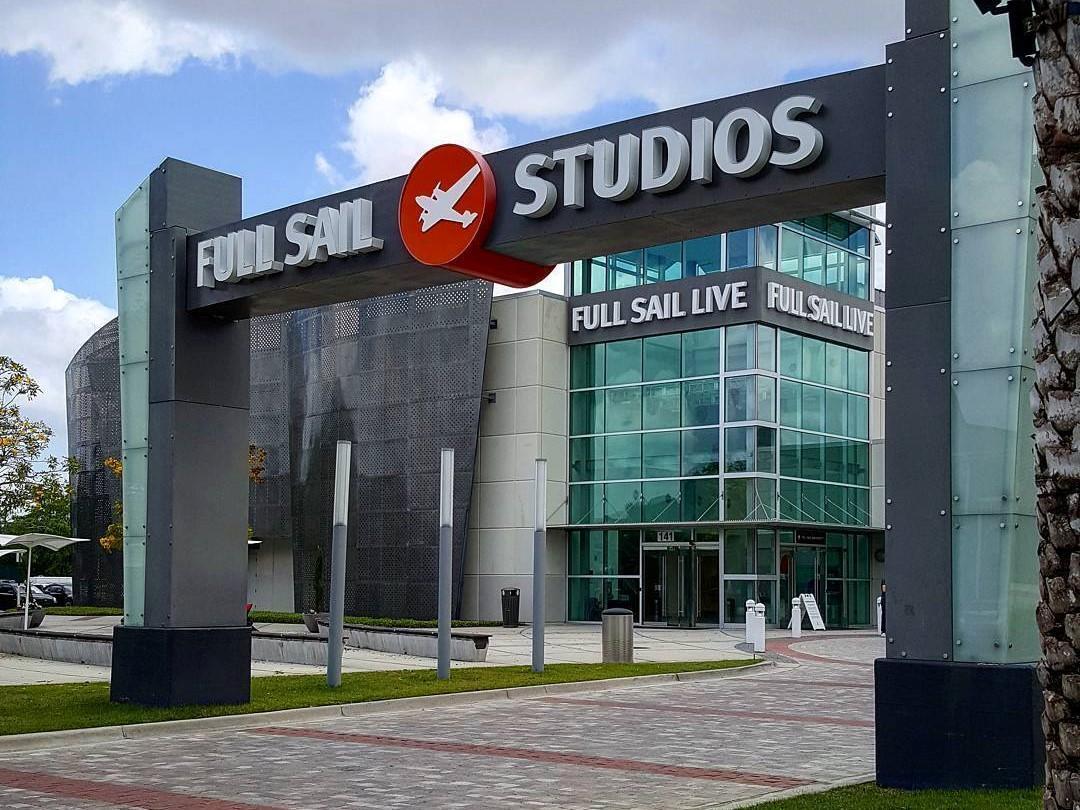
The university's campus is designed around the practical needs of its academic programs. Facilities include classrooms, administrative spaces, media resources, and specialized studios and production environments. The campus supports activities related to film production, music recording, digital design, game development, and other forms of creative and technical work.
For students interested in media and entertainment, access to specialized learning environments can be an important part of the university experience. Rather than relying exclusively on conventional lectures, some courses incorporate project work and activities that reflect the processes used in professional settings.
The Winter Park and Orlando area also offers access to restaurants, shopping, cultural attractions, entertainment venues, and recreational activities. Students should research transportation, accommodation, food, health insurance, and other living expenses before making a financial plan. These costs are separate considerations from the tuition charged for an academic program.
International students should also consider the practical aspects of studying in Florida, including climate, local transportation, campus services, and the requirements associated with maintaining lawful student status in the United States.
Academic Programs at Full Sail University
Full Sail University offers programs across several subject areas. Availability, degree level, curriculum, duration, and delivery format differ by program and may change over time.
Art and Design
Art and design programs are intended for students who want to develop visual communication, digital production, and creative problem-solving skills. Depending on the course, students may explore graphic design, digital arts, user experience, visual development, and related subjects.
These programs can help learners build an understanding of design principles, visual storytelling, digital tools, and the process of developing creative work for an audience. Project-based assignments may allow students to practice creating and refining work while receiving feedback.
Potential career directions include graphic design, digital design, visual communication, user experience design, and related creative positions. Career outcomes depend on the student's specialization, practical experience, portfolio, and the requirements of individual employers.
Film and Television
Film and television programs focus on the production process behind visual media. Students may study filmmaking, digital cinematography, creative writing, live production, and related disciplines, depending on the selected program.
Learning activities can cover storytelling, planning, production techniques, editing, collaboration, and the technical requirements of creating visual content. Students interested in filmmaking should understand that professional work often involves teamwork, long production schedules, technical preparation, and the ability to adapt to changing project requirements.
Graduates may pursue opportunities in film production, digital content creation, production assistance, cinematography, editing, or other media-related areas. Employment requirements differ across production companies, studios, independent projects, and other employers.
Games and Interactive Media
Full Sail University offers programs related to game art, game development, game business and esports, and other interactive technologies. These courses may appeal to students interested in the creative, technical, and commercial dimensions of gaming.
Depending on the program, students may study game mechanics, digital assets, programming, interactive environments, production workflows, or business operations. Game development commonly requires coordination between designers, artists, programmers, producers, and quality-assurance professionals.
Students considering this area should compare the technical requirements of different programs. A course focused on game development may require stronger programming preparation than a course emphasizing game art or business. Reviewing individual curricula helps applicants choose a program that matches their interests and existing skills.
Potential career directions include game development, game design, technical art, interactive media production, and related roles. A strong portfolio and demonstrable project experience can be important when applying for opportunities in this competitive industry.
Music and Recording
Music-related programs cover areas such as music production, recording arts, audio production, and music business. Students may explore the creative and technical processes involved in recording, editing, mixing, producing, and distributing audio content.
The field combines artistic judgment with technical knowledge. Depending on the program, learners may become familiar with recording equipment, digital audio tools, sound design, studio practices, and collaborative production.
Music business studies can provide a different perspective by focusing on the commercial and organizational side of the industry. Topics may include marketing, management, distribution, and the business relationships involved in music production.
Possible career directions include audio production, recording, sound-related media work, music business, and other audio or entertainment positions. Opportunities vary according to specialization, industry demand, professional relationships, and practical experience.
Business and Sports Media
Full Sail University also offers business-oriented programs connected to entertainment, music, games, marketing, and sports media. These programs can be relevant to students who want to combine business knowledge with an interest in creative industries.
Students may explore management, marketing, business operations, communication, audience engagement, and the commercial aspects of media production. The exact subjects depend on the chosen degree.
Sports marketing and media programs may be of interest to learners who want to understand sports-related content, promotion, audience development, and media communication. Career possibilities include marketing support, media coordination, content production, and business-related roles, depending on the graduate's skills and experience.
Technology and Computer Science
Technology programs provide opportunities to study computing and digital systems. Available subjects include computer science, information technology, simulation engineering, cybersecurity-related pathways, and other technology-focused options, depending on current program offerings.
Students may study programming, systems, technical problem-solving, software concepts, or specialized technologies relevant to their degree. Applicants should review the curriculum carefully to understand whether a program emphasizes software development, IT operations, simulation, or another technical area.
Graduates may pursue roles related to software, IT support, systems, cybersecurity, or technology production. Professional certification, practical projects, internships where available, and continued learning can help graduates strengthen their career prospects.
Learning Model and Practical Experience
Full Sail University promotes an immersive, career-focused learning model. Its academic approach is intended to connect theoretical concepts with practical work and industry-related processes.
Depending on the program, students may complete individual assignments, group projects, production exercises, presentations, or other forms of applied assessment. This can help learners develop technical competence alongside communication, organization, teamwork, and time-management skills.
The university's accelerated academic structure is another consideration for applicants. Program schedules and course pacing differ from those of many traditional universities. Students should understand the expected weekly workload, attendance requirements, project deadlines, and program duration before enrolling.
A fast-paced format may appeal to students who prefer an intensive learning environment. However, it requires consistent effort and careful planning. Students balancing employment, family responsibilities, or other commitments should consider whether they can manage the schedule.
Practical learning can be valuable, but it does not guarantee employment. Career outcomes also depend on a student's performance, portfolio, experience, networking, interview skills, and the conditions of the relevant job market.
Admission Requirements for International Students
International applicants should review Full Sail University's current international admissions requirements before submitting an application. Requirements can vary according to the academic level, selected program, previous education, and individual circumstances.
Academic Records
Undergraduate applicants generally need to provide documentation of secondary-school education and academic results. Records issued in languages other than English must be accompanied by certified English translations where required.
Applicants who have attended a university or another postsecondary institution may need to submit official transcripts. Additional credential evaluation may be required for graduate admission or when requesting transfer credit.
Students should ensure that their documents are complete, legible, and consistent with the names and details used in their application.
English Language Proficiency
Applicants whose first language is not English may need to demonstrate English proficiency. Full Sail University lists accepted options that include TOEFL iBT, IELTS Academic, Pearson Test of English Academic, and Duolingo English Test. Other examinations may be accepted under applicable policies.
Minimum scores and the validity period for test results should be confirmed directly with the university. Applicants should not rely on requirements published for another institution or assume that every program uses the same criteria.
Students who need to improve their English before beginning a degree should ask admissions staff whether an applicable language program or alternative pathway is available for their circumstances.
Program-Specific Requirements
Some programs may require additional preparation, an assessment, a portfolio, or evidence of previous education. Creative applicants should check whether their intended course requires examples of artwork, writing, media projects, or other materials.
Applicants transferring from another institution should ask how previous coursework will be assessed and whether it can count toward their selected program. Transfer credit is subject to institutional evaluation and should not be assumed in advance.
Application and Supporting Documents
International applicants should follow the university's application process and submit all requested documents. They should also provide an accepted form of government identification, such as the passport identification page, as directed by admissions staff.
Because application steps and documentation requirements can change, applicants should use the university's current international application checklist rather than relying solely on third-party summaries.
Student Visa and Financial Documentation
International students who intend to study in the United States must understand the applicable student immigration process. Admission to a university and eligibility for a student visa are separate matters.
Full Sail University's international admissions team provides guidance on the documentation required for international applicants. Students should ask the university about financial documentation, program eligibility, required deposits, and the process for obtaining the appropriate immigration document when eligible.
Applicants may need to demonstrate that sufficient funds are available to cover tuition and living expenses. The university can explain the financial guarantee amount relevant to a particular program and the acceptable forms of evidence.
Students should prepare financial documents early and ensure that names, account details, dates, and supporting letters are consistent. They should also review the requirements of the U.S. embassy or consulate where they intend to apply.
An institution cannot guarantee that a visa will be approved. Visa decisions are made by the relevant U.S. authorities, and students should provide truthful information throughout the process.
Tuition Fees and Cost of Attendance
Full Sail University publishes program-specific tuition rather than applying a single fee to every degree. Costs depend on the program, academic level, delivery format, and applicable start-date pricing.
For example, the university's published campus bachelor's tuition has included programs priced around USD 72,500 to USD 94,000 for the full program, with some courses priced differently. Online programs can have different tuition structures. These figures should be treated as estimates tied to the relevant published program and start date, not as a universal fee schedule.
Full Sail's tuition structure may include specified program-related expenses such as textbooks, production materials, laboratory and technology fees, and a customized Project LaunchBox technology package, where applicable. Students should check the details for their chosen degree to understand what is included.
The total cost of studying in the United States can also include accommodation, meals, transportation, health insurance, personal expenses, travel, and other costs that may not be covered by tuition. International students should prepare a realistic budget for the entire period of study.
Because tuition may change for future start dates, applicants should request a current written cost estimate from the university before making a financial commitment.
Scholarships and Financial Support
Full Sail University offers scholarship opportunities subject to individual eligibility conditions. The university also provides information and guidance for prospective students exploring financial aid and funding options.
International applicants should verify which scholarships are available to them, whether their chosen program qualifies, what application materials are required, and when the relevant deadlines fall. Scholarship availability and award amounts can differ according to the program and eligibility rules.
Students should distinguish between a scholarship's advertised maximum value and the amount they may actually receive. They should also ask whether an award is applied directly to tuition, whether it is renewable, and whether maintaining a particular academic standing is necessary.
Applicants who need to provide financial documentation for immigration purposes should confirm how scholarships and other funding sources are treated when demonstrating available funds.
Campus Facilities and Student Life
Full Sail University's campus supports its focus on media, entertainment, and technology. Its specialized learning environments are designed to help students work with equipment and resources associated with their areas of study.
Student life can involve academic collaboration, creative projects, campus activities, and opportunities to connect with peers who share professional interests. Because many programs emphasize project work, students may have opportunities to learn from one another's strengths and develop teamwork skills.
The university's international student support services help students navigate aspects of studying away from home. The International Student Center offers assistance relating to admissions, visa preparation, and other aspects of the student experience. International students should make use of the university's official guidance when planning their transition to the United States.
Living in the Orlando metropolitan area may offer access to entertainment, recreation, cultural activities, and a variety of services. Students should nevertheless plan carefully for transportation and housing, as costs and commuting arrangements can differ considerably depending on where they live.
Career Development and Employment Preparation
Full Sail University emphasizes career preparation within its program model. Depending on their degree, students may develop portfolios, technical projects, production experience, and other work that can demonstrate their abilities to prospective employers.
The university also provides career development resources intended to help students prepare for job searches and understand employment opportunities. Students should confirm which services are available to their program and whether they remain accessible after graduation.
Career planning should begin early. Learners can benefit from documenting projects, improving communication skills, researching industry roles, and learning how employers evaluate candidates in their chosen fields.
Creative industries and technology occupations can be competitive, and employment is not guaranteed by a particular qualification. Students should investigate job descriptions, expected skills, location-specific opportunities, and entry-level hiring practices before selecting a degree.
International graduates should also understand that permission to work in the United States is governed by immigration rules separate from university graduation requirements. They should consult the university's designated school official and official U.S. immigration guidance for accurate information about any post-study employment options for which they may qualify.
How to Apply to Full Sail University
Prospective students can begin by identifying a program that aligns with their academic preparation and career goals. They should then review the official program page for its curriculum, format, duration, tuition, start dates, and admission requirements.
The next step is to contact admissions, particularly if the applicant is studying from outside the United States or needs clarification about transcripts, English proficiency, portfolios, or financial documentation.
Applicants should prepare the required academic records, identification, and any additional materials specified by the university. International applicants should also ask about deadlines, funding evidence, and the sequence of steps leading to the appropriate immigration documentation.
Before accepting an offer or paying a deposit, students should review the financial commitment, refund terms, scholarship conditions, and any program-specific obligations. Keeping copies of submitted documents and written communications can make the process easier to manage.
Is Full Sail University the Right Choice?
Full Sail University may suit students who want an intensive, applied education in creative media, entertainment, business, or technology. Its specialized programs and practical learning environments can be attractive to learners who prefer developing skills through projects alongside academic study.
However, the right choice depends on individual goals and circumstances. Prospective students should compare Full Sail with other institutions offering similar qualifications, paying particular attention to accreditation, curriculum, tuition, learning format, facilities, and career support.
Students should also evaluate the overall financial commitment and consider whether the program's pace and structure match their learning preferences. Speaking with admissions representatives and reviewing official documentation can help clarify the details that matter most.
Conclusion
Full Sail University in Winter Park, Florida, offers a specialized approach to higher education focused on entertainment media, creative industries, business, and emerging technologies. Its range of campus and online programs allows students to explore different academic paths, while its practical learning model emphasizes project work and the development of career-related skills.
For international students, careful preparation is essential. Applicants should verify current admission requirements, English proficiency criteria, program-specific costs, scholarship eligibility, financial documentation, and visa procedures before enrolling.
By comparing available programs and planning for both educational and living expenses, prospective students can make a more informed decision about whether Full Sail University aligns with their academic interests and long-term professional objectives.
Entry Requirements
General Entry Requirement
IELTS 6.5 overall
Fees & Scholarships
Annual Tuition Fees
USD 72,500 - USD 90,000
Ready to Apply to Full Sail University?
Our advisors guide you from eligibility check to offer letter — at no cost to you.
Join our WhatsApp Community
.jpeg)
Scan to join our student community for admission updates & guidance