
Annual FeesUSD 10,000 - USD 27,000
Foothill-De Anza College
LocationUS
Entry RequirementIELTS 6.5 overall
Visa Success Rate72%
Campus Photos
Foothill-De Anza College
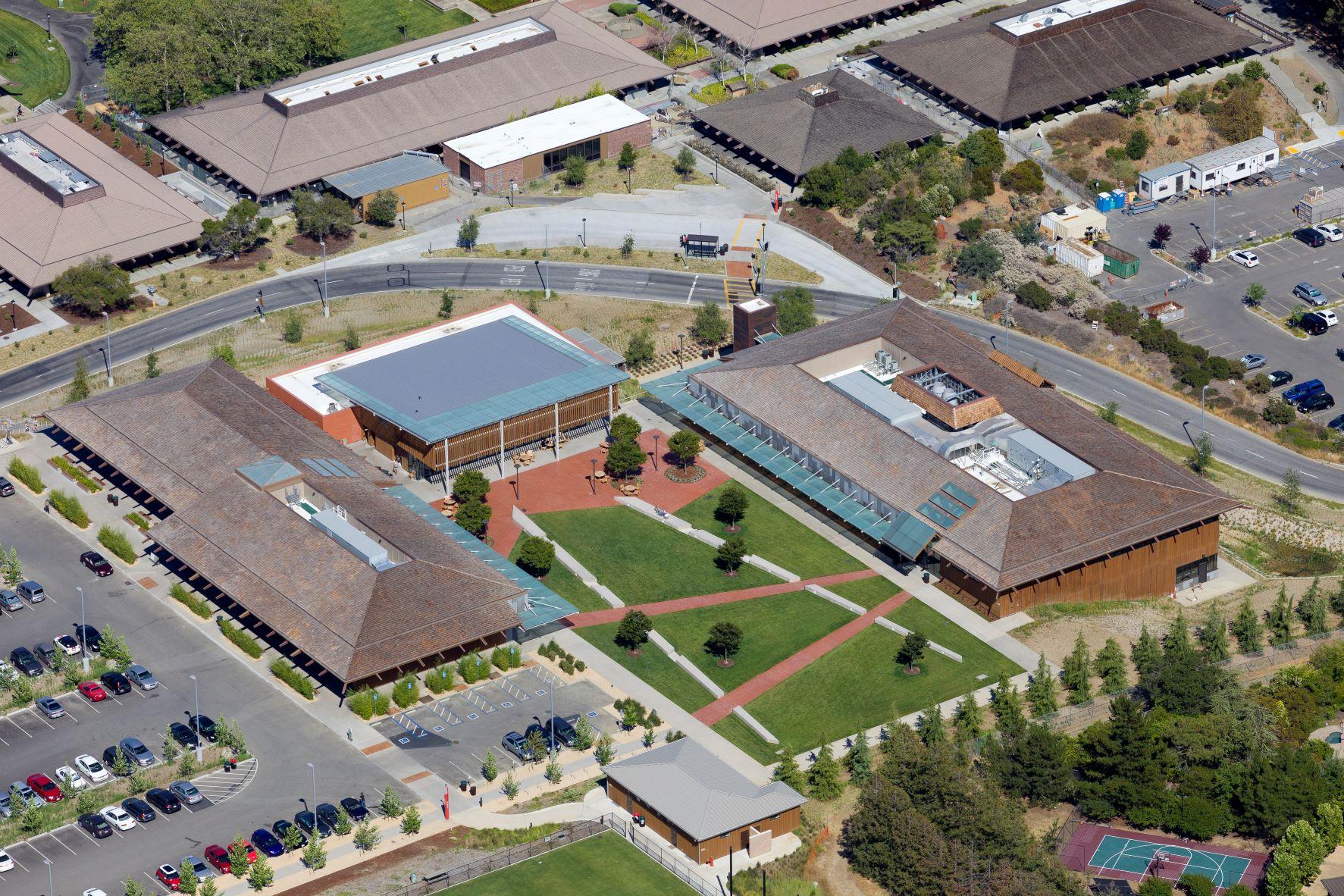
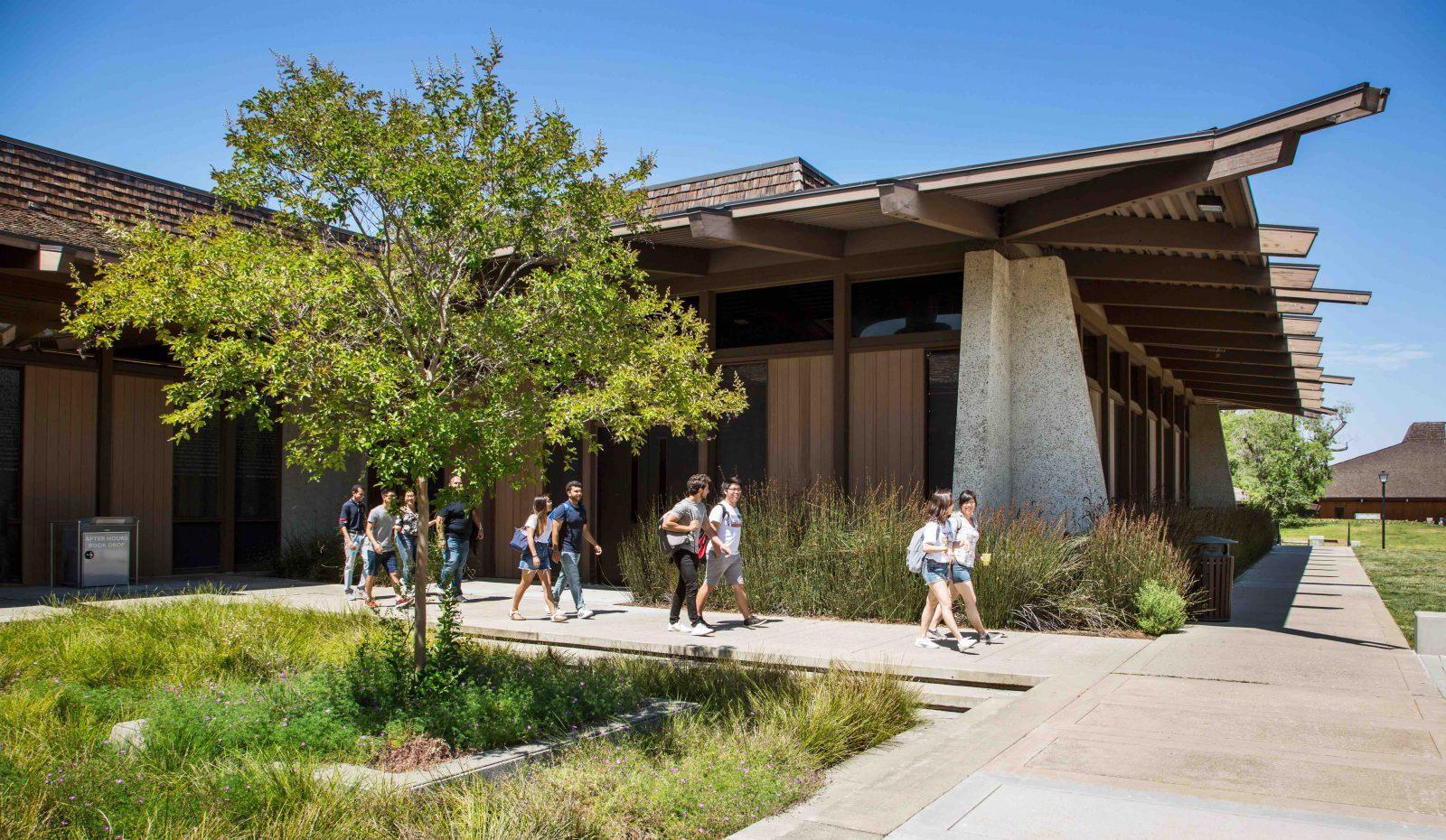
About Foothill-De Anza College
Foothill-De Anza College: Programs, Admissions, Tuition, and Student Life
Overview of Foothill-De Anza College
Foothill-De Anza College refers to the Foothill-De Anza Community College District, a public community college district in California, United States. The district operates two colleges: Foothill College in Los Altos Hills and De Anza College in Cupertino. Both institutions serve students pursuing associate degrees, career-focused education, certificates, university transfer pathways, and continuing education opportunities.
The district offers an alternative to beginning a four-year degree directly at a university. Students can complete foundational college coursework, explore academic interests, and prepare to transfer to a bachelor's degree program at another institution. This pathway can be attractive to students who want a more flexible entry route into American higher education or who wish to reduce the cost of their initial college years.
Foothill-De Anza is situated in California's Silicon Valley region, an area associated with technology companies, entrepreneurship, engineering, research, and international business. The district's location provides an educational setting where students can study academic subjects while learning about the industries and communities surrounding the colleges.
International students considering the district should understand that Foothill College and De Anza College are separate colleges within the same district. They have their own campuses, academic offerings, services, and program requirements. Students should identify the specific college and program they intend to attend before reviewing admissions instructions, tuition estimates, and transfer arrangements.
Location and Campus Environment
Foothill College is located in Los Altos Hills, while De Anza College is located in Cupertino. Both are in Santa Clara County, within the broader San Francisco Bay Area. The region is known for its technology sector, diverse communities, research organizations, and connections to global business.
Foothill College offers a campus environment with academic buildings, classrooms, laboratories, library resources, student support facilities, and outdoor spaces. Its setting provides a college experience outside the immediate density of downtown San Francisco or San Jose while remaining connected to the surrounding technology and business region.
De Anza College serves students in Cupertino and nearby communities. Its campus supports a wide range of academic, technical, creative, and transfer-oriented programs. Students can participate in campus organizations, academic support activities, cultural events, and other opportunities that contribute to college life.
The district's location can be useful for students interested in learning about Silicon Valley's professional environment. However, students should not assume that living close to major technology companies automatically provides employment or internships. Access to professional opportunities depends on academic preparation, relevant skills, networking, work authorization, and the availability of suitable positions.
Students should also consider transportation and accommodation before choosing a campus. Housing costs in the Bay Area can be substantial, and travel between campuses may require careful planning. A realistic budget should include housing, food, transport, books, insurance, and personal expenses in addition to tuition.
Academic Programs and Areas of Study
Foothill and De Anza offer a variety of academic pathways. Available majors, certificates, course schedules, and transfer options differ by college, so students should review the current catalog for their chosen institution.
Computer Science and Information Technology
Computer science and information technology are relevant areas of study in the Silicon Valley region. Depending on the college and program, students may explore programming, software development, computer systems, networking, cybersecurity, database concepts, and other computing-related subjects.
Community college coursework can help students establish a foundation in programming, mathematics, analytical reasoning, and problem-solving. Students planning to transfer into a bachelor's degree in computer science should pay particular attention to mathematics requirements, prerequisite sequences, and the transfer policies of their intended university.
Practical projects can complement classroom learning. Students may build software applications, create websites, develop small databases, or work collaboratively on technical assignments. These experiences can help students demonstrate their abilities when applying for internships or further study.
Career possibilities depend on the completed qualification and additional experience. An associate degree or certificate may support entry-level opportunities in some technical areas, while many software engineering and specialist computing positions require a bachelor's degree or equivalent preparation. Students should therefore plan their studies around their intended career rather than choosing courses without considering future requirements.
Business, Accounting, and Economics
Business-related subjects introduce students to organizational management, accounting, finance, marketing, economics, and business communication. Students can develop an understanding of how organizations operate, how financial information is interpreted, and how businesses make decisions.
These subjects may be useful for students interested in entrepreneurship, financial services, business operations, marketing, or management. Coursework can develop numerical reasoning, communication, teamwork, and analytical skills.
Students who plan to transfer to a four-year business program should check the receiving university's requirements before choosing courses. Some universities specify particular mathematics, economics, accounting, and general education classes for transfer applicants. Completing the correct sequence can help students avoid unnecessary delays when moving to a bachelor's degree program.
Engineering and Mathematics
Engineering pathways generally require careful planning because university engineering degrees often involve structured sequences of mathematics, physics, chemistry, and technical coursework. Community college students can complete foundational classes and then apply to transfer into an engineering program at a four-year institution.
Students should identify the engineering discipline they want to pursue, such as electrical, mechanical, civil, or computer engineering, and review the prerequisites of potential transfer universities. Not every course is accepted equally by every institution, and some programs may have competitive admission requirements.
Mathematics is especially important for students entering science, technology, engineering, and quantitative business fields. Building a strong foundation in algebra, calculus, and other required subjects can help students prepare for advanced study.
Laboratory activities, technical assignments, and collaborative projects may also help students understand how theoretical concepts are applied to practical problems. Students interested in engineering careers should investigate the transfer agreements and articulation information relevant to their intended university.
Biological Sciences and Health-Related Studies
Students interested in biology, chemistry, health sciences, or related subjects may use community college coursework to establish the academic foundation needed for further education. The precise pathway depends on the intended profession and the requirements of the receiving institution.
Students preparing for medicine, nursing, allied health, or other regulated healthcare professions should investigate their target program early. Some pathways require prerequisite courses, laboratory experience, clinical preparation, entrance examinations, or professional licensing after graduation.
Admission to a community college does not guarantee entry into a selective healthcare program or a professional school. Students should distinguish between completing foundational coursework and gaining admission to the next stage of professional education.
Academic advising can be particularly valuable for these pathways because missing a required science or mathematics course may delay transfer or professional applications.
Humanities, Communication, and Social Sciences
The humanities and social sciences help students develop critical thinking, writing, research, cultural awareness, and communication skills. Depending on the college's current offerings, students can explore subjects such as English, history, psychology, sociology, political science, communication, and related fields.
These disciplines can prepare students for further study in education, public service, social research, communications, law-related pathways, and many other areas. Strong writing and analytical skills are also useful in business and technology careers.
Students may complete essays, presentations, group assignments, research projects, and examinations. These activities encourage students to evaluate evidence, explain complex ideas, and understand different perspectives.
For transfer applicants, general education courses in these subjects may form an important part of a bachelor's degree pathway. Students should confirm that their chosen classes satisfy the relevant transfer and general education requirements.
Arts, Design, and Creative Studies
Students interested in creative disciplines can explore academic and practical approaches to visual communication, design, media, performance, and other arts-related fields offered at the colleges.
Creative coursework may involve portfolio development, studio assignments, collaborative projects, technical tools, and the study of artistic methods. Students can use these experiences to explore potential career interests while building evidence of their skills.
Students intending to transfer into a competitive art, design, or media program should review portfolio expectations and application deadlines. A strong portfolio may be important alongside academic records, and some programs require specific prerequisite classes.
University Transfer Pathways
One of the major advantages of the community college model is the opportunity to complete lower-division coursework before transferring to a four-year university. Students can use this route to work toward a bachelor's degree while initially studying in a community college environment.
A typical pathway involves completing an associate degree or the required transfer courses, maintaining the necessary grades, and applying to one or more universities. Some students pursue an associate degree for transfer where available, while others follow a course plan designed around the requirements of a specific university.
Transfer planning should begin early. Students should identify possible receiving universities, research their major-specific prerequisites, and consult official articulation agreements. Course equivalency and transfer eligibility can vary across institutions, even when course titles appear similar.
Foothill and De Anza have established transfer-oriented academic pathways, but students should verify current agreements and eligibility requirements for each target university. Transfer admission is not automatically guaranteed to every institution or major.
Students should also understand that a transfer pathway does not necessarily mean they will enter the third year of every bachelor's degree. Their final placement depends on completed credits, course equivalencies, general education requirements, and the receiving institution's policies.
Admission Requirements for International Students
International applicants must follow the admissions process for the specific college they intend to attend. Students seeking F-1 status should use the relevant International Student Programs instructions rather than assuming that the standard domestic application process is sufficient.
Application and Documents
Foothill College's international application process requires an online application, a copy of a valid passport, proof of English proficiency, and payment of the applicable application fee. The published application fee is USD 75 and is non-refundable. Additional documentation may be required depending on the applicant's circumstances.
Applicants should prepare clear academic records, including secondary-school transcripts and evidence of completed education where applicable. Documents should be submitted in the format required by the college. If records are issued in another language, students should check the current translation requirements before submitting them.
Applicants who are under 18 may need parental or legal-guardian authorization. Students planning to bring dependents should also investigate the additional documentation and financial evidence required for those family members.
Applicants transferring from another institution in the United States should follow the relevant F-1 transfer process. They should coordinate with their current international student office and the receiving college to ensure that their immigration records are transferred correctly.
English-Language Proficiency
International applicants must meet the English proficiency requirements applicable to their college and admission category. Accepted tests, minimum scores, and exemption rules can change, so applicants should consult the current official English proficiency guidance before registering for an examination.
Foothill College publishes several accepted English-language proficiency options, along with qualifying educational backgrounds that may support a waiver. Students who do not meet the minimum requirement may be able to investigate conditional admission through an approved English-language partner.
Students should allow sufficient time for test preparation, examination appointments, official score reporting, and application processing. Strong English skills are valuable not only for admission but also for participating in lectures, writing assignments, group projects, and academic discussions.
Academic Preparation and Course Selection
Community colleges generally provide broader entry access than highly selective four-year universities, but students must still meet the requirements of their chosen courses and programs. Some subjects require prerequisite classes, placement assessment, or evidence of prior preparation.
International students should identify whether they want to complete an associate degree, prepare for transfer, pursue a career-oriented certificate, or study for another academic objective. The right course plan depends on that goal.
Students with previous university-level education outside the United States should not assume that all prior credits will transfer automatically. Foothill College states that foreign transcripts are not evaluated directly by the college for course waivers or transfer credit in the same way as a formal transfer evaluation. Students seeking credit recognition should follow the institution's prescribed evaluation process and discuss their records with an academic counselor.
Tuition Fees and Cost of Attendance
The cost of attending Foothill-De Anza depends on the specific college, number of units, student classification, program, housing arrangement, insurance requirements, and length of attendance.
For the 2026–2027 academic year, Foothill College lists non-resident tuition of USD 253 per unit and an enrollment fee of USD 31 per unit, producing a combined rate of USD 284 per unit. F-1 students are required to enroll in at least 12 units during the fall, winter, and spring quarters.
Based on 36 units across those three quarters, tuition and enrollment fees total approximately USD 10,224. This figure is not the full cost of studying. Students must also budget for health insurance, books and supplies, accommodation, meals, transportation, and personal expenses.
Foothill College's published estimated annual budget for F-1 students is USD 27,189 for the three-quarter academic period, excluding additional summer-session costs. The estimate includes mandatory insurance, books and supplies, estimated housing, and meals and spending money. Actual expenses can vary according to the student's accommodation, lifestyle, course load, and individual needs.
Students considering De Anza College should check the current De Anza-specific tuition and international student budget rather than automatically using Foothill College's total cost estimate. Although the colleges belong to the same district, their published student guidance and cost estimates may differ.
Scholarships and Financial Planning
Students should investigate available scholarships, financial assistance, and other funding opportunities, paying close attention to eligibility rules for international students. Funding availability can depend on academic achievement, enrollment status, program, and other conditions.
Applicants should not assume that a scholarship will cover tuition or living expenses unless an award has been formally confirmed. A responsible budget should begin with the full estimated cost and then subtract only funding that the student can reasonably expect to receive.
Financial planning should also include application fees, document translation, travel, housing deposits, initial supplies, and unexpected expenses. Students who require an F-1 visa must provide financial evidence that meets the college's current requirements. The necessary amount may increase when dependents accompany the student.
Housing and Student Life
Finding suitable accommodation is an important part of preparing to study in the Bay Area. Students may explore college-related housing resources, shared rentals, homestays, or other accommodation options, subject to availability and eligibility.
Housing costs can vary significantly depending on location, room arrangements, utilities, and commuting distance. Students should examine the full cost of a lease or housing agreement rather than comparing rent alone. They should also understand deposits, cancellation rules, transport options, and the responsibilities associated with shared accommodation.
Student life at a community college can include academic clubs, cultural organizations, volunteering, sports, campus events, and peer-support activities. Participation can help students build friendships, practise communication skills, and become more comfortable in a new academic environment.
International students may find it useful to create a weekly budget and plan their schedules around classes, study time, commuting, and personal responsibilities. Exploring student services early can help them understand academic advising, tutoring, library access, and other resources available at their college.
Career Preparation and Employment Considerations
Foothill and De Anza provide academic pathways that can help students prepare for further education or employment. The relevance of a qualification depends on the chosen field, completed courses, practical experience, and requirements of potential employers.
Students can improve their career preparation by developing technical projects, participating in relevant clubs, building a portfolio, seeking academic guidance, and researching internship opportunities. Those planning to transfer should also consider how their associate-level coursework will contribute to their intended bachelor's degree.
The Silicon Valley region contains a wide range of employers in technology, finance, healthcare, research, and business services. However, the presence of these employers does not guarantee internships or jobs for students. Applicants should assess opportunities realistically and develop the qualifications expected for their intended roles.
International students must follow applicable immigration rules concerning employment. Work authorization depends on their visa status and the type of employment. Students should consult the appropriate international student office before accepting work or making changes that could affect their immigration status.
Is Foothill-De Anza the Right Choice?
Foothill-De Anza may be a suitable option for students who want to begin higher education in California, complete foundational coursework, pursue an associate degree, or prepare for transfer to a four-year university. Its two colleges offer different academic environments and program choices within the broader Silicon Valley region.
The community college model can provide flexibility and potentially lower initial tuition than starting directly at a four-year institution. However, students must consider the total cost of living in the Bay Area, the time required to complete their academic pathway, and the transfer requirements of their intended university.
Before applying, prospective students should compare Foothill College and De Anza College, review the current program catalog, confirm English proficiency requirements, calculate tuition and living expenses, and investigate transfer agreements. International applicants should also ensure that they understand the financial documentation and immigration procedures relevant to their circumstances.
With careful planning, students can use the district's academic pathways to build foundational knowledge, explore career interests, and prepare for further study. The best choice will depend on the student's goals, budget, academic background, and preferred campus environment.
Entry Requirements
General Entry Requirement
IELTS 6.5 overall
Fees & Scholarships
Annual Tuition Fees
USD 10,000 - USD 27,000
Ready to Apply to Foothill-De Anza College?
Our advisors guide you from eligibility check to offer letter — at no cost to you.
Join our WhatsApp Community
.jpeg)
Scan to join our student community for admission updates & guidance