
Annual FeesUSD 19,000 - USD 30,000
Florida International University
LocationUS
Entry RequirementIELTS 6.0 overall
Visa Success Rate80%
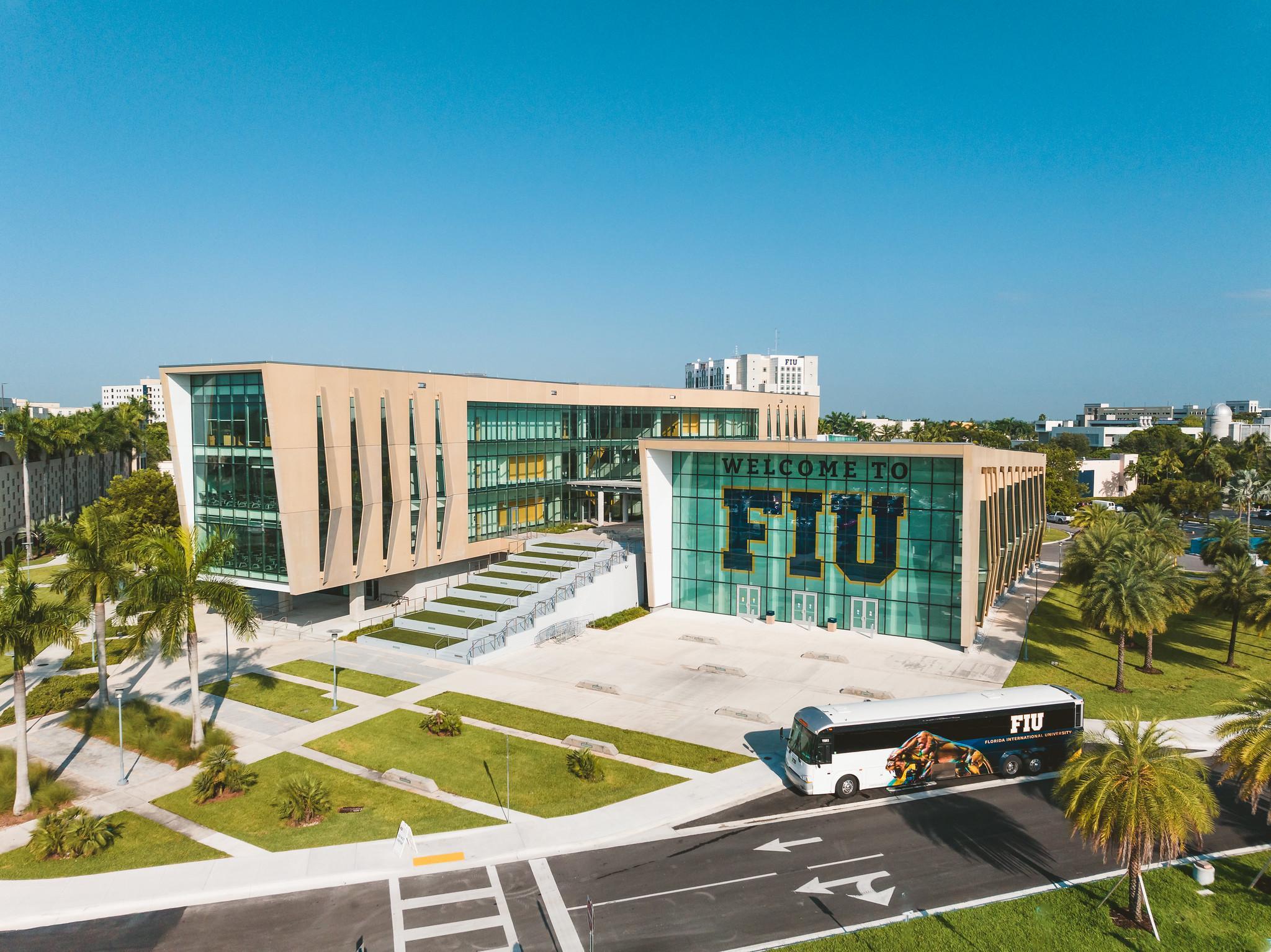
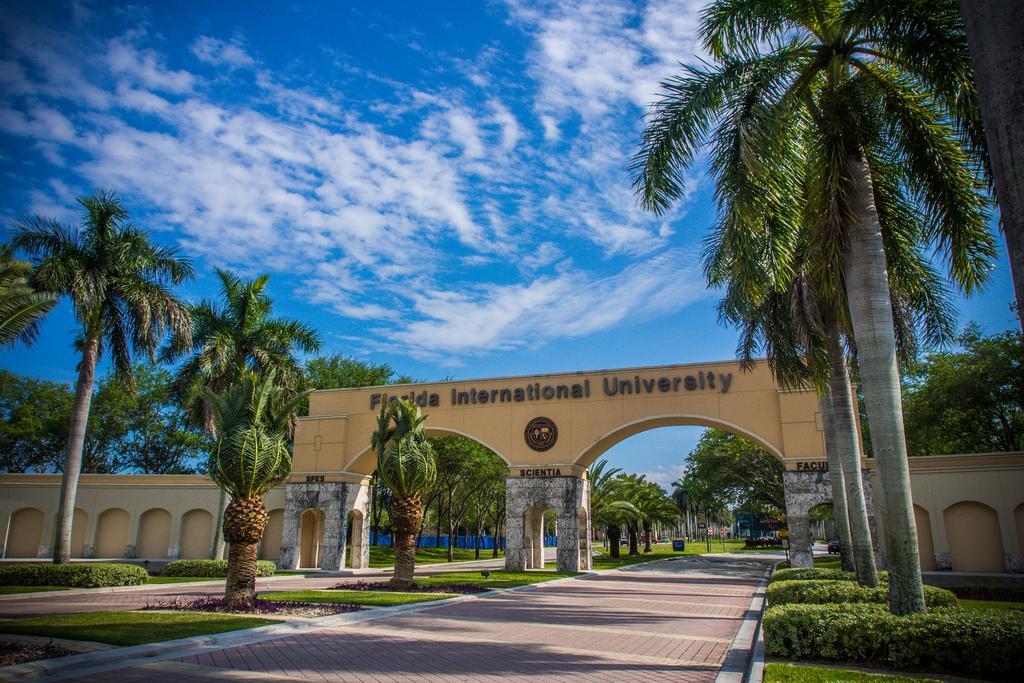
Campus Photos
Florida International University
About Florida International University
Florida International University: Programs, Admissions, Tuition, and Student Life
Overview of Florida International University
Florida International University (FIU) is a public research university located in Miami, Florida, United States. Known for its international outlook, diverse student community, research activity, and connections to the South Florida economy, FIU offers students opportunities to pursue undergraduate, graduate, and professional education in a wide range of disciplines. Its location in one of the United States’ major international cities provides an educational environment shaped by business, technology, healthcare, tourism, international trade, and multicultural exchange.
FIU attracts students interested in fields such as business administration, computer science, engineering, hospitality management, public health, architecture, education, international relations, and the social sciences. The university combines classroom instruction with research, practical projects, internships, and other experiential learning opportunities. Students can explore academic interests while developing communication, analytical, leadership, and professional skills.
For international students, FIU offers an opportunity to study in a metropolitan environment with access to a broad range of industries and cultural experiences. However, choosing the university requires careful consideration of tuition, living expenses, admission requirements, program availability, and immigration procedures. Students should evaluate their intended degree and career objectives before deciding whether FIU is the right institution.
Location and Campus Environment
FIU’s main campus, Modesto A. Maidique Campus, is located in western Miami. The university also operates additional academic and professional facilities, including the Biscayne Bay Campus in North Miami. These locations serve different academic activities and contribute to FIU’s presence throughout the greater Miami area.
Miami offers an environment that combines urban development, international business, cultural diversity, and access to coastal attractions. Its economy includes finance, logistics, technology, hospitality, tourism, healthcare, and international commerce. Students can gain exposure to these industries through university activities, professional networking, internships, and independent career exploration.
The Modesto A. Maidique Campus provides classrooms, laboratories, research facilities, student services, libraries, recreational areas, and spaces for campus events. Students can participate in academic organizations, cultural associations, sports, volunteer programs, and other extracurricular activities. These opportunities help students build relationships outside the classroom and develop a stronger connection with the university community.
The Biscayne Bay Campus offers an additional setting for selected academic programs and activities. Its location near the bay provides a different campus atmosphere, particularly for students whose studies involve hospitality, marine-related subjects, environmental interests, or other programs offered at that location.
Because FIU serves a large and diverse student population, students encounter peers from different cultural, educational, and professional backgrounds. International students can benefit from this diversity by developing cross-cultural communication skills and forming connections with people who have different perspectives and experiences.
Academic Programs and Areas of Study
FIU offers a broad selection of undergraduate, graduate, and doctoral programs through its colleges, schools, and academic departments. Program availability, curriculum structure, admission standards, and delivery formats vary by degree. Prospective students should consult the current academic catalog when comparing individual courses and qualifications.
Business and Economics
Business is an important area of study at FIU. Students can explore subjects such as accounting, finance, marketing, management, international business, economics, and business analytics. These disciplines introduce students to organizational strategy, financial decision-making, market behaviour, and the management of resources.
Students interested in international commerce may find Miami’s business environment particularly relevant. The city’s connections with Latin America, the Caribbean, and global markets create opportunities to observe how companies operate across borders. Coursework may develop skills in research, data interpretation, communication, teamwork, and problem-solving.
Graduates may pursue careers in financial services, consulting, marketing, accounting, business operations, or management, depending on their qualifications and experience. Some roles require professional certification, additional education, or specific technical skills.
Computing, Engineering, and Technology
FIU offers academic opportunities in computing, engineering, and related technical fields. Depending on the chosen degree, students may study computer science, information technology, software development, cybersecurity, data-related subjects, electrical engineering, civil engineering, mechanical engineering, or other engineering disciplines.
These programs generally combine theoretical foundations with technical practice. Students may complete programming assignments, laboratory activities, engineering projects, research work, and collaborative assessments. Such experiences can help students understand how mathematical concepts and scientific principles are applied to practical problems.
Students planning to pursue careers in technology should compare the curriculum, laboratory facilities, internship opportunities, elective choices, and industry relevance of their preferred program. Building a portfolio of projects, participating in technical organizations, and gaining practical experience can strengthen career preparation.
Hospitality and Tourism Management
Miami is an internationally recognized destination for tourism, hospitality, entertainment, and events. FIU’s hospitality-related education allows students to explore the management of hotels, restaurants, tourism services, events, and related businesses.
Students may study service operations, hospitality marketing, financial management, tourism development, customer experience, and organizational leadership. The field requires both business knowledge and an understanding of customer expectations, cultural differences, and operational efficiency.
Career opportunities may include hotel management, event coordination, tourism operations, restaurant management, hospitality consulting, and related service industries. Professional advancement often depends on practical experience, communication skills, and the ability to manage people and business operations effectively.
Arts, Humanities, and Social Sciences
FIU provides opportunities for students interested in the arts, humanities, communication, culture, history, languages, and social sciences. These subjects help students understand human behaviour, institutions, cultural change, and the ways individuals and communities interact.
Students can develop skills in writing, analysis, research, interpretation, and public communication. Depending on the program, learning may include research projects, presentations, creative assignments, fieldwork, or collaborative activities.
Graduates may pursue careers in communications, public service, education, research, media, community organizations, or other fields related to their academic preparation. Some professions require graduate study or specialized credentials.
Health, Medicine, and Public Health
Health-related education is another important area at FIU. Available pathways include selected programs in public health, nursing, biomedical sciences, and other health or medical disciplines. The university’s academic offerings span different stages of professional preparation, so students should distinguish between undergraduate study, graduate qualifications, and programs leading toward professional licensure.
Students may study human health, disease prevention, healthcare systems, research methods, population health, or scientific foundations relevant to their chosen discipline. Practical placements and clinical requirements, where applicable, depend on the program.
International applicants considering healthcare careers in the United States should research licensing rules, clinical eligibility, additional examinations, and professional requirements early. Admission to a university program does not automatically establish eligibility to practise a regulated profession.
Education, Architecture, and Public Affairs
FIU also offers opportunities in education, architecture, public policy, international relations, and related disciplines. These areas suit students interested in schools, community development, the built environment, government, diplomacy, and public institutions.
Architecture and design-related programs may involve studio work, design projects, technical drawing, digital tools, and portfolio development. Education programs focus on teaching, learning, curriculum, or related professional areas, depending on the qualification. Public affairs and international studies examine policy, institutions, global relationships, and social challenges.
Applicants should examine the curriculum and professional outcomes of each program carefully, especially where internships, portfolios, examinations, or additional certification may be required.
Why Choose Florida International University?
One potential advantage of FIU is its broad academic offering. Students can compare several disciplines within a large public university and, where degree rules permit, explore electives or interdisciplinary interests. The university’s research environment can also provide opportunities for students to participate in faculty-led work, academic projects, and specialized learning experiences.
Miami is another important consideration. The city’s economic connections create potential opportunities in business, hospitality, healthcare, logistics, technology, and international commerce. Students may use career services, professional events, faculty connections, and external networking to identify relevant experience.
FIU’s diverse campus community can also support international learning. Students from different backgrounds bring varied perspectives to classroom discussions and campus activities. This environment may help students become more comfortable working in multicultural teams, a useful capability in many international workplaces.
Financial planning is essential, however. FIU’s tuition for non-Florida residents is considerably higher than the rate for Florida residents, and international students generally pay the applicable non-resident rate. Living costs in Miami can add substantially to the annual budget. Applicants should compare the university’s estimated total cost of attendance with their available funding before accepting an offer.
Admission Requirements for International Students
FIU provides separate application pathways for international first-year students, transfer applicants, and graduate applicants. Requirements depend on the intended degree, academic background, and entry term. Applicants should always use the current instructions for their specific category.
Undergraduate Admission
International students applying directly after secondary school generally apply through the Common Application. FIU evaluates applicants using their academic performance and the required standardized test information, including SAT, ACT, or CLT scores under the university’s applicable policy.
Applicants should prepare official secondary-school transcripts showing completed courses and grades, as well as graduation credentials or examination results where required. Documents issued in languages other than English may need certified translations. Students should make sure their names, dates, and academic records are consistent across all application documents.
FIU reviews applications selectively, and meeting published minimum requirements does not guarantee admission. Academic preparation, the intended term, available spaces, and the university’s current admissions criteria can influence the outcome.
International first-year applicants should also review FIU’s English-language requirements. The university states that direct admission for international first-time-in-college students does not universally require TOEFL or IELTS scores; applicants must instead satisfy the applicable English proficiency or college-readiness requirements. Individual pathways and circumstances may differ, so students should not assume that a test is either always mandatory or always unnecessary.
Transfer Admission
Students who have already attended a college or university may apply as transfer applicants. FIU typically requires official academic records from previously attended postsecondary institutions. Secondary-school records may also be required depending on the applicant’s completed college credits and circumstances.
Transfer credit is evaluated according to institutional policies, course equivalency, academic level, and program requirements. Students should not assume that every completed course will transfer or count toward their intended degree.
Applicants transferring from institutions outside the United States should prepare detailed records and any required translations. Course descriptions or syllabi may be helpful when FIU evaluates the content of previous coursework. Students applying to selective or professionally regulated programs may need to meet additional requirements.
Graduate Admission
Graduate applicants must meet the academic prerequisites of the selected master’s, doctoral, or professional program. A recognized bachelor’s degree is commonly required for master’s-level entry, while doctoral programs may require a relevant prior qualification, research preparation, or other advanced academic experience.
Depending on the program, application materials may include official transcripts, a résumé or curriculum vitae, a statement of purpose, recommendation letters, standardized test scores, writing samples, a portfolio, or evidence of relevant professional experience. Requirements are not identical across all departments.
Students should review the program’s application deadline, minimum academic standards, English-language requirements, and any additional department-specific instructions before submitting an application.
English-Language Proficiency
International applicants must satisfy the English-language or college-readiness rules that apply to their admission pathway. Accepted tests, minimum scores, exemptions, and submission deadlines can vary by applicant category and degree program.
Applicants should check whether their previous education qualifies them for an exemption before paying for a language test. If a test is required, they should allow sufficient time for registration, results, and official score reporting. Meeting an English-language requirement does not guarantee academic admission, as applicants must also satisfy the relevant academic criteria.
Students should also consider their readiness for university-level reading, academic writing, presentations, and group work. Strong English communication skills can help students participate effectively in classes and prepare for internships and employment.
Tuition Fees and Cost of Attendance
Tuition is an important part of planning for an FIU education. The university publishes separate rates for Florida residents and non-Florida residents, with additional fees depending on program and enrollment status.
For 2026–2027, FIU lists an undergraduate non-resident tuition rate of approximately USD 660.19 per credit hour. At a typical full-time course load of 30 credits over an academic year, tuition is approximately USD 19,806 before additional charges. The university’s published cost-of-attendance estimates for non-Florida-resident undergraduates are higher because they also include expenses such as housing, food, books, transportation, personal costs, and applicable fees.
The overall annual budget depends on where a student lives, how many credits they take, their program, insurance requirements, and other individual circumstances. Graduate tuition differs from undergraduate tuition, and some professional programs have separate rates.
Students should use FIU’s current tuition calculator and cost-of-attendance estimates rather than relying only on a general tuition figure. The amount shown for financial documentation may differ according to the program, level of study, and period of enrollment.
Scholarships and Financial Planning
FIU offers scholarship opportunities, including merit-based awards for eligible incoming students. International applicants should review the conditions of each award, including academic standards, application deadlines, residency rules, renewal requirements, and restrictions on combining financial awards.
Scholarships are competitive or limited to qualifying categories, so students should not assume that they will receive an award. A realistic budget should be prepared using the full published cost before subtracting any confirmed scholarship.
Students should also account for expenses that may arise before arrival, such as application charges, document preparation, visa-related costs, travel, deposits, and initial housing expenses. Maintaining an emergency reserve can help students manage unexpected costs during their first semester.
Student Housing and Daily Life in Miami
FIU students may consider university housing or off-campus accommodation, depending on availability, eligibility, budget, and personal preferences. University residences can make it easier to participate in campus activities and connect with other students. Off-campus housing may provide more flexibility but requires careful consideration of rental costs, transportation, lease conditions, utilities, and personal safety.
Students should compare the complete cost of each option rather than rent alone. A lower monthly rent may be offset by transport costs, utilities, deposits, or a longer commute. Housing availability can change, so applicants should begin researching accommodation after receiving relevant admission information.
Miami offers restaurants, cultural events, sports, parks, beaches, museums, and entertainment. The city’s multicultural population creates opportunities to experience different cuisines, languages, and traditions. At the same time, students should plan for commuting, weather conditions, and the cost of participating in activities.
International students may find it helpful to establish a weekly budget covering groceries, transport, phone service, study materials, and personal spending. Learning about public transport options and student discounts can also help manage expenses.
Campus Resources and Career Preparation
University life involves more than completing coursework. FIU offers academic and student-support resources intended to help students navigate university expectations, improve learning skills, and prepare for future careers. Available services and eligibility vary, so students should check the current details for their campus and program.
Academic advising can help students understand degree requirements, course selection, registration, and graduation planning. Library and research resources support assignments and independent study. Tutoring, writing support, and other academic services may help students address difficult subjects and strengthen study habits.
Career development is another important part of the university experience. Students can explore résumé preparation, interview practice, career fairs, employer events, networking opportunities, and internship searches through the resources available to them. Participation in student organizations and collaborative projects can also help students demonstrate leadership and teamwork.
Students interested in employment after graduation should investigate the relationship between their degree, industry requirements, and applicable U.S. immigration rules. International student employment authorization is subject to specific conditions, and opportunities are not guaranteed by university admission alone.
International Student Visa Considerations
Students who require F-1 status must complete FIU’s applicable international student documentation process. This generally involves receiving an admission decision, meeting the university’s requirements for issuing the Form I-20, documenting the financial resources needed for study, and following the relevant U.S. student visa procedures.
Applicants should ensure that their passport is valid and that financial records satisfy the university’s current instructions. They should also account for tuition deposits, health insurance, living costs, and any other expenses included in the official financial estimate.
Receiving an admission offer or Form I-20 does not guarantee approval of a student visa. Visa decisions are made by the appropriate U.S. authorities, and applicants must follow the current rules and procedures. Students should consult official government and university instructions rather than relying on unofficial claims about visa approval rates.
After arrival, international students must comply with the conditions of their immigration status, maintain the required academic enrollment, and consult the university’s international student office before making changes that could affect their status.
Career Opportunities After Graduation
Career prospects depend on the chosen degree, practical experience, professional qualifications, communication skills, and employment market conditions. FIU graduates may pursue opportunities in Florida, elsewhere in the United States, or internationally, depending on their qualifications and work authorization.
Business graduates may explore accounting, marketing, finance, operations, and consulting. Computing and engineering graduates may seek roles related to software, systems, data, cybersecurity, product development, or technical design. Hospitality graduates may pursue work in hotel operations, events, tourism, and service management. Health-related graduates may enter research, healthcare administration, public health, or further professional training, subject to the requirements of each occupation.
Students can improve their preparation by developing relevant projects, obtaining practical experience, joining professional organizations, and building relationships with faculty members and industry contacts. Internships and campus employment may offer valuable experience when permitted under the relevant rules.
No university can guarantee a particular salary, job offer, or employment outcome. Students should evaluate career statistics carefully, paying attention to the graduation cohort, degree level, occupation, location, and method used to calculate reported results.
Is Florida International University the Right Choice?
FIU may be a strong option for students seeking a broad academic environment in a diverse metropolitan area. Its range of disciplines, research activities, international outlook, and location in Miami can appeal to students interested in business, technology, hospitality, health, engineering, public affairs, and other fields.
However, a suitable university is one that matches a student's academic preparation, career plans, financial resources, and personal preferences. Applicants should compare their intended program with similar degrees at other institutions, assess the total cost of attendance, investigate scholarship eligibility, and review the support available to international students.
Before making a final decision, prospective students should verify program availability, admission deadlines, tuition rates, English-language requirements, housing options, and immigration documentation for their intended intake. These details can change, and program-specific requirements may differ from the university's general guidance.
Florida International University offers an educational setting connected to the academic, cultural, and economic life of South Florida. With careful preparation and a clear understanding of the costs and requirements, prospective students can determine whether FIU aligns with their goals for higher education and future career development.
Entry Requirements
General Entry Requirement
IELTS 6.0 overall
Fees & Scholarships
Annual Tuition Fees
USD 19,000 - USD 30,000
Ready to Apply to Florida International University?
Our advisors guide you from eligibility check to offer letter — at no cost to you.
Join our WhatsApp Community
.jpeg)
Scan to join our student community for admission updates & guidance