
Annual FeesUSD 44,000 - USD 48,000
Florida Institute of Technology
LocationUS
Entry RequirementIELTS 6.5 overall
Visa Success Rate72%
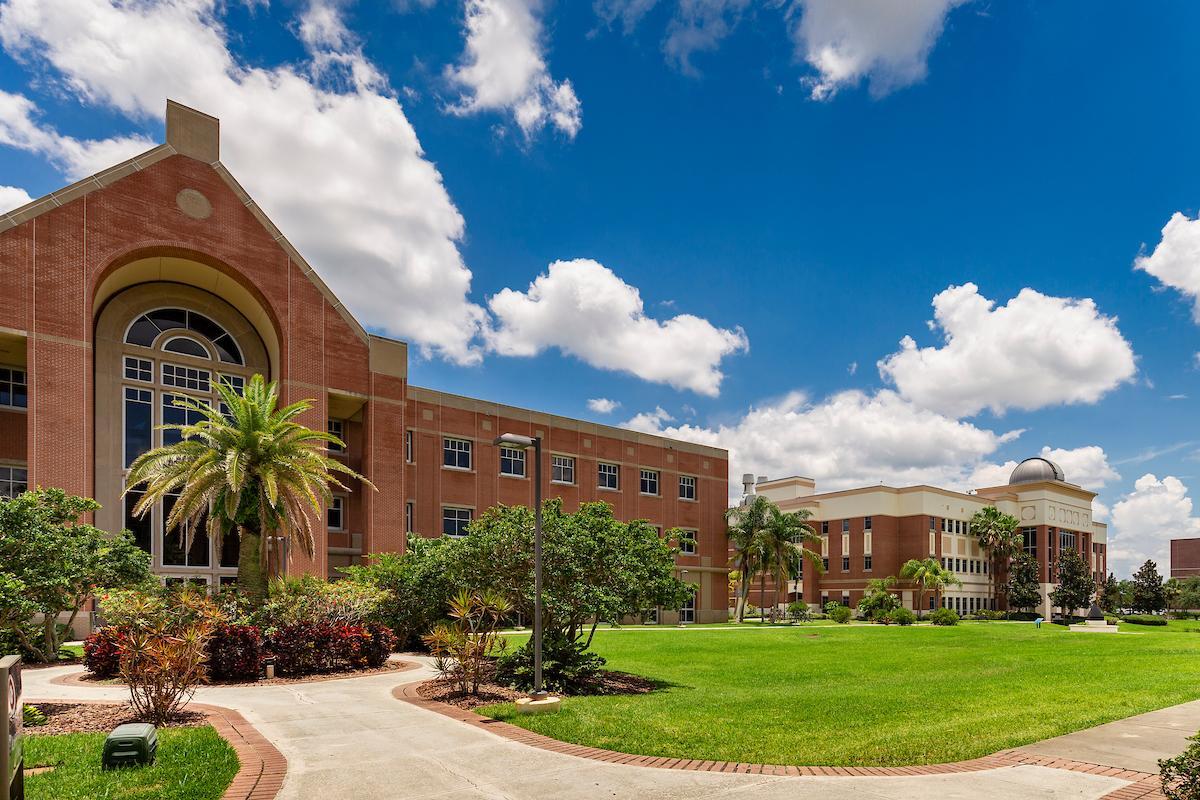
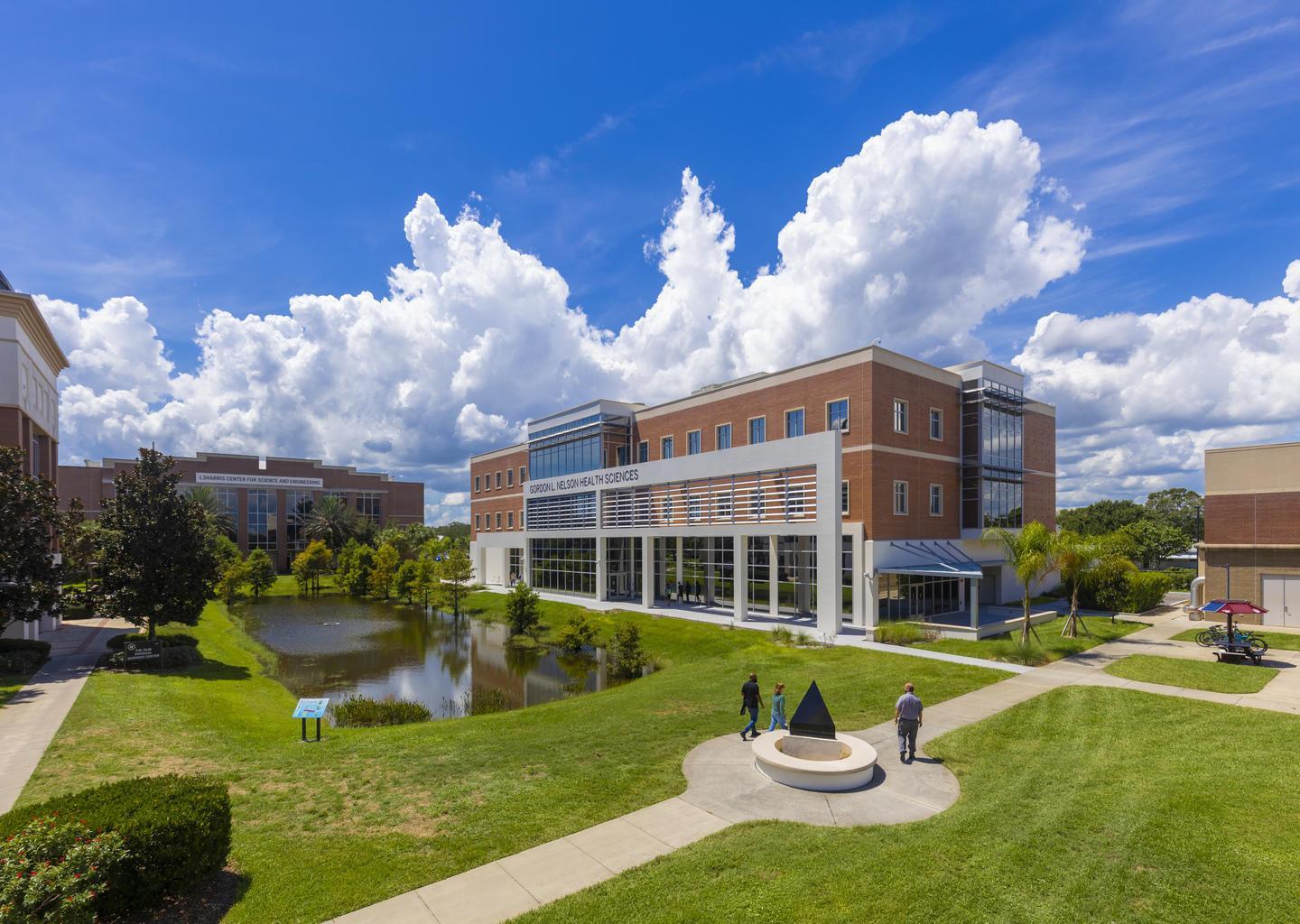
Campus Photos
Florida Institute of Technology
About Florida Institute of Technology
Florida Institute of Technology: Programs, Admissions, Tuition, and Student Life
Overview of Florida Institute of Technology
Florida Institute of Technology, widely known as Florida Tech, is a private research university located in Melbourne, Florida, United States. Founded in 1958 as Brevard Engineering College, the institution developed with a focus on science, engineering, technology, and the educational needs of professionals supporting the United States space program. Today, Florida Tech offers undergraduate, graduate, and doctoral programs across a wide range of academic disciplines.
The university is particularly recognized for its emphasis on science, technology, engineering, mathematics, aviation, and applied research. Its academic offerings also include business, psychology, liberal arts, and other fields. Students can choose from a variety of degree and certificate programs designed to support professional development, research, and further academic study.
Florida Tech's main campus is situated in Melbourne, on Florida's Space Coast. The surrounding region has connections to aerospace, aviation, engineering, technology, and research. This setting can be attractive to students interested in scientific discovery, technological innovation, and careers that combine academic knowledge with practical application.
The university emphasizes hands-on learning, research opportunities, and the application of classroom concepts to real-world challenges. Students may participate in laboratory activities, technical projects, internships, collaborative research, and other experiences depending on their program and eligibility.
For international students, Florida Tech offers an opportunity to study in an American university environment with a strong STEM identity and a diverse student community. Applicants should carefully evaluate the program curriculum, admission requirements, English-language proficiency, tuition, scholarships, and total cost of attendance before deciding whether the university fits their academic and professional goals.
Academic Programs and Areas of Study
Florida Tech offers more than 200 undergraduate and graduate degree and certificate programs across its academic colleges and departments. Program availability and admission requirements depend on the selected degree, level of study, and delivery format.
Engineering
Engineering is one of Florida Tech's central academic areas. Students can explore disciplines such as aerospace engineering, mechanical engineering, electrical engineering, computer engineering, civil engineering, biomedical engineering, and other specialized fields.
Engineering programs typically combine mathematics, scientific principles, technical design, and practical problem-solving. Depending on the major, students may study materials, electronics, mechanical systems, structures, computing, fluid dynamics, manufacturing, or engineering analysis.
Laboratory work and design projects can help students understand how engineering concepts are applied in professional settings. Students may also have opportunities to participate in research, student design teams, and collaborative technical projects.
Engineering applicants should review the mathematics and science prerequisites for their intended program. They should also compare course sequences, laboratory facilities, accreditation information, and possible career pathways before selecting a major.
Aerospace and Aeronautics
Florida Tech's location on Florida's Space Coast supports its identity as a university with strong aviation and aerospace connections. Aeronautics programs provide pathways for students interested in aircraft operations, aviation management, aviation safety, and related professional areas. Aerospace-oriented engineering programs focus on the scientific and technical principles behind aircraft, spacecraft, propulsion, and flight systems.
Students interested in aviation should distinguish between an academic degree and a professional qualification or licence. Flight training, certification, medical requirements, and additional fees may apply to particular pathways. International students should confirm whether the selected program is available to them and whether any flight-training components have separate eligibility requirements.
Aviation and aerospace graduates may explore opportunities in airlines, airports, aerospace companies, aircraft manufacturing, aviation services, research, and related industries. Employment outcomes depend on the degree, practical experience, professional credentials, and applicable work authorization.
Computer Science and Information Technology
Florida Tech provides computing-related programs for students interested in software, computer systems, cybersecurity, artificial intelligence, data, and other technology fields. Depending on the degree, students may study programming, algorithms, computer architecture, software development, networking, databases, information security, and computational methods.
Computer science programs can provide a theoretical and practical foundation for developing software and solving computational problems. More specialized technology programs may focus on particular technical applications or professional skills.
Students can strengthen their academic experience by working on projects, participating in research, developing software portfolios, and exploring relevant internships. These activities can help demonstrate practical ability to prospective employers.
Applicants should compare the curriculum and prerequisites of each program rather than assuming that all computing degrees cover the same subjects. Students interested in emerging fields should review the mathematics requirements, technical electives, research opportunities, and career preparation associated with their preferred degree.
Sciences and Research
Florida Tech offers programs in scientific disciplines such as biology, chemistry, physics, marine-related sciences, environmental science, and other specialized fields. These subjects can appeal to students interested in laboratory research, scientific investigation, environmental systems, and the development of new knowledge.
Science programs may include laboratory classes, fieldwork, data analysis, research projects, and advanced coursework. Students planning to pursue research careers or graduate study should consider opportunities to work with faculty members, develop research skills, and gain experience with scientific methods.
The university's research environment can also help students explore interdisciplinary questions involving technology, medicine, environmental systems, and engineering. Specific research opportunities depend on the department, faculty projects, funding, and the student's academic preparation.
Students intending to pursue careers in regulated scientific or healthcare professions should investigate the additional education, licensing, and professional requirements relevant to their goals.
Business and Management
Florida Tech offers business programs for students interested in organizational leadership, management, finance, marketing, analytics, and related professional areas. Business education can help students understand how companies operate, how financial decisions are made, and how organizations respond to changing markets.
Coursework may address accounting, economics, business strategy, organizational behaviour, operations, entrepreneurship, and communication. Depending on the degree, students may also explore quantitative analysis, technology management, and international business.
Graduate students can consider advanced management education, including MBA programs. Applicants should compare the curriculum, work-experience expectations, course delivery, and tuition structure of the intended program before applying.
Business students can benefit from internships, collaborative projects, case studies, and professional networking. These experiences may help them apply classroom knowledge to business problems and develop communication and leadership skills.
Psychology and Behavioural Sciences
Florida Tech offers psychology-related programs that examine human behaviour, cognition, development, and the scientific study of mental processes. Students may explore areas such as experimental psychology, applied behaviour analysis, organizational behaviour, and other specialized subjects, depending on the degree.
Psychology programs can support careers in research, education, behavioural services, human resources, and related areas. However, a bachelor's degree alone does not qualify someone for every professional psychology role.
Students who want to become licensed psychologists, counsellors, or clinical practitioners should investigate the graduate qualifications, supervised experience, examination, and licensing requirements applicable to their intended profession and location.
Applicants interested in research should review faculty interests, laboratory opportunities, and the research methods included in their chosen program.
Liberal Arts and Interdisciplinary Study
Florida Tech also provides academic opportunities in liberal arts and related fields. These programs help students develop communication, critical thinking, cultural awareness, writing, and analytical skills.
Interdisciplinary learning can be useful for students whose interests combine technical and nontechnical subjects. Communication and analytical skills are valuable across industries, including engineering, business, research, education, and technology.
Students should examine the available majors and course requirements to determine how a liberal arts qualification aligns with their career or postgraduate plans.
Why Consider Florida Tech?
A Strong STEM and Research Identity
Florida Tech's academic identity is closely associated with science, engineering, computing, and technology. Students interested in technical disciplines may appreciate a university environment where research and applied learning are important parts of the educational experience.
The university's range of academic programs also allows students to explore subjects that combine technical knowledge with business, psychology, or other disciplines. This can be relevant for students who want to understand not only how technologies work but also how they affect organizations and society.
Applicants should examine the specific facilities, research groups, faculty expertise, and undergraduate opportunities related to their intended major. The availability of particular projects or research positions is not guaranteed and may depend on academic preparation and departmental capacity.
Practical and Hands-On Learning
Florida Tech emphasizes applying knowledge through research, laboratory work, design activities, and other practical experiences. These opportunities can help students develop technical skills and learn how to approach complex problems.
In engineering, students may work on design projects or experiments. Science students may participate in laboratory research, while computing students can develop software or analyze technical problems. Business and psychology students may engage in projects appropriate to their disciplines.
The nature of hands-on learning varies by program. Prospective students should review course descriptions and ask departments about project work, research access, internship support, and opportunities to work with faculty.
Location on Florida's Space Coast
Melbourne is part of Florida's Space Coast, a region associated with aerospace, aviation, engineering, and technology. The location can be particularly relevant for students interested in those industries.
The surrounding area also provides access to beaches, parks, waterways, and outdoor recreational activities. Florida's warm climate may appeal to students who prefer a subtropical environment, although seasonal heat, humidity, and storms are considerations for daily life.
Students should research local transport, housing, shopping, healthcare, and commuting options before arriving. Access to particular employers or internships depends on the opportunity, the student's qualifications, and the rules governing employment.
An International Student Community
Florida Tech welcomes students from different countries and educational backgrounds. A diverse campus can offer opportunities to exchange perspectives, develop intercultural communication skills, and form international professional connections.
International students can benefit from participating in campus organizations, academic activities, and student events. These experiences can support social integration while helping students become familiar with American academic expectations.
Applicants should confirm which student organizations, support services, and international-student activities are currently available. Their eligibility for particular opportunities may depend on program and enrollment status.
Admission Requirements for International Students
Florida Tech has separate guidance for international applicants, including first-year undergraduate students, transfer applicants, and students who require immigration documentation. Applicants should identify the correct admission category before preparing their materials.
Undergraduate Admission
International first-year applicants can apply through Florida Tech's university application or the Common Application where applicable. The university's published international undergraduate application process does not charge an application fee.
Applicants generally need to submit transcripts from each year of secondary school, along with predicted or preliminary examination results where applicable. The university evaluates international academic records in the context of the applicant's home education system.
Students must provide final official transcripts, graduation documents, and required examination results before enrollment. Documents not issued in English require formal English translations prepared by a school or translation service. Florida Tech does not accept AI-generated translations as official translations.
Applicants following the Indian national curriculum should prepare Class X board results, Class XI marks, and Class XII results, predicted or final, for application review. Final official Class XII results must be submitted before enrollment in accordance with the university's instructions.
The university states that SAT, ACT, or CLT scores are optional documents for international undergraduate applicants in its international admissions process. Applicants should check the current policy for their particular program and application cycle rather than relying on requirements published by third-party websites.
Transfer Admission
Students who have completed college or university coursework after secondary school are generally considered transfer applicants. They should provide transcripts from every college or university attended and final secondary-school examination certificates or a diploma.
Applicants with fewer than 24 college credits must also submit their secondary-school transcript. Transfer students with international coursework may be asked to provide course syllabi to support credit evaluation, together with formal English translations where necessary.
Florida Tech reviews previous coursework to determine whether it is equivalent in content, level, and instructional hours to courses in the intended degree. Credit transfer is not automatic, and some courses may not satisfy specific degree requirements.
Applicants should request a transfer-credit evaluation and confirm the number of credits that can be applied to their intended program before estimating how long degree completion will take.
English-Language Proficiency
International students whose first language is not English must demonstrate English proficiency before enrollment or issuance of Form I-20, unless they qualify under an approved exemption.
Florida Tech lists several accepted options. Its published requirements include TOEFL iBT scores of 80 for tests taken before January 1, 2026, or 4.0 for tests taken on or after that date; IELTS Academic 6.5; Pearson PTE Academic 58; and Duolingo English Test 105. Other approved options and exemptions may apply.
Applicants should verify the accepted examinations, score requirements, validity period, and exemption criteria on the university's current English-proficiency page. Test policies can change, and meeting the minimum score does not guarantee admission to every program.
Students should also prepare for the language demands of university study, including lectures, technical reports, research papers, presentations, group projects, and academic discussions.
Graduate Admission
Graduate admission requirements vary by department and qualification. Applicants generally need a bachelor's degree or another relevant prior qualification that meets the requirements of their intended program.
Required materials may include official university transcripts, a résumé or curriculum vitae, a statement of purpose, letters of recommendation, test scores where applicable, and evidence of English proficiency. Certain research-based programs may have additional expectations related to previous coursework or research interests.
Prospective graduate students should review the department's application instructions carefully. They should confirm deadlines, minimum academic standards, funding options, and whether their prior degree satisfies the program's entry requirements.
Tuition Fees and Cost of Attendance
Florida Tech's tuition depends on the academic program, course load, and study format. For the 2026–2027 academic year, the published annual full-time undergraduate tuition is USD 47,560 for the College of Engineering and Science and USD 44,740 for Aeronautics, Business, Psychology, and Liberal Arts.
These amounts represent tuition, not the complete cost of attending the university. Additional charges can include mandatory facilities and activity fees, technology fees, books and course materials, health insurance, housing, meals, transportation, and personal expenses.
The university's published undergraduate facilities fee is USD 580 annually for full-time students on the Melbourne campus, and the annual activity fee is USD 480. The Panther Ready book charge is listed at USD 27 per credit hour. Students beginning in Fall 2026 are listed for health insurance totaling USD 1,999, although insurance charges depend on the starting term and applicable arrangements.
Graduate tuition varies by college and program and may be charged per credit hour. Online programs can have different rates from on-campus programs, so applicants should use the specific tuition schedule relevant to their intended qualification.
Planning a Realistic Budget
Students should calculate the full cost of attendance rather than comparing institutions solely by tuition. A realistic budget may include housing, meals, health insurance, books, technology, transportation, and personal expenses.
Housing costs depend on residence type, meal plans, availability, and whether students choose campus or off-campus accommodation. Students living away from campus should account for rent, deposits, utilities, transport, and other household expenses.
International students who require F-1 status must demonstrate sufficient funding for the first academic year's cost of attendance before the university issues Form I-20. Applicants should confirm the required amount and accepted financial documents with Florida Tech's international admissions team.
Students should not assume that future employment will cover their main expenses. Any scholarship or other financial award should be included in the budget only after its amount, eligibility, and conditions have been confirmed.
Scholarships and Financial Assistance
Florida Tech offers selected scholarships and grants to eligible international students. International applicants are automatically considered for certain scholarships upon admission, according to the university's published international admissions guidance.
Scholarship eligibility, award amounts, renewal conditions, and deadlines can vary. Students should review the terms carefully and determine whether an award applies to tuition only or to other eligible expenses.
International students are generally not eligible for U.S. need-based financial aid unless they qualify under an eligible noncitizen category. They may investigate outside scholarships or other legitimate funding options, subject to the university's policies and the relevant funding conditions.
Applicants should prepare a financial plan based on confirmed resources and avoid assuming that scholarship funding will cover the full cost of attendance.
Campus Life and Student Experience
Florida Tech's main campus in Melbourne offers an academic environment with classrooms, laboratories, research facilities, student services, and residential options. Students can participate in clubs, organizations, athletics, recreation, arts, and other activities alongside their studies.
Campus involvement can help students develop friendships, build leadership skills, and explore interests outside the classroom. Students may find activities connected to academic subjects, cultural interests, sports, community engagement, and professional development.
The university's location also provides access to outdoor recreation in the surrounding region. Students can explore local parks, beaches, and waterfront areas when their schedules permit.
Housing and Daily Living
Florida Tech provides residence-life and housing information for students considering campus accommodation. Housing arrangements, room types, costs, and meal plans vary, so students should review the current options and deadlines before committing.
Students who plan to live off campus should investigate transport, rental costs, lease conditions, utility expenses, and travel time to classes. Melbourne is not a large public-transit city on the scale of Boston or New York, so students should carefully assess their transportation needs.
International students should plan for their arrival, orientation, healthcare, and essential purchases. Florida's climate is generally warm, but summer heat, humidity, and seasonal storms can affect daily routines. Preparing in advance can make the transition to a new environment easier.
Student Support
Students may access academic advising, library services, health and wellness resources, career guidance, and international-student support, depending on eligibility and service availability.
International students should become familiar with the university's procedures for maintaining their immigration status. They should consult the appropriate university adviser before changing enrollment, taking a reduced course load, transferring institutions, or beginning employment or practical training.
Using support services early can help students address academic or administrative questions before they become more difficult to resolve.
Career Preparation and Employment Opportunities
Florida Tech's programs can prepare students for careers in engineering, aviation, computing, science, business, psychology, and other fields. Practical projects, research, internships, and collaborative activities may help students develop skills that complement their academic qualifications.
Students should investigate internship opportunities and career services associated with their departments. Access to a particular internship is not guaranteed, and selection can depend on academic performance, technical skills, employer requirements, and the availability of positions.
International students must understand the employment restrictions that apply to their immigration status. Florida Tech's published international admissions guidance states that F-1 students may work on campus up to 20 hours per week starting in their first semester, subject to applicable rules. Paid internships and cooperative education opportunities may require prior eligibility and authorization.
Students should never begin off-campus employment or practical training without confirming the relevant immigration requirements and obtaining any necessary authorization. A degree does not automatically provide permission to work in the United States after graduation.
Accreditation and Academic Recognition
Florida Tech is a research-focused university offering degrees across multiple academic disciplines. Students evaluating the institution should review its institutional accreditation and any specialized accreditation relevant to their intended program.
Professional accreditation can be particularly important in fields such as engineering, aviation, business, and other regulated or professionally oriented disciplines. Accreditation status and scope may differ between programs, so applicants should confirm the current details for the exact degree they plan to pursue.
Students intending to transfer credits, apply for professional licensing, or pursue graduate study elsewhere should also check the requirements of the receiving institution or relevant professional body.
Accreditation and a university qualification can support academic and career progression, but neither guarantees admission to another institution, professional licensing, employment, or immigration approval.
How to Apply to Florida Tech
The first step is to select a degree and determine whether the application is for first-year undergraduate, transfer, graduate, or online study. Applicants should then review the appropriate program page and international admissions instructions.
Undergraduate applicants should prepare their secondary-school records, examination results where relevant, and formal English translations. Transfer applicants should gather college transcripts, secondary-school documents, and course syllabi where required. Graduate applicants should prepare the academic records and supporting materials specified by their department.
Students must also confirm English-language proficiency requirements and submit an accepted test result or evidence of an applicable exemption before enrollment. Florida Tech accepts undergraduate applications throughout the year, but students requiring F-1 documentation should pay attention to the university's I-20 deadlines.
The published I-20 deadline for Fall entry is July 1 of the enrollment year, while the deadline for Spring entry is November 1 of the preceding year. Applicants should confirm the latest deadlines and allow enough time for admission review, financial verification, and visa processing.
After receiving an offer, students should review the conditions of admission, submit final official documents, arrange funding, and complete the university's immigration-documentation process where applicable. They should also plan for housing, travel, orientation, and registration.
Is Florida Tech the Right Choice?
Florida Tech may be a strong option for students interested in science, engineering, computing, aviation, business, psychology, and applied research. Its research-oriented academic environment, practical learning opportunities, and location on Florida's Space Coast can be attractive to students seeking technical and professional education.
The university offers a wide range of academic pathways, but the best choice depends on the student's goals, preparation, financial resources, and preferred learning environment. Applicants should compare curriculum, research opportunities, faculty expertise, tuition, scholarships, housing, and employment-related outcomes.
International students should pay particular attention to English proficiency, financial documentation, visa procedures, and the rules governing employment during and after study. They should also confirm that the intended program and study format fit their educational and immigration plans.
Conclusion
Florida Institute of Technology combines a strong STEM identity with academic options in aviation, business, psychology, liberal arts, and other fields. Its research-driven approach and emphasis on hands-on learning can help students connect academic knowledge with practical challenges.
For international applicants, careful planning is essential. Verifying program requirements, tuition, additional expenses, scholarships, housing, and immigration documentation can help students make an informed decision.
Prospective students should consult the university's current official information before applying and evaluate Florida Tech in relation to their academic interests, career ambitions, and financial circumstances. With thorough preparation, students can determine whether the university offers the right environment for their educational journey.
Entry Requirements
General Entry Requirement
IELTS 6.5 overall
Fees & Scholarships
Annual Tuition Fees
USD 44,000 - USD 48,000
Ready to Apply to Florida Institute of Technology?
Our advisors guide you from eligibility check to offer letter — at no cost to you.
Join our WhatsApp Community
.jpeg)
Scan to join our student community for admission updates & guidance