
Annual FeesUSD 19,000 - USD 41,000
Fisher College
LocationUS
Entry RequirementIELTS 6.5 overall
Visa Success Rate70%
Campus Photos
Fisher College
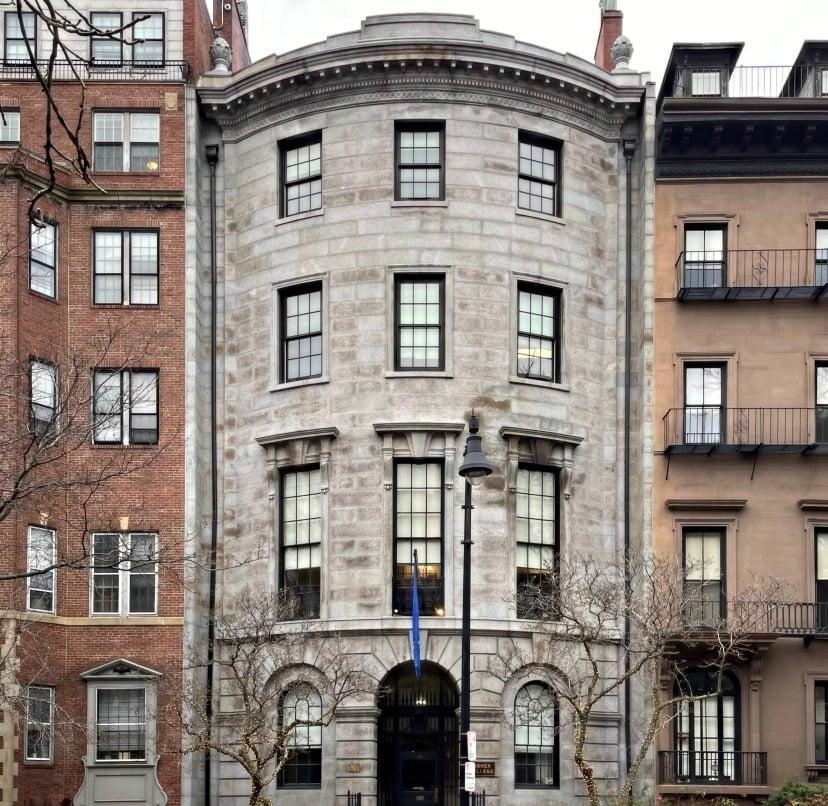
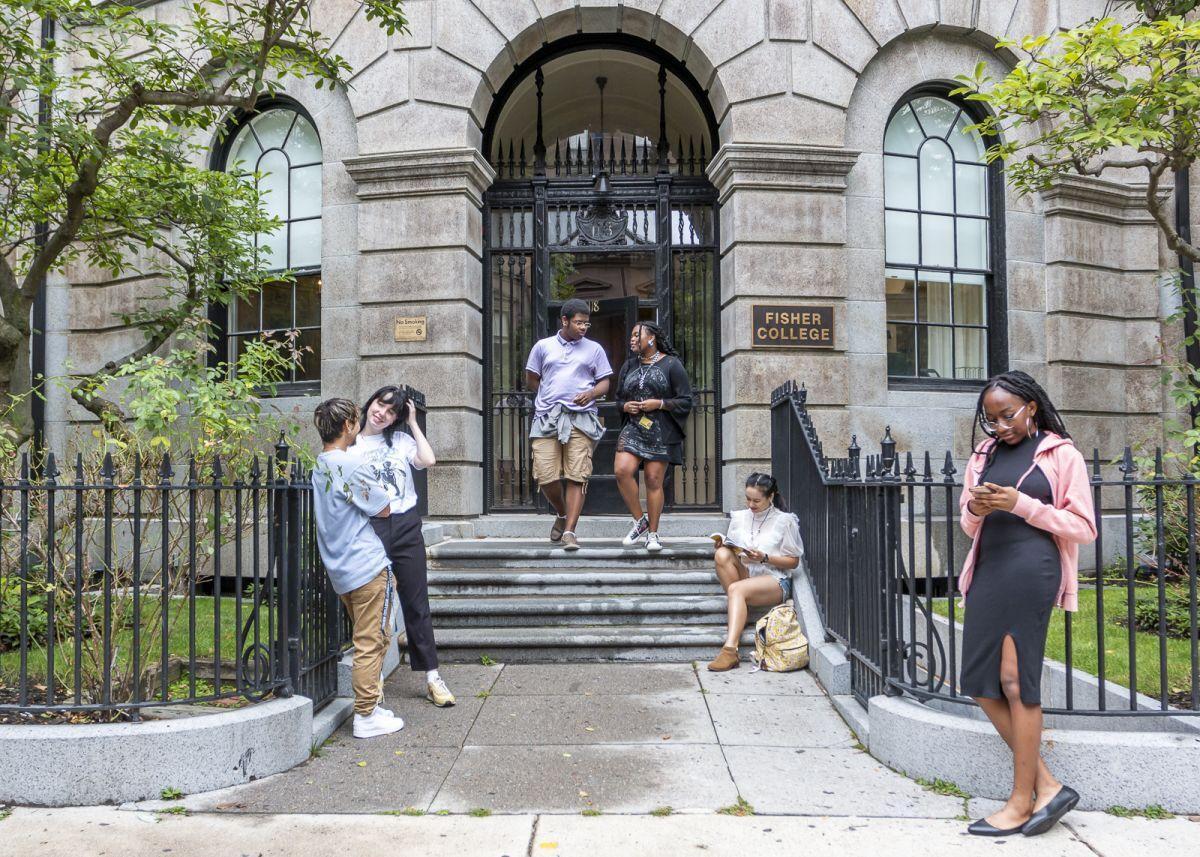
About Fisher College
Fisher College: Programs, Admissions, Tuition, and Student Life
Overview of Fisher College
Fisher College is a private college located in Boston, Massachusetts, United States. Established in 1903, the institution has a long history of providing higher education to students with varied academic backgrounds and career ambitions. Its location in Boston's Back Bay neighborhood places students in one of the country's best-known education and employment centres, surrounded by universities, cultural institutions, businesses, healthcare organizations, and professional networks.
The college offers undergraduate and graduate study options, with programs available in areas such as business, management, information technology, biology, criminal justice, psychology, health-related fields, and other professional disciplines. Students can explore on-campus and online learning opportunities, depending on the program and their educational needs.
Fisher College emphasizes personalized education, practical learning, and preparation for professional life. Its relatively small learning environment can help students engage with faculty, receive academic guidance, and develop relationships with classmates. The college also highlights internships and professional experiences as ways for students to connect classroom learning with career development.
For international students, Fisher College may be an option for studying in an urban American environment while pursuing an undergraduate or graduate qualification. Prospective applicants should evaluate their preferred program, English-language proficiency, tuition, housing expenses, and immigration requirements before deciding whether the college is suitable for their goals.
Academic Programs and Areas of Study
Fisher College offers a variety of academic programs intended to support different interests and career pathways. Program availability, degree requirements, and admission criteria vary, so applicants should review the current curriculum for their intended qualification before applying.
Business and Management
Business and management programs help students understand how organizations operate and how decisions influence financial performance, employees, customers, and long-term growth. Depending on the program, students may study management, marketing, accounting, finance, business communication, organizational behaviour, and strategic planning.
These subjects can provide a foundation for careers in business operations, sales, administration, marketing, and management. Students may also pursue further education after completing an undergraduate degree.
Fisher College offers graduate business education, including an MBA pathway. Prospective MBA students should review the current concentrations, course structure, admission prerequisites, and delivery format. Applicants considering a management degree should compare the curriculum with their professional experience and career plans, particularly if they intend to specialize in technology, entrepreneurship, finance, or organizational leadership.
Information Technology
Information technology is an important field for students interested in computing, digital systems, and technology-driven business operations. Fisher College's technology-related study options include areas such as cybersecurity, game development, and software engineering.
Depending on the selected pathway, students may develop knowledge of programming, information systems, software design, digital security, and technical problem-solving. These subjects can be relevant to technology companies, corporate IT departments, software teams, and organizations that depend on secure digital infrastructure.
Applicants should examine the exact course requirements, practical components, and technical prerequisites before choosing a program. Students planning to enter a specialized technology role should also consider building a portfolio, participating in relevant projects, and developing skills that complement their academic qualification.
Technology changes rapidly, and employers often assess practical ability alongside formal education. Students should therefore consider opportunities to gain hands-on experience and remain familiar with current tools and professional practices.
Biology and Health-Related Studies
Students interested in health, science, and human wellbeing can explore biology and related academic options at Fisher College. Biological study can introduce learners to living systems, scientific investigation, laboratory concepts, and the relationship between biological knowledge and healthcare.
Health-related programs may also support students who plan to continue into graduate education or pursue careers in healthcare administration, public health, or related professional areas. The exact opportunities depend on the degree and any additional qualifications required for the intended occupation.
Students interested in nursing, clinical practice, or other regulated healthcare careers should distinguish between a general health-related degree and a qualification that specifically prepares graduates for professional licensing. They should verify prerequisite subjects, clinical requirements, accreditation, and licensing eligibility before enrolling.
International applicants should also consider whether their intended profession requires additional examinations or recognition of qualifications in the state where they plan to work.
Criminal Justice and Public Service
Criminal justice and related fields examine legal institutions, public safety, social systems, and the administration of justice. Students may develop analytical, communication, research, and problem-solving skills that can be relevant to a range of public-service and private-sector roles.
Potential career directions may include administrative support in justice-related organizations, compliance, security services, community programs, or further study in law and related disciplines. Employment eligibility varies significantly by occupation. Some government and law-enforcement roles require citizenship, specific background checks, professional training, or other conditions that international students may not meet.
Students should investigate the requirements of their intended career before selecting a program. Understanding the distinction between an academic qualification and the legal requirements for a particular job is particularly important in public-service fields.
Psychology and Human Behaviour
Psychology focuses on human behaviour, mental processes, relationships, and the factors that influence individual and group experiences. Study in this area can help students develop research, communication, critical-thinking, and analytical skills.
A bachelor's degree in psychology may support entry-level opportunities in areas such as human resources, community services, research assistance, or administrative work, depending on the role. Becoming a licensed psychologist or practising independently in a clinical profession generally requires additional graduate education, supervised experience, and licensing requirements.
Students who are considering psychology as a long-term career should map out the educational pathway beyond their initial degree. They should also compare program content, research opportunities, and any prerequisites required for graduate admission.
Fashion, Communication, and Other Professional Interests
Fisher College's undergraduate offerings include additional disciplines such as fashion merchandising and other career-oriented subjects. These programs can be relevant to students interested in retail management, merchandising, brand operations, communication, and related business activities.
Students should review the current list of majors and concentrations rather than assuming that every subject is offered in every semester or study format. Course availability and program structures can change.
When comparing programs, applicants should consider the balance between academic theory, applied assignments, professional projects, and opportunities to gain experience. A well-chosen program should match both the student's interests and the requirements of the career they hope to pursue.
Why Consider Fisher College?
A Location in Boston
One of Fisher College's notable features is its location in Boston's Back Bay neighborhood. Boston is known for its universities, healthcare institutions, technology businesses, financial organizations, cultural attractions, and professional communities.
Living in the city can provide opportunities to attend public events, explore museums and historic sites, connect with professional organizations, and become familiar with different industries. Students may also be able to explore internships or networking opportunities when these are available through their programs and consistent with applicable employment rules.
However, a major-city location also requires realistic financial planning. Housing, food, transportation, and personal expenses can be substantial. Students should assess the total cost of living alongside the benefits of studying in Boston.
Personalized Learning Environment
Fisher College describes its approach as focused on personalized education and student support. A smaller college environment may help students communicate with instructors, ask questions, participate in class, and seek guidance as they progress through their studies.
Personalized attention can be especially useful for students adjusting to a new academic system. Nevertheless, the experience depends on the course, instructor, and student's own participation. Prospective applicants should review program requirements and ask admissions representatives about academic advising, tutoring, and support services available to their student category.
Practical Learning and Professional Development
The college highlights practical education and internships as elements of its approach to career preparation. Professional experiences can help students understand workplace expectations, apply academic knowledge, and build relationships with potential employers.
Internship availability is not the same as a guaranteed placement or job offer. Opportunities may depend on the student's program, academic standing, employer requirements, work authorization, and the availability of suitable positions.
International students should consult the college's international student advisers before accepting employment or an internship. They must understand the immigration conditions that apply to their specific status and obtain any required authorization before beginning work.
Diverse Student Community
Fisher College welcomes students from different backgrounds and countries. Studying alongside people with varied experiences can help students develop intercultural communication, collaboration, and a broader understanding of different perspectives.
For international students, joining student activities and participating in campus events can provide opportunities to build friendships and become more comfortable in a new environment. Clubs, student organizations, and college activities may also help students explore interests beyond their academic courses.
Applicants should confirm the current list of student organizations and activities, since participation opportunities can vary from year to year.
Admission Requirements for International Students
International applicants should begin by identifying whether they intend to study in an undergraduate, graduate, online, or on-campus program. Each pathway can have different application requirements, and students who need F-1 status must follow the college's specific international admissions and immigration procedures.
Undergraduate Admission
International first-year undergraduate applicants must complete the required application and pay the applicable application fee. Fisher College's published undergraduate international admissions instructions list a USD 50 application fee.
Applicants must submit official secondary-school transcripts sent directly by their school. Records that are not in English must be translated into English according to the college's instructions. Applicants should confirm whether additional graduation documents or other academic credentials are needed for their particular education system.
The college reviews applications individually, considering the submitted academic records and other required materials. Applicants should provide complete information and allow enough time for official documents to reach the admissions office.
Admission decisions and requirements may differ according to the intended program and application cycle. Students should use the latest official checklist rather than relying exclusively on general descriptions of undergraduate admission.
English-Language Proficiency
Applicants whose previous education does not satisfy Fisher College's English-language policy must provide an accepted form of English proficiency. The college's published undergraduate international admissions information lists a minimum TOEFL iBT score of 65 for unconditional acceptance.
The college also works with Kings Education, its on-campus English-language partner, to provide language-development options for eligible students who do not initially meet the direct-entry English requirement. Conditional admission and progression into a degree program depend on the applicable pathway conditions.
Applicants should confirm whether IELTS, the Duolingo English Test, or other examinations are accepted for their particular program and intake. They should also verify minimum scores, score-validity requirements, and any available exemptions directly with the college.
Meeting an English test threshold is only one aspect of academic readiness. Students must also be prepared to understand lectures, read academic material, participate in discussions, complete written assignments, and communicate effectively in group projects.
Transfer Admission
Students who have previously attended another college or university may apply as transfer students. Fisher College requires official university transcripts and may request written course descriptions to evaluate previous academic work.
Students transferring from another institution while maintaining F-1 status may also need to submit a transfer-release form and a copy of their existing Form I-20. The college's published international transfer requirements state that students must be in good academic standing and satisfy its conditions concerning outstanding balances and disciplinary matters.
Transfer-credit decisions depend on the records submitted, the nature of the previous coursework, and the requirements of the intended program. Applicants should not assume that all previously completed credits will transfer.
Students should request guidance about course equivalencies, credit limits, and the time remaining to complete their qualification before making a final enrollment decision.
Graduate Admission
Graduate applicants must meet the academic prerequisites for the program they wish to pursue. They should provide official transcripts from previous institutions and any additional documents specified by the relevant graduate department.
Depending on the course, application materials may include a résumé, personal statement, recommendations, evidence of professional experience, or other program-specific requirements. English-language evidence may also be required for applicants whose previous education does not meet the college's policy.
Applicants considering an MBA or another professional graduate qualification should examine the program's curriculum, total tuition, delivery format, and admission expectations. They should confirm whether their undergraduate degree and previous coursework satisfy the requirements of their intended program.
Immigration and Financial Documentation
International students who require an F-1 visa must provide documentation for the college's Form I-20 process. Fisher College's published undergraduate international admissions requirements state that applicants must submit a current, notarized bank statement showing at least USD 59,000 available for their use. When the account belongs to a sponsor, the college requires an appropriate notarized letter of support or affidavit of support.
This figure is a financial-documentation threshold for I-20 issuance, not a statement of the total cost of attendance. Applicants should follow the latest college instructions because financial evidence requirements can change.
Students must also provide valid passport information and complete the applicable immigration procedures. Receiving admission or a Form I-20 does not guarantee a visa. The final visa decision rests with the U.S. government, and applicants must satisfy all relevant requirements.
Tuition Fees and Cost of Attendance
The total cost of attending Fisher College depends on the program, level of study, housing arrangements, insurance, and other personal expenses. International students should distinguish tuition from the comprehensive cost of living and studying in Boston.
For the 2026–2027 academic year, Fisher College's published international undergraduate cost information lists annual tuition of USD 36,412 and a comprehensive fee of USD 1,200. Other listed expenses include USD 19,046 for housing and food for resident students, a USD 500 residence hall security deposit, a USD 50 dorm activity fee, USD 440 in miscellaneous laboratory fees, and USD 2,980 for health insurance.
These published items are useful for planning, but the final amount depends on the student's circumstances and the college's current billing policies. Not every expense necessarily applies to every student, and graduate tuition can differ by program.
Students should ask the college for the current official cost breakdown for their intended degree and study format. They should also clarify payment schedules, refundable and non-refundable deposits, insurance rules, meal arrangements, and any additional program fees.
Budgeting for Life in Boston
Boston offers access to educational, cultural, and professional opportunities, but students should plan carefully for daily expenses. In addition to tuition and housing, a realistic budget may include groceries, local transportation, phone service, clothing, books, course supplies, personal items, and emergency funds.
Students living in residence halls should confirm which utilities, furniture, internet access, and meal arrangements are included in the quoted price. Those arranging off-campus accommodation should investigate rent, deposits, utilities, commuting costs, and lease conditions before committing to a property.
Financial planning is especially important for students who must demonstrate sufficient funds for immigration purposes. Applicants should avoid depending on future employment or an unconfirmed scholarship to meet essential expenses.
Scholarships and Financial Assistance
Fisher College offers scholarship and financial-aid opportunities, but eligibility depends on the award's conditions and the student's status. International applicants should ask which scholarships are available to non-U.S. citizens and whether an award requires a separate application, a minimum academic record, or continued enrollment conditions.
Students should obtain written confirmation of the amount and duration of any scholarship before using it in their financial plan. They should also determine whether the award applies to tuition only or can cover other eligible charges.
A scholarship can reduce the financial burden, but students should prepare a realistic budget based on confirmed funding rather than assuming that assistance will be awarded.
Campus Life and Student Experience
Fisher College's campus is located at 118 Beacon Street in Boston's Back Bay neighborhood. Its urban setting provides access to public spaces, museums, restaurants, cultural attractions, and other city amenities. Students can explore Boston Common, the Public Garden, and the Charles River Esplanade as part of their experience outside the classroom.
The college offers student services and opportunities to participate in activities and organizations. Getting involved can help students develop friendships, practise communication, and build a stronger connection to the campus community.
Students should check which clubs, events, athletics opportunities, and support services are available during their enrollment period. Access and eligibility may vary according to program and student status.
Housing and Daily Living
Fisher College provides on-campus housing options in historic buildings near its campus. Residence arrangements may include furnished rooms and shared facilities, but the precise amenities, room types, charges, and availability should be confirmed before applying.
Students should apply for housing within the college's stated timelines and review all terms before paying a deposit. Housing availability should not be assumed until the college confirms an assignment.
Living in Boston also requires familiarity with local transportation, seasonal weather, personal safety, and everyday costs. International students may need time to adapt to the climate, academic expectations, and routines of city life. Planning ahead for arrival, accommodation, healthcare, and essential supplies can make the transition easier.
Career Preparation and Professional Opportunities
Fisher College emphasizes career preparation through its academic programs and professional-development opportunities. Students may benefit from practical assignments, faculty guidance, internships where available, and exposure to Boston's broad professional environment.
Career outcomes depend on the student's academic performance, skills, experience, professional network, and the conditions of the job market. A degree should be viewed as one component of career preparation rather than a guarantee of employment.
International students must pay particular attention to employment regulations. On-campus employment, internships, and other work opportunities may be subject to specific immigration restrictions. Students should speak with the college's designated international student adviser before starting work or undertaking practical training.
Those planning to remain in the United States after graduation should research the current rules for post-completion employment authorization and confirm how those rules apply to their degree and immigration status. Eligibility is determined by applicable regulations, not simply by graduating from the college.
Accreditation and Academic Recognition
Fisher College is accredited by the New England Commission of Higher Education (NECHE). Institutional accreditation is an important consideration when evaluating a college's academic standing and its educational programs.
Some programs may also hold specialized accreditation or be subject to professional standards relevant to their disciplines. Students entering fields such as health information management, nursing, or other regulated professions should confirm the current status and scope of any relevant program accreditation.
Accreditation does not automatically guarantee transfer acceptance, professional licensing, employment, or immigration eligibility. Receiving universities, licensing bodies, employers, and government agencies may apply their own requirements.
Applicants should confirm the recognition rules relevant to their specific academic and career plans before enrolling.
How to Apply to Fisher College
The first step is to select a program and identify whether the application is for undergraduate, graduate, transfer, or online study. Applicants should then review the current requirements and deadlines for international students.
Undergraduate applicants should prepare official secondary-school transcripts and English translations where required, complete the application, pay the applicable fee, and submit evidence of English proficiency. Transfer applicants should prepare official postsecondary transcripts and course descriptions. Graduate applicants should gather the academic records and additional materials required by their chosen program.
Students seeking F-1 status should prepare passport information and financial documentation according to the college's current I-20 checklist. They should submit complete records and allow time for review and follow-up requests.
Fisher College's published undergraduate international deadlines list December 1 for Spring entry and July 1 for Fall entry. These dates should be checked against the latest official instructions before applying, as deadlines can change and certain programs may follow different schedules.
After receiving an admission decision, students should review any conditions attached to the offer, confirm tuition and housing arrangements, and complete the next steps communicated by the college. Those who require a student visa should plan for the government application process, travel, orientation, and arrival in Boston.
Is Fisher College the Right Choice?
Fisher College may be suitable for students seeking a private college in Boston with undergraduate and graduate options, personalized learning, and a focus on professional preparation. Its location can appeal to students who want to study in a city with a substantial educational, cultural, and business community.
The college's range of subjects may interest learners considering business, information technology, biology, criminal justice, psychology, fashion merchandising, and other professional areas. Students who value a city-based learning environment may also appreciate the opportunity to explore Boston beyond the classroom.
However, prospective applicants should compare the college with other institutions before making a decision. They should evaluate program content, tuition, housing, scholarship eligibility, internship opportunities, transfer options, and the qualifications needed for their intended career.
International students should give particular attention to English-language requirements, financial evidence, visa procedures, and the rules governing employment during and after study. Confirming these details directly with the college can help applicants avoid misunderstandings and prepare a more reliable budget.
Conclusion
Fisher College offers students the opportunity to pursue higher education in Boston through a range of undergraduate and graduate programs. Its urban location, emphasis on personalized education, and focus on professional development make it an option worth exploring for applicants whose academic interests align with its available programs.
For international students, careful planning is essential. Applicants should verify admission requirements, English proficiency, tuition and living expenses, housing availability, scholarship eligibility, and immigration documentation before committing to enrollment.
By comparing the college's academic offerings with their career goals and financial circumstances, prospective students can make a more informed decision about whether Fisher College is the right environment for their educational journey.
Entry Requirements
General Entry Requirement
IELTS 6.5 overall
Fees & Scholarships
Annual Tuition Fees
USD 19,000 - USD 41,000
Ready to Apply to Fisher College?
Our advisors guide you from eligibility check to offer letter — at no cost to you.
Join our WhatsApp Community
.jpeg)
Scan to join our student community for admission updates & guidance