
Annual FeesUSD 9,000 - USD 23,000
Finger Lakes Community College
LocationUS
Entry RequirementIELTS 6.0 overall
Visa Success Rate65%
Campus Photos
Finger Lakes Community College
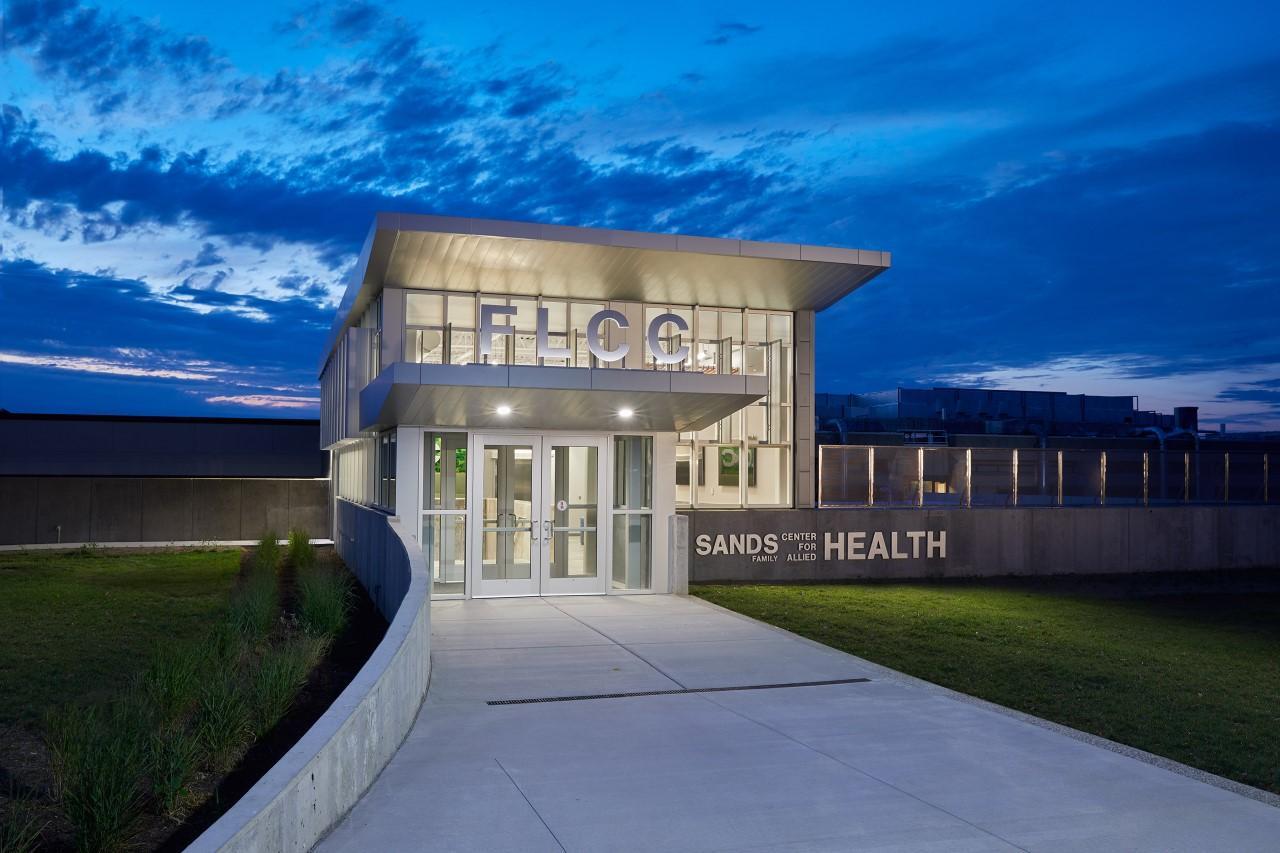
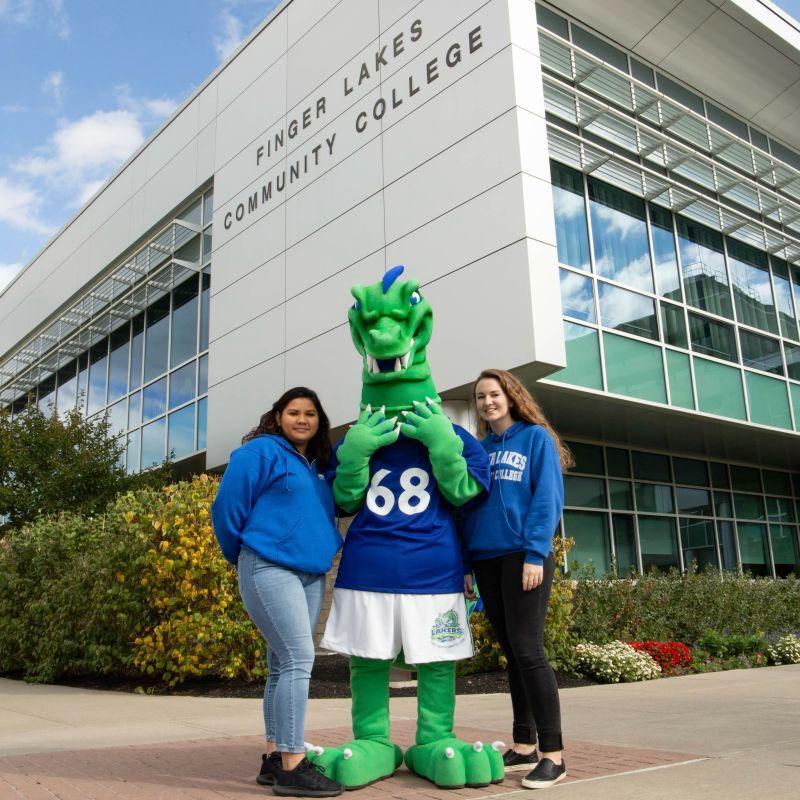
About Finger Lakes Community College
Finger Lakes Community College: Programs, Admissions, Tuition, and Student Life
Overview of Finger Lakes Community College
Finger Lakes Community College (FLCC) is a public community college located in Canandaigua, New York, in the scenic Finger Lakes region. As part of the State University of New York (SUNY) system, the college provides accessible higher education through associate degrees, certificate programs, online learning, and career-focused training. Established in 1965, FLCC has developed into an educational resource for students seeking practical skills, preparation for employment, or a foundation for further study at a four-year university.
The college combines a supportive learning environment with academic pathways designed to meet a variety of educational goals. Students can explore disciplines in business, science, technology, healthcare, the arts, human services, environmental studies, and other fields. Some programs prepare learners for entry-level employment, while others provide the academic foundation needed to transfer to a bachelor's degree program.
FLCC's location offers a different experience from studying in a large metropolitan university environment. Canandaigua is a community in the Finger Lakes region, known for its lakes, natural landscapes, local businesses, and outdoor recreation. Students can benefit from a campus setting that supports classroom learning, practical activities, and engagement with the surrounding community.
For international students, Finger Lakes Community College may be worth considering when looking for a public college in New York with a comparatively accessible community-college structure. Prospective applicants should carefully review the programs available to international students, the total cost of attendance, and the requirements for studying in the United States before selecting a course.
Academic Programs and Areas of Study
Finger Lakes Community College offers a range of associate degrees and certificates that support both career development and university transfer. Its academic portfolio includes Associate of Arts (A.A.), Associate of Science (A.S.), and Associate of Applied Science (A.A.S.) qualifications, along with certificates and shorter credentials. The appropriate qualification depends on whether a student plans to transfer, enter employment, or develop a specific professional skill.
Business and Management
Business-related programs introduce students to areas such as accounting, business administration, marketing, and applied business studies. These subjects can help learners develop an understanding of financial records, business operations, communication, customer needs, and organizational decision-making.
Students interested in entrepreneurship or corporate careers may use business studies as a foundation for further education or entry-level employment. An associate degree can also provide a pathway toward a bachelor's degree in business, management, finance, or a related discipline, subject to transfer-credit rules at the receiving institution.
Computer Science and Information Technology
Technology-oriented programs provide opportunities to explore computing, software-related concepts, networking, cybersecurity, and web or mobile development. Students can build a foundation in digital systems, technical problem-solving, and the practical application of computing knowledge.
Programs such as computer science, computer information systems, networking and cybersecurity, and web and mobile development may appeal to students interested in technical support, application development, information systems, or further study in computing. Applicants should compare the curriculum carefully because different programs may focus on programming, systems administration, network security, or broader computing concepts.
Students planning to transfer should check which mathematics, programming, and general education courses will be accepted by their intended four-year university.
Healthcare and Nursing
Healthcare education is an important pathway for students interested in supporting patient care and community health. FLCC offers health-related programs, including nursing and other study options that introduce learners to healthcare knowledge and professional practices.
Nursing and other clinical programs may have additional admission requirements, prerequisite courses, health documentation, background checks, or practical training obligations. Meeting the general college admission requirements does not necessarily guarantee admission to a competitive healthcare program.
Students considering healthcare careers should confirm the curriculum, clinical placement requirements, professional licensing implications, and eligibility rules for international students before applying.
Science and Environmental Studies
Science programs provide a foundation for students who want to continue into university-level study or pursue technical careers. Areas such as biotechnology and environmental science allow learners to explore scientific principles, research methods, laboratory work, and the relationship between natural systems and human activity.
Environmental and natural-resource-related programs may be particularly relevant to students interested in conservation, ecology, land management, and sustainability. Practical learning can help students connect theoretical concepts with real-world challenges.
Students intending to continue into a bachelor's degree should compare the college's course requirements with those of their target university, especially for laboratory sciences, mathematics, and major-specific prerequisites.
Arts, Communication, and Creative Fields
FLCC offers academic options in areas such as fine arts, music, music recording technology, theatre arts, creative writing, and new media. These subjects support creative development alongside communication, critical thinking, and project-based learning.
Students can explore their interests while developing a portfolio of work or preparing for further education. Creative and media-related programs may combine technical instruction with practical projects, depending on the qualification.
Applicants should examine the facilities, course structure, equipment requirements, and transfer opportunities available for their intended area of study.
Human Services, Criminal Justice, and Public-Facing Careers
Programs in human services, criminal justice, chemical dependency counseling, and related areas provide opportunities to learn about people, institutions, community needs, and professional responsibilities.
These fields may appeal to students who want to contribute to public services, community organizations, social support, or justice-related professions. Some careers require additional qualifications, supervised experience, or professional authorization beyond an associate degree. Students should research the requirements in the state or country where they intend to work.
Skilled, Technical, and Career-Focused Programs
FLCC also provides applied programs in areas such as culinary arts, hospitality, horticulture, viticulture, robotics, manufacturing technology, and smart systems technologies. These programs are designed to develop practical knowledge that can be relevant to particular industries.
Career-oriented study can be useful for learners who prefer hands-on activities and clearly defined occupational skills. Depending on the program, students may complete laboratory work, technical projects, practical assignments, or industry-related training.
Before choosing a program, applicants should review its course sequence, equipment or materials costs, work-placement arrangements, and the employment or transfer options associated with the qualification.
Why Consider Finger Lakes Community College?
A Public College Within the SUNY System
FLCC is part of the State University of New York system, which includes public colleges and universities across New York State. Studying at a SUNY institution can provide access to an established public higher-education environment and a variety of academic pathways.
Students should remember that each SUNY campus has its own programs, admission policies, and transfer arrangements. A student's eligibility for admission to FLCC does not automatically establish eligibility for a particular program or for transfer to another SUNY institution.
A Choice of Academic Pathways
The college offers programs for students who want to continue their education and those who prefer to prepare for employment. Associate degrees, certificates, and shorter credentials provide different levels of study and can support different career goals.
This range gives students the opportunity to compare program length, academic content, and future options before committing to a course. Applicants should decide whether they want to transfer to a bachelor's program, enter the workforce, or pursue additional training after graduation.
Learning Support and a Student-Focused Environment
Community colleges can offer an environment in which students receive academic guidance while adapting to college-level expectations. At FLCC, students can explore advising, academic support, tutoring, library resources, and other student services.
These services can be useful for learners transitioning from secondary school or adjusting to a different educational system. International students may also need support understanding course registration, academic expectations, immigration responsibilities, and available campus resources.
The availability and eligibility rules for individual services should be confirmed with the relevant college department.
Practical Learning and Career Preparation
Many FLCC programs are connected to practical skills and specific fields of employment. Depending on the subject, students may engage with laboratories, technical equipment, creative projects, or applied coursework.
Practical learning can help students connect academic concepts to professional situations. However, employment outcomes depend on many factors, including a student's skills, work authorization, experience, local job market, and additional qualifications.
Students should evaluate each program's curriculum and career relevance rather than assuming that every qualification leads directly to a particular job.
Admission Requirements for International Students
International applicants should begin by identifying their intended program, the available start term, and whether the course can support their intended immigration status. Requirements can differ according to the qualification, previous education, and whether the applicant is seeking on-campus study or online learning.
Academic Qualifications
Applicants generally need to provide evidence of completed secondary education for entry to an appropriate undergraduate program. Academic records should show the courses studied and the grades earned. Applicants may be asked to provide official transcripts and proof of graduation.
If academic documents are not in English, applicants should arrange an acceptable English translation. The college may specify whether records must be sent directly by the issuing institution or submitted through another approved process.
Students who have previously attended another college or university should disclose that study and submit the requested postsecondary records. Applicants seeking transfer credit may need an external credential evaluation. The college should confirm the evaluation type and approved agencies before the applicant pays for a service.
Admission to a specific program may involve prerequisites or additional conditions. Students should not assume that meeting general admission requirements guarantees entry to every course, especially programs with limited seats or clinical components.
English-Language Proficiency
International students whose previous education does not meet the college's English-language requirements may need to provide an accepted test result. FLCC's international admissions information identifies English proficiency around CEFR B2 and lists accepted options such as TOEFL iBT, IELTS Academic, and the Duolingo English Test, with minimum scores specified by the college.
Published minimums can change, and test formats may be revised. Applicants should verify the current accepted examinations, minimum scores, score-validity period, and exemption rules before booking a test.
Students should also consider the language demands of their chosen program. Being admitted academically is only one part of succeeding in an English-speaking college environment; learners need to understand lectures, read academic material, participate in discussions, and complete written assignments.
Application and Supporting Documents
FLCC states that general applications can be submitted online and that it does not charge a general application fee. International applicants seeking F-1 status must follow the separate international-student application instructions and provide the documents required for immigration processing.
Depending on the applicant's circumstances, the required documents may include academic transcripts, proof of English proficiency, a valid passport, financial-support documentation, and a statement or essay requested by the college. Applicants should use the current official checklist to confirm the exact items required for their application.
Applicants should submit complete and accurate information. Missing documents, inconsistent details, or delayed transcript delivery can affect the time needed to review an application.
Financial Documentation and Form I-20
Students who require F-1 status must demonstrate that they have sufficient financial resources to cover the expected cost of education and living expenses. The college may require financial statements, a financial-support form, or other evidence that meets its current requirements.
The financial amount required for immigration documentation may differ from tuition alone. Applicants should account for housing, meals, books, insurance, transportation, and personal expenses, as applicable.
An admission offer and Form I-20 do not guarantee a student visa. Applicants must follow the relevant U.S. immigration process and attend the visa interview if required. Visa decisions are made by the U.S. government, not by the college.
Tuition Fees and Cost of Attendance
Finger Lakes Community College's published cost information distinguishes tuition and fees from the broader expenses of attending college. For the 2026–2027 international-student budget referenced for planning, the estimated annual tuition is USD 7,872 and fees are USD 1,110. The estimate also includes USD 1,000 for books and course materials, USD 9,280 for housing, and USD 4,600 for personal expenses, giving a total estimated annual budget of USD 23,862.
These figures are estimates, not a guaranteed price for every student. Actual expenses can vary according to course load, program, housing arrangements, insurance requirements, transportation, and individual spending. Additional course or program fees may apply.
Students should distinguish the tuition amount from the full estimated annual budget when comparing colleges. A low tuition figure alone does not show the complete cost of studying in the United States.
Before applying, students should confirm the current tuition rate, mandatory fees, housing availability, meal costs, insurance arrangements, payment deadlines, and any additional costs associated with their intended program. Applicants should also ask the college how the required financial documentation amount is calculated for the relevant intake.
Scholarships and Financial Assistance
Financial aid availability depends on the student's status, program, and the conditions attached to each funding opportunity. FLCC reports that many of its students qualify for some form of financial aid or scholarship support, but this should not be interpreted as a guarantee that international students will qualify for the same assistance.
International applicants should ask the college whether any scholarships, awards, or other funding opportunities are open to non-U.S. citizens and whether eligibility depends on academic performance, program enrollment, residency, or other criteria.
Students should prepare a realistic budget without assuming they will receive an award. Any scholarship should be included in financial planning only after its eligibility conditions and amount have been confirmed.
Campus and Student Life
FLCC's main campus is located in Canandaigua, in the Finger Lakes region of western New York. The setting offers access to a smaller-city environment and the natural features of the surrounding region. Students may enjoy outdoor activities, local cultural events, and opportunities to explore nearby communities when time and transport allow.
The college promotes student engagement through clubs, events, athletics, and other campus activities. Participation can help students build friendships, practice communication, and become familiar with the college community. Students should check the current schedule and eligibility rules for specific activities.
FLCC also provides online and hybrid learning options for suitable programs. However, students who need F-1 status should not assume that a fully online program will meet immigration requirements. They should confirm the program's delivery format and the college's guidance for international students before enrolling.
Housing and Daily Living
Housing is an important consideration for students planning to study in Canandaigua. Applicants should confirm whether college-associated housing is available for their intended term, what the application process involves, and whether accommodation is guaranteed.
The total cost of living may include rent or housing charges, meals, utilities, local transportation, phone service, clothing, healthcare, and personal expenses. Students should also plan for initial costs such as deposits, travel to New York, and items needed after arrival.
The Finger Lakes region can offer a different pace of life from a major city. Applicants should consider transport options, weather, access to shops and services, and the distance between accommodation and classes when deciding where to live.
Career Preparation and Transfer Opportunities
An associate degree can be a starting point for employment or further education, depending on the field and the student's goals. FLCC offers programs intended to develop academic foundations and practical skills, and students may pursue transfer opportunities to other colleges and universities.
Students who plan to transfer should identify potential receiving institutions early. They should compare course equivalencies, general education requirements, major prerequisites, minimum grades, and application deadlines. A course completed at FLCC is not automatically accepted by every institution or applied to every major.
Career-focused students should investigate the qualifications expected by employers in their chosen field. Some occupations require professional licensing, additional degrees, supervised experience, or authorization to work in the United States. International students must understand the conditions attached to their immigration status before accepting employment or participating in practical training.
Career services, academic advising, and faculty guidance may help students identify suitable next steps, but students remain responsible for confirming transfer, licensing, and work-authorization requirements.
Accreditation and Academic Recognition
Finger Lakes Community College is accredited by the Middle States Commission on Higher Education. Its programs are registered with the New York State Education Department, and its nursing program has programmatic accreditation from the Accreditation Commission for Education in Nursing.
Accreditation provides an important basis for evaluating an institution's academic standing, but students should check the requirements relevant to their intended career or transfer destination. Professional licensing bodies, employers, and receiving universities may have their own rules for recognizing particular qualifications.
Applicants considering transfer to another institution should obtain written guidance about how their credits will be evaluated. Students preparing for regulated professions should confirm whether their intended course satisfies the academic requirements applicable to that profession.
How to Apply to Finger Lakes Community College
The application process begins with selecting an appropriate program and reviewing its academic prerequisites. International applicants should then check the latest application instructions and determine which documents are required for their educational background and immigration needs.
Applicants should prepare their academic records, arrange certified translations where necessary, and complete any required English-language test. Those seeking F-1 status should prepare financial documentation and passport information in accordance with the college's current international-student instructions.
The next step is to submit the application and required materials by the relevant deadline. Although FLCC reviews many applications on a rolling basis, certain programs and international-student processes may have separate dates or requirements. Students should not rely on a general deadline without confirming the deadline for their intended start term and program.
After receiving an admission decision, students should review any conditions attached to the offer and complete the next steps communicated by the college. Applicants requiring an I-20 should follow the college's instructions for financial verification and immigration documentation. They should also plan for visa processing, travel, housing, and orientation.
Before making a final commitment, students should keep copies of all application documents and confirm tuition, housing, insurance, payment deadlines, and enrollment requirements directly with FLCC.
Is Finger Lakes Community College the Right Choice?
Finger Lakes Community College may be a suitable option for students seeking a public community college in New York with a variety of academic and career-oriented programs. Its associate degrees, certificates, transfer-focused study options, and practical programs give applicants several ways to approach higher education.
The college may appeal to students who value a smaller-campus environment and want to explore an academic field before continuing to a bachelor's degree. It can also be relevant for learners interested in technical, healthcare, business, creative, or environmental subjects.
However, students should assess the fit carefully. They need to confirm that their intended program is available to international applicants, that the curriculum matches their goals, and that the total cost is manageable. Students seeking a bachelor's degree directly should compare FLCC's associate-level offerings with four-year institutions and review the time and expense involved in transferring later.
International students must also consider English-language requirements, financial documentation, housing, visa processing, and the rules that govern study and employment in the United States. These considerations are as important as tuition when evaluating an institution.
Conclusion
Finger Lakes Community College offers a range of associate degrees, certificates, and applied learning opportunities within the SUNY system. Located in Canandaigua, New York, it combines an accessible community-college structure with academic options spanning business, technology, science, healthcare, creative fields, and career-focused training.
For international students, FLCC can be a starting point for developing professional skills or preparing for further university study. A successful application requires careful program selection, complete academic documentation, proof of English proficiency where applicable, and realistic financial planning.
Prospective students should verify the latest tuition and fees, international admission checklist, program availability, housing arrangements, and transfer requirements directly with the college before applying. With clear goals and thorough preparation, students can determine whether Finger Lakes Community College aligns with their educational plans and long-term ambitions.
Entry Requirements
General Entry Requirement
IELTS 6.0 overall
Fees & Scholarships
Annual Tuition Fees
USD 9,000 - USD 23,000
Ready to Apply to Finger Lakes Community College?
Our advisors guide you from eligibility check to offer letter — at no cost to you.
Join our WhatsApp Community
.jpeg)
Scan to join our student community for admission updates & guidance