
Annual Fees £15,000 to £21,000
Falmouth University
LocationUK
Entry RequirementIELTS 6.0 overall
Visa Success Rate98%
Campus Photos
Falmouth University
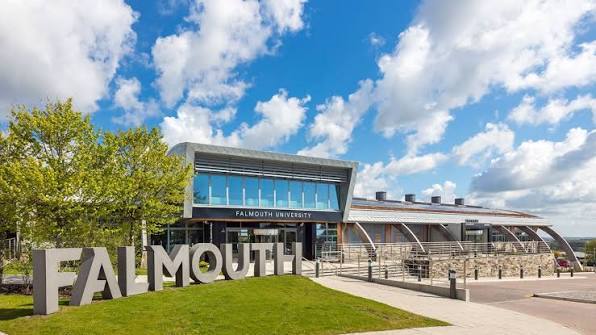
About Falmouth University
Falmouth University: A Specialist Creative University with Strong Industry Links and Career-Focused Learning
Falmouth University is a specialist university in Cornwall, England, with a strong reputation for creative industries, digital technology, business and professional practice. Its academic portfolio includes Animation, Architecture, Artificial Intelligence, Business, Computer Science, Computing for Games, Creative Advertising, Creative Writing, Film, Fashion, Games, Graphic Design, Music, Photography and many other creative and technology-focused subjects.
Falmouth's identity is closely connected to the creative industries. The university places strong emphasis on industry experience, professional placements, practical projects and developing work that can become part of a student's portfolio.
What is Falmouth University Known For?
Falmouth is particularly known for:
- Creative arts and design
- Animation
- Games and game development
- Film and television
- Photography
- Fashion
- Creative advertising
- Architecture
- Music
- Creative writing
- Computer Science
- Artificial Intelligence
- Creative Computing
- Business and digital marketing
- Industry-focused learning
- Professional placements
Computer Science & Artificial Intelligence
Falmouth offers technology programmes including:
Computer Science | Artificial Intelligence | Creative Computing | Computing for Games
Students can develop skills in:
- Programming
- Software development
- Artificial intelligence
- Algorithms
- Digital technologies
- Game development
- Creative technology
- Problem-solving
The university currently offers Computer Science BSc(Hons), Artificial Intelligence BSc(Hons), Computing for Games BSc(Hons) and Creative Computing BSc(Hons)/BA(Hons).
Games & Interactive Technology
Games are a particularly distinctive part of Falmouth's course portfolio.
Students can explore:
- Game development
- Programming
- Game design
- Interactive experiences
- Creative technology
- Digital production
This can suit students interested in careers in the growing games and interactive entertainment industry.
Business & Digital Marketing
Falmouth offers programmes including:
- Business Management
- Business & Digital Marketing
- Business Entrepreneurship & Innovation
- Business & Marketing
Students can develop knowledge in:
- Business strategy
- Marketing
- Digital marketing
- Entrepreneurship
- Management
- Branding
- Business development
The university's Business & Digital Marketing BSc(Hons) is designed around the changing digital business environment.
Animation & Film
Falmouth has a strong creative-media portfolio covering:
- Animation
- Film
- Television
- Visual effects
- Production
- Screen-related subjects
Students work on practical creative projects and can develop portfolios designed for professional employment.
Architecture & Design
Programmes include:
- Architecture
- Architectural Design & Technology
- Graphic Design
- Interior-related design
- Product and creative design
The emphasis is on combining creative thinking with technical and professional skills.
Photography
Falmouth offers Commercial Photography BA(Hons), allowing students to develop photography skills for professional and commercial applications.
Students can develop experience in:
- Photography
- Visual storytelling
- Commercial projects
- Digital production
- Portfolio development
Creative Writing
Creative Writing BA(Hons) allows students to experiment across different forms of writing while developing their own writing voice.
Music & Sound
Falmouth offers programmes covering areas such as:
- Creative Music Technology
- Music
- Sound production
- Music performance
- Music-related creative practice
The Creative Music Technology BA(Hons) focuses on the creative and technical skills needed for careers in music and sound industries.
Fashion
Students can explore areas including:
- Fashion
- Fashion marketing
- Fashion design
- Costume design for film and television
These programmes combine creative practice with professional and commercial understanding.
Falmouth University's Academic Reputation
Falmouth has a distinctive position in the UK higher-education sector because it is a specialist creative university rather than a broad traditional university.
According to the university's current information, Falmouth is ranked 4th in the South West in The Complete University Guide 2027, making it the highest-ranked specialist creative university in the region.
Its strengths are particularly relevant to students looking for:
Creative Education + Digital Technology + Industry Experience + Professional Portfolios
Quick Facts
- Location: Falmouth and Penryn, Cornwall, England
- Specialist creative university
- Strong focus on creative industries
- Courses in technology, business and creative subjects
- Professional placement opportunities on many courses
- On-campus and online study options
- International student community
- Ranked 4th in the South West in the Complete University Guide 2027, according to Falmouth
Q. Is Falmouth University a good university in the UK?
A. Falmouth can be an excellent choice for students interested in creative industries, digital technology, games, animation, film, design, photography, music and creative business. It is particularly attractive to students who want practical, portfolio-based learning and professional industry experience.
Falmouth University Campus – Creative Learning in Cornwall
Falmouth University operates across Falmouth and Penryn, providing a specialist environment where creative, business and technology students work alongside one another.
Students have access to:
- Specialist studios
- Workshops
- Digital facilities
- Computing facilities
- Creative production spaces
- Libraries
- Study spaces
- Performance facilities
- Careers services
- Student support
Industry-Focused Learning
Many Falmouth courses offer professional placement options, allowing students to gain experience before graduating. The university's course listings specifically identify professional-placement pathways across many undergraduate programmes.
This is particularly valuable for creative students because employers often look for:
- Portfolios
- Practical experience
- Industry projects
- Technical skills
- Professional networks
Life in Falmouth
Falmouth is a coastal university town with a strong student and creative community.
Students can enjoy:
- Beaches
- Coastal walks
- Cafés
- Restaurants
- Art and culture
- Music
- Outdoor activities
- Student societies
- Creative events
The location is very different from studying in London or another major UK city. Students who enjoy a coastal, creative and relatively relaxed environment may find Falmouth particularly appealing.
International Student Experience
Falmouth provides dedicated support for international students, including pre-arrival guidance and preparation sessions.
Its Preparing for Falmouth programme gives new international students opportunities to learn about:
- Moving to the UK
- Student life
- Making friends
- Travelling around Falmouth
- Local culture
- Student support
- Academic English
International students can apply through UCAS, an international agent or directly for eligible courses.
Q. Is Falmouth University good for international students?
A. Yes, particularly for international students who want to study creative subjects, digital technology, games, business or design in a specialist university environment. Falmouth provides dedicated international support and pre-arrival preparation.
Falmouth University Courses – Creative, Digital and Industry-Focused Programmes
Falmouth University offers undergraduate programmes across Computing, Artificial Intelligence, Business, Games, Animation, Film, Architecture, Design, Photography, Creative Writing, Music, Fashion and other creative disciplines. Many on-campus undergraduate courses offer an optional Professional Placement Year, giving students the opportunity to gain practical experience before graduation.
Popular Subject Areas
Computer Science & Artificial Intelligence
Computer Science | Artificial Intelligence | Creative Computing | Computing for Games
Students can develop skills in:
- Programming
- Software development
- Artificial intelligence
- Algorithms
- Game programming
- Digital technologies
- Creative technology
- Problem-solving
Falmouth currently offers Computer Science BSc(Hons), Artificial Intelligence BSc(Hons), Computing for Games BSc(Hons) and Creative Computing BSc(Hons)/BA(Hons).
Games & Esports
Falmouth has a strong focus on the games and interactive entertainment sector.
Students can study:
- Computing for Games
- Games development
- Game design
- Esports
- Livestreaming
- Interactive experiences
The university currently offers Computing for Games BSc(Hons) and Esports & Livestreaming BA(Hons).
Business & Digital Marketing
Business Management | Business & Digital Marketing | Business Entrepreneurship & Innovation
Students can develop skills in:
- Business strategy
- Management
- Marketing
- Digital marketing
- Entrepreneurship
- Innovation
- Business development
Falmouth's Business & Digital Marketing BSc(Hons) focuses on the changing digital business environment, while Business Entrepreneurship & Innovation is designed around developing entrepreneurial skills.
Animation & Film
Falmouth offers creative programmes in:
- Animation
- Film
- Film and television
- Costume design for film and television
- Content creation
- Visual storytelling
Students work on practical creative projects and can build portfolios that demonstrate their skills to potential employers.
Architecture & Design
Students can study:
- Architecture
- Architectural Design & Technology
- Graphic Design
- Creative design
- Interior and related design disciplines
The Architectural Design & Technology BA(Hons) combines design thinking with technology and practical built-environment skills.
Photography
Commercial Photography BA(Hons) gives students opportunities to develop professional photography and visual communication skills.
Students can explore:
- Commercial photography
- Digital image-making
- Visual storytelling
- Creative direction
- Portfolio development
Creative Writing & English
Falmouth offers Creative Writing BA(Hons) and English & Creative Writing BA(Hons).
Students can experiment with:
- Fiction
- Poetry
- Screenwriting
- Creative non-fiction
- Literary forms
- Professional writing
The emphasis is on developing an individual writing voice and producing work suitable for professional and creative contexts.
Music & Sound
Students can explore:
- Creative Music Technology
- Music production
- Sound
- Performance
- Music technology
The Creative Music Technology BA(Hons) develops creative and technical abilities for careers in the music and sound industries.
Fashion
Falmouth also offers programmes connected with:
- Fashion
- Fashion marketing
- Costume
- Fashion design
These courses combine creative development with industry and commercial awareness.
Q. What Are the Best Courses at Falmouth University?
A. Falmouth is particularly worth considering for Computer Science, Artificial Intelligence, Computing for Games, Creative Computing, Animation, Film, Business & Digital Marketing, Architecture, Photography, Creative Writing, Music and Fashion. Its strongest advantage is the combination of creative education, digital technology and practical industry experience.
Student Life at Falmouth University – Creative Community and Coastal Living
Falmouth provides a distinctive student experience because the university is based in Falmouth and Penryn in Cornwall rather than a large metropolitan city.
Students can participate in:
- Student societies
- Sports
- Creative projects
- Music
- Film activities
- Cultural events
- Student-led activities
- Careers events
- Industry events
Campus Experience
Students have access to:
- Specialist studios
- Creative workshops
- Computing facilities
- Digital production spaces
- Libraries
- Study areas
- Performance facilities
- Specialist equipment
- Careers support
- Student support
The university emphasises learning through real projects, industry connections and professional facilities.
Life in Falmouth
Falmouth offers a coastal student environment with:
- Beaches
- Coastal walks
- Cafés
- Restaurants
- Art and culture
- Music
- Outdoor activities
- Student events
This makes the university particularly appealing to students who prefer a creative coastal environment over a large city.
International Student Experience
Falmouth provides dedicated support for international students before and after arrival.
Its Preparing for Falmouth programme includes sessions covering:
- Moving to the UK
- Student life
- Making friends
- Travelling around Falmouth
- Local culture
- Things to bring
- Student support
- English-language support
International students can also meet current international students and members of the English for Academic Purposes team before arriving.
Q. What is student life like at Falmouth University?
A. Student life is creative, community-focused and coastal, with a strong emphasis on practical projects and creative industries. It can suit students who prefer a smaller creative university environment rather than a large city campus.
Careers & Employability – Professional Placements, Internships and Industry Experience
Employability is one of Falmouth University's major strengths.
The university's Employability Service supports students from the beginning of their studies through graduation and beyond with:
- CV development
- Career planning
- Employment opportunities
- Specialist career events
- Entrepreneurship support
- Freelancing guidance
- Internships
- Professional development
Professional Placement Year
Many on-campus undergraduate degrees offer an optional Professional Placement Year.
Students normally take the placement after their second year of a three-year degree. The placement must last at least 24 weeks.
International students on a Student visa can undertake a professional placement for a maximum of 36 weeks. Students are responsible for finding their placement, with support from the Employability Team.
Micro-Internships
Falmouth also offers paid Micro-Internships lasting 2–6 weeks, providing 30 paid hours of work experience.
The university reports that more than 400 students have participated, working with over 100 businesses, and that more than 50% of participants have subsequently secured more permanent work with their internship host.
Career Areas
Falmouth graduates can pursue careers in:
- Software development
- Artificial intelligence
- Games development
- Animation
- Film and television
- Digital marketing
- Business
- Advertising
- Photography
- Architecture
- Design
- Fashion
- Music
- Creative writing
- Esports
Q. Does Falmouth University provide placement opportunities?
A. Yes. Many on-campus undergraduate programmes offer a Professional Placement Year, while students can also access paid Micro-Internships and other employment opportunities through the Employability Service.
For Indian Students
Falmouth can be particularly relevant for Indian students interested in:
Computer Science | Artificial Intelligence | Games | Creative Computing | Business | Digital Marketing | Animation | Film | Architecture | Design | Photography | Fashion
Its main advantages are specialist creative education, practical learning, industry connections, professional placements and a distinctive coastal student environment.
Indian applicants should carefully check the specific academic entry requirements, English-language requirements, tuition fees, scholarships and Student visa requirements for their chosen course.
For September 2026, Falmouth's minimum undergraduate entry requirements generally range from 64 to 96 UCAS Tariff points, depending on the course and whether a portfolio or performance is required.
Falmouth University Fees – Tuition Costs, Scholarships and Financial Support for International Students
Falmouth University sets international tuition fees annually. For students starting in September 2026, the standard international tuition fee for a full-time, three-year on-campus undergraduate degree is £19,950 per year. The university also offers a lower-cost accelerated online option and a reduced-fee professional placement year.
Tuition Fees for International Students
|
Programme / Study Mode |
2026/27 International Tuition Fee |
|
BA/BSc 3-year on-campus degree |
£19,950 per year |
|
Integrated Foundation Year |
£19,950 per year |
|
Professional Placement Year |
£1,955 |
|
2-year accelerated full-time online degree |
£10,400 per year |
|
3-year part-time online degree |
£6,935 per year |
|
CertHE |
£19,950 per year |
These are Falmouth's published 2026/27 international undergraduate fees. The standard on-campus fee applies across many of the university's BA and BSc programmes, although students should always check the individual course page for any additional course costs.
Professional Placement Year
Students taking an eligible professional placement year pay £1,955 for the placement year, rather than the full undergraduate tuition fee. Falmouth states that many on-campus undergraduate programmes offer an optional Professional Placement Year.
Integrated Foundation Year
International students joining an eligible undergraduate programme with an integrated foundation year pay £19,950 for the foundation year in 2026/27.
There are some exceptions: the Integrated Foundation Year for Fashion Marketing, Creative Advertising and Marketing Communications has a lower fee of £5,760 for September 2026.
Additional Costs
Tuition fees do not cover:
- Accommodation
- Food and living expenses
- Local transport
- Books and study materials
- Personal expenses
- Visa and immigration costs
- Course-specific equipment
- Travel
Some creative courses may also have additional material or equipment costs. For example, Falmouth's Drawing course lists recurring material costs and optional study-visit expenses.
Acceptance Fee and Initial Payment
Falmouth has different acceptance-fee requirements depending on the student's circumstances.
For international students, 50% of the first-year tuition fee is required before enrolment. For some countries, including Bangladesh, Nepal, Pakistan and Sri Lanka, the university requires the 50% payment before a CAS can be issued.
For a standard £19,950 first-year fee, 50% would be £9,975.
Scholarships for International Students
Falmouth offers several scholarships for international undergraduate students beginning in 2026.
Vice-Chancellor Scholarships
Falmouth is offering three scholarships worth £5,000 each to talented international undergraduate students starting in September 2026.
The award is applied as a credit against the student's tuition fees and is available for one year.
International Talent Scholarships
Falmouth is also offering 15 scholarships worth £2,000 each to talented international students starting a full-time on-campus Bachelor's degree in September 2026.
Falmouth Pathway Awards
Eligible international students progressing directly from selected partner institutions can receive a £2,000 Falmouth Pathway Award for their first year. The scheme includes selected pathway partners in India.
Falmouth Foundation Awards
International students joining an eligible integrated foundation-year programme can receive a £2,000 scholarship for the foundation year, subject to the award conditions.
Q. How much does Falmouth University cost for international students?
A. For September 2026 entry, the standard international undergraduate fee is £19,950 per year for a three-year on-campus Bachelor's degree. An eligible professional placement year costs £1,955, while accelerated online study is £10,400 per year.
Q. Is Falmouth University affordable for international students?
A. Falmouth is not among the cheapest UK universities for international students, with standard on-campus tuition of £19,950 per year. However, scholarships of £2,000–£5,000 can reduce tuition for eligible students, and a professional placement year costs only £1,955.
Falmouth University for International Students – Support from Application to Graduation
Falmouth has dedicated international services covering:
- Applications
- Tuition fees
- Scholarships
- Visa guidance
- Pre-arrival preparation
- Student support
- Accommodation information
- Academic support
- Careers and employability
The university's international student service provides information about fees, scholarships and funding, as well as support for students preparing to move to Cornwall.
Why Falmouth Can Be Attractive for Indian Students
For Indian students interested in creative and technology careers, Falmouth offers a distinctive combination of:
Creative Education + Digital Technology + Industry Experience + Professional Placements
It can be particularly attractive for students interested in:
- Computer Science
- Artificial Intelligence
- Games
- Creative Computing
- Animation
- Film
- Architecture
- Design
- Photography
- Business
- Digital Marketing
- Fashion
- Music
Q. Is Falmouth University good for Indian students?
A. Yes, particularly for students interested in creative industries, digital technology, games, design, film, animation and creative business. The university's professional placement options and industry-focused approach can also help students develop practical experience alongside their degree.
The Honest Verdict – Is Falmouth University Worth the Cost?
Falmouth is best suited to students who want a specialist creative university with strong practical learning and industry connections.
Falmouth University Is an Excellent Choice If You...
- Want to work in creative industries.
- Are interested in Animation or Film.
- Want to study Games or Game Development.
- Are interested in Artificial Intelligence.
- Want to study Computer Science in a creative environment.
- Are interested in Design or Photography.
- Want to study Digital Marketing.
- Want practical project-based learning.
- Want professional placement opportunities.
- Prefer a coastal university environment.
- Want access to creative industry networks.
It May Not Be the Right Fit If You...
- Want a traditional broad-based research university.
- Prefer studying in London or another major city.
- Want the lowest possible international tuition.
- Are primarily interested in Medicine, Law or traditional academic subjects.
- Prefer a large metropolitan campus.
Falmouth's strength is its specialisation, so students should choose it because its course and learning environment match their career ambitions.
Frequently Asked Questions About Falmouth University Fees
Q. What is the international tuition fee at Falmouth University?
A. The standard international fee for a three-year full-time on-campus undergraduate degree starting in September 2026 is £19,950 per year.
Q. How much is the Falmouth professional placement year?
A. The 2026/27 professional placement year fee is £1,955.
Q. How much is the Falmouth online accelerated degree?
A. The full-time accelerated online undergraduate option is £10,400 per year for 2026/27.
Q. Does Falmouth University offer scholarships?
A. Yes. For September 2026, Falmouth offers awards including three £5,000 Vice-Chancellor Scholarships, 15 £2,000 International Talent Scholarships, £2,000 Pathway Awards and £2,000 Foundation Awards for eligible students.
Q. How much do international students have to pay before getting a CAS?
A. Falmouth generally requires 50% of the first-year tuition fee before enrolment, with the university stating that certain nationalities must make this payment before CAS issuance. For a £19,950 course, this represents £9,975.
Q. Can international students work while studying?
A. Eligible international students can generally work within the conditions attached to their UK Student visa. Students should check the current UK immigration rules applicable to their individual visa and course.
Q. Does Falmouth provide placement opportunities?
A. Yes. Many eligible on-campus undergraduate programmes offer a Professional Placement Year, and the university also provides employability support and internship opportunities.
A Final Word – Why Falmouth University Deserves Your Consideration
Falmouth University offers a distinctive combination of:
Creative Education | Digital Technology | Industry Experience | Professional Placements | Portfolio Development
For international students starting in 2026, the standard on-campus undergraduate tuition is £19,950 per year, with professional placement years costing £1,955. Eligible students may also receive scholarships worth £2,000 or £5,000.
Its strongest areas include:
Computer Science | Artificial Intelligence | Games | Animation | Film | Design | Architecture | Photography | Business | Digital Marketing | Fashion | Music
For students who want a creative, practical and industry-oriented UK education in a coastal university environment, Falmouth can be a strong choice.
Overall Verdict: A specialist creative university offering strong industry links, practical learning, professional placement opportunities and an unusually broad combination of creative and digital technology courses.
Entry Requirements
General Entry Requirement
IELTS 6.0 overall
Fees & Scholarships
Annual Tuition Fees
£15,000 to £21,000
Ready to Apply to Falmouth University?
Our advisors guide you from eligibility check to offer letter — at no cost to you.
Join our WhatsApp Community
.jpeg)
Scan to join our student community for admission updates & guidance