
Annual FeesAUD 20,000 – AUD 45,000
Engineering Institute of Technology
LocationAustralia
Entry RequirementIELTS 6.0 overall
Visa Success Rate70%
Campus Photos
Engineering Institute of Technology
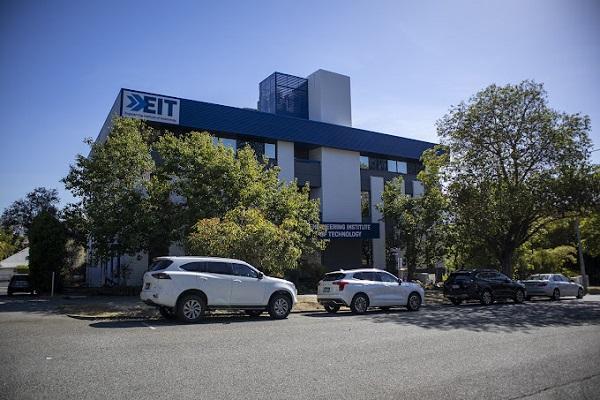
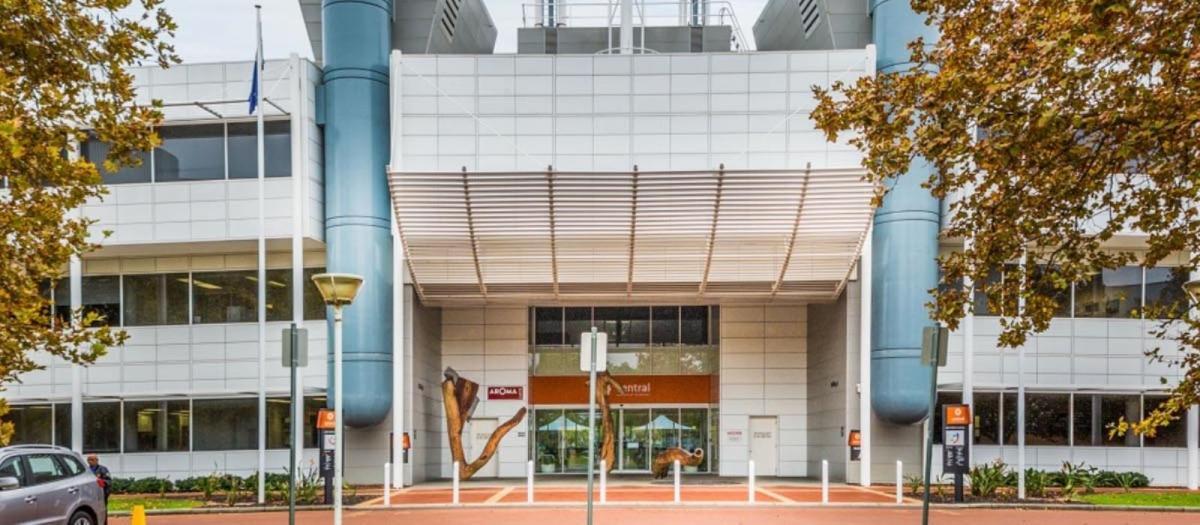
About Engineering Institute of Technology
Engineering Institute of Technology: Courses, Fees, Entry Requirements & Student Life in Australia
The Engineering Institute of Technology (EIT) is a specialist Australian higher-education and vocational education provider focused on engineering, technology and related technical disciplines. EIT provides programs designed to combine theoretical engineering knowledge with practical, industry-focused learning, making it particularly relevant for students who want to build careers in engineering and technology.
EIT operates campuses in Perth, Melbourne and Brisbane, while also providing online study options across a wider range of engineering disciplines. Its current course portfolio covers areas including civil engineering, electrical engineering, mechanical engineering, industrial automation, instrumentation and process control, electronic engineering, engineering management and data communications and industrial IT.
The institute has been operating as a registered education and training provider for more than 18 years and reports more than 15,000 graduates, more than 5,000 students enrolled per year and more than 85 engineering courses across its broader portfolio.
EIT is authorised by the Australian Government's Tertiary Education Quality and Standards Agency (TEQSA) as an Institute of Higher Education and is also a CRICOS provider for international students. It is additionally registered as a vocational education and training provider with the Australian Skills Quality Authority (ASQA).
For students who want a highly specialised engineering education rather than a broad multi-disciplinary university experience, EIT offers a focused alternative.
What is Engineering Institute of Technology Known For?
Engineering Institute of Technology is particularly known for:
- Civil engineering
- Structural engineering
- Electrical engineering
- Mechanical engineering
- Industrial automation
- Instrumentation and process control
- Engineering management
- Data communications
- Industrial IT
- Practical engineering education
- Engineering technology
- Industry-focused learning
- Simulation software
- Physical and virtual laboratories
- Engineering research
- Online engineering education
EIT's courses are designed around the practical application of engineering concepts.
The institute's on-campus model combines small class sizes with blended learning, expert lecturers, learning-support officers, simulation software and physical and virtual laboratories.
This makes EIT particularly suitable for students who want to understand not only the theory behind engineering systems but also how those systems are applied in professional environments.
Civil & Structural Engineering
Civil engineering is one of EIT's major study areas.
Civil engineers contribute to the design and development of infrastructure that supports modern communities.
This can include:
- Buildings
- Bridges
- Roads
- Railways
- Tunnels
- Water systems
- Waste management
- Structural systems
- Infrastructure planning
EIT's Bachelor of Science (Civil and Structural Engineering) is a three-year full-time on-campus program available in Perth and Melbourne.
The current course information lists international tuition at AUD $28,440 per year, with a total international tuition cost of AUD $85,320 for the three-year program.
The program is designed to develop students into job-ready civil and structural engineering technologists and includes knowledge of current and developing civil and structural engineering technologies.
Civil engineering can be a strong choice for students interested in infrastructure, construction, structural design and sustainable development.
Mechanical Engineering
Mechanical engineering focuses on the design, development and maintenance of machines, mechanical systems and industrial technologies.
Students can explore concepts related to:
- Mechanical design
- Manufacturing
- Engineering systems
- Energy
- Mechanics
- Materials
- Machinery
- Simulation
- Maintenance
- Industrial applications
EIT's Bachelor of Science (Mechanical Engineering) is a three-year full-time program available on campus in Perth and Melbourne. The current international tuition is listed at AUD $28,440 per year, or AUD $85,320 for the full three-year program.
The course is designed to prepare graduates to work as mechanical engineering technologists.
Mechanical engineering skills can be applied across industries including manufacturing, transport, power generation, medical technology and consumer products.
Electrical Engineering
Electrical engineering is another major area at EIT.
Electrical engineers work with electrical systems, power technologies, electronics and related systems used across modern industries.
Students can develop knowledge related to:
- Electrical systems
- Power generation
- Power distribution
- Electronics
- Control systems
- Communications
- Robotics
- Computer systems
- Electrical design
EIT's Bachelor of Science (Electrical Engineering) is a three-year full-time bachelor's program offered on campus in Perth and Melbourne.
The course is designed to prepare students for engineering technology careers across industries such as power generation and supply, communications, media, computer systems and robotics.
Electrical engineering can therefore provide opportunities across both traditional engineering industries and emerging technology sectors.
Industrial Automation Engineering
Industrial automation is an increasingly important engineering discipline as industries adopt automated and computer-controlled systems.
EIT's Bachelor of Science (Industrial Automation Engineering) is a three-year full-time on-campus program currently offered in Perth.
The field focuses on how industrial processes can be controlled and automated through modern technologies.
Students can develop knowledge in areas related to:
- Automation
- Control systems
- Instrumentation
- Industrial processes
- Computerised control
- Manufacturing
- Process optimisation
- Industrial technologies
The current course information describes industrial automation as an expanding engineering field influenced by rapidly developing technologies and computerised control systems.
This discipline can be particularly attractive for students interested in smart manufacturing, robotics, industrial control and modern production environments.
Instrumentation & Process Control
Instrumentation and process control are closely connected with industrial automation.
This field involves monitoring and controlling industrial processes through sensors, instruments, control systems and automation technologies.
Students can develop knowledge relevant to:
- Sensors
- Instrumentation
- Control systems
- Process measurement
- Automation
- Industrial equipment
- Process optimisation
- Industrial safety
These skills can be valuable in industries such as manufacturing, mining, energy, processing and industrial production.
EIT's broader course portfolio includes both bachelor's and master's programs connected with industrial automation, instrumentation and process control.
Engineering Management
Engineering management combines engineering knowledge with business and leadership skills.
This can be useful for engineers who want to progress into management, project leadership or organisational roles.
Students can develop knowledge related to:
- Engineering projects
- Leadership
- Management
- Planning
- Decision-making
- Risk
- Operations
- Professional practice
- Project management
Engineering managers often work between technical teams and organisational leadership.
This field can therefore suit students who want to develop both technical and managerial capabilities.
Data Communications & Industrial IT
Modern engineering increasingly depends on digital systems, communications and information technology.
EIT's course portfolio includes study areas related to Data Communications & Industrial IT, combining engineering environments with information and communications technologies.
Students interested in this area can explore topics connected with:
- Industrial IT
- Data communication
- Digital systems
- Networks
- Automation
- Information systems
- Industrial technologies
This area can be particularly relevant as factories, infrastructure and engineering systems become increasingly connected.
Applied Engineering Research
EIT also provides postgraduate programs focused on applied engineering research.
Current master's programs include areas such as:
- Electrical systems
- Mechanical engineering
- Civil and structural engineering
- Industrial automation
These programs are designed to combine advanced technical knowledge with research and practical problem-solving.
For example, the Master of Engineering – Applied Research (Electrical Systems) is a two-year postgraduate program focused on research skills and practical problem-solving in modern electrical engineering.
The Master of Engineering – Applied Research (Mechanical) similarly focuses on advanced research, mechanical design and simulation.
These programs can be suitable for engineers who want to deepen their technical knowledge or move toward research-oriented and advanced engineering roles.
Doctor of Engineering
EIT also offers a Doctor of Engineering.
The current course information lists the program as a 36-month doctoral qualification covering areas such as:
- Civil engineering
- Electrical engineering
- Engineering management
- Mechanical engineering
- Data communications and industrial IT
- Electronic engineering
- Industrial automation
- Instrumentation and process control
The program is designed for graduates who want to make original and significant contributions to professional engineering knowledge.
Doctoral study is generally more appropriate for students with strong academic backgrounds who are interested in advanced research and professional expertise.
Academic Environment
EIT's academic environment is designed around engineering and technology education.
The institute describes its on-campus methodology as a supportive blended-learning model with small classes, expert lecturers, learning-support officers, simulation software and physical and virtual laboratories.
Students can experience:
- Lectures
- Tutorials
- Engineering projects
- Laboratory activities
- Simulations
- Group work
- Technical assignments
- Research
- Online learning
- Academic support
The combination of physical and virtual laboratories can allow students to explore engineering concepts from both theoretical and practical perspectives.
Quick Facts
- Provider: Engineering Institute of Technology
- Provider type: Institute of Higher Education
- TEQSA Provider: PRV14008
- CRICOS Provider: 03567C
- VET Provider: RTO 51971
- Campuses: Perth, Melbourne and Brisbane
- Main focus: Engineering and technology
- Study modes: On-campus and online
- Main engineering areas: Civil, Electrical, Mechanical, Industrial Automation and related disciplines
- International students: Yes
- Currency: Australian Dollar (AUD)
- Engineering accreditation: Varies by program, campus and delivery mode
Q. Is EIT an Australian higher-education provider?
A. Yes. EIT is authorised by TEQSA as an Institute of Higher Education and is a CRICOS provider for international students. It is also registered as a VET provider with ASQA.
Q. Where can I study at EIT?
A. EIT currently has Australian campuses in Perth, Melbourne and Brisbane. Some courses are available online.
Student Life at Engineering Institute of Technology
Student life at EIT is strongly connected with engineering, technology and professional development.
Unlike a traditional university with a very broad range of academic disciplines, EIT has a specialist focus. This means students are surrounded by people studying engineering and technology-related subjects.
Students can:
- Meet engineering students
- Work on technical projects
- Develop professional networks
- Collaborate with classmates
- Attend engineering-related activities
- Explore Australian cities
- Build technical confidence
- Develop professional communication
International students can also experience life in Perth, Melbourne or Brisbane depending on their campus.
Perth Campus
EIT's Perth campus is located in West Perth, within walking distance of Perth's city centre and close to Kings Park.
The location provides students with access to:
- Perth CBD
- Public transport
- Restaurants
- Shops
- Cultural attractions
- Parks
- Professional services
The campus provides an urban learning environment while remaining close to one of Perth's major green spaces.
Melbourne Campus
EIT's Melbourne campus is located at Level 4/5, 301 Flinders Lane, Melbourne Victoria 3000.
The campus is situated in central Melbourne, giving students access to public transport, restaurants, theatres, shopping and sporting facilities.
Melbourne can be attractive to international students who want to study in a multicultural city with a strong education and professional-services environment.
Brisbane Campus
EIT also operates a Brisbane campus at Level 6, 333 Adelaide Street, Brisbane Queensland 4000.
The Brisbane campus provides an additional metropolitan study location, although students should carefully check which courses are currently available at each campus because EIT's course offerings differ by location.
Campus & Facilities
EIT's campuses are designed specifically around engineering education.
Depending on the program, students can access:
- Engineering laboratories
- Physical laboratories
- Virtual laboratories
- Simulation software
- Computer facilities
- Teaching spaces
- Collaborative learning areas
- Academic support
- Digital learning resources
EIT states that its on-campus model provides access to cutting-edge simulation software alongside physical and virtual laboratories.
This is particularly useful in engineering education because many concepts can be difficult to understand through theory alone.
Students can use simulations and laboratory environments to explore engineering systems and develop practical understanding.
Student Activities
Student activities at a specialist engineering institution are often closely connected with technical education and professional development.
Students can:
- Work on engineering projects
- Collaborate with classmates
- Develop technical presentations
- Participate in practical activities
- Build professional networks
- Develop communication skills
- Explore engineering communities
- Experience Australian city life
Working with students from different backgrounds can also help international students develop teamwork and communication skills.
International Student Experience
EIT provides programs for international students through its CRICOS registration.
International students can study selected engineering degrees on campus in Australia, particularly in Perth and Melbourne, depending on the program. EIT also provides online study options.
International applicants need to meet the academic and English-language requirements for their selected program.
For example, EIT states that applicants with relevant higher-education qualifications seeking admission to certain bachelor's programs need to demonstrate English proficiency such as IELTS 6.0 overall with no individual band below 5.5, or an equivalent recognised qualification.
Students should always check the exact requirements for their intended course because entry conditions can vary.
Engineering Institute of Technology Courses
EIT offers engineering education at multiple levels.
Bachelor's Degrees
EIT currently offers Bachelor of Science degrees in areas including:
- Civil and Structural Engineering
- Electrical Engineering
- Mechanical Engineering
- Industrial Automation Engineering
The bachelor's programs are generally three years full-time.
The courses are designed to provide both theoretical and practical knowledge required to enter the workforce as engineering technologists.
Master's Degrees
EIT offers master's programs in areas including:
- Civil engineering
- Electrical systems
- Mechanical engineering
- Industrial automation
Current on-campus master's programs are generally two years in duration.
Graduate Certificates
EIT also provides graduate-level certificates, including programs connected with industrial automation engineering.
These can provide a shorter pathway for professionals who want to develop specialised knowledge without immediately undertaking a full master's degree.
Doctor of Engineering
The Doctor of Engineering provides an advanced research-focused qualification for students who want to make original contributions to engineering knowledge and professional practice.
What Are the Best Programs at EIT?
The best program depends on the student's academic background and career goals.
Civil & Structural Engineering: Suitable for students interested in infrastructure, buildings, transport and structural systems.
Mechanical Engineering: Suitable for students interested in machinery, manufacturing, mechanical systems and industrial technologies.
Electrical Engineering: Suitable for students interested in power, electrical systems, communications and robotics.
Industrial Automation: Suitable for students interested in automation, control systems, manufacturing and smart industrial technologies.
Engineering Management: Suitable for engineers who want to develop management and leadership skills.
Applied Research Master's: Suitable for engineers interested in advanced technical research and problem-solving.
Students should compare the exact course structure, campus, accreditation status, fees and entry requirements before applying.
Practical Learning
Practical engineering education is one of EIT's strongest characteristics.
The institute's on-campus methodology includes simulation software, physical laboratories and virtual laboratories.
Students can develop:
- Technical skills
- Engineering analysis
- Problem-solving
- Design skills
- Project management
- Teamwork
- Communication
- Research
- Professional decision-making
- Industry awareness
Practical learning can help students understand how engineering principles are used to solve real-world problems.
For example, civil engineering students can explore infrastructure and structural systems.
Mechanical engineering students can work with concepts involving machinery and mechanical design.
Electrical engineering students can study electrical systems and technologies.
Industrial automation students can explore automated industrial processes and control systems.
Careers & Employability
EIT's courses are designed to prepare students for technical careers across engineering industries.
The institute describes its bachelor's degrees as preparing graduates to enter the workforce as engineering technologists.
Career outcomes depend on the selected discipline, professional experience and the applicable professional-recognition requirements.
Graduates may explore careers in:
- Civil engineering
- Structural engineering
- Mechanical engineering
- Electrical engineering
- Industrial automation
- Instrumentation
- Process control
- Engineering technology
- Manufacturing
- Energy
- Infrastructure
- Mining
- Telecommunications
- Technology
Career Areas
Civil Engineering
Potential career areas include:
- Civil engineering
- Structural engineering
- Infrastructure
- Construction
- Transport
- Water systems
- Project engineering
Mechanical Engineering
Graduates may explore:
- Mechanical design
- Manufacturing
- Maintenance
- Machinery
- Energy
- Automotive
- Industrial systems
Electrical Engineering
Career areas can include:
- Power systems
- Electrical design
- Communications
- Electronics
- Robotics
- Computer systems
- Energy
Industrial Automation
Graduates may explore:
- Automation
- Process control
- Instrumentation
- Smart manufacturing
- Industrial systems
- Robotics
- Control engineering
Industry Experience
Engineering education benefits significantly from exposure to real-world problems.
EIT's practical approach is designed to connect engineering theory with professional applications.
Students can develop experience through:
- Engineering projects
- Laboratory activities
- Simulation
- Technical assignments
- Research
- Problem-solving
- Industry-oriented learning
The exact internship or work-placement arrangements depend on the selected program.
Students should check their individual course information before assuming that a separate internship is compulsory or guaranteed.
Professional experience gained outside the classroom can nevertheless be highly valuable for engineering students because employers often look for evidence of practical skills alongside academic qualifications.
Engineering Institute of Technology Fees – Tuition Costs for International Students
EIT tuition fees vary according to the course and study mode.
For example, the current Bachelor of Science (Civil and Structural Engineering) lists international tuition at AUD $28,440 per year, with a total of AUD $85,320 over three years.
The current Bachelor of Science (Mechanical Engineering) has the same listed international tuition of AUD $28,440 per year, or AUD $85,320 over three years.
The Bachelor of Science (Industrial Automation Engineering) is also listed at AUD $28,440 per year, or AUD $85,320 total.
These figures are course-specific and can change, so students should confirm the latest fee before applying. EIT itself states that its published fees are indicative and subject to change, with fees confirmed before enrolment.
Additional Costs
Students should budget for expenses beyond tuition.
These may include:
- Accommodation
- Food
- Transport
- Overseas Student Health Cover
- Visa expenses
- Books
- Study materials
- Equipment
- Personal expenses
- Travel
EIT also lists supplementary fees for certain administrative services, such as Recognition of Prior Learning assessments and requests for official documents.
Total Study Cost
The total cost of studying at EIT depends on both tuition and living expenses.
Students should consider:
- Tuition fees
- Accommodation
- Food
- Transport
- Overseas Student Health Cover
- Visa expenses
- Books and materials
- Personal expenses
- Travel
The cost of living can also vary between Perth, Melbourne and Brisbane.
Students should create a city-specific budget before selecting their campus.
Scholarships & Financial Support
Scholarship availability can vary according to the course, campus, student nationality and intake.
Students should check the latest EIT scholarship information before applying.
Scholarships should be considered alongside the student's overall financial plan rather than treated as a guarantee of reduced study costs.
Students should also budget for living expenses, health insurance, visa-related costs and other personal expenses.
Entry Requirements
Entry requirements depend on the selected EIT program.
For some bachelor's pathways, applicants with relevant higher education qualifications may be eligible for admission based on an equivalent Australian qualification.
EIT states that applicants seeking admission to certain bachelor's programs can need an equivalent engineering diploma, advanced diploma, associate degree or higher, with successful completion of relevant mathematics units. Overseas qualifications are assessed for Australian comparability.
English-language requirements can include:
- IELTS
- Equivalent recognised English-language tests
- Other approved evidence
For the relevant bachelor's pathway described by EIT, an IELTS score of 6.0 overall with no individual band below 5.5, or equivalent, is required.
Requirements can vary by course, so students should always check the exact admission requirements for their chosen qualification.
How to Apply
The general international application process involves:
- Choose your EIT engineering course.
- Select the preferred campus or online study mode.
- Review the course structure.
- Check academic requirements.
- Check English-language requirements.
- Prepare academic transcripts.
- Prepare passport documentation.
- Prepare English-language evidence.
- Submit the application.
- Wait for EIT's assessment.
- Receive and review the offer.
- Complete any conditions.
- Pay required fees.
- Complete enrolment.
- Arrange the student visa process where applicable.
- Prepare for arrival in Australia.
Students should check the specific application instructions for their chosen program because requirements can differ between bachelor's, master's, doctoral and vocational programs.
Engineering Accreditation
Professional accreditation is an important consideration when choosing an engineering qualification.
EIT states that accreditation varies by program, campus and delivery mode.
Its current accreditation information says that eligible qualifications can be recognised through the Dublin, Sydney and Washington Accords.
The Sydney Accord relates to engineering technologist qualifications, while the Washington Accord relates to professional engineering qualifications. The Dublin Accord relates to engineering associate-level qualifications.
Importantly, students should not assume that every EIT course or every campus has the same accreditation.
EIT currently states that:
- Eligible Perth bachelor's degrees have Engineers Australia accreditation.
- Melbourne bachelor's delivery is currently not Engineers Australia accredited.
- Some master's programs are accredited depending on campus and delivery.
- Brisbane is not currently Engineers Australia accredited for the listed programs.
Students should verify the accreditation status of their exact course and campus before enrolling.
The Honest Verdict – Is Engineering Institute of Technology Worth Considering?
Engineering Institute of Technology can be a strong option for students who want specialist engineering education with a practical and technology-focused approach.
EIT Is a Strong Choice If You...
- Want to study engineering
- Are interested in civil engineering
- Want to study mechanical engineering
- Are interested in electrical engineering
- Want to study industrial automation
- Prefer a specialist engineering institution
- Like practical learning
- Want access to engineering laboratories
- Want simulation-based learning
- Prefer smaller classes
- Want to study in Perth or Melbourne
- Are interested in advanced engineering research
It May Not Be the Right Fit If You...
- Want a broad multi-disciplinary university
- Want to study many non-engineering subjects
- Prefer a large traditional university campus
- Need a course that is unavailable at your preferred campus
- Require a specific Engineers Australia accreditation that is not available for your chosen campus/delivery
- Prefer a primarily theoretical learning environment
The accreditation point is particularly important. Students should verify their exact course and campus before making a decision because EIT's accreditation status is not identical across every delivery location.
Frequently Asked Questions About Engineering Institute of Technology
Q. Is Engineering Institute of Technology recognised in Australia?
A. EIT is authorised by TEQSA as an Institute of Higher Education and is also a CRICOS provider. It is additionally registered with ASQA as a VET provider.
Q. Where are EIT's campuses?
A. EIT has campuses in Perth, Melbourne and Brisbane.
Q. What can I study at EIT?
A. EIT specialises in engineering and technology, with areas including civil, electrical, mechanical, industrial automation, instrumentation and process control, engineering management and industrial IT.
Q. Does EIT accept international students?
A. Yes. EIT is registered as a CRICOS provider and offers eligible on-campus programs to international students.
Q. How much does an EIT bachelor's degree cost?
A. Current examples show international tuition of AUD $28,440 per year and AUD $85,320 total for the three-year Bachelor of Science programs in civil and structural engineering, mechanical engineering and industrial automation.
Q. What IELTS score is required?
A. Requirements vary by course. For one bachelor's admission pathway, EIT specifies IELTS 6.0 overall with no band below 5.5, or an equivalent recognised qualification.
Q. Are EIT degrees accredited by Engineers Australia?
A. Some are, but accreditation varies according to the exact program, campus and delivery mode. Students should verify the specific course before applying.
Q. Are EIT bachelor's degrees three years?
A. The current on-campus Bachelor of Science programs in civil and structural engineering and mechanical engineering are three years full-time.
Q. Does EIT offer master's degrees?
A. Yes. Current master's programs include civil, mechanical, electrical systems and industrial automation engineering.
Q. Does EIT offer a Doctor of Engineering?
A. Yes. EIT currently lists a 36-month Doctor of Engineering covering several engineering disciplines.
Q. Does EIT offer online study?
A. Yes. EIT provides online engineering programs in addition to its on-campus programs.
A Final Word – Why Engineering Institute of Technology Deserves Your Consideration
Engineering Institute of Technology provides a specialist pathway for students who want to build careers in engineering and technology.
Its focus on civil, electrical, mechanical and industrial automation engineering allows students to study within an institution dedicated primarily to technical education rather than navigating a very broad university curriculum.
The institute's blended learning approach, small classes, simulation software and physical and virtual laboratories can provide students with opportunities to connect engineering theory with practical applications.
Its Perth, Melbourne and Brisbane locations also give students different Australian study environments, while online programs provide additional flexibility.
For students considering an engineering degree, however, accreditation should be one of the first things checked. EIT clearly states that Engineers Australia accreditation varies according to course, campus and delivery mode. Students should therefore confirm the accreditation of the exact qualification they plan to study rather than relying on the institution's general accreditation status.
Tuition is another important consideration. Current on-campus bachelor's examples are listed at AUD $28,440 per year for international students, making total tuition approximately AUD $85,320 over three years for those programs.
Students should also compare accommodation, living expenses, visa requirements, professional accreditation and career outcomes before choosing their program.
Overall Verdict: Engineering Institute of Technology is a specialist Australian option for students seeking practical, engineering-focused education, particularly in Civil, Electrical, Mechanical and Industrial Automation Engineering. Its technical focus, laboratory-based learning and industry-oriented approach can make it attractive to students who want a career-focused engineering education, provided they carefully verify the accreditation and delivery status of their chosen course and campus.
Entry Requirements
General Entry Requirement
IELTS 6.0 overall
Fees & Scholarships
Annual Tuition Fees
AUD 20,000 – AUD 45,000
Ready to Apply to Engineering Institute of Technology?
Our advisors guide you from eligibility check to offer letter — at no cost to you.
Join our WhatsApp Community
.jpeg)
Scan to join our student community for admission updates & guidance