
Annual FeesUSD 45,000 - USD 71,000
Embry-Riddle Aeronautical University
LocationUS
Entry RequirementIELTS 6.5 overall
Visa Success Rate72%
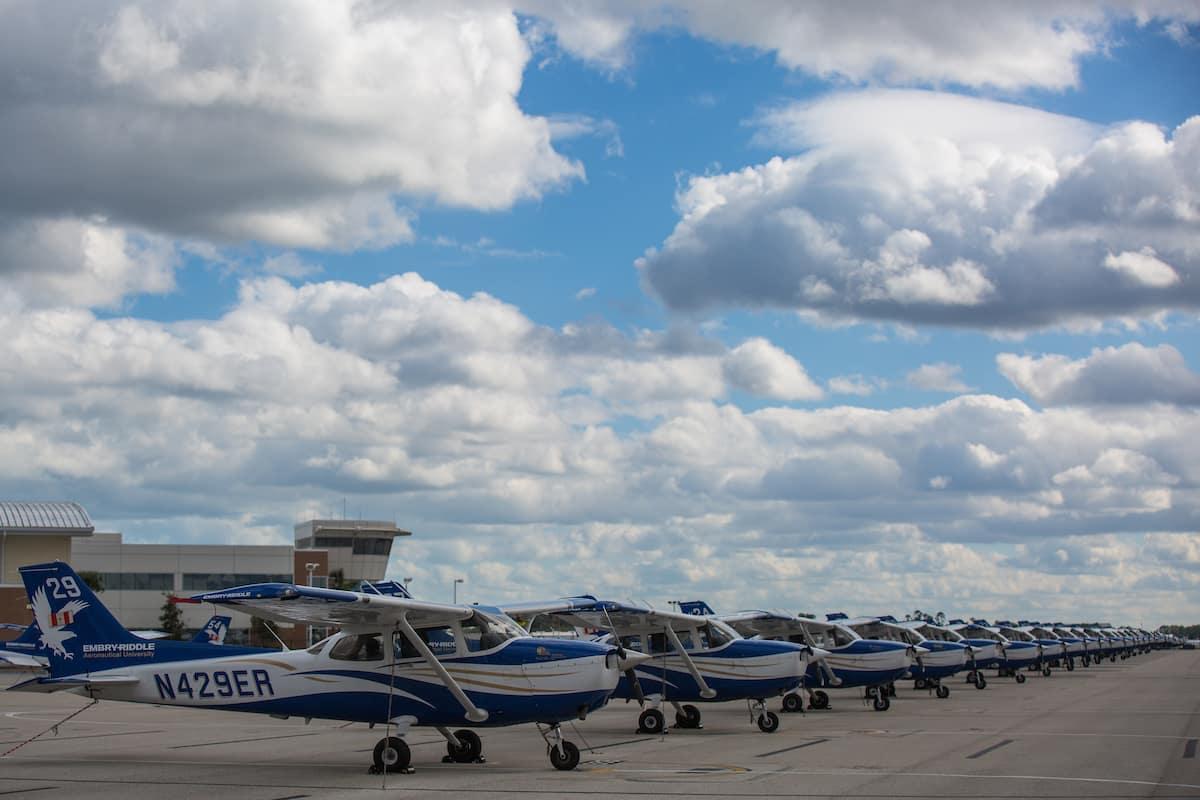
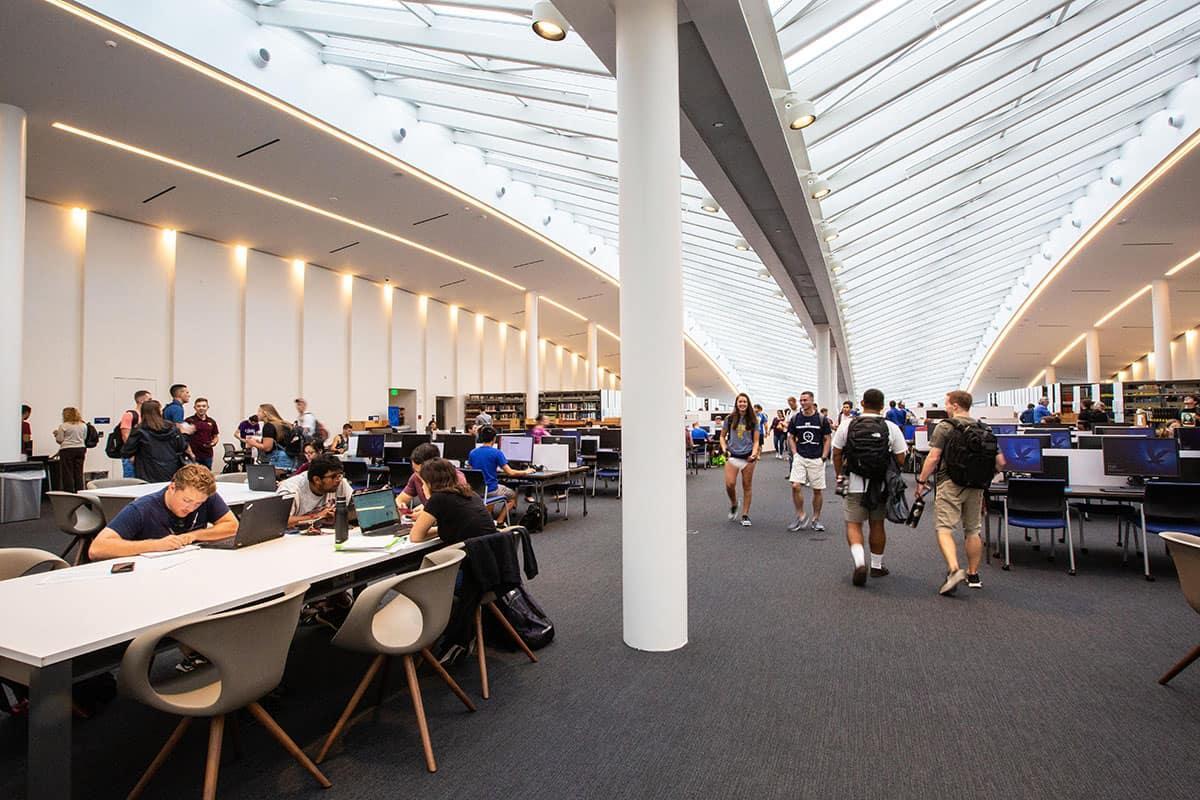
Campus Photos
Embry-Riddle Aeronautical University
About Embry-Riddle Aeronautical University
Embry-Riddle Aeronautical University: Programs, Admissions, Tuition, and Student Life
Overview of Embry-Riddle Aeronautical University
Embry-Riddle Aeronautical University is a private university in the United States known for its specialized education in aviation, aerospace, engineering, and related technical fields. The institution prepares students for careers in industries where safety, innovation, technical knowledge, and practical problem-solving are essential. Its academic offerings also extend into business, computing, cybersecurity, space studies, and other areas connected to the changing needs of modern industries.
Founded in 1925, Embry-Riddle has developed from an aviation training organization into a university serving students across a wide range of academic and professional disciplines. Its history is closely connected to the development of aviation education, while its contemporary programs address broader opportunities in aerospace engineering, commercial aviation, unmanned aircraft systems, space exploration, and advanced technology.
The university operates residential campuses in Daytona Beach, Florida, and Prescott, Arizona. It also provides programs through its Worldwide and Online Campus, along with international educational opportunities associated with its Asia Campus in Singapore. These locations give students different learning environments and study options depending on their academic interests, career objectives, and personal circumstances.
Embry-Riddle is particularly relevant for students who want an education closely connected to aviation and aerospace. However, applicants should look beyond the institution's reputation and examine individual degrees, academic prerequisites, total costs, practical training requirements, and professional career pathways before choosing a program.
Campus Locations and Learning Environments
Daytona Beach Campus, Florida
The Daytona Beach campus is located in Florida, near the Atlantic coast and within the state's broader aerospace and aviation environment. Its location provides access to aviation facilities, technical laboratories, and opportunities to engage with industries connected to transportation, engineering, and aerospace innovation.
The campus offers undergraduate and graduate programs across aviation, aerospace engineering, business, computing, and other academic areas. Students can participate in laboratory activities, collaborative projects, research, and practical learning opportunities designed to complement classroom instruction.
Daytona Beach is especially relevant for students interested in flight training and aviation-related degrees. Nevertheless, flight training is a specialized component that may involve separate charges beyond standard tuition. Applicants considering professional pilot programs should investigate the complete training sequence, aircraft-related costs, medical requirements, scheduling, and any additional qualifications needed for their intended career.
The surrounding community also offers residential accommodation, recreational activities, dining options, and access to Florida's coastal attractions. Students should compare accommodation and transportation costs with their budget before deciding whether to live on campus or elsewhere.
Prescott Campus, Arizona
Embry-Riddle's Prescott campus is situated in Arizona's high-country environment. Its setting differs from Daytona Beach, offering students a smaller-community atmosphere surrounded by mountainous landscapes and outdoor recreation opportunities.
Prescott supports programs in aviation, aerospace, engineering, safety, security, computing, and other technical disciplines. Students can access academic laboratories, faculty guidance, collaborative learning environments, and activities designed to connect theoretical knowledge with practical applications.
For applicants interested in aerospace engineering, aviation safety, flight-related studies, or technical problem-solving, Prescott may be an attractive option. The appropriate campus, however, depends on the precise degree being considered. Not every program is available at every location, and course structures, practical facilities, and additional costs may differ.
Students should also investigate residential policies, campus services, transport arrangements, and local living expenses. First-year students should pay particular attention to the university's housing requirements and the conditions that apply to their specific student category.
Worldwide and Online Learning
Embry-Riddle's Worldwide and Online Campus serves students who need greater flexibility in how they pursue higher education. Its programs may be particularly useful for working professionals, students balancing other responsibilities, and individuals who cannot relocate to a residential campus.
Available offerings cover selected areas such as aviation, business, engineering, technology, and related professional disciplines. Program delivery, course schedules, tuition rates, and eligibility requirements depend on the chosen qualification.
International applicants considering online study should distinguish between enrolling in an online degree and relocating to the United States for in-person education. Fully online study from outside the country generally follows a different immigration situation from attending a US residential campus. Applicants who need an F-1 student visa must confirm that their intended campus and program support the required immigration arrangements.
Asia Campus and International Opportunities
Embry-Riddle also has an Asia Campus presence in Singapore, situated within a region with substantial aviation and aerospace activity. This provides another educational setting for students interested in aviation management, technical disciplines, and related professional fields.
International opportunities can expand the range of learning environments available to students, but applicants should verify the exact degree, delivery location, local admission requirements, applicable currency, tuition schedule, and student-pass requirements for their chosen option.
A degree delivered through an international location may have different costs and administrative requirements from an equivalent or related program at a US residential campus. Students should therefore evaluate each option independently rather than assuming that all campuses follow identical arrangements.
Academic Programs and Areas of Study
Embry-Riddle offers programs across several major academic areas. The most suitable choice depends on a student's interests, previous education, strengths, and long-term career plans.
Aviation and Aeronautical Studies
Aviation programs address the operational, technical, managerial, and safety-related aspects of the aviation industry. Depending on the degree, students may study aircraft systems, aviation operations, flight-related subjects, air transportation, aviation safety, or airline management.
Students interested in becoming professional pilots should carefully compare the requirements of flight-oriented degrees. Academic admission alone does not necessarily establish eligibility for every stage of flight training. Medical certification, practical assessments, training availability, and additional expenditure may be relevant.
Other aviation pathways may be more suitable for students interested in airport operations, aviation business, safety management, or airline administration rather than flying aircraft professionally.
Aerospace and Engineering
Engineering is an important component of Embry-Riddle's academic identity. Relevant programs may address aerospace engineering, mechanical systems, electrical and computer engineering, and other technical areas, subject to campus and degree availability.
Students develop analytical, mathematical, scientific, and design-related skills. Coursework may include engineering fundamentals, simulation, laboratory experiments, technical design, computing, and team-based projects.
Engineering degrees generally require consistent engagement with mathematics and science. Applicants should review the published prerequisites for their intended program, especially if their previous curriculum differs from the standard US educational pathway.
Students should also investigate whether their chosen degree includes additional laboratory charges, equipment expenses, or other program-specific costs.
Computing, Cybersecurity, and Technology
Technology-related programs are relevant to students interested in software, information systems, cybersecurity, data-oriented work, and technical problem-solving. These areas increasingly intersect with aviation, transportation, defence-related systems, and aerospace operations.
Depending on the program, students may develop skills in programming, computer systems, network security, software development, or the analysis of technical information. Applicants should examine the curriculum to determine whether it aligns with their preferred career direction.
A student seeking a general software development career, for example, should compare the curriculum and practical projects of a computing degree with those of a more specialized aviation technology program.
Business and Management
Business programs introduce students to management, finance, marketing, organizational decision-making, and related commercial disciplines. Some programs may connect business principles with aviation and aerospace industries.
Students interested in airline management, aviation business, project coordination, or the commercial side of aerospace may find these combinations useful. However, the exact course content and professional relevance depend on the selected qualification.
Applicants should examine internship opportunities, elective choices, industry projects, and the balance between technical and business coursework before selecting a specialization.
Space Studies and Emerging Fields
The growing importance of satellite systems, space exploration, mission operations, and advanced aerospace technology creates opportunities for specialized study. Embry-Riddle offers academic options connected to space and related technical disciplines, although availability and entry requirements vary.
Students interested in these fields should review the mathematical, scientific, computing, or engineering background expected for their intended program. Research activities and interdisciplinary projects can also help students understand how different technical fields contribute to space-related work.
Research and Practical Learning
A major consideration when choosing Embry-Riddle is the opportunity to connect academic knowledge with practical applications. The university's specialist focus supports learning environments that may include laboratories, simulation facilities, aircraft-related activities, engineering projects, and research collaborations.
Undergraduate students may have opportunities to participate in research alongside faculty members. Depending on their academic department, these experiences can introduce students to experimental methods, technical analysis, design processes, and the communication of research findings.
Practical learning is particularly valuable in disciplines where professional responsibilities involve complex equipment, safety procedures, or strict technical standards. It can help students understand how classroom concepts are applied to real problems.
However, students should not assume that every practical experience is automatically included in every degree. The availability of research positions, internships, laboratory access, and specialized training may depend on academic performance, prerequisites, faculty projects, program structure, and available resources.
Prospective applicants should ask departments about undergraduate research, industry projects, internship support, and the typical progression from introductory coursework to advanced practical experience.
Admission Requirements for International Students
International admission requirements depend on the applicant's educational background, intended degree, campus, and program. Students should review the requirements for their particular entry route rather than relying on a general university checklist alone.
Undergraduate Admission
Applicants entering a bachelor's degree typically need to provide academic records demonstrating successful completion of secondary education equivalent to the relevant US entry standard.
Required documents may include an application, official school transcripts, graduation certificates, and certified English translations when the original documents are not in English. Applicants with previous university study may need to provide additional academic records and undergo a transfer-credit evaluation.
Standardized testing requirements, recommendations, personal statements, and other application materials can vary according to the campus, program, and applicant category. Students should check the current instructions before submitting an application.
Transfer Admission
Students who have completed courses at another recognized institution may be considered for transfer admission. The university must assess previous coursework to determine whether it is equivalent to the requirements of the intended degree.
Applicants should submit official postsecondary transcripts and any additional course descriptions or credential evaluations requested by the university. Credit transfer is not automatic, and the number of accepted credits may affect the remaining study duration and overall cost.
Students transferring from institutions outside the United States should seek written clarification about how their qualifications will be assessed and which courses can count toward their new degree.
Graduate Admission
Applicants seeking master's or doctoral study generally need a recognized prior degree appropriate to the intended program. Graduate departments may require official transcripts, academic statements, a résumé or curriculum vitae, recommendation letters, and additional supporting materials.
Some programs may expect relevant undergraduate preparation, professional experience, research interests, or particular technical prerequisites. Meeting the university-wide admission requirements does not necessarily mean that an applicant meets every department's requirements.
English Language Proficiency
Applicants whose primary language is not English may need to demonstrate proficiency through an accepted examination or an approved alternative.
Embry-Riddle publishes minimum scores for several tests, including IELTS Academic, the Duolingo English Test, Pearson Test of English Academic, Cambridge English assessments, and TOEFL iBT. The published minimums include IELTS 6.0, Duolingo English Test 105, PTE Academic 59, and TOEFL iBT 79 for tests taken before January 21, 2026. The university lists a TOEFL iBT minimum of 4 for tests taken on or after January 21, 2026, reflecting the revised scoring scale.
Applicants must check the current official requirements and ensure that scores are sent through the required process. Approved exemptions or alternative pathways may be available in certain circumstances.
The university also offers English-language support through its language institute at designated campuses. Admission to a language program does not automatically guarantee admission to a degree program, so students should confirm the conditions for progressing into academic study.
Tuition Fees and Cost of Attendance
The total cost of studying at Embry-Riddle depends on the campus, degree, credit load, housing arrangements, and any specialized training required.
For the 2026–2027 academic year, the published undergraduate tuition block rate at the Daytona Beach and Prescott residential campuses is USD 45,888 for a standard 12–16-credit-hour load. This is a tuition figure rather than the full annual cost of attendance.
At Daytona Beach, the university's estimated annual on-campus undergraduate budget is USD 71,526. The estimate includes tuition, mandatory fees, housing, food, books and supplies, transportation, personal expenses, and applicable loan fees. The off-campus estimate is USD 71,904.
Prescott has its own fee and housing structure. Costs at Worldwide and Online, Asia, and other international learning locations follow different arrangements and should not be compared directly with the residential-campus tuition block.
Flight training is charged separately on a pay-as-you-go basis, and costs can vary considerably. Certain engineering, laboratory, equipment, or specialized courses may also involve additional charges.
Students should prepare a realistic budget that accounts for the complete duration of their degree. This should include tuition, accommodation, meals, insurance, books, travel, visa-related expenses, personal spending, and program-specific training. They should also consider possible annual price increases and the financial implications of needing additional semesters.
Because fees change, applicants should confirm the latest cost estimate with the university before making financial commitments.
Scholarships and Financial Planning
Students should explore available scholarships, financial assistance, and other funding options before deciding whether to enroll. Eligibility may depend on academic achievement, admission status, citizenship, campus, degree level, or other conditions.
International applicants should not assume that every scholarship or form of financial aid is available to them. They should confirm whether an award is open to international students, whether a separate application is required, and whether funding is renewable in later academic years.
A useful financial comparison considers the net cost after confirmed scholarships rather than relying only on the published tuition figure. Students should also distinguish between awards that reduce tuition and funding that covers accommodation or other living expenses.
Applicants who need US immigration documents must meet the university's financial documentation requirements. They should be prepared to demonstrate the necessary funding for the applicable period using acceptable supporting evidence.
Before accepting an offer, students should obtain a clear breakdown of tuition, mandatory fees, housing, meals, insurance, and additional training costs. Understanding the full financial commitment can help prevent unexpected expenses after arrival.
Campus Life and Student Support
Embry-Riddle's campus communities bring together students with interests in aviation, engineering, technology, business, and other specialized fields. Residential life can help students build friendships, collaborate on projects, and connect with peers pursuing similar professional goals.
Student activities may include academic organizations, professional clubs, engineering projects, aviation-related groups, recreational programs, fitness facilities, and sports. Participation can help students develop teamwork, communication, leadership, and organizational skills beyond the classroom.
Residential students can access campus services such as housing, dining, health and counselling support, and academic assistance, subject to campus policies and eligibility. New students at the Daytona Beach and Prescott residential campuses should review the applicable housing requirements, including rules governing the first years of study and any exemptions.
International students may also need support with orientation, immigration documentation, cultural adjustment, and understanding university procedures. Students should contact the relevant international admissions or student services team when questions arise.
A successful university experience requires more than academic effort alone. Time management, financial planning, personal wellbeing, and the ability to seek help when needed can all contribute to a student's progress.
Career Opportunities and Professional Development
Embry-Riddle prepares students for careers across aviation, aerospace, engineering, technology, business, and related sectors. Depending on the degree and individual experience, graduates may pursue roles in aircraft operations, aerospace design, aviation safety, airport management, engineering, software and computing, cybersecurity, research, or technical project management.
The university's industry connections, practical learning environments, and specialized academic programs can help students build relevant professional skills. Internships, research projects, technical portfolios, professional organizations, and faculty guidance may strengthen a student's preparation for employment or further study.
Career outcomes are not guaranteed by the university name or degree alone. Employers consider qualifications, technical competence, communication skills, work authorization, professional certifications, experience, and market conditions.
Students should therefore build their career plans early. They can begin by identifying the skills required for their intended roles, developing relevant projects, seeking practical experience, attending career events, and preparing a résumé that demonstrates measurable achievements.
International students who plan to work in the United States after graduation should investigate the applicable immigration rules and employment authorization procedures. These rules can change, and eligibility depends on individual circumstances and program requirements.
Why Consider Embry-Riddle Aeronautical University?
Embry-Riddle may be a strong option for students who want a specialized education in aviation, aerospace, engineering, or related technical fields. Its residential campuses, worldwide learning options, research activities, and practical facilities provide different pathways for students with varied academic and professional goals.
The institution's specialist focus can be particularly appealing to applicants who already have a clear interest in aviation or aerospace. At the same time, its broader academic offerings mean that students can explore related areas such as computing, cybersecurity, business, and space studies.
The best choice depends on the individual applicant. Students should compare degree content, entry requirements, total cost, campus facilities, career objectives, and the amount of practical training included in a program.
Conclusion
Embry-Riddle Aeronautical University offers a specialized higher education environment for students interested in aviation, aerospace, engineering, technology, and related professional fields. With residential campuses in Florida and Arizona, a Worldwide and Online Campus, and international learning opportunities, it provides multiple ways to pursue selected academic programs.
Prospective international students should carefully review their academic eligibility, English-language requirements, campus-specific deadlines, tuition, living expenses, and any additional costs associated with flight training or technical coursework. They should also verify the availability of scholarships, understand immigration documentation requirements, and evaluate how the selected degree supports their long-term goals.
With thorough preparation and a clear understanding of the financial and academic commitment, students can make a more informed decision about whether Embry-Riddle Aeronautical University is the right place to continue their education and prepare for a career in aviation, aerospace, or a related field.
Entry Requirements
General Entry Requirement
IELTS 6.5 overall
Fees & Scholarships
Annual Tuition Fees
USD 45,000 - USD 71,000
Ready to Apply to Embry-Riddle Aeronautical University?
Our advisors guide you from eligibility check to offer letter — at no cost to you.
Join our WhatsApp Community
.jpeg)
Scan to join our student community for admission updates & guidance