
Annual FeesUSD 30,000 - USD 45,000
Elmhurst University (USA) and Kings Cornerstone International College (KCIC), Chennai — Partnership Program
LocationUS
Entry RequirementIELTS 6.5 overall
Visa Success Rate70%
Campus Photos
Elmhurst University (USA) and Kings Cornerstone International College (KCIC), Chennai — Partnership Program
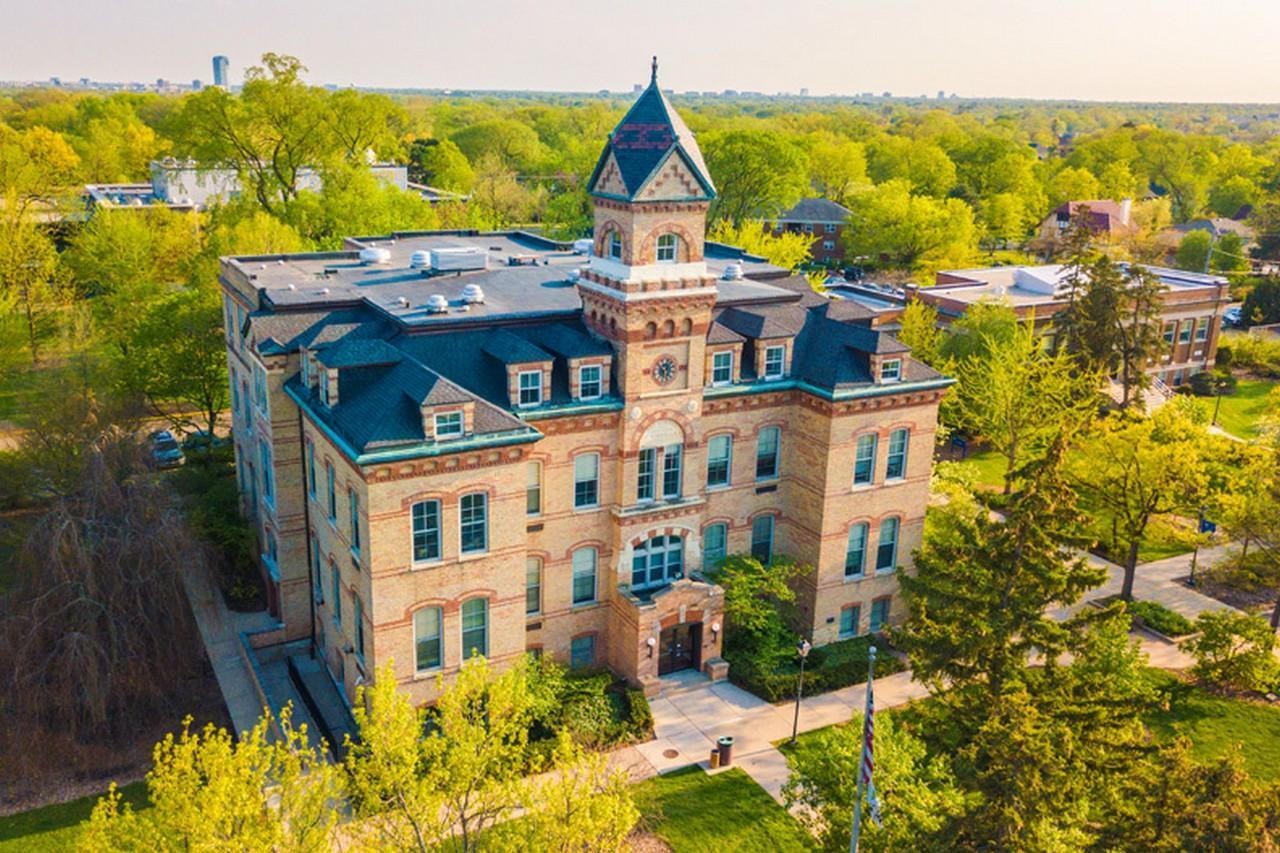
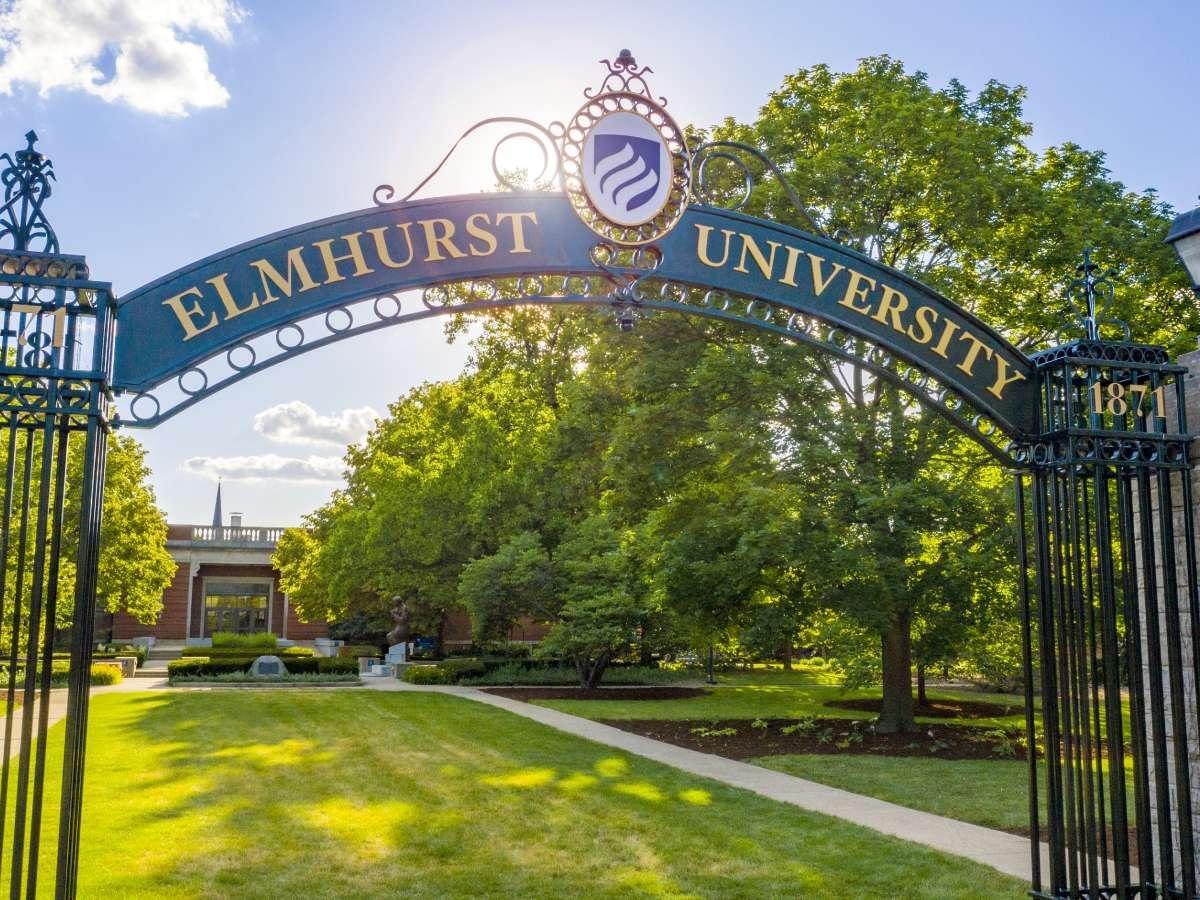
About Elmhurst University (USA) and Kings Cornerstone International College (KCIC), Chennai — Partnership Program
Elmhurst University and Kings Cornerstone International College: Partnership Pathways, Admission, and Academic Opportunities
Introduction to the Partnership
Elmhurst University in Illinois, United States, and Kings Cornerstone International College (KCIC) in Chennai, India, are associated through international academic transfer pathways that help students plan their education across institutions. These pathways allow eligible students to complete specified coursework at their current institution before transferring to Elmhurst University to fulfil the remaining requirements of an undergraduate degree.
International academic partnerships can provide students with a structured way to plan their studies, understand credit transfer expectations, and prepare for further education abroad. Rather than approaching an overseas university without a clear academic plan, students can use an established pathway to identify relevant subjects, determine which credits may be accepted, and prepare for the transition to a different educational environment.
Elmhurst University publishes academic plans for selected Kings Cornerstone qualifications and corresponding undergraduate degrees. These plans include pathways related to Business Administration, Actuarial Science, Computer Science, and Psychology. The academic structure differs by pathway, so students must carefully review the requirements that apply to their intended program.
The institutions, qualifications, and transfer arrangements should be understood precisely. A transfer pathway toward a bachelor's degree is not automatically equivalent to a combined postgraduate diploma and master's degree. Students interested in a specific PGDM or MBA qualification should obtain written confirmation from the institutions about the exact program, awarding institution, eligibility, duration, and fees before making a decision.
For prospective students, the most important considerations include academic suitability, credit recognition, English-language proficiency, tuition, living expenses, visa requirements, and the long-term value of the intended qualification.
About Elmhurst University
Elmhurst University is a private university located in Elmhurst, Illinois, in the Chicago metropolitan area. The institution offers undergraduate and graduate programs across several academic disciplines and provides students with an educational environment focused on academic learning, personal development, and professional preparation.
Its location gives students access to the wider Chicago region, which includes businesses, healthcare organizations, educational institutions, cultural attractions, and professional networks. Depending on their academic program and eligibility, students may investigate internships, projects, research opportunities, and career-development activities.
Elmhurst offers academic programs in fields such as business, science, computing, psychology, education, healthcare, and other disciplines. Program structures, course availability, and admission standards vary by department.
For students transferring from an international institution, Elmhurst's published academic plans can help clarify how selected courses may correspond to the university's degree requirements. These plans are useful for academic planning, but students should still confirm their individual eligibility and final transfer-credit evaluation with the university.
Students should also consider the overall educational experience, including faculty support, campus resources, academic advising, career services, housing, and the cost of living near the university.
About Kings Cornerstone International College
Kings Cornerstone International College is located in Chennai, Tamil Nadu, India. It provides educational pathways through which students can complete specified qualifications and, where eligible, pursue further academic study.
In the Elmhurst partnership context, KCIC students can refer to published academic plans that map selected coursework to corresponding Elmhurst University degree requirements. This arrangement can help students understand the relationship between their previous studies and the courses they may need to complete after transferring.
The value of a structured academic plan lies in its ability to make progression requirements more transparent. Students can identify subjects that may satisfy general education requirements, elective credits, or particular areas of a degree. They can then plan their remaining coursework with support from the relevant academic advisers.
However, an academic plan does not mean that every student will automatically receive the maximum possible transfer credit. Credit acceptance can depend on the qualification completed, individual academic records, grades, course equivalencies, and the university's current policies.
Prospective applicants should confirm the exact KCIC qualification required for their intended pathway and determine whether their completed subjects match the published plan. They should also verify the qualification they will receive from each institution and the conditions that must be satisfied before progressing.
Understanding the Academic Transfer Pathways
Elmhurst University describes its international partnership pathways as structured plans that help students complete coursework at their current institution before transferring to Elmhurst.
A 2+2 pathway generally refers to a model in which students spend an initial portion of their education at one institution and complete the remaining degree requirements at another. A 1+3 model similarly describes a planned progression involving an initial period at one institution followed by further study at Elmhurst.
The actual length of study depends on the pathway, the qualification completed, credit acceptance, course availability, academic progress, and any additional degree requirements. Students should therefore treat the pathway label as a planning framework rather than an unconditional promise of graduation within a fixed period.
Business Administration
The documented Kings Cornerstone Level 5 Higher National Diploma in Business pathway provides an academic plan toward Elmhurst University's Bachelor of Science in Business Administration.
The plan maps selected KCIC subjects to Elmhurst coursework or general education requirements. Examples include marketing, global business, logistics and supply chain management, statistics, and other business-related subjects.
The published plan indicates a total bachelor's degree requirement of 128 semester hours. Elmhurst states that a maximum of 70 semester hours may be accepted in transfer under this plan, with students required to complete at least 58 semester hours at Elmhurst.
These figures are important for academic and financial planning. Even when a student has completed substantial coursework at KCIC, the remaining degree requirements at Elmhurst can include major subjects, general education courses, electives, and other graduation requirements.
Students should confirm whether the current academic plan applies to their intake and qualification. They should also clarify which courses have been completed successfully, how those courses will be evaluated, and whether any additional requirements apply to their intended major.
Actuarial Science
The documented Actuarial Science pathway connects selected Kings Cornerstone coursework with Elmhurst University's Bachelor of Science in Actuarial Science.
Actuarial Science combines mathematics, statistics, finance, probability, and analytical methods to assess financial risks and uncertainty. It can be relevant to students interested in insurance, pensions, financial analysis, risk management, and related quantitative careers.
The pathway's academic plan identifies remaining requirements at Elmhurst, including advanced mathematics, statistics, probability, financial mathematics, accounting, economics, and general education subjects.
Students considering this route should evaluate their preparation in mathematics and quantitative reasoning. They should also understand that an academic degree alone may not satisfy every requirement for professional actuarial practice. Depending on their career goals, further examinations, professional qualifications, and practical experience may be necessary.
Applicants should ask the institutions to explain the precise transfer-credit evaluation and the number of semesters likely to remain after transfer.
Computer Science
The partnership page also lists a Computer Science pathway. Computer Science education typically focuses on programming, algorithms, data structures, software development, computer systems, and computational problem-solving.
Students considering this pathway should review the exact KCIC qualification and the Elmhurst course plan applicable to their intake. Technical programs often require prerequisite subjects and sequential coursework, which can affect how previously completed credits fit into a degree.
Applicants should clarify whether the plan includes all required programming and mathematics courses, how transfer credits are applied, and whether any additional coursework is necessary to meet graduation requirements.
Practical experience is also important in computing. Students can strengthen their preparation through programming projects, collaborative assignments, technical portfolios, internships where eligible, and continued learning in relevant tools and technologies.
Psychology
Elmhurst's published partnership information also includes a 1+3 Psychology pathway. The corresponding academic planning material maps selected Kings Cornerstone certificate coursework to Elmhurst's Bachelor of Arts in Psychology.
Psychology explores human behaviour, mental processes, development, research, and the relationship between individuals and their environments. Students may study psychological theory, research methods, statistics, and specialized subjects related to human development and behaviour.
The pathway's published plan identifies coursework that may correspond to areas such as clinical and counselling psychology, health psychology, and psychopathology, alongside other degree requirements.
Students should understand that an undergraduate psychology degree does not automatically qualify someone to practise as a licensed psychologist or clinical professional. Advanced education, supervised experience, professional registration, or licensing may be required, depending on the intended occupation and jurisdiction.
Before applying, prospective students should confirm the current pathway, its eligibility conditions, the qualification awarded, and the courses remaining at Elmhurst.
Admission Requirements and Academic Eligibility
Admission to a transfer pathway involves more than expressing interest in studying abroad. Applicants must meet the relevant KCIC academic requirements and Elmhurst University's admission and transfer-credit policies.
The precise conditions vary according to the qualification, degree, academic history, and intake.
Academic Records
Applicants should prepare official academic records for the qualifications they have completed. These may include transcripts, certificates, examination results, and supporting documents required by the two institutions.
Students should ensure that their records accurately reflect the subjects studied, grades received, and qualifications awarded. Documents issued in languages other than English may require certified translations.
The institutions may request additional documentation or clarification when reviewing international academic credentials. Applicants should confirm whether credential evaluation is required and which evaluation providers are accepted.
Program-Specific Requirements
Different degree pathways can have different academic expectations. A Business Administration applicant may need to satisfy requirements that differ from those for Computer Science, Actuarial Science, or Psychology.
For example, quantitative programs may require stronger preparation in mathematics, while business programs may have specific coursework or grade expectations. Applicants should consult the current requirements for the exact major rather than assuming that eligibility for one pathway automatically provides eligibility for another.
Students should obtain written confirmation of admission eligibility and transfer-credit expectations before making major financial commitments.
English-Language Proficiency
International students whose previous education does not qualify them for an approved exemption may need to demonstrate English-language proficiency through an accepted test or qualification.
Accepted examinations and minimum scores can vary according to the university, degree level, and academic program. Students should verify Elmhurst's current international admission requirements, including accepted tests, score thresholds, validity periods, and waiver policies.
Strong English skills are important for understanding lectures, completing assignments, participating in group discussions, writing research papers, and communicating with academic staff.
Students who need additional language preparation should investigate available options, their costs, and whether completing such preparation changes their eligibility for direct degree admission.
Transfer-Credit Evaluation
Transfer credit is one of the most important aspects of an international pathway. It determines how previously completed coursework applies toward the degree at the receiving institution.
Published academic plans provide an initial guide, but applicants should confirm how the university will evaluate their individual records. Credit may be affected by course content, grades, qualification level, academic policies, and the degree requirements in effect when the student enrols.
Students should ask for a clear explanation of accepted credits, remaining requirements, expected study duration, and any subjects that must be repeated or completed at Elmhurst.
This information can help students estimate both the financial commitment and the time required to complete their degree.
Tuition Fees and Financial Planning
The cost of participating in an international academic pathway depends on the qualification pursued, the amount of study completed at each institution, the credits accepted in transfer, and the tuition rates applicable at each stage.
Students should not assume that a partnership has one universal fee covering the entire educational journey. They should obtain a written cost breakdown from KCIC and Elmhurst that identifies tuition, administrative charges, examinations, transfer costs, and other applicable expenses.
Elmhurst's published undergraduate tuition for the 2026–2027 academic year is USD 45,258 annually for traditional full-time undergraduate study. This is a general university tuition figure and should not be interpreted as the confirmed total price of the KCIC partnership or as a complete cost-of-attendance estimate.
The final amount payable depends on the student's program, course load, applicable fees, financial aid, and the number of terms required to finish the degree.
Additional Expenses
Students transferring to the United States should budget for expenses beyond tuition. These may include accommodation, meals, books, learning materials, health insurance, transportation, personal expenses, and international travel.
Students should also account for housing deposits, seasonal clothing, mobile connectivity, and emergency costs. Living expenses vary according to accommodation choices, lifestyle, and individual needs.
An effective budget should cover the entire planned period of study, not just the first semester. It should also account for possible tuition changes and the possibility that the student may need additional semesters to complete outstanding requirements.
Applicants should compare their total expected costs with the value of the intended qualification, available financial resources, and realistic career goals.
Scholarships and Financial Assistance
Students may wish to investigate scholarships, grants, and other forms of financial assistance available through the institutions. Eligibility and award conditions can differ by academic level, citizenship, qualification, program, and application status.
Prospective students should ask both institutions whether any partnership-specific scholarship or tuition arrangement applies to their pathway. They should request written details covering the award amount, duration, eligibility criteria, renewal conditions, and application deadlines.
Students should not assume that financial assistance is automatic or that an award will cover both institutions' tuition charges. They should also establish how they will finance accommodation, insurance, travel, and other expenses that may not be covered by an award.
When comparing funding options, applicants should calculate the remaining cost after subtracting only confirmed financial assistance.
Student Visa and Immigration Preparation
Students who intend to transfer to Elmhurst University for on-campus study must follow the immigration procedures applicable to their circumstances.
Academic eligibility and admission do not guarantee a student visa. Students must meet the relevant requirements of the receiving institution and United States immigration authorities.
Eligible applicants may need to provide financial evidence, passport information, academic documentation, and other materials before the university can issue the necessary immigration documents.
Students should follow the current instructions supplied by Elmhurst's international admissions and international student services teams. They should also consult official United States government guidance for visa applications, fees, appointments, and supporting evidence.
Applicants should be able to explain their academic pathway, why they selected their program, how they will finance their education, and how the intended qualification fits their educational and professional plans.
They should start preparing well before their intended transfer date because documentation, appointment availability, and government processing can affect travel arrangements.
Students must also understand the conditions associated with their immigration status after arriving in the United States. Employment opportunities and internships are subject to applicable authorization rules, and a student visa does not automatically permit every type of work.
Campus Life and Studying in the United States
Students transferring to Elmhurst University experience a different academic and cultural environment from their studies in India. The university's campus in the Chicago metropolitan area offers access to academic facilities, student organizations, libraries, recreational resources, and community activities.
Participation in student organizations and campus events can help international students build friendships, practise communication skills, and develop a sense of belonging. Students may also investigate academic advising, tutoring, writing support, career services, and international student resources.
Adjusting to a new education system requires planning. Students may need to adapt to different classroom expectations, independent assignments, presentations, group projects, and assessment methods.
International students should learn how to access university services, manage their schedules, maintain their finances, and seek assistance when necessary. Choosing appropriate accommodation and understanding transportation options can also make the transition easier.
Living near Chicago provides access to cultural attractions, professional networks, businesses, and educational resources. However, students should consider commuting time, housing expenses, personal safety, and the practical demands of balancing study with daily life.
Career Development and Professional Opportunities
The academic pathways between KCIC and Elmhurst can help students plan their qualifications in fields such as business, computing, actuarial science, and psychology. Career opportunities after graduation depend on the degree earned, technical and interpersonal skills, relevant experience, market conditions, and any professional qualifications required.
Business graduates may explore careers in marketing, management, finance, operations, accounting, and business analysis. Computer Science graduates may investigate software development, programming, information systems, and related technical roles. Actuarial Science graduates may pursue risk analysis, insurance, quantitative finance, or further professional examinations. Psychology graduates may consider research, human services, education-related work, or advanced study, subject to the requirements of their intended profession.
Students should develop practical experience throughout their studies. Projects, internships where eligible, research activities, presentations, professional networking, and a well-prepared résumé can help demonstrate their abilities to prospective employers.
International students must verify employment authorization before accepting work or internships in the United States. They should consult the university's international student advisers and official immigration guidance to understand applicable rules.
Neither a partnership nor an academic degree guarantees employment, a particular salary, professional licensing, or immigration approval.
Application Process for Prospective Students
Students interested in the KCIC–Elmhurst pathway should follow a careful application process.
First, identify the exact academic pathway and qualification. Confirm whether the intended route is Business Administration, Actuarial Science, Computer Science, Psychology, or another program formally approved by the institutions.
Second, review the applicable KCIC entry requirements and the Elmhurst academic plan. Ensure that the intended qualification and coursework correspond to the published pathway.
Third, prepare academic transcripts, certificates, English translations where necessary, and other documents requested by the institutions. Ask whether credential evaluation, English proficiency evidence, or additional materials are required.
Fourth, seek written confirmation of admission eligibility and transfer-credit expectations. Clarify the maximum credits that may be accepted, the courses remaining at Elmhurst, the expected duration of study, and the conditions for progression.
Fifth, obtain a detailed financial estimate covering tuition at both institutions, additional fees, living expenses, insurance, travel, and other costs. Investigate scholarships or funding options and confirm any award in writing.
Finally, follow the official instructions for application submission, admission decisions, enrolment, immigration documentation, housing, and transfer arrangements. Keep copies of important documents and monitor all deadlines.
Important Considerations Before Enrolling
An international academic pathway can offer a structured approach to degree planning, but students should understand its precise terms before enrolling.
The most important questions concern the qualification awarded, the institutions responsible for awarding it, the subjects accepted in transfer, the minimum academic standards, the remaining degree requirements, the expected study duration, and the full cost.
Students interested in a PGDM + MBA arrangement should specifically confirm whether that exact qualification combination is currently offered and formally documented by both institutions. The existence of undergraduate transfer pathways should not be interpreted as proof of a postgraduate diploma and MBA program.
Applicants should also investigate the recognition of their final qualification in the country where they intend to work, any professional licensing requirements, and the immigration conditions associated with studying abroad.
Obtaining written answers from the relevant admissions offices can prevent misunderstandings and help students make a more informed decision.
Conclusion
The academic relationship between Elmhurst University and Kings Cornerstone International College provides documented transfer-planning pathways for students pursuing selected undergraduate degrees. Published options include Business Administration, Actuarial Science, Computer Science, and Psychology, with specific academic plans outlining how selected KCIC coursework may apply toward Elmhurst degree requirements.
For prospective students, the benefits of a structured pathway depend on understanding transfer-credit rules, academic prerequisites, English-language requirements, tuition, living expenses, and immigration procedures. The final qualification and program structure should be confirmed directly with the institutions before an application or financial commitment is made.
By reviewing the academic plan carefully, obtaining written confirmation of eligibility and fees, and preparing a realistic budget, students can evaluate whether the pathway aligns with their educational ambitions and longer-term professional goals.
Entry Requirements
General Entry Requirement
IELTS 6.5 overall
Fees & Scholarships
Annual Tuition Fees
USD 30,000 - USD 45,000
Ready to Apply to Elmhurst University (USA) and Kings Cornerstone International College (KCIC), Chennai — Partnership Program?
Our advisors guide you from eligibility check to offer letter — at no cost to you.
Join our WhatsApp Community
.jpeg)
Scan to join our student community for admission updates & guidance