
Annual FeesUSD 26,000 - USD 32,000
Eastern Michigan University
LocationUS
Entry RequirementIELTS 6.5 overall
Visa Success Rate72%
Campus Photos
Eastern Michigan University
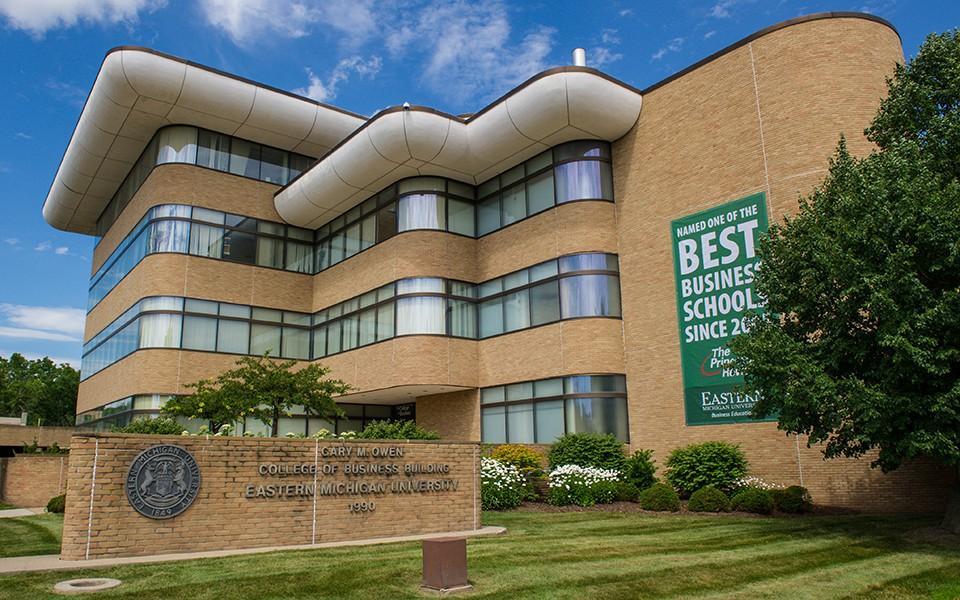
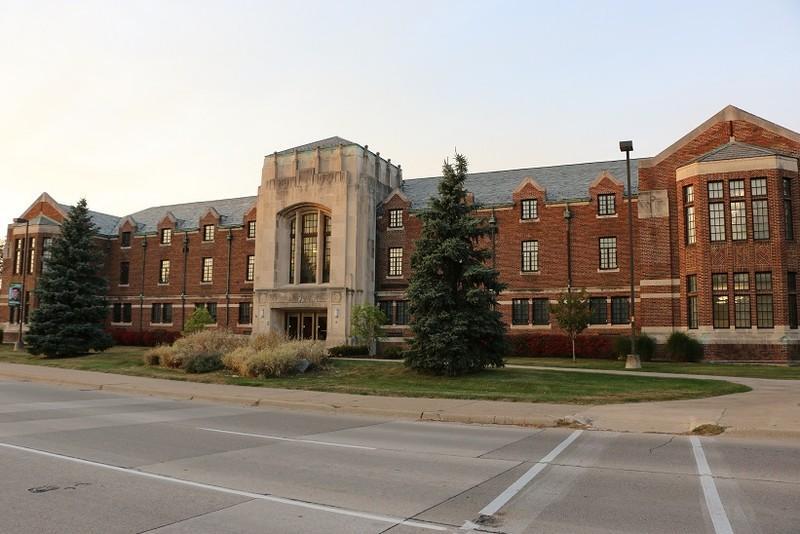
About Eastern Michigan University
Eastern Michigan University: Programs, Admission Requirements, Tuition Fees, and Campus Life
Introduction to Eastern Michigan University
Eastern Michigan University (EMU) is a public university located in Ypsilanti, Michigan, United States. Established in 1849, the university has a long history of providing higher education and professional preparation to students from different backgrounds. Its academic environment combines classroom instruction, practical learning, research opportunities, and student support services designed to help learners develop the knowledge and skills required for their future careers.
The university offers more than 200 majors and minors across five academic colleges, giving students opportunities to explore a wide range of disciplines. These include business, education, arts and sciences, health and human services, and engineering and technology-related fields. Students can choose undergraduate, graduate, and selected professional pathways according to their qualifications and career interests.
EMU's location in Ypsilanti provides access to the wider southeastern Michigan region. Students can explore local businesses, cultural activities, public services, and professional opportunities while studying in a university environment. The nearby Ann Arbor area and the broader Detroit metropolitan region also contribute to the region's educational, research, healthcare, automotive, and technology networks.
For international students considering higher education in the United States, Eastern Michigan University can be an option worth investigating. Before applying, prospective students should carefully review the available programs, admission standards, English-language requirements, tuition, living expenses, scholarship opportunities, and student visa procedures. Understanding these factors can help applicants make informed decisions about their education.
About Eastern Michigan University
Eastern Michigan University was founded in 1849 and has grown into a public institution serving undergraduate and graduate students. Its educational mission focuses on academic achievement, professional development, research, and preparing students to participate effectively in their communities and chosen industries.
The university's campus includes academic buildings, classrooms, laboratories, libraries, student facilities, recreational spaces, and residential accommodation. These resources support different learning styles and provide opportunities for students to combine academic work with extracurricular activities.
EMU's five academic colleges offer programs across several disciplines. The exact subjects, concentrations, and degree options available to students depend on the current university catalog and the requirements of each academic department.
Students can benefit from academic advising, tutoring, writing assistance, research support, career guidance, and other student services, subject to eligibility and availability. Such services can be particularly helpful to international students who are adapting to a different education system and learning how to manage the expectations of an American university.
Prospective applicants should review the curriculum, faculty expertise, academic facilities, internship possibilities, and career-related opportunities associated with their intended degree. Choosing a program that matches personal interests and long-term goals is an important part of preparing for university study.
Academic Programs and Areas of Study
Eastern Michigan University provides a broad selection of academic options through its colleges and departments. Students can explore professional, technical, scientific, educational, creative, and humanities-based disciplines.
Business and Management
Business education prepares students to understand how organizations operate, make decisions, manage resources, and respond to changing market conditions. Depending on the selected degree, students may study accounting, finance, marketing, management, economics, entrepreneurship, and related subjects.
Coursework can involve case studies, presentations, group assignments, financial analysis, business projects, and research. These activities help students develop analytical thinking, communication, teamwork, and problem-solving skills.
Students interested in management or business careers should examine the curriculum of their intended major to understand which subjects are covered and what practical opportunities are available. Career possibilities may include accounting, marketing, business analysis, financial services, sales, operations, and administrative management.
Professional qualifications, relevant work experience, communication skills, and knowledge of industry practices can influence employment opportunities after graduation.
Education and Teacher Preparation
Education is an important academic area at Eastern Michigan University. Students interested in teaching, educational leadership, learning support, and related professions can investigate programs that match their intended career paths.
Depending on the degree, coursework may cover educational theory, curriculum development, instructional methods, assessment, child and adolescent development, classroom management, and educational research.
Some teacher-preparation programs include supervised field experiences or practical placements. Applicants should confirm the exact requirements for their chosen program, including any background checks, examinations, practical experience, or professional standards.
Students planning to teach in the United States must understand the certification and licensing requirements applicable to the state and grade levels in which they intend to work. An academic degree alone does not necessarily provide every qualification required for professional teaching.
International students considering education careers in their home countries should also investigate whether their intended qualification will meet local recognition requirements.
Arts, Humanities, and Social Sciences
Students interested in understanding people, societies, cultures, history, language, and human behavior can explore programs in arts, humanities, and social sciences.
Depending on the selected major, students may study psychology, sociology, history, communication, literature, political science, language, or related subjects. These disciplines encourage critical thinking, research, interpretation, and clear written and verbal communication.
Assignments may include essays, presentations, research projects, discussions, and independent investigations. Such work helps students learn how to evaluate evidence, organize information, understand different perspectives, and communicate complex ideas.
Graduates may explore opportunities in education, communications, public service, research, human resources, administration, community organizations, and other sectors. Career paths vary according to the degree, additional qualifications, and professional experience.
Health and Human Services
Health and human services programs prepare students for a variety of roles connected to healthcare, community support, human development, and public well-being. Academic pathways and professional requirements differ by specialty.
Coursework may involve human development, health-related sciences, research methods, community services, public health concepts, or professional practice. Certain programs may include laboratory work, supervised experience, clinical preparation, or additional eligibility conditions.
Applicants should carefully review program-specific admission requirements and practical training expectations. Health-related degrees may require additional documentation, prerequisite subjects, background checks, immunization records, or professional examinations.
International students should also consider whether the degree prepares them for the professional regulations of the country where they intend to work after graduation.
Engineering and Technology
Engineering and technology-related education focuses on applying scientific and mathematical principles to technical problems. Depending on the major, students may study computing, engineering fundamentals, manufacturing, electronics, applied science, design, or other specialized subjects.
Practical learning can include laboratory activities, technical assignments, projects, simulations, and collaborative problem-solving. These experiences help students connect theoretical knowledge with applications in industry and research.
Students should compare the precise curriculum, laboratory facilities, available specializations, and project opportunities associated with their intended program. Some technical degrees have mathematics, science, or previous coursework prerequisites.
Graduates may pursue roles in technical support, engineering-related industries, manufacturing, computing, research, project coordination, and other fields related to their qualifications.
Graduate and Advanced Study
Eastern Michigan University also offers graduate-level study across selected academic disciplines. Graduate programs are designed for students seeking advanced subject knowledge, professional development, research experience, or preparation for specialized careers.
Depending on the degree, applicants may need a recognized bachelor's qualification, academic transcripts, recommendation letters, a statement of purpose, a résumé, standardized test scores where applicable, or evidence of relevant professional experience.
Doctoral and other advanced programs may have additional research, supervisory, funding, or departmental requirements. Students should review the current graduate catalog and contact the relevant department to confirm eligibility and application procedures.
Admission Requirements for International Students
International applicants must meet the academic and documentation requirements associated with their intended program. These requirements can vary according to the degree level, educational background, country of qualification, and selected field of study.
Undergraduate Admission
First-year undergraduate applicants generally need to have completed secondary education equivalent to a United States high school qualification. The university reviews academic records to determine whether applicants have suitable preparation for university-level study.
International students should prepare the application materials requested by the university. These may include:
- A completed online application.
- The applicable application fee.
- Official secondary-school transcripts and graduation certificates.
- Certified English translations for documents issued in another language.
- Proof of English-language proficiency or an approved exemption.
- Any additional academic or program-specific documents.
- Financial certification and supporting evidence for immigration processing.
The university may request further information to clarify academic credentials or verify the applicant's eligibility. Applicants should ensure that all documents are accurate, complete, and submitted through the accepted process.
Admission decisions depend on the university's applicable criteria. Meeting general minimum requirements does not guarantee admission to every major, particularly where a program has additional prerequisites or limited capacity.
Transfer Admission
Students who have already attended another college or university may be able to apply as transfer applicants. They should provide official records from their previous institutions and any additional documentation requested by the admissions office.
International postsecondary credentials may require a credential evaluation under the university's current policy. Applicants should confirm the required evaluation provider, document submission procedure, and any associated fees before applying.
Transfer credit decisions depend on the content and level of completed coursework, academic results, institutional recognition, and the requirements of the intended EMU program. Not all previously completed subjects will necessarily transfer.
Before accepting an offer, transfer applicants should clarify how their credits will be evaluated and how many additional semesters may be needed to complete their degree.
Graduate Admission
Graduate applicants must satisfy the requirements established by the university's Graduate School and their chosen academic department. A recognized bachelor's degree is generally required for master's admission, although specific qualifications depend on the program.
Applicants may need to submit official university transcripts, proof of English proficiency, recommendation letters, a statement of purpose, a résumé or curriculum vitae, and additional materials where required.
Some programs may require prerequisite coursework, professional experience, interviews, portfolios, research proposals, or standardized examination scores. Students should review their intended department's current application instructions instead of relying on a general university-wide checklist.
English-Language Proficiency Requirements
International applicants whose previous education does not qualify them for an English-language exemption may need to demonstrate proficiency through an accepted examination.
EMU's international undergraduate application checklist has listed minimum scores including TOEFL iBT 61, IELTS 6.0, and Pearson Test of English 44. The university may accept other examinations or qualifications under its current policies.
These figures should be treated as general guidance rather than a guarantee of eligibility for every degree. Accepted tests, minimum scores, score validity, and program-specific standards may change. Applicants should confirm the requirements that apply to their entry term and intended major before scheduling an examination.
Students who do not meet the required score may need to consider an approved English-language pathway or additional language preparation, where available. Applicants should confirm whether such options are offered for their circumstances, what they cost, and which conditions must be met before progressing to degree-level study.
Strong English skills can help international students participate in lectures, understand academic reading, complete written assignments, contribute to group projects, and communicate with faculty and classmates.
Tuition Fees and Estimated Cost of Attendance
Tuition is an important consideration when comparing universities in the United States. The amount payable at Eastern Michigan University depends on factors such as academic level, credit load, degree program, residency or student classification, and applicable university fees.
For the 2026–2027 academic year, EMU approved a 2.5% undergraduate tuition increase and a 3% increase for graduate, doctoral, signature, and differential tuition categories. The university also approved a simplified student services fee of USD 225 per semester, replacing several separate charges. Some fee changes take effect at different points during the academic year.
These changes provide useful context for financial planning, but they do not by themselves establish the complete annual cost for an international student. Applicants should consult the university's current tuition schedules and international student cost estimates to determine the amount applicable to their program and enrollment status.
Additional Living Expenses
In addition to tuition and required university fees, students should budget for accommodation, meals, books, supplies, transportation, health insurance, personal expenses, and international travel.
Students living on campus may need to select an appropriate residence hall and meal plan. Those living off campus should consider rent, utilities, food, transport, household supplies, deposits, and other recurring expenses.
The total cost of attendance varies according to housing arrangements, enrollment, personal spending, insurance requirements, and individual circumstances. Students should use the latest official estimates to prepare a realistic budget for the full academic year.
They should also consider potential tuition increases in later years and maintain an emergency reserve for unexpected expenses. A financial plan that accounts for the entire degree is more useful than one that considers only the first semester.
Scholarships and Financial Assistance
Scholarships and financial assistance can help eligible students manage the cost of higher education. Eastern Michigan University provides information about scholarship opportunities and other affordability resources.
International student eligibility depends on the particular award and its terms. Some scholarships may be linked to academic performance, admission status, degree level, or other conditions. Applicants should verify whether an award is available to international students and whether a separate application is required.
Students should also check award amounts, application deadlines, renewal conditions, minimum academic standards, and the number of semesters covered. Financial assistance should not be treated as guaranteed until the university confirms eligibility and the award.
When comparing scholarship offers, students should calculate their remaining tuition and living expenses after confirmed funding. They should also establish how they will cover costs that scholarships do not pay, such as travel, insurance, housing deposits, and personal expenses.
Careful financial planning can help applicants determine whether the university represents a sustainable option for their educational goals.
Student Visa and Immigration Preparation
International students planning to study on campus in the United States must follow the immigration procedures applicable to their circumstances. Admission to Eastern Michigan University and the issuance of Form I-20 do not guarantee approval of an F-1 student visa.
Students who meet the university's requirements may need to provide financial documentation demonstrating their ability to cover the estimated cost of study. The university may also require passport information and additional immigration documents before issuing the relevant paperwork.
Applicants should consult the university's international admissions office for its current documentation procedure and use official United States government guidance for visa application requirements.
Visa preparation generally involves maintaining a valid passport, completing the appropriate application, paying applicable fees, gathering financial evidence, and preparing for an interview when required. Applicants should ensure that their academic plans, funding information, and supporting documents are accurate and consistent.
Students should begin the process early because document preparation, appointment availability, and government processing can affect travel arrangements. They should not purchase non-refundable travel or make other major commitments until they understand the applicable visa requirements and have the necessary authorization.
International students must also understand the conditions associated with their immigration status after arrival, including enrollment and employment restrictions.
Campus Life and Student Support
EMU offers a campus environment where students can combine academic learning with extracurricular participation, social activities, and personal development. Student organizations, campus events, recreational facilities, and community activities provide opportunities to build relationships and explore interests beyond the classroom.
The university reports more than 220 student clubs and organizations. Depending on eligibility and availability, students can investigate academic associations, cultural groups, volunteer activities, leadership programs, recreational opportunities, and other campus initiatives.
International students may benefit from connecting with student support services early in their studies. Academic advisers, tutoring programs, writing assistance, library services, career guidance, and international student resources can help students adjust to university expectations.
Students should learn how to access these services and understand the procedures for seeking assistance. Building a support network can make the transition to a new academic environment more manageable.
Campus housing and dining are additional considerations. Students should compare available residence options, meal plans, room arrangements, and costs before selecting accommodation. They should also review housing deadlines and the terms of any residential agreement.
Living in Ypsilanti, Michigan
Ypsilanti is a city in southeastern Michigan with connections to education, healthcare, manufacturing, technology, and the wider Detroit metropolitan economy. Its location allows students to explore local community activities while accessing the broader opportunities of the surrounding region.
The nearby Ann Arbor area offers additional cultural, educational, and professional resources. Depending on their transportation options and individual circumstances, students may be able to attend community events, visit cultural destinations, or explore professional networking opportunities across the region.
Living costs depend on housing arrangements, transport, food choices, and personal spending habits. Students should compare on-campus accommodation with suitable off-campus options while considering commuting time, lease requirements, utility costs, and personal safety.
Michigan experiences seasonal weather changes, including cold winters. International students should prepare for the local climate and budget for appropriate clothing and other necessities.
Understanding local transportation, healthcare arrangements, campus safety services, and available student resources can help new arrivals adjust more comfortably to life in the United States.
Career Development and Employment Preparation
Eastern Michigan University offers academic and student resources that can support career exploration and professional preparation. Students can investigate career coaching, résumé assistance, job and internship resources, academic projects, and relevant campus activities.
Career preparation should begin before graduation. Students can build professional experience by developing technical and communication skills, participating in appropriate projects, seeking internships where eligible, and creating a clear résumé that reflects their qualifications.
Business students may explore opportunities in marketing, finance, accounting, management, operations, and analysis. Graduates in education, health, technology, science, and other disciplines may pursue roles related to their qualifications and professional requirements.
Career outcomes are not guaranteed and depend on the degree, skills, experience, economic conditions, and individual eligibility. Students should research employment trends and any additional certifications or licenses required for their intended profession.
International students must also pay attention to United States employment regulations. A student visa does not automatically authorize every form of employment. Students should consult the university's international student advisers and official immigration guidance before accepting internships or off-campus work.
Application Process for International Students
A structured application plan helps prospective students manage requirements and deadlines.
First, identify the intended major and confirm that the university offers a suitable degree. Review the curriculum, entry requirements, estimated cost, application deadline, and any program-specific conditions.
Second, gather academic documents, including secondary-school records, graduation certificates, and postsecondary transcripts where applicable. Arrange certified English translations and any required credential evaluations in advance.
Third, submit the university application and all supporting materials through the accepted process. Check that personal details and academic records are accurate and that every required document has been provided.
Fourth, meet the applicable English-language proficiency requirement or establish whether an approved exemption is available. Confirm the current accepted tests and scores for the intended program.
Fifth, review tuition, living expenses, scholarship eligibility, and available funding. Ensure that adequate financial resources are available before making a final enrollment decision.
Finally, after receiving an admission decision, follow the university's instructions for enrollment, financial certification, immigration documentation, housing, orientation, and registration. International students should pay particular attention to deadlines and keep copies of important documents.
Important Considerations Before Applying
Eastern Michigan University may suit students looking for a public university with a broad range of academic programs, campus facilities, student organizations, and access to southeastern Michigan's wider educational and professional environment.
However, selecting a university requires more than considering its location or program count. Prospective students should compare their intended degree with similar options, paying attention to curriculum, total cost, available scholarships, academic support, practical learning, and professional requirements.
International applicants should confirm the current admission standards, English-language criteria, tuition rates, and immigration procedures directly with the university. They should also research whether their chosen qualification meets the requirements of the profession or country in which they eventually plan to work.
A careful comparison of academic and financial factors can help students choose a program that supports both their educational ambitions and long-term plans.
Conclusion
Eastern Michigan University is a public institution in Ypsilanti, Michigan, offering undergraduate and graduate education across a variety of academic disciplines. Its five colleges, extensive selection of majors and minors, campus facilities, and student support resources provide prospective students with multiple pathways to explore.
For international students, the application process involves confirming program eligibility, meeting academic and English-language requirements, preparing financial documentation, and understanding the student visa process. Tuition and living expenses vary, so applicants should verify the latest official figures and prepare a realistic budget before committing to enrollment.
By researching programs carefully, organizing application materials, investigating funding options, and preparing for life in Michigan, prospective students can make a more informed decision about whether Eastern Michigan University is the right choice for their academic and professional goals.
Entry Requirements
General Entry Requirement
IELTS 6.5 overall
Fees & Scholarships
Annual Tuition Fees
USD 26,000 - USD 32,000
Ready to Apply to Eastern Michigan University?
Our advisors guide you from eligibility check to offer letter — at no cost to you.
Join our WhatsApp Community
.jpeg)
Scan to join our student community for admission updates & guidance