
Annual FeesUSD 53,000 - USD 61,000
Duquesne University
LocationUS
Entry RequirementIELTS 6.5 overall
Visa Success Rate75%
Campus Photos
Duquesne University
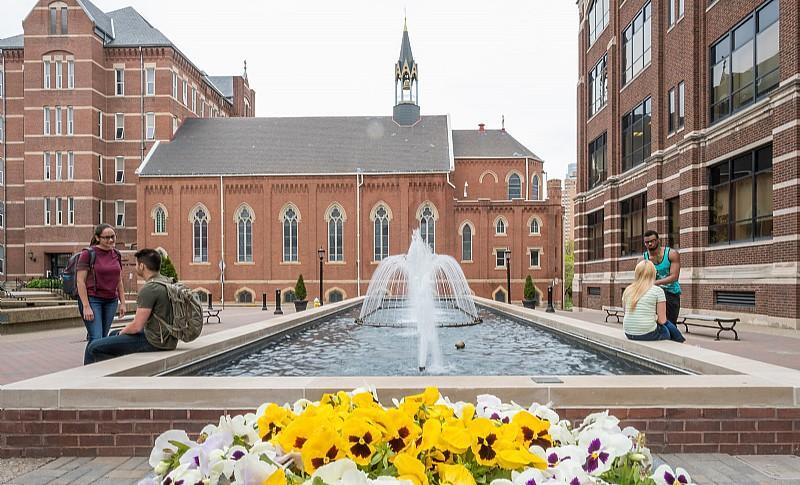
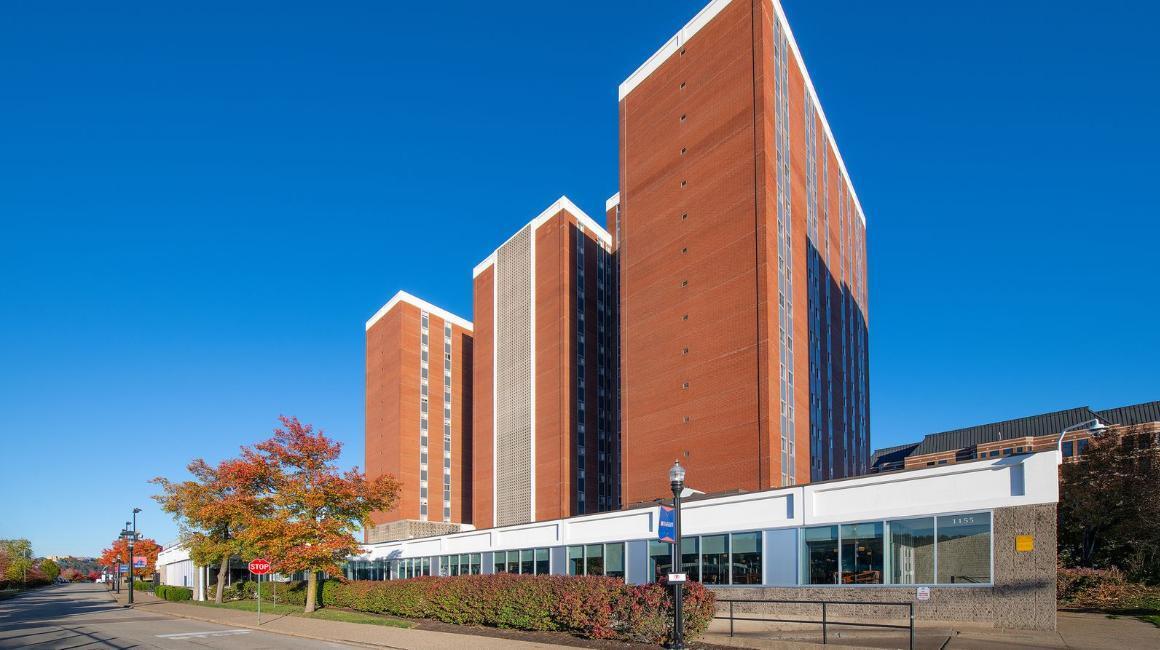
About Duquesne University
Duquesne University: Programs, Admissions, Tuition Fees, and Campus Life
Introduction to Duquesne University
Duquesne University is a private Catholic university located in Pittsburgh, Pennsylvania, United States. Founded in 1878, the institution has developed a reputation for professional education, academic learning, community engagement, and student development. Its urban campus provides students with access to educational resources, cultural attractions, businesses, healthcare organizations, and employment opportunities across the Pittsburgh metropolitan area.
The university welcomes students from different backgrounds and countries, creating an academic environment that combines classroom instruction with practical learning experiences. Its academic offerings cover areas such as business, health sciences, pharmacy, nursing, education, liberal arts, music, and science and engineering. This variety enables students to explore different professional pathways while developing the knowledge and skills needed for further study or employment.
For international students considering higher education in the United States, Duquesne University offers an opportunity to study in a city with established healthcare, technology, education, and business sectors. Students can explore undergraduate and graduate programs according to their academic backgrounds and career objectives. However, choosing a university requires careful consideration of tuition, living expenses, admission requirements, English-language proficiency, and immigration procedures.
Understanding these factors before applying can help prospective students prepare a realistic study plan and determine whether Duquesne University aligns with their educational and professional goals.
About Duquesne University
Duquesne University has a long history of providing higher education in the United States. Established by the Congregation of the Holy Spirit, the institution maintains a Catholic educational tradition while welcoming students from a range of cultural, national, and religious backgrounds. Its educational philosophy emphasizes academic development, ethical responsibility, service, and preparation for professional life.
The university's main campus is situated in downtown Pittsburgh. Its location provides students with access to libraries, cultural institutions, healthcare facilities, corporate offices, restaurants, public transportation, and recreational destinations. Students can experience the resources of a major American city while participating in campus-based academic and extracurricular activities.
Duquesne serves undergraduate, graduate, and professional students through multiple academic schools and divisions. Its educational environment includes traditional classroom teaching, laboratory-based learning, professional preparation, research opportunities, and experiential activities where available. The specific opportunities available to each student depend on the chosen course, academic performance, eligibility, and program requirements.
Students considering Duquesne should review the curriculum, faculty expertise, available academic support, internship opportunities, and career outcomes associated with their intended programs. These details are more useful for evaluating academic suitability than relying on the university's general reputation alone.
Academic Programs and Areas of Study
Duquesne University offers programs across several academic disciplines, allowing students to pursue interests in professional, scientific, creative, and humanities-based fields. Program availability, degree structure, prerequisites, and admission standards differ by academic school.
Business and Management
Business-related programs provide opportunities to study management, finance, marketing, accounting, entrepreneurship, and other areas connected to organizational performance. Students can develop an understanding of business operations, financial decision-making, communication, leadership, and strategic planning.
Depending on the program, coursework may involve case studies, group assignments, presentations, business projects, and practical applications of classroom concepts. These experiences can help students understand how organizations operate and how managers respond to changing market conditions.
Graduates may explore careers in business analysis, marketing, financial services, accounting, management, consulting, and related fields. Career outcomes depend on the degree earned, previous experience, professional qualifications, and employment-market conditions.
Health Sciences and Healthcare
Health sciences represent an important area of professional education at Duquesne University. Students interested in healthcare can explore relevant programs according to their academic preparation and career interests.
Health-related education may combine scientific foundations, professional coursework, laboratory instruction, and practical learning. Certain programs can include clinical or supervised experiences, subject to professional regulations and individual eligibility.
Students should examine the precise requirements of each health sciences degree before applying. Some courses may have additional prerequisites, specialized admission criteria, licensing considerations, or professional placement requirements. International students should also determine whether their intended career requires separate licensing or examinations in the United States or their home country.
Nursing
Nursing education prepares students to understand patient care, healthcare systems, clinical practice, and professional responsibilities. Nursing pathways can differ significantly according to the student's previous qualifications and the degree being pursued.
Applicants should review the curriculum, clinical training structure, laboratory requirements, health documentation, and any additional prerequisites associated with their chosen pathway. Nursing programs may apply admission standards beyond the university's general undergraduate requirements.
Students planning to work as nurses after graduation should research applicable state licensing regulations and examination requirements. Completing an academic program does not automatically guarantee professional licensure or employment.
Pharmacy and Pharmaceutical Sciences
Duquesne University provides educational pathways in pharmacy and pharmaceutical sciences. These fields are relevant to students interested in medication development, pharmaceutical research, patient care, drug safety, and the broader healthcare industry.
Pharmacy education can involve demanding coursework in biological sciences, chemistry, pharmacology, and clinical or professional subjects. Program duration, tuition structure, entry requirements, and progression rules vary by pathway.
Applicants should distinguish between pre-professional pharmacy study, pharmaceutical sciences degrees, and the professional Doctor of Pharmacy pathway. These options have different academic objectives and career implications. Students interested in becoming licensed pharmacists must understand the relevant accreditation, examination, and state licensing requirements.
Science and Engineering
Science and engineering programs allow students to study technical and scientific concepts through theoretical coursework and practical applications. Depending on the major, subjects may include mathematics, physics, chemistry, biological sciences, computing, engineering principles, and specialized technical topics.
Laboratory work, projects, collaborative assignments, and technical problem-solving can help students develop analytical and professional skills. Prospective students should compare the exact curriculum and available facilities of their intended programs, particularly when choosing a specialized engineering or science degree.
Career possibilities vary by qualification and specialization. Graduates may pursue technical roles, research opportunities, further education, or employment in industries related to their field of study.
Liberal Arts and Humanities
Liberal arts education encourages students to examine ideas, communicate clearly, evaluate evidence, and understand social and cultural issues. Programs may cover areas such as history, literature, philosophy, political science, languages, and related disciplines.
Students can strengthen writing, critical thinking, research, interpretation, and communication skills through essays, presentations, discussions, and independent projects. These abilities can be relevant to careers in education, communications, public service, research, administration, and other professional environments.
Education and Music
Education programs prepare students for different aspects of teaching, learning, and educational practice. The curriculum and practical requirements depend on the intended qualification and specialization. Applicants who want to teach professionally should investigate certification and licensing requirements in the state or country where they plan to work.
Music programs provide opportunities for students interested in performance, musical study, composition, and related creative disciplines. Students should investigate audition requirements, portfolio expectations where applicable, specialist facilities, and additional program costs before applying.
Because each academic area has its own structure, prospective students should consult the university's current program information rather than assuming that all majors share identical admission standards, tuition rates, or career pathways.
Admission Requirements for International Students
International applicants must satisfy the academic and documentation requirements applicable to their intended program. Requirements can differ between first-year undergraduate applicants, transfer students, and graduate applicants.
Undergraduate Admission
First-year applicants generally need to have completed secondary education that is recognized as equivalent to a United States high school qualification. The university evaluates academic records and considers whether an applicant has demonstrated suitable academic preparation.
International undergraduate applicants should normally prepare the following materials:
- A completed university application.
- Official secondary-school academic records.
- Certified English translations of documents that are not issued in English.
- At least one recommendation letter, according to the applicable application requirements.
- A personal statement addressing the applicant's strengths, intended major, and academic, personal, or professional goals.
- The applicable application fee.
- Financial certification and supporting documents required for international enrollment and immigration processing.
The university reviews applications using its published eligibility criteria and admissions procedures. Academic performance is important, but meeting a minimum requirement does not guarantee acceptance. Program-specific standards and the overall strength of an application can influence the admission decision.
Applicants should confirm whether their intended major requires additional documentation, prerequisite subjects, auditions, interviews, or standardized examination results.
Transfer Admission
Students who have already completed postsecondary study may be eligible to apply as transfer students. In addition to meeting the relevant general eligibility requirements, transfer applicants must provide records from their previous institutions.
The university evaluates previously completed coursework to determine whether credits can be transferred toward the intended degree. Credit recognition depends on the academic content, grades, institutional records, and the requirements of the receiving program.
Applicants should not assume that all previously earned credits will transfer. Before enrolling, they should clarify the likely credit evaluation, remaining course requirements, expected degree duration, and associated tuition costs.
Graduate Admission
Graduate admission requirements vary according to the intended master's, doctoral, or professional program. Applicants generally need an appropriate recognized undergraduate degree and must provide the academic records requested by their chosen department.
Additional materials may include a statement of purpose, recommendation letters, a résumé or curriculum vitae, standardized test results where required, writing samples, a portfolio, or evidence of relevant professional experience. Some programs may require interviews or additional prerequisites.
International applicants should verify the precise requirements for their intended degree instead of relying on a general university-wide checklist.
English-Language Proficiency Requirements
Since English is the language of instruction, international students may need to demonstrate their ability to participate successfully in academic coursework.
Duquesne University's published base minimums for direct undergraduate admission include the following English-proficiency scores:
- TOEFL iBT: 70.
- IELTS Academic: 6.0.
- Duolingo English Test: 105.
- Pearson Test of English Academic: 48.
These are general base scores, and some academic programs may require higher results. Applicants should verify the accepted tests, minimum scores, validity periods, and any program-specific conditions before booking an examination.
Some students may qualify for an English-language proficiency waiver if they meet the university's applicable criteria. A waiver is not automatic and should be requested with the required supporting information.
Applicants who do not meet the direct-admission language requirements may be eligible for a conditional admission or English-language pathway, subject to the university's current policies and individual assessment. Students should confirm the availability, duration, cost, and progression requirements of any such pathway before accepting an offer.
Tuition Fees and Estimated Cost of Attendance
Tuition is a major consideration for students planning to study in the United States. Duquesne University publishes different undergraduate tuition rates according to the academic program and enrollment structure.
For the 2026–2027 academic year, the published annual undergraduate tuition for a standard full-time load of 12 to 18 credits per semester is USD 53,238 for several program groups, including business, education, liberal arts, nursing, and science and engineering. Published annual rates include USD 55,948 for pre-professional pharmacy in years one and two, USD 59,236 for music, and USD 61,152 for health sciences professional programs.
For the Doctor of Pharmacy pathway in years three through six, the published on-campus and online tuition rate is USD 2,080 per credit. This structure differs from the standard annual rates and should be considered separately when estimating total program costs.
The university reviews tuition annually and reserves the right to revise charges. Students should therefore confirm the applicable rates for their specific program and entry year before making financial commitments.
Additional Expenses
Tuition does not represent the entire cost of studying at Duquesne. Students may also need to budget for:
- Accommodation and meals.
- University and program-specific fees.
- Books, course materials, and supplies.
- Health insurance and medical expenses.
- Local transportation.
- Personal expenses and communication services.
- Travel between the United States and the student's home country.
Housing expenses vary according to residence type, room occupancy, and meal-plan selection. Students living off campus should also account for rent, utilities, food, transport, deposits, and other household expenses.
The total cost of attendance can therefore be considerably higher than tuition alone. Applicants should prepare a realistic annual budget using current university estimates and their personal circumstances.
Scholarships and Financial Planning
Scholarships and other forms of financial assistance can influence the affordability of an American university education. Duquesne University provides information about affordability resources, financial planning, and available forms of assistance.
International undergraduate scholarships may be limited, and eligibility varies according to the award and applicant category. Students should check which scholarships are available to international applicants, whether consideration is automatic or requires a separate application, and what academic or other conditions apply.
An advertised scholarship should not be treated as guaranteed funding unless the university has formally confirmed the award. Students should also check whether funding is renewable, whether minimum academic performance must be maintained, and whether the award covers tuition only or other expenses.
A useful financial plan should include the expected tuition for the full degree, estimated annual living costs, likely tuition increases, travel, insurance, and an emergency reserve. Students should compare the total cost after confirmed scholarships rather than evaluating a university solely on its initial tuition figure.
Student Visa and Immigration Preparation
International students who intend to study on campus in the United States must follow the immigration process applicable to their circumstances. Admission to Duquesne University and the issuance of an immigration document do not guarantee approval of a student visa.
After receiving the required admission decision and completing the university's documentation procedures, eligible students may need to provide financial evidence and other information so that the institution can prepare the relevant immigration documents.
Students should carefully follow the instructions provided by the university's international student services team and consult official United States government guidance for the current visa application process.
Typical preparation includes maintaining a valid passport, gathering evidence of financial support, reviewing the university's immigration documentation, completing the required government application, paying applicable fees, and preparing for the visa interview where required.
Applicants should be able to explain their academic plans, why they selected their program, how they intend to finance their education, and what their plans are after their studies. All information provided to the university and immigration authorities must be accurate and consistent.
Students should begin preparing well in advance of the intended start date because document processing, appointment availability, and visa decisions can affect travel plans.
Campus Life and Student Experience
Duquesne University's location in Pittsburgh gives students access to a city with educational institutions, cultural venues, sports, businesses, healthcare organizations, and community activities. The campus environment combines academic responsibilities with opportunities to develop friendships, explore interests, and participate in student life.
Students can investigate clubs, student organizations, campus events, volunteer activities, leadership opportunities, and cultural programs. Participation can help students develop communication, teamwork, organizational, and interpersonal skills alongside their academic studies.
International students may also benefit from activities that introduce them to American university culture and help them connect with peers from different backgrounds. The university's international student support services can provide guidance about arrival procedures, cultural adjustment, immigration responsibilities, and university resources.
Students should review current campus facilities, student support services, housing options, transportation arrangements, and safety information before arrival. A successful university experience depends not only on the academic program but also on finding suitable accommodation, managing finances, maintaining a balanced routine, and seeking help when needed.
Living in Pittsburgh, Pennsylvania
Pittsburgh is a major city in western Pennsylvania with a history of industrial development and a modern economy that includes healthcare, education, technology, research, finance, and professional services.
For students, the city offers opportunities to explore museums, libraries, parks, restaurants, cultural events, and sporting activities. Its network of educational and professional organizations may also provide opportunities to attend events, build connections, and investigate internships or employment where eligibility requirements permit.
Living costs depend on housing choices, travel patterns, food preferences, and personal spending habits. Students should compare on-campus accommodation with suitable off-campus alternatives while considering commuting time, lease conditions, utility costs, and personal safety.
International students should also prepare for seasonal weather changes in Pennsylvania and budget for appropriate clothing and other necessities. Learning about public transportation, local services, and campus support resources can make the transition to a new city easier.
Career Development and Professional Opportunities
Duquesne University's academic programs can help students develop subject knowledge, practical abilities, communication skills, and professional awareness relevant to their intended fields. Career opportunities after graduation depend on the chosen degree, academic performance, prior experience, professional qualifications, and market conditions.
Students can strengthen their career preparation by seeking appropriate internships, participating in projects, developing a professional résumé, building relationships with faculty, and attending career-related events when available. Research experience, volunteering, practical assignments, and relevant certifications may also contribute to a stronger professional profile.
Students interested in business may investigate opportunities in finance, marketing, management, accounting, and analysis. Graduates from science, engineering, health, pharmacy, nursing, education, and liberal arts programs may pursue pathways related to their qualifications, subject to professional and legal requirements.
International students must pay particular attention to employment authorization. Permission to study in the United States does not automatically permit every type of employment. Students should consult the university's international student advisers and official immigration guidance before accepting internships, off-campus work, or post-graduation employment.
Applicants should also review program-specific career information and seek realistic evidence about graduate outcomes. No university can guarantee a particular job, salary, internship, or immigration outcome.
Application Process for International Students
A well-organized application process can help prospective students manage deadlines and reduce avoidable delays.
First, identify the intended degree and confirm that the university offers a suitable program. Review the curriculum, academic prerequisites, tuition structure, application deadline, and any program-specific admission conditions.
Second, prepare the required academic documents. These may include secondary-school certificates, transcripts, postsecondary records, certified translations, and other evidence requested by the admissions team.
Third, complete the application and provide the required supporting materials. Applicants should check that their personal details, academic history, recommendation letters, and personal statement are accurate and consistent.
Fourth, submit the required English-language proficiency evidence or request an eligible waiver. Applicants should verify that the selected test and score meet the requirements for their particular program.
Fifth, review the financial implications. Calculate tuition, housing, food, insurance, travel, and other costs, and identify confirmed funding sources before accepting an offer.
Finally, after receiving an admission decision, follow the university's instructions for enrollment, financial certification, immigration documentation, housing, orientation, and registration. Students should use the current instructions supplied by the university rather than relying on outdated checklists.
Important Considerations Before Applying
Duquesne University may suit students seeking a private university education in an urban American setting, with academic options across business, healthcare, science, engineering, education, music, and the liberal arts. However, the right choice depends on individual priorities.
Prospective students should compare their intended program with similar options at other institutions, paying attention to curriculum, total cost, scholarship availability, facilities, location, academic support, and relevant professional outcomes.
They should also confirm the current tuition and admission requirements directly with the university, particularly when applying for a specialized program. International applicants need to plan for documentation, English-language requirements, visa procedures, and the financial commitments associated with studying abroad.
Careful preparation helps students make informed decisions and enter the application process with realistic expectations.
Conclusion
Duquesne University offers undergraduate, graduate, and professional education in Pittsburgh, Pennsylvania. Its range of academic disciplines, urban location, and student support services make it an institution worth considering for students exploring higher education in the United States.
For international applicants, the most important steps are to select a suitable program, understand the admission criteria, meet English-language requirements, calculate the complete cost of attendance, and prepare immigration documents carefully. Tuition and other expenses differ by academic pathway, so applicants should verify the latest figures before finalizing their plans.
By researching program requirements, evaluating financial resources, and preparing a complete application, prospective students can determine whether Duquesne University is an appropriate match for their academic ambitions and long-term career goals.
Entry Requirements
General Entry Requirement
IELTS 6.5 overall
Fees & Scholarships
Annual Tuition Fees
USD 53,000 - USD 61,000
Ready to Apply to Duquesne University?
Our advisors guide you from eligibility check to offer letter — at no cost to you.
Join our WhatsApp Community
.jpeg)
Scan to join our student community for admission updates & guidance