
Annual FeesUSD 28,000 - USD 50,000
DePaul University
LocationUS
Entry RequirementIELTS 6.0 overall
Visa Success Rate70%
Campus Photos
DePaul University
About DePaul University
DePaul University: Programs, Admission Requirements, Tuition Fees, and Student Life
Introduction to DePaul University
DePaul University is a private university located in Chicago, Illinois, United States. Established in 1898, the institution has developed a reputation for combining academic learning, professional preparation, community engagement, and practical experience. Its location in one of the largest cities in the United States provides students with opportunities to explore internships, industry connections, cultural activities, and career pathways while pursuing their degrees.
The university is particularly recognized for its programs in business, computing, communication, liberal arts, education, science, health, music, and theatre. It offers undergraduate and graduate degrees, professional education, and opportunities for students to develop specialized knowledge in their chosen fields.
DePaul welcomes students from different educational and cultural backgrounds. International students can access academic support, university services, student organizations, and career development resources designed to help them adjust to studying in the United States.
For students considering an American university, DePaul may be worth exploring because of its urban setting, career-oriented academic environment, and range of educational opportunities. However, applicants should carefully review program requirements, tuition fees, accommodation expenses, scholarship opportunities, and visa procedures before making a final decision.
About DePaul University
DePaul University was founded in 1898 and takes its name from Saint Vincent de Paul. Its educational tradition emphasizes service, inclusion, community engagement, and access to higher education. These principles continue to influence the institution's approach to teaching, student development, and public engagement.
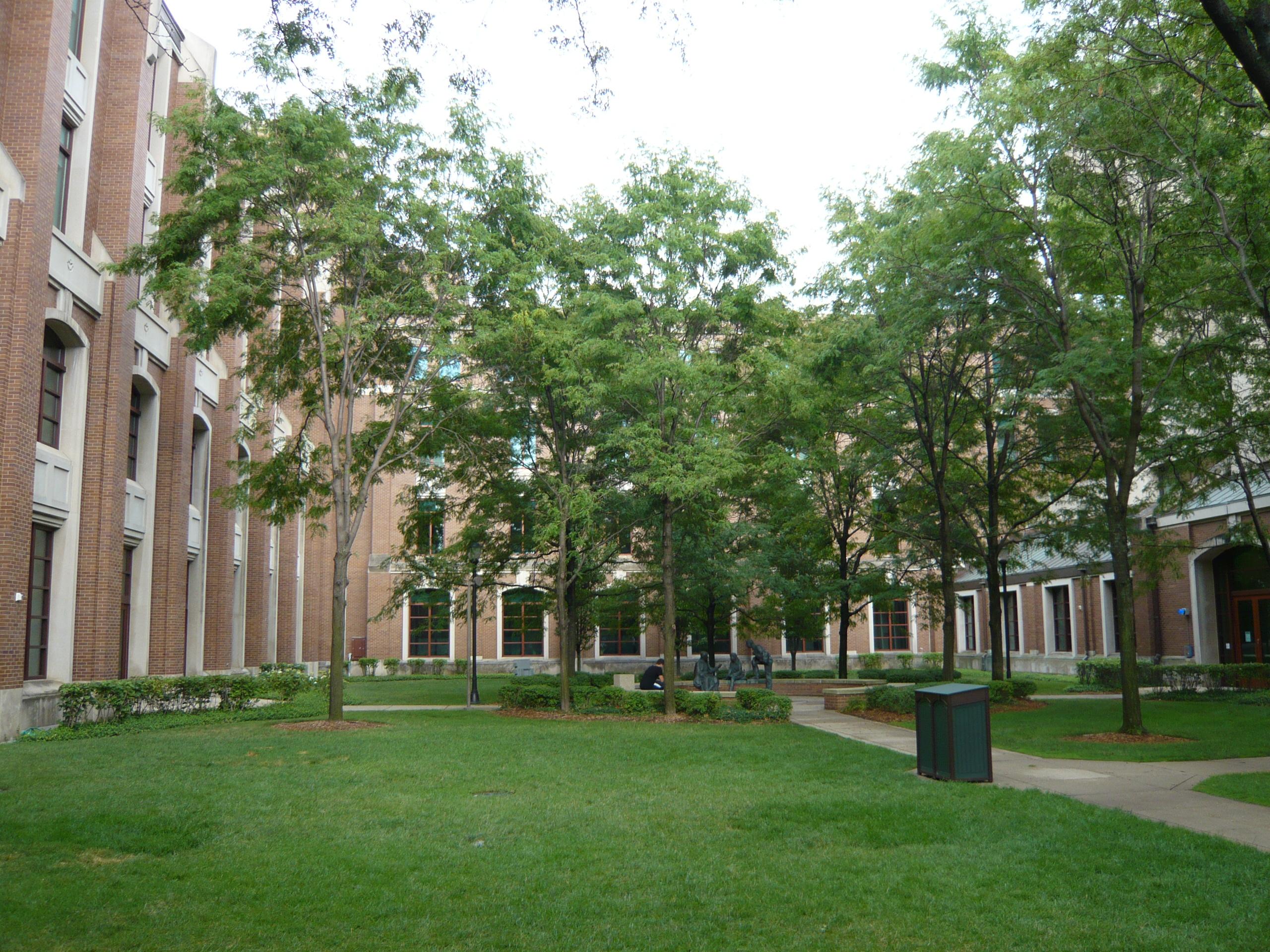
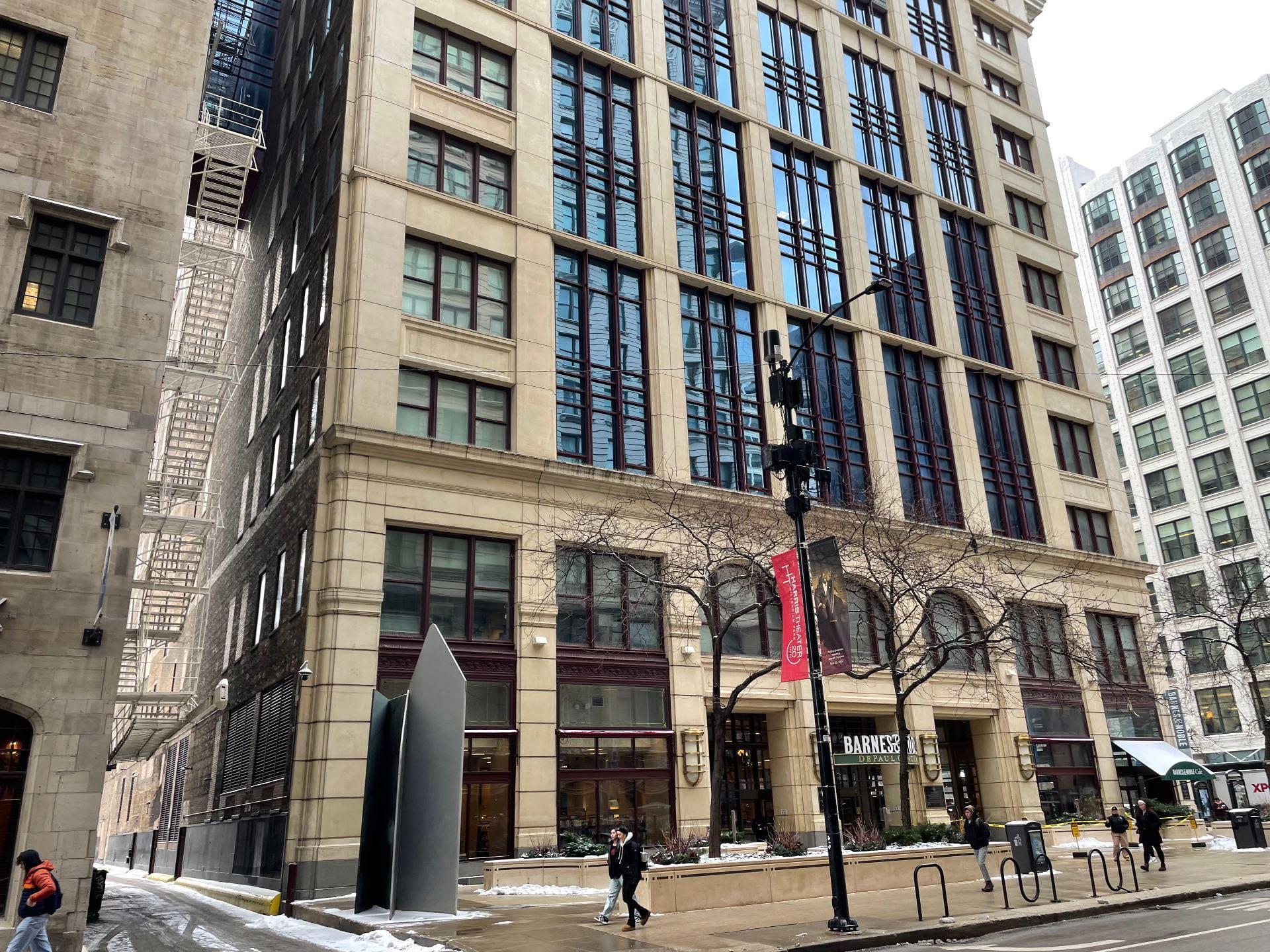
The university operates primarily across its Lincoln Park and Loop campuses in Chicago. The Lincoln Park Campus provides a traditional university environment with academic buildings, student residences, recreation facilities, and spaces for campus activities. The Loop Campus is situated in downtown Chicago and places students close to the city's business, cultural, and professional districts.
DePaul serves students through a variety of academic colleges and schools. Its programs combine classroom instruction with opportunities for research, projects, internships, practical assignments, and collaborative learning. The university's location also allows students to experience the professional environment of a major metropolitan area.
The institution attracts students interested in fields such as business management, computer science, information technology, media, psychology, education, biological sciences, and performing arts. Academic offerings, degree availability, and admission criteria depend on the selected college and program.
DePaul's urban setting is an important consideration for applicants. Students may find opportunities to attend professional events, participate in cultural activities, build networks, and explore employment opportunities in the surrounding region. At the same time, living in Chicago requires careful budgeting, particularly for housing, transportation, food, and other everyday expenses.
Why Choose DePaul University?
Academic Opportunities Across Multiple Disciplines
DePaul offers a broad selection of academic programs for students with different interests and career objectives. Its colleges and schools cover business, communication, computing and digital media, education, science and health, liberal arts and social sciences, music, and theatre.
This range enables students to compare different academic pathways before choosing a degree. Applicants should examine the curriculum, required subjects, teaching methods, internship opportunities, and potential career directions associated with their preferred program.
Location in Chicago
Chicago is a major American city with a diverse economy, established cultural institutions, and a wide range of professional sectors. Depending on their qualifications, interests, and work authorization, students may explore opportunities related to finance, technology, consulting, healthcare, media, education, and other industries.
The university's downtown presence can be particularly relevant for students interested in business, communication, and computing. However, proximity to employers does not guarantee an internship or job. Students should actively develop their skills, prepare application materials, build professional connections, and use university career services.
Career Preparation
DePaul emphasizes career development alongside academic study. Students can work on projects, improve communication skills, participate in student organizations, and explore internship opportunities relevant to their fields.
Career preparation is most effective when students begin early. Building a portfolio, attending employer events, completing practical projects, and developing interview skills can help students demonstrate their abilities to potential employers.
Diverse Student Community
DePaul provides an educational environment in which students encounter different cultural perspectives and academic experiences. International students can benefit from interacting with classmates from varied backgrounds and participating in campus organizations.
Joining student clubs, attending university events, and seeking guidance from academic advisers can help newcomers build connections and become more comfortable in their new surroundings.
Campus and City Experiences
Students can explore university activities as well as the cultural and recreational opportunities available throughout Chicago. Museums, parks, performance venues, sporting events, restaurants, and community activities contribute to the wider student experience.
Students should nevertheless consider travel time, personal safety, transportation expenses, and their academic schedules when planning activities outside campus.
Academic Programs at DePaul University
DePaul provides undergraduate, graduate, and professional educational opportunities. Exact degree availability and admission requirements vary by college, department, and academic year.
Business and Management
The Driehaus College of Business offers educational pathways for students interested in business administration, accounting, finance, management, marketing, and related fields.
Students can develop knowledge of business operations, financial decision-making, organizational behavior, market analysis, and strategic planning. Depending on the degree, coursework may include group projects, case studies, presentations, and practical assignments.
Graduates may explore opportunities in business analysis, accounting, marketing, consulting, operations, finance, and management. Career outcomes depend on the student's specialization, practical experience, professional qualifications, and employment market.
Computing and Digital Media
The Jarvis College of Computing and Digital Media serves students interested in technology and digital industries. Depending on the program, available areas may include computer science, software development, information technology, cybersecurity, data-related disciplines, game development, and digital media.
Students may work with programming languages, databases, software engineering methods, analytical tools, and project-based learning activities.
Applicants should review the curriculum carefully to determine whether a program emphasizes software engineering, computing theory, applied technology, design, or another specialized area. Students planning technology careers can strengthen their profiles through personal projects, internships, technical portfolios, and relevant certifications.
Communication and Media
The College of Communication provides opportunities for students interested in communication, media, journalism, public relations, and related disciplines.
Students may develop research, writing, presentation, storytelling, and media production skills. Depending on the program, coursework can involve communication strategies, audience analysis, digital platforms, and practical media assignments.
These skills can support careers in media organizations, corporate communications, public relations, content development, and related professional areas.
Science and Health
DePaul's College of Science and Health offers programs connected with scientific study, health-related disciplines, and human development. Academic opportunities vary by department and degree level.
Students interested in these fields should examine laboratory requirements, practical learning opportunities, prerequisites, professional accreditation where applicable, and any additional requirements for employment in regulated occupations.
Liberal Arts and Social Sciences
The College of Liberal Arts and Social Sciences supports interdisciplinary study across humanities, social sciences, languages, and related subjects.
Students can develop analytical reasoning, research, writing, critical thinking, and communication skills. These abilities are useful across numerous sectors, although students should consider internships, further study, and relevant professional experience when planning their careers.
Education, Music, and Theatre
DePaul also provides educational pathways in education, music, theatre, and related areas. Certain programs may require auditions, portfolios, additional application materials, practical experience, or specialized prerequisites.
Applicants should check the relevant school's instructions carefully because deadlines and admission procedures can differ from those of other undergraduate programs.
Graduate and Professional Study
Students who already hold a bachelor's degree can explore master's degrees and other advanced programs. Graduate admission standards vary according to the department and degree.
Applicants may need academic transcripts, a statement of purpose, recommendations, a résumé, writing samples, standardized test results, or evidence of relevant experience. Some programs may require additional academic prerequisites.
Admission Requirements for International Students
International admission at DePaul depends on whether the applicant is entering as a freshman, transferring from another institution, or applying to a graduate or professional program.
Students should select the correct application category before submitting documents.
Undergraduate Freshman Admission
International freshman applicants generally need to demonstrate completion of secondary education equivalent to a United States high school qualification.
The university's published general minimum GPA for freshman admission is 2.5, although individual programs may have different expectations. Meeting a minimum standard does not guarantee admission.
Applicants generally need to complete the required online application, submit official school transcripts or secondary examination records, and provide additional documentation according to the university's instructions.
Students whose records are issued in a language other than English must provide the required English translations. Country-specific requirements may apply to qualifications and examination documents.
English Language Proficiency
Applicants educated outside the United States during secondary school are generally required to demonstrate English proficiency unless they qualify for an accepted exemption.
DePaul's published undergraduate international admission requirements include the following options:
- TOEFL iBT: 80, with no subsection below 17, or the applicable revised-scale equivalent.
- IELTS Academic: 6.5 overall.
- Duolingo English Test: 115.
- PTE Academic: 53.
- SAT evidence-based Reading and Writing: 540.
- ACT: minimum Reading score of 18 and English score of 20.
The university also recognizes certain other English qualifications and curriculum-based exemptions. Accepted scores, validity periods, and documentation rules should be checked against the current official admission requirements.
Applicants who meet the academic requirements but fall below the regular English proficiency threshold may be considered for conditional admission in eligible circumstances. The conditions and additional English-language study requirements must be confirmed with the university.
Transfer Admission
Students who have already completed university-level coursework may apply as transfer students if they meet the relevant criteria.
Transfer applicants should prepare official transcripts from their previous institutions and any required course-by-course credential evaluations. English translations may be necessary for documents issued in another language.
Transfer credit decisions depend on the institution's evaluation of prior coursework. Students should not assume that all completed subjects will transfer or that every previous qualification will satisfy a particular degree requirement.
Graduate Admission
Graduate applicants must meet the academic and documentary requirements established by their intended program. These can include a recognized bachelor's degree, transcripts, English proficiency scores, recommendations, a statement of purpose, a résumé, and additional materials.
Requirements differ considerably across disciplines. Some programs may require relevant academic preparation, professional experience, portfolios, research interests, or specific prerequisite subjects.
Applicants should consult the department directly if they are uncertain whether their qualifications meet the entry requirements.
Application Deadlines
For international undergraduate freshman applicants, DePaul has published November 15 as the Early Action deadline and February 1 as the Regular Notification deadline. Certain specialized programs have separate deadlines.
Transfer and graduate deadlines may follow different schedules. Applicants should verify the deadlines for their intended entry term and program because application dates and available places can change.
Submitting a complete application well before the deadline gives students additional time to address missing documents, review admission decisions, and prepare for immigration procedures.
Tuition Fees and Cost of Attendance
The cost of studying at DePaul includes tuition, mandatory university fees, accommodation, food, books, transportation, health insurance where applicable, and personal expenses.
The total amount depends on the student's program, credit load, living arrangements, and individual circumstances.
Undergraduate Tuition Fees
For the 2026–2027 academic year, DePaul publishes the following annual undergraduate tuition rates for students admitted in 2026 and enrolled in the standard 12–18 credit-hour package:
|
Program group |
Published annual tuition |
|
Business, Communication, Computing and Digital Media, Education, Science and Health, Liberal Arts and Social Sciences |
USD 48,180 |
|
Undergraduate Music and Theatre |
USD 50,403 |
These figures are tuition amounts rather than complete annual living and study budgets. Part-time tuition, continuing and professional studies, graduate programs, and other academic arrangements may use different rates.
Mandatory fees may be charged separately or according to the applicable fee schedule. Students should check the official tuition page for the exact charges associated with their admission year and program.
Living Expenses
For 2026–2027, DePaul estimates additional annual expenses of approximately USD 28,035 for a dependent undergraduate student living on campus or off campus. This estimate includes books and course materials, housing and food, transportation, miscellaneous personal expenses, and an estimated loan fee.
Students living with parents have a lower published additional-expense estimate, but the appropriate amount depends on their circumstances.
These estimates are planning figures, not guaranteed prices. Actual rent, food costs, travel, insurance arrangements, and personal spending can differ from the university's assumptions.
Scholarships and Financial Planning
DePaul offers merit-based scholarship opportunities to eligible international undergraduate applicants. Its Global DePaul Scholarship has been published with award amounts ranging from USD 12,000 to USD 32,000, subject to eligibility and the university's applicable conditions.
Eligible freshman applicants are automatically considered for this scholarship when they apply, according to the university's published guidance. The amount awarded depends on the student's academic record and the university's scholarship decision.
Applicants should read the scholarship terms carefully, including renewal requirements, enrollment conditions, and the number of terms covered. Scholarship awards should not be assumed until the university confirms them.
Before accepting an offer, students should prepare a realistic budget covering tuition after confirmed scholarships, accommodation, food, transportation, books, insurance, travel, and emergency expenses.
Scholarships and Financial Support
Scholarships can reduce the financial burden of international education, but eligibility varies by applicant type, academic record, program, and enrollment status.
DePaul's merit-based undergraduate scholarship opportunities can be particularly relevant to students with strong school results. Applicants should provide accurate academic information and ensure that all required documents are submitted by the applicable deadlines.
Students transferring from another institution should investigate the scholarships available to transfer applicants rather than assuming that freshman scholarship rules will apply.
Graduate students should examine departmental awards, assistantships, and other funding arrangements where available. Funding opportunities may be limited and can depend on the degree, academic performance, and available resources.
A careful financial plan should distinguish between confirmed scholarships, estimated expenses, personal savings, family support, and funding that has not yet been approved. This helps students avoid relying on uncertain financial commitments.
Campus Life and Student Experience
DePaul's two principal Chicago campuses provide different experiences while remaining part of the same university community.
Lincoln Park Campus
The Lincoln Park Campus offers academic facilities, student residences, recreational spaces, and opportunities for student engagement. Students can participate in campus events, meet classmates, and join activities connected with their academic and personal interests.
For international students, campus-based activities can provide an accessible way to develop friendships and become familiar with university life.
Loop Campus
The Loop Campus is located in downtown Chicago and is particularly convenient for students whose academic programs operate in the city center.
The surrounding business district gives students access to public transportation, professional environments, cultural venues, and everyday services. The urban location can make commuting and budgeting important considerations.
Student Organizations and Activities
Student organizations, clubs, events, and recreational activities provide ways to develop interests beyond academic coursework.
Participation can help students practice leadership, teamwork, communication, and project management. Students should choose activities that fit their academic commitments and personal budgets.
Support for International Students
Moving to another country involves academic, cultural, financial, and administrative adjustments. International students should make use of relevant university offices for admission guidance, immigration documentation, academic advising, and student support.
Students should keep copies of their important documents, understand their enrollment responsibilities, and seek advice from the appropriate university office whenever immigration or academic requirements are unclear.
Career Opportunities After Graduation
DePaul's Chicago location can be useful for students exploring career opportunities in business, technology, communication, healthcare, education, and other sectors.
However, career outcomes depend on more than the university attended. Academic performance, technical skills, internships, professional experience, communication ability, networking, and the condition of the employment market can all influence a graduate's prospects.
Technology Careers
Students studying computing and digital media may explore roles such as software developer, web developer, systems analyst, data analyst, cybersecurity analyst, or technology consultant, depending on their skills and qualifications.
Building practical projects, maintaining a portfolio, practicing technical interviews, and gaining relevant experience can improve job readiness.
Business and Finance Careers
Graduates in business-related disciplines may consider roles in accounting, marketing, financial analysis, operations, consulting, management, or business development.
Relevant internships, professional certifications, spreadsheet and analytical skills, and effective communication can strengthen an application.
Communication and Media Careers
Students specializing in communication and media may explore opportunities in public relations, content development, marketing communication, journalism, digital media, and related fields.
Work samples and practical experience can be especially important when applying for roles that require writing, research, media production, or audience engagement.
Employment Authorization for International Students
International students should understand the immigration rules governing employment during and after their studies. Work authorization is not automatic merely because a student has been admitted or graduated.
Eligible students may have access to authorized practical training options, subject to applicable federal requirements and individual eligibility. Students should obtain guidance from DePaul's designated international student advisers and consult official immigration information before accepting employment.
Student Visa and Immigration Considerations
International applicants who need an F-1 student visa generally must first obtain admission to an eligible program and receive the necessary Form I-20 documentation from the university.
Students must then follow the applicable immigration process, including paying required fees, completing the visa application, preparing supporting documents, and attending a consular interview when required.
Applicants should expect to provide evidence of sufficient financial resources to cover the relevant educational and living expenses. The documentation requested may depend on individual circumstances and current immigration rules.
Admission to DePaul and issuance of Form I-20 do not guarantee that a student visa will be approved. Visa decisions are made by the appropriate United States authorities.
DePaul-specific F-1 visa approval rates should not be assumed without reliable, independently verified evidence. Students should plan carefully, submit truthful and complete documentation, and follow current official instructions.
Accommodation and Transportation
Students can explore university residence options and private housing in Chicago. The best choice depends on budget, preferred living environment, commute, room arrangements, and the student's academic schedule.
University housing may offer proximity to campus and opportunities to interact with other students. Private accommodation can provide different options for location and cost, but students should carefully review lease conditions, deposits, utilities, and transport requirements.
Chicago has public transportation services that students may use to travel between campus, housing, and other parts of the city. Actual travel times and expenses depend on the route and frequency of travel.
Students should compare accommodation options before committing to a lease and consider the total cost rather than rent alone. Food, utilities, transportation, personal expenses, and emergency savings should all be included in the budget.
How to Apply to DePaul University
Prospective students can use the following general process to organize their application.
Step 1: Select a program. Identify a degree that matches your academic background, career interests, and long-term plans. Review the curriculum, program duration, and specific entry requirements.
Step 2: Confirm eligibility. Check your academic qualifications, English proficiency, prerequisites, and any additional requirements associated with your chosen program.
Step 3: Prepare documents. Collect transcripts, examination results, translations, identification documents, and any other materials requested by the university.
Step 4: Submit the application. Apply through the appropriate application system for your applicant category and pay any required application fee.
Step 5: Monitor your application. Check for missing documents, respond to university requests, and review your admission decision carefully.
Step 6: Review the financial offer. Confirm tuition, mandatory fees, scholarship amounts, housing arrangements, and the remaining cost you must cover.
Step 7: Complete immigration preparations. If required, provide the documentation needed for Form I-20 issuance and follow the applicable F-1 visa process.
Step 8: Prepare for arrival. Arrange suitable accommodation, plan transportation, review orientation information, and make sure you understand your academic and immigration responsibilities before classes begin.
Applicants should always use the university's current instructions because procedures, deadlines, and document requirements can change.
Conclusion
DePaul University offers a wide range of undergraduate and graduate educational opportunities in Chicago, Illinois. Its academic colleges, urban location, campus activities, and career development resources make it an option for students considering higher education in the United States.
The university's programs span business, computing and digital media, communication, science and health, education, liberal arts, music, theatre, and other disciplines. Students can explore academic and professional pathways that match their interests while gaining experience in a major metropolitan environment.
International applicants should pay particular attention to admission requirements, English proficiency, tuition fees, living expenses, scholarship conditions, and student visa procedures. For the 2026–2027 academic year, published undergraduate tuition for many programs is USD 48,180 annually, while undergraduate Music and Theatre tuition is USD 50,403. Additional living and study expenses must be budgeted separately.
Ultimately, choosing DePaul requires balancing academic fit, total cost, career objectives, and personal circumstances. Students who research their options carefully, prepare their applications thoroughly, and plan their finances realistically will be better positioned to make an informed decision about studying at DePaul University.
Entry Requirements
General Entry Requirement
IELTS 6.0 overall
Fees & Scholarships
Annual Tuition Fees
USD 28,000 - USD 50,000
Ready to Apply to DePaul University?
Our advisors guide you from eligibility check to offer letter — at no cost to you.
Join our WhatsApp Community
.jpeg)
Scan to join our student community for admission updates & guidance