
Annual FeesUSD 12,500 - USD 24,000
Dakota State University
LocationUS
Entry RequirementIELTS 6.5 overall
Visa Success Rate72%
Campus Photos
Dakota State University
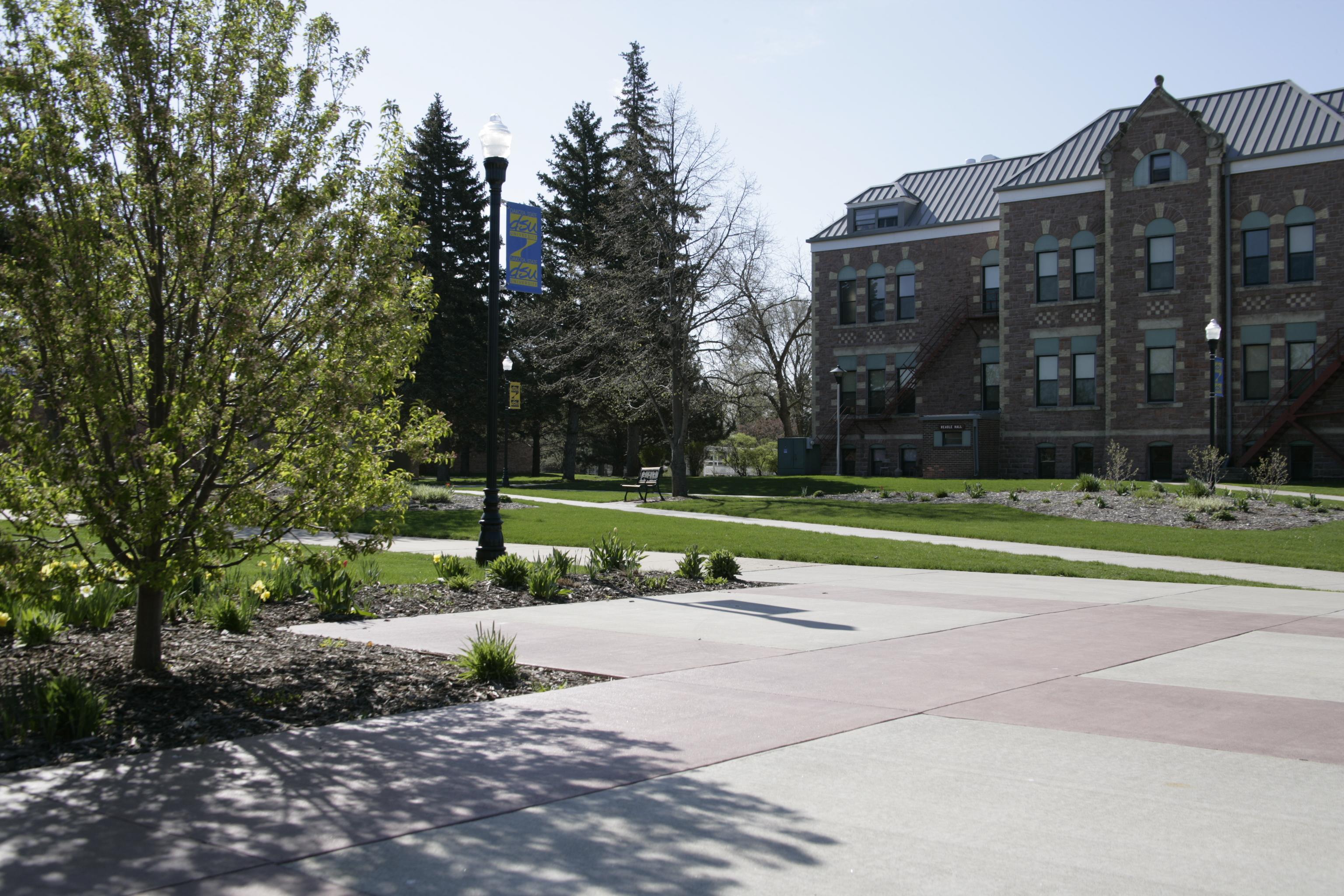
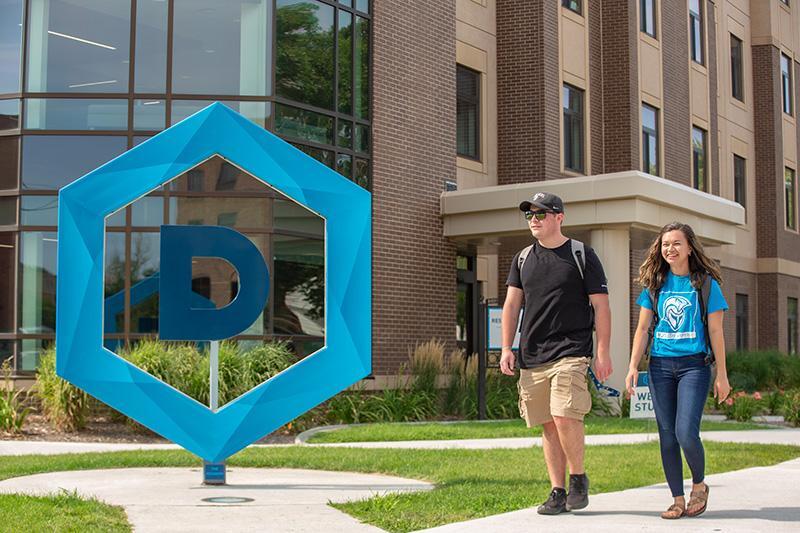
About Dakota State University
Dakota State University: Programs, Admission Requirements, Tuition Fees, and Student Life in South Dakota
Introduction to Dakota State University
Dakota State University (DSU) is a public university located in Madison, South Dakota, United States. Established in 1881, the university has developed a strong identity around technology, innovation, applied learning, and professional education. It offers undergraduate and graduate programs designed to prepare students for careers in a technology-driven and increasingly interconnected world.
The university is particularly recognized for its emphasis on computer science, cybersecurity, information systems, artificial intelligence, and related technology disciplines. At the same time, its academic offerings extend into business, education, arts, sciences, and human performance. This combination allows students to explore traditional academic subjects while developing digital skills that are increasingly valuable across industries.
Dakota State University may be an attractive option for international students who want to study in the United States in a technology-oriented academic environment. Its relatively small-campus setting can appeal to learners seeking access to faculty, academic support, and opportunities to participate in university activities.
Prospective applicants should evaluate the university's available programs, admission requirements, tuition costs, English proficiency standards, scholarship opportunities, and immigration procedures before making a decision. The best program depends on the student's academic background, career objectives, budget, and long-term plans.
Overview of Dakota State University
Dakota State University is a public institution serving undergraduate, graduate, and professional learners. Its academic model integrates technology and digital innovation across multiple disciplines rather than restricting these subjects to computer-related degrees.
The university is organized into four principal academic colleges: the College of Arts and Sciences, the College of Business and Information Systems, the College of Education and Human Performance, and the Beacom College of Computer and Cyber Sciences.
This structure supports a range of educational pathways, from technical and analytical disciplines to business, education, and broader academic studies. Students can investigate degree programs that combine theoretical foundations with practical applications, collaborative projects, and professional preparation.
Dakota State University is institutionally accredited by the Higher Learning Commission. Certain programs also hold specialized accreditation or professional designations. Applicants should distinguish institutional accreditation from program-specific recognition and verify the accreditation applicable to their intended degree.
The university's technology-centered approach is an important part of its identity. Students across different fields may encounter digital tools, data-driven methods, and technology-supported learning as part of their academic experience.
Location and Campus Environment
Dakota State University is located in Madison, South Dakota, a community in the eastern part of the state. Compared with large metropolitan university locations, Madison offers a smaller-city environment where campus activities and community life can form an important part of the student experience.
Students considering the university should think about whether they prefer a quieter location or a major city with extensive public transportation, entertainment, and professional networking opportunities. Madison provides a different lifestyle from large technology hubs, although students can still build professional connections through academic activities, online communities, internships, and career events.
The campus provides an environment for lectures, collaborative study, research, student organizations, and technology-oriented learning. Students can participate in university events and connect with peers from different backgrounds.
Weather is another consideration. South Dakota experiences cold winters, snow, and seasonal temperature changes. International students arriving from warmer climates should plan for suitable winter clothing and familiarize themselves with local transportation and weather conditions.
Students should also research accommodation, transportation, healthcare, and everyday expenses before arriving. A smaller-city setting does not eliminate living costs, and the availability of housing and transportation can differ from that of a large metropolitan area.
Academic Programs at Dakota State University
Dakota State University offers undergraduate and graduate programs across its four colleges. Its curriculum integrates technology into many fields, helping students prepare for careers in which digital knowledge and analytical abilities are increasingly important.
Computer Science and Software Development
Computer science is a key area for students interested in programming, software engineering, algorithms, computational problem-solving, and the development of digital applications.
Depending on the selected program and course sequence, students may study programming languages, data structures, software design, databases, operating systems, and other computing foundations. These subjects help learners understand how software systems are designed, developed, tested, and maintained.
Students interested in software careers should examine the precise curriculum, programming opportunities, project work, and elective options offered by the university. Building a portfolio of practical projects, participating in collaborative development, and gaining relevant experience can complement academic learning.
Cybersecurity and Cyber Operations
Cybersecurity is one of Dakota State University's prominent areas of specialization. The university's technology-focused academic environment is relevant to students who want to understand digital threats, information protection, security architecture, and the responsible management of computer systems.
Depending on the degree, coursework may cover network security, digital forensics, secure software, threat analysis, incident response, and related technical subjects. Students should review the current program catalog to identify the exact subjects, laboratory opportunities, and prerequisites associated with their intended qualification.
Dakota State University has National Security Agency designations for certain cyber programs, including recognition associated with cyber operations, research, and cyber defense. These designations relate to specific programs and should not be interpreted as applying automatically to every degree offered by the university.
Students considering cybersecurity should also understand the importance of ethics, privacy, legal compliance, and responsible security practices. Technical knowledge must be paired with sound judgment because professionals in this field may work with sensitive systems and information.
Artificial Intelligence and Data-Related Studies
Artificial intelligence and data-oriented fields are relevant to students interested in automation, intelligent systems, analytics, and the use of information to support decisions.
Depending on the available degree and course offerings, learners may encounter programming, mathematical foundations, statistical methods, data analysis, machine learning, and technology applications. These subjects can support career paths in software development, analytics, research, and other technical areas.
Applicants should compare the mathematics, programming, and statistics prerequisites for their intended program. A strong foundation in these subjects can make advanced technical coursework more manageable.
Because technology programs can evolve quickly, students should review the latest catalog for the current degree title, curriculum, specialization options, and available electives rather than relying on outdated descriptions.
Business and Information Systems
The College of Business and Information Systems combines business education with technology and information management. This area may appeal to students interested in how organizations use digital systems, data, and business processes to operate effectively.
Students may explore business administration, information systems, management, accounting, marketing, and related subjects, depending on the programs currently available. The precise curriculum varies by degree.
Technology-oriented business education can be useful for learners interested in roles that connect technical teams with organizational needs. Examples include business analysis, systems implementation, information management, operations, and technology project coordination.
Students should examine the available majors, required courses, experiential learning options, and any program-specific accreditation when selecting a business degree.
Arts, Sciences, and General Academic Studies
The College of Arts and Sciences provides opportunities to study subjects that develop analytical thinking, scientific understanding, communication, and broader academic knowledge.
Students can investigate available programs in the sciences and other disciplines offered through the college. Depending on their interests, these areas may provide foundations for further study, research, professional training, or careers that require strong analytical and communication skills.
A student's choice should be based on the actual degree requirements and the career or further-study opportunities associated with the program. Students considering graduate school should also investigate the prerequisites required by prospective graduate programs.
Education and Human Performance
The College of Education and Human Performance serves students interested in education, professional learning, human development, and related fields.
Programs in this area may involve educational theory, instructional methods, professional practice, and human performance, depending on the specific degree. Some qualifications leading to professional licensure or certification may have additional requirements.
International students considering education-related careers should check whether their intended qualification is recognized in the country or state where they hope to work. Requirements for teaching or other regulated professions can vary substantially by location.
Admission Requirements for International Students
International applicants must meet Dakota State University's academic, English-language, documentation, and financial requirements. The application process differs depending on whether a student is applying for an undergraduate degree, a graduate program, or transfer admission.
Undergraduate Academic Requirements
International undergraduate applicants generally need to have completed secondary education equivalent to United States high school.
The university requires applicants to demonstrate academic ability through at least one of its accepted criteria. Its published international undergraduate guidance includes an academic record equivalent to a B-minus average, or a qualifying ACT or SAT result.
The published benchmarks include a minimum equivalent GPA of 2.60 on a 4.00 scale, an ACT composite score of at least 18, or an SAT score of at least 950 with the specified minimum section scores.
Applicants should verify the current admission criteria and determine how their home-country qualifications will be evaluated. Meeting a published minimum does not guarantee admission to every program.
Academic Transcripts and Evaluations
Applicants must submit original academic transcripts or official certified true copies. Documents issued in languages other than English must be accompanied by certified translations.
Students who have completed university-level coursework outside the United States may need to obtain an evaluation of their academic records through an accepted credential evaluation agency. Dakota State University's published guidance identifies World Education Services and Educational Credential Evaluators for applicable evaluations.
Applicants should confirm the required evaluation type and submission process before ordering a report, as different institutions and programs may have different requirements.
Students who are still completing their final year of secondary education should check whether they can apply using interim transcripts and when final results must be submitted.
English Language Proficiency
International applicants who are not native English speakers must generally demonstrate English proficiency through an accepted examination or qualification.
Dakota State University's published undergraduate requirements include IELTS Academic 6.0, with no subscore below 5.5, and PTE Academic 58. Other accepted options include TOEFL, Duolingo English Test, qualifying SAT or ACT English-related scores, ELS Level 111, GTEC-CBT, and WAEC English at the required level.
Applicants should pay particular attention to test-version changes. For example, the university lists different TOEFL requirements depending on whether the examination was taken before or after January 21, 2026. Its current guidance specifies a TOEFL iBT score of 71 for tests taken before that date and a score of 4.0, with no subscore below 3.5, for the newer score format.
Duolingo requirements also depend on the applicable testing rules and date. Applicants should consult the university's current English proficiency page rather than assume that a score from an older test format is evaluated in the same way.
The university may request official results directly from the testing provider. Applicants should allow enough time for scores and transcripts to reach the institution before the relevant deadline.
Graduate Admission Requirements
Graduate applicants generally need a bachelor's degree equivalent to a four-year undergraduate degree in the United States. The university evaluates applicants according to the requirements of their chosen graduate program.
Specific programs may require a minimum undergraduate GPA, prerequisite coursework, a statement of purpose, recommendations, a résumé, or additional application materials. Applicants should consult the relevant graduate program's admission information because requirements are not identical across all degrees.
International applicants may also need academic credential evaluations, proof of English proficiency, and financial documentation. Meeting the general graduate admission criteria does not guarantee acceptance into a particular program.
Financial Documents and Passport
International applicants should prepare a valid passport and the financial documents requested by the university. These may include a Certificate of Financial Responsibility and bank statements or other accepted evidence showing that sufficient funds are available.
The amount required depends on the university's current estimate for tuition, fees, living expenses, insurance, and other applicable costs. Students should obtain the correct financial certification amount for their intended program and academic year.
Applicants should submit complete, accurate information and retain copies of all application documents.
Tuition Fees and Cost of Attendance
Tuition at Dakota State University depends on the student's classification, academic level, program, and course load. International students should use the applicable nonresident rate and current fee schedule when preparing a financial plan.
For 2026–2027 planning, estimated undergraduate tuition and fees for nonresident students are approximately USD 12,569 per academic year. This is an estimate rather than a guaranteed bill, and the amount can change according to enrollment and applicable charges.
Tuition is only one part of the overall cost of studying in the United States. Students must also budget for books, course materials, accommodation, meals, health insurance, transportation, personal expenses, and travel.
An estimated annual cost of attendance of approximately USD 24,282, including books, housing, and food, provides a broader planning reference. Individual costs may differ based on accommodation choices, insurance requirements, course materials, and personal spending.
Graduate students should obtain the current fee schedule for their specific degree because graduate tuition and additional program expenses may differ from undergraduate charges.
Accommodation and Living Expenses
Students should investigate housing options and the estimated cost of living in Madison before accepting an offer. Possible accommodation arrangements and their costs depend on availability, room type, meal arrangements, and personal preferences.
Students should also consider utilities, internet access, winter clothing, local travel, groceries, and emergency expenses. A realistic budget should include a contingency amount rather than relying entirely on minimum estimates.
Applicants should ask the university about current housing resources, move-in arrangements, and any available guidance for incoming international students. They should confirm whether accommodation is guaranteed or must be arranged independently.
Scholarships and Financial Aid
Scholarship availability depends on the student's academic record, program, eligibility, and the terms of each funding opportunity.
International students should review Dakota State University's scholarship information and ask whether they qualify for institutional awards or other funding opportunities. Award eligibility, deadlines, renewal requirements, and application procedures can differ.
Students should not assume that they qualify for U.S. federal financial aid simply because they have been admitted to an American university. Many government-funded programs have citizenship, immigration, or residency restrictions.
Before enrolling, applicants should calculate the cost after confirmed scholarships and other verified funding have been deducted. They should not rely on an award until the university has formally confirmed its value and conditions.
Campus Life and Student Support
Dakota State University provides an environment in which academic study, campus activities, and student support services can complement one another.
Academic Advising and Tutoring
Academic advising helps students understand degree requirements, select courses, and monitor their progress toward graduation. Students should work with an advisor early to make sure that their course choices support their intended major and career objectives.
Tutoring, mentoring, and other academic support resources may help learners strengthen their understanding of challenging subjects. Students studying programming, mathematics, cybersecurity, or data-related disciplines can benefit from seeking assistance before academic difficulties become serious.
Technology-Oriented Learning
Technology is integrated across the university's academic environment. Depending on the program, students may participate in applied assignments, technical projects, collaborative work, and research-related activities.
Practical experience is especially valuable in computing and cybersecurity because employers often seek candidates who can apply concepts to real problems. Students can complement classroom learning through personal projects, relevant certifications, research, and appropriate internship opportunities.
Student Organizations and Community
Student organizations and campus events provide opportunities to meet peers, explore interests, and develop communication and leadership skills.
International students may find it helpful to participate in suitable clubs, academic activities, and campus communities as they adjust to life in South Dakota. Building relationships with classmates and faculty can also make it easier to learn about academic resources and professional opportunities.
Health and Well-Being
Students should understand the university's healthcare and health-insurance requirements before arriving. International students may be required to maintain coverage that meets the applicable South Dakota Board of Regents and immigration requirements.
Applicants should confirm the current insurance plan, costs, enrollment process, and documentation requirements. They should also learn how to access healthcare and student support resources while living in the United States.
International Student Visa Considerations
International students who require an F-1 visa must follow the university's international admission procedures and the applicable U.S. immigration rules.
After an eligible student has been admitted and completed the required documentation, the university may issue Form I-20. The student must then follow the relevant visa process, which may include paying the SEVIS fee, completing the visa application, and attending an interview.
Admission to Dakota State University and receipt of Form I-20 do not guarantee that a visa will be approved. Visa decisions are made by the relevant U.S. authorities.
Students should prepare truthful and consistent application materials, provide credible evidence of financial support, and understand their academic plans. They should consult official government guidance for the latest visa requirements and procedures.
The university does not have a reliably verified, publicly established institution-specific F-1 visa approval percentage that applicants should treat as a guarantee. Students should therefore avoid relying on unsupported claims about visa success rates.
After arriving, students must follow the conditions of their immigration status. This includes maintaining the required enrollment, keeping immigration records current, and consulting the university's international student office before making significant academic or employment changes.
International students considering internships or work opportunities must confirm their eligibility and any authorization requirements before beginning employment.
Career Opportunities and Professional Development
Dakota State University's academic focus can be relevant to students interested in technology, business, education, and other professional fields.
Graduates of computing-related programs may pursue opportunities in software development, information technology, systems analysis, cybersecurity, and related technical areas, depending on their qualifications and experience.
Business and information systems graduates may explore roles related to business analysis, information management, operations, and technology-supported organizational processes. Graduates of other academic disciplines may pursue opportunities connected to their specific qualifications and professional requirements.
Employment outcomes depend on the selected degree, academic performance, experience, technical abilities, communication skills, location, and market conditions. A university degree does not guarantee a job or a particular salary.
Students can strengthen their preparation by developing a portfolio, completing relevant projects, participating in research, gaining appropriate practical experience, and building professional communication skills.
International students should also understand that work authorization in the United States is subject to immigration regulations. Optional Practical Training and other employment pathways have specific eligibility criteria and procedures. Students should obtain guidance from the university's international student office before accepting employment or beginning an internship.
Advantages of Studying at Dakota State University
One of Dakota State University's distinguishing features is its integration of technology across a broad range of academic subjects. Students interested in computing, cybersecurity, information systems, and related fields may find this approach particularly appealing.
The university offers multiple academic colleges, giving students opportunities to explore technical disciplines alongside business, education, and the sciences.
Its institutional accreditation and specialized recognition for certain programs provide important information for students evaluating academic quality. Applicants should still verify the accreditation and professional recognition associated with their specific degree.
The Madison campus offers a smaller-city setting that may suit students who prefer a community-focused university environment. Academic support and student activities can help learners connect with faculty and peers.
However, students should balance these advantages against the cost of attendance, the local environment, weather, housing arrangements, and the requirements of their intended program.
Things to Consider Before Applying
Before applying, students should confirm that Dakota State University offers the exact degree or specialization they want to pursue. They should examine the curriculum, admission requirements, program duration, and opportunities for practical learning.
International applicants should verify their academic eligibility and English proficiency before paying for examinations or credential evaluations. They should also review application deadlines and make sure that transcripts and official test scores can be submitted on time.
Financial planning is essential. Students should consider tuition, mandatory fees, housing, meals, insurance, travel, and personal expenses, while relying only on scholarships and funding that have been confirmed.
Applicants should also investigate the university's location and campus environment to determine whether it matches their preferences. Students interested in regulated careers or graduate study should check whether the qualification meets the relevant professional or further-study requirements.
Finally, international students should prepare for the visa process and understand the conditions of their student status before making travel arrangements.
Conclusion
Dakota State University is a public university in Madison, South Dakota, with an academic identity centered on technology, innovation, and applied learning. Its programs span computer and cyber sciences, business and information systems, education, arts, sciences, and other areas.
For international students, the university may offer a relevant pathway toward undergraduate or graduate study, particularly for those interested in technology-oriented disciplines. Its institutional accreditation, academic support resources, and technology-integrated curriculum are useful factors to consider when comparing universities.
Prospective students should evaluate their chosen program, academic eligibility, English proficiency, tuition, living expenses, scholarships, and visa requirements carefully. By reviewing current official information and planning their finances and academic pathway in advance, applicants can make a more informed decision about whether Dakota State University fits their educational and career goals.
Entry Requirements
General Entry Requirement
IELTS 6.5 overall
Fees & Scholarships
Annual Tuition Fees
USD 12,500 - USD 24,000
Ready to Apply to Dakota State University?
Our advisors guide you from eligibility check to offer letter — at no cost to you.
Join our WhatsApp Community
.jpeg)
Scan to join our student community for admission updates & guidance