
Annual Fees £16,275 to £38,500
Courtauld Institute of Art
LocationUK
Entry RequirementIELTS 7.5 overall
Visa Success Rate95%
Campus Photos
Courtauld Institute of Art
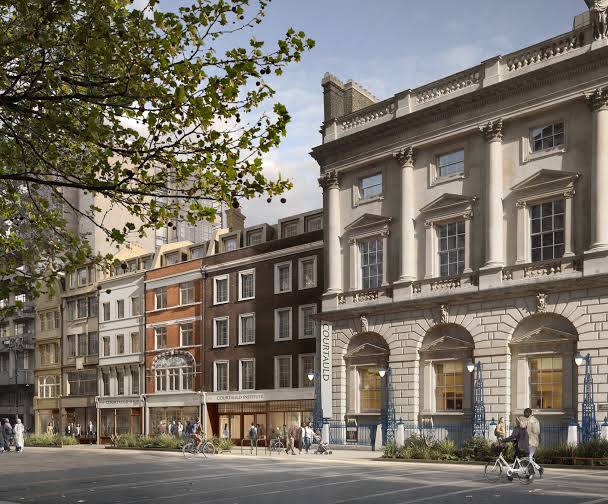
About Courtauld Institute of Art
Courtauld Institute of Art: A World-Leading Centre for the Study of Art History
The Courtauld Institute of Art is an independent college of the University of London and an internationally renowned centre for the teaching and research of History of Art, alongside conservation and curating. It is based in London and combines academic study with access to an important art collection through The Courtauld Gallery.
For undergraduate study, the Courtauld offers one degree programme: the BA History of Art. The three-year full-time programme provides students with the opportunity to study visual art and architecture across different periods, cultures and geographical regions, from antiquity to contemporary art.
The Courtauld is particularly distinctive because students study History of Art in an institution whose academics are actively involved in research, while also having opportunities to examine artworks first-hand in London's museums and galleries and through the Courtauld's own collection.
What is the Courtauld Institute of Art Known For?
The Courtauld is particularly known for:
- History of Art
- Art history research
- Conservation
- Curating
- Renaissance art
- Impressionist and Post-Impressionist art
- Modern and contemporary art
- Global art histories
- Museum and gallery studies
- Visual culture
The Courtauld states that its faculty represents the largest community of art historians and conservators in the UK, covering subjects ranging from late Antiquity to contemporary digital art.
The institution has also been ranked the world's top institution for the study of History of Art in the QS World University Rankings 2026.
History of Art
The BA History of Art is the Courtauld's only undergraduate degree.
The programme examines art and architecture across:
- Antiquity
- Late Antiquity
- Byzantium
- Medieval Europe
- Renaissance Europe
- Early Modern Islamic World
- Buddhist arts of Asia
- Modernism
- Contemporary China
- Black art histories
- Contemporary art
This broad geographical and historical scope allows students to study art beyond a single European tradition.
Students develop an understanding of not only individual artworks but also the societies, cultures and ideas surrounding their creation.
Academic & Research Environment
Research is central to the Courtauld's academic environment.
Students are taught by academics who are actively researching their specialist areas. Their research informs the subjects and modules offered to students, meaning the curriculum can evolve as new research and approaches develop.
The academic environment focuses on:
- Visual analysis
- Critical thinking
- Research
- Art historical methods
- Academic writing
- Independent study
- Interpretation
- Debate
- Understanding artworks in historical and cultural contexts
The final year includes an independent research project culminating in an 8,000-word dissertation, giving students the opportunity to develop their own area of research.
Teaching & Learning at the Courtauld
The BA History of Art combines:
- Lectures
- Seminars
- Discussion classes
- Gallery visits
- Site visits
- Tutorials
- Independent research
Seminars are generally conducted in small groups of around 12–15 students, creating an environment where students can discuss artworks and ideas closely with their tutors and classmates.
Students are also assigned a personal tutor, who meets with them regularly to discuss academic progress, module choices and future plans.
Learning Through London's Art Collections
One of the Courtauld's major advantages is its location in London.
Students can study artworks first-hand through London's extensive museum and gallery collections. The BA programme includes classes that make use of collections around London, allowing students to examine artworks directly rather than relying exclusively on photographs or reproductions.
First-year topics, for example, can involve the study of:
- Persian art in London collections
- Chinese art
- Architecture and identity
- Modern women artists
- Contemporary art
- Techniques and meaning in twentieth-century art
This creates a strongly object-based and visually focused learning experience.
The Courtauld Gallery
The Courtauld Gallery is an important part of the institution's identity.
The Gallery holds one of the UK's significant art collections, including works from the Renaissance through to the present day. It is particularly famous for its Impressionist and Post-Impressionist collection, including works by artists such as Vincent van Gogh and Édouard Manet.
Students benefit from studying within an institution that directly cares for and displays major works of art.
The Courtauld states that students can access its collection as part of their studies, providing opportunities to encounter important artworks first-hand.
Language Study
The BA History of Art also provides students with the opportunity to study a modern language.
Available language options include:
- French
- Italian
- German
- Spanish
- Russian
- Arabic
- Mandarin
Language teaching is provided through the Modern Languages Centre at King's College London.
The Courtauld considers language learning valuable because it can provide access to different cultures, literature and ways of thinking while also supporting students' future careers.
Student Experience
The Courtauld provides a specialist academic environment focused almost entirely on art and visual culture.
Students study alongside others interested in:
- Art
- Architecture
- Museums
- Galleries
- Conservation
- Curating
- Visual culture
- Research
- Creative industries
Because it is a specialist institution rather than a large multi-faculty university, students receive a particularly concentrated experience in History of Art.
Through its relationship with King's College London, Courtauld students can also access facilities and resources at King's, including libraries, clubs, societies and sports teams.
Life in London
The Courtauld is based at Vernon Square in the King's Cross area of London.
Studying in London gives students access to an extensive cultural environment, including:
- Museums
- Art galleries
- Historic buildings
- Auction houses
- Cultural organisations
- Theatres
- Libraries
- Art fairs
- Exhibitions
- Creative industries
For students interested in art history, museums, galleries and cultural careers, the London location provides an important advantage.
International Student Experience
The Courtauld welcomes international students and provides an international academic environment.
Students from outside the UK should consider:
- Academic entry requirements
- English-language requirements
- UCAS application requirements
- Tuition fees
- Scholarships
- Living costs
- Accommodation
- UK Student visa requirements
The Courtauld's BA does not require applicants to have previously studied Art History, meaning students can apply even if the subject is new to them.
This can make the programme accessible to students who have strong academic backgrounds in other humanities or related subjects but have developed an interest in art history.
For Indian Students
Indian students considering the Courtauld should carefully check the University's international qualification requirements.
The BA History of Art has a typical A-Level requirement of AAA–ABB, with no specific A-Level subject required. The Courtauld also accepts a range of international qualifications, including the International Baccalaureate, European Baccalaureate, BTEC and other recognised qualifications.
For international applicants whose first language is not English, proof of English-language proficiency is required.
Indian applicants should therefore prepare:
- Academic transcripts
- Predicted or achieved qualifications
- English-language evidence where required
- UCAS application
- Personal statement
- Academic reference
The Courtauld states that applications are assessed based equally on the personal statement, achieved/predicted grades and reference, alongside widening-participation considerations where applicable.
Careers & Employability
Although History of Art is a humanities subject, the Courtauld emphasises the development of transferable skills alongside specialist knowledge.
Students develop abilities in:
- Visual analysis
- Critical reading
- Research
- Written communication
- Oral presentation
- Independent research
- Argument development
- Working with complex information
- Collaborative work
The Courtauld states that its graduates have progressed into careers both within the cultural and heritage industries and beyond.
Potential career areas include:
- Museums
- Galleries
- Curating
- Conservation
- Art dealing
- Auction houses
- Publishing
- Journalism
- Education
- Fashion
- Marketing and communications
- Banking and finance
- Civil service
- Business
- Further academic study
Q. Is the Courtauld Institute of Art a good university?
A. The Courtauld is particularly strong for students who want to specialise in History of Art, conservation, curating and related cultural fields. It has a highly specialised academic environment, a major art collection and research-led teaching. It was ranked the world's top institution for History of Art in the QS World University Rankings 2026.
Q. What is the Courtauld best known for?
A. It is best known for History of Art, along with conservation, curating and its internationally recognised art collection.
Q. Does the Courtauld offer many undergraduate degrees?
A. No. The Courtauld offers one undergraduate degree: BA History of Art. Its specialist nature allows students to focus intensively on the subject.
Q. Do I need to have studied Art History before applying?
A. No. The Courtauld specifically states that applicants do not need any previous background in Art History to apply for the BA.
Q. Is the Courtauld suitable for international students?
A. Yes. International students can apply, provided they meet the relevant academic and English-language requirements. The Courtauld accepts a range of international qualifications.
Q. Who should consider the Courtauld Institute of Art?
A. The Courtauld is particularly suitable for students who:
- Have a strong interest in art and visual culture
- Want to study History of Art at a specialist institution
- Are interested in museums and galleries
- Want to pursue curating or conservation
- Enjoy research and critical analysis
- Want to study in London
- Want access to major art collections
- Are considering careers in the cultural and creative industries
It may be less suitable for students looking for a broad undergraduate university with a large number of unrelated degree subjects.
Courses at the Courtauld Institute of Art
The Courtauld has a highly specialised academic structure. At undergraduate level, it offers one programme: the BA History of Art, a three-year full-time degree. The programme covers an unusually broad range of periods, cultures, media and geographical regions, from late antiquity to contemporary art.
The curriculum includes areas such as:
- Medieval and Renaissance Europe
- Byzantium
- Early Modern Islamic Art
- International Modernism
- Contemporary China
- Black art histories
- Photography
- Architecture
- Contemporary art
- Global art histories
Students can also choose specialist options and electives as they progress through the degree.
BA History of Art
The BA History of Art is designed to develop students' understanding of artworks, architecture and visual culture across different historical and cultural contexts.
Students study:
- Painting
- Sculpture
- Architecture
- Photography
- Performance
- Decorative arts
- Visual culture
- Contemporary art
The programme combines broad introductory study with increasingly specialised options in later years.
In the final year, students complete a research module culminating in an 8,000-word dissertation, allowing them to undertake independent research into a subject of their choice.
Teaching Style & Learning Experience
The Courtauld uses a combination of:
- Lectures
- Seminars
- Tutorials
- Gallery visits
- Off-site teaching
- Independent research
- Discussion-based learning
The learning environment is deliberately small and specialist. The Courtauld states that students can expect approximately 9–12 hours of contact time per week, including lectures, seminars, tutorials and off-site teaching. Students are also expected to undertake substantial independent study.
Seminars generally involve small groups of around 12–15 students, giving students opportunities for detailed discussion and interaction with academics.
Special Options & Elective Study
In the later stages of the BA, students can select specialist Special Options.
Examples include:
- Arts at the Courts of France
- Art and the Modern Nation
- Art, Science and Knowledge in the Early Modern Period
- Reframing Orientalism
- The Black Imaginary
- Modern, Post-Modern and Digital Photography
- Global Constructivism
Students can also select additional modules from the department and from King's College London.
This gives students the opportunity to move from broad study of art history towards more specialised interests.
Language Study
The programme also provides opportunities to study a modern language.
Students can study languages including:
- French
- Italian
- German
- Spanish
- Russian
- Arabic
- Mandarin
Language teaching is provided through the Modern Languages Centre at King's College London.
Language skills can be particularly useful for students considering careers involving international collections, museums, research or further academic study.
Art Collections & Practical Learning
One of the Courtauld's major advantages is the opportunity to study artworks directly.
Students can use the Courtauld Gallery and other London collections as part of their studies. The programme includes off-site teaching and gallery-based learning, allowing students to analyse artworks in person rather than relying solely on reproductions.
The Courtauld Gallery is particularly recognised for its collection of Impressionist and Post-Impressionist art, alongside works from other periods.
Students and under-18s receive free entry to the Gallery's permanent collection and displays.
Placements & Industry Experience
The Courtauld's undergraduate programme is primarily an academic History of Art degree, rather than a vocational degree with a mandatory year-long industrial placement.
However, students can develop professional experience through the wider Courtauld environment, including:
- Gallery exposure
- Museum and cultural-sector events
- Careers activities
- Alumni networking
- Research opportunities
- London-based cultural organisations
The Courtauld's Offer Holder programme specifically includes careers planning and alumni discussions, giving students opportunities to learn about possible career paths and professional experiences.
Students interested in museum, gallery or cultural-sector careers should therefore make use of the careers and networking opportunities available alongside their academic studies.
Careers & Employability
The Courtauld emphasises that History of Art provides transferable skills that can be applied across a wide range of industries.
Students develop skills in:
- Critical thinking
- Visual analysis
- Academic writing
- Research
- Oral presentation
- Argument development
- Independent study
- Working with complex information
- Collaborative work
The Courtauld states that graduates progress into careers both within the arts and in other sectors.
Arts & Cultural Careers
Graduates can pursue careers as:
- Curators
- Conservators
- Art dealers
- Auction-house specialists
- Museum professionals
- Gallery professionals
- Art researchers
- Teachers
- Arts administrators
Wider Career Areas
Courtauld graduates have also entered:
- Law
- Banking and Finance
- Business
- Marketing and Communications
- Publishing
- Journalism
- Media
- Fashion
- Civil service
- Entrepreneurship
The Courtauld's careers information highlights that the analytical and communication skills developed through History of Art are transferable well beyond the cultural sector.
Careers Support & Alumni Network
The Courtauld provides individual careers support and maintains an extensive alumni network.
Its alumni have progressed into senior roles across museums, galleries, fashion, media, academia, business and other sectors. Examples include museum directors, fashion designers and award-winning film and music professionals.
The alumni network can therefore be particularly valuable for students interested in developing connections within the international art and cultural sector.
International Student Experience
International students can apply for the BA History of Art through UCAS.
The Courtauld accepts a range of international qualifications, and students do not need to have previously studied Art History to apply.
International applicants should prepare for:
- Academic qualification assessment
- English-language requirements
- UCAS application
- Personal statement
- Academic reference
- Tuition fees
- Accommodation
- UK Student visa requirements
The Courtauld states that undergraduate applications are assessed using the personal statement, achieved or predicted grades and reference, with widening-participation information also considered.
For Indian Students
Indian students interested in the BA History of Art should check the Courtauld's current international qualification requirements before applying.
The standard academic requirement is currently AAA–ABB at A-Level, with no specific A-Level subject required. The Courtauld also accepts recognised international qualifications, including International A-Levels and the International Baccalaureate.
For an Indian applicant, the application should demonstrate:
- Strong academic performance
- Interest in art and visual culture
- Critical thinking
- Ability to communicate ideas clearly
- Evidence of intellectual curiosity
- Appropriate English-language ability
Importantly, applicants do not need an existing Art History qualification. This means students coming from other humanities or related academic backgrounds can still be considered.
Studying in London
The Courtauld's London location is a significant advantage for students interested in art and culture.
Students have access to:
- Museums
- Galleries
- Auction houses
- Historic buildings
- Art fairs
- Libraries
- Cultural organisations
- Exhibitions
- Creative industries
The Courtauld also has connections with King's College London, allowing students to access selected facilities, societies and other student opportunities.
The combination of specialist teaching and London's cultural environment makes the experience particularly valuable for students planning careers in museums, galleries, art research and related fields.
Who Should Consider the Courtauld Institute of Art?
The Courtauld is particularly suitable for students who:
- Have a strong interest in art and visual culture
- Want to specialise in History of Art
- Are interested in museums and galleries
- Want to pursue curating
- Are interested in conservation
- Enjoy research and academic writing
- Want access to major art collections
- Want to study in London
- Are considering careers in the cultural sector
- Want a small, specialist academic environment
It may be less suitable for students who:
- Want a broad selection of undergraduate subjects
- Prefer a large campus university
- Want a highly vocational degree
- Are not interested in art, architecture or visual culture
- Prefer a course with a compulsory industrial placement year
Q. Does the Courtauld offer placement opportunities?
The BA History of Art is primarily an academic degree rather than a traditional sandwich-placement course. Students can nevertheless gain professional exposure through careers activities, alumni networking, cultural-sector opportunities and the Courtauld's London environment.
Q. How much teaching do Courtauld students receive?
Students can expect approximately 9–12 hours of weekly contact time, including lectures, seminars, tutorials and off-site teaching, alongside independent study.
Q. Can international students apply without studying Art History before?
Yes. The Courtauld specifically states that applicants do not need any previous background in Art History.
Q. What careers can Courtauld graduates pursue?
Graduates can enter museums, galleries, conservation, art dealing, auction houses, publishing, journalism, fashion, law, banking, finance, business, marketing, communications, education and academia.
Q. Is the Courtauld suitable for Indian students?
Yes. Indian students can apply using recognised international qualifications, subject to meeting the Courtauld's academic and English-language requirements. The programme does not require previous Art History study.
Courtauld Institute of Art Fees – Tuition Costs, Scholarships and Financial Support for International Students
The Courtauld Institute of Art sets its tuition fees annually. For 2026/27, the international tuition fee for the BA History of Art is £28,350 per year. The Home undergraduate fee is £9,525 per year. The Courtauld also states that tuition fees are subject to change each academic year and may be increased in line with inflation.
The BA History of Art is a three-year full-time programme, so international students should plan for three years of tuition in addition to accommodation and living costs in London.
Tuition Fees for International Students
For 2026/27, the Courtauld's undergraduate tuition fee is:
|
Programme |
Study Mode |
Duration |
International Tuition Fee |
|
BA History of Art |
Full-time |
3 years |
£28,350/year |
The Courtauld currently offers one undergraduate degree, BA History of Art, so there is no separate undergraduate fee structure for different subject areas.
Undergraduate Tuition Cost
The published international tuition fee for 2026/27 is:
£28,350 per year
For the three-year BA:
£28,350 × 3 = £85,050
Therefore, the basic tuition cost for the full three-year undergraduate programme is approximately:
£85,050
This calculation assumes the annual fee remains at £28,350. The Courtauld explicitly states that tuition fees are subject to change each academic year, so the actual total paid over three years could be higher.
Course-Specific Tuition Example
BA History of Art
International tuition fee: £28,350 per year
Course duration: 3 years
Simple three-year tuition calculation: £85,050
The BA History of Art is a 360-credit programme, with students completing 120 credits each year.
Accommodation Costs
The Courtauld is located in central London, so students need to budget separately for accommodation.
The tuition fee does not include:
- Rent
- Utilities
- Food
- Local transport
- Personal expenses
- Study materials
- Flights
- Visa-related costs
The Courtauld's undergraduate prospectus advises students to plan carefully for living expenses in addition to tuition. The institution's specialist London location means students can choose from different accommodation arrangements, including student residences and private accommodation.
Students should compare:
- University/partner student accommodation
- Private student residences
- Shared accommodation
- Private rental
The actual cost will depend heavily on the location, room type and whether the student lives alone or shares accommodation.
International Student Cost of Attendance
For an international student, the total cost of attending the Courtauld includes much more than the £28,350 annual tuition fee.
A student should budget for:
- Tuition fees
- Accommodation
- Food
- Public transport
- Mobile phone and internet
- Books and study materials
- Visa costs
- Immigration Health Surcharge
- Flights between India and the UK
- Personal expenses
- Social and cultural activities
The London location can be particularly useful academically because students have access to major museums, galleries and cultural institutions, but it also means that students need to plan their living budget carefully.
Scholarships & Financial Support
The Courtauld provides financial support through scholarships, bursaries and hardship funding.
Its current Access and Participation Plan forecasts substantial financial-support investment, including funding for bursaries and scholarships as well as hardship funds. For 2026/27, the planned total financial-support investment is £159,000.
However, not every funding opportunity is available to every student. Eligibility can depend on:
- Fee status
- Course
- Academic level
- Financial circumstances
- Scholarship criteria
- Nationality
Students should check the current award conditions before including scholarship funding in their financial plan.
Scholarships for Indian Students
Indian students should pay particular attention to the distinction between Home-only financial support and funding available to overseas students.
For example, the Courtauld Bursary is designed for eligible Home undergraduate students and is not available to overseas students, including EU students without settled status.
The Courtauld Hardship Fund, however, is open to all Courtauld students, including overseas students. It is intended to provide short-term emergency financial assistance for urgent needs such as living costs and rent, rather than tuition fees.
Indian applicants should therefore check each scholarship individually rather than assuming that all Courtauld funding is available to international students.
James Hughes-Hallett Undergraduate Scholarship
The James Hughes-Hallett Undergraduate Scholarship supports eligible BA History of Art students from groups that are underrepresented in UK higher education.
The scholarship is worth:
£10,000 over the three-year degree
The award is paid as £3,333.33 approximately per year over the three years.
However, the current published eligibility information states that this scholarship is intended for UK undergraduate students, so an overseas Indian applicant should not assume they are eligible.
Financial Planning for Indian Students
An Indian student planning to study the BA History of Art should begin with the confirmed 2026/27 tuition fee:
£28,350 per year
Three-year tuition at the current rate:
£85,050
The student then needs to add three years of:
- London accommodation
- Food
- Transport
- Visa and immigration expenses
- Flights
- Personal spending
- Course-related expenses
Because tuition is charged in pounds while most Indian families budget in rupees, exchange-rate changes should also be considered when preparing the overall financial plan.
It is sensible to maintain an additional emergency fund rather than planning the entire budget down to the last pound.
Cost Example for an Indian Student
Suppose an Indian student chooses the BA History of Art and completes the three-year degree.
Tuition
£28,350 per year
Three-year tuition
£28,350 × 3
£85,050
Now suppose the student creates a separate annual budget for accommodation and general living expenses.
For illustration, if the student budgets £18,000 per year for accommodation and living costs:
£18,000 × 3 = £54,000
Adding this to tuition:
£85,050 + £54,000 = £139,050
Illustrative three-year total:
£139,050
This is only a financial-planning example. The actual cost can be lower or higher depending on accommodation, lifestyle, transport and personal spending.
The Honest Verdict – Is the Courtauld Institute of Art Worth the Cost?
The Courtauld can be an excellent choice for students who are genuinely interested in History of Art, museums, galleries, conservation, curating and visual culture.
The Courtauld Is an Excellent Choice If You...
- Want to specialise in History of Art
- Are passionate about art and visual culture
- Want to study at a highly specialised institution
- Are interested in museums and galleries
- Want to pursue curating
- Are interested in conservation
- Enjoy research and academic writing
- Want access to major artworks
- Want to study in London
- Want a small academic environment
- Are considering cultural-sector careers
The institution's combination of specialist teaching, research expertise and access to its own collection makes it particularly distinctive. The Courtauld's Gallery holds major works including Impressionist and Post-Impressionist masterpieces and provides students with opportunities to encounter art first-hand.
It May Not Be the Right Fit If You...
- Want a broad range of undergraduate subjects
- Prefer a large campus university
- Want a highly vocational degree
- Are not particularly interested in art or visual culture
- Want a traditional university with extensive residential campus life
- Need a low-cost London university
The biggest consideration for an international student is cost. At £28,350 per year, tuition alone is a substantial investment, and London accommodation and living expenses need to be added separately.
Frequently Asked Questions About Courtauld Fees
Q. How much does the Courtauld cost for international students?
For 2026/27, the international tuition fee for the BA History of Art is £28,350 per year.
Q. How much does the full three-year BA cost?
At the current annual rate:
£28,350 × 3 = £85,050
This is tuition only. Future annual fee increases could make the actual amount higher.
Q. What undergraduate courses does the Courtauld offer?
The Courtauld offers one undergraduate degree: BA History of Art.
Q. Are scholarships available for international students?
Some financial-support opportunities are available to overseas students, but eligibility varies. The Courtauld Hardship Fund is open to all students, including overseas students, while some bursaries and scholarships are restricted to Home students.
Q. Is the Courtauld Bursary available to Indian students?
No. The current published information states that the Courtauld Bursary is not available to overseas students, including EU citizens without settled status.
Q. Can international students receive hardship support?
Yes. The Courtauld Hardship Fund is open to all Courtauld students, including overseas students. It is intended for short-term emergency financial needs such as living costs and rent and cannot be used to pay tuition fees.
Q. How much does accommodation cost?
Accommodation is a separate expense from tuition. The actual cost depends on the type and location of accommodation chosen in London, so students should create a separate accommodation and living-cost budget.
Q. Is the Courtauld expensive for Indian students?
It can be a significant financial investment. The 2026/27 international tuition fee alone is £28,350 per year, or £85,050 over three years at the current rate, before London living costs.
Q. Does the Courtauld provide financial support?
Yes. The institution provides scholarships, bursaries and hardship funding, although eligibility differs between awards. Its 2026/27 access and participation plan forecasts £159,000 of total financial-support investment.
Q. Is the Courtauld worth it for someone interested in museums and galleries?
Yes. The Courtauld's specialist History of Art environment, research community and access to its own major art collection make it particularly relevant for students interested in museums, galleries, curating, conservation and related cultural careers.
A Final Word – Why the Courtauld Institute of Art Deserves Your Consideration
The Courtauld Institute of Art offers a highly specialised undergraduate experience centred on History of Art.
Its strengths include:
- Specialist art-history teaching
- Research-led academics
- Small seminar groups
- Gallery-based learning
- Access to the Courtauld Gallery
- London's extensive cultural environment
- Opportunities to study modern languages
- Strong connections with the wider art and cultural sector
For international students, the main financial consideration is the £28,350 annual tuition fee for 2026/27. At the current rate, three years of tuition would be approximately £85,050, before accommodation and living expenses.
For an Indian student who is genuinely passionate about art history and wants to build a career in museums, galleries, curating, conservation, research or related cultural industries, the Courtauld can be a highly distinctive choice.
However, students looking for a broad university experience, extensive subject choice or a lower-cost option may find a larger university more suitable.
Overall, the Courtauld is best suited to students who want to specialise deeply in History of Art and take advantage of London's exceptional cultural and artistic environment.
Entry Requirements
General Entry Requirement
IELTS 7.5 overall
Fees & Scholarships
Annual Tuition Fees
£16,275 to £38,500
Ready to Apply to Courtauld Institute of Art?
Our advisors guide you from eligibility check to offer letter — at no cost to you.
Join our WhatsApp Community
.jpeg)
Scan to join our student community for admission updates & guidance