
Annual FeesUSD 38,000 - USD 68,000
Colorado State University
LocationUS
Entry RequirementIELTS 6.5 overall
Visa Success Rate72%
Campus Photos
Colorado State University
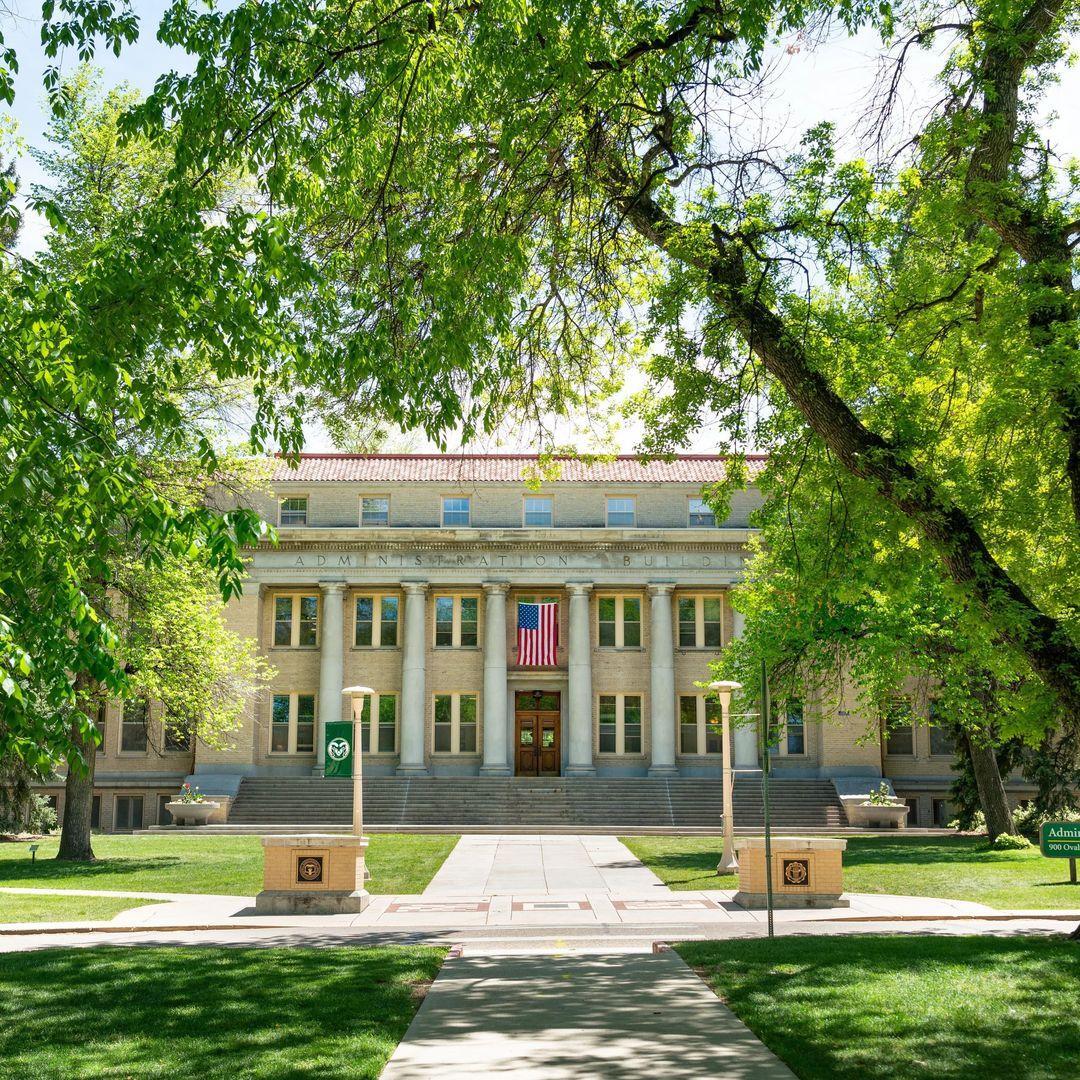
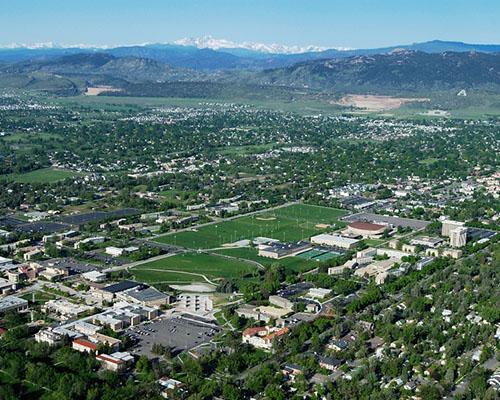
About Colorado State University
Colorado State University: Programs, Admission Requirements, Tuition Fees, and Student Life
Introduction to Colorado State University
Colorado State University (CSU) is a public research university located in Fort Collins, Colorado, United States. Established in 1870, the university has developed a strong academic identity through research, practical education, environmental sustainability, and community engagement. Its location near the Rocky Mountains provides students with a distinctive combination of university life, outdoor recreation, and access to a growing regional economy.
Colorado State University offers undergraduate, graduate, and professional educational opportunities across several academic disciplines. Its colleges cover agricultural sciences, business, engineering, health and human sciences, liberal arts, natural sciences, veterinary medicine and biomedical sciences, and natural resources. Students can explore a broad selection of subjects while developing the knowledge and practical skills required for further study or employment.
The university is particularly relevant to students interested in scientific research, engineering, environmental studies, business, technology, agriculture, and health-related fields. Its research activities and practical learning opportunities allow students to connect academic concepts with real-world challenges.
International students considering Colorado State University should evaluate the academic requirements, tuition fees, accommodation costs, scholarship opportunities, English-language requirements, and immigration procedures before applying. Understanding these factors helps students determine whether the university matches their educational goals and financial circumstances.
About Colorado State University
Colorado State University is based in Fort Collins, a city in northern Colorado known for its university community, outdoor recreation, and access to regional business and technology employers. The university combines classroom education with laboratory work, research, field experiences, and collaborative projects.
Its public research mission encourages students and faculty to investigate problems affecting society, industry, agriculture, public health, and the environment. Depending on their degree, students may have opportunities to participate in faculty-led research, practical projects, internships, and other experiential learning activities.
The university serves students from different geographical, academic, and cultural backgrounds. Campus facilities, student organizations, advising services, and academic support resources contribute to the wider student experience.
CSU's setting is also an important consideration. Fort Collins offers a smaller-city environment than major metropolitan destinations such as Denver or Chicago, while still providing access to regional employment markets and cultural activities. Students who enjoy outdoor activities may appreciate the area's proximity to mountain landscapes, trails, parks, and recreational facilities.
However, applicants should assess their personal preferences carefully. Weather, transportation, housing availability, distance from family, and living expenses can influence the overall study experience.
Why Choose Colorado State University?
Broad Academic Opportunities
CSU offers programs across a variety of academic fields, enabling students to compare subjects that match their interests and career objectives. Applicants can investigate different majors, concentrations, and interdisciplinary pathways before selecting a degree.
Students who are uncertain about their academic direction may also explore suitable advising and exploratory-study options where available. Selecting the right major is important because prerequisite subjects, academic expectations, costs, and career pathways vary between programs.
Research and Practical Learning
Research is an important part of the university's academic environment. Undergraduate students may find opportunities to work with faculty, participate in research projects, and develop skills that extend beyond traditional classroom learning.
Practical learning can help students understand how theoretical knowledge applies to real problems. Depending on the subject, this may involve laboratory experiments, fieldwork, design projects, data analysis, research presentations, or collaborative assignments.
Students should investigate research opportunities within their chosen department rather than assume every program offers the same activities.
Environmental Sustainability
Environmental responsibility and sustainability are visible themes in CSU's campus initiatives and academic activities. Students interested in natural resources, environmental science, renewable energy, agriculture, and climate-related research may find relevant academic pathways.
The university's emphasis on practical solutions can help students explore how research, policy, technology, and community participation contribute to environmental challenges.
Location in Fort Collins
Fort Collins provides access to outdoor recreation, community events, local businesses, and regional employers. Students can enjoy a college-town atmosphere while exploring professional and cultural opportunities beyond campus.
Internships and employment opportunities depend on the student's field, qualifications, availability, and work authorization. A university's location can support networking, but it does not guarantee a job or internship.
Student Organizations and Campus Community
Students can join clubs, participate in recreational activities, attend campus events, and connect with classmates who share similar interests. These activities can help students develop communication, leadership, teamwork, and organizational skills.
International students may find campus organizations particularly helpful when adjusting to a new academic environment and building friendships.
Academic Programs at Colorado State University
Colorado State University organizes its academic offerings through several colleges. The exact programs available, entry requirements, and course structures depend on the intended degree and academic year.
College of Agricultural Sciences
The College of Agricultural Sciences offers educational opportunities related to agriculture, agricultural business, crop and soil sciences, and other areas connected with food systems and agricultural production.
Students can explore how scientific research, technology, economics, and sustainable practices influence modern agriculture. Depending on the program, coursework may include laboratory activities, field experiences, research, and applied projects.
Graduates may explore opportunities in agricultural management, food production, research, consulting, agribusiness, and related sectors.
College of Business
The College of Business serves students interested in management, accounting, finance, marketing, and other business disciplines.
Students develop an understanding of organizational operations, financial decision-making, business strategy, market behavior, and professional communication. Projects and collaborative assignments may help students apply these concepts to practical business situations.
Career pathways can include financial analysis, accounting, marketing, management, business development, consulting, and operations. Professional certifications, internships, analytical abilities, and communication skills can strengthen a graduate's employment profile.
Walter Scott, Jr. College of Engineering
The Walter Scott, Jr. College of Engineering provides academic pathways for students interested in engineering and technical problem-solving.
Depending on the degree, students may study engineering design, mathematical modeling, computing, materials, energy systems, infrastructure, or other specialized areas.
Engineering programs generally require strong preparation in mathematics and relevant sciences. Applicants should review prerequisite subjects, program-specific admission criteria, laboratory expectations, and any additional academic requirements before applying.
Practical projects, research, teamwork, and technical communication can help students prepare for engineering careers.
College of Health and Human Sciences
This college offers programs connected with health, human development, education-related areas, and other fields focused on individuals and communities.
Students may explore how research, professional practice, policy, and social environments influence human well-being. Specific programs can have different requirements, particularly where clinical preparation, professional certification, or supervised experience is involved.
Applicants should investigate whether their intended career requires further education, professional licensing, or additional qualifications after graduation.
College of Liberal Arts
The College of Liberal Arts supports academic study across humanities, social sciences, communication-related disciplines, and other areas.
Students can develop research, writing, critical thinking, analytical reasoning, and communication skills. These competencies are valuable across multiple industries, particularly when combined with relevant experience and subject-specific knowledge.
Graduates may consider careers in public service, communications, education, research, business, nonprofit organizations, and other fields depending on their qualifications.
College of Natural Sciences
The College of Natural Sciences offers opportunities for students interested in scientific subjects and quantitative disciplines.
Academic areas may include biology, chemistry, mathematics, physics, computer-related study, and other scientific fields. Students can develop analytical skills through coursework, experiments, quantitative assignments, and research.
Those interested in scientific careers should examine the balance between theoretical study, laboratory work, research opportunities, and any additional qualifications required for their intended profession.
Warner College of Natural Resources
Warner College of Natural Resources focuses on subjects related to natural environments, ecosystems, wildlife, conservation, and resource management.
Students interested in environmental challenges may explore how science, policy, technology, and management contribute to sustainable use of natural resources.
Depending on the program, learning can include fieldwork, environmental assessment, research, data interpretation, and practical projects. Potential career areas include conservation, environmental consulting, natural-resource management, research, and related public or private sector roles.
College of Veterinary Medicine and Biomedical Sciences
This college offers academic and professional pathways connected with veterinary medicine, biomedical sciences, and related disciplines.
Students interested in animal health, biological research, or veterinary careers should carefully distinguish between undergraduate preparation and professional veterinary education. Entry into a professional degree may involve separate prerequisites, competitive selection, and additional application materials.
Graduates' opportunities depend on the qualification earned, further study, professional registration where applicable, and relevant practical experience.
Admission Requirements for International Students
International applicants must follow the admission process appropriate to their educational background. CSU distinguishes between international freshmen, transfer applicants, and graduate students.
Undergraduate Freshman Admission
International freshman applicants generally need to have completed secondary education equivalent to a United States high school qualification.
The application process normally includes the Common Application, an application fee or eligible fee waiver, a personal essay of 250–650 words, and official academic transcripts or mark sheets.
Documents issued in a language other than English must be accompanied by certified literal English translations. Official records must meet the university's submission requirements, and admission decisions may remain provisional until final graduation documents are received.
CSU reviews applications holistically. Academic performance, course rigor, grade trends, extracurricular involvement, and other relevant circumstances can contribute to the decision. The university reports that applicants with a GPA of 3.0 or higher and a steady or improving grade trend are generally admitted, but this is guidance rather than a guarantee.
Some competitive majors may require specific subjects or stronger academic preparation.
English Language Proficiency
International applicants seeking direct admission generally need to demonstrate sufficient English proficiency unless they qualify for an accepted exemption.
CSU's published English-language options include TOEFL iBT, IELTS Academic, and the Duolingo English Test. Its listed undergraduate thresholds include TOEFL iBT 72 for tests taken before January 2026, or 4.0 on the revised score scale for tests taken after January 2026; IELTS Academic 6.0; and Duolingo English Test 110.
Accepted alternatives and exemption rules may depend on the applicant's academic background and circumstances. Students should confirm the current accepted tests and score requirements before booking an examination.
Applicants who meet the academic requirements but do not meet the direct-admission English standard may be considered for conditional admission through the university's Intensive English Program, subject to the applicable rules.
Transfer Admission
Students who have completed college-level coursework may apply as transfer applicants if they meet the relevant eligibility requirements.
Transfer applicants should prepare official transcripts from previous institutions and provide any additional documentation requested by CSU. Course evaluations determine which previously completed subjects may count toward the intended degree.
Students should not assume that all previous coursework will transfer. They should review transfer-credit policies and contact the university if they need clarification about particular qualifications.
Graduate Admission
Graduate admission requirements vary by degree and department. Applicants generally need a recognized bachelor's degree and may need to submit official transcripts, a statement of purpose, a résumé, recommendation letters, writing samples, or other program-specific materials.
Some departments require particular prerequisite subjects, professional experience, research preparation, portfolios, or standardized test results.
International graduate applicants should also check the applicable English proficiency requirements and document-submission procedures for their intended program.
Application Deadlines
For international freshmen, CSU publishes different application dates according to the intended entry semester. Its published fall-entry dates include November 15 for early action and January 15 for regular decision. Spring-entry applicants should generally submit a complete application by November 1 for full consideration.
Applications submitted after the relevant priority dates may be considered on a rolling basis when available, but scholarship opportunities may be reduced. Summer entry is not generally recommended for international freshmen because of more intensive course expectations and potentially limited campus services.
Students should verify current deadlines before applying, particularly if they need additional time for English testing, transcript preparation, funding arrangements, or visa processing.
Tuition Fees and Cost of Attendance
The total cost of studying at Colorado State University includes tuition, mandatory fees, housing, food, books, health insurance, transportation, and personal expenses.
Actual costs depend on the program, credit load, living arrangements, insurance requirements, and individual spending habits.
Undergraduate Tuition and Annual Expenses
For the 2026–2027 academic year, CSU estimates the following annual expenses for international undergraduate students:
|
Expense category |
Estimated annual amount |
|
Nonresident tuition and required fees |
USD 38,176 |
|
Living expenses |
USD 18,472 |
|
Books, supplies, personal expenses, and health insurance |
USD 5,538 |
|
Total estimated annual funding needed |
USD 62,186 |
These figures are planning estimates based on the university's assumptions about enrollment and living expenses. They are not guaranteed bills or fixed prices for every student.
Additional differential tuition, specialized course charges, or program-specific fees may apply. Graduate programs have different cost estimates, and professional degrees can be substantially more expensive.
Students should use the university's current tuition calculator and official expense information to calculate the likely cost of their intended program.
Scholarships and Financial Support
Colorado State University offers scholarship opportunities to eligible students, although availability, amounts, and selection criteria vary.
International freshman applicants who submit a complete application by the applicable priority deadline can receive automatic consideration for certain university scholarships. Awards depend on eligibility and the university's decision; applicants should not assume that an award will cover the full cost of attendance.
Students should investigate scholarships associated with their intended college, academic performance, and applicant category. They should also review renewal requirements, enrollment conditions, and the terms governing each award.
A realistic financial plan should distinguish confirmed scholarships from funding that is only anticipated. Applicants should calculate the remaining amount they must pay after any confirmed awards and ensure they can meet living costs throughout their studies.
Campus Life and Student Experience
Campus Facilities and Activities
CSU offers academic buildings, laboratories, research spaces, recreation facilities, student residences, dining options, and areas for student activities.
These facilities support both academic work and personal development. Students can use campus spaces to study, collaborate on projects, attend events, and meet classmates.
The availability and accessibility of specific facilities may vary by campus location, program, and operating schedule.
Student Clubs and Organizations
Student organizations provide opportunities to explore interests, meet new people, and develop leadership experience. Students may participate in academic societies, cultural organizations, volunteer activities, recreational clubs, and other groups.
For international students, these activities can make it easier to build a support network and become familiar with American university life.
Recreation and Outdoor Activities
Fort Collins and the surrounding region provide opportunities for hiking, cycling, outdoor recreation, and community events. Students who enjoy spending time outdoors may appreciate the university's location near the Rocky Mountains.
Weather conditions, transportation, equipment costs, and personal fitness should be considered when planning outdoor activities.
Accommodation and Transportation
Students can explore university residence halls and private accommodation options in Fort Collins. The appropriate choice depends on cost, location, room arrangements, contract terms, and personal preferences.
Housing expenses can vary considerably. Students should compare rent, utilities, meals, deposits, transportation, and other charges before committing to accommodation.
Transportation planning is also important. Students should investigate available local services, campus transportation options, commuting distances, and the costs associated with their daily schedules.
Career Opportunities and Professional Development
CSU's academic programs and research environment can help students develop knowledge relevant to different industries. Career opportunities depend on the student's degree, practical experience, skills, qualifications, and employment market.
Engineering graduates may explore technical design, infrastructure, energy, manufacturing, or research roles. Business graduates may pursue accounting, marketing, financial analysis, management, or consulting. Students studying natural sciences and natural resources may consider research, environmental management, laboratory work, or conservation-related careers.
Students interested in technology should build practical projects, develop relevant technical skills, and seek internships where available. Students in research-focused disciplines may benefit from faculty collaboration, laboratory experience, and advanced study.
Career planning should begin early. Preparing a résumé, practicing interviews, attending professional events, and developing relationships with faculty and employers can help students understand the expectations of their intended industry.
International students must also consider employment authorization rules. A degree does not automatically authorize a student to work in the United States after graduation. Students should consult the university's international student advisers and current official immigration guidance before accepting employment or applying for practical training.
Student Visa and Immigration Considerations
International students who require an F-1 visa generally need admission to an eligible program and the appropriate Form I-20 documentation before proceeding with the student visa application.
CSU requires students seeking immigration documents to submit an immigration information form, a valid passport identification page, and financial documentation demonstrating sufficient funding for estimated educational and living expenses.
The university may need to review and verify these documents before issuing the relevant immigration paperwork. Students should follow the current instructions and submit complete, accurate information.
After receiving the necessary documents, applicants must complete the applicable immigration steps, pay required fees, prepare supporting evidence, and attend a consular interview if required.
Admission to CSU and issuance of Form I-20 do not guarantee visa approval. Visa decisions are made by the appropriate United States authorities, and students should avoid relying on unverified university-specific visa success percentages.
Applicants should also understand their responsibilities concerning full-time enrollment, maintaining valid immigration status, and obtaining authorization before undertaking employment where required.
How to Apply to Colorado State University
Students can organize the application process into the following steps.
Step 1: Select a program. Identify a degree that matches your interests, academic preparation, and long-term objectives.
Step 2: Review admission criteria. Check academic prerequisites, English proficiency requirements, application deadlines, and any additional requirements associated with your chosen major.
Step 3: Prepare documents. Collect transcripts, mark sheets, translations, examination results, and other required materials.
Step 4: Complete the application. Submit the appropriate online application, personal essay, application fee or eligible waiver, and supporting documentation.
Step 5: Monitor application status. Check university communications regularly and respond promptly to requests for additional information.
Step 6: Review the financial plan. Calculate tuition, required fees, housing, food, insurance, transportation, and other expenses. Confirm any scholarship awards before deducting them from the budget.
Step 7: Complete immigration requirements. If necessary, submit the documents needed for Form I-20 issuance and follow the current F-1 visa process.
Step 8: Prepare for arrival. Arrange accommodation, plan transportation, review orientation details, and understand the university's academic and immigration expectations.
Applicants should always follow the latest university instructions because requirements, deadlines, fees, and immigration procedures may change.
Conclusion
Colorado State University offers a wide range of academic opportunities within a public research university in Fort Collins, Colorado. Its eight colleges, research activities, practical learning opportunities, and campus community provide options for students interested in business, engineering, natural sciences, agriculture, health, liberal arts, veterinary medicine, and environmental studies.
The university's location combines a college-town environment with access to outdoor recreation and regional professional opportunities. Students can develop academic knowledge, participate in research where available, and build skills through projects, organizations, and career preparation.
International applicants should pay particular attention to admission requirements, English proficiency, tuition, living expenses, scholarship eligibility, and visa procedures. For 2026–2027, CSU estimates total annual funding needs of USD 62,186 for international undergraduate students, although actual expenses vary by program and individual circumstances.
Ultimately, choosing Colorado State University requires a careful assessment of academic fit, affordability, career goals, and personal preferences. Students who research their intended program, prepare a complete application, and plan their finances realistically will be better equipped to make an informed decision about studying at CSU.
Entry Requirements
General Entry Requirement
IELTS 6.5 overall
Fees & Scholarships
Annual Tuition Fees
USD 38,000 - USD 68,000
Ready to Apply to Colorado State University?
Our advisors guide you from eligibility check to offer letter — at no cost to you.
Join our WhatsApp Community
.jpeg)
Scan to join our student community for admission updates & guidance