
Annual FeesUSD 10,500 - USD 23,000
College of Contra Costa
LocationUS
Entry RequirementIELTS 6.5 overall
Visa Success Rate65%
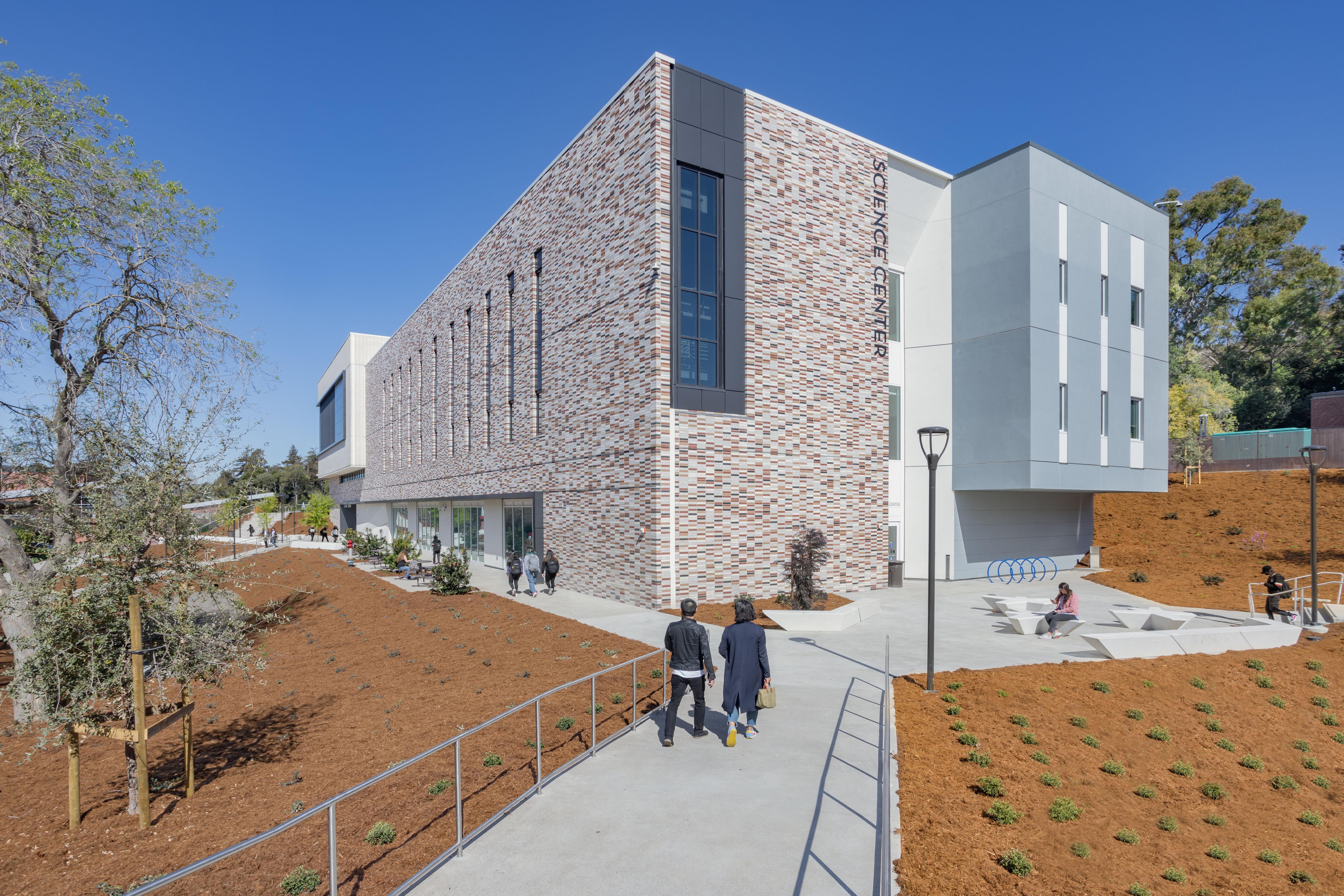
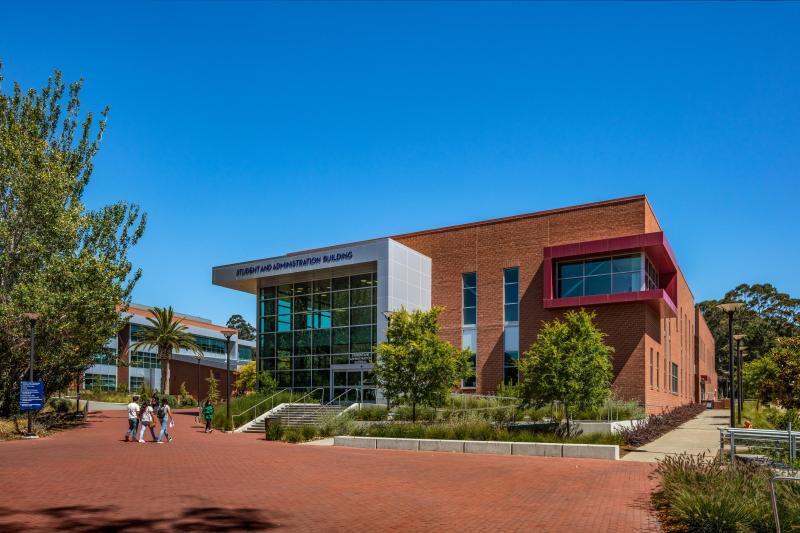
Campus Photos
College of Contra Costa
About College of Contra Costa
Contra Costa College: Programs, Admission Requirements, Tuition Fees, and Student Life in California
Introduction to Contra Costa College
Contra Costa College is a public community college located in San Pablo, California, in the San Francisco Bay Area. Established in 1949, the college has a long history of serving students from diverse educational, cultural, and professional backgrounds. Its mission focuses on accessible, high-quality education, student success, equity, and community development.
For students considering studying in the United States, Contra Costa College offers an opportunity to begin higher education in a supportive community college environment. Students can pursue associate degrees, career-oriented certificates, general education courses, and academic pathways designed to prepare them for transfer to four-year universities. This combination makes the college relevant to students who want to develop practical skills, explore different subjects, or complete the first stage of a bachelor's degree.
The college serves a diverse community and emphasizes student support, academic guidance, and career preparation. Its campus is located in the San Pablo and Richmond area, giving students access to the wider opportunities of the San Francisco Bay Area while studying in a community-focused educational setting.
International applicants should understand that Contra Costa College primarily operates as a community college rather than a traditional residential university. Students need to evaluate their intended qualification, transfer plans, budget, immigration requirements, and preferred living arrangements before applying.
Overview of Contra Costa College
Contra Costa College is part of the Contra Costa Community College District and provides undergraduate-level education through associate degrees, certificates, and transferable coursework. The institution offers academic and vocational programs across several broad subject areas.
The college's educational approach combines classroom learning with student services intended to help learners make informed academic decisions. Students can receive assistance with educational planning, course selection, academic progress, and transfer preparation.
Community colleges in California can be an attractive option for students seeking a more affordable entry point into American higher education. Rather than completing all four years of a bachelor's degree at one institution, eligible students may complete lower-division coursework at a community college and subsequently apply to transfer to a university.
However, transfer admission is not automatic. Students must meet the receiving university's admission criteria, complete appropriate courses, maintain the required academic performance, and follow application deadlines. Anyone considering this route should plan their course selection with an academic counselor.
Contra Costa College is institutionally accredited by the Accrediting Commission for Community and Junior Colleges, an accrediting body recognized by the United States Department of Education and the Council for Higher Education Accreditation.
Location and Campus Environment
Contra Costa College is located at 2600 Mission Bell Drive, San Pablo, California, 94806. The campus occupies a landscaped site in the East Bay area of the San Francisco Bay region.
The location provides access to a metropolitan region known for technology companies, business services, healthcare organizations, education, research, and cultural diversity. Students may find opportunities to explore professional events, community organizations, and other activities across the wider region.
The Bay Area can also be expensive, particularly for accommodation and everyday living. International students should therefore consider the cost of housing, transportation, food, insurance, and personal expenses in addition to tuition.
Contra Costa College is not a traditional residential university with a large campus-housing system. Students should investigate accommodation options independently and confirm any available housing guidance with the college's international student office before making travel arrangements.
The campus environment emphasizes access to educational resources, academic support, and student participation. Students can explore clubs, learning communities, campus activities, and support services while working toward their educational goals.
Academic Programs and Areas of Study
Contra Costa College organizes its academic offerings across several broad areas, allowing students to explore academic subjects and career-oriented pathways.
Business and Applied Technology
Business and applied technology programs may appeal to students interested in business operations, management-related subjects, workplace skills, and technical careers. Depending on the specific program, coursework can help learners develop communication, analytical thinking, problem-solving, and practical workplace competencies.
Students interested in business should review the current catalog to identify available degrees, certificates, course prerequisites, and transfer options. Those planning to continue to a four-year university should select courses that align with their intended bachelor's degree.
Science, Technology, Engineering, and Mathematics
The college offers study options in science, technology, engineering, and mathematics-related disciplines. These subjects can provide foundations for further education in technical and scientific fields.
Students interested in computing, mathematics, laboratory sciences, or engineering-related pathways should examine the precise course sequence required for their chosen destination. Community college coursework may help prepare students for transfer, but the applicability of individual courses depends on the receiving institution and program.
Students should also investigate available laboratory resources, tutoring, academic counseling, and course prerequisites when choosing a STEM pathway.
Health and Wellness
Health-related education is another important area of study. Contra Costa College offers programs connected to healthcare and professional preparation, including nursing and other health-oriented pathways.
Some healthcare programs have competitive admission procedures, prerequisite courses, clinical requirements, and additional professional or regulatory standards. Applicants should not assume that admission to the college automatically guarantees a place in a particular health program.
Students considering nursing or another regulated profession should verify program-specific admission criteria, licensing requirements, clinical placements, and the recognition of qualifications in the state where they eventually intend to work.
Fine, Media, Visual, and Culinary Arts
Students interested in creative subjects can explore academic and vocational options connected to media, visual arts, communication, and culinary education.
These fields may combine practical work with theoretical learning. Depending on the course, students may develop creative thinking, technical skills, project planning, collaboration, and presentation abilities.
Applicants should check the current course catalog for available certificates, associate degrees, equipment requirements, and opportunities to build a portfolio.
Language, Communication, People, Culture, and Social Sciences
Courses in communication, languages, humanities, and social sciences can help students develop critical thinking, writing, research, and interpersonal skills.
These subjects can also support students completing general education requirements before transferring to a four-year university. The correct course selection depends on the intended major and the transfer institution's requirements.
Because program availability and course schedules may change, prospective students should consult the current academic catalog rather than relying solely on general subject descriptions.
Degrees, Certificates, and University Transfer Opportunities
Contra Costa College offers educational routes suited to different goals. Students may work toward an associate degree, complete a career-focused certificate, take courses for personal or professional development, or prepare to transfer to a four-year institution.
An associate degree typically requires completion of a prescribed combination of major coursework, general education, and other graduation requirements. The exact number of units and course requirements depends on the qualification.
Certificates can be appropriate for learners seeking focused training in a particular occupational area. Students should review each certificate's curriculum and determine whether it meets their employment or further-study objectives.
The transfer route is particularly important for students who ultimately want a bachelor's degree. A well-planned community college pathway may allow students to complete foundational coursework before continuing at a university.
Before enrolling, prospective transfer students should identify potential receiving universities and investigate articulation agreements, transferable course lists, major preparation requirements, minimum grades, and application deadlines. Students should also confirm whether their intended major is available through a suitable transfer pathway.
International students should be especially careful when planning a multi-institution route. They need to maintain their immigration status and coordinate any transfer of their student record and immigration documentation with the appropriate international student offices.
Admission Requirements for International Students
Contra Costa College welcomes international applicants who meet its admission and documentation requirements. Students seeking to study in the United States on an F-1 student visa should follow the specific application process for international students rather than assuming that the standard domestic application process covers every requirement.
Academic Qualifications
Applicants generally need to have completed secondary school or an equivalent qualification, or satisfy the college's applicable age-based eligibility rules.
Students should prepare their official academic transcripts and graduation documents. If documents are not in English, certified English translations may be required. Applicants who have attended other colleges or universities should also check whether those records must be submitted.
Students should confirm the documentation format, submission process, and any additional requirements with the International Students Office before sending their application.
English Language Proficiency
Applicants whose first language is not English may need to demonstrate English proficiency through an accepted examination or an approved alternative qualification.
The college's published international admissions information lists several possible options, including TOEFL iBT, IELTS Academic, Cambridge English Advanced, PTE Academic, iTEP Academic, GTEC CBT, TOEFL Essentials, and other accepted qualifications.
Published benchmarks include TOEFL iBT 61, IELTS Academic 5.5 with minimum band scores of 4.5, PTE Academic 45, Cambridge English Advanced 160, and Duolingo English Test 95. Applicants should verify the currently accepted tests and score requirements directly with the college before registering for an examination.
Certain academic records or approved English-language programs may qualify students for an exemption or alternative route. Such exemptions should be confirmed with the institution rather than assumed.
Required Application Documents
International applicants should be prepared to submit the relevant application form, a copy of their valid passport, academic transcripts, English proficiency evidence where applicable, and financial documentation.
Students transferring from another American institution may need additional immigration documents, such as their current Form I-20 and other records requested by the college.
The college may also require application-related forms and payments. Applicants should use the current official checklist because requirements and processing procedures can change.
Financial Documentation
International students generally need to demonstrate that they can cover the expected cost of studying and living in the United States. Financial documentation may include recent bank statements, certificates of deposit, or approved sponsor documentation.
The required amount is determined by the institution's current financial certification requirements and may include more than tuition alone. Students should obtain the current financial estimate before submitting their application.
Meeting the financial documentation requirement does not guarantee visa approval. Applicants must separately satisfy the relevant U.S. immigration and consular requirements.
Tuition Fees and Estimated Cost of Study
Tuition at Contra Costa College depends on the student's classification, course load, and applicable fees. International students should use the current nonresident and international student rates when preparing a budget.
The college's published international tuition rate has been listed at approximately USD 438 per unit. Using that rate, a student taking 12 units in each of two main semesters would complete 24 units in an academic year.
At this illustrative course load, tuition and per-unit charges would total approximately USD 10,512 for the year. This figure is an estimate based on the stated rate and course load, not a guaranteed invoice or a complete cost-of-attendance figure.
Additional expenses can include international student health insurance, books, course materials, accommodation, meals, local transportation, personal expenses, and travel. Certain programs or courses may also have additional costs.
Students should request the current fee schedule and international financial estimate before applying. Tuition rates, enrollment fees, insurance costs, and financial certification amounts may change between academic years.
Accommodation and Living Expenses
Contra Costa College does not operate like a traditional residential university with a comprehensive on-campus dormitory system. Students should research independent accommodation and confirm the availability and suitability of housing before committing to a study plan.
Possible arrangements may include homestays, shared rentals, or other private accommodation. The total cost will depend on the neighborhood, room type, transportation needs, and personal lifestyle.
The Bay Area's housing market makes early financial planning particularly important. Students should also account for deposits, utilities, food, mobile service, healthcare, and unexpected expenses.
Scholarships and Financial Assistance
Financial assistance depends on eligibility and the specific funding program. Many forms of U.S. federal and state financial aid are restricted by citizenship, immigration status, residency, or other criteria. International students should not assume that they qualify for domestic financial aid.
Applicants should ask the college whether any scholarships, fee arrangements, or other funding opportunities are available to them. Students may also explore external funding, family sponsorship, and other legitimate sources of financial support.
A realistic budget should be prepared before the student commits to enrollment or travel.
Student Support and Campus Life
College life involves more than classroom instruction. Contra Costa College provides student services intended to help learners navigate their studies, develop academic plans, and connect with campus resources.
Academic Counseling
Academic counseling can help students understand degree requirements, choose courses, plan their schedules, and evaluate transfer possibilities.
International students should use academic advising early, especially if they intend to transfer to a university. Taking an unsuitable course can delay graduation or prevent a course from satisfying a future program requirement.
Career Services
Career services can support students as they explore professional interests, prepare résumés, and develop job-search skills. Career planning may also help learners understand the relationship between their studies and possible employment pathways.
Students should ask which services are available to international students and what restrictions apply to employment under their immigration status.
Student Activities and Learning Communities
Student activities, clubs, and learning communities provide opportunities to meet peers and participate in campus life. These activities can help students build communication skills, form friendships, and become more comfortable in a new educational environment.
International students may benefit from joining suitable activities and seeking guidance from campus staff when adjusting to life in California.
Basic Needs and Other Resources
The college provides student support resources in areas such as basic needs, tutoring, counseling, and student services. The precise services available and the eligibility rules may differ, so students should consult the relevant office for current information.
Students arriving from another country should also understand where to seek help with academic concerns, personal difficulties, health insurance, and immigration-related questions.
International Student Visa Considerations
Students who require an F-1 visa must follow the college's international admissions process and the applicable U.S. immigration rules.
After a qualifying applicant has been accepted and the required documentation has been completed, the college can provide the relevant immigration document, including Form I-20 when appropriate. Applicants then follow the required process for the student visa, which may include paying the applicable SEVIS fee, completing the visa application, and attending a consular interview.
Visa decisions are made by the relevant U.S. authorities, not by the college. Admission and possession of an I-20 do not guarantee that a visa will be granted.
The college does not have a reliably verified, publicly established institution-specific visa approval percentage that applicants should treat as a guarantee. Students should prepare accurate documents, demonstrate credible financial support, explain their educational plans clearly, and review the official instructions applicable to their circumstances.
After arriving, F-1 students must comply with enrollment and status requirements. Contra Costa College's published guidance specifies full-time enrollment of at least 12 units in fall and spring and maintenance of a cumulative GPA of at least 2.0. Students should confirm all current requirements with the International Students Office and their designated school official.
International students should not make decisions about dropping courses, changing programs, transferring, or working without first checking the relevant rules.
Career Preparation and Future Opportunities
Contra Costa College can be a starting point for students who want to gain academic knowledge, develop practical abilities, or prepare for further university study.
Students pursuing vocational programs may develop skills relevant to specific occupational areas. Those pursuing transfer-focused coursework may use their time at the college to build a foundation for a bachelor's degree and more advanced professional opportunities.
Career outcomes depend on the student's program, performance, experience, language skills, further qualifications, and the labor market. Enrolling at a community college does not guarantee a job, internship, or particular salary.
International students must also distinguish between general career preparation and legal authorization to work in the United States. F-1 employment options are subject to immigration rules and eligibility conditions. Students should seek guidance before accepting work or beginning an internship.
Building a strong academic record, participating in relevant activities, developing communication skills, and researching transfer or career pathways can help students make better-informed decisions about their future.
Advantages of Studying at Contra Costa College
One important advantage is the range of academic and career-oriented options available within a community college setting. Students can explore different fields before committing to a longer-term academic path.
The college's transfer-oriented environment can also be useful for learners who want to begin their education at a community college and subsequently apply to a four-year university.
Its diverse student community, academic counseling, career services, and learning support resources may help students navigate their educational journey.
The location in the San Francisco Bay Area provides access to a large metropolitan region, although students should balance the potential benefits of the location against its relatively high living costs.
Finally, the community college model may provide an alternative to beginning a bachelor's degree directly at a four-year institution. Whether it is the best option depends on the student's intended qualification, transfer goals, budget, and eligibility.
Things to Consider Before Applying
Prospective students should verify that the college offers the specific qualification and courses they need. Not every program is suitable for every career objective, and admission to the college does not guarantee admission to a competitive program.
Applicants should calculate their complete budget rather than considering tuition alone. Housing, insurance, transportation, food, and other living costs can significantly increase the amount required.
Students planning to transfer should identify possible receiving universities early and confirm course equivalencies and major requirements. They should also consider how long the full educational pathway will take and how they will finance each stage.
International applicants must pay close attention to English proficiency, financial documentation, application deadlines, visa procedures, and F-1 enrollment requirements.
Because program details and fees may change, applicants should confirm all important information through the current college catalog and International Students Office before making final decisions.
Conclusion
Contra Costa College is a public community college in San Pablo, California, offering associate degrees, certificates, transfer-oriented coursework, and career-focused learning opportunities. Its academic areas include business and applied technology, STEM, health and wellness, creative subjects, languages, communication, and social sciences.
The college may be a suitable option for students seeking an accessible entry point into American higher education, particularly those who want to explore academic interests or plan a transfer to a four-year university.
International applicants should evaluate tuition, living expenses, English-language requirements, academic documents, financial certification, and visa responsibilities before applying. Careful planning and early communication with the college can help students determine whether the institution fits their educational and financial goals.
Ultimately, Contra Costa College is best evaluated not only by its location or estimated tuition, but also by how well its programs, transfer options, student support, and total cost align with each applicant's long-term plans.
Entry Requirements
General Entry Requirement
IELTS 6.5 overall
Fees & Scholarships
Annual Tuition Fees
USD 10,500 - USD 23,000
Ready to Apply to College of Contra Costa?
Our advisors guide you from eligibility check to offer letter — at no cost to you.
Join our WhatsApp Community
.jpeg)
Scan to join our student community for admission updates & guidance