
Annual FeesUSD 63,000 - USD 82,000
Clark University
LocationUS
Entry RequirementIELTS 6.5 overall
Visa Success Rate72%
Campus Photos
Clark University
About Clark University
Clark University: Programs, Admissions, Tuition Fees, Scholarships, and Student Life
Overview of Clark University
Clark University is a private research university located in Worcester, Massachusetts, United States. Founded in 1887, the university has developed a strong academic identity built around liberal arts education, research, interdisciplinary learning, and the application of knowledge to real-world challenges. It offers undergraduate, graduate, and doctoral programs across a variety of academic fields, welcoming students who want to develop analytical skills, explore new ideas, and prepare for careers in an increasingly interconnected world.
Clark University combines the resources of a research institution with a relatively small undergraduate learning environment. Its academic approach encourages students to engage closely with faculty, participate in research, and explore subjects beyond their primary area of study. Students can pursue interests in fields such as psychology, computer science, biology, business, economics, political science, environmental science, geography, and interactive media.
The university's educational philosophy emphasizes independent thinking, intellectual curiosity, community engagement, and meaningful contributions to society. Rather than focusing exclusively on classroom instruction, Clark encourages students to connect academic concepts with practical challenges through projects, internships, research opportunities, and community partnerships.
For international students, Clark University offers an opportunity to study in the United States within a diverse academic community. The university provides international admissions guidance, financial aid opportunities, and support services designed to help students navigate academic expectations and life in a new country. Prospective applicants should carefully review the requirements and costs associated with their intended program before beginning the application process.
Location and Campus Environment
Clark University is situated in Worcester, Massachusetts, a city in central Massachusetts known for its educational institutions, healthcare organizations, cultural venues, and growing technology and biotechnology sectors. Worcester provides a combination of urban convenience and a smaller-city atmosphere, making it an appealing location for students who want access to academic and professional opportunities without living in the center of a major metropolitan area.
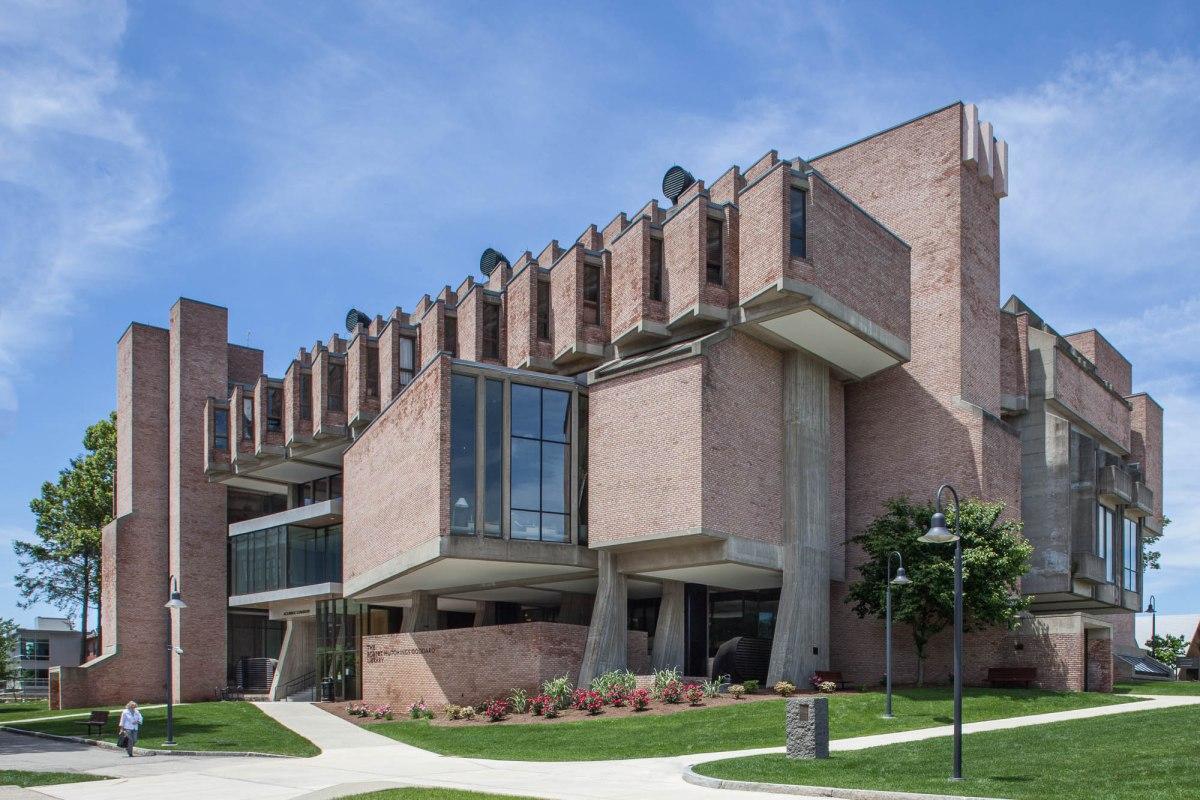
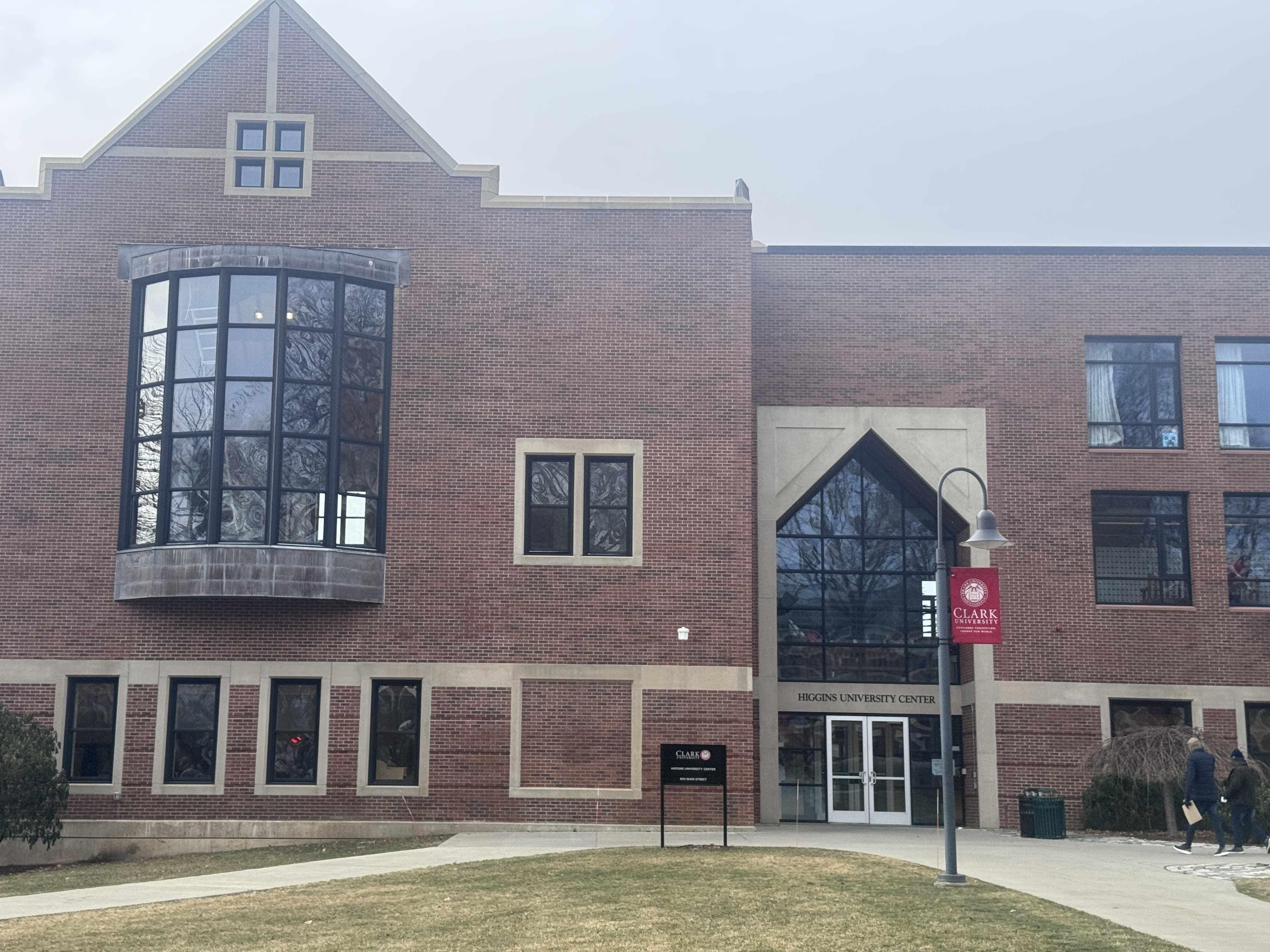
The university's campus forms an important part of the student experience. Academic buildings, student spaces, residence facilities, and other campus resources create an environment where students can attend classes, collaborate on assignments, participate in student organizations, and develop relationships with classmates and faculty.
Worcester's broader environment also provides opportunities to explore museums, restaurants, parks, cultural events, and professional networks. Students can experience life in New England while remaining connected to educational and employment opportunities across Massachusetts. Boston is also accessible for travel, although commuting times depend on the route, transportation method, and schedule.
For international students, the location offers exposure to American academic culture and everyday life. Students can develop independence by managing accommodation, transportation, budgeting, and academic responsibilities while participating in a campus community.
Climate is another practical consideration. Massachusetts experiences four distinct seasons, including cold winters, warm summers, and changing conditions throughout spring and autumn. Students arriving from warmer climates should plan for suitable winter clothing and consider seasonal transportation conditions.
Academic Programs at Clark University
Clark University offers a broad selection of undergraduate and graduate programs. Its academic structure allows students to explore related disciplines and develop expertise in areas that align with their academic interests and career goals.
Undergraduate Programs
Undergraduate students can choose from majors and minors across the humanities, social sciences, natural sciences, and professional fields. The university's undergraduate curriculum is designed to encourage students to build a strong academic foundation while developing specialized knowledge.
Psychology is one of Clark's well-known academic areas, supported by the university's longstanding research tradition in psychological science. Students interested in human behavior, cognition, mental processes, and social relationships can explore relevant courses and research opportunities.
Computer science is another option for students interested in software, computational thinking, algorithms, data, and technology. Depending on their selected courses and academic pathway, students can develop programming knowledge and problem-solving skills that may support careers in software development, information technology, data-related fields, or further study.
Biology provides opportunities to examine living systems, organisms, genetics, ecology, and other areas of life science. Students interested in research, environmental science, healthcare-related fields, or postgraduate education may find this academic area relevant to their plans.
Other fields include economics, political science, geography, environmental studies, business-related subjects, and interactive media. Prospective students should review the current undergraduate program catalogue to confirm the available majors, minors, course requirements, and any program-specific admission considerations.
Graduate Programs
Clark University also offers master's degrees, doctoral programs, and professional qualifications across several academic disciplines. Graduate study is designed for students who want to deepen their expertise, develop research capabilities, or prepare for more specialized professional roles.
Graduate programs may be available in areas such as business, management, computer science, data analytics, education, psychology, environmental studies, public administration, and related disciplines. The exact options depend on the university's current academic offerings and the individual school or department.
Graduate applicants should evaluate programs based on curriculum, faculty expertise, research opportunities, practical projects, professional outcomes, and total cost. Some degrees may be designed for students entering a field, while others may expect previous academic preparation or relevant professional experience.
Because graduate admission requirements differ substantially by program, applicants should not assume that one university-wide checklist applies to every degree. Requirements may include a recognised bachelor's degree, academic transcripts, a statement of purpose, recommendations, a résumé, English proficiency evidence, or additional materials.
Interdisciplinary and Experiential Learning
An important element of Clark's educational approach is the connection between classroom learning and practical problems. Students may have opportunities to collaborate on projects, conduct research, explore community issues, and develop solutions to challenges that extend beyond a single discipline.
Interdisciplinary study can be particularly useful for students whose interests combine technology, business, society, and the environment. For example, a student studying computer science may also explore entrepreneurship, while a student interested in geography may examine environmental change and public policy.
Clark's accelerated bachelor's-to-master's pathways may also appeal to eligible students who want to progress into graduate-level study. Availability, eligibility, tuition arrangements, and the structure of these pathways vary, so students should confirm the details for their intended program.
Admission Requirements for International Students
Clark University welcomes applications from international students who meet the academic and application requirements for their chosen programs. Admission is based on an overall evaluation of the applicant rather than a single academic indicator.
Undergraduate Admission
International first-year applicants generally submit an undergraduate application through the Common Application or the Coalition Application with Scoir. Clark's undergraduate international application process does not charge an application fee.
Applicants must provide academic transcripts covering the required years of secondary education. Students should ensure that their records accurately show completed courses, grades, and academic progress. Documents issued in languages other than English should be accompanied by appropriate certified English translations.
Clark generally requests two recommendation letters, normally one from a school counselor or equivalent academic adviser and another from a teacher. If an applicant's school does not have a counselor or university adviser, recommendation letters from two academic teachers may be accepted.
International applicants must also submit the required International Student Certification of Finances and Financial Assistance Application Form. This documentation helps the university evaluate the financial resources available to support the student's education.
SAT and ACT scores are optional for international undergraduate applicants. However, applicants should check the current application instructions to understand whether submitting additional academic information could be useful in their individual circumstances.
An interview is optional but encouraged. It can help applicants explain their interests, experiences, goals, and reasons for choosing Clark University.
English Language Proficiency
Applicants whose first language is not English may be required to provide official English proficiency test results. Clark identifies several accepted tests, including TOEFL, IELTS, Duolingo English Test, and Pearson Test of English.
The university publishes general indicators for English proficiency, but it does not treat these indicators as a guarantee of admission. Published indicators include a TOEFL iBT score of 85 with no subscore below 20, an IELTS score of 6.5 with no band below 6, a Duolingo English Test score of 120 with no subscore below 100, or a Pearson Test of English score of 61 with no subscore below 55. Clark also lists a TOEFL indicator using the revised scoring scale introduced in January 2026.
Requirements and accepted testing formats can change. Applicants should confirm the current criteria and any applicable exemptions before arranging a test.
Graduate Admission
Graduate applicants generally need a recognised bachelor's degree or its equivalent. Additional requirements depend on the selected department and qualification.
Applicants may be asked to submit official academic transcripts, a statement of purpose, letters of recommendation, a résumé or curriculum vitae, English proficiency results, and other supporting materials. Certain programs may require relevant academic preparation, professional experience, a portfolio, or additional assessments.
International students should allow sufficient time to collect academic records, arrange certified translations, and complete any required credential evaluations. They should also review program-specific deadlines and funding opportunities well before the intended start date.
Meeting the minimum published requirements does not guarantee admission. Applicants should submit complete, accurate documents and explain how their previous education and future goals align with the chosen program.
Tuition Fees and Cost of Attendance
The cost of studying at Clark University is an important consideration for international applicants. Tuition depends on the level of study, the academic program, and the number of credits or courses taken. Undergraduate and graduate students should therefore calculate expenses using the relevant fee schedule rather than relying on a single university-wide figure.
For the 2026–2027 academic year, full-time undergraduate tuition is listed at USD 62,070. The annual student activity and program fee is USD 460, and the health and wellness fee is USD 680. Together, these charges bring undergraduate tuition and mandatory fees to approximately USD 63,210 per year.
Additional expenses may include an orientation fee, accommodation, meals, health insurance, books, personal expenses, transportation, and other costs associated with living in the United States. Standard double-room accommodation and a standard meal plan are separately priced, and individual spending will depend on lifestyle and housing choices.
Clark's estimated total undergraduate cost of attendance is approximately USD 85,000 per year for international students, although the final amount depends on the applicable budget and individual circumstances. The university's published cost information should be consulted for the current estimate, including insurance and living expenses.
Graduate tuition varies by degree and billing structure. Some programs charge tuition by semester, while others use a course- or unit-based rate. Professional programs may have additional charges, and students should confirm whether their chosen course includes separate fees.
Students should also understand the distinction between the university's published cost of attendance and the amount they may actually pay after receiving scholarships or other institutional assistance. Financial aid can significantly affect net costs, but awards are not guaranteed and may be subject to eligibility conditions.
Before accepting an offer, applicants should prepare a complete budget that includes tuition, mandatory fees, housing, food, insurance, transportation, books, visa-related expenses, and an allowance for unexpected costs.
Scholarships and Financial Aid
Clark University offers merit-based scholarship opportunities to eligible applicants. International undergraduate applicants are considered for many merit scholarships through the admissions process, although individual awards depend on the university's criteria and the applicant's overall application.
Merit scholarships may take academic achievement and other application information into account. Students should check the terms of any award carefully, including its annual value, renewal conditions, required academic progress, and whether it applies to tuition only or other charges.
Need-based financial assistance may also be available to eligible international applicants. Students who wish to be considered must complete the required financial aid application, which may include the CSS Profile and the university's International Student Certification of Finances and Financial Assistance Application Form.
Financial assistance for international students is limited, and Clark's admissions process is need-aware. The amount of financial support an applicant requires may therefore affect the admission decision. Applicants who need substantial funding should evaluate the financial aid process carefully and avoid assuming that the university will cover the full cost of attendance.
A sensible approach is to compare the total annual cost with the scholarship amount stated in the student's official offer. Students should also confirm whether awards continue for subsequent years and whether they can be combined with other forms of assistance.
Campus Life and Student Experience
Campus life at Clark University includes academic activities, student organizations, social events, cultural programs, and opportunities to connect with the wider Worcester community. Students can participate in clubs and groups based on academic interests, hobbies, leadership, service, culture, and personal development.
Joining student organizations can help international students make friends, practice communication skills, and become more comfortable in a new environment. Participation can also create opportunities to take on leadership responsibilities and develop transferable skills such as teamwork, organization, and public speaking.
Clark's international community brings together students from many countries. Exposure to different perspectives can broaden students' understanding of global issues and create opportunities for meaningful cross-cultural friendships.
The university also provides an academic environment in which students are encouraged to ask questions, engage with faculty, and contribute to discussions. Students who actively seek guidance, attend office hours, and participate in projects may be better positioned to make the most of their educational experience.
Moving to the United States nevertheless requires adjustment. International students may need time to adapt to different classroom expectations, independent learning, weather, food, communication styles, and daily routines. Building a support network and making use of university services can make the transition easier.
Accommodation and Living in Worcester
Students attending Clark University can explore university housing and other accommodation options in Worcester. Available arrangements, prices, and eligibility vary by student category and academic year.
University residence options can be convenient for students who want to live close to classes and campus facilities. Depending on the accommodation, students may share a room or common spaces with other residents. Living on campus can also make it easier to participate in student activities and build friendships.
Students considering private accommodation should account for rent, utilities, internet, transportation, deposits, and other household expenses. Before signing a lease, they should understand the rental terms, payment schedule, cancellation conditions, and responsibilities for maintaining the property.
Food costs depend on whether students use a university meal plan, prepare meals themselves, or regularly eat outside. Students should also consider access to grocery stores, public transportation, healthcare services, and other everyday facilities.
Worcester offers a range of urban amenities, but students should research neighbourhoods and travel arrangements before selecting accommodation. A realistic budget should account for seasonal expenses and occasional travel beyond the city.
Career Development and Practical Experience
Career preparation is an important consideration when choosing a university. Clark's academic approach provides opportunities for students to connect learning with practical questions, research, projects, and professional interests.
Students can strengthen their employability by combining academic knowledge with relevant experience. Depending on their program, useful activities may include internships, faculty-led research, independent projects, community partnerships, student leadership, and professional networking.
For students interested in technology, for example, a strong portfolio of software projects and experience working in teams may complement a computer science degree. Business students may benefit from case studies, analytical projects, and experience communicating recommendations. Students in environmental and social science fields may look for research, data analysis, or community-based opportunities relevant to their interests.
Clark's career support resources can help students explore career options and prepare for the job search. Students should investigate the services available to their academic school, including career advising, résumé reviews, interview preparation, employer events, and professional development workshops.
International students should also understand the immigration rules that apply to internships and employment in the United States. Work authorization depends on visa status, program eligibility, timing, and applicable regulations. Students should consult the university's international student advisers before beginning employment or practical training.
No degree guarantees a particular job or salary. Career outcomes depend on the student's skills, experience, academic performance, networking, the labour market, and other factors. Applicants should compare program content and opportunities with their own career goals.
International Student Support and Campus Resources
International students often need guidance beyond academic instruction, especially during their first months in the United States. Clark's international student support services help students navigate immigration-related questions, arrival planning, campus orientation, and aspects of living and studying in a new country.
The university's International Students and Scholars Office provides support and information relevant to international students. Programming may cover topics such as visa and immigration responsibilities, academic adjustment, time management, healthcare in the United States, driving, tenant rights, and employment authorization topics such as curricular and optional practical training.
International Student Welcome activities help incoming students become familiar with the university and connect with peers. Students should read official communications carefully, complete required checklists, and attend mandatory orientation sessions.
Academic support is equally important. Students who experience difficulties with course expectations, writing, time management, or adapting to classroom participation should seek assistance early. Faculty, advisers, and relevant support services can help students understand available resources.
Students are responsible for maintaining valid immigration status and complying with university policies. They should keep important documents organised, observe reporting requirements, and consult qualified university staff whenever they are uncertain about a visa-related matter.
Why Consider Clark University?
Clark University may appeal to students who prefer a private research university with a liberal arts foundation, opportunities for interdisciplinary study, and a campus community that encourages engagement beyond lectures.
Its range of undergraduate and graduate disciplines allows students to explore different academic interests while developing specialised knowledge. The university's emphasis on research, independent thinking, and real-world challenges may suit students who want to connect academic study with practical applications.
Worcester offers a setting that combines educational opportunities with urban services and access to the wider New England region. The university's international student support resources can also help eligible students prepare for the transition to American academic and social life.
Cost is an important factor in evaluating Clark. Published undergraduate tuition and total living expenses are substantial, so applicants should review financial aid eligibility and compare their expected net cost with other institutions. Graduate students should calculate costs using their specific program's tuition structure.
Clark is not necessarily the right choice for every applicant. Students should compare course offerings, faculty interests, admission requirements, campus environment, available funding, and career opportunities with their priorities. The best university choice is one that fits both academic ambitions and realistic financial circumstances.
How to Apply to Clark University
Prospective students should begin by identifying the degree level and program that match their educational background and future goals. They should then review the relevant admissions page, confirm eligibility, and prepare the required documents.
Undergraduate applicants generally complete the Common Application or Coalition Application with Scoir, submit academic transcripts and two recommendation letters, provide English proficiency evidence where required, and complete the necessary international financial documentation. SAT and ACT scores are optional for international undergraduate applicants, and interviews are encouraged but not compulsory.
Graduate applicants should follow the instructions for their chosen department because requirements, deadlines, fees, and supporting materials vary by program. They should verify whether any additional tests, professional experience, portfolio materials, or credential evaluations are required.
Applicants should plan their finances before accepting an offer. They should review tuition, fees, housing, meals, insurance, travel, and other living costs, then compare those expenses with any confirmed scholarship or financial aid award.
After admission, international students should follow the university's instructions for submitting financial documents, obtaining the necessary immigration documentation, arranging housing, and completing orientation. They should not make non-refundable travel arrangements until their admission and immigration plans are sufficiently confirmed.
Conclusion
Clark University in Worcester, Massachusetts, offers undergraduate and graduate education within a private research university environment that values intellectual curiosity, interdisciplinary learning, and engagement with real-world issues. Its programs span a range of academic disciplines, while its campus community and international student services provide resources for students adapting to study in the United States.
International applicants should pay particular attention to admission requirements, English proficiency, financial documentation, scholarship eligibility, and the total cost of attendance. Undergraduate tuition and mandatory fees for 2026–2027 are approximately USD 63,210, while total annual expenses can approach USD 85,000 before financial assistance, depending on the applicable cost budget.
By researching program details, preparing a complete application, and developing a realistic financial plan, prospective students can make a more informed decision about whether Clark University fits their educational and professional ambitions. Applicants should confirm current details directly with the university before applying, since program offerings, fees, deadlines, and admission policies may change.
Entry Requirements
General Entry Requirement
IELTS 6.5 overall
Fees & Scholarships
Annual Tuition Fees
USD 63,000 - USD 82,000
Ready to Apply to Clark University?
Our advisors guide you from eligibility check to offer letter — at no cost to you.
Join our WhatsApp Community
.jpeg)
Scan to join our student community for admission updates & guidance