
Annual FeesUSD 23,600 - USD 28,200
City University of Seattle
LocationUS
Entry RequirementIELTS 6.0 overall
Visa Success Rate75%
Campus Photos
City University of Seattle
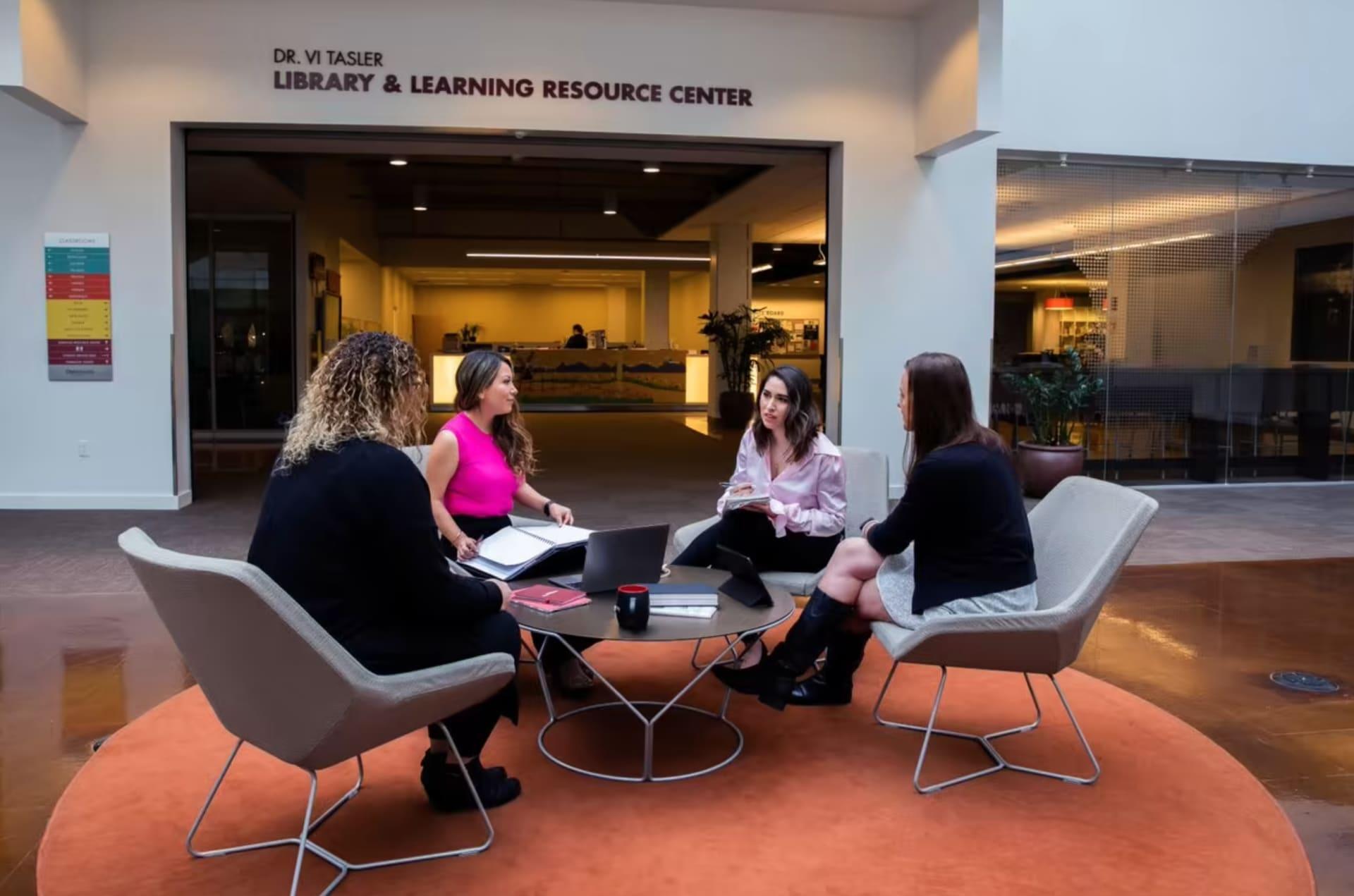
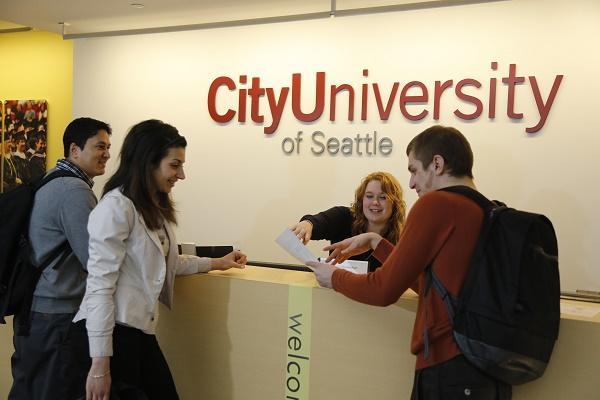
About City University of Seattle
City University of Seattle: Programs, Admissions, Tuition Fees, and Campus Life
Overview of City University of Seattle
City University of Seattle, commonly known as CityU, is a private, nonprofit university headquartered in Seattle, Washington, United States. Founded in 1973, the university was established to provide accessible higher education for working adults and students seeking flexible pathways to professional advancement. Its academic approach combines career-oriented learning, practical knowledge, and opportunities for students to balance education with their personal and professional responsibilities.
The university offers undergraduate and graduate programs in fields such as business, management, education, technology, counselling, and leadership. Its educational model includes online learning and other flexible study options designed to serve students with different academic backgrounds and schedules. Program availability, delivery formats, and admission requirements vary by degree.
City University of Seattle has developed an international outlook through its diverse student community and educational partnerships. Its Seattle location places students in a metropolitan environment with connections to technology, business, healthcare, education, and other professional sectors. Students can explore academic opportunities while gaining an understanding of the economic and cultural environment of the Pacific Northwest.
The university is particularly relevant to students who value practical education and flexibility. Its programs may appeal to recent school graduates, transfer students, working professionals, and learners returning to education to develop new skills. International applicants should evaluate their intended degree, learning format, tuition budget, and visa eligibility before choosing a program.
Location and Campus Environment
City University of Seattle is based in Seattle, Washington, a major city in the Pacific Northwest region of the United States. Seattle is known for its technology sector, business community, cultural attractions, public parks, waterfront, and access to outdoor recreation.
The city has a diverse population and an economy supported by technology, healthcare, aerospace, professional services, education, and international trade. This environment can provide useful context for students studying business, information technology, leadership, and related disciplines.
Seattle's metropolitan setting gives students access to museums, libraries, restaurants, cultural events, and professional networking opportunities. The region also offers opportunities for outdoor activities, including hiking and exploring parks and coastal areas. Students should nevertheless consider travel time, transport costs, and their academic schedules when planning activities outside the university.
The city's climate is generally characterised by mild temperatures, cool and wet winters, and relatively comfortable summers. Students arriving from warmer climates may need to prepare for frequent rain and shorter daylight hours during winter. Appropriate clothing and an understanding of local transport can make the transition easier.
Seattle is also a relatively expensive city compared with many US college towns. Accommodation, food, transport, and personal expenses can represent a substantial part of a student's budget. International applicants should calculate their likely living costs before accepting admission and should not rely on tuition estimates alone.
City University of Seattle has historically served students through a combination of campus-based, online, and international educational arrangements. Applicants should confirm the current location and availability of their chosen program, since not every degree or course is offered at every location or in every study format.
Academic Programs and Areas of Study
City University of Seattle offers academic pathways designed to connect higher education with professional development. Its programs cover several disciplines, and the exact degrees, concentrations, course requirements, and delivery formats depend on the university's current academic catalogue.
Business and Management
Business and management programs can suit students interested in organisational leadership, accounting, marketing, finance, operations, project management, and entrepreneurship. These disciplines explore how businesses operate, allocate resources, make decisions, and respond to changes in their industries.
Students may study management principles, business communication, organisational behaviour, strategic planning, financial analysis, marketing, and decision-making. Depending on the program, learning may involve case studies, presentations, collaborative projects, and practical assignments.
Management education can help students develop leadership, problem-solving, communication, and analytical skills. These capabilities are useful across many professional environments, including private companies, public organisations, nonprofit institutions, and entrepreneurial ventures.
Students interested in business careers should investigate the specific curriculum and available concentrations before applying. They can also strengthen their preparation through relevant internships, professional certifications, independent projects, and networking activities where available.
Information Technology and Computing
Technology-related study is relevant to students who want to understand digital systems, software, information management, cybersecurity, and the role of technology in organisations. The university's technology-focused offerings can provide pathways for students seeking technical knowledge or leadership responsibilities in technology-driven environments.
Depending on the selected program, students may explore information systems, software-related concepts, data management, technology strategy, project delivery, and systems analysis. Some pathways focus on technical implementation, while others emphasise the management and organisational use of technology.
Students should review the course list carefully to understand whether a program is designed primarily for technical specialists, technology managers, or professionals who want to integrate computing knowledge with business skills.
Practical experience is valuable in technology-related careers. Students can improve their preparation by completing relevant projects, developing a portfolio, learning widely used tools, and practising the explanation of technical concepts to nontechnical audiences.
Applicants should also check any prerequisite requirements in mathematics, computing, programming, or previous professional experience that apply to their intended degree.
Education and Teaching
Education programs may appeal to students interested in teaching, instructional practice, educational leadership, curriculum development, and professional learning. These fields examine how people learn, how educational institutions operate, and how instruction can be designed to meet different learner needs.
Coursework may address instructional strategies, learning theory, assessment, educational technology, leadership, and the improvement of teaching practices. The exact content depends on the program and the professional goals it supports.
Students considering a career in education should distinguish between an academic degree and a professional teaching qualification. Teaching certification requirements differ across US states and other countries. A degree from a university does not automatically guarantee eligibility for every teaching licence.
Applicants should confirm whether the program includes supervised practical experience, whether it meets the requirements of their intended licensing authority, and whether any additional examinations or professional assessments are necessary.
Counselling and Human Services
Counselling-related education can prepare students to explore human behaviour, personal development, communication, and support services. Depending on the degree, coursework may include counselling theory, ethical practice, assessment, interpersonal communication, and approaches to supporting individuals or groups.
These subjects require attention to professional boundaries, confidentiality, responsible decision-making, and the needs of people from different backgrounds.
Students who intend to become licensed counsellors or enter another regulated helping profession must investigate the requirements of the relevant licensing authority. A graduate degree alone may not satisfy all educational, supervised-practice, examination, or registration requirements.
International applicants should also determine whether a qualification earned in the United States will be recognised in their intended country of practice.
Leadership and Professional Development
Leadership-focused programs can be suitable for students seeking to advance into supervisory, managerial, or organisational roles. These programs may explore strategic planning, team development, organisational change, communication, and decision-making.
Students can learn how organisations set goals, manage competing priorities, resolve problems, and respond to changing business conditions. Group projects and practical assignments can help learners apply these concepts to professional situations.
Leadership education may be particularly useful for students who already have work experience and want to move into positions with greater responsibility. Applicants should examine whether their chosen program is designed for early-career learners, experienced professionals, or both.
Undergraduate Study
Undergraduate degrees provide students with an opportunity to build foundational knowledge and develop skills for further education or entry-level employment. Admission requirements vary according to the program and the applicant's previous education.
Students completing secondary education may qualify for first-year admission if their academic records meet the university's criteria. Applicants who have attended another college or university may be considered for transfer admission, subject to transcript review and the university's credit-transfer policies.
Students should compare course requirements, expected completion time, tuition, and available study formats before applying. They should also investigate whether their previous learning or qualifications may be eligible for transfer credit.
Graduate Study
Graduate programs allow students to develop specialised knowledge, strengthen professional skills, or prepare for leadership responsibilities. Admission generally requires a recognised bachelor's degree and official academic records.
Some programs may set minimum academic performance requirements or request a résumé, statement of purpose, professional references, a writing sample, or evidence of relevant experience. Requirements can differ substantially between academic departments.
Students planning to pursue graduate study should review the exact degree requirements and confirm whether their previous qualifications meet the university's admission standards. They should also investigate whether the program's delivery format is compatible with their intended immigration status if they plan to study in the United States.
International Admissions at City University of Seattle
City University of Seattle considers international applicants according to the academic and documentation requirements of their selected programs. Requirements may differ between undergraduate and graduate study, and applicants should follow the instructions that apply to their individual circumstances.
Undergraduate Admission Requirements
International undergraduate applicants generally need to provide evidence of secondary education equivalent to the required US qualification. Official transcripts and completion documents may be required from schools and any post-secondary institutions previously attended.
Applicants whose documents are not in English should arrange the translations required by the university. Students applying as transfers should submit official academic records so the university can determine whether previous coursework is eligible for credit.
English-language proficiency is required for applicants who do not qualify for an exemption. Accepted examinations and minimum scores may vary by academic level and program. Published standard benchmarks have included IELTS 6.0, TOEFL iBT 76, PTE Academic 51, and Duolingo English Test 100 for undergraduate admission.
These figures should be treated as guidance rather than a substitute for the current admission policy. Applicants should confirm the accepted tests, minimum scores, score-validity rules, and any alternative evidence available for their intended entry term.
Graduate Admission Requirements
Graduate applicants generally need a recognised bachelor's degree from an appropriately accredited or recognised institution. Official transcripts are required, and applicants may need to provide further documentation if their previous education was completed outside the United States.
Published standard graduate English-language benchmarks have included IELTS 6.5, TOEFL iBT 87, PTE Academic 59, and Duolingo English Test 110. Requirements may differ for particular degrees, language-supported pathways, or applicants who qualify for an exemption.
Some graduate programs may require additional materials, such as a résumé, statement of purpose, professional references, or evidence of relevant work experience. Students should review the requirements for their intended degree rather than assume that every graduate program follows an identical process.
Applicants should also check whether the university requires a credential evaluation for international academic records. Evaluation requirements may depend on the applicant's educational history and the program.
Application Documents and Deadlines
A typical international application may involve an online application, academic transcripts, proof of English proficiency where required, passport identification, and any additional program-specific documents.
Applicants should also confirm the current application fee and submission deadlines. Application timelines can vary according to the academic calendar, degree, and study format. Applying early provides more time to obtain transcripts, arrange translations, and respond to requests for missing information.
Students should keep copies of submitted documents and regularly monitor their application portal and email. They should also confirm that their selected program is available for the intended intake and location.
Financial Documentation and Student Visa Preparation
International students who need an F-1 student visa must meet the relevant immigration requirements in addition to the university's admission criteria. Applicants should be prepared to provide financial evidence showing that they can cover the estimated cost of education and living expenses.
Depending on their circumstances, students may need a financial declaration form, recent bank statements, and documentation from a financial sponsor. The university may request additional information before issuing the Form I-20.
After receiving the appropriate documentation, students must follow the required steps for the US student visa application. An admission offer or Form I-20 does not guarantee visa approval.
Applicants should obtain current guidance from the university's international student office before making travel arrangements or decisions about enrolment. They should also understand the conditions attached to their immigration status and the responsibilities involved in maintaining it.
Tuition Fees and Cost of Studying
The cost of attending City University of Seattle depends on the degree, number of credits, study format, and the student's living arrangements. International students should budget for tuition and university fees as well as housing, food, books, transportation, health insurance where applicable, and personal expenses.
For planning purposes, an estimated undergraduate tuition range of approximately USD 23,625 to USD 28,575 per academic year can be used for a workload of 45 quarter credits, based on an estimated rate of USD 525 to USD 635 per credit. This is a planning estimate rather than a guaranteed university quote. The applicable rate should be confirmed for the specific degree and entry year.
Graduate tuition varies by program and credit load. Students should not assume that the undergraduate estimate applies to a master's degree or professional program. Additional fees may also apply according to the selected courses and services.
The total cost of attendance can be significantly higher than tuition alone, particularly in Seattle. Housing and food can represent major expenses, while transportation, textbooks, supplies, and personal spending add to the overall budget.
Scholarships and Financial Support
Students should investigate scholarship opportunities, institutional financial support, and any awards for which they qualify. Availability and eligibility can depend on academic performance, degree level, enrolment status, citizenship, and the funding rules of a particular award.
International students should confirm whether each scholarship is open to their student category and whether the award can be combined with other funding. They should also check renewal conditions, minimum academic performance, and whether funding applies to tuition only or other expenses.
Students should not assume that a scholarship will cover the entire cost of their education. A realistic financial plan should account for the remaining tuition balance, accommodation, food, insurance, transport, and emergency expenses.
Applicants can also explore funding from external organisations in their home country, subject to eligibility and any restrictions imposed by the sponsor or the university.
Student Life and Learning Experience
City University of Seattle's educational model is designed to accommodate students with different schedules and professional commitments. Depending on the program, learners may have access to online classes, flexible study arrangements, and academic resources intended to support progress toward their qualifications.
Students who study on or near the Seattle campus can experience life in a major US city. Cultural activities, public libraries, museums, community events, and recreational facilities provide opportunities to explore interests beyond the classroom.
The wider region offers access to parks, waterfront areas, and outdoor activities. Students should plan these activities around their academic schedules and budgets.
Because CityU serves learners with a range of educational and professional backgrounds, students may interact with classmates who bring different experiences and perspectives. This diversity can contribute to group discussions, collaborative assignments, and professional networking.
Housing and Daily Expenses
Students should research accommodation before arriving in Seattle. Options may include university-recommended housing resources, private rentals, shared accommodation, and other local arrangements, depending on current availability.
The right choice depends on budget, distance from the study location, transport access, lease conditions, and personal preferences. Students should understand deposits, utility costs, lease obligations, and any additional charges before committing to accommodation.
Food, transport, communication services, textbooks, and personal expenses should be included in the budget. Students who plan to live in Seattle should leave room for unexpected costs and avoid basing their financial plan solely on tuition figures.
Academic and Student Support
Students should make use of available academic advising, learning resources, technical support, and student services. These resources can help learners understand program requirements, plan courses, and address academic difficulties.
International students may also need assistance with orientation, immigration documentation, and adjusting to a new education system. They should contact the appropriate university office when they have questions about enrolment, attendance, course changes, or other matters that may affect their student status.
Building a consistent study routine, communicating with instructors, and asking for help early can make the university experience more manageable.
Career Development and Practical Learning
City University of Seattle emphasises professional relevance and flexible learning. Depending on their program, students may have opportunities to connect academic concepts with workplace challenges, practical assignments, and projects related to their field.
Business students can apply management concepts to organisational problems. Technology students can build technical knowledge through projects and relevant independent work. Education and counselling students can develop professional understanding through program-specific learning experiences where available.
Students should investigate the career services, networking activities, internship opportunities, and professional resources offered for their degree. Access and eligibility may vary by program and student status.
Career preparation also involves developing a clear résumé, practising interviews, improving communication, and learning to describe academic projects and previous experience to employers. Students can use coursework and collaborative assignments to demonstrate analytical thinking, teamwork, problem-solving, and time management.
International students who want to undertake employment or internships in the United States must comply with the immigration rules that apply to their status. Work authorisation is not automatic simply because a student is enrolled at a university. Students should consult the university's designated international student advisers before beginning employment or practical training.
Why Consider City University of Seattle?
City University of Seattle may be a suitable option for students who value career-oriented education, flexible learning arrangements, and access to the professional environment of a major US city.
Its academic areas include business, technology, education, counselling, leadership, and other professional disciplines. These options can appeal to learners seeking undergraduate qualifications, graduate specialisation, or further professional development.
The university's focus on working adults and flexible study options may be especially relevant to students who need to balance education with other responsibilities. However, applicants should confirm that their chosen degree offers the study format, location, and schedule they require.
Seattle provides a diverse metropolitan environment and access to industries such as technology, healthcare, business, and professional services. Students should also account for the region's relatively high living costs when comparing universities.
International applicants should examine academic requirements, English proficiency, tuition, living expenses, scholarship eligibility, and visa arrangements before deciding to enrol. Comparing these factors with other universities can help students determine whether CityU aligns with their academic goals and available resources.
Conclusion
City University of Seattle is a private, nonprofit university in Washington State that focuses on accessible, career-oriented higher education. Its programs span business, computing and technology, education, counselling, leadership, and other professional areas, with flexible study options available for selected degrees.
International applicants should carefully review admission criteria, English-language requirements, tuition rates, application deadlines, financial documentation, and the conditions associated with studying in the United States. They should also research accommodation, daily living costs, academic support, and career-development opportunities.
By confirming current requirements and building a realistic financial plan, prospective students can assess whether City University of Seattle is an appropriate choice for their academic interests and long-term professional goals.
Entry Requirements
General Entry Requirement
IELTS 6.0 overall
Fees & Scholarships
Annual Tuition Fees
USD 23,600 - USD 28,200
Ready to Apply to City University of Seattle?
Our advisors guide you from eligibility check to offer letter — at no cost to you.
Join our WhatsApp Community
.jpeg)
Scan to join our student community for admission updates & guidance