
Annual FeesUSD 17,000 - USD 34,200
Charleston Southern University
LocationUS
Entry RequirementIELTS 6.5 overall
Visa Success Rate69%
Campus Photos
Charleston Southern University
About Charleston Southern University
Charleston Southern University: Programs, Admissions, Tuition Fees, and Campus Life
Overview of Charleston Southern University
Charleston Southern University (CSU) is a private Christian university located in North Charleston, South Carolina, United States. Established in 1964 as Baptist College at Charleston, the institution developed into a comprehensive university and adopted its current name in 1990. Its academic philosophy combines liberal arts education, professional preparation, personal development, and a commitment to service.
The university offers undergraduate, graduate, doctoral, and online learning opportunities across a range of academic disciplines. Students can explore subjects such as business, computer science, engineering, nursing, education, health sciences, psychology, criminal justice, and Christian studies. Its academic environment aims to help students build subject knowledge alongside communication, critical thinking, ethical decision-making, and leadership skills.
Charleston Southern University is affiliated with the South Carolina Baptist Convention and incorporates its Christian identity into its educational mission and campus community. Students from different backgrounds can investigate its academic offerings, student organisations, recreational opportunities, and support services when deciding whether the university fits their goals.
The institution emphasises a student-focused learning experience, with opportunities for interaction with faculty, participation in campus activities, and engagement in practical learning. Its relatively compact campus environment may appeal to students who prefer a university community where academic life, residential activities, and extracurricular involvement are closely connected.
For international applicants, Charleston Southern University offers an opportunity to study in the southeastern United States while pursuing academic qualifications in a supportive campus setting. Prospective students should evaluate their chosen program, financial resources, admission eligibility, and long-term career plans before making an application decision.
Location and Campus Environment
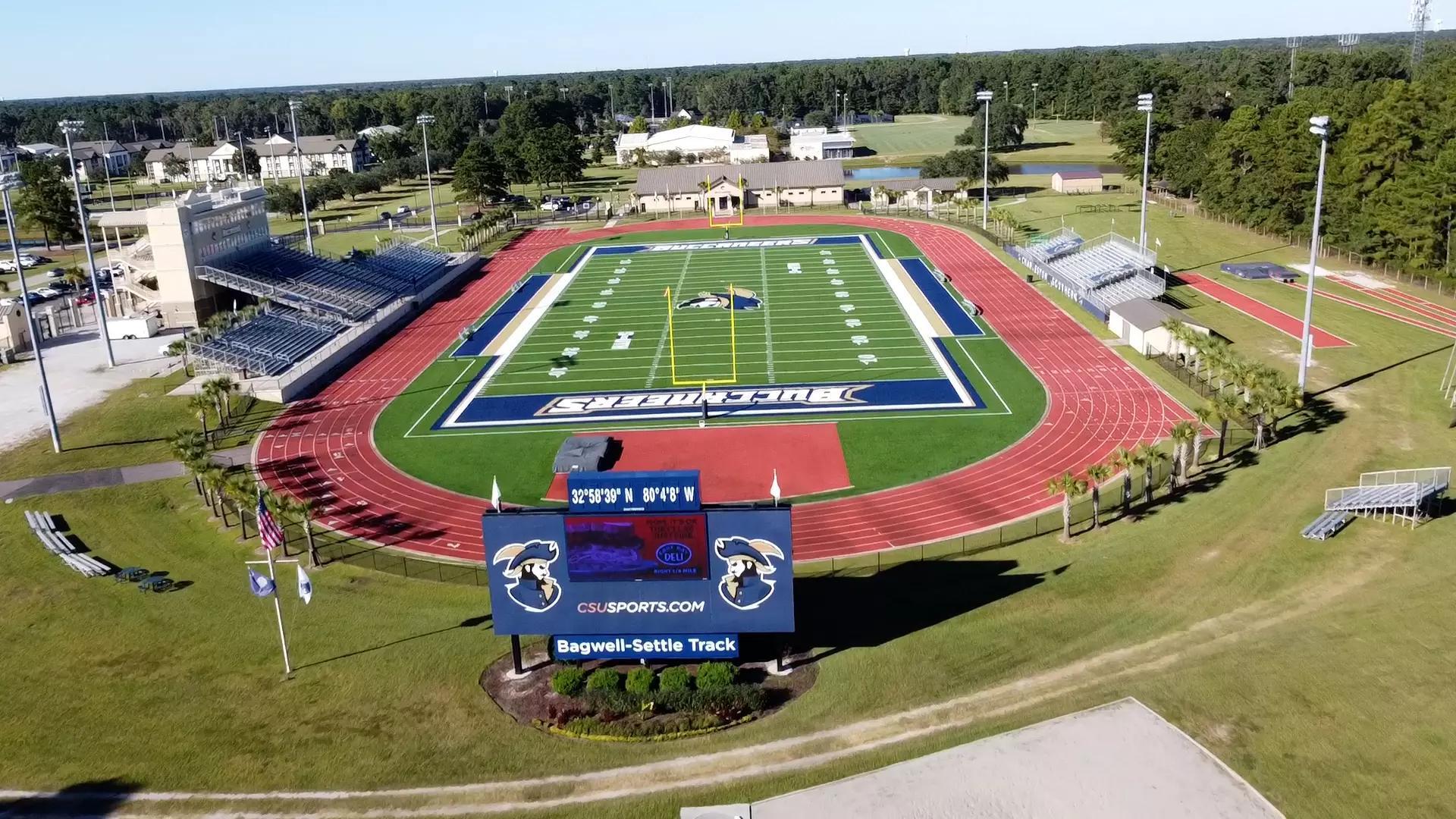
Charleston Southern University is located at 9200 University Boulevard in North Charleston, South Carolina. The campus covers approximately 300 acres and provides an environment for academic study, residential life, student activities, and recreation.
North Charleston is part of the wider Charleston metropolitan area. The region is known for its coastal setting, historic districts, cultural attractions, restaurants, shopping areas, and growing business community. Students can experience university life while having access to the wider region's amenities and professional opportunities.
The university's location offers a different experience from studying in a major city centre. Students can benefit from a campus-oriented environment while travelling to nearby urban areas for selected cultural activities, internships, or employment opportunities where their immigration status and academic program permit.
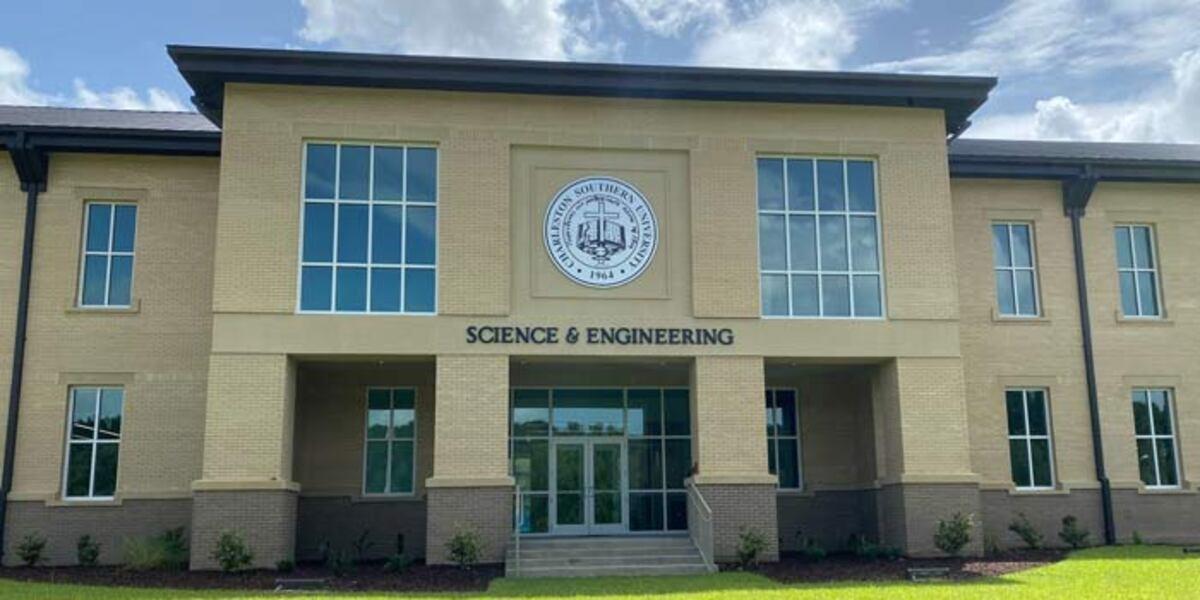
Campus facilities include academic buildings, libraries, residence halls, dining facilities, recreation areas, and spaces for student organisations and events. These facilities support classroom instruction as well as independent study, group projects, social interaction, and extracurricular participation.
South Carolina generally has warm summers and relatively mild winters compared with many northern US states. However, seasonal heat, humidity, heavy rainfall, and occasional severe weather can affect daily routines. International students should prepare for local weather conditions and understand university guidance regarding emergencies and campus safety.
Students should also consider transport arrangements before arriving. Although campus facilities provide many everyday services, transport needs depend on accommodation, class schedules, shopping requirements, and any off-campus activities. Reviewing local public transportation, university transport information, and the cost of alternative travel can help students plan their budgets.
Academic Programs and Areas of Study
Charleston Southern University offers academic pathways across several colleges and disciplines. Program availability, course requirements, practical training, tuition, and admission criteria vary according to the selected degree.
Business and Management
Business programs can be suitable for students interested in accounting, financial management, marketing, entrepreneurship, leadership, human resources, and supply chain management. These disciplines explore how organisations operate, manage resources, develop strategies, and respond to changing markets.
Students may study business communication, accounting principles, marketing, economics, management, financial analysis, and organisational behaviour. Depending on their degree, they may also complete projects, presentations, case studies, and other assignments designed to develop practical decision-making skills.
Business education can prepare graduates for roles in corporate administration, financial services, marketing, sales, operations, and other organisational functions. Students who want to pursue entrepreneurship may use their studies to understand business planning, customer needs, budgeting, and management.
Developing professional communication and analytical skills is important alongside academic knowledge. Students can strengthen their preparation by participating in university activities, pursuing suitable internships, and learning to present their ideas clearly.
Computer Science, Cybersecurity, and Applied Computing
Technology-focused programs may appeal to students interested in computing, software, digital systems, cybersecurity, and the practical application of technology in business and other industries.
Computer science can introduce students to programming, computational thinking, algorithms, data structures, software development, and related technical foundations. Cybersecurity focuses on understanding digital threats, information protection, system security, and responsible technology practices. Applied computing programs may connect technical skills with areas such as business or graphic arts.
The exact curriculum depends on the chosen degree. Prospective applicants should review the required courses, mathematics prerequisites, available concentrations, laboratory or project requirements, and any opportunities for internships or research.
Students can improve their readiness for technology careers by building practical projects, learning relevant programming tools, collaborating on assignments, and maintaining a portfolio of work. Employers often value the ability to solve problems and communicate technical ideas as well as familiarity with particular technologies.
Engineering and Mathematics
Charleston Southern University offers engineering pathways with concentrations in computer, electrical, and mechanical engineering. These disciplines combine mathematical foundations with the study of technical systems, design, analysis, and problem-solving.
Computer engineering may explore the interaction between computing hardware and software. Electrical engineering can involve circuits, electronic systems, signals, and related technologies. Mechanical engineering commonly examines mechanics, materials, design, energy, and the behaviour of physical systems.
Students should confirm the current curriculum and laboratory facilities for their intended concentration. Engineering degrees can have specific mathematics and science prerequisites, and students should ensure their previous education meets the relevant admission standards.
Mathematics study can also support further education and careers involving quantitative analysis, scientific research, finance, computing, and education. Students who enjoy logical reasoning and structured problem-solving may find these academic options particularly relevant.
Nursing and Health Sciences
The university offers nursing and other health-related academic options, including public health and kinesiology pathways. These fields focus on health, wellness, human movement, healthcare services, and the scientific foundations of professional practice.
Nursing programs may involve classroom learning, laboratory practice, supervised clinical experiences, and preparation for professional examinations. Admission can be competitive, and students may need to meet additional academic, health, background-check, or clinical-placement requirements.
Public health explores the factors that influence the health of communities and populations. Kinesiology focuses on human movement, physical activity, and related health and performance topics. Different concentrations may prepare students for further education or specific professional pathways.
Applicants should distinguish between general academic study in a health-related subject and a degree that leads to professional licensing. Requirements for nursing and other regulated healthcare professions may differ by state and by country. International students planning to practise outside the United States should check whether the qualification meets the relevant local requirements.
Education
Education programs can prepare students for careers involving teaching, child development, classroom support, and educational practice. Academic areas include early childhood education, elementary education, physical education, and selected secondary education pathways.
Students may study child development, instructional approaches, curriculum planning, classroom management, assessment, and learning theory. Some pathways require supervised field experiences or additional professional requirements.
Those who intend to become licensed teachers should investigate the applicable certification rules before enrolling. Requirements may include specific coursework, practical teaching experience, examinations, and background checks. Completing a degree alone does not necessarily satisfy every licensing condition.
Humanities and Social Sciences
Charleston Southern University also offers programs in communication, English, history, psychology, criminal justice, political science, Spanish, graphic design, music, and related areas.
Humanities programs help students develop writing, interpretation, research, creativity, and communication skills. Social science disciplines explore human behaviour, institutions, communities, and social issues. Criminal justice and political science may appeal to students interested in public service, legal systems, policy, and related professional fields.
Graphic design and music-related programs provide opportunities for students to develop creative and technical skills. Depending on the program, coursework may include studio projects, performances, portfolios, or other practical assessments.
Students can improve their professional preparation by combining their major with relevant internships, volunteering, research, and extracurricular activities.
Christian Studies and Ministry
Christian studies is an important part of the university's academic identity. Students can explore areas such as biblical studies, theology, Christian missions, chaplaincy, and ministry-related subjects.
These programs may interest students who wish to deepen their understanding of religious traditions, pursue ministry-related careers, or develop knowledge relevant to service and community leadership. Coursework can involve textual study, historical context, theological discussion, and ethical reflection.
Students should review each program's objectives and curriculum to understand its academic and professional focus.
Graduate and Online Programs
Charleston Southern University offers graduate-level study across selected professional and academic disciplines. Depending on the program, options may include master's degrees, doctoral study, and online qualifications.
Graduate applicants generally need a recognised undergraduate degree and official academic records. Some programs may also require a minimum grade-point average, professional experience, letters of recommendation, a résumé, a statement of purpose, standardised test scores, or other materials.
Online programs can offer flexibility for students who need to balance education with work or other responsibilities. However, international applicants who need an F-1 student visa should confirm whether their chosen course and study format meet immigration requirements. Fully online study does not automatically qualify a student for an F-1 visa.
International Admissions at Charleston Southern University
Charleston Southern University accepts international applications from students who meet the academic and documentation requirements for their intended programs. Requirements differ between undergraduate and graduate admission, and applicants should review the instructions that apply to their individual circumstances.
Undergraduate Admission Requirements
First-year applicants generally need to complete secondary education equivalent to a US high school diploma and provide official academic transcripts. Records issued in a language other than English must be accompanied by official English translations.
International transfer students must submit records from previous institutions. Charleston Southern University requires transfer applicants to obtain a course-by-course transcript evaluation from a member of the National Association of Credential Evaluation Services. This helps the university assess previous coursework and academic qualifications.
English-language proficiency is required for applicants who are not eligible for an exemption. Published benchmarks include TOEFL iBT 71, IELTS 6.0, Duolingo English Test 105, PTE Academic 51, and iTEP 3.7. Accepted alternatives and exemption conditions should be checked against the current international admissions policy.
SAT or ACT scores may be optional for some international undergraduate applicants, depending on their academic profile and the university's current policy. Applicants should not assume that a test-score exemption also removes the English-language proficiency requirement.
Students should complete the online application and provide all required academic records, identification documents, and supporting information. Additional documents may be requested during the application review.
Graduate Admission Requirements
Graduate applicants generally need a recognised bachelor's degree and official transcripts from all institutions attended. Applicants with qualifications earned outside the United States may need to arrange a credential evaluation according to the university's requirements and deadlines.
English proficiency evidence is required when applicable. The university publishes English-language benchmarks for international graduate applicants, including TOEFL iBT 71, IELTS 6.0, Duolingo English Test 105, PTE Academic 51, and iTEP 3.7.
Some graduate programs may require GRE or GMAT results, while others may request a résumé, letters of recommendation, a statement of purpose, prerequisite coursework, an interview, or additional program-specific documents.
Professional programs can have separate application systems and admission requirements. Students applying to specialised programs should follow the instructions for that program rather than relying solely on the general graduate application process.
Financial Documentation and Student Visa Preparation
International students who require an F-1 student visa must provide financial documentation demonstrating sufficient funding for their studies. Students who receive financial support from a parent, relative, or another sponsor may need to submit the university's sponsor statement and supporting bank documentation.
Bank statements should meet the university's current recency requirements. Applicants should also prepare a clear copy of their passport identification page and provide any additional immigration documents required for their circumstances.
After admission and the submission of acceptable financial evidence, eligible students can receive the Form I-20 needed for the F-1 visa application process. Admission to the university does not guarantee visa approval, which is determined separately through the US immigration process.
Application Deadlines
Charleston Southern University's published international admissions guidance states that international applications should be submitted at least 60 days before the first day of classes for the intended term. Applicants should confirm the current deadline with the university, particularly if they need additional time for transcript evaluations, English-language testing, financial documents, or visa appointments.
Applying early gives students more time to correct missing documents and plan their travel. Applicants should monitor their email and application portal for updates and retain copies of all submitted materials.
Tuition Fees and Cost of Studying
The cost of studying at Charleston Southern University depends on the degree, course load, housing arrangements, meal plan, health insurance, and personal spending. International students should plan for tuition and fees as well as accommodation, food, books, supplies, transportation, and other living expenses.
The university's published international student guide for the 2025–2026 academic year lists undergraduate tuition of approximately USD 33,430 and housing and food expenses of approximately USD 12,250 for a full-time residential student. This produces an estimated combined amount of USD 45,680 before any additional expenses not included in that budget.
These figures are a historical published estimate and should not be treated as a guaranteed price for a later academic year. Students entering in 2026–2027 or beyond should obtain the current tuition schedule and international student cost estimate from the university.
Graduate tuition varies by major, degree, and course load. Online students may also have a different fee structure from students attending residential programs. Students should verify whether mandatory fees, health insurance, course materials, and other charges are included in the quoted figure.
Scholarships for International Students
Charleston Southern University offers scholarship opportunities for eligible international undergraduate students. Its international admissions information describes automatic awards for qualifying students, including an international student scholarship for students who attended schools outside the United States.
The university has published international student scholarship amounts of approximately USD 10,000 to USD 12,000 per year for eligible applicants educated outside the United States. Students educated in US schools or international schools using a US curriculum may instead qualify for academic merit scholarships based on their academic performance.
Special opportunities may also be available for students who meet specific criteria. Scholarship availability, award values, eligibility, and renewal requirements can change, so students should confirm the terms that apply to their entry year.
A scholarship may reduce tuition but might not cover the complete cost of attendance. Applicants should calculate the remaining tuition balance and living expenses before accepting an offer. They should also confirm whether an award is renewable and what academic progress or enrolment conditions must be maintained.
Student Life and Campus Experience
Student life at Charleston Southern University includes academic activities, student organisations, athletics, campus events, and opportunities for community involvement. Students can participate in activities that support personal development, friendships, leadership, and practical experience outside the classroom.
The university has a residential campus environment and offers opportunities to engage with other students through clubs, events, service projects, and campus ministries. Participation can help students develop communication skills and establish a support network.
Athletics are another part of campus life. The university competes at the NCAA Division I level in selected sports. Students can follow university teams, attend sporting events, and take part in recreational activities according to their interests.
Housing and Dining
Students planning to live on campus should review the available residence halls, room types, meal plans, prices, and housing policies. Accommodation costs depend on the chosen arrangement and academic year.
Residential life can help students connect with classmates and participate more easily in campus activities. However, students should compare the overall cost of on-campus and off-campus options and check whether any housing requirements apply to their student category.
Students who plan to live in university housing may need to complete health and immunisation documentation before receiving a room assignment. Preparing these records early can reduce delays before arrival.
Support for International Students
International students may need help adjusting to a different academic system, local customs, food options, weather, and everyday administrative requirements. Charleston Southern University provides international admissions guidance and supports students through the documentation and enrolment process.
Students should ask the relevant university office about orientation, academic advising, immigration responsibilities, campus resources, and support services. Building relationships with faculty, classmates, and student organisations can make the transition to university life more comfortable.
International students must also follow the conditions of their immigration status. They should obtain guidance from the appropriate university officials before making changes to enrolment or accepting employment.
Career Development and Practical Learning
Charleston Southern University emphasises the connection between academic learning, practical experience, and personal development. Depending on their program, students may have opportunities to participate in internships, applied projects, research, field experiences, or other forms of experiential learning.
Business students can strengthen their understanding through case studies and professional projects. Computing and engineering students can develop technical skills through assignments and practical work. Education and healthcare students may have additional supervised experiences according to their program requirements.
Students should investigate the opportunities available through their departments and the university's career services. Availability can vary by major, employer, academic standing, and the student's eligibility to participate.
Career preparation also involves developing a clear résumé, practising interview skills, building professional communication, and learning how to describe academic projects to employers. Students can use university activities and group projects to demonstrate teamwork, leadership, problem-solving, and reliability.
International students who want to work in the United States must understand the immigration rules that apply to their status. Internships and employment may require specific authorisation, and eligibility should be confirmed before any work begins.
Why Consider Charleston Southern University?
Charleston Southern University may suit students who want a private university experience with a Christian educational identity, a broad range of academic subjects, and an active campus community.
Its offerings across business, computing, engineering, nursing, education, health sciences, humanities, and graduate study give applicants several academic pathways to explore. The university's residential setting and student organisations can also appeal to students who value campus involvement alongside their studies.
Its location in the Charleston metropolitan area provides access to the wider region's cultural attractions and business community. Students should nevertheless consider transport needs, housing costs, climate, and personal preferences when comparing universities.
Financial planning is particularly important for international applicants. Tuition, housing, food, insurance, and other expenses can represent a significant commitment, although eligible scholarships may reduce some costs. Students should use current official estimates and verify scholarship conditions before making a decision.
Prospective students should compare Charleston Southern University with other institutions according to their preferred program, academic requirements, available funding, learning environment, and professional goals. A well-informed choice should consider both the quality and suitability of the program and the student's ability to meet its financial and academic demands.
Conclusion
Charleston Southern University is a private Christian university in North Charleston, South Carolina, offering undergraduate, graduate, doctoral, and online learning opportunities. Its academic areas include business, computing, engineering, nursing, health sciences, education, humanities, social sciences, and Christian studies.
International applicants should carefully review academic eligibility, English-language proficiency, credential evaluation requirements, application deadlines, financial documentation, and visa procedures. They should also investigate tuition, accommodation, scholarships, campus facilities, and opportunities for practical learning.
By confirming current program requirements and planning finances carefully, prospective students can assess whether Charleston Southern University aligns with their academic interests and future career plans.
Entry Requirements
General Entry Requirement
IELTS 6.5 overall
Fees & Scholarships
Annual Tuition Fees
USD 17,000 - USD 34,200
Ready to Apply to Charleston Southern University?
Our advisors guide you from eligibility check to offer letter — at no cost to you.
Join our WhatsApp Community
.jpeg)
Scan to join our student community for admission updates & guidance