
Annual FeesUSD 22,000 - USD 44,000
Central Michigan University
LocationUS
Entry RequirementIELTS 6.5 overall
Visa Success Rate70%
Campus Photos
Central Michigan University
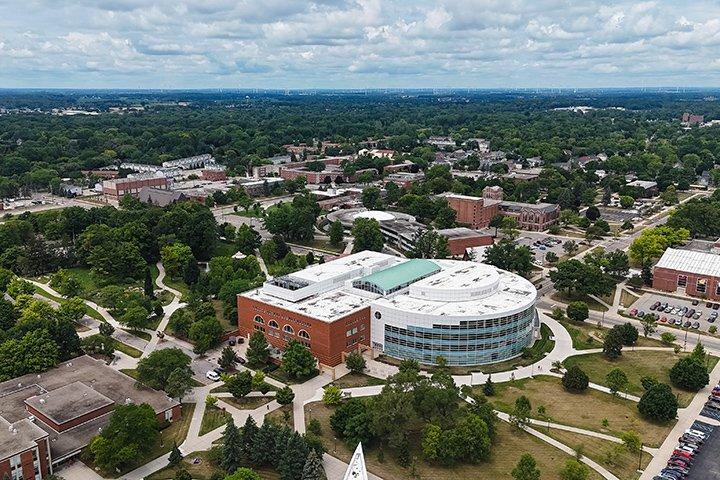
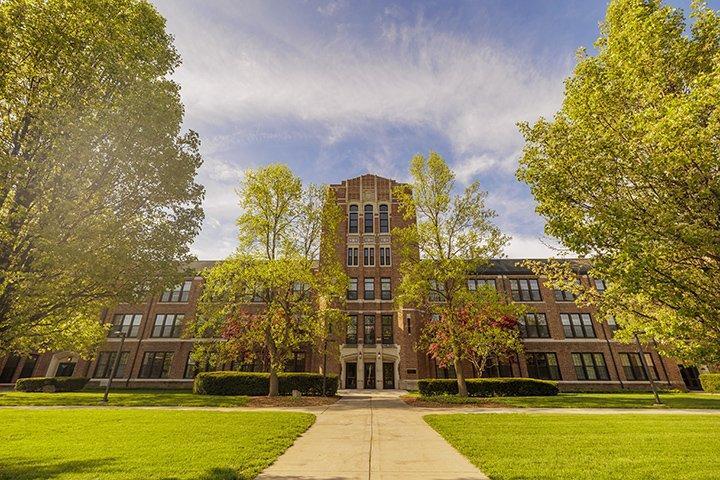
About Central Michigan University
Central Michigan University: Programs, Admissions, Tuition Fees, and Campus Life
Overview of Central Michigan University
Central Michigan University (CMU) is a public research university located in Mount Pleasant, Michigan, United States. Known for its broad academic offerings, student-focused learning environment, and commitment to career preparation, the university attracts students from across the United States and around the world. It provides undergraduate, graduate, doctoral, and selected professional learning opportunities across a variety of academic disciplines.
The university traces its origins to 1892, when it opened as the Central Michigan Normal School and Business Institute. Its original mission focused on preparing teachers and addressing the need for formal teacher education in Michigan. Over time, the institution expanded its curriculum, campus facilities, research activities, and student services. It became Central Michigan University in 1959, reflecting its development into a comprehensive university with a much wider range of academic programs.
Today, CMU offers more than 200 academic programs across fields such as business, education, health professions, engineering and technology, humanities, social sciences, and the natural sciences. Its approach combines classroom instruction with research, practical learning, student engagement, and professional development. Students can explore academic interests while developing communication, analytical, teamwork, and problem-solving skills that are valuable in a changing employment market.
Central Michigan University is particularly relevant to students seeking a university experience that combines academic study with an active campus community. Its location in Mount Pleasant provides a university-town setting, while its academic and student-support services help students prepare for future employment or further study.
Location and Campus Environment
Central Michigan University is based in Mount Pleasant, a community in central Michigan. The university's location offers a different experience from studying in a major metropolitan area. Students can enjoy a campus-oriented environment with university facilities, residential accommodation, recreational opportunities, local businesses, and community activities within reach.
Mount Pleasant provides access to parks, outdoor recreation, restaurants, shops, and other everyday amenities. Students who prefer a smaller university town may appreciate the combination of campus life and a local community that supports student activities. Larger Michigan cities can also be reached by road, although students should plan transportation according to their schedules and budgets.
The campus includes academic buildings, libraries, residence halls, dining facilities, laboratories, student gathering spaces, and recreational facilities. These spaces support both formal learning and the wider student experience. Students can attend classes, work on group assignments, use academic resources, participate in student organisations, and spend time with classmates without having to travel between distant campuses for every activity.
The campus environment also creates opportunities for students to develop independence. International students, in particular, must adjust to new academic expectations, communication styles, weather conditions, food options, and social customs. Taking part in orientation activities, joining student organisations, and using university support services can make the transition easier.
Michigan experiences distinct seasons, including cold winters and warmer summers. Students arriving from countries with different climates should plan for suitable clothing, winter footwear, and appropriate transport arrangements. Understanding local weather and preparing for seasonal changes can make daily life more comfortable.
Academic Programs and Areas of Study
Central Michigan University offers a wide selection of academic pathways, allowing students to choose programs according to their interests, previous education, and career plans. Program availability, admission criteria, tuition, and graduation requirements vary by degree and academic department.
Business and Management
Business-related programs can appeal to students interested in management, accounting, finance, marketing, economics, entrepreneurship, and organisational leadership. These fields help students understand how organisations operate, how businesses make financial decisions, and how companies identify opportunities in competitive markets.
Depending on the chosen program, students may study business communication, organisational behaviour, financial analysis, marketing strategy, business statistics, management principles, and professional ethics. Case studies, presentations, projects, and group assignments can help students apply classroom concepts to practical situations.
Students interested in management careers may benefit from developing leadership, decision-making, negotiation, and analytical skills alongside their academic knowledge. Those considering entrepreneurship can use their university experience to explore business ideas, understand customer needs, and learn how organisations manage resources.
Engineering, Technology, and Computing
Technology-focused study is relevant to students interested in software, computing, technical problem-solving, data, engineering systems, and digital innovation. Depending on the specific program, coursework may combine theoretical foundations with laboratory activities, technical projects, and applied learning.
Students should examine individual program descriptions carefully to understand the exact subjects offered, prerequisites, available specialisations, and facilities. Computing and technology degrees can require preparation in mathematics, programming, scientific reasoning, or other technical subjects.
Practical experience is particularly valuable in technology-related fields. Students can strengthen their academic learning through supervised projects, internships, independent development work, research, and collaboration with classmates. Building a portfolio of relevant work can also help demonstrate skills to prospective employers.
Education
Education is closely connected to the university's historical mission. Programs in this area may interest students who want to work in teaching, educational leadership, learning support, curriculum development, or related professional roles.
Education programs can involve educational theory, instructional methods, learner development, assessment, classroom practice, and the use of technology in teaching. Some pathways may require supervised field experience, professional examinations, background checks, or additional certification.
Students planning to teach should confirm the licensing rules that apply to their intended state or country. Completing an academic degree does not automatically guarantee that a graduate will meet every professional licensing requirement.
Health Professions and Health Sciences
Health-related academic options can prepare students for a range of careers involving healthcare, wellness, research, human development, and related professional services. Depending on the chosen discipline, students may study biological sciences, health systems, research methods, human behaviour, or clinical and practical concepts.
Admission requirements and professional progression can differ substantially between health-related programs. Certain pathways may require prerequisite courses, laboratory experience, clinical placements, background screening, or additional qualifications.
Students should distinguish between a general health-sciences degree and a professional qualification that leads to a regulated occupation. Before applying, they should review the program curriculum, practical training requirements, accreditation information, and the qualifications needed to practise in their intended location.
Humanities, Social Sciences, and Natural Sciences
CMU also provides academic opportunities in humanities, communication, social and behavioural sciences, and scientific disciplines. These subjects allow students to investigate human societies, language, culture, history, behaviour, the environment, and scientific processes.
Humanities and social-science programs can develop writing, research, interpretation, critical thinking, and communication skills. Natural-science programs may include laboratory instruction, fieldwork, research activities, and quantitative analysis, depending on the subject.
These disciplines can support a wide range of professional pathways. Students can strengthen their career preparation by combining academic study with internships, research, volunteering, student leadership, and relevant technical or digital skills.
Graduate and Doctoral Study
Central Michigan University offers graduate education for students who want to specialise in a subject, advance their professional knowledge, or pursue research. Options include master's-level and doctoral study, with program availability varying by department.
Graduate applicants generally need a recognised bachelor's degree and official academic records. Some programs may require a minimum grade-point average, a statement of purpose, letters of recommendation, a résumé, relevant professional experience, a writing sample, or other materials.
Certain programs may also require interviews, prerequisite coursework, standardised test scores, portfolios, or evidence of professional qualifications. Applicants should confirm the requirements for their exact degree rather than assuming that the general university admission process covers every program.
International Admissions at Central Michigan University
Central Michigan University welcomes international applicants who meet the academic, English-language, and documentation requirements for their chosen programs. The application process differs according to whether a student is applying for undergraduate freshman admission, transfer admission, or graduate study.
Undergraduate Admission Requirements
First-year international applicants generally need to complete secondary education equivalent to a United States high school diploma. They must submit official academic transcripts or records from the relevant institutions. Documents issued in languages other than English should be accompanied by the required certified translations.
Students who have previously attended another college or university may need to provide academic records from every post-secondary institution attended. Transfer-credit evaluation depends on the university's policies, the courses completed, and the documentation available.
The university requires evidence of English-language proficiency from applicants who do not qualify for an exemption. Accepted options include recognised English-language examinations and other approved forms of evidence. Published undergraduate benchmarks include IELTS 6.5, TOEFL iBT 79, Duolingo English Test 100, and PTE Academic 53. Applicants should check the latest accepted tests, score requirements, validity periods, and exemption rules before submitting an application.
International undergraduate applicants typically complete an online application and provide the required supporting documents. The university may request additional information during the review process. Application fees and fee-waiver arrangements can change, so applicants should confirm the current policy for their intended entry term.
Graduate Admission Requirements
Graduate admission requirements depend on the department and degree. Applicants generally need a recognised undergraduate qualification and official academic transcripts. Some programs set minimum academic performance requirements, while others evaluate applications using a broader combination of academic background, professional experience, references, and the applicant's stated goals.
Additional materials may include a statement of purpose, letters of recommendation, a résumé, a research proposal, a portfolio, or test scores where required. English-language proficiency evidence may also be necessary for international applicants who do not qualify for an exemption.
Students applying to graduate school should identify the department responsible for their intended degree and review its specific admission instructions. They should also confirm whether the program is offered on campus, online, or in another format, as study mode can affect eligibility and international student visa arrangements.
Application Timing and Preparation
Applying early can give students more time to gather documents, obtain translations, arrange financial evidence, and complete immigration-related steps. Applicants should review the deadlines for their chosen semester and allow enough time for transcripts and other documents to reach the university.
A practical preparation checklist includes a valid passport, academic records, English-language test results where applicable, application information, and financial documentation. Students should retain copies of submitted documents and regularly check their application portal and email for updates.
Admission to the university and permission to enter the United States are separate processes. Students should not assume that an offer of admission automatically guarantees a student visa.
Tuition Fees and Cost of Studying
The cost of studying at Central Michigan University depends on the student's academic level, credit load, degree, accommodation choice, health-insurance requirements, and personal spending. International students should budget for tuition and mandatory fees as well as housing, meals, books, supplies, transportation, and other expenses.
For the 2026–2027 academic year, the university publishes an estimated annual undergraduate budget of approximately USD 41,246 for international students. This estimate includes about USD 22,050 in tuition and fees, USD 15,647 for living expenses, and USD 1,600 for health insurance. The published budget is based on a specified course load and on-campus housing with a meal plan, so an individual student's expenses may differ.
Graduate students have different estimates according to the type of degree. The university publishes separate budgets for master's, MBA, information-systems, and doctoral study. These estimates also combine tuition and fees with living expenses and health insurance, but the totals vary by program.
Students should distinguish between tuition and the complete cost of attendance. Tuition is only one part of the financial commitment. Housing, meals, health insurance, books, personal expenses, and travel can substantially increase the total amount required for an academic year.
Costs may change from one academic year to another. Students should use the university's latest published cost information when planning their budget and should confirm the figures that apply to their entry term and program.
Scholarships and Financial Support
Central Michigan University provides scholarship opportunities for eligible international students. Some undergraduate merit-based scholarships are considered automatically when students apply and meet the relevant eligibility criteria. Award amounts and requirements depend on academic performance, English proficiency, student category, and other conditions.
The university's international undergraduate scholarship options include awards for students who meet specified grade-point-average requirements. Eligible transfer students may also need to have completed a minimum number of college credits. Some competitive scholarship opportunities may provide substantially greater financial support but can involve additional selection requirements and deadlines.
Graduate students should explore funding opportunities offered through the university and their academic departments. Availability may vary according to the degree, academic record, research area, assistantship opportunities, and funding cycle.
Students should never assume that a scholarship will cover every expense. Before accepting an offer, they should confirm the award amount, duration, renewal conditions, credit requirements, and whether the funding applies to tuition, living costs, or both. They should also prepare a financial plan for expenses not covered by the award.
Student Life and Campus Experience
Student life at Central Michigan University extends beyond academic classes. The university provides opportunities to participate in student organisations, cultural activities, recreation, athletics, volunteer projects, and campus events.
Student clubs can help learners meet people with similar interests, practise leadership, and build relationships outside their academic departments. International students may find cultural organisations and student-support activities particularly useful when adjusting to life in the United States.
Recreational opportunities can include fitness activities, club sports, intramural sports, and other organised programs. Participation can help students develop teamwork, maintain a balanced routine, and become more connected to campus life.
Students should also make use of academic resources and support services. Libraries, learning resources, advising, and other campus services can help students manage coursework and develop effective study habits. Seeking assistance early can be especially valuable when adjusting to a new academic system.
Housing and Dining
Central Michigan University offers residential options and dining arrangements for eligible students. Housing choices, room types, meal plans, costs, and availability should be reviewed before arrival. Incoming freshmen are generally required to live on campus during their first two years under the university's published policy, while certain transfer students with previous college credits may be exempt.
Living on campus can make it easier to attend university activities, connect with classmates, and access academic facilities. Students should nevertheless compare the total cost of each housing option and check the current rules that apply to their status.
Dining arrangements can help students plan meals and control part of their daily spending. Students with specific dietary needs should contact the relevant university service to understand the available options.
Support for International Students
Moving to another country involves academic, cultural, financial, and practical adjustments. Central Michigan University's International Student and Scholar Services team supports eligible international students and scholars with immigration-related guidance, orientation, cultural awareness, and transition support.
Students should use official university guidance when dealing with immigration requirements, employment eligibility, travel signatures, or changes in academic status. Maintaining valid immigration documentation and meeting enrolment requirements are important responsibilities for international students.
Orientation activities can introduce students to university policies, campus facilities, academic expectations, and available support services. Building a support network through classmates, faculty, advisers, and student organisations can make the transition to university life more manageable.
Career Development and Practical Learning
A university education is most valuable when students connect academic knowledge with the skills required in their intended profession. Central Michigan University encourages students to prepare for future employment through academic study, research opportunities, practical projects, and career-development resources.
Students can strengthen their career readiness by preparing a professional résumé, practising interviews, developing communication skills, and learning how to describe their academic work to employers. Internship and experiential-learning opportunities may be available depending on the program, employer, eligibility criteria, and academic schedule.
Technology students can develop practical projects, business students can work on case studies and presentations, and research-focused students can explore opportunities to collaborate with faculty. Students should investigate the options offered by their departments rather than assuming every opportunity is available to every degree.
The university's Career Development Center can help eligible students explore career paths and prepare for employment. Students should verify the current services, appointment procedures, internship resources, and eligibility rules that apply to them.
International students must also understand the immigration regulations governing internships and employment in the United States. Work authorisation is not automatic simply because a student is enrolled at a university. Students should obtain guidance from the university's designated international student advisers before accepting employment or beginning practical training.
Why Consider Central Michigan University?
Central Michigan University may be a suitable option for students looking for a public research university with a broad range of academic disciplines and a campus-centred student experience. Its history in teacher education has developed into a wider academic mission encompassing business, technology, health, education, sciences, humanities, and social sciences.
Its range of undergraduate and graduate programs allows students to explore different academic directions. International students can also investigate merit-based scholarships, university support services, student organisations, and career-development resources.
The Mount Pleasant location may appeal to learners who prefer a university-town environment rather than studying in a very large city. At the same time, students should consider local transport, seasonal weather, accommodation, and personal preferences before making a decision.
The university's published cost estimates give international applicants a starting point for financial planning. However, the full cost of attendance, scholarship eligibility, and program-specific expenses should be reviewed carefully before an application is submitted.
Prospective students should compare Central Michigan University with other institutions according to their academic goals, preferred learning environment, available financial resources, program structure, and career plans. A careful comparison can help applicants select a university that fits their circumstances rather than relying on reputation alone.
Conclusion
Central Michigan University is a public research institution in Mount Pleasant, Michigan, offering a broad selection of undergraduate, graduate, and doctoral programs. Founded in 1892, it has grown from a teacher-training institution into a university with academic opportunities across business, education, health professions, technology, sciences, humanities, and social sciences.
For international applicants, important considerations include academic eligibility, English-language proficiency, application deadlines, tuition and living costs, scholarship opportunities, and the documentation required for immigration purposes. The university also provides campus activities, residential options, international student support, and career-development resources that can contribute to the overall student experience.
Students considering CMU should verify current program requirements, fees, scholarship conditions, and application deadlines directly with the relevant university offices. With careful research and financial planning, prospective applicants can assess whether Central Michigan University aligns with their academic interests and long-term goals.
Entry Requirements
General Entry Requirement
IELTS 6.5 overall
Fees & Scholarships
Annual Tuition Fees
USD 22,000 - USD 44,000
Ready to Apply to Central Michigan University?
Our advisors guide you from eligibility check to offer letter — at no cost to you.
Join our WhatsApp Community
.jpeg)
Scan to join our student community for admission updates & guidance