
Annual FeesUSD 30,000 - USD 40,000
Central Methodist University
LocationUS
Entry RequirementIELTS 6.5 overall
Visa Success Rate72%
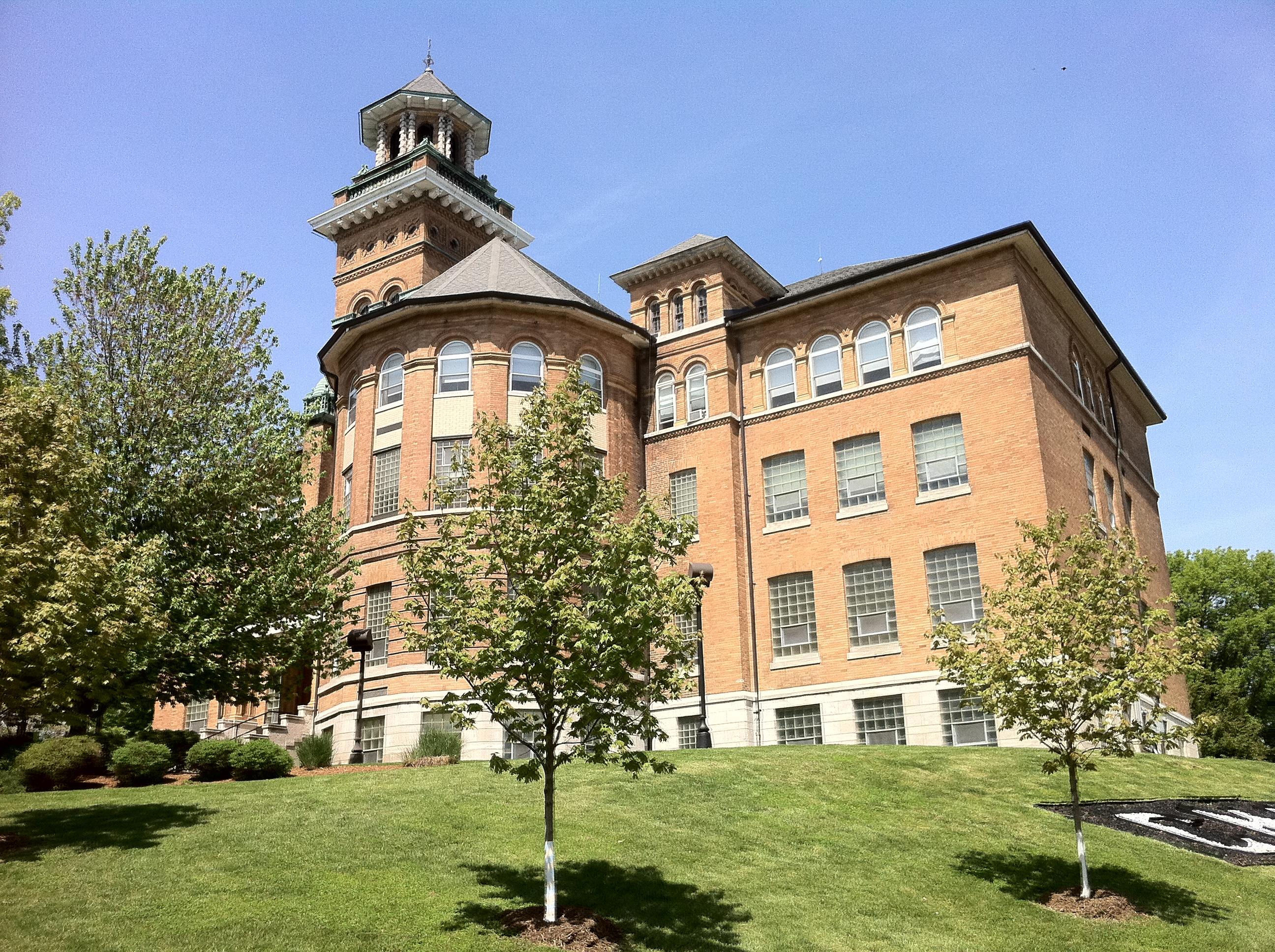
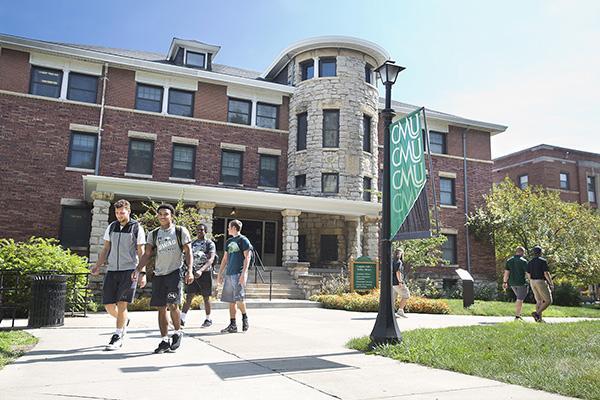
Campus Photos
Central Methodist University
About Central Methodist University
Central Methodist University: Programs, Admissions, Tuition Fees, and Campus Life
Introduction to Central Methodist University
Central Methodist University (CMU) is a private university located in Fayette, Missouri, United States. Founded in 1854, the institution has a long history of providing higher education with an emphasis on academic development, personal growth, leadership, and community engagement. Its main campus offers a residential university experience, while additional educational opportunities serve students in other locations and through selected online programs.
The university offers undergraduate and graduate study in a variety of academic areas, including business, education, science, humanities, social sciences, and professional disciplines. Students can pursue degrees that support their academic interests while developing communication, critical thinking, teamwork, and problem-solving abilities.
Central Methodist University combines a liberal arts tradition with career-oriented learning. Its educational environment encourages students to explore their interests, work with faculty, participate in campus activities, and prepare for professional responsibilities. Students can also take part in organisations, service opportunities, athletics, and other extracurricular activities that complement classroom learning.
For international students considering the United States, Central Methodist University may be an option worth exploring. Applicants should review the requirements for their chosen program, English-language proficiency standards, tuition and living expenses, scholarship eligibility, and the documentation needed for admission and a student visa before making a final decision.
About Central Methodist University
Central Methodist University was established in 1854 and is affiliated with the United Methodist tradition. Over its history, the university has developed its academic offerings to serve students pursuing a range of undergraduate and graduate qualifications.
The main campus is located in Fayette, a small city in central Missouri. Its setting offers students a residential campus environment with academic buildings, student facilities, accommodation, recreation, and spaces for campus activities. The university's smaller-campus atmosphere may appeal to learners who value opportunities to connect with classmates and instructors.
CMU's educational approach combines subject-specific study with broader skills such as communication, ethical reasoning, analysis, and collaboration. Students can develop these abilities through lectures, seminars, projects, presentations, laboratory activities where relevant, and other academic experiences.
The university serves a range of students, including those beginning their undergraduate education, students transferring from other institutions, and learners pursuing graduate qualifications. Program formats and availability differ, so prospective students should verify whether their preferred course is offered at the Fayette campus, another location, or online.
Central Methodist University aims to prepare students for further education, employment, leadership, and service. Students can support these goals by participating actively in their studies, using available resources, and seeking practical experiences related to their intended careers.
Why Choose Central Methodist University?
A long-established private university
Central Methodist University has a history spanning more than a century and a half. Its longstanding educational tradition is reflected in its commitment to academic development, student support, and community participation.
Students should evaluate the university based on the qualities that matter most to them, including program content, faculty expertise, learning resources, costs, and career relevance. Institutional history can provide context, but it should be considered alongside current academic offerings and individual goals.
A residential campus environment
The Fayette campus offers a traditional university setting where students can attend classes, access campus facilities, and participate in extracurricular activities within a shared community.
Residential study can help students develop independence, time-management skills, and relationships with classmates. International students may find it useful to live near campus while becoming familiar with a new country and academic system.
The suitability of residential study depends on personal preferences and finances. Applicants should compare room options, meal plans, residence policies, and the total cost of living before making a decision.
Academic choices across several disciplines
CMU offers programs in areas such as business, education, science, humanities, and social sciences. This range allows students with different interests to investigate potential academic and career pathways.
Applicants should review individual degree requirements rather than assuming that every subject is offered at every campus or in every study format. The current academic catalogue is the best place to confirm course availability, concentrations, prerequisites, and graduation requirements.
Opportunities to develop practical skills
University study provides opportunities to practise skills that employers and graduate schools value. Research assignments, presentations, laboratory work, group projects, internships where available, and student leadership can help students connect theory with practical situations.
Students can improve their professional readiness by documenting their projects, building a résumé, practising interviews, and seeking relevant experience throughout their degree. These activities can make it easier to explain what they have learned and how they can apply it.
A community-focused educational tradition
Central Methodist University's Methodist heritage places emphasis on service, responsibility, and personal development. Students may find opportunities to contribute to campus initiatives and community activities while exploring their own interests.
Community involvement can help learners develop empathy, communication, leadership, and organisational skills. Students should explore the opportunities available during their intended term and select activities that fit their academic workload and personal goals.
Academic Programs at Central Methodist University
Central Methodist University offers undergraduate and graduate qualifications across several fields. Program names, degree requirements, and availability may change, so applicants should consult the current academic catalogue before applying.
Business and management
Business-related programs help students understand organisations, markets, financial decisions, management, and professional communication. Depending on the current offerings, students may explore subjects such as accounting, business administration, management, marketing, finance, or related areas.
Coursework may include case studies, group assignments, presentations, reports, and quantitative analysis. These activities can help students understand how businesses make decisions, manage resources, communicate with customers, and respond to changing conditions.
Graduates may pursue opportunities in business operations, administration, marketing, accounting-related roles, sales, management support, or further professional education. Career options depend on the chosen degree, relevant experience, technical skills, and employer requirements.
Students interested in a business career should compare course content, internship availability, professional recognition where relevant, and the skills requested by employers in their intended field.
Education
Education-related study can prepare students for work connected with teaching, learning, educational support, or leadership. Depending on the degree, students may study learning theory, instructional strategies, curriculum development, assessment, and educational practice.
Some teaching pathways require supervised classroom experience, examinations, background checks, or state-specific licensing. Students should confirm whether their chosen program leads to the professional credentials they want and understand any additional requirements before enrolling.
International students considering education careers should investigate the rules in the location where they intend to work. A university qualification alone may not be sufficient for a regulated teaching position.
Science and mathematics
Students interested in scientific study can explore programs related to the natural sciences and quantitative disciplines. Depending on the subject, coursework may involve laboratory work, research methods, data interpretation, mathematical reasoning, and practical projects.
Science education can develop analytical thinking, careful observation, evidence-based reasoning, and problem-solving skills. These abilities may be useful in research, laboratory environments, education, technical roles, and further study.
Applicants should review prerequisites in mathematics and science, the curriculum, and the available facilities or practical experiences. Students planning to enter a specialised profession should also check whether additional qualifications or certifications are necessary.
Humanities and social sciences
Humanities and social science disciplines help students understand culture, history, society, communication, and human behaviour. These subjects often require reading, research, writing, discussion, and critical evaluation of information.
Students can develop skills in analysing complex questions, communicating clearly, evaluating evidence, and understanding different perspectives. Such skills can support careers in education, public service, communications, community organisations, research, and other fields.
Prospective students should compare the available majors and consider how complementary experiences, such as volunteering, internships, research, or additional training, may support their future plans.
Health-related and professional study
Students interested in health-related or other professional fields should carefully review the university's current program offerings and the entry conditions for each course. Program structures and practical requirements can differ significantly between disciplines.
Some professional pathways involve clinical placements, supervised practice, professional examinations, accreditation, or licensing. Applicants should verify whether a program meets the requirements of the profession and location where they intend to work.
International students should also consider whether their qualification will be recognised in their home country if they plan to return after graduation. Confirming these details before applying can prevent misunderstandings later.
Graduate and postgraduate study
Students who already hold a bachelor's degree may explore graduate programs that align with their academic background or professional interests. Graduate admission generally requires a recognised undergraduate qualification and evidence that the applicant meets the program's academic standards.
Some departments may request a statement of purpose, letters of recommendation, a résumé, a writing sample, relevant experience, or additional prerequisite coursework. Specific requirements vary by degree.
Applicants should check the required GPA, accepted undergraduate qualifications, application deadlines, and available study formats. They should also confirm whether the program is suitable for students who need an F-1 student visa.
Admission Requirements for International Students
Admission requirements at Central Methodist University depend on the applicant's academic level, previous education, chosen program, and English-language proficiency. Prospective students should follow the current international admissions guidance for their intended intake.
Undergraduate admission requirements
International freshman applicants generally need to complete secondary education equivalent to a US high school diploma. Academic transcripts and evidence of graduation are important parts of the application.
Applicants may need to submit an international application, official academic records, proof of English-language proficiency where required, and other documents requested by the university. Records issued in another language may require certified English translations.
Transfer applicants generally need to provide transcripts from every college or university attended. Secondary-school records may also be required. The university evaluates transfer coursework and academic performance to determine eligibility and which credits may be accepted.
Applicants should verify whether a credential evaluation is required and follow the university's instructions about acceptable evaluation providers and document submission.
Graduate admission requirements
Graduate applicants generally need a recognised bachelor's degree or equivalent. Official academic transcripts and evidence of degree completion are typically required.
Additional materials may include recommendation letters, a statement of academic goals, a résumé, a writing sample, or program-specific documents. Requirements vary across departments, and applicants should not assume that the general university requirements cover every graduate degree.
Students should confirm the minimum GPA, required prerequisites, application deadlines, and any additional departmental conditions. They should also check whether previous coursework meets the academic preparation expected for their intended program.
English-language proficiency
International applicants may need to demonstrate English-language proficiency unless they qualify for an exemption under the university's policy. The institution may accept IELTS, TOEFL, the Duolingo English Test, or other approved evidence, subject to its current rules.
Minimum scores and section requirements can vary. Applicants should verify the accepted tests, score thresholds, validity periods, and exemption conditions before booking a test or submitting results.
Students should plan their test dates around application deadlines. If their results do not meet the required standard, they should contact the university to determine whether retesting or an approved alternative pathway is available.
Financial documentation and student visa preparation
International students who require an F-1 visa generally need to demonstrate that they can fund their education and living expenses. The university may request recent bank statements, a signed affidavit of financial support, and additional documents to establish the availability of funds.
Applicants should prepare financial documents carefully and follow the university's requirements for signatures, notarisation, currency information, and acceptable evidence. They should avoid relying on unconfirmed scholarships or anticipated employment when calculating their available funds.
University admission and visa approval are separate processes. Students must follow the relevant immigration procedures and provide accurate information throughout the process. Admission does not guarantee visa approval.
Tuition Fees and Cost of Studying
The cost of studying at Central Methodist University depends on the academic program, course load, campus, housing arrangement, and additional fees. Students should review the rate applicable to their chosen program and academic year.
For planning purposes, an estimated undergraduate tuition and mandatory fee budget for full-time study at the Fayette campus is approximately USD 30,320 per academic year for 2026–2027. This figure is an indicative estimate and should not be treated as a final invoice for every student. Actual charges can change with the number of credits, program requirements, additional fees, and updated university schedules.
Accommodation and meals are additional expenses. Average on-campus room and board may be around USD 10,080 per academic year, depending on the residence and meal plan selected. Students should confirm current housing rates and whether particular costs are included in the university's published cost-of-attendance estimates.
Other expenses can include books, supplies, health insurance where required, transport, personal spending, and travel. International students should plan for initial costs such as deposits, flights, essential supplies, and housing setup as well as recurring monthly expenses.
Graduate tuition may differ from undergraduate rates and may be calculated by credit hour or program. Applicants should obtain a cost estimate for their specific degree rather than applying a general undergraduate figure to postgraduate study.
A realistic budget should cover the full academic year and allow for unexpected costs. Students should also confirm the amount of funding required for any university immigration documents and make sure their financial resources are sufficient for the intended period of study.
Scholarships and Financial Support
Students should investigate scholarships and other forms of financial assistance available through Central Methodist University. Eligibility depends on the award, academic record, student category, application materials, and funding availability.
Some scholarships may consider academic achievement, leadership, service, or other accomplishments. International applicants should confirm that an award is available to their student category and determine whether they must submit a separate application.
Students should carefully review award deadlines, renewal conditions, minimum GPA requirements, and the duration of funding. They should also check whether the award covers tuition only or can be used for other costs.
Financial assistance rules differ between domestic and international students. Some forms of government-funded aid are restricted to eligible US citizens or other qualifying categories. Students should confirm their eligibility before including any award in their budget.
A written scholarship or financial aid offer provides a stronger basis for planning than an assumption that funding will be available. Applicants should have a backup plan in case an award is not granted or does not cover the expected amount.
Campus Life and Student Experience
Central Methodist University's Fayette campus offers opportunities for students to engage in academic, social, recreational, and community activities. Participation can help students build friendships, explore interests, and develop skills beyond the classroom.
Student organisations and extracurricular activities
Student organisations can provide opportunities to meet people, collaborate on projects, develop leadership skills, and participate in activities related to academic or personal interests. Depending on current availability, groups may focus on professional development, culture, service, recreation, or other areas.
International students can benefit from joining suitable organisations because these activities create opportunities to interact with classmates from different backgrounds. Students should review current clubs and activities after enrolment because schedules and availability can change.
Athletics and recreation
University athletics and recreational activities can contribute to campus spirit and student engagement. Students may have opportunities to participate as athletes, support university teams, or join recreational activities, depending on the programs available.
Students should consider how extracurricular involvement fits alongside coursework, rest, and personal responsibilities. A balanced schedule can help them enjoy campus life without compromising academic progress.
Academic support and student services
Students should become familiar with library resources, academic advising, faculty office hours, and other university support services. These resources can help students understand course expectations, organise their workload, and address challenges.
International students may also benefit from guidance related to immigration documentation, cultural adjustment, and campus procedures. Asking questions early can help prevent avoidable difficulties during the transition to university life.
Accommodation and Living in Fayette, Missouri
Students attending the main campus can explore university residence options and off-campus accommodation. The most suitable arrangement depends on budget, availability, meal preferences, transport, privacy, and personal circumstances.
On-campus housing can provide convenient access to classes, campus facilities, and university activities. Students should review residence hall options, meal plans, contract periods, application deadlines, and any additional charges before committing.
Off-campus accommodation may offer more independence, but students should consider rent, utilities, transport, groceries, deposits, and the distance from campus. Before making payments, they should verify the legitimacy of the property and understand the rental agreement.
Fayette is a smaller city in central Missouri. Students should investigate local transportation, grocery access, healthcare services, recreation, and travel connections before arrival. Those who plan to commute or participate in off-campus activities should consider how they will travel reliably.
International students should arrange suitable accommodation before travelling whenever possible. They should also confirm arrival instructions, check-in arrangements, and orientation requirements with the university.
Career Development and Employment Opportunities
Central Methodist University students can prepare for future careers through their coursework, projects, campus activities, and relevant practical experiences. Professional development is more effective when it begins before the final semester.
Students can research employers and job descriptions in their intended field, identify commonly requested skills, prepare a résumé, and practise interviews. They can also ask appropriate university staff about career resources, internships, and other opportunities that may be available to them.
Practical experience can help students connect academic knowledge with workplace expectations. Depending on the field, relevant experiences may include research, projects, supervised placements, volunteering, or internships.
Employment outcomes depend on the student's qualifications, skills, experience, work authorisation, and labour-market conditions. A university degree does not guarantee a particular job, salary, or immigration outcome.
International students must understand the rules governing employment during and after their studies. F-1 students are subject to specific restrictions and generally need the appropriate authorisation for eligible work experiences. They should consult the university's designated international student officials before accepting work or beginning an internship.
Location and Accessibility
Central Methodist University's main campus is located in Fayette, Missouri, within central Missouri. The area offers a smaller-city setting for students who prefer a campus community away from the pace of a major metropolitan centre.
Students arriving from overseas should plan their route to Fayette in advance. Depending on their arrival airport and travel arrangements, they may need to combine air travel with ground transportation.
The university may offer additional educational locations or online study options for selected programs. Applicants should verify where their particular course is delivered and whether the format is suitable for their educational and immigration circumstances.
Students should also consider the distance between their accommodation, classrooms, shops, healthcare services, and other destinations. Understanding these practical details before arriving can help them settle in more comfortably.
How to Apply to Central Methodist University
The application process begins with selecting a program and reviewing the current requirements for the intended intake. Applicants should confirm the academic prerequisites, English-language requirements, application deadlines, and documents needed for their chosen degree.
Students should then prepare the required application materials. These may include official academic transcripts, proof of graduation or degree completion, English-language test results, credential evaluations, passport details, financial documentation, and program-specific materials.
Applicants should submit their materials according to the university's instructions and monitor their application status. If the admissions team requests additional information, responding promptly can help avoid unnecessary delays.
After receiving an admission decision, students should review any conditions attached to the offer and follow the university's instructions for enrolment. International students should complete the relevant immigration-document process and follow official visa application procedures.
Before travelling, students should confirm tuition payment deadlines, housing arrangements, health insurance requirements, orientation dates, and arrival instructions. Keeping copies of important academic, financial, and immigration documents can also be helpful.
Is Central Methodist University the Right Choice for You?
Central Methodist University may be worth considering for students seeking a private university with a long educational history, a residential campus environment, and programs across several academic disciplines. Its community-oriented setting and emphasis on personal development may appeal to learners who want to combine academic study with extracurricular involvement.
The right choice depends on each student's priorities. Applicants should compare the program curriculum, faculty expertise, practical learning opportunities, total costs, housing, location, and future career requirements with those of other institutions.
International applicants should pay particular attention to current admission requirements, English-language standards, financial documentation, and the rules that apply to their intended study format. They should confirm all fees and program-specific conditions before committing to an offer.
Conclusion
Central Methodist University offers undergraduate and graduate education in a private university setting in Fayette, Missouri. Its academic options cover several disciplines, while its educational heritage emphasises learning, leadership, service, and personal development.
Students can make the most of their university experience by engaging actively in coursework, using available academic support, participating in appropriate campus activities, and developing skills relevant to their intended careers. These experiences can help them grow academically and personally.
For international students, careful preparation is essential. Reviewing tuition and living expenses, confirming program-specific admission conditions, preparing financial documents, arranging accommodation, and understanding student visa procedures can make the transition to studying in the United States more manageable.
By comparing their goals and budget with the university's academic offerings, campus environment, and practical requirements, prospective students can decide whether Central Methodist University is a suitable choice for their higher education plans.
Entry Requirements
General Entry Requirement
IELTS 6.5 overall
Fees & Scholarships
Annual Tuition Fees
USD 30,000 - USD 40,000
Ready to Apply to Central Methodist University?
Our advisors guide you from eligibility check to offer letter — at no cost to you.
Join our WhatsApp Community
.jpeg)
Scan to join our student community for admission updates & guidance