
Annual FeesUSD 30,000 - USD 45,000
Campbellsville University
LocationUS
Entry RequirementIELTS 6.5 overall
Visa Success Rate75%
Campus Photos
Campbellsville University
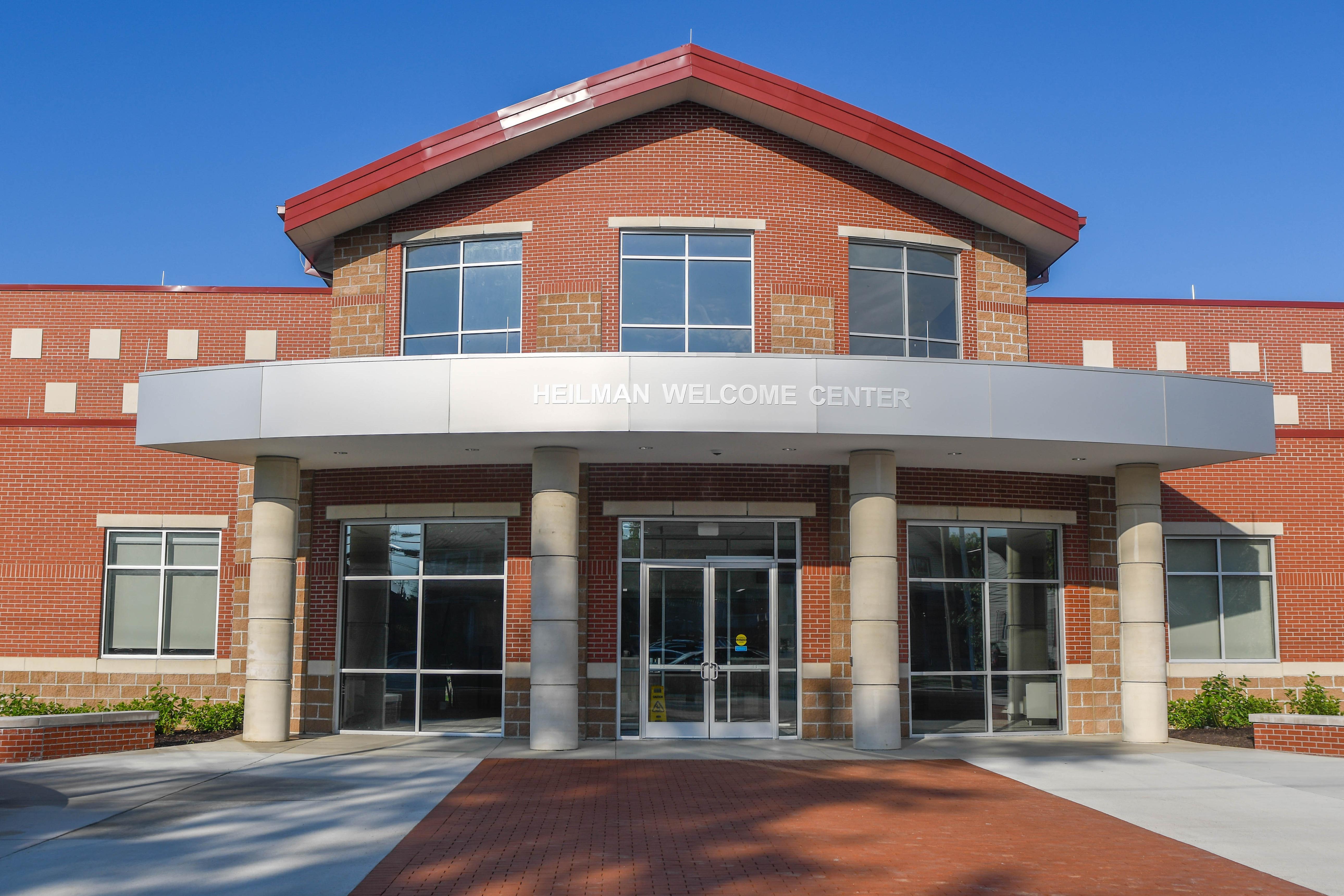
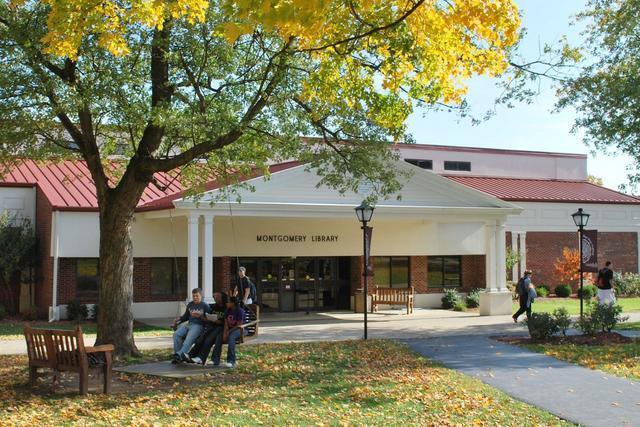
About Campbellsville University
Campbellsville University: Programs, Admissions, Tuition Fees, and Campus Life
Introduction to Campbellsville University
Campbellsville University is a private Christian university located in Campbellsville, Kentucky, United States. Founded in 1906, the university has developed into a comprehensive institution offering undergraduate, graduate, and professional educational opportunities across a variety of academic disciplines. Its educational approach combines academic learning, personal development, community involvement, and a commitment to service.
The university welcomes students with different academic interests and career goals. Its programs cover fields such as business, education, computer science, social sciences, humanities, natural sciences, healthcare-related disciplines, and other professional areas. Students can pursue qualifications designed to strengthen their subject knowledge while developing communication, critical thinking, teamwork, and problem-solving skills.
Campbellsville University has a Christian educational heritage and emphasises values such as leadership, service, integrity, and responsibility. Students from different backgrounds can explore its academic offerings and campus environment to determine whether the university's educational philosophy aligns with their own priorities.
For international students considering studying in the United States, Campbellsville University may be an option worth exploring. Applicants should evaluate the academic program, admission criteria, English-language requirements, tuition fees, financial documentation, and living arrangements before making a decision. Understanding the complete cost of attendance and preparing application documents early can make the process more manageable.
About Campbellsville University
Campbellsville University was established in 1906 and is rooted in a tradition of Christian higher education. Over time, the institution expanded its academic offerings and developed learning opportunities in a range of professional and liberal arts disciplines.
The university's main campus is located in Campbellsville, a city in central Kentucky. Its educational community includes students, faculty, staff, and organisations that contribute to academic and extracurricular life. The university also has additional instructional locations and online learning opportunities, with availability depending on the program.
Campbellsville University focuses on preparing students for professional careers, further education, and service to their communities. Its educational approach encourages learners to develop academic competence while considering ethical responsibility, leadership, and the wider impact of their work.
The institution's academic structure allows students to investigate multiple fields before selecting a specific direction, where program requirements permit. Students can participate in coursework, research, presentations, practical activities, student organisations, and other experiences that support their development.
The university's location provides a different environment from large metropolitan campuses. Students may appreciate the smaller-city setting, although they should research transportation, housing, local services, and travel arrangements to understand what daily life will involve.
Why Choose Campbellsville University?
A private university with a Christian heritage
Campbellsville University combines academic education with a Christian institutional heritage. Its emphasis on service, ethical conduct, personal responsibility, and leadership may appeal to students who value these elements alongside their academic studies.
Prospective students should review the university's mission and campus culture to determine whether the environment suits their preferences. Students can compare the institution's values, academic offerings, student services, and overall learning experience with those of other universities.
A variety of academic disciplines
The university offers programs across several broad academic areas. Students interested in business, education, technology-related subjects, liberal arts, sciences, and professional fields can investigate the degrees available in their chosen discipline.
A broad range of subjects can help students identify a program that fits their strengths and long-term plans. However, course availability, program formats, admission standards, and specialisation options differ by department and academic level.
Applicants should review the curriculum and required courses rather than relying solely on a program title. They should also consider whether the degree supports their intended career, professional certification, or plans for further study.
Opportunities for personal development
Higher education provides opportunities to develop confidence, independence, communication, and teamwork. Students can strengthen these skills through classroom discussions, presentations, group assignments, student leadership, volunteering, and campus activities.
International students may find these experiences especially useful when adjusting to a new academic system and culture. Taking part in suitable activities can help them build friendships, learn about local expectations, and become more comfortable communicating in different settings.
Support for academic progress
Students benefit when they understand the academic resources available to them. Faculty guidance, library services, advising, tutoring where available, and other student support resources can help learners manage coursework and address challenges.
Students should make use of these resources early rather than waiting until they fall behind. Developing a regular study routine, planning assignments, and communicating with instructors can contribute to a more successful university experience.
A community-oriented setting
Campbellsville's location in central Kentucky may appeal to students who prefer a smaller-city environment. Compared with major metropolitan areas, a smaller city can offer a different pace of life and potentially different housing and transport options.
Students should nevertheless assess their own needs. They may want to consider access to public transport, grocery stores, healthcare, recreational activities, and opportunities related to their intended career.
Academic Programs at Campbellsville University
Campbellsville University offers undergraduate and graduate programs in multiple fields. Specific degree names, delivery formats, concentrations, and entry requirements may change, so students should consult the current academic catalogue before applying.
Business and management
Business-related studies can help students understand how organisations operate, how teams are managed, and how financial and marketing decisions influence performance. Depending on the available program, students may study accounting, management, marketing, finance, business administration, or related subjects.
Coursework may include case studies, presentations, reports, group projects, and quantitative analysis. These activities can help learners connect classroom concepts with business situations and develop skills relevant to professional environments.
Graduates may explore careers in business operations, administration, accounting-related work, marketing, sales, management support, or further professional study. Career outcomes depend on the specific qualification, experience, technical skills, and employer requirements.
Computer science and technology-related fields
Students interested in technology should investigate the university's current computing and technology offerings. Relevant academic areas may involve programming, information systems, software concepts, data handling, or other computing subjects, depending on the degree.
Technology-related education can develop logical reasoning, analytical thinking, and problem-solving abilities. Practical projects and independent learning are important because technical fields change rapidly and employers often value demonstrable skills alongside formal qualifications.
Applicants should review the curriculum, programming prerequisites, laboratory or project components, and available specialisations. They should also investigate whether the program offers suitable practical experiences and whether the degree aligns with their intended technical career.
Education
Education-related programs serve students interested in teaching, educational leadership, learning support, and related professional pathways. Depending on the degree, students may study learning theory, instructional methods, curriculum design, classroom practice, or educational administration.
Some teaching pathways require supervised practical experience, examinations, background checks, or professional licensing. These conditions can differ by state and professional role. International students should understand the relevant requirements before selecting a program, particularly if they intend to work in a regulated education profession.
Arts, humanities, and social sciences
The humanities and social sciences help students understand individuals, communities, cultures, communication, history, and social institutions. These subjects can develop research, writing, interpretation, and critical thinking skills.
Students may complete essays, presentations, research projects, discussions, and other assignments that require them to evaluate information and communicate conclusions clearly. Such abilities can be valuable in education, communications, community work, public service, and many other employment areas.
Applicants should examine the available majors and concentrations to find a suitable academic fit. They should also consider how internships, research, volunteering, or additional professional training could support their longer-term goals.
Natural sciences and health-related fields
Students interested in scientific or health-related study should investigate the specific programs offered and the prerequisites associated with each course. Depending on the subject, coursework may include laboratory activities, scientific research, quantitative methods, and practical learning.
Professional healthcare pathways may have additional requirements related to clinical placements, licensing, accreditation, background checks, or examinations. Not every science-related degree leads directly to a licensed healthcare profession.
Applicants should confirm the program's accreditation status where relevant and understand the requirements for professional practice in their intended location. International students should also consider whether a qualification will be recognised in their home country if they plan to return after graduation.
Graduate and postgraduate study
Students who have completed an undergraduate qualification may explore graduate programs related to their previous education or professional interests. Graduate study generally requires a recognised bachelor's degree or equivalent and evidence that the applicant meets the relevant academic standards.
Some programs may request a statement of purpose, recommendation letters, a résumé, a writing sample, standardised test scores, or evidence of relevant experience. Requirements can differ substantially across departments.
Applicants should check whether their prior degree is suitable for the selected program, whether prerequisite courses are needed, and whether the course is offered in a format compatible with their plans. Students who require an F-1 visa should also verify that the specific program and study arrangement meet the applicable immigration requirements.
Admission Requirements for International Students
Admission requirements at Campbellsville University depend on the applicant's academic level, chosen program, previous qualifications, and English-language proficiency. Applicants should use the current requirements for their intended intake because policies and document procedures can change.
Undergraduate admission
International undergraduate applicants generally need to have completed secondary education equivalent to a US high school diploma. They must provide academic records showing the subjects studied and grades earned.
The application process may require official transcripts, proof of graduation, an online application, a copy of the passport, and evidence of English proficiency where applicable. Documents issued in another language may need certified English translations.
The university may require international applicants to have their academic records evaluated by an approved credential evaluation provider. Students should follow the university's instructions about acceptable evaluators, document delivery, and whether course-by-course or general evaluations are required.
Applicants should also prepare the financial documents needed to demonstrate that they can cover their expected educational and living expenses.
Graduate admission
Graduate applicants generally need a recognised bachelor's degree equivalent to a US undergraduate qualification. Official transcripts and proof of degree completion are important parts of the application.
Depending on the program, applicants may need to provide a statement of academic goals, recommendation letters, a résumé, a writing sample, standardised test scores, or other supporting materials. Some departments may have additional prerequisites or professional experience expectations.
Applicants should confirm whether a credential evaluation is mandatory and whether the university requires specific evaluation services. They should also check the program's minimum GPA and any requirements related to their undergraduate field of study.
English-language proficiency
International applicants may need to demonstrate English-language proficiency if they do not qualify for an exemption under the university's current policy. Accepted examinations and minimum scores can vary by academic level and program.
IELTS and TOEFL are examples of English-language tests commonly used by US institutions. Applicants should confirm the current minimum scores, test validity period, accepted alternatives, and exemption conditions directly with Campbellsville University.
Students should plan their test dates early enough to receive results before application deadlines. If a score does not meet the required level, applicants should ask whether retesting or an approved alternative pathway is available.
Financial documentation and immigration preparation
International students seeking an F-1 student visa generally need to demonstrate sufficient financial support for the required period of study. Campbellsville University's international application process may require an affidavit of financial support and a bank statement or other accepted evidence.
Applicants should ensure that the documents clearly establish the availability of funds and meet the university's instructions. They should avoid making financial plans based on scholarships that have not been confirmed in writing.
University admission and visa approval are separate processes. Students must follow the relevant immigration procedures, provide truthful information, and prepare for any required visa interview. Admission does not guarantee that a visa will be granted.
Tuition Fees and Cost of Studying
The cost of studying at Campbellsville University depends on the program, academic level, credit hours, housing arrangement, and additional fees. Private university tuition can differ from the tuition charged by public institutions, so students should compare the full cost rather than looking at tuition alone.
For planning purposes, the undergraduate tuition and standard fee estimate used for the 2026–2027 academic year is approximately USD 30,260 for full-time study. This is an indicative estimate and should not be treated as a final invoice or a universal rate for every student. The actual amount may vary with the number of credits, program requirements, additional charges, and the university's final fee schedule.
Graduate tuition can differ by degree and credit load. Certain programs may have distinct tuition structures or additional fees. Applicants should calculate the expected cost using the rate applicable to their chosen course and intake.
The total cost of attendance also includes accommodation, meals, books, supplies, health insurance where required, transport, personal expenses, and travel. Students should review the university's cost-of-attendance guidance and determine which expenses are included in any estimate they receive.
International students should prepare a realistic budget for the full academic year. They should account for initial expenses such as deposits, travel, essential supplies, and housing setup, as well as recurring monthly costs.
Scholarships and Financial Support
Students should explore scholarships and other financial support that may be available through Campbellsville University. Eligibility depends on the scholarship's conditions, academic record, student category, application requirements, and funding availability.
Some awards may consider academic performance, leadership, achievements, or other criteria. International students should verify whether each scholarship is open to them and whether separate applications or supporting documents are required.
Applicants should review scholarship deadlines, renewal rules, minimum GPA requirements, and the duration of each award. They should also confirm whether the scholarship reduces tuition only or can be applied to other expenses.
Financial aid rules can differ for domestic and international students. Students should not assume that every form of US federal financial assistance is available to them. A written financial aid offer is the best basis for calculating the amount they will need to fund themselves.
A sound financial plan should include a backup option in case a scholarship is not awarded or is lower than expected. This helps students make an informed decision before committing to tuition, travel, and accommodation costs.
Campus Life and Student Experience
Campus life at Campbellsville University includes opportunities to participate in student organisations, university events, recreational activities, service initiatives, and academic communities. These experiences can complement classroom learning and help students build connections.
Student organisations and activities
Student clubs and organisations provide ways to explore interests, meet classmates, and develop leadership skills. Depending on current availability, groups may focus on academics, professional development, culture, community service, recreation, or other interests.
International students can benefit from participating in campus activities because they create opportunities to meet people outside the classroom. Students should review the current list of organisations and events after arriving, as availability can change from year to year.
Community engagement and service
The university's educational heritage places importance on service and community involvement. Students may find opportunities to volunteer, participate in service activities, or contribute to projects that support local organisations.
Community engagement can help students understand the local area, practise communication skills, and develop a broader perspective on social needs. Participation can also provide meaningful experiences to discuss in future applications or interviews.
Academic and personal support
Students should familiarise themselves with academic advising, library resources, faculty office hours, and other support services. These resources can help learners adapt to course expectations, plan their studies, and address academic difficulties.
Students studying away from home may also need time to adjust to a different culture, climate, food, and daily routine. Building a support network, maintaining healthy habits, and asking for help when needed can make the transition easier.
Accommodation and Living in Campbellsville
Students attending the main campus can investigate university housing and off-campus accommodation. The right choice depends on budget, availability, privacy, transport, meal arrangements, and personal preferences.
On-campus housing may offer convenient access to classes and campus activities. Students should review residence options, meal plans, application deadlines, contract terms, and additional costs before committing.
Off-campus housing may provide greater independence, but students should consider rent, utilities, transport, groceries, deposits, and the distance to campus. They should verify the legitimacy of a rental arrangement before making payments and understand the lease conditions.
Campbellsville is a smaller city in central Kentucky. Students should investigate local transport, access to supermarkets, healthcare services, recreational options, and travel connections. Those who plan to work or participate in off-campus activities should consider how they will travel safely and reliably.
International students should arrange suitable accommodation before arriving. They should also confirm their arrival instructions, campus check-in arrangements, and any required orientation activities.
Career Development and Employment Opportunities
Campbellsville University students can work toward career readiness through their academic programs, projects, campus activities, and other relevant experiences. Developing professional skills during university can help graduates prepare for employment or further study.
Students should begin researching their intended career while they are still studying. They can examine job descriptions, identify commonly requested skills, prepare a professional résumé, practise interviews, and seek advice from appropriate university resources.
Practical experience can be useful in fields such as business, education, computing, science, and community services. However, internship and employment opportunities depend on the program, the student's qualifications, local demand, and the relevant employer's requirements.
International students must understand the restrictions associated with their immigration status. F-1 students generally need to follow specific rules for on-campus employment and any authorised practical training. They should consult the university's designated international student officials before beginning work or an internship.
A degree does not guarantee a job, salary, or immigration outcome. Career results depend on individual performance, professional skills, work authorisation, market conditions, and other factors.
Location and Accessibility
Campbellsville University is based in Campbellsville, Kentucky, in the central part of the state. The surrounding area provides a smaller-city setting for students who prefer a campus community away from the pace of a major metropolitan centre.
Students should research travel options from their arrival airport to Campbellsville and arrange transportation in advance. Depending on the route, they may need to combine air travel with ground transportation.
The university's additional instructional locations and online offerings may provide alternatives for some students, but availability and visa eligibility depend on the specific program and delivery format. Applicants who need an F-1 visa should confirm that their selected course and attendance arrangement meet the relevant requirements.
Students should also consider the distance between their accommodation, classes, shops, healthcare services, and other important destinations. Understanding these practical details before arrival can make daily life easier.
How to Apply to Campbellsville University
The first step is to select a degree program and review the admission requirements for the intended intake. Applicants should confirm that they meet the academic prerequisites and understand any English-language requirements.
Next, students should prepare the application and supporting documents. These may include official academic transcripts, proof of graduation or degree completion, passport details, English-language test results, credential evaluations, and financial documentation. Graduate applicants may need additional materials such as recommendation letters or a statement of academic goals.
Applicants should submit the materials according to the university's instructions and monitor their application status. If the admissions team requests further documents, responding promptly can help avoid unnecessary delays.
After receiving an admission decision, students should review any conditions attached to the offer and confirm the steps required to enrol. International students should follow the university's instructions for the relevant immigration documentation and complete the required visa procedures.
Before travelling, students should confirm tuition payment deadlines, accommodation, health insurance arrangements, orientation dates, and arrival instructions. Keeping copies of important academic, financial, and immigration documents can be useful during the transition.
Is Campbellsville University the Right Choice for You?
Campbellsville University may be worth considering for students seeking a private university with a Christian heritage, a range of academic disciplines, and a community-oriented learning environment. Its programs may appeal to students interested in business, education, computing, sciences, humanities, and related professional fields.
The university's values, location, academic offerings, student services, and costs should all be part of the decision. Students should compare the curriculum, career relevance, housing options, and overall cost of attendance with alternatives that meet their academic and personal priorities.
International applicants should be especially careful when estimating total expenses and preparing financial documents. They should confirm current English-language requirements, program-specific admission criteria, scholarship eligibility, and visa-related procedures before making a commitment.
Conclusion
Campbellsville University offers undergraduate and graduate education in a private university setting in central Kentucky. Its academic offerings span multiple disciplines, while its institutional heritage emphasises learning, service, leadership, and personal development.
Students can make the most of the university experience by engaging with their courses, participating in suitable campus activities, building professional skills, and seeking academic support when needed. These experiences can contribute to personal growth and help students prepare for future opportunities.
For international students, successful planning involves more than securing admission. Reviewing tuition and living expenses, confirming the requirements of the selected program, preparing financial documentation, arranging accommodation, and understanding the student visa process are all important steps.
By evaluating the university's academic options, educational environment, location, and total costs, prospective students can decide whether Campbellsville University aligns with their higher education goals in the United States.
Entry Requirements
General Entry Requirement
IELTS 6.5 overall
Fees & Scholarships
Annual Tuition Fees
USD 30,000 - USD 45,000
Ready to Apply to Campbellsville University?
Our advisors guide you from eligibility check to offer letter — at no cost to you.
Join our WhatsApp Community
.jpeg)
Scan to join our student community for admission updates & guidance