
Annual FeesUSD 32,000 - USD 47,700
California State University, Long Beach
LocationUS
Entry RequirementIELTS 6.5 overall
Visa Success Rate70%
Campus Photos
California State University, Long Beach

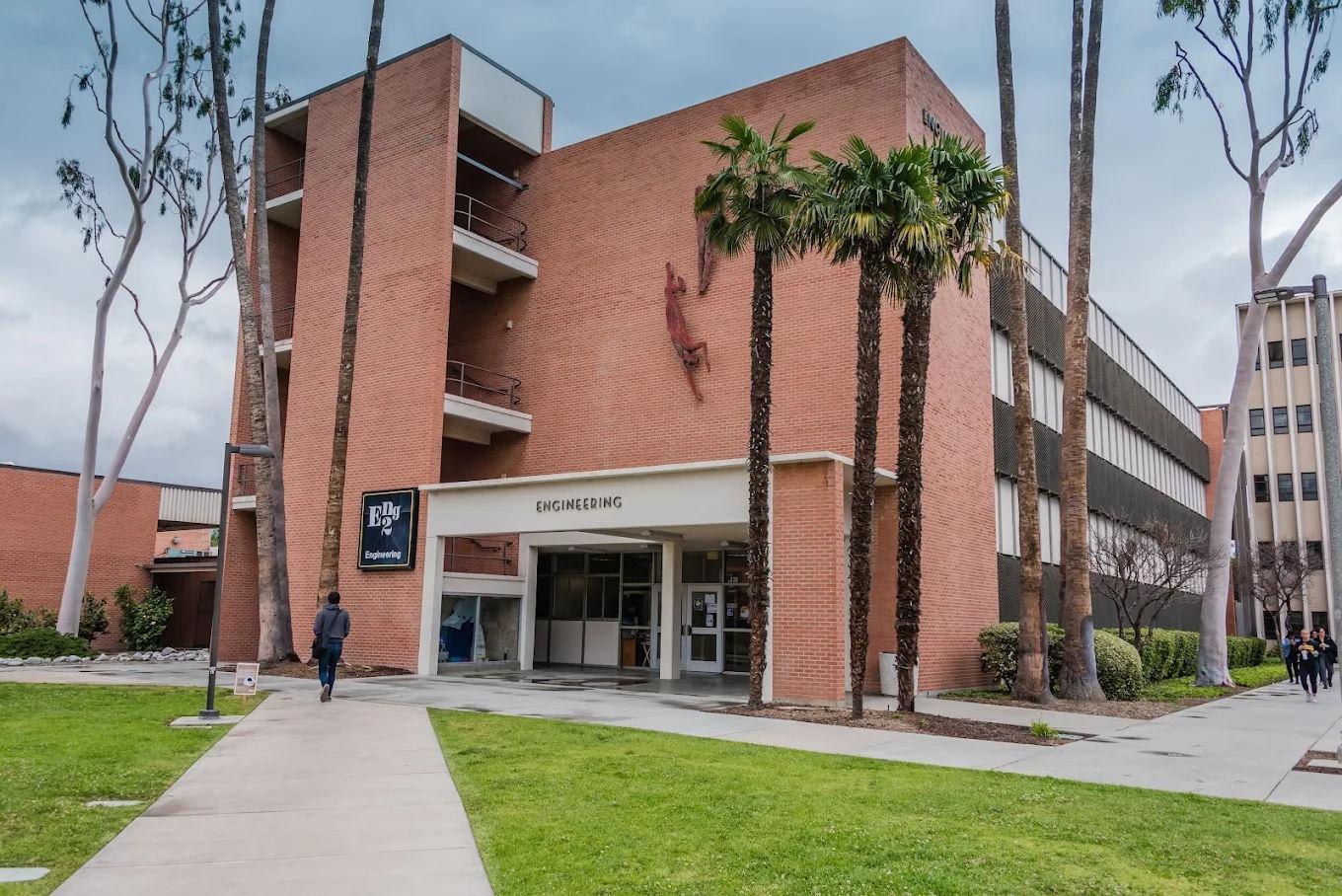
About California State University, Long Beach
California State University, Long Beach: Courses, Admissions, Tuition Fees, and Student Life
Overview of California State University, Long Beach
California State University, Long Beach (CSULB), commonly known as Cal State Long Beach, is a public university located in Long Beach, California, United States. Founded in 1949, the university has developed into a large institution offering undergraduate, graduate, and selected doctoral programs across a wide range of academic disciplines.
The university serves students interested in business, engineering, computer science, the arts, education, healthcare, natural sciences, and the humanities. Its academic structure brings together different colleges and departments, providing opportunities for students to develop subject-specific knowledge and practical skills.
CSULB is located in Southern California, a region with diverse communities, educational institutions, businesses, and cultural attractions. Its location can appeal to international students seeking a university experience in a major metropolitan area while pursuing their academic and professional goals.
Students considering California State University, Long Beach should evaluate the available programs, academic prerequisites, English-language requirements, estimated cost of attendance, and application deadlines. Admission standards differ by program, and some majors have additional selection criteria.
Why Study at California State University, Long Beach?
One of CSULB’s main attractions is its broad academic offering. The university provides more than 190 academic programs, including bachelor’s and master’s degrees, professional certifications, and doctoral qualifications. The exact options available depend on the college and department.
The university’s academic environment combines classroom instruction with projects, laboratory work, creative practice, and other learning experiences appropriate to each discipline. Students can develop analytical thinking, communication, teamwork, and problem-solving skills while building a foundation for employment or further education.
CSULB also has an established campus community with student organisations, university activities, recreational facilities, and support services. These opportunities can help students connect with peers and participate in university life outside the classroom.
Another consideration is the university’s location in Long Beach. Students can explore the city’s waterfront, cultural attractions, public spaces, and wider Southern California region. The area also offers exposure to industries such as logistics, healthcare, technology, manufacturing, business services, and entertainment. However, access to internships and employment depends on eligibility, qualifications, availability, and individual effort.
Prospective students should compare CSULB with other universities based on the curriculum, teaching approach, total expenses, location, and opportunities associated with their intended field.
Academic Programs and Areas of Study
California State University, Long Beach offers programs across several academic colleges. Applicants should consult the current university catalogue to verify exact degree titles, concentrations, course requirements, and availability for their intended intake.
Business and Economics
The College of Business includes academic areas such as accountancy, finance, human resource management, information systems, international business, management, marketing, and operations and supply chain management.
Students may explore undergraduate business administration programs or graduate options, including selected Master of Business Administration and Master of Science degrees. Coursework can cover financial analysis, organisational management, business strategy, marketing, data-informed decision-making, and operational planning, depending on the chosen specialisation.
These programs may suit students interested in corporate management, accounting, financial services, business analytics, marketing, or entrepreneurship. Applicants should compare the curriculum and any professional or departmental requirements before selecting a degree.
Engineering and Computer Science
CSULB offers academic opportunities in engineering and computing. Depending on the program, students may study areas such as aerospace engineering, biomedical engineering, chemical engineering, computer engineering, electrical engineering, civil engineering, mechanical engineering, or computer science.
Engineering and computing programs generally require strong preparation in mathematics and relevant sciences. Some courses involve laboratory activities, design assignments, programming projects, or collaborative technical work.
Graduates may pursue opportunities in engineering, software development, systems design, computing, manufacturing, or related technical fields. Career paths depend on the specific degree, practical experience, employer requirements, and any required professional credentials.
Students should confirm the availability of their intended major and review its prerequisites because admission to some programs can be competitive.
Arts, Design, Music, and Cinematic Arts
The College of the Arts includes fields such as design, studio art, dance, music, theatre arts, and cinematic arts. Students can pursue creative study while developing practical techniques, critical analysis, and presentation skills.
Some programs require auditions, portfolios, interviews, or additional application materials. Applicants should check the relevant department’s instructions well before the application deadline.
Potential career directions vary by specialisation and can include design, performance, creative production, media, arts administration, and related industries. Building a strong portfolio and gaining relevant practical experience may be important for students entering creative professions.
Education
The College of Education offers programs related to teacher preparation, educational leadership, counselling, and other areas of educational practice. Students interested in working in schools or educational organisations can explore relevant undergraduate, graduate, and credential pathways.
Some education programs lead toward professional credentials, while others focus on research, leadership, counselling, or specialised educational services. Admission requirements and professional eligibility depend on the qualification and intended role.
International students who plan to work in education after graduation should investigate any additional licensing or credential requirements that apply in their intended location.
Health and Human Services
The College of Health and Human Services includes fields such as health science, healthcare administration, kinesiology, nursing, public policy and administration, social work, recreation, nutrition, and related areas.
These programs can appeal to students interested in healthcare systems, community services, public health, human development, and wellbeing. Certain degrees may involve clinical placements, supervised practice, background checks, or other requirements that are separate from general university admission.
Students should confirm whether their chosen program prepares them for their intended profession and whether additional examinations, licensing, or postgraduate education will be required.
Liberal Arts and Natural Sciences
The College of Liberal Arts includes disciplines such as psychology, economics, sociology, communication studies, political science, history, English, languages, anthropology, and related subjects. The university also offers programs in natural sciences and mathematics.
These disciplines help students develop research, writing, quantitative reasoning, communication, and analytical skills. Depending on the major, graduates may pursue roles in research, public service, education, business, communications, policy, or further academic study.
Students interested in science and mathematics should review course prerequisites, laboratory requirements, and the structure of the degree before applying.
Admission Requirements for International Students
International admission requirements at CSULB vary according to the level of study, previous education, and selected program. Applicants must satisfy the university’s general requirements as well as any additional criteria established by their department.
Meeting minimum requirements does not guarantee admission, particularly for competitive majors.
Undergraduate Admission
First-year undergraduate applicants generally need to have completed secondary education equivalent to the university’s admission standards. Applicants should prepare academic records and confirm that their previous studies meet the prerequisites for their intended major.
CSULB uses a competitive admission process, and requirements can differ by academic program. Certain programs may consider additional criteria or require supplementary application materials.
Students transferring from another institution should review the university’s transfer admission rules, including transferable credits and major-specific requirements.
Graduate Admission
Graduate applicants generally need a recognised bachelor’s degree or an equivalent qualification. They must meet the university’s graduate admission criteria and the additional requirements of the intended program.
Depending on the degree, an application may require academic transcripts, a statement of purpose, a résumé, recommendation letters, test scores, or evidence of relevant academic or professional experience. Not every program requires the same documents.
Applicants educated outside the United States should review the university’s rules for evaluating international credentials. CSULB specifically advises holders of three-year bachelor’s degrees, including degrees earned in India, to investigate degree equivalency before applying.
English-Language Requirements
CSULB requires applicants to demonstrate English-language proficiency unless they qualify for an approved exemption. Accepted tests and minimum scores differ by study level.
The university’s published general benchmarks include:
|
English proficiency test |
Undergraduate |
Graduate or post-baccalaureate |
|
TOEFL iBT |
61 |
80 |
|
IELTS Academic |
6.0 |
6.5 |
|
Duolingo English Test |
105 |
115 |
|
Pearson Test of English |
43 |
58 |
These are general university benchmarks, not a guarantee that every department will accept an applicant who meets them. Applicants should check the latest requirements and any program-specific conditions before arranging a test.
Official scores must be submitted according to the university’s instructions. Students should also check whether their educational background qualifies for an English-language exemption.
Common Application Documents
Depending on the applicant and program, required materials may include:
- Academic transcripts, certificates, and mark sheets.
- English-language test results, where applicable.
- Passport information and personal details.
- A statement of purpose or résumé for selected graduate programs.
- Recommendation letters or additional departmental documents, where required.
- Financial documentation for international student processing after admission.
Applicants should ensure that documents are complete, translated into English where required, and submitted in the format accepted by the university.
Tuition Fees and Estimated Cost of Attendance
The total cost of studying at California State University, Long Beach includes tuition and mandatory fees, accommodation, food, books, transportation, health insurance, and other personal expenses.
CSULB’s published 2026–2027 financial affidavit provides the following estimated first-year funding requirements for standard international students:
|
Study category |
Estimated first-year funding |
|
Undergraduate study, based on 24 units per academic year |
USD 47,778 |
|
Standard graduate study, based on 18 units per academic year |
USD 46,566 |
These figures represent the minimum funding amounts required for the university’s first-year international student financial affidavit. They include estimated tuition and fees, living expenses, and medical insurance. They are not tuition-only prices and should not be interpreted as guaranteed final expenses.
Certain programs, including some graduate business and specialist programs, have different tuition structures and may cost substantially more. Actual expenses depend on the program, course load, accommodation choice, and individual circumstances.
Understanding Tuition and Other Expenses
Tuition and mandatory fees cover the university’s instructional charges and applicable campus fees. International students generally pay additional nonresident tuition, calculated according to the number of units taken.
Living expenses include estimated housing, food, books, course materials, and transportation. Medical insurance is also mandatory for F-1 international students under the university’s published guidance.
The university’s minimum funding estimate does not include every possible personal expense. Students should budget separately for items such as additional travel, mobile services, clothing, entertainment, deposits, and unexpected costs.
Because estimates can change from year to year, prospective students should review the current financial affidavit and program-specific tuition information before making a final decision.
Scholarships and Financial Planning
Scholarship and funding opportunities vary by eligibility, program, and availability. Students should not assume that funding will be awarded automatically or that an award will cover all study and living expenses.
A practical financial plan should include the expected cost of the entire degree, the number of semesters required, housing arrangements, insurance, and emergency funds. International applicants should also understand the financial evidence required for their immigration documentation.
Applicants should review official payment deadlines, deposits, and refund policies before paying fees or making non-refundable arrangements.
Campus Life and Student Support
Campus life at CSULB includes academic activities, student organisations, recreational facilities, cultural events, and opportunities to interact with students from different backgrounds. Participation can help students develop communication skills, build friendships, and become more familiar with university life.
Students can explore clubs and organisations that align with their academic interests, cultural backgrounds, hobbies, and career goals. Availability and activities may change from semester to semester.
Academic advising and departmental support can help students understand degree requirements, plan their courses, and identify appropriate academic resources. Students should contact the relevant department if they need clarification about prerequisites, course sequencing, or progression requirements.
International students should also familiarise themselves with the services provided by the university’s international education office. These services can help students understand immigration documentation, enrolment responsibilities, and procedures that affect their student status.
Students should seek guidance before making changes that may affect their immigration status, including dropping below required course loads or accepting employment without the appropriate authorisation.
Career Development and Employment Opportunities
CSULB’s academic breadth and Southern California location can provide students with opportunities to explore different professional fields. Depending on their degree, students may investigate careers in business, technology, engineering, healthcare, education, communications, design, research, and public service.
Career preparation involves more than earning a degree. Students can strengthen their profiles through relevant projects, practical experience, professional networking, internships where available, and the development of communication and problem-solving skills.
Career services and academic departments may provide resources for résumé preparation, career exploration, interview practice, and employer engagement. Students should confirm which services are available to them and what eligibility conditions apply.
International students must follow the employment rules associated with their immigration status. Work eligibility during study and after graduation depends on the applicable authorisation and regulations. Students should consult designated university advisers and official immigration guidance before accepting employment.
A university qualification does not guarantee a particular job, salary, internship, or immigration outcome. Students should research current industry requirements and consider whether their intended career requires further study, professional licensing, or specialised experience.
How to Apply to California State University, Long Beach
Applicants should begin by selecting a suitable program and checking its entry requirements. Because CSULB has competitive admission policies and major-specific criteria, choosing a program based only on its name or general eligibility is not sufficient.
The application process generally involves the following steps:
- Choose a program: Review the curriculum, degree level, prerequisites, and availability for the intended intake.
- Check admission requirements: Confirm academic eligibility, English-language proficiency, and any additional program criteria.
- Prepare documents: Gather transcripts, certificates, test results, and any supplementary materials.
- Submit the application: Follow the university’s application instructions and submit the required information through the designated application system.
- Monitor the application: Check the application portal and email regularly for updates, document requests, and admission decisions.
- Complete post-admission requirements: Follow the university’s instructions for accepting an offer, submitting official documents, and completing financial and international student requirements.
- Plan for arrival: Arrange accommodation, review orientation information, understand health insurance requirements, and prepare for the start of the academic term.
CSULB publishes general application periods, but some programs have earlier or different deadlines. Applicants should confirm the deadline for their exact program and entry term instead of relying on a general calendar.
Is California State University, Long Beach a Good Choice?
California State University, Long Beach may be a suitable option for students seeking a public university with a broad academic offering and a campus environment in Southern California. Its programs span business, engineering, computing, arts, education, healthcare, liberal arts, and natural sciences.
The university may be particularly relevant to applicants whose academic interests match its degree offerings and who are prepared for the financial requirements of studying in the United States.
Before making a decision, students should compare the curriculum, entry requirements, total cost of attendance, housing options, campus services, and possible career pathways with those of other universities.
International applicants should verify the latest admission requirements and costs directly with the university, especially when applying to competitive majors or specialised graduate programs. Careful planning can help students determine whether CSULB aligns with their academic interests, budget, and longer-term goals.
Entry Requirements
General Entry Requirement
IELTS 6.5 overall
Fees & Scholarships
Annual Tuition Fees
USD 32,000 - USD 47,700
Ready to Apply to California State University, Long Beach?
Our advisors guide you from eligibility check to offer letter — at no cost to you.
Join our WhatsApp Community
.jpeg)
Scan to join our student community for admission updates & guidance