
Annual FeesUSD 4,500 - USD 11,000
California State Polytechnic University, Pomona (College of the Extended University)
LocationUS
Entry RequirementIELTS 6.5 overall
Visa Success Rate72%
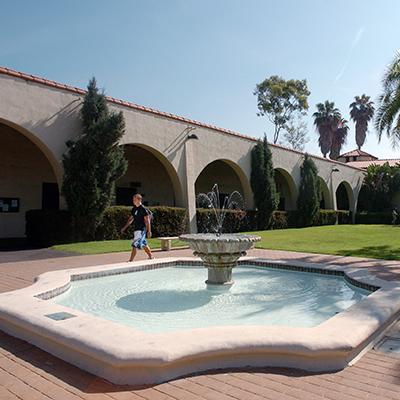
Campus Photos
California State Polytechnic University, Pomona (College of the Extended University)

About California State Polytechnic University, Pomona (College of the Extended University)
California State Polytechnic University, Pomona (College of the Extended University): Programs, Fees and International Student Opportunities
Introduction
California State Polytechnic University, Pomona, commonly known as Cal Poly Pomona, is a public university in Pomona, California. The university is known for its learn-by-doing approach, which connects academic learning with practical activities, projects, and professional development. Located in Southern California, it provides students with opportunities to explore academic subjects, interact with people from different backgrounds, and gain exposure to the educational environment of the United States.
The College of the Extended University has historically provided continuing education and international learning opportunities. Today, Cal Poly Pomona's College of Professional and Global Education supports international and professional education initiatives. For students exploring the university through the programs in this profile, two options are particularly relevant: Semester@CPP and the Student Innovation, Entrepreneurship and Leadership Program (SIELP).
These programs serve different purposes. Semester@CPP allows eligible visiting international students to take university courses for academic credit, while SIELP is a shorter educational experience focused on innovation, entrepreneurship, leadership, and intercultural learning. Neither should automatically be treated as equivalent to admission to a full undergraduate or postgraduate degree.
Overview of Cal Poly Pomona
Cal Poly Pomona is located in Pomona, within the Greater Los Angeles region of California. Its location provides access to a diverse metropolitan environment, with connections to business, technology, entertainment, logistics, hospitality, and other industries. Students can experience a region that combines university life with the cultural and professional opportunities of Southern California.
The university follows a polytechnic educational model, emphasizing the application of knowledge. Practical learning can involve laboratory work, collaborative projects, presentations, and activities that connect classroom concepts to real situations. This approach is relevant to students who want to develop problem-solving, communication, teamwork, and analytical skills.
Students participating in international or short-term programs should review the precise academic and administrative arrangements for their chosen program. Course availability, program duration, credit transfer, accommodation, and immigration requirements may differ from those applicable to degree-seeking students.
Student Innovation, Entrepreneurship and Leadership Program (SIELP)
The Student Innovation, Entrepreneurship and Leadership Program is designed to introduce participants to entrepreneurial thinking, leadership development, business innovation, and collaboration in an international learning environment.
The program's published topics include innovation and entrepreneurship in the United States, leadership and collaborative teamwork, artificial intelligence in business, intercultural communication, startup funding, business idea development, business model planning, international etiquette, public speaking, and debate. Activities may include workshops, group discussions, laboratory visits, cultural exchanges, and collaborative business-pitch projects.
An important feature of SIELP is its emphasis on participation. Rather than focusing exclusively on lectures, the program gives students opportunities to brainstorm ideas, work with peers, develop business concepts, and communicate their proposals. These activities can help participants practise presenting ideas clearly, working in teams, and approaching business problems creatively.
SIELP can be relevant to students interested in entrepreneurship, management, innovation, leadership, or international business. It may also provide an opportunity for students to experience an American university setting and interact with students and professionals from different backgrounds.
The program is short-term and its dates, application deadlines, fee, activities, and eligibility requirements depend on the specific intake. Students should therefore confirm the latest details with the university before making travel or payment arrangements.
Semester@CPP: Study Alongside American Students
Semester@CPP provides eligible international students with an opportunity to study at Cal Poly Pomona for one or more semesters without being admitted as matriculated degree students. Participants can select eligible courses from the university's available academic offerings, subject to prerequisites, capacity, and program rules.
A key benefit is that completed coursework can appear on an official Cal Poly Pomona transcript. Students may be able to request transfer credit from their home institution, but the receiving institution decides whether and how those credits count toward the student's existing degree. Students should obtain approval from their home university before enrolling if credit transfer is important to their academic plans.
Semester@CPP can also suit students who want to experience university-level education in the United States before deciding on a longer-term study plan. Depending on the available courses and eligibility conditions, participants may explore subjects across different academic areas while studying alongside American students.
The program's flexibility should not be confused with guaranteed access to every course or major. Course registration depends on availability, academic prerequisites, and program policies. Students must review the current course catalogue and coordinate with program staff before selecting classes.
Academic Areas and Learning Opportunities
Cal Poly Pomona offers academic programs across multiple colleges and disciplines. Semester@CPP participants may select from eligible courses offered through the university, but the exact subjects available to a visiting student can vary by term.
Potential areas to explore through the university's broader academic offerings include business, engineering, computing, science, hospitality management, environmental design, and the liberal arts and social sciences. These are examples of the university's wider academic landscape, not a guarantee that every subject or course will be available to each Semester@CPP participant.
SIELP has a different emphasis. Its published curriculum concentrates on entrepreneurship, leadership, business innovation, communication, teamwork, and related topics. Participants can gain exposure to how business ideas are discussed, developed, and presented in a collaborative setting.
Before applying, students should identify their primary objective. Those seeking academic credits for a home degree may find Semester@CPP more suitable, while those looking for a short, structured experience focused on innovation and leadership may prefer SIELP.
Tuition Fees and Estimated Expenses
The cost of participation depends on the program selected, its duration, and the expenses included in the published fee. SIELP and Semester@CPP have different fee structures, so their prices should not be interpreted as an annual tuition range for a regular Cal Poly Pomona degree.
The university's published Summer 2026 SIELP information listed a program fee of USD 3,980 per student for a 14-day program. The listed fee included accommodation at University Village, program instruction and workshops, selected activities, airport transfers, excursion transportation, some meals, and program-related materials and certificates. Airfare, visa application expenses, insurance, certain meals, specified excursion tickets, and personal expenses were excluded.
For Semester@CPP, the university's published program information lists tuition of USD 5,900 per semester for 12 credit units. Additional credit units may cost extra. A one-time, non-refundable application fee of USD 175 is also listed for applicants subject to the fee. Insurance, accommodation, meals, books, transportation, and personal expenses must be considered separately where applicable.
These figures are published program-specific amounts and may change for future intakes. The Summer 2026 SIELP price should not be assumed to apply to a later summer. Students should request an updated written cost estimate and confirm the payment deadlines before committing to either program.
Admission Requirements and Application Process
Admission requirements depend on whether the student is applying for SIELP or Semester@CPP. Applicants should begin by reviewing the official page for their intended program and intake.
For Semester@CPP, the university's application guidance identifies documents such as a passport copy, academic transcript, evidence of English proficiency, and a bank statement. The program may require students to demonstrate that they can participate successfully in university-level coursework and meet the applicable financial and administrative conditions.
The English-language requirements should be checked against the current official guidance. The university has published test-score options in its program materials, but students should verify the accepted tests, minimum scores, validity periods, and any waiver conditions for their intended semester rather than relying on an older brochure.
For SIELP, applicants should confirm the application form, eligibility criteria, required documentation, program dates, and deadline for the relevant session. Since it is a short-term program, its admission process and requirements may differ from those for Semester@CPP.
A practical application sequence is to choose the program, check the latest eligibility information, prepare the required documents, submit the application by the deadline, pay any applicable application fee, and follow the university's instructions for acceptance and enrolment. Applicants should retain copies of their submitted documents and payment confirmations.
International Student and Immigration Considerations
International students must ensure that their travel and immigration arrangements match their program and length of stay. Students should not assume that participation in a short-term educational program automatically provides eligibility for a particular visa or immigration status.
Applicants who need to enter the United States should obtain instructions from the university's international program team and review the applicable requirements from official U.S. government sources. They should also check whether their program requires a particular immigration document, whether their intended activities are permitted under their status, and when they should arrive.
Visa approval is determined by the relevant U.S. authorities. No particular visa outcome can be guaranteed by the university or an education adviser. Students should allow adequate time for appointments and processing, and avoid purchasing non-refundable travel arrangements before confirming the applicable requirements.
Accommodation and Student Life
Cal Poly Pomona's campus environment offers students access to university facilities and opportunities to interact with a diverse academic community. Accommodation arrangements differ between the programs and should be confirmed directly with program staff.
The published SIELP information describes accommodation at University Village, including a single-occupancy bedroom in an apartment shared with other residents. The program information also identifies shared facilities and organised activities. These arrangements are specific to the stated SIELP intake and should not be assumed to apply to all future sessions.
Semester@CPP participants should review the current housing options, availability, contract periods, meal arrangements, and associated charges. Students may need to budget separately for deposits, food, local transport, telephone service, personal purchases, and other living expenses.
Students should also plan for the practical aspects of living in Southern California, including travel between accommodation and campus, local transportation, healthcare arrangements, and the cost of daily necessities. Actual expenses depend on lifestyle and housing choices.
Career Development and Skills
The two programs can contribute to personal and professional development in different ways. SIELP is oriented toward entrepreneurship, innovation, leadership, presentation skills, and teamwork. Its collaborative activities can help participants practise explaining business ideas, developing proposals, and working with people from different cultural backgrounds.
Semester@CPP offers the opportunity to complete university-level coursework and receive a transcript for successfully completed classes. Depending on the courses selected, this experience may help students deepen subject knowledge, broaden their academic perspective, and demonstrate initiative in an international learning environment.
Participation does not guarantee employment, an internship, admission to a degree program, or transfer credit. Students should consider these programs as educational experiences that may support their longer-term goals, rather than as guaranteed routes to a specific outcome.
Students who want to make the most of their experience can set clear learning objectives before arrival, participate actively in group work, seek academic guidance when needed, and document their projects and achievements for future applications.
Who Should Consider These Programs?
SIELP may suit students who want a short international learning experience with an emphasis on innovation, entrepreneurship, leadership, and communication. It is particularly relevant for participants who want to practise developing and presenting business ideas in a collaborative setting.
Semester@CPP may suit students who want to take credit-bearing university courses in the United States for one or more semesters. It can be useful for students who want international academic exposure while remaining enrolled at a home institution, provided their home institution agrees to the proposed credit-transfer arrangement.
Students seeking a complete undergraduate or postgraduate qualification should separately review Cal Poly Pomona's regular degree admissions process. The visiting-student and short-term programs described here should not be presented as substitutes for full-degree admission.
Conclusion
California State Polytechnic University, Pomona offers different ways for international students to engage with its educational environment. SIELP focuses on innovation, entrepreneurship, leadership, communication, and collaborative learning through a short-term program. Semester@CPP provides eligible visiting students with the opportunity to take university courses alongside American students and receive an academic transcript for completed coursework.
The right option depends on the student's academic objectives, preferred duration, budget, eligibility, and plans for using the experience. Since program fees, deadlines, course availability, and application requirements can change, students should confirm the latest information directly with Cal Poly Pomona before applying.
A careful review of program details, total expenses, accommodation arrangements, credit-transfer policies, and immigration requirements can help students make an informed decision and prepare for a successful educational experience in Southern California.
Entry Requirements
General Entry Requirement
IELTS 6.5 overall
Fees & Scholarships
Annual Tuition Fees
USD 4,500 - USD 11,000
Ready to Apply to California State Polytechnic University, Pomona (College of the Extended University)?
Our advisors guide you from eligibility check to offer letter — at no cost to you.
Join our WhatsApp Community
.jpeg)
Scan to join our student community for admission updates & guidance